REVIEW · TAKAYAMA
Departing from Takayama [Regular sightseeing bus] World Heritage Sites Shirakawago and Gokayama Ainokura
Book on Viator →Operated by Nohi Bus · Bookable on Viator
Two UNESCO villages, one easy day trip.
This Takayama bus outing takes you to the hard-to-reach Gassho-zukuri settlements of Gokayama (Ainokura) and Shirakawa-go, with a Nohi Bus guide filling the ride with useful Hida-region context. It’s a shared, air-conditioned day trip built for comfort and timing, so you can spend your limited hours where it matters: looking at those steep thatched roofs and soaking up rural mountain life in your own pace.
I especially liked the mix of structure and freedom: you get clear orientation from the guide on the bus, plus enough time on the ground to wander, browse, and choose what to prioritize. I also loved the contrast between the two villages: Ainokura starts quieter, then Shirakawa-go brings the bigger, poster-famous scene, including classic viewpoints and a historic houses experience.
The one drawback to keep in mind is that timing at Shirakawa-go can feel tight, and lunch lines may eat into your free-roaming time—so go in with a game plan for what you want to see first.
In This Review
- Key Highlights You’ll Feel on the Day
- Takayama to Gassho Country: What This Day Trip Actually Delivers
- Meeting at Hanasatomachi and Getting Ready for a Smooth Start
- Stop 1: Ainokura Gassho Community in Gokayama (A Quieter First Impression)
- Stop 2: Historic Villages of Shirakawa-go Gassho-Style Houses (When the Main Scene Hits)
- Stop 3: Shirakawago Gassho Zukuri Minkaen (A Better Look at the Houses)
- Stop 4: Tenshukakau Observatory (The Poster View, With Context)
- Lunch at Shirakawa-go: How to Avoid the Time Squeeze
- Price and Value: Is $64.80 a Fair Deal?
- Who This Tour Suits Best (and Who Might Feel Rushed)
- Should You Book This Nohi Bus Tour?
- FAQ
- How long is the tour from Takayama to Shirakawa-go and Gokayama?
- What time does it start, and where do I meet?
- Is lunch included in the price?
- What stops are included on the route?
- Are admission tickets included for the stops?
- What if the Gassho-zukuri Minkaen park is closed?
- Is this tour private or shared?
- Can I join on the day of departure if I find a seat?
- What’s the cancellation and weather policy?
Key Highlights You’ll Feel on the Day
![Departing from Takayama [Regular sightseeing bus] World Heritage Sites Shirakawago and Gokayama Ainokura - Key Highlights You’ll Feel on the Day](https://images.thejapantraveler.com/wp-content/uploads/departing-from-takayama-regular-sightseeing-bus-world-heritage-sites-shirakawago-and-gokayama-ainokura-1.jpg)
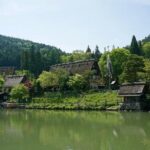
- Ainokura first, for a calmer start: 50 minutes at a smaller World Heritage village before the bigger crowds.
- Shirakawa-go for the signature scenery: 2 hours in the historic village area with classic Gassho roofs everywhere.
- Gassho-zukuri Minkaen is included: 30 minutes inside the open-air style site (with seasonal closure rules).
- Tenshukakau Observatory is built for photos: 20 minutes at a hill viewpoint that matches the posters.
- You’re guided, but not babysat: you’ll get orientation and maps, then explore on your own at each stop.
- Bring your patience for lunch: one of the common time squeezers at Shirakawa-go is meal queues.
Takayama to Gassho Country: What This Day Trip Actually Delivers
![Departing from Takayama [Regular sightseeing bus] World Heritage Sites Shirakawago and Gokayama Ainokura - Takayama to Gassho Country: What This Day Trip Actually Delivers](https://images.thejapantraveler.com/wp-content/uploads/departing-from-takayama-regular-sightseeing-bus-world-heritage-sites-shirakawago-and-gokayama-ainokura-2.jpg)
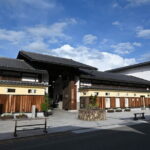
This tour is a practical fix for a simple problem: Gokayama and Shirakawa-go don’t sit on the same convenient doorstep as downtown Takayama. Going by regular bus is possible, but getting the timing right without stress is another story—especially if you want both villages in one day.
The big win here is that you’re paying for transportation plus on-the-ground efficiency. The bus ride isn’t just transit; the Nohi Bus guide uses it for orientation and seasonal context in the Hida area. That kind of talk matters because these villages can blur together if you show up cold, without knowing what you’re looking at or where the best walking routes are.
Also, the tour is shared and runs on a medium or large bus, so you’re not doing a slow, private crawl. It’s very much a “get there comfortably, see the key sights, and then roam” format.
You can also read our reviews of more historical tours in Takayama


Meeting at Hanasatomachi and Getting Ready for a Smooth Start
The tour starts at 6-chōme-125 Hanasatomachi, Takayama, Gifu at 8:30 am. It ends back at the same meeting point, so you’re not worrying about transfers or a confusing final drop-off.
One small detail that can make your morning smoother: you’ll need to redeem your voucher/ticket at the ticket redemption point, which is listed at the same address. I’d plan a few extra minutes so you’re not rushing when you arrive. On at least one departure, people found the voucher exchange step wasn’t clear at first, and that’s the kind of avoidable hiccup you want to skip.
Once you’re on board, the guide (for example, guides named Yamashia or Ikuichinami have been reported on past departures) typically gives practical setup before each stop. Expect maps and timing guidance, not a nonstop lecture.
Stop 1: Ainokura Gassho Community in Gokayama (A Quieter First Impression)
![Departing from Takayama [Regular sightseeing bus] World Heritage Sites Shirakawago and Gokayama Ainokura - Stop 1: Ainokura Gassho Community in Gokayama (A Quieter First Impression)](https://images.thejapantraveler.com/wp-content/uploads/departing-from-takayama-regular-sightseeing-bus-world-heritage-sites-shirakawago-and-gokayama-ainokura.jpg)
Your first village stop is Ainokura Gassho Community in Nanto City, Toyama Prefecture. You’ll get about 50 minutes, and the admission ticket is free.
This is a smart ordering choice. Ainokura is smaller than Shirakawa-go, and you feel it immediately: fewer people pouring in at once, a tighter connection between the houses and the surrounding slopes, and more of that “you’re in the storybook” atmosphere when the light hits the steep roofs.
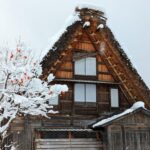
What you’ll likely notice right away is the form of the Gassho-zukuri style: the steep, triangular thatched rooflines that are strongly associated with heavy snowfall regions. The tour doesn’t just point at scenery—it helps you understand why these structures make sense in a mountain climate.
Practical tip: since your time here is limited, pick one short walking route, then come back for a second look. That way you don’t end up zig-zagging and losing the best photo angles.
Stop 2: Historic Villages of Shirakawa-go Gassho-Style Houses (When the Main Scene Hits)
![Departing from Takayama [Regular sightseeing bus] World Heritage Sites Shirakawago and Gokayama Ainokura - Stop 2: Historic Villages of Shirakawa-go Gassho-Style Houses (When the Main Scene Hits)](https://images.thejapantraveler.com/wp-content/uploads/departing-from-takayama-regular-sightseeing-bus-world-heritage-sites-shirakawago-and-gokayama-ainokura-4.jpg)
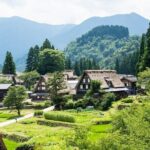
Next comes Shirakawa-go, where you have about 2 hours in the historic village area. Admission is free for this stop.
This is the big one. The village is known for keeping 114 thatched Gassho-zukuri houses that preserve the nostalgic street-and-house layout of older rural Japan. If you’ve seen Shirakawa-go on postcards, this stop is where those images come from.
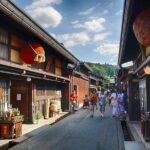
The tradeoff is also real: Shirakawa-go is the most famous, so it tends to be busier. That’s not a reason to skip it—it’s simply the reason you should plan your priorities. If your timing is flexible, you can walk slowly and enjoy the atmosphere. If you’re chasing specific viewpoints or want to hit museums, you’ll want a tight plan for how you use your 2 hours.
One more thing: queues can affect your schedule later. If your lunch options involve popular restaurants in the village, you may need to accept that your free time won’t stretch forever.
Stop 3: Shirakawago Gassho Zukuri Minkaen (A Better Look at the Houses)
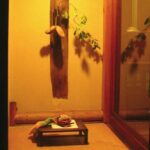
After the village wandering, you add Shirakawago Gassho Zukuri Minkaen, with 30 minutes and entrance included.
This is the stop that often feels most “tangible” to me, because it’s designed for understanding the houses beyond just passing them. You can enter during your walk, and this is where you get a more structured sense of the living history behind the rooftops and layouts.
There’s also an important seasonal detail: the park is closed on Thursdays from December to March. If it’s closed during your visit, the tour indicates you’ll receive the tour’s original mascot instead. That doesn’t replace the visit, but it does prevent the stop from feeling totally dead.
Based on how people talk about this portion, I’d say 30 minutes can be enough if you focus on the “look and learn” parts. If you like reading and slower indoor viewing, you may wish you had a bit more time here.


Stop 4: Tenshukakau Observatory (The Poster View, With Context)
The final stop is Tenshukakau Observatory, about 20 minutes, with admission included.
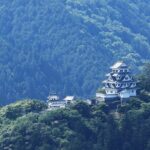
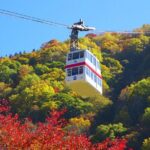
This is located on a hill in the northwest of Shirakawa-go, and the view is described as the one often seen on posters. From a practical standpoint, it’s a quick payoff: even if your legs are tired from walking through the village, the observatory gives you that wide perspective that helps everything snap into place.
If you’ve been moving around streets, then suddenly seeing the village from above, it helps you understand the layout and how the houses sit across the terrain. That “aha” moment is exactly why this stop exists.
If you’re sensitive to heights or crowds, it’s still usually manageable because the time here is short. Just don’t treat it like a casual stroll—you’ll get the most from it by arriving ready to look, take photos, then move on.
Lunch at Shirakawa-go: How to Avoid the Time Squeeze
![Departing from Takayama [Regular sightseeing bus] World Heritage Sites Shirakawago and Gokayama Ainokura - Lunch at Shirakawa-go: How to Avoid the Time Squeeze](https://images.thejapantraveler.com/wp-content/uploads/departing-from-takayama-regular-sightseeing-bus-world-heritage-sites-shirakawago-and-gokayama-ainokura-5.jpg)
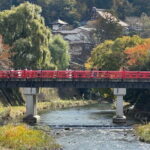
Lunch is not included. Instead, you’re instructed to eat lunch at Gassho Village in Shirakawago during your time there.
Here’s the reality: Shirakawa-go can have meal queues, and if you’re unlucky with timing, lunch can eat into the part of your schedule you hoped to spend at the observation deck and/or museums. One common pattern is that people end up adjusting their priorities—skipping a view or choosing one museum instead of two—just to keep the day flowing.
So what’s the best move? Decide before you get hungry. If you want a specific museum experience, treat lunch as the flexible part. If you’d rather take your time shopping and walking, plan for a quicker meal option first, then slow down after.
Also, the tour format helps: you’ll have maps and recommendations from the guide, and that can save you from wandering without a plan when the area feels crowded.
Price and Value: Is $64.80 a Fair Deal?
The price is $64.80 per person, and that number matters because you’re buying more than entry tickets.
What you’re paying for:
- Round-trip transport from Takayama in an air-conditioned vehicle
- A guide who helps you navigate both villages in limited time
- Admission coverage for parts of the experience (Minkaen and the observatory are included; Ainokura and the historic village area are free)
- Time-structured stops that make it realistic to do both World Heritage sites in one day
In other words, this is priced like a convenience package. If you tried to DIY the same day, you might spend less on ticketing, but you’d likely spend more on stress, timing, and wasted transit. Here, the bus does the hard part: moving you safely and comfortably between sites while a guide gives context you can’t easily pick up on your own.
The only way it feels like a bad value is if you’re the type who wants long, slow museum time or you arrive with zero interest in pacing and structure. Then the day can feel like you’re moving through places rather than lingering.
Who This Tour Suits Best (and Who Might Feel Rushed)
This is a great fit if you want:
- A smooth, hard-to-reach day trip without planning every bus connection
- A guided orientation plus free time to roam
- The chance to see both Ainokura (quieter) and Shirakawa-go (more famous) without sacrificing one for the other
It’s less ideal if:
- You hate crowds and tend to get grumpy when popular places have lines
- You need long, uninterrupted time at indoor exhibits
- You’re expecting a private, step-by-step guide walking you street by street for the entire day
The best way to enjoy it is to treat it like what it is: a well-timed day route through two UNESCO villages, with enough guidance to help you make good choices quickly.
Should You Book This Nohi Bus Tour?
Yes, I’d book it if your goal is to hit both World Heritage sites from Takayama without turning your day into logistics homework. The guided orientation, the included entrances, and the clean stop order make it a strong use of limited vacation time.
Skip it only if you’re very sensitive to time pressure at Shirakawa-go or you mainly want deep museum time. In that case, you might prefer a slower plan that lets you control lunch lines and lingering indoors.
If you want a single-day taste of Gassho country done the easy way, this one earns its high rating.
FAQ
How long is the tour from Takayama to Shirakawa-go and Gokayama?
It runs for about 7 hours 20 minutes (approx.).
What time does it start, and where do I meet?
The departure time is 8:30 am. The meeting point is 6-chōme-125 Hanasatomachi, Takayama, Gifu 506-0026, Japan.
Is lunch included in the price?
No. Lunch is not included, and you’re expected to eat lunch at Shirakawa-go.
What stops are included on the route?
You’ll visit Ainokura Gassho Community, the historic villages of Shirakawa-go Gassho-style houses, Shirakawago Gassho Zukuri Minkaen, and Tenshukakau Observatory.
Are admission tickets included for the stops?
Ainokura Gassho Community and the historic villages of Shirakawa-go are listed as admission ticket free. Shirakawago Gassho Zukuri Minkaen and Tenshukakau Observatory include admission.
What if the Gassho-zukuri Minkaen park is closed?
The park is closed on Thursdays from December to March. If it’s closed on your visit, the tour indicates you’ll be given the tour’s original mascot instead.
Is this tour private or shared?
It’s a shared tour, and it operates with a medium or large bus.
Can I join on the day of departure if I find a seat?
You can join on the day of departure if there’s an available seat, but the tour may refuse if seats are full.
What’s the cancellation and weather policy?
You can cancel for free up to 24 hours in advance for a full refund. If the tour is canceled due to poor weather, you’ll be offered a different date or a full refund.