REVIEW · TAKAYAMA
Kanazawa: World Heritage Shirakawa-go Morning Guided Tour
Book on GetYourGuide →Operated by Japan Panoramic Tours · Bookable on GetYourGuide
Early starts pay off in Japan. This Kanazawa-to-Shirakawa-go morning tour is a smooth, guided way to see the UNESCO village before the day crowds roll in, then finish at Kenrokuen Garden. What makes it especially fun is the mix of guided storytelling and time to wander the gassho-zukuri streets on your own.
I especially like the English-speaking guide (people in recent groups have been with guides like Keita and Yasushi) plus the extra context on the bus so you know what you’re looking at. I also like that you’re not stuck figuring out buses and timing; the plan runs on a comfortable, air-conditioned coach with onboard free Wi‑Fi and headset audio help.
The main thing to consider is simple: you only get a limited window in Shirakawa-go, so if you want to linger in shop lines or go inside a lot of houses, you may feel a bit rushed—especially in colder months when people move slower.
In This Review
- Quick take: what you’ll notice first
- Why the early morning plan is the best part
- Getting there from Kanazawa: smooth bus, short stress, and Wi‑Fi
- Shirakawa-go: gassho-zukuri houses, quiet lanes, and real-life atmosphere
- The local food route (and why it matters on this tour)
- A guide’s job: turning a stroll into a story
- From Shirakawa-go to Kenrokuen Garden by around 1:00 PM
- Comfort, winter tips, and how to pack for this morning
- So…is $77 a good value for this half-day?
- Who should book this tour (and who might want more time)
- Should you book Kanazawa to Shirakawa-go in the morning?
- FAQ
- What time does the tour check in and depart?
- Where do I meet the tour?
- How long is the bus ride to Shirakawa-go?
- How long do I spend in Shirakawa-go?
- Does the tour include food?
- What languages are available for the audio guide?
- Where does the tour end?
Quick take: what you’ll notice first
- You arrive early so photos and wandering feel calm, even in busy seasons
- Real guidance, then free time: you learn fast and explore at your own pace
- UNESCO gassho-zukuri village + locals living there, not just a theme-park feel
- Local food mission with options like Hida beef and doburoku soft serve
- Comfort-focused transport with A/C and onboard Wi‑Fi
- Finish at Kenrokuen so you don’t need to plan a second trip
Why the early morning plan is the best part
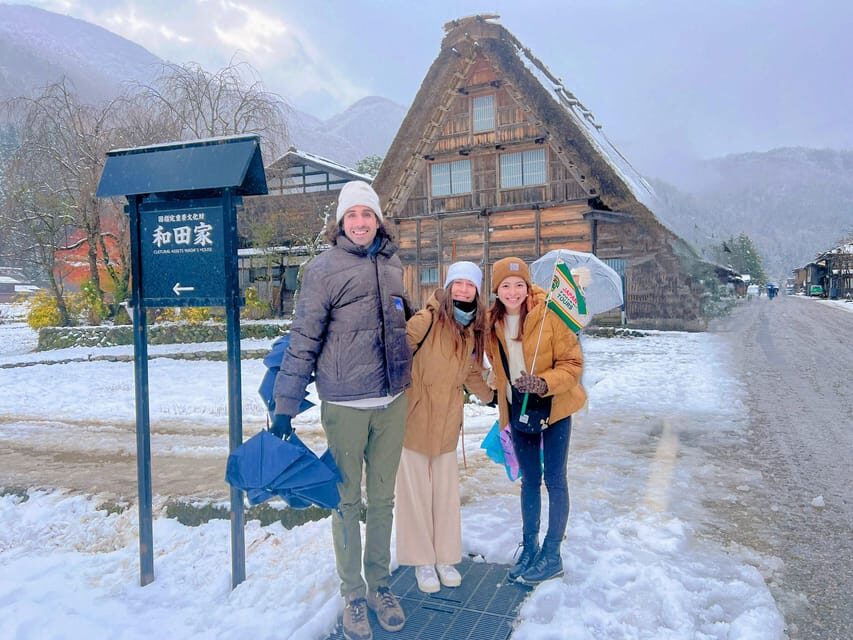
The biggest reason this half-day tour works is that it’s timed for you, not for tour buses everywhere else. You check in at 7:50 AM and leave 8:00 AM, heading straight from Kanazawa toward Shirakawa-go. That early departure matters. Shirakawa-go is stunning all year, but timing changes the vibe fast—from quiet and spacious in the morning to more crowded later.
In the winter, the early start is even more valuable because conditions can feel colder than the main Kanazawa areas. People often come hoping for snow photos, and the early window gives you a better shot at seeing the village looking crisp and peaceful rather than surrounded.
And there’s another smart reason to go early: you’re not just buying time. You’re buying clarity. The tour’s bus commentary sets the stage so your walk through Shirakawa-go feels guided, not random.
You can also read our reviews of more guided tours in Takayama
Getting there from Kanazawa: smooth bus, short stress, and Wi‑Fi
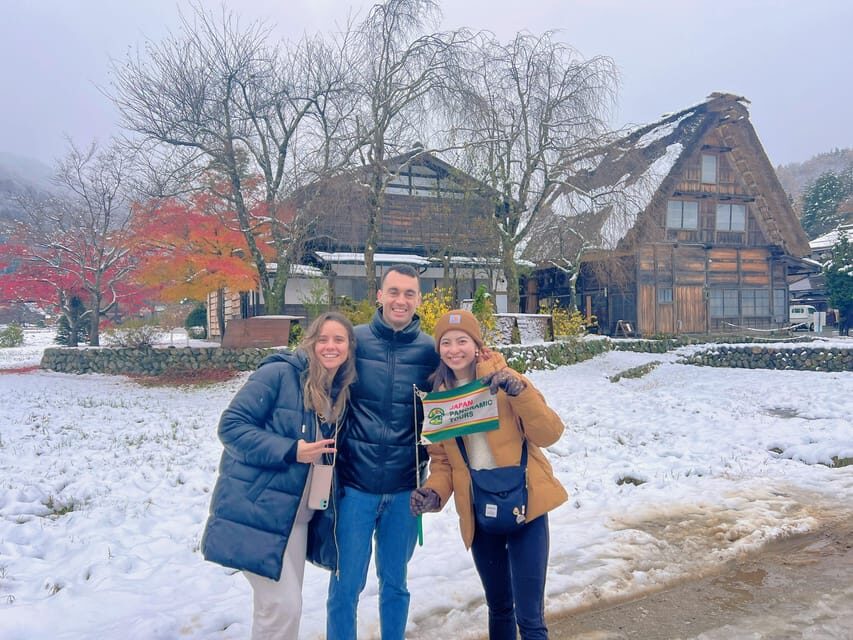
Your meeting point is Kanazawa Station West Plaza – Short-term Car Park (1-chōme-6-802 Hirooka). The tour operator name you’ll look for is Japan Panoramic Tours, marked with green and white flags.
Once you’re onboard, you get an air-conditioned coach with free Wi‑Fi, plus extra comfort details like regular ventilation and an antibacterial coating. That’s not just “nice to have.” It makes the ride feel manageable—especially if you’re going straight from hotel check-out and you’re not in a morning mood yet.
The transfer takes about 80 minutes. While the bus rolls down the expressway, the guide provides live commentary, and you also have access to a multilingual audio setup through headsets. The goal is that by the time you reach the village, you already understand what makes the houses special and what to notice on the street.
Practical tip: wear shoes you can walk in for a while. Shirakawa-go’s paths are the kind you’ll want steady footing on, and you’ll spend a chunk of your morning outdoors.
Shirakawa-go: gassho-zukuri houses, quiet lanes, and real-life atmosphere
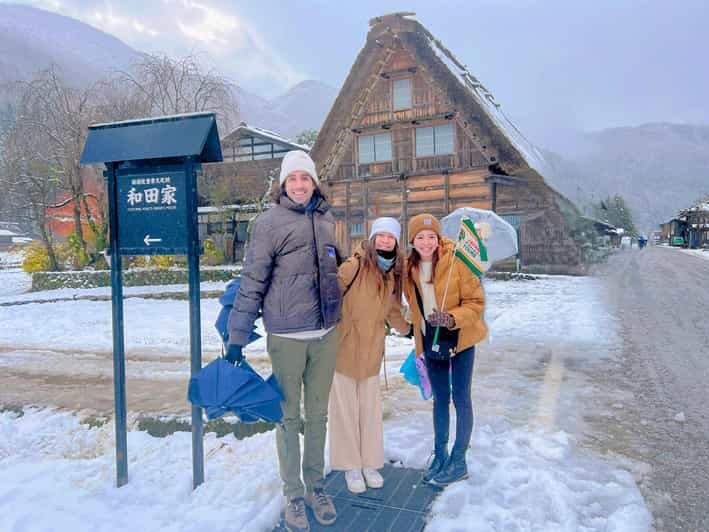
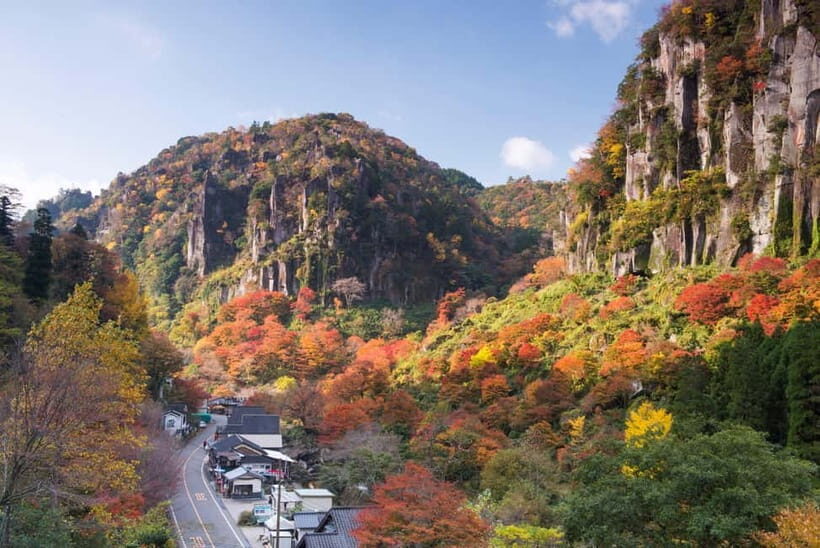
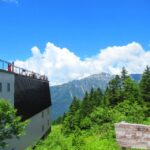
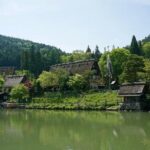
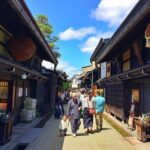
When you arrive, you’re stepping into a village famous for its gassho-zukuri architecture—homes built in a way that helps handle heavy snowfall. Shirakawa-go became a World Heritage site in 1995, and once you’re there, that date starts to make sense. You’re not seeing one single building. You’re seeing a whole preserved way of life.
You get a guided walk for about 2.33 hours, and that’s a meaningful amount of time here. It’s long enough to get your bearings, learn the basics from your guide, and then enjoy the village at your own pace afterward.
What I like about this approach is that the guidance doesn’t trap you. Your guide helps you read the village—how the buildings are arranged, what the architecture is for, and how people live around it. Then you’re free to wander, which is the part that feels most personal.
The local food route (and why it matters on this tour)
This tour is built around walking and local tasting. Food here isn’t just a snack stop; it’s part of the village experience.
You can look out for:
- Hida beef (including skewers, if you spot them)
- A well-known local pudding
- Doburoku soft serve, made with unfiltered sake
- Goheimochi, mentioned as a must-try by people who’ve done the tour
In real terms, those are the flavors that help Shirakawa-go feel like a living place, not a set of buildings. Also, if you’re comparing villages in Japan, food becomes one of the easiest ways to tell one region from another.
One note: you’re not guaranteed to eat everything. What you actually manage depends on queue lines and how quickly you move. People praise the food, but some also wish they had a bit more time in the village for shop lines.
A guide’s job: turning a stroll into a story
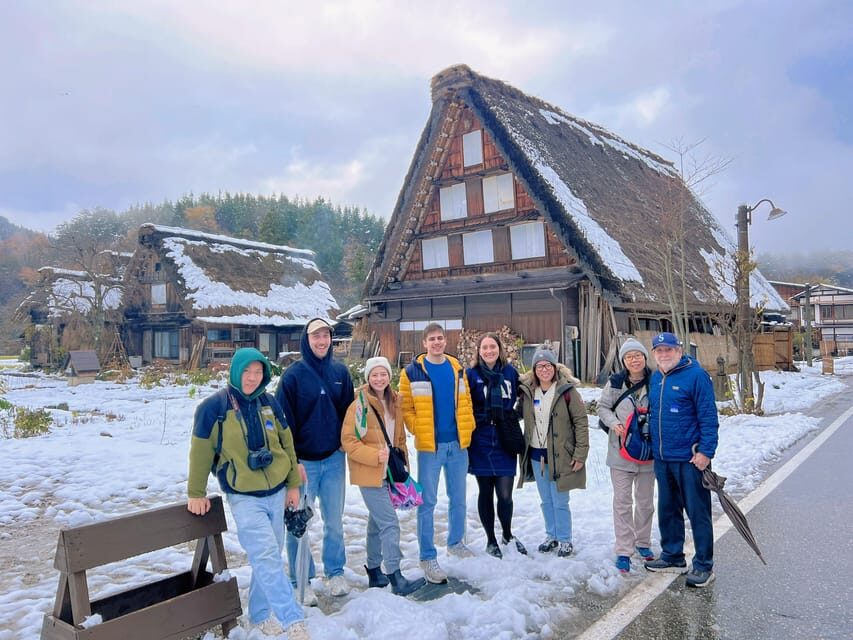
This is where the tour earns its price. The live guide isn’t just reading facts. The bus ride commentary helps you arrive with context, so when you walk past the houses, you understand what you’re seeing.
Recent tours have included guides like Keita, Yasushi, and Aiko, and the consistent theme is energy plus clarity. People specifically liked that the guide is funny and engaging while staying informative, and that you get practical pointers on navigating the village.
I like tours where the guide gives you a map and suggestions, then lets you use them. Here, you get that kind of support. You’ll know where to aim first and where to take your time. That matters because Shirakawa-go is small, but the best spots still take choosing.
Also, you’ll have audio headsets available for multiple languages, including Spanish, French, Italian, German, Portuguese, and Ukrainian (and the tour also notes multilingual audio including EN, FR, IT, ES, DE, PT, and UK). Even if you prefer to listen to the live guide, the audio headsets are a handy backup when English is going fast or you want a different language track.
Bottom line: you get “quick orientation” without turning the morning into a lecture.
You can also read our reviews of more historical tours in Takayama
From Shirakawa-go to Kenrokuen Garden by around 1:00 PM
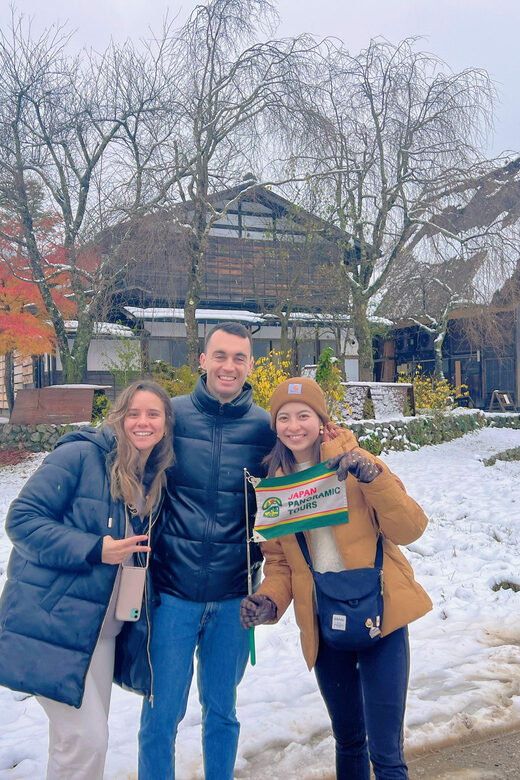
After your time in the village, the coach heads back to Kanazawa and the tour ends at Kenrokuen Garden around 13:00.
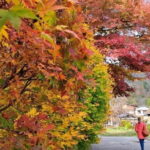
Kenrokuen is a great way to “land” after the mountain-village feel. This is the same region, but the atmosphere shifts: from snow-ready village roofs to formal garden paths. It’s a nice contrast for a half-day tour. You also don’t have to squeeze extra planning into your schedule. You’re already in Kanazawa, and the afternoon activity is basically waiting for you.
A detail to watch: on specific dates—October 12 and 16, and November 1, 3, and 13—the tour ends at the Higashi Chaya District instead of Kenrokuen. So if you’re traveling during those windows, it’s smart to check what your ending point will be.
Comfort, winter tips, and how to pack for this morning
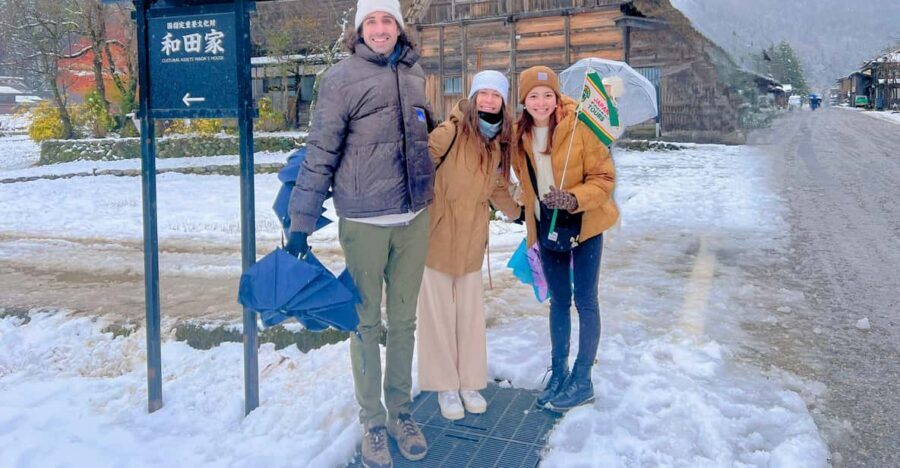
The tour’s comfort is one of the less flashy but very real benefits. You’re on an air-conditioned coach, you have Wi‑Fi, and the bus includes ventilation and antibacterial coating. That reduces the “long ride dread.”
Once you step out in Shirakawa-go, your comfort becomes mostly about what you wear:
- Comfortable shoes are required
- In winter, plan for colder conditions than central Kanazawa
- Dress in layers so you can adjust as you move between sun and shade
If you’re chasing snow photos, be ready for wind and changing light. Layers help you keep moving instead of standing still trying to stay warm.
Also, the tour includes guiding and audio, but food and drinks are not included. That’s normal for a market-and-snacks style village visit. It also gives you freedom to spend your yen where you want—meat, pudding, dessert, or whatever looks best in front of you.
So…is $77 a good value for this half-day?
At $77 per person for roughly 5 hours, you’re paying for convenience plus guided meaning.
Here’s what you’re getting for the money:
- A guided visit through Shirakawa-go (not just a bus drop-off)
- A live English/Japanese guide
- Audio headsets in multiple languages
- Round-trip coach transport from Kanazawa
- An onboard experience that’s actually comfortable: A/C and free Wi‑Fi
The biggest value is avoiding the hardest part: logistics. Getting out to Shirakawa-go on your own can be doable, but you’ll spend energy researching routes and timing—and you’ll still end up trying to “guess” where to go first. This tour handles the transfer and provides structure so your limited time in the village feels efficient.
The cost can feel steep if you’re the type who doesn’t care about narration and just wants independent browsing. But if you want the context behind the houses and you like having a plan that runs on schedule, it’s a fair setup—especially because the early departure improves the experience.
Who should book this tour (and who might want more time)
This is a great match if:
- You’re based in Kanazawa and want a simple, guided way to see Shirakawa-go
- You like an early start and want fewer crowds when you arrive
- You want to taste local foods without researching where to go
- You appreciate a guide giving you quick orientation and then letting you roam
It might not be ideal if:
- You expect lots of free time for shopping lines and slow browsing
- You really want to spend extra time going inside houses or doing every possible stop without rushing
People loved the morning timing, but some wished they had a little more time in Shirakawa-go for inside viewpoints or extra shopping. If that’s your travel style, consider looking at a full-day option instead (the tour operator notes a full-day Shirakawa-go + Kenrokuen + craft experiences format).
Should you book Kanazawa to Shirakawa-go in the morning?
If your main goal is to see UNESCO Shirakawa-go with less hassle and more clarity, I’d book this morning tour. The early departure, comfortable transport, and the mix of guide-led context plus time to wander is exactly the kind of “efficient travel” that still feels human.
My rule of thumb: book it if you want the village story and you’re happy to prioritize the big sights and a few key food stops. Skip or upgrade if you want a slow, shop-heavy day where nothing feels rushed.
Either way, wear good shoes, layer up for winter, and plan your food choices early—you’ll enjoy Shirakawa-go more when you’re not thinking about logistics.
FAQ
What time does the tour check in and depart?
Check-in is at 7:50 AM and the bus departs at 8:00 AM from Kanazawa Station West Plaza.
Where do I meet the tour?
You meet at Kanazawa Station West Plaza – Short-term Car Park (1-chōme-6-802 Hirooka, Kanazawa).
How long is the bus ride to Shirakawa-go?
The ride is about 80 minutes to reach Shirakawa-go.
How long do I spend in Shirakawa-go?
You get a guided visit of about 2.33 hours, which is also described as enough time to see key sights and wander.
Does the tour include food?
No. The tour includes walking time and you can enjoy local foods, but additional food and drinks are not included.
What languages are available for the audio guide?
Audio headsets are available for Spanish, French, Italian, German, Portuguese, and Ukrainian. The tour also states multilingual audio is available in EN, FR, IT, ES, DE, PT, and UK.
Where does the tour end?
It ends at Kenrokuen Garden around 13:00, with specific date exceptions where it ends at the Higashi Chaya District.