REVIEW · TAKAYAMA
Takayama: Onigiri and miso soup making at a buddhist temple
Book on GetYourGuide →Operated by Takayama Zenkoji Experience Center · Bookable on GetYourGuide
Cooking at a temple feels oddly calming. In Takayama, you’ll make onigiri and miso soup in the temple kitchen (kuri) with temple staff guiding you in English. It’s hands-on food, but framed with Buddhist ideas about attention, gratitude, and slowing down.
I especially like the combination of practical skills and quiet context. You’ll shape your own rice balls, then eat them right there, and you’ll hear thoughtful explanations from instructors such as Kazuki or Tama, who are repeatedly praised for clear, friendly English.
One thing to consider: this isn’t for everyone. It’s not suitable for kids under 10, wheelchair users, or people with altitude sickness, and you’ll want to arrive on time since the session starts promptly.
In This Review
- Key things I think you’ll care about most
- Why Make Onigiri and Miso at a Takayama Temple?
- Finding the Temple: Two Gates, One Clear Walk
- Your 1-Hour Rhythm in the Temple Kitchen (Kuri)
- Onigiri Skills You Can Use Back Home
- Miso Soup: Flavor, Respect, and a Real Cultural Lens
- Instructor Energy: English-Friendly, Step-by-Step Teaching
- The Temple Setting Changes the Meal (In a Good Way)
- Price and Value: $25 for Food + Culture in One Hour
- Who Should Book This Workshop (and Who Should Skip It)?
- Practical Tips Before You Go
- Should You Book This Takayama Temple Onigiri Workshop?
- FAQ
- What is the duration of this experience?
- How much does it cost?
- Is the class taught in English?
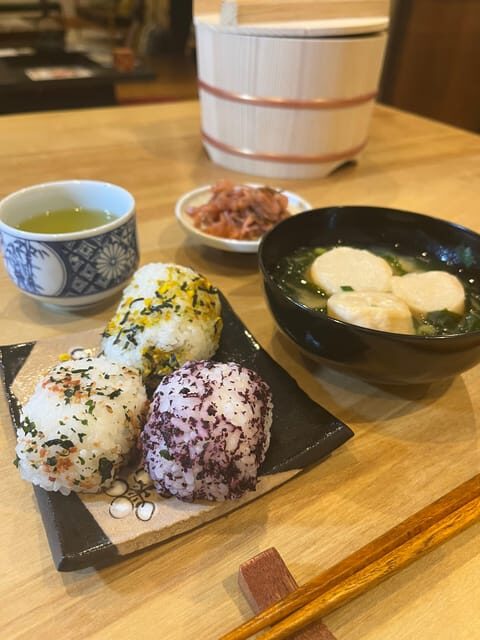
- What will I make and eat during the workshop?
- Are vegetarian options available?
- Where exactly should I meet?
- What time should I arrive?
- Is there any take-home material?
- Is this suitable for children?
- Is it accessible for wheelchair users?
- Is it refundable if I cancel?
Key things I think you’ll care about most
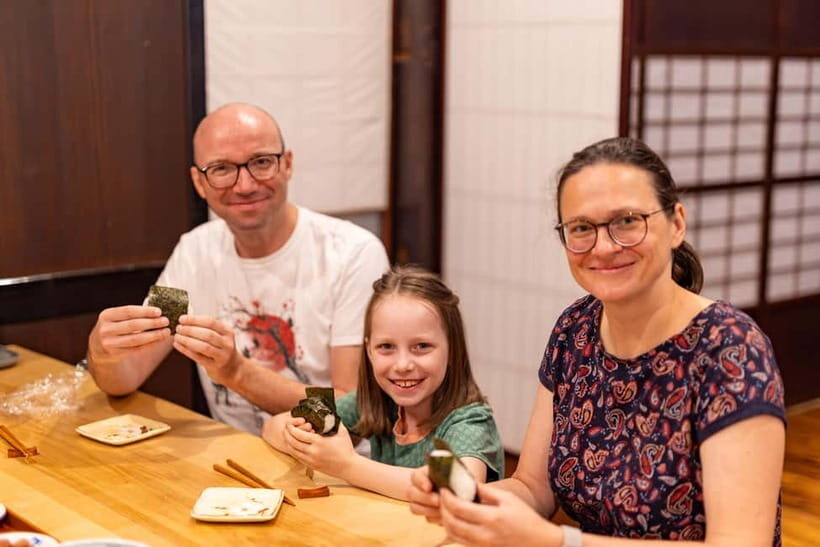
- Temple kitchen (kuri) cooking: you learn in the space where the meal culture actually happens
- Onigiri + miso soup in one hour: a full, satisfying lunch or breakfast experience without dragging
- English instruction: guides communicate clearly, with ingredient and process talk
- Mindfulness touches: Buddhist teachings are built into the way the meal is presented
- Vegetarian-friendly options: you can choose a veg approach during the workshop
- Small-group feel: instruction comes across as personal, not crowded
Why Make Onigiri and Miso at a Takayama Temple?
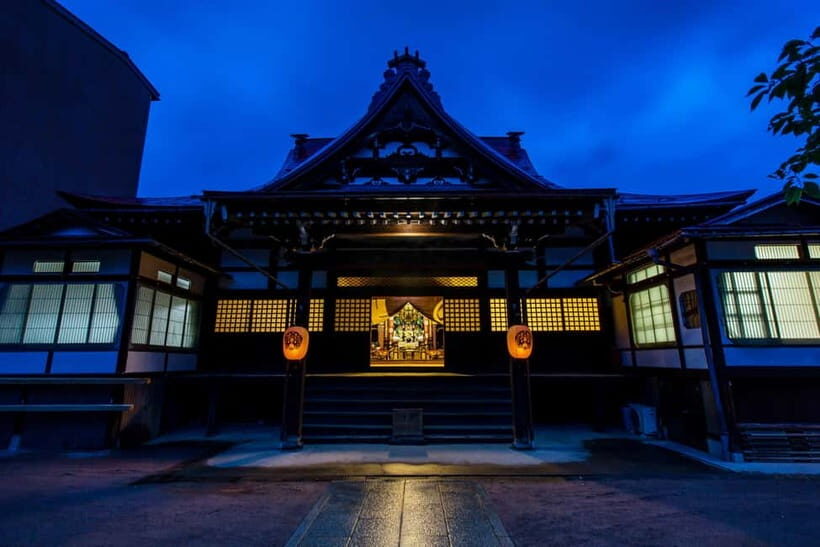
Takayama has no shortage of food experiences, but this one is different because it’s not just about eating. You’re making Japan’s everyday comfort food in a place designed for quiet focus. That matters. When you step into a temple setting, your brain stops treating lunch like a rush-job and starts treating it like something you’re part of.
The two meals you’ll create are also the reason this workshop works so well for visitors. Onigiri is simple, portable, and cultural, and miso soup is the kind of base flavor that shows up everywhere in Japan. In an hour, you don’t just learn what they are—you learn how they feel when they’re made with care and eaten in the same moment.
You can also read our reviews of more tours and experiences in Takayama.

Finding the Temple: Two Gates, One Clear Walk
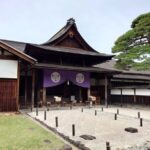
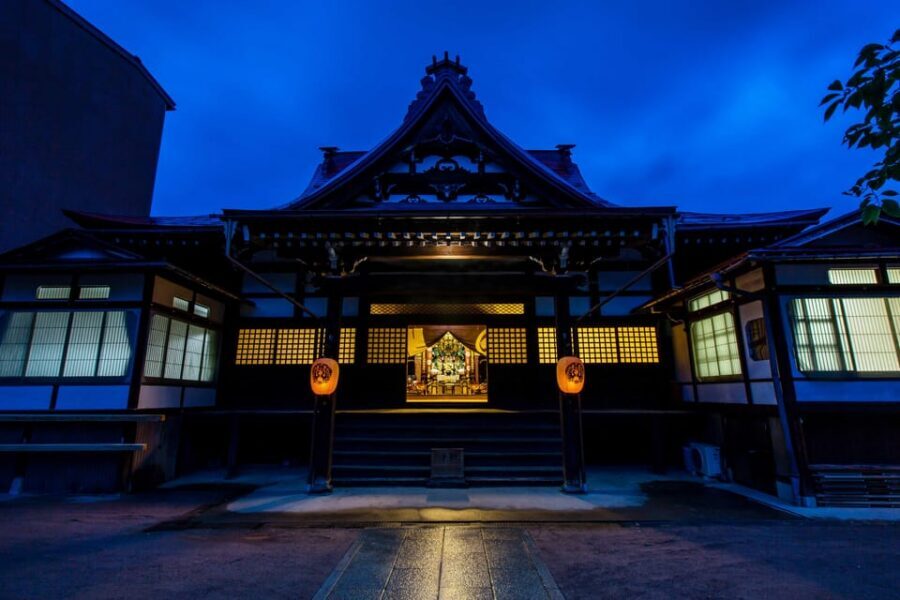
Logistics here are straightforward, but you do need to pay attention. Your meeting point is by the two gates in front of the temple. Enter the gate closer to the traffic lights, walk straight to the entrance, and follow the directions provided.
Also, arrive about 10 minutes early. This is one of those activities where being late can throw off your setup time, your tools, and the flow of the group. If you’re the kind of person who hates rushing, I’d even give yourself a few extra minutes to get oriented.
Your 1-Hour Rhythm in the Temple Kitchen (Kuri)
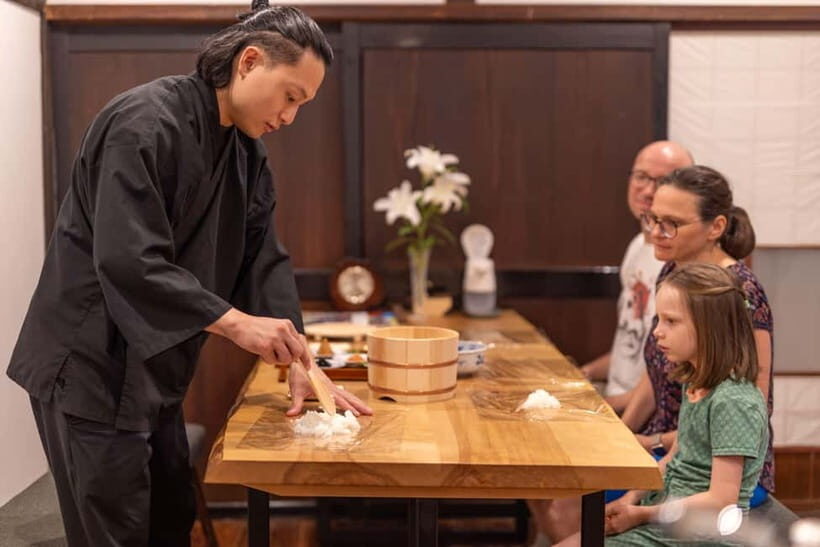
This is a short class by design: 1 hour total. You’ll be led into the cooking space—the kuri, the temple’s kitchen area—and you’ll work step by step with guidance from temple staff. You’ll make both parts of the meal: rice balls (onigiri) and miso soup.
In practical terms, the format is ideal if you’re touring all day. You get a focused activity, then you eat what you made as breakfast or lunch. There’s no long lecture schedule, no complicated homework, and no waiting around for a late start—just a tight timeline with real output.
Here’s what the pacing typically feels like:
- you arrive, get settled, and get instructions in English
- you cook with direct help as you form the onigiri
- you prepare the miso soup alongside the food-making process
- you sit down and eat your creation in the calm temple setting
If you’re worried about fitting it into sightseeing, that 1-hour window is the beauty. It’s long enough to learn, but short enough that you won’t feel like you lost half a day.
Onigiri Skills You Can Use Back Home
You’re not learning onigiri as a vague concept—you’ll actually make it. That’s what turns this into more than a photo-op. The hands-on guidance helps you understand the basics of shaping rice into a clean, satisfying form, and how the idea of filling and seasoning works in Japanese everyday food.
What I like about this approach is that it’s approachable even if you’re a beginner. Onigiri looks fancy when someone hands it to you, but in class you see that it’s built around simple technique and repetition. By the end, you’ll have a mental model you can recreate at home—plus the confidence to try again rather than freezing the minute the rice hits your hands.
A bonus: several participants mention leaving with a recipe. Even if your exact ingredients aren’t identical at home, having that framework makes practice easier.
Miso Soup: Flavor, Respect, and a Real Cultural Lens
Miso soup is more than warm water with paste. In this workshop, it becomes a lesson about attention. You’ll talk about ingredient choices and the process, and you’ll connect that to a mindful way of eating. The temple setting helps, because it nudges you away from multitasking and toward noticing taste and texture.
And yes—people genuinely get excited about the result. Multiple comments praise the miso soup as especially good, which makes sense: when you’re cooking with guidance in a calm environment, you tend to do things with more care than you would on your own the first time.
You’ll also have vegetarian-friendly options. The data doesn’t list every possible substitution, so you should expect staff to guide you toward a veg approach that works for the class. If dietary needs matter for you, plan to mention them clearly when you join.
Instructor Energy: English-Friendly, Step-by-Step Teaching
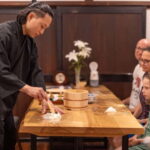
One of the biggest reasons this experience earns top marks is communication. The class is conducted in English, and recent feedback repeatedly highlights that the chef’s or guide’s English is easy to follow. Names that show up include Kazuki, Tama, and another instructor listed as Kazkuku.
What you’re aiming for in a cooking class is clarity: you want to know what to do next, why you’re doing it, and what mistakes to watch for. Here, instruction is described as friendly, welcoming, and broken down in an easy sequence. That’s a big deal if you don’t speak Japanese, because it keeps the experience from feeling like you’re just standing near the action.
The Temple Setting Changes the Meal (In a Good Way)
Cooking in a Buddhist temple does something subtle to your sense of time. Even when you’re learning a hands-on recipe, the environment encourages slower attention. Several people note Buddhist teachings as part of the experience, including moments framed as prayer or reflection.
You might also hear about longer temple life. One participant mentions being invited to attend the morning prayer the next day, which hints that this workshop can be a doorway into a deeper look at daily practice. Even if you don’t do anything beyond the workshop, just seeing how food sits inside spirituality changes the meaning of what you eat.
Also, the meals aren’t presented as a rushed finish line. You make, then you eat together in the peaceful temple setting. That order matters. It turns the meal into a small ritual instead of a quick stop.
Price and Value: $25 for Food + Culture in One Hour
At $25 per person, the value is strong if you treat it like a full experience, not just a cooking demo. You’re getting:
- hands-on instruction
- onigiri and miso soup (breakfast or lunch)
- English guidance
- vegetarian-friendly options
For many visitors, the biggest cost in Japan is time and convenience. This workshop bundles a guided cultural moment with your meal. If you were to pay for lunch plus a separate cultural activity, the total usually climbs fast. Here, you get both in a tight 1-hour block.
My rule of thumb: when a class includes your meal and is conducted in English, it usually performs well as a vacation purchase. This one checks that box—plus it’s in a temple, which is not something you can replicate with a random cooking class in town.
Who Should Book This Workshop (and Who Should Skip It)?
This one suits you if:
- you like food you can actually reproduce later
- you want something calm and cultural, not just a factory-style tour
- you prefer guided teaching over winging it
- you want a short activity that still feels meaningful
It’s not suitable for:
- children under 10
- wheelchair users
- people with altitude sickness
If any of those apply, skip this and choose a different Takayama food option. The workshop format is closely tied to the temple kitchen and the way the session is run.
Practical Tips Before You Go
A few real-world notes will make your experience smoother:
- Wear comfortable clothes. You’ll be in a kitchen setting where you’re actively working and shaping food.
- Arrive 10 minutes early. It keeps the group flow steady.
- Plan for parking. One participant mentions there’s no parking on site, so don’t count on pulling in and walking over.
- Ask about vegetarian options if needed. The class supports vegetarian-friendly choices, but you should still clarify your preference.
- Bring a curious mindset. This isn’t only about technique. The way the meal is taught includes Buddhist teachings and ideas about respecting ingredients and food.
After the workshop, you should be able to recreate at home with a clearer sense of what matters: texture, basic shaping, and how miso soup fits into the meal.
Should You Book This Takayama Temple Onigiri Workshop?
If you want a short, practical cooking class with a genuinely peaceful setting, I’d book it. The combination of hands-on onigiri-making, a full miso soup meal, English instruction, and Buddhist mindfulness makes it feel more personal than most food tours.
I’d especially choose it if your day in Takayama needs one solid anchor moment—something that slows you down and gives you a take-home skill (not just a snack and a selfie). If your schedule allows only one food-centered activity, this is the kind that tends to pay off in both memory and cooking confidence.
FAQ
What is the duration of this experience?
The experience lasts 1 hour.
How much does it cost?
It costs $25 per person.
Is the class taught in English?
Yes, the instructor teaches in English.
What will I make and eat during the workshop?
You’ll make and eat rice balls (onigiri) and miso soup, as breakfast or lunch.
Are vegetarian options available?
Yes, vegetarian-friendly options are available.
Where exactly should I meet?
Meet at the temple area with two gates in front. Enter the gate closer to the traffic lights, walk straight to the entrance, and follow the directions.
What time should I arrive?
Arrive 10 minutes before the activity starts.
Is there any take-home material?
One participant mentions being given a recipe to take away, so you might receive a recipe.
Is this suitable for children?
No. It is not suitable for children under 10.
Is it accessible for wheelchair users?
No. It is not suitable for wheelchair users.
Is it refundable if I cancel?
Yes. Free cancellation is available up to 24 hours in advance for a full refund.