REVIEW · TOKYO
Dynamic Tokyo: Tokyo Tower, Tea Experience, Bay Cruise Day Tour
Book on Viator →Operated by JTB Global Marketing & Travel Inc. · Bookable on Viator
Want Tokyo in one day.
This full-day tour strings together the big hitters and adds a couple of hands-on stops that feel more real than standard photo stops, including a tea experience and a climb to Tokyo Tower’s main observatory. I love that you get a layered view of Tokyo—old gates and temple streets in Asakusa, then skyline views above the city, plus water views from the river. I also like that lunch is taken care of with an included hotel buffet, so you’re not hunting for food between attractions. One drawback to plan for: the buffet is included, but vegetarian requests can’t be accommodated, so you’ll want to eat beforehand if your diet is restrictive.
The price looks fair once you tally what’s included: coach transport, entrance fees for the stops on the program, the Tower admission, and the cruise. You’ll also be on a mobile ticket with a group capped at 40 people, which usually helps keep the day from turning into a cattle-herding contest.
In This Review
- Key things that make this day tour work
- How the 9-hour Tokyo loop stays doable
- Imperial Palace: Edo Castle stones and quick East Garden time
- Nakamise and Senso-ji: the Asakusa classic in one hour
- Asakusa tea experience: making matcha instead of watching
- The hotel buffet lunch in Odaiba: easy fuel, one catch
- Cruising on Tokyo’s water: Hinode to the Asakusa side
- Tokyo Tower at 150 meters: big views and the transparent floor
- Price and what $99.10 really buys you
- Logistics that can make or break your day
- Who this Dynamic Tokyo day tour fits best
- Should you book this day tour?
- FAQ
- How long is the Dynamic Tokyo tour?
- What’s included in the lunch?
- Is Tokyo Tower entry included, and at what height?
- Does the tour include a tea experience?
- Where does the cruise depart, and what kind of cruise is it?
- Is the lunch vegetarian-friendly?
- How does the schedule handle weather and road changes?
- Where is the tour meeting point and where does it end?
- What’s the physical requirement?
Key things that make this day tour work
- Matcha-making that’s not just watching: you’ll make your own matcha during the Asakusa tea experience.
- A well-paced loop: Imperial Palace grounds, Nakamise and Senso-ji, then Odaiba lunch, then water, then Tokyo Tower.
- Water time from Hinode and the river feel: cruise time with coffee or tea, plus views under bridges heading toward Asakusa.
- Tokyo Tower from 150 meters: main observatory admission is included, with a transparent-floor lookout window.
- A hotel buffet lunch included mid-day: easier budgeting, and you’re sitting down before the afternoon sightseeing ramps up.
- One-day orientation energy: it’s designed for limited time, not slow neighborhood wandering.
How the 9-hour Tokyo loop stays doable
This is a long day, but it’s built like an efficient circuit. You’ll start in the morning and move by air-conditioned and heated coach bus between major areas. The pace isn’t frantic stop-and-go, but you should expect continuous walking once you arrive at each sight, plus lines for observation and temple areas.
The tour is also capped at a maximum of 40 people, which helps the guide keep everyone together. You’ll get a mobile ticket, and that matters because it reduces the chance you’ll be stuck at the first stop while people hunt paper tickets.
A small planning tip: the order can shift due to road conditions or entry restrictions near the Imperial Palace. That’s not rare in Tokyo, and it can also affect departure timing. I’d treat the schedule as a target, not a promise, especially if you’re traveling during high-traffic periods.
You can also read our reviews of more boat tours in Tokyo

Imperial Palace: Edo Castle stones and quick East Garden time
The day begins with a stop at the Imperial Palace area. You’re not waiting in a long line to enter interiors here; the focus is on the palace grounds and the views. This stop is short—about 30 minutes—so think of it as a reset and a photo-and-orientation window more than a deep dive.
What you’ll notice is the layering of eras. The palace grounds include ancient foundations tied to Edo Castle, with much of the original structure gone except for the stone base. You’ll also see the view of Nijubashi Bridge, often described as a front-facing view of the palace. After that, there’s time in the East Garden, where you can spot the tea pavilion and moats.
If you hate rushed viewpoints, this might feel like a drive-by in spirit. And there’s another reality check: the Imperial Palace area can have traffic or entry restrictions, and on some days operation may be suspended or departure may not be possible from the planned spot. So even if you’re excited for this portion, come with the mindset that you’re there for the big impression.
Nakamise and Senso-ji: the Asakusa classic in one hour
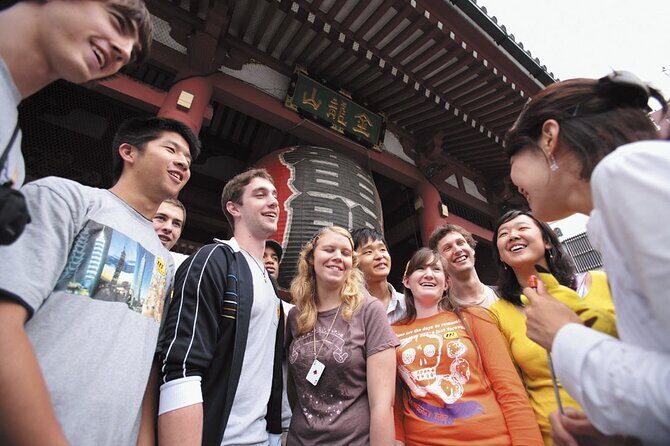
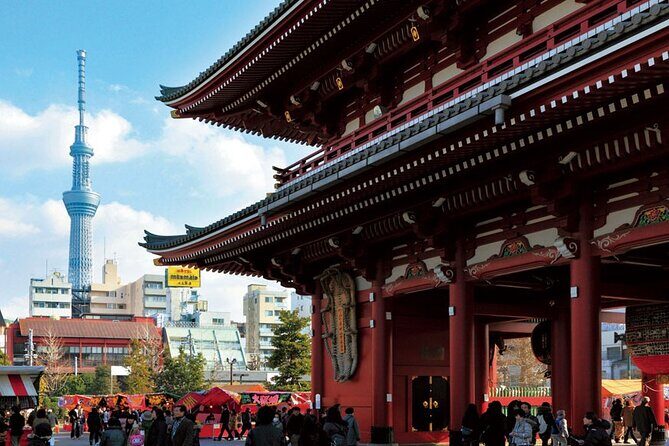
Next up is Senso-ji, Tokyo’s oldest and most important Buddhist temple, with history stretching nearly 1,300 years. The visit includes the iconic Kaminarimon Gate, the statue associated with the thunder god, and the five-story pagoda. You’ll also have time to stroll the street called Nakamise, known for food and small crafts.
One hour here goes fast. You’ll likely spend a big chunk just walking in, photographing the highlights, and threading through the crowd. If you’re hoping for quiet, slow temple time, you might find this stop more energetic than you expected. If you’re okay with that, it’s worth it: Senso-ji is one of those places where Tokyo’s old religious core still anchors the neighborhood.
Practical tip: plan your photo route before you go. The gate-and-pagoda view is the main payoff, but Nakamise adds the flavor. If you want snacks, buy them early so you’re not deciding at peak congestion.
Asakusa tea experience: making matcha instead of watching
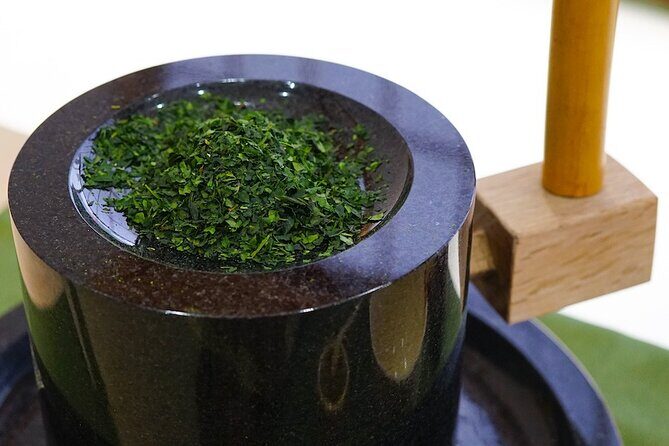
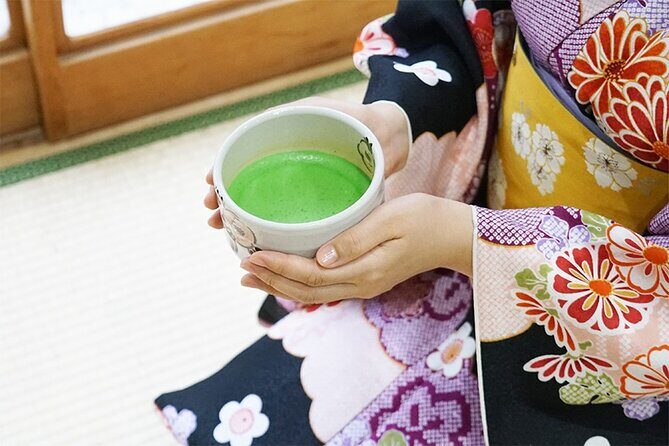
The Asakusa tea stop is one of the most memorable parts of the day because it’s hands-on. You’ll spend about an hour with a matcha green tea experience at Kaminari Issa. The session includes watching a video on how to prepare matcha, then making your own.
Important nuance: this is not framed as a formal tea ceremony. It’s described as an experience where customers make tea in a more casual setting. That’s actually a good thing for most visitors. You still get the structure and care behind matcha preparation, but you’re not stuck in a rigid script that expects you to know etiquette.
You’ll also be in a garden setting with bonsai and preserved Edo-era architecture, which helps the experience feel like more than a quick demo. If you like learning through doing, this is a great stop. And if you’re not into tea, you’ll still walk away with a better understanding of why matcha preparation matters in Japanese culture.
What to watch for: this is an activity experience, not a free-roam break. You’ll want to listen closely when it’s your turn, and you’ll likely do some light standing and walking around the garden space before and after.
The hotel buffet lunch in Odaiba: easy fuel, one catch
Lunch is included and served as a Western-style buffet with coffee or tea. It’s held at a hotel buffet location in the Odaiba area (Sheraton Grande Tokyo Bay Hotel is specifically listed). This is the mid-day energy reset—sit down, eat a full meal, and get ready for the afternoon sights.
The biggest practical catch is dietary: because it’s a buffet format, requests for vegetarian meals cannot be accommodated. That doesn’t mean you’ll find no vegetarian-friendly items, but it does mean you shouldn’t count on a tailored meal.
How to make the most of the lunch:
- Eat earlier if you can manage it when you’re guided to the buffet area.
- Use it as a full meal, not grazing. You’ll be doing more walking afterward.
- Keep an eye on water and tea/coffee. Even though the day includes transport breaks, Tokyo afternoons can drain energy fast.
If you want a day tour that doesn’t force you to choose between expensive sit-down restaurants or convenience-store snacks, this lunch inclusion is a real value.





Cruising on Tokyo’s water: Hinode to the Asakusa side
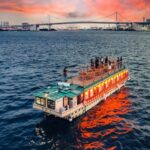
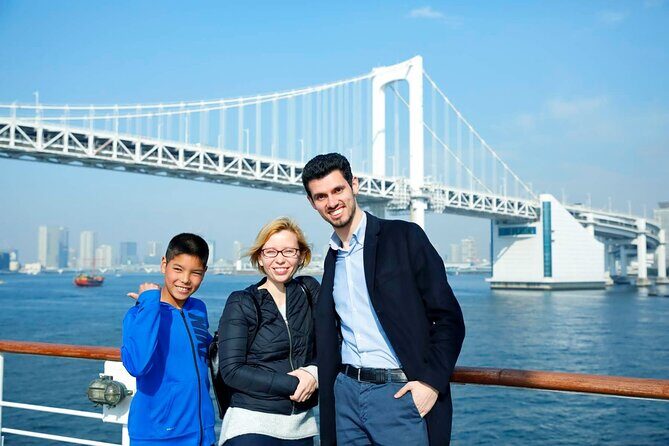
After lunch, you’ll head to Hinode Pier for a short cruise on the river route that takes you toward the Asakusa neighborhood. The program notes a ride that passes under 12 bridges, and you’ll enjoy coffee or tea onboard.
There’s also a Rainbow Bridge crossing mentioned in the flow, which gives you that skyline-and-water contrast Tokyo does so well. This kind of water time is more than scenic—it breaks up the day and gives your feet a breather between temple walking and the vertical climb at Tokyo Tower.
Weather matters here. The cruise can stay near the shore depending on conditions, so don’t be surprised if you don’t get the full open-water feeling on a windy or rainy day.
Also, keep expectations realistic: a short cruise is relaxing, but it’s not the same as a longer, destination-focused boat trip. In past experiences, people have sometimes found the cruise fine but not the absolute highlight. Still, for first-timers, it’s a strong way to see Tokyo from a different angle without spending your own time planning transit.
Tokyo Tower at 150 meters: big views and the transparent floor
The final wow moment comes at Tokyo Tower. Admission to the main observatory is included (150 meters). You’ll get 360-degree panoramic views over the metropolitan area, and the stop is listed for about 45 minutes—enough time to take in the skyline and use the lookout features.
One feature you should plan for: the transparent-floor lookout window. It’s designed for that heart-thumping look straight down. If you’re okay with heights, it’s a fun Tokyo Tower moment. If you’re not, it’s still worth looking around from nearby viewpoints, because the city views are the real star.
There’s one more thing to know: Tokyo Tower also has a special observatory at 250 meters, but that admission is not included. If you want the higher view, you’ll pay the extra fee on your own. Since the tour only includes the main deck, this gives you a choice: keep it included and simple, or add the premium height if you’re chasing the extra wow.
Price and what $99.10 really buys you
At about $99.10 per person, this tour can feel like a bargain once you look at what’s bundled. You’re paying for:
- Coach transport between major zones
- Included entrance fees for the planned stops
- A buffet lunch with coffee or tea
- Tokyo Tower main observatory admission
- The river cruise fare
- A souvenir city map
The hidden value is coordination. Tokyo is easy to navigate once you learn it, but figuring out routes, timing, and ticketing across multiple neighborhoods eats time. This day tour is basically buying back your energy and your planning stress.
Where you need to adjust your expectations:
- Tokyo Tower special observatory is extra.
- Lunch is buffet-based with no vegetarian meal accommodation.
- The day is scheduled for limited time, so you won’t have hours to linger in each neighborhood.
If your priority is seeing a concentrated “greatest hits” sample—plus at least one hands-on culture moment—the price makes sense. If you’d rather slow down and wander each area for most of a day, you might feel boxed in.
Logistics that can make or break your day
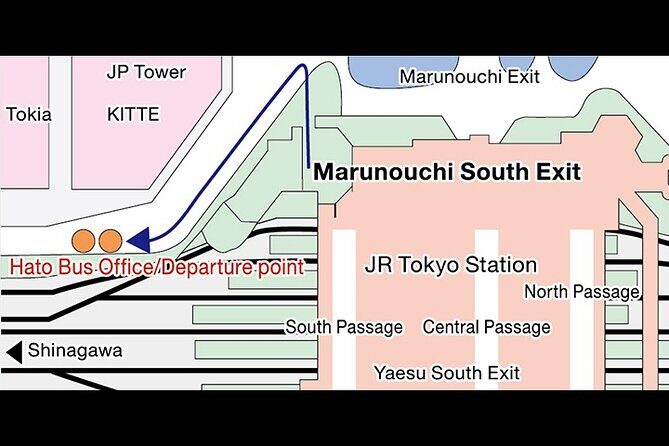
Meeting point matters. The start and end are both near Tokyo Station, specifically in Marunouchi (start at Tokyo Station 1 Chome-9 Marunouchi; the tour ends near Tokyo Station Marunouchi South Entrance). That’s convenient for getting around afterward, but the exact pickup spot can be tricky on a busy morning.
One practical approach: when you arrive at Tokyo Station, don’t rely only on a vague landmark. Use the confirmed meeting instructions and the Marunouchi South Entrance cue. If the confirmation references a bus-station annex, be ready to take stairs or an escalator down for the actual pickup location.
Also pack for comfort. You’re told to wear shoes easy to walk in. You will climb stairs at Tokyo Tower, walk temple grounds, and cover distance between areas.
Finally, remember the bus plan includes some environmental measures. A hybrid bus may have its engine and cooling/heating turned off while waiting. That doesn’t usually ruin the day, but it’s good to know if you’re sensitive to heat or cold while you’re seated for short waits.
Who this Dynamic Tokyo day tour fits best
This is a strong fit if:
- You’re on a short visit and want Tokyo orientation fast
- You want old and new Tokyo in one day: Senso-ji and the Imperial Palace area, then skyline views
- You like guided context so you’re not just walking by landmarks without meaning
- You’re okay with an organized schedule and don’t mind crowds at popular stops
It may not be the best fit if:
- You need a vegetarian meal chosen and guaranteed for you (buffet requests can’t be accommodated)
- You want a quiet, slow temple and shopping experience without tight time limits
- You hate being on a bus for long stretches between areas
If you’re coming with kids, note that the tour accepts children, but meal charges and seat rules can apply for certain ages. For adults traveling solo, group seating may involve sharing seats if you’re an odd number in your party.
Should you book this day tour?
If you’re choosing between DIY planning and a guided sampler, I’d lean toward booking this one. It’s priced like a solid package because it bundles real “tickets and time”: Tokyo Tower main observatory, the cruise, and a full included buffet lunch, plus a guide to connect the dots from Imperial Palace foundations to Senso-ji and back to modern skyline views.
Book it if your goal is to see more Tokyo in less time and you’ll appreciate matcha-making as the culture anchor.
Pass or look for another option if your food needs are strict (especially vegetarian) or if you want to spend long, unstructured time in Asakusa or around the Palace grounds. This is efficient by design, so it trades depth for coverage.
FAQ
How long is the Dynamic Tokyo tour?
The tour duration is about 9 hours.
What’s included in the lunch?
Lunch is a Western-style buffet with coffee or tea included.
Is Tokyo Tower entry included, and at what height?
Yes. The main observatory at 150 meters is included. The special observatory at 250 meters is not included.
Does the tour include a tea experience?
Yes. In Asakusa, you’ll participate in a matcha green tea experience where you prepare your own tea. It’s not described as a formal ceremony.
Where does the cruise depart, and what kind of cruise is it?
You’ll depart from Hinode Pier for a short cruise. The experience is described as a Sumida River cruise that passes under 12 bridges, and it includes coffee or tea.
Is the lunch vegetarian-friendly?
Vegetarian meal requests cannot be accommodated because lunch is served as a buffet.
How does the schedule handle weather and road changes?
The order of the itinerary can change due to road conditions or other reasons. The cruise may also stay near the shore depending on weather conditions.
Where is the tour meeting point and where does it end?
The tour starts at Tokyo Station (1 Chome-9 Marunouchi) and ends near Tokyo Station Marunouchi South Entrance.
What’s the physical requirement?
You should have a moderate physical fitness level, and you’re advised to wear shoes easy to walk in.