REVIEW · TOKYO
Tokyo Japanese Calligraphy Experience with a Master Artist
Book on Viator →Operated by Trip Designer Inc. · Bookable on Viator
Ink that quiets your mind. This Tokyo shodo class is a hands-on lesson in Japanese calligraphy led by master artist Eizuru Matsumura, with English help guiding you through each stroke. I love that you’re not just watching—you practice with the real tools (brush, ink, paper) during a focused session, and you learn how tradition meets contemporary Japanese culture. One thing to consider: the duration is listed as about 1 hour 30 minutes, so it can feel like an estimate rather than a clockwork 2-hour block.
Getting there is simple: meet at Umeyashiki Station, then you walk a short distance to 球鶴書道教室. I also like that the experience is designed for small groups (up to 10) and that English support helps you manage the practical side—so you can spend your brain on the calligraphy instead of logistics.
In This Review
- Key takeaways before you book
- Tokyo Shodo in 90 Minutes: What You’ll Actually Do
- Finding 球鶴書道教室 from Umeyashiki Station
- Who Teaches Shodo Here: Master Calligrapher Eizuru Matsumura
- The Classroom Atmosphere: Quiet Focus, Real Feedback
- Tools of Shodo: Brush, Ink, and Paper (and Why It’s Not Just Craft Time)
- What You’ll Take Home (Your Calligraphy Keepsake)
- Price and Value: Is $92.24 Worth It?
- Logistics That Affect Your Experience (More Than You Think)
- Who This Tokyo Calligraphy Class Is Best For
- Should You Book This Tokyo Japanese Calligraphy Experience?
- FAQ
- How long is the Tokyo Japanese calligraphy experience?
- What’s included in the class price?
- Where do I meet for the workshop?
- Is hotel pickup included?
- Can children participate?
- How big is the group?
Key takeaways before you book
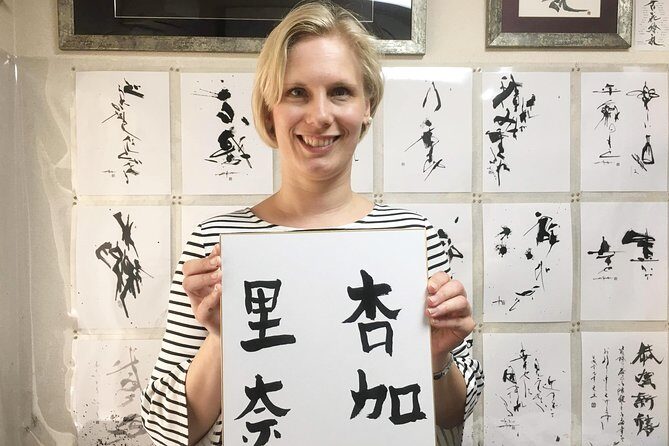
- Shodo with Eizuru Matsumura: instruction from a master calligrapher who’s been practicing since age 31.
- Hands-on practice, not a demo: you use brushes, ink, and paper during the session.
- Small group pace: maximum of 10 travelers, so the guide can help you keep going.
- English support that gets you situated: translators have helped people meet at the station and find the studio.
- Keep what you write: you leave with your work as a souvenir.
Tokyo Shodo in 90 Minutes: What You’ll Actually Do
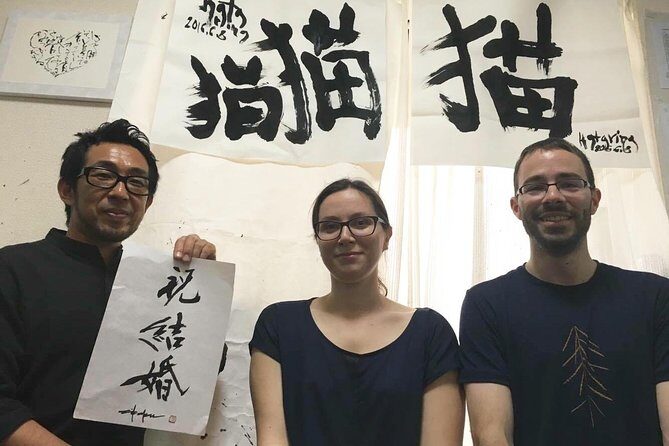
This is the kind of cultural activity that feels simple on paper, then surprising once you start. You’ll learn shodo, Japanese calligraphy, using brush strokes on paper while an English-speaking guide supports the experience and the master calligrapher directs your technique.
In practical terms, you should expect a mix of: how to hold the brush, how ink behaves (it’s not the same as paint), and how to shape characters with controlled motion. The class is also pitched as both traditional and creative, so even if you start at the beginner level, you’re not stuck doing only one repetitive drill.
The best part is the focus. The studio setting is quiet and designed to slow you down. Several people describe it as calming and concentrating—like your body settles into a rhythm and your mind follows. If you’ve ever wanted a vacation activity that’s more about attention than sightseeing, this fits that mood well.
You can also read our reviews of more tours and experiences in Tokyo.



Finding 球鶴書道教室 from Umeyashiki Station
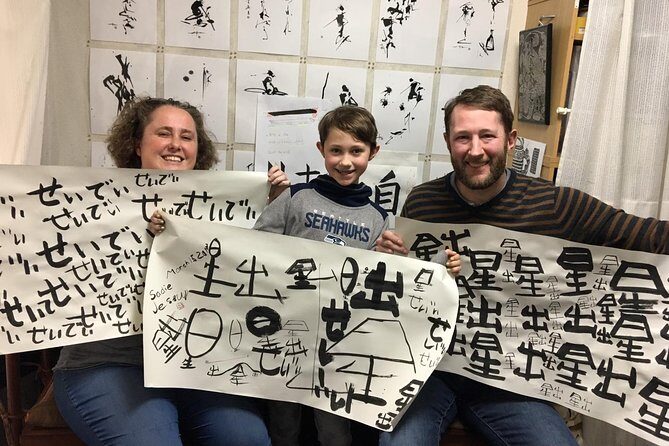
Your meeting point is Umeyashiki Station in Tokyo, and the workshop is about a five-minute walk from the station on the Keikyu Line. The address is in Ota City (2 Chome-28 Kamata, Ota City, Tokyo 144-0052).
Why this matters: calligraphy classes can be tricky if you’re trying to translate directions while you’re already carrying your day bag and trying not to be late. Here, English support helps take the stress off the front end. People have specifically mentioned being guided from the station to the studio, which is a real quality-of-life detail.
Also note the class ends back at the meeting point. That means you don’t need to plan a long return route afterward. You can treat this as a clean “drop in, do the thing, leave” activity—ideal if you’re trying to pace out your Tokyo days.
Who Teaches Shodo Here: Master Calligrapher Eizuru Matsumura
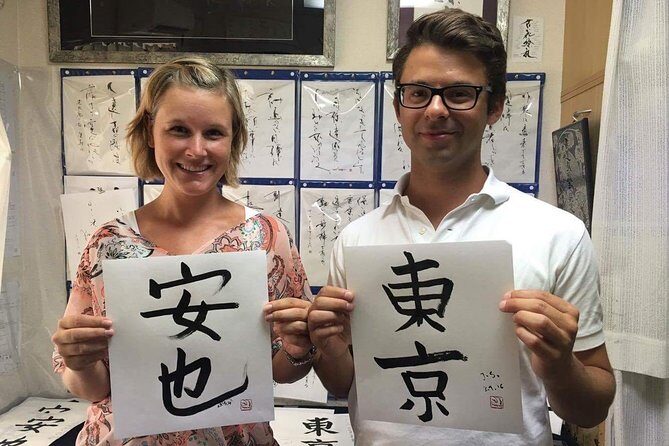
The teacher behind the desk is Eizuru Matsumura. His background isn’t just “I’m good at calligraphy.” He’s also an artist and has been involved as a lecturer in workshops, events, and even TV programs. He has practiced calligraphy since he was 31 years old, and he’s created the official logo for the Kyokushin Karate World Tournament pamphlet.
That kind of résumé matters for a class like this. You’ll feel it in the way instruction lands: you’re more likely to get method, not just vibes. The studio coaching is often described as patient and kind, with a sense of humor. That combination helps if you’re the kind of person who worries too much about making the strokes perfect.
One more useful point: the school offers instruction ranging from basic to creative calligraphy. So if you’re brand-new, you’ll still have a path forward.
The Classroom Atmosphere: Quiet Focus, Real Feedback
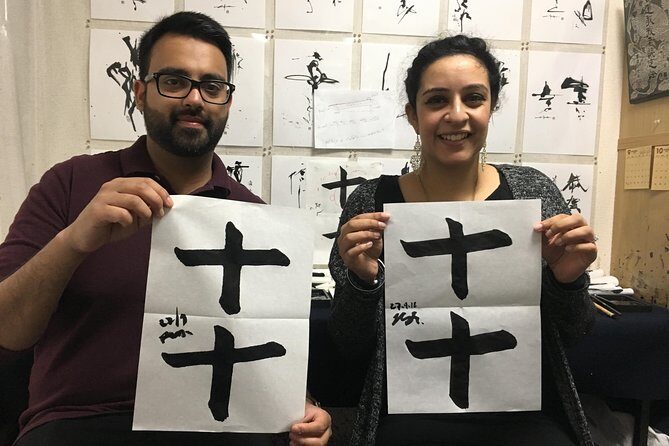
You’re not in a noisy classroom where everyone competes for attention. The studio ambiance is described as calming, and people talk about gentle music and a contemplative mindset. In other words, you’re meant to treat this like practice time—not entertainment time.
During the session, the master focuses on the mechanics of strokes. That’s where shodo becomes more than “look what I made.” The technique teaches you to control pressure, timing, and direction. And since you get guided help, you can correct quickly instead of just hoping your first attempt looks right.
English support is also part of the experience design. Even if you can read a few Japanese characters, you’re still dealing with artistic technique and cultural context. A translator-guided flow helps you understand what to do and why—especially around how calligraphy relates to both traditional values and modern expression.
If you’re sensitive to instructional pacing, this matters: a group this small can slow down when needed, and a master instructor can adjust guidance on the spot.
Tools of Shodo: Brush, Ink, and Paper (and Why It’s Not Just Craft Time)
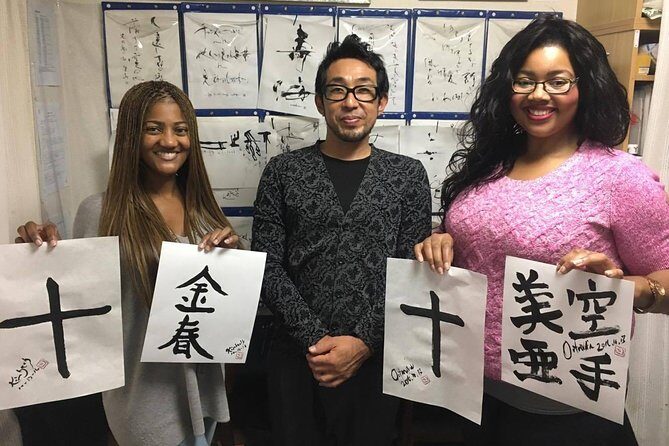
Shodo uses simple tools, but that simplicity is exactly why the practice works. You’ll work with brushes, ink, and paper, and the session is set up so you’re using them directly—not watching someone else do it.
Ink is the big “surprise.” It behaves differently than you might expect, and it rewards steady motion. Paper also matters: each surface can change how strokes spread and settle. When you’re trying to form a Japanese character, those tiny differences become part of the lesson.
This is also where people’s comments about calligraphy feeling like yoga or music make sense. You’re repeating motions with awareness. There’s a rhythm to it: lift, place, follow through. Your breathing and posture become part of the control system, whether you think about it or not.
Expect to concentrate. Even if you’re socially chatty, once you start forming characters, you’ll likely switch into a quieter mode.






What You’ll Take Home (Your Calligraphy Keepsake)
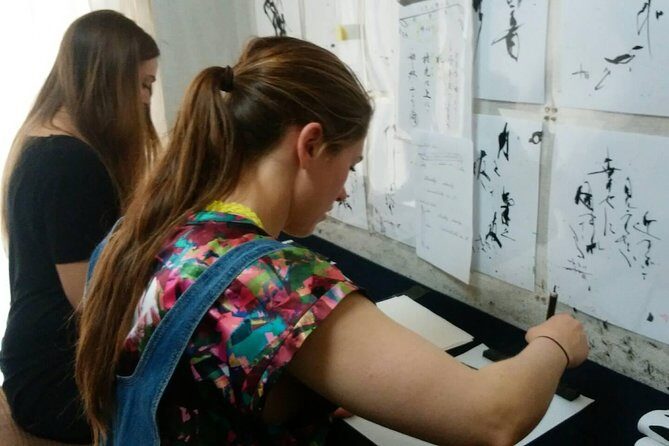
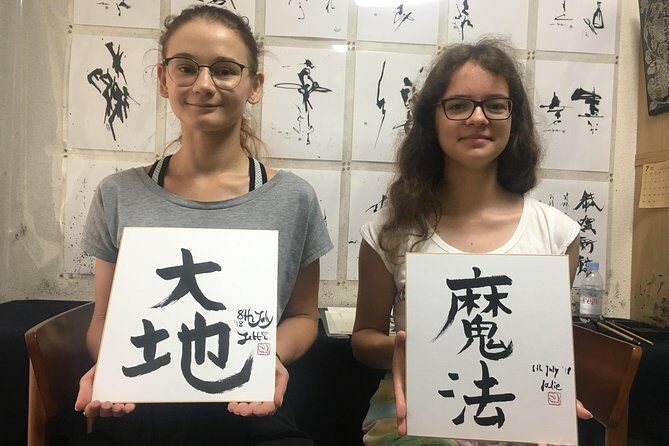
One of the best reasons to book a shodo class is the payoff. You should expect to keep what you write. People also describe leaving with their work as a nice souvenir, which is exactly what you want from a hands-on activity.
There’s a small emotional benefit here too. In a city full of purchases, it’s satisfying to bring back something you made with your own hands. And since calligraphy is tied to meaning and form, your piece becomes more than a “cool tourist product.”
Practical note: your finished work may not look like a perfect print, and that’s not a problem. In shodo, the point is the gesture—how you get there matters. Your class experience is set up to help you improve during the session, not to pressure you into perfection.
Price and Value: Is $92.24 Worth It?
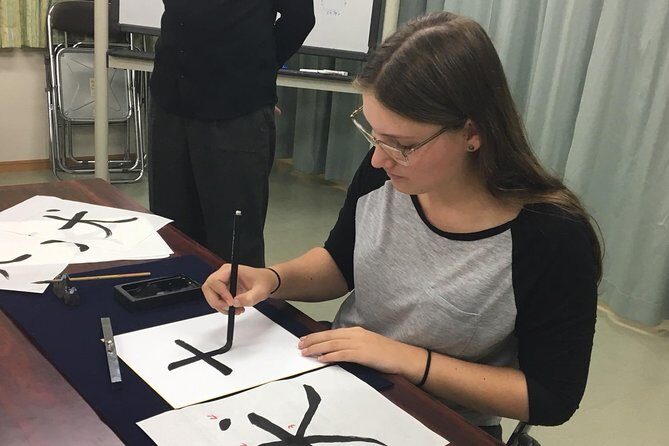
At $92.24 per person for about 1.5 hours, this isn’t a bargain-basement activity. It is closer to paying for instruction and materials—plus the fact that a master calligrapher is there in person.
Here’s what you get that supports the value:
- Professional guide and English support
- All necessary equipment (brush, ink, paper setup)
- A structured lesson with real feedback in a small group (max 10)
What you should budget for separately:
- Food and drinks
- Hotel pickup (not included)
- Private transportation (not included)
If you’re trying to do one meaningful “Tokyo culture” activity without turning it into a whole afternoon, the price starts to make sense. You’re buying time with a skilled instructor, in a focused studio, and the chance to take something home.
One caution on value: timing is listed as approximately 1 hour 30 minutes. So if you’re hoping for a long, slow, extra-perfect two-hour session, adjust your expectations and read your booking confirmation carefully about the exact duration you’re scheduled for.
Logistics That Affect Your Experience (More Than You Think)
This class is built around a simple flow: meet at Umeyashiki Station, walk to the school, do the session, and return to the meeting point.
That said, a few details can change your stress level:
- Hotel pickup costs extra: the option exists, but it’s not included in the base price (listed as 6000 yen).
- No food included: plan to eat before or after. If you’re on a tight schedule, this is easy to handle.
- Small-group format: with up to 10 travelers, it’s usually easier to get individual correction than in big classes.
Also keep an eye on age and participation rules. The minimum age is 7, and children must be accompanied by an adult. This is also a “most people can participate” style activity, which is good news if you’re worried about needing prior art experience.
If you want your best session, wear something comfortable for sitting and controlled hand movements. You’re working with ink, so you’ll likely be extra happy if your outfit can handle a little risk.
Who This Tokyo Calligraphy Class Is Best For
I think this works especially well for you if you want:
- A calming break from fast-paced sightseeing
- A hands-on skill practice with real instruction
- A chance to bring home something personal and made by your own hand
- A cultural activity where English support helps you stay present
It’s also a strong pick for first-timers. The school offers basic-to-creative instruction, so you’re not stuck feeling lost.
You might choose something else if:
- You need a strict, exact duration down to the minute and don’t want any flexibility
- You’re trying to turn this into a full meal plan (since food and drinks aren’t included)
Should You Book This Tokyo Japanese Calligraphy Experience?
Yes, if you want a focused, meaningful activity in Tokyo and you like the idea of learning a new skill in a quiet studio. The mix of master instruction, English guidance, and hands-on practice is the core reason this class holds up well.
Before you click confirm, do two quick checks:
- Make sure the scheduled length in your confirmation matches what you’re expecting. The session is listed around 1 hour 30 minutes, and time can be handled as an estimate in practice.
- Decide how you’ll get there. Meeting at Umeyashiki Station is straightforward, and pickup is optional for an extra fee.
If you’re on the fence, one last practical thought: this is the kind of activity that can bookend a Tokyo trip nicely—quiet, memorable, and not dependent on you knowing Japanese transit. If that’s your style, book it and then plan a simple meal before or after so you can enjoy the calm.
FAQ
How long is the Tokyo Japanese calligraphy experience?
It’s listed as approximately 1 hour 30 minutes.
What’s included in the class price?
You get a professional guide, an English guide, and all necessary equipment.
Where do I meet for the workshop?
You meet at Umeyashiki Station (the class ends back at the meeting point). The school is about a five-minute walk from Umeyashiki Station on the Keikyu Line.
Is hotel pickup included?
No. Hotel pickup is not included. There is an option to add 6000 yen for hotel pickup.
Can children participate?
Children must be accompanied by an adult, and the minimum age is 7.
How big is the group?
The maximum group size is 10 travelers. The minimum number of participants for booking is 2.