Tokyo’s after-work hunger starts here. This Shimbashi walking food tour is built around the real rhythm of the neighborhood: the loud, friendly, slightly chaotic hour when Japan’s salarymen swap work stress for food and drinks. I like that you get 5 local food stops with seasonal tastings, not just one “main event.” I also like that two drinks are included, guided by an English-speaking local who helps you eat and socialize like you belong.
One thing to think about: at $217, you’re paying for a structured route and a limited group, so you’ll want to enjoy the whole pacing. Also, it’s not set up for everyone—this tour is not recommended for vegans or gluten-free diets.
In This Review
- Key Points at a Glance
- Quitting Time in Shimbashi: The Vibe You’re Paying For
- Price and What You Actually Get for $217
- Meet at Shimbashi: How the Walk Starts at 4:30pm
- Temple, Station Relics, and Advertising Tokyo: The Route’s Small Surprises
- The Eating Part: How the 5 Food Stops Work
- Izakaya Etiquette: Why the Guide Changes Everything
- Dietary Fit: Who Will Enjoy It Most
- Small Group, Big Personality: What the Size Means on the Ground
- Weather, Substitutions, and Keeping Expectations Real
- Practical Tips Before You Go
- Should You Book This Shimbashi Salaryman Food Tour?
- FAQ
- What’s the duration of the Shimbashi walking food tour?
- What time does the tour start?
- Where do I meet the guide and where does the tour end?
- How much does the tour cost?
- What’s included in the tour besides the guide?
- Is there a mobile ticket?
- Is the tour suitable for vegetarians and pescatarians?
- Is it recommended for vegans or gluten-free travelers?
- How large is the group?
- What if the weather is bad or restaurants can’t run as planned?
Key Points at a Glance
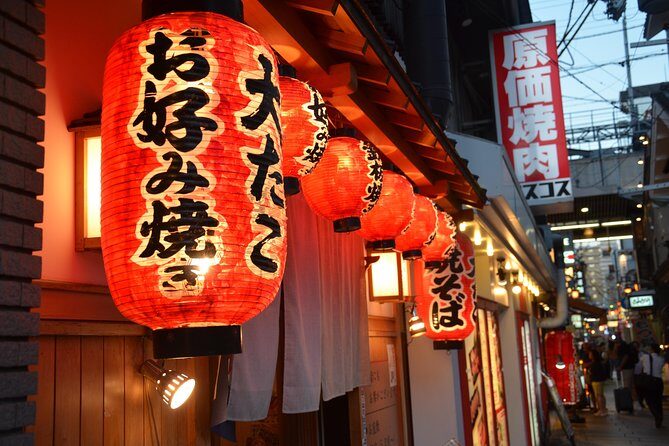
- 4:30pm quitting-time schedule: You’ll hit Shimbashi when the streets actually start to feel alive.
- 5 food stops + 2 drinks included: Plan around tastings, not full meals.
- English-speaking guidance: You’ll get etiquette tips and help ordering your way through izakaya culture.
- More than food on the map: Temple and old-station stops keep the walk grounded in place.
- Small group size (max 10): Easier conversation with the guide and less waiting in line.
- Bigger social vibe than a sightseeing walk: It’s designed to feel like you’re hanging with office workers after work.
Quitting Time in Shimbashi: The Vibe You’re Paying For
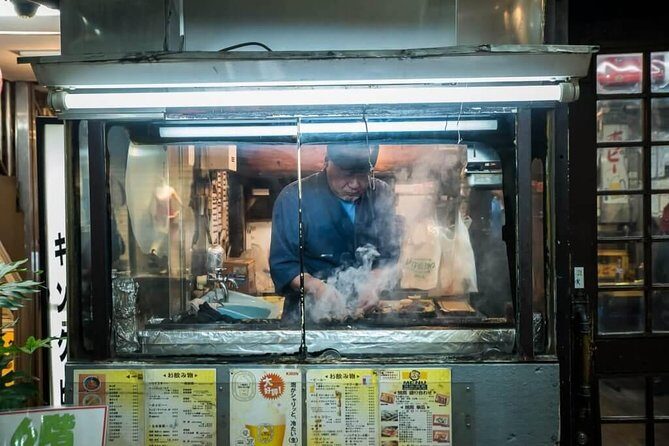
Shimbashi is famous for office life—and right around the end of the work day, it shifts gears fast. This tour leans into that exact moment. You’ll walk through a stretch of Tokyo where eating and drinking isn’t a special occasion. It’s the reset button.
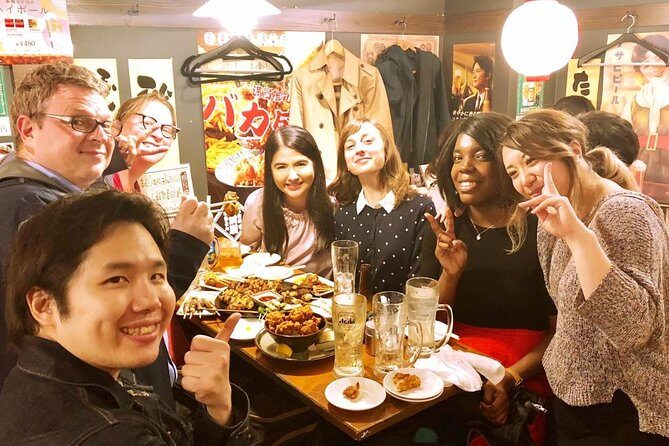
The tour is also built for social momentum. You’re not just collecting bites; you’re learning how people snack, share, and keep the conversation going in casual Japanese spots. That matters, because Shimbashi’s charm is partly cultural. If you’ve never done an izakaya-style evening, you’ll pick up how it flows: quick orders, small plates, and lots of “try this” energy.
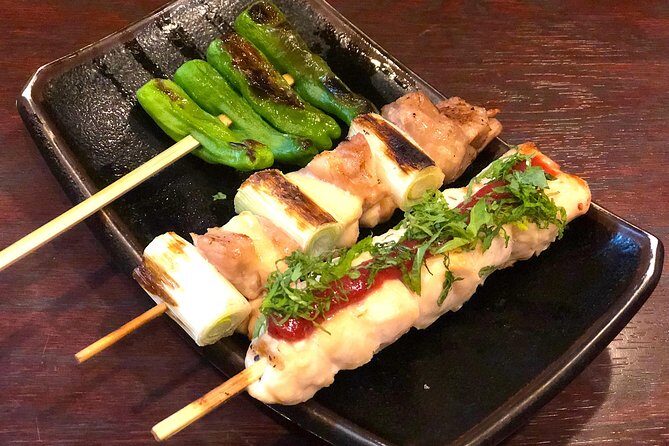
And yes, you’ll be fed. Dishes rotate by season and what restaurants have ready, but you can expect Japanese drinking-food classics like yakitori (grilled skewers), gyoza (dumplings), sashimi, plus comfort-style items such as okonomiyaki (savory pancake), gyoza nabe (dumpling hot pot), and taiyaki (fish-shaped dessert). If you like variety, this format is a smart way to eat your way across a neighborhood without planning six separate reservations.
You can also read our reviews of more walking tours in Tokyo

Price and What You Actually Get for $217
At $217 per person for about 3 hours, the cost is not “cheap Tokyo eats.” You’re paying for three main things:
1) A guided route with multiple stops
Instead of you guessing which tiny place will treat you well, you follow a set path that brings you to different styles of food and drink.
2) Food and drinks that remove decision fatigue
You get 5 food stops and two included drinks. That reduces the risk of overpaying at one place just because you got hungry and tired.
3) Local context and social know-how
A big part of the value is the guide’s role in helping you navigate manners, pacing, and what’s normal in these casual spaces.
Is it still worth it for you? It usually comes down to whether you enjoy food “in sequence.” If you want slow dining with time to linger, this tour’s tasting style may feel more like a plan than a meal. On the other hand, if you love sampling and you want a guided way to access Shimbashi’s after-work energy, the structure helps a lot.
Meet at Shimbashi: How the Walk Starts at 4:30pm
The tour starts at 4:30 pm, a strong choice because it lines you up with the neighborhood’s transition from work mode to play mode. You’ll meet at 2-chōme-7-1 Shinbashi, Minato City (near the Shimbashi Station area), then finish near JR Shimbashi Station.
Expect a brisk start. Early on, you’re not sitting down with a menu. You’re getting oriented and moving, which is part of the point: you’re building up to the eating and drinking hour with the whole streetscape around you.
This also helps if you’re visiting Tokyo for a short time. The walk packs in both culture and food in a single evening block, so you’re not burning your prime dinner time commuting all over the city.
Temple, Station Relics, and Advertising Tokyo: The Route’s Small Surprises
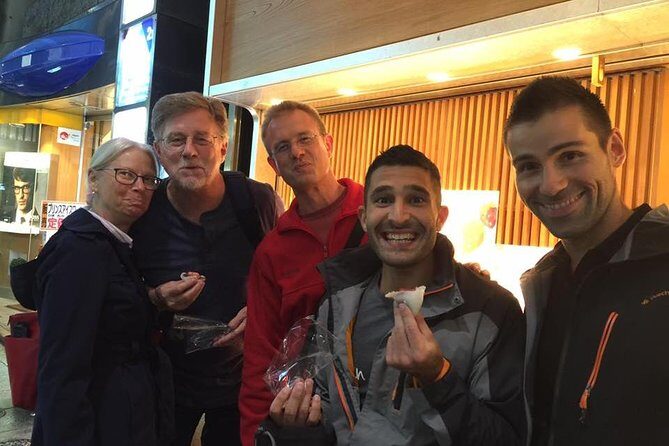
Before the tour becomes an izakaya crawl, you get a cultural warm-up that makes the neighborhood feel more real. The walk includes stops such as:
- Karasumori Jinja
A shrine stop adds calm and context. It’s a reminder that Shimbashi isn’t just bars and trains—it’s part of Tokyo’s everyday spiritual and community rhythm.
- Advertising Museum Tokyo
This is where you get a different kind of Tokyo storytelling. You’re not just “seeing Japan,” you’re seeing how modern Tokyo talks to people—especially through visual culture.
- The Old Shimbashi Station Railway History Exhibition Hall
If you like rail history, this kind of stop turns your evening into more than a food hunt. It’s a good pacing break too: you walk, stop, look, then move on with your appetite resetting.
- Hamarikyu Gardens
The tour also includes time in/near Hamarikyu Gardens, which gives you a breather. Even if you don’t go deep into the garden experience, it helps the evening feel balanced—like you’re walking through Tokyo instead of only eating inside it.
One practical note: the route includes multiple short stops, but you should still be ready for a steady walking pace. The tour calls for moderate physical fitness, which usually means comfortable shoes and the willingness to keep moving.
The Eating Part: How the 5 Food Stops Work
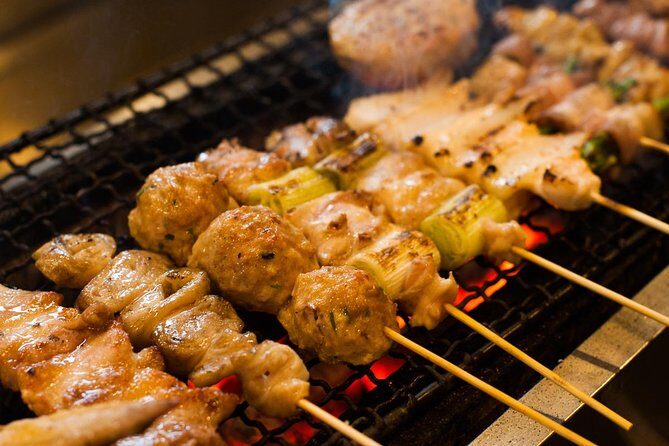
This is a tasting tour. You’ll hit 5 food stops that are described as seasonal and local, and you’ll be served portions meant for sampling, not full-course meals. It’s a smart way to try a lot without ruining your dinner at one place.
Dishes you should expect to encounter during the tour include:
- Yakitori (grilled skewers)
- Gyoza (dumplings)
- Sashimi
- Okonomiyaki
- Gyoza nabe (dumpling hot pot)
- Taiyaki (fish-shaped dessert)
You’ll also receive two drinks included. If you drink less than average, you might want to think of those drinks as part of the experience rather than the main event. And if you like alcohol, this structure can work well because you’ll still have more food opportunities after each stop.
What I like about this setup is that it teaches you the rhythm of an izakaya night. Instead of one long order-and-wait meal, you learn the fast, social pattern: eat something, keep talking, taste the next thing, and adjust based on what you enjoyed most.






Izakaya Etiquette: Why the Guide Changes Everything
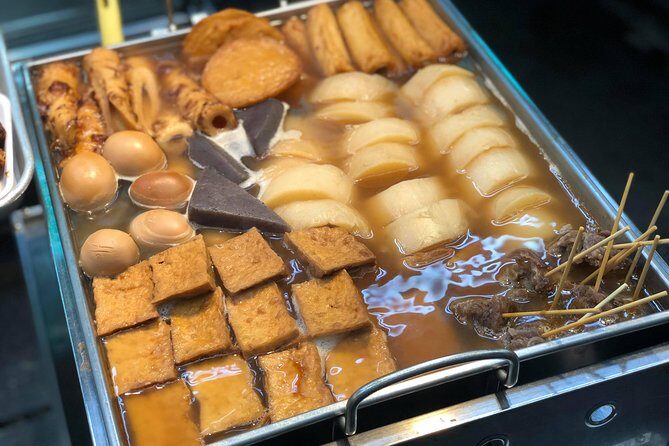
The guide isn’t just a translator. You’re there to learn how the evening functions socially.
The tour includes a local English-speaking guide, and it’s designed around more than food facts. You’re supposed to feel like a Japanese salaryman for the night: loosen up, socialize, and order in a way that fits the setting.
In past tour experiences, guides have included people named Asami and an assistant named Lora—and that pairing showed up as lively and talkative, with clear explanations of manners and customs around eating. Another guide name you may see on certain dates is Ann, also tied to sharing local food knowledge and the broader neighborhood feel.
That matters if you feel shy about izakayas. You don’t have to become an expert. You just need the map for how to behave, when to ask questions, and how to keep the group moving. The guide role reduces awkward moments and increases the fun.
Also, this tour can include a karaoke after party available. That’s optional, but if you like the idea of extending the social vibe beyond dinner, it’s a nice add-on.
Dietary Fit: Who Will Enjoy It Most
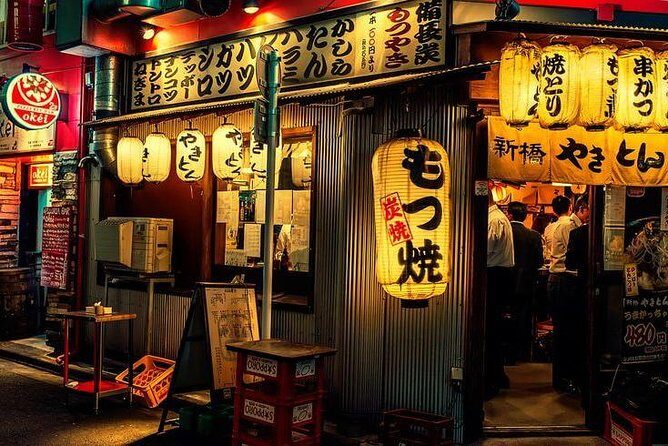
Good news first: the tour is pescatarian and vegetarian friendly.
The caution: it’s not recommended for vegans and gluten-free. Since the tastings are spread across multiple Japanese casual spots, cross-contamination and ingredient limitations can be hard to control in this kind of format.
If you’re vegetarian, you’ll likely be able to find satisfying options across the stops. But if you’re strict about ingredients, you’ll want to consider how well a tasting tour will match your needs. With a fixed route and multiple restaurants, substitutions depend on what’s available on the night.
Small Group, Big Personality: What the Size Means on the Ground
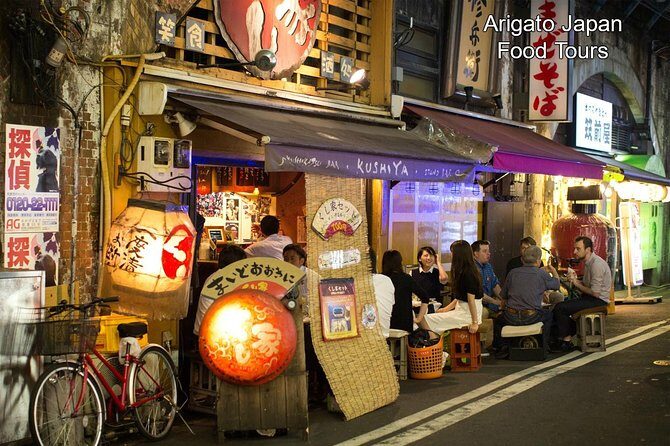
The tour has a maximum of 10 travelers. That size is a sweet spot for a walking food night in Tokyo. Too big and the group turns into a slow-moving line. Too small and you lose some of the lively social energy.
With this size, you can usually:
- stay with the guide without constantly catching up,
- have real conversations during stops,
- and keep the pace without feeling rushed.
It’s also helpful for solo travelers. The tour notes that for solo travelers, you should email the operator. That suggests they can help manage the group balance, which can make a tasting tour much more comfortable.
Weather, Substitutions, and Keeping Expectations Real
This experience depends on good weather. If it’s canceled due to poor weather, you’re offered an alternative date or a full refund.
You should also expect that stops can shift due to restaurant schedules, public holidays, weather conditions, and other unforeseen circumstances. Substitutions are part of the game. The key is that the tour is designed to keep the tasting experience intact even if one specific location changes.
On value, keep your expectations sensible. A multi-stop tasting format means quality can vary by stop, because you’re tasting different restaurants with different specialties. If you’re someone who needs every single stop to be a home run, you might feel more sensitive to weaker moments. If you love variety and you enjoy the overall flow, the format tends to feel satisfying.
Practical Tips Before You Go
A few things will make your evening smoother:
- Wear comfortable shoes for a 3-hour walking tour with multiple short stops.
- Go in hungry but not starving. Tastings are spread out across the evening; if you arrive with a huge meal, you’ll feel it by the last stop.
- Ask questions about what you’re eating. The guide is there for etiquette and context, not just to point.
- Keep your pace steady. The tour runs like a timed route, not a wandering stroll.
Also, double-check the basics: it’s adults only (20+), and you’ll get a mobile ticket. Hotel pickup isn’t included, so you’ll want to arrive near the meeting area on your own.
Should You Book This Shimbashi Salaryman Food Tour?
If you want an easy way to experience Shimbashi’s after-work culture, I think this is a strong booking choice. It’s especially good for you if:
- you like food variety across multiple stops,
- you want a guided izakaya-style evening without the guesswork,
- you enjoy social energy and learning manners and customs,
- you’re okay with tasting portions rather than one big dinner.
I’d pause if:
- you need vegan or gluten-free options,
- you prefer long, sit-down meals over quick tastings,
- or you’re extremely price-sensitive and expect every stop to match the highest possible standard.
For most people who want Tokyo that feels like daily life—not only sightseeing—this tour hits the right note. You’ll leave with a stomach full of Japanese comfort-food classics, and you’ll understand how Shimbashi works when work officially ends.
FAQ
What’s the duration of the Shimbashi walking food tour?
It runs for about 3 hours.
What time does the tour start?
The start time is 4:30 pm.
Where do I meet the guide and where does the tour end?
You’ll meet at 2-chōme-7-1 Shinbashi, Minato City, Tokyo 105-0004, and the tour ends at Shimbashi Station (JR Shimbashi Station, Shinbashi 2-chome area).
How much does the tour cost?
The price is $217.00 per person.
What’s included in the tour besides the guide?
You get 5 food stops with local and seasonal food, plus two drinks included.
Is there a mobile ticket?
Yes, the tour uses a mobile ticket.
Is the tour suitable for vegetarians and pescatarians?
Yes, it’s described as pescatarian and vegetarian friendly.
Is it recommended for vegans or gluten-free travelers?
No. It is not recommended for vegans and gluten-free.
How large is the group?
The tour has a maximum of 10 travelers.
What if the weather is bad or restaurants can’t run as planned?
The tour requires good weather. If canceled due to poor weather, you’ll be offered a different date or a full refund. Stops may also change due to schedules, public holidays, weather, or other unforeseen circumstances, with substitutions made when needed.