REVIEW · TOKYO
Tokyo: Hop-On Hop-Off Sightseeing Bus Ticket
Book on GetYourGuide →Operated by SKY HOP BUS · Bookable on GetYourGuide
Tokyo is big. This bus makes it manageable. With an open-top ride and hop-on hop-off freedom, you can shape the day around what you actually want to see, not what fits on a strict schedule. It’s a simple way to get citywide orientation fast.
Two things I really like: the unlimited access to all routes (so you’re not stuck with one loop), and the audio guide on your own phone with 10 languages. That combination matters in Tokyo, where getting your bearings can take time.
One consideration: the service depends on traffic and weather. Also, it’s open-air with no air-conditioning, so hot or rainy days can feel intense.
In This Review
- Key highlights that matter in practice
- The smart way to start in Tokyo: a hop-on loop, not a rigid tour
- What you get for $30: value in time saved
- Getting on the bus: Mitsubishi Building, QR access, and the two-deck setup
- Audio guide on your phone: 10 languages, earphones, and how to avoid hiccups
- Route 1: Skytree and the East-Tokyo loop for Asakusa and Akihabara fans
- The drawback to watch
- Route 2: Tokyo Tower, Zojo-ji, and Tsukiji-Ginza for dramatic views and food-zone energy
- Where you might get tripped up
- Route 3: Shinjuku/Shibuya with Nishi-Shinjuku angles and a Meiji Jingu approach
- Evening advantage
- How to plan 1 day vs 2 days without overstuffing
- The reality of wait times between buses
- Comfort and weather: open-top fun with real rules
- Who should book this bus (and who should skip it)
- Should you book the Tokyo hop-on hop-off bus?
- FAQ
- How long do I have to use the Tokyo hop-on hop-off ticket?
- Does the ticket include all bus routes?
- Where is the main meeting point?
- Can I board from bus stops using my voucher?
- What audio guide languages are available?
- Do I need earphones?
- Is the bus air-conditioned?
- What happens if it rains?
- Are seats guaranteed?
- What if there is severe weather like a typhoon?
- Is there any flexibility in booking or cancellation?
Key highlights that matter in practice

- Unlimited routes with hop-on hop-off freedom, so you can cherry-pick stops
- Open-top panoramic views over Tokyo’s major districts
- Phone audio guide in 10 languages with earphones (bring your own device)
- Three focused loops: Skytree/Asakusa, Tokyo Tower/Tsukiji-Ginza, and Shinjuku/Shibuya
- A route change can be easy, but you may wait between buses—plan your timing
The smart way to start in Tokyo: a hop-on loop, not a rigid tour
Tokyo can overwhelm you in minutes. It’s not just the size. It’s the way neighborhoods feel totally different from each other. A hop-on, hop-off bus helps you solve that problem with low effort.
Instead of paying for one guided itinerary that may miss your interests, this ticket lets you ride multiple routes with no limit on how many times you hop off and back on. In a city where you’ll likely spend more than one day figuring things out, that flexibility is the real value.
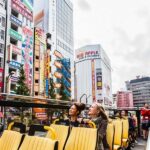
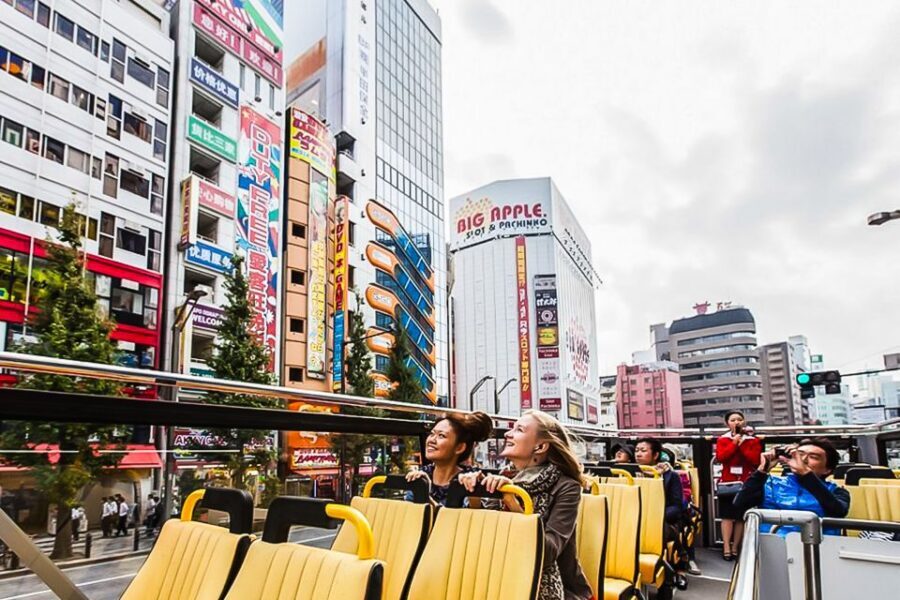
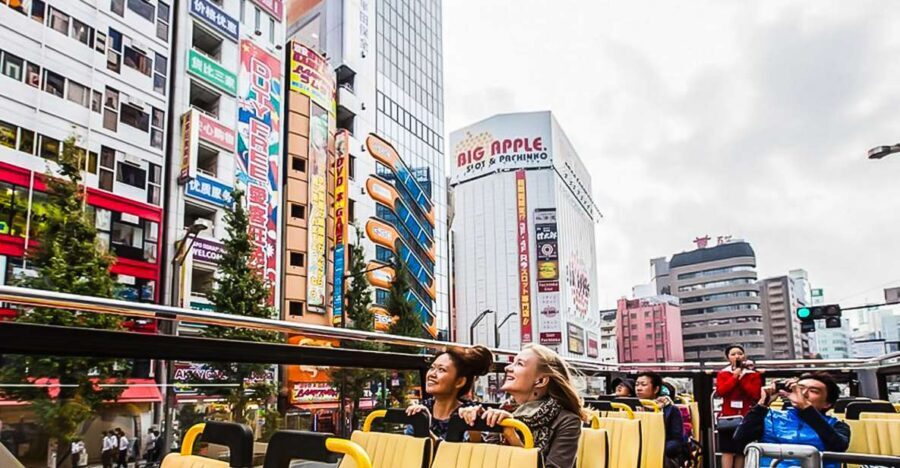
The open-top design also changes the experience. You’re not trapped inside a windowless coach. You get wider sightlines as you roll past Tokyo’s skyline and major districts, then you can stop when something catches your eye.
A few more Tokyo tours and experiences worth a look

What you get for $30: value in time saved
At about $30 per person for 1–2 days, you’re paying for two things: coverage and convenience. You’re not just buying seats. You’re buying a fast map of Tokyo’s highlights across multiple areas—especially useful if you don’t want to zig-zag by train all day.
If your first goal is orientation, this can be cheaper than “tour planning regret.” You can ride, write down what you want to revisit, then use the rail system later with much less stress.
That said, Tokyo isn’t always cheap to move around. If you already know exactly where you’ll go each day and you’re comfortable with transit, you might spend less by training directly. This bus works best when you want breadth and a relaxed pace.
Getting on the bus: Mitsubishi Building, QR access, and the two-deck setup
Your main meeting point is in front of the Mitsubishi Building. If you prefer not to walk around guessing bus stop names, your voucher includes QR code access, and you can board directly from stops with that QR code in Tokyo.
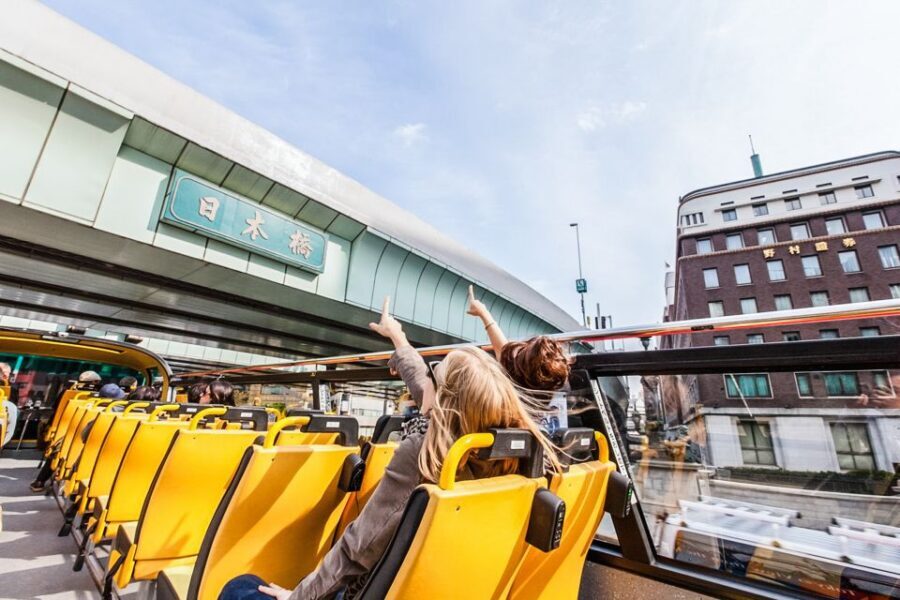
One practical detail that affects comfort: the bus has two levels. Passenger seats are on the second floor. The first floor is for storage. So if you want views and actual seating, you’ll want to aim for the upper deck.
Tokyo mornings can start early, and your best move is to arrive a bit ahead. When buses fill up, you don’t have a guaranteed seat like a reserved ticket. If there are no free seats, you’ll need to board the next bus.
Audio guide on your phone: 10 languages, earphones, and how to avoid hiccups
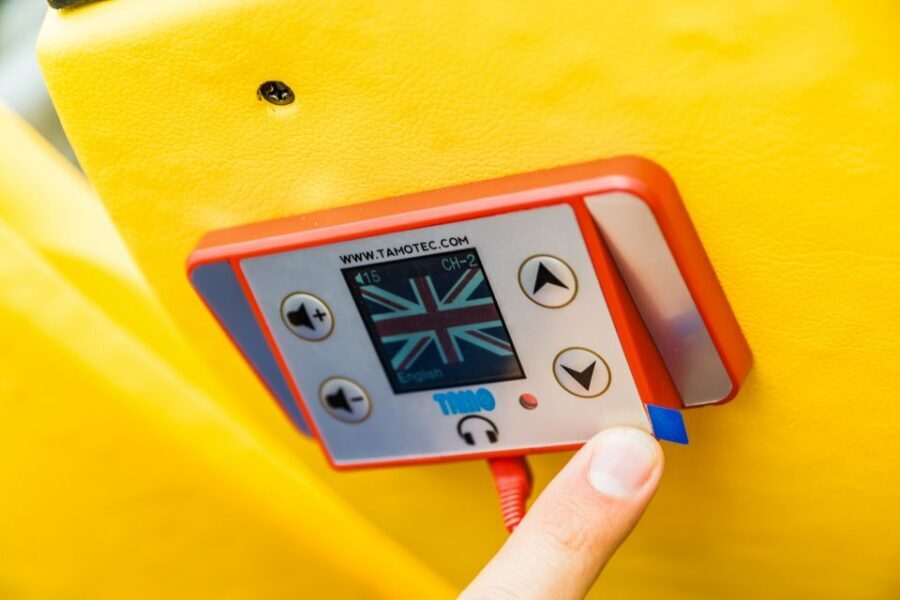
The biggest upgrade here is the audio system using your own smartphone or tablet. It supports 10 languages: Japanese, English, Korean, Chinese, French, German, Spanish, Thai, Vietnamese, and Indonesian.
You’ll also want earphones. Data charges may apply, and they’re your responsibility. So in plain terms: bring headphones, and make sure you have a plan for mobile data (or offline setup, if your device supports it).
There’s also a vehicle-mounted audio option listed, but it may not be available on all buses. In other words, don’t assume you’ll hear audio through the bus speakers every time. If your device setup works, you’ll get the same language experience regardless.
One more detail worth knowing: even when audio is strong, recordings can sometimes feel less perfect than you’d expect. If you notice audio cutting out, having the personal device option ready helps.
Route 1: Skytree and the East-Tokyo loop for Asakusa and Akihabara fans
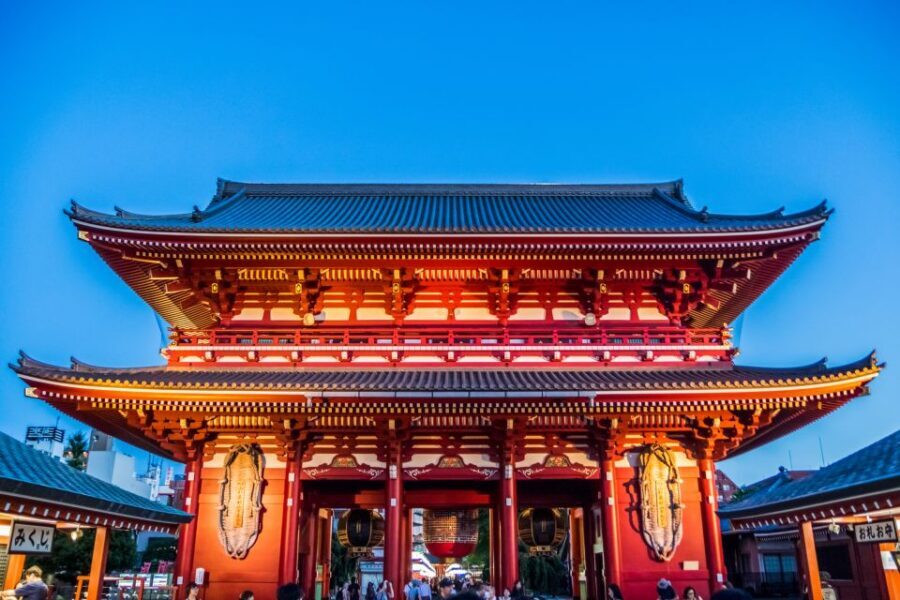
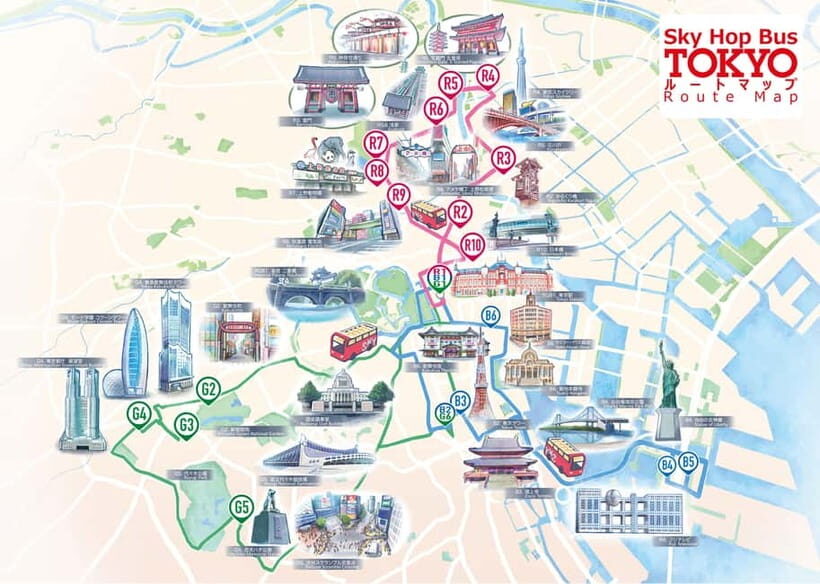
Route 1 links classic Tokyo sightseeing with neighborhoods most people want to see at least once. It runs from Marunouchi Mitsubishi Building through areas like Ryogoku, Asakusa, Ueno, and Akihabara, then back again.
Key stops to care about on this loop:
- Tokyo Skytree station: Great for skyline views. If your itinerary includes a tower moment, this is your anchor.
- Asakusa area (Hanakawado and Tawaramachi): This is where you can hop off to explore the old-town vibe.
- Ueno Matsuzakaya: A handy retail and transport landmark if you want a break between sightseeing stops.
- Akihabara (Suehirocho): Best if you’re curious about Tokyo’s electronics and pop-culture side.
What’s good about this route is the variety in one loop. You can do “big iconic sights” early, then pivot into neighborhood walking afterward. It’s also a strong route when you want a broader sample of Tokyo’s East side without committing to a full train day.





The drawback to watch
This loop passes through multiple popular areas, and those are exactly where crowds can build. If you’re trying to cover a lot on foot after hopping off, give yourself extra time at each stop. The bus ride is easy. The walking schedule is where Tokyo speed bumps can happen.
Route 2: Tokyo Tower, Zojo-ji, and Tsukiji-Ginza for dramatic views and food-zone energy
Route 2 is built around Tokyo’s western skyline and two major “see and wander” zones: Tokyo Tower and the Tsukiji-Ginza corridor.
Your loop starts at Marunouchi Mitsubishi Building, then goes to:
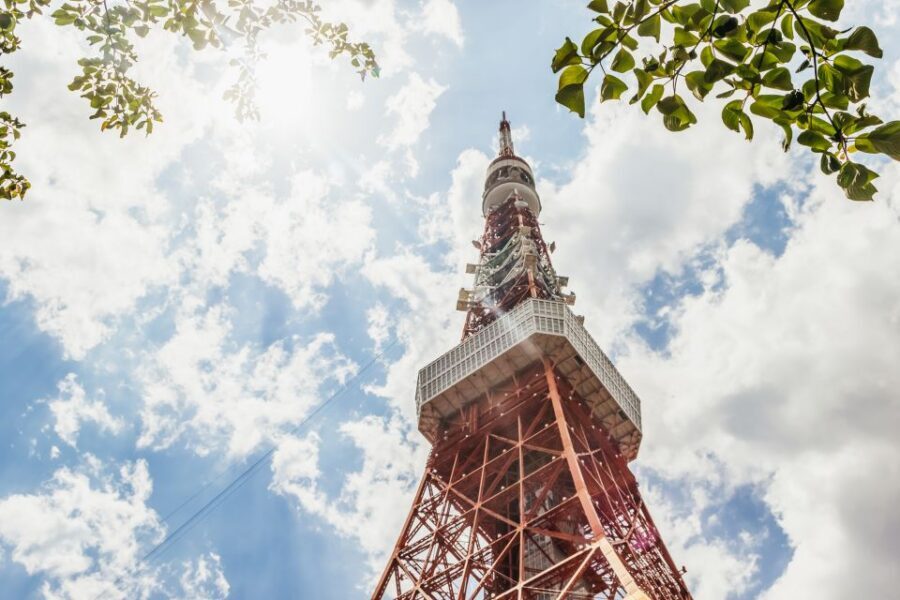
- Tokyo Tower: Icon status. Even if you don’t go up, the area is worth positioning around photos and the surrounding views.
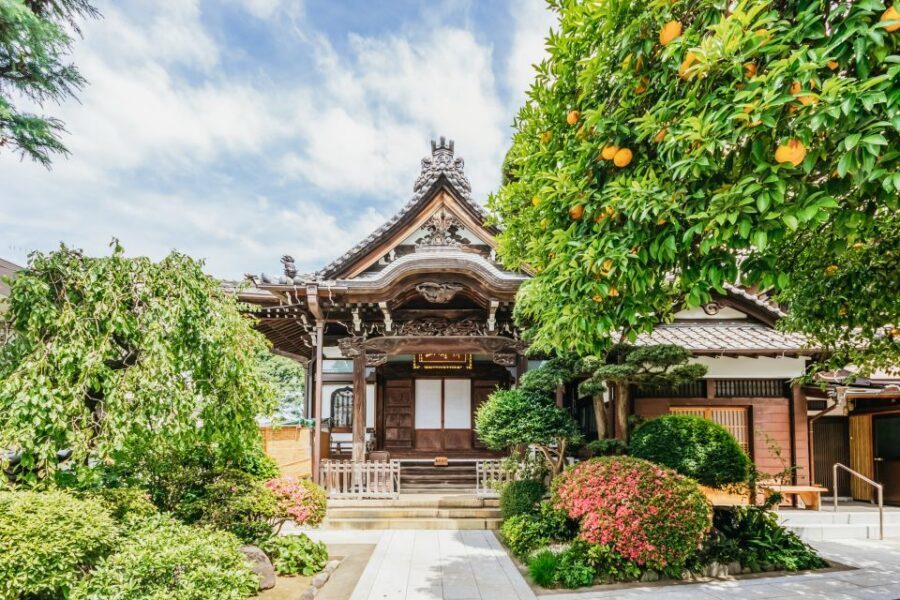
- Tokyo Prince Hotel / Zojo-ji Temple: This pair gives you an easy mix of landmark scenery and a temple stop option.
- Tokyo Teleport Station: A connector-style stop that can help you plan routes toward other areas later.
- Tsukiji Ginza: A famous district for browsing and grabbing something to eat.
This route makes sense if you want the “Tokyo postcard” feeling. Tokyo Tower is visual power on its own, and pairing it with Tsukiji-Ginza gives you that rare combo of landmark sightseeing plus easy wandering.
Where you might get tripped up
Tokyo traffic can slow the ride. Also, as you hop off, you’ll still be in the heart of busy zones. If your goal is a smooth timeline, I’d schedule this route for a day where you’re not racing against evening reservations.
Route 3: Shinjuku/Shibuya with Nishi-Shinjuku angles and a Meiji Jingu approach
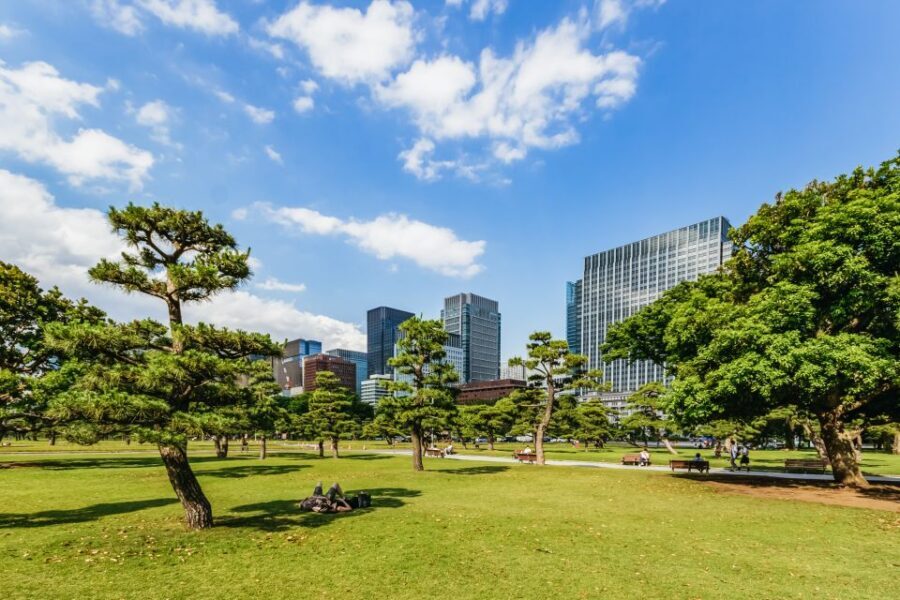
Route 3 is the one people often choose when they want Tokyo’s west-side energy: business towers, big station areas, and the Harajuku/Meiji Jingu orbit.
It also starts and ends at Marunouchi Mitsubishi Building, and it includes:
- Shinjuku-gyoemmae Station: Useful for accessing Shinjuku’s major pathways.
- Shinjuku Station South Exit / Hotel Century Southern Tower: Big transport hub vibes. You can use this as a launchpad for other explorations.
- Shinjuku Mitsui Building (Nishi-Shinjuku): A good pick if you like skyline views from the modern side.
- Shibuya City Hall / Harajuku / Meiji Jingu Shrine: This stop grouping is where you can pivot from city-edge scenery toward shrine-area walking.
If you’re short on time and want to feel how Tokyo can switch from towering office districts to youth-culture streets and shrine spaces, this route does a lot in one loop.
Evening advantage
Some of the best experiences tend to come on late-day runs, when lights start flipping on. If your schedule allows, it’s smart to plan one portion of your trip after dusk. You’ll get that skyline-to-night transition from the open-top views.
How to plan 1 day vs 2 days without overstuffing
A 1-day ticket can work if you pick your priorities and don’t expect to hop off at every stop. Many people use a full day to ride all major loops once, then choose fewer areas to explore on foot.
If you can do 2 days, it gets a lot easier. You can use day one for orientation—ride the route, pick your favorites, and learn where you want to return. Day two becomes more deliberate: you hop off at your top stops, then re-enter the bus later when you’re ready.
A practical trick: don’t build a schedule where every hop-off is an all-day plan. Tokyo neighborhoods reward short bursts. Think: ride, see, walk 60–120 minutes, then move on.
The reality of wait times between buses
This hop-on system can feel less frequent than some people expect. Service gaps can happen, and that can be frustrating if you hop off at the wrong moment. If you’re trying to connect multiple routes in one day, build in buffer time and keep your next boarding stop in mind.
Comfort and weather: open-top fun with real rules
This bus is open-air and there’s no air-conditioning. On hot days, it can feel intense. On sunny days, the view is great. On brutal heat days, you’ll want to use shade and plan shorter walks.
Rain is handled more practically than you might think: raincoats are distributed if needed. Umbrellas on board are prohibited, though. So if you’re traveling in a wet season, bring a compact poncho mindset.
Other rules that matter:
- Standing is prohibited while the bus is in motion.
- Passenger seating is on the second floor.
- Traffic congestion may delay buses.
- If weather is severe (like typhoons or thunderstorms), the tour may not operate.
One of the best “value upgrades” here is simply being forewarned. The staff can help you adjust to conditions, including rain preparations.
Who should book this bus (and who should skip it)
This experience is a strong fit if:
- you want a fast overview of Tokyo across multiple districts
- you prefer planning by sight—see it from the bus, then decide if you want more time
- you’re visiting for a short time and want to reduce transit stress
- you want multilingual audio on your own device
You might skip it (or limit it to one route) if:
- you already have a tight neighborhood-by-neighborhood plan
- you’re comfortable navigating Tokyo via trains and walking
- you’re traveling with an itinerary that makes bus timing tricky
Should you book the Tokyo hop-on hop-off bus?
If you’re doing Tokyo for the first time, or you want an easy way to get your bearings, I’d book it. It’s a simple structure that covers major sights like Tokyo Skytree, Asakusa, Tokyo Tower, Tsukiji-Ginza, Shinjuku, and Shibuya without you having to stitch together a complicated transit day.
If you’re worried about heat or wait times, plan smart: ride earlier, and when possible, save your big hops for routes where you can spend a focused block of time on foot.
Overall, this is a solid value play for flexibility and city coverage. For $30, you’re not just getting transportation. You’re buying time, orientation, and a way to enjoy Tokyo’s skyline from an open-top perspective.
FAQ
How long do I have to use the Tokyo hop-on hop-off ticket?
The duration is listed as 1–2 days. You can choose based on availability and your schedule.
Does the ticket include all bus routes?
Yes. Your ticket provides unlimited access to all available routes, and you can hop off and back on at your convenience.
Where is the main meeting point?
The meeting point is in front of the Mitsubishi Building.
Can I board from bus stops using my voucher?
Yes. You can board directly from bus stops in Tokyo using the QR code sent to you with your voucher.
What audio guide languages are available?
The phone-based audio guide supports 10 languages: Japanese, English, Korean, Chinese, French, German, Spanish, Thai, Vietnamese, and Indonesian.
Do I need earphones?
Yes. The phone-based system requires you to bring your own device and earphones.
Is the bus air-conditioned?
No. The bus is open-air and there is no air-conditioning.
What happens if it rains?
Raincoats are distributed if needed, and umbrellas are prohibited on board.
Are seats guaranteed?
No. This is not a reservation system. If there are no free seats, you should board the next bus.
What if there is severe weather like a typhoon?
If weather is severe, the tour may not operate.
Is there any flexibility in booking or cancellation?
Free cancellation is listed up to 24 hours in advance for a full refund, and there’s also a reserve now & pay later option.