Tokyo can feel like a puzzle at first. This tour turns that chaos into a plan you can actually use, with private customization from real Tokyo locals. I love that guides (including Sho and Yusuke in past tours) tailor the route to your interests, and I also love how much help you get with photos and local conversations. One heads-up: this is a walking format and it’s not suitable for mobility impairments, plus there’s no hotel pickup.
What makes it different is simple: you’re not stuck with a one-size-fits-all checklist. You get a flexible schedule for 2 to 6 hours, and the guide is encouraged to adjust even as your day unfolds. If you’re the type who wants iconic sights plus the Tokyo you only learn by wandering with someone who lives here, this style of tour fits well.
One more practical note: the guide reaches out via WhatsApp before you meet, so you’ll want that app ready to go. The tour is English-speaking and private, which is a big part of the value at this price point.
In This Review
- Key things I’d pay attention to
- Private Tokyo, actually private: how customization works
- Kichijoji to Gotokuji: parks, anime culture, vintage shopping, and the maneki-neko story
- Kagurazaka to Sendagi: old geisha lanes, Book Town browsing, and leftover old Tokyo
- Shinjuku, Meiji Shrine, Shibuya, and Shibuya Sky: big landmarks with a local twist
- The guide experience: photos, translation help, and a friendly pace
- Price and value: what $77 gets you, and what to budget separately
- Making the most of 2–6 hours: pace, photos, and planning ahead
- Who this tour fits best (and who should choose something else)
- Should you book this private Tokyo tour?
- FAQ
- Is this tour private or shared?
- How long is the Tokyo tour?
- What language is the guide?
- Do I need to use WhatsApp?
- Is hotel pickup included?
- Are entrance fees included in the price?
- Is the tour wheelchair or mobility friendly?
- Can I cancel for a full refund?
Key things I’d pay attention to
- Private, customized route based on your interests and pacing
- Local guides in their 20s, raised in Tokyo and built for everyday context
- Photo help that turns hard-to-nail moments into usable memories
- Two ready-made neighborhood routes plus the option to layer in big landmarks
- Weather-and-plans flexibility, including expectation management when spots change
- Walking-focused, so comfortable shoes matter
Private Tokyo, actually private: how customization works
A lot of tours say customized, then hand you the same script with a different sticker on top. This one is different because the guide starts by asking what you care about before you even begin. In multiple cases, the guide reached out in advance to understand interests, then shaped the day around that input. That matters, because Tokyo is huge: your “must-see” can be totally different from someone else’s, even if you’re both visiting Shinjuku.
You also get real flexibility during the tour. One highlight from past groups: the route can be adjusted even after you’ve already started, which is useful when you discover you’re more into food, photos, shopping, or quiet streets than you expected. I like that this keeps the day from turning into a sprint. Tokyo rewards calm observation, and a private pace lets you watch the details without feeling guilty about missing something else.
The guide approach is also hands-on. Sho, for example, was praised for being friendly and chill, taking lots of great photos and answering questions clearly. Yusuke was noted for keeping the day enjoyable and laid-back while still giving useful context about what you’re looking at. If you like being able to ask, then follow that question into the next street, this format works.
You can also read our reviews of more guided tours in Tokyo

Kichijoji to Gotokuji: parks, anime culture, vintage shopping, and the maneki-neko story
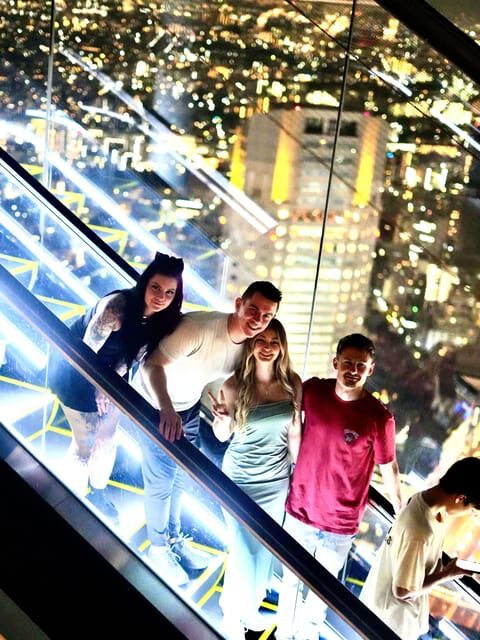
If you want Tokyo that feels less like an attraction and more like real neighborhoods, this route is a strong pick. The Kichijoji → Nakano → Shimokitazawa → Gotokuji path balances green space, pop culture, style shopping, and a temple story tied to one of Japan’s most famous symbols.
Inokashira Park (Kichijoji)
This is a great warm-up stop. Parks in Tokyo give you a reset from trains and crowds. You get a chance to slow down, take photos, and observe how locals move through the day.
Nakano for anime culture (the alternative to Akihabara)
Nakano is often quieter than the big electronics-and-anime magnet, but it still scratches the same itch if you care about anime culture. A guide can point you toward spots and context that feel more local than “tourist supply store.” The value here is not just seeing themed streets, but understanding what role the area plays for fans who live nearby.
Shimokitazawa for vintage fashion
Shimokitazawa is where Tokyo shopping turns into browsing as a sport. Expect vintage clothing energy and smaller stores where you can wander longer than you planned. This stop is especially good if you like thrift, street style, or just the fun of hunting for unusual things you won’t see at home.
Gotokuji for the maneki-neko birthplace
Then you shift to a temple experience with a story you can’t get from a quick photo stop. The big draw is the connection to the origin story of the beckoning cat. It’s a reminder that Tokyo’s icons usually have deep local ties, even when the symbol has become global.
A consideration: this route involves moving across multiple areas, so it’s best when you’re comfortable with train rides and a walking pace. If you hate walking long distances between neighborhoods, you’ll want to ask the guide to keep transit minimal within your 2–6 hour window.
Kagurazaka to Sendagi: old geisha lanes, Book Town browsing, and leftover old Tokyo
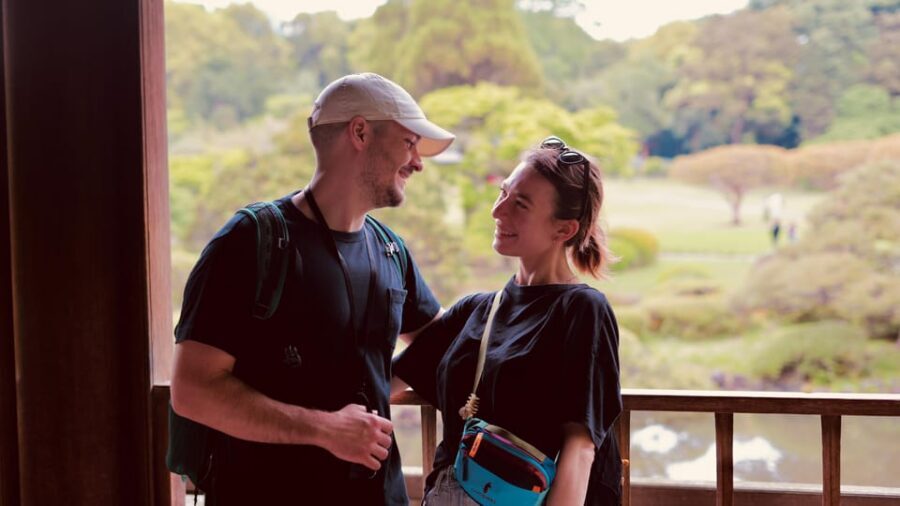
This is the route to choose when you want fewer skyscrapers and more streets that feel like they’ve been here forever. Kagurazaka → Jinbocho → Yanaka → Nezu → Sendagi strings together several pockets that still carry an older Tokyo vibe, with a mix of charm, browsing, and calm walking.
Kagurazaka near Shinjuku
Kagurazaka is described as a charming old geisha district. It’s a smart way to pair Shinjuku’s modern energy with a slower, more traditional atmosphere. I like starting here because it frames the rest of the day: you’re not just “going places,” you’re comparing Tokyo through neighborhoods.
Jinbocho for rare books in Tokyo’s Book Town
Jinbocho is known for books, and more specifically for rare titles and specialty browsing. If you like paperbacks and quiet secondhand energy, this stop can be a mental break from shopping malls. The guide’s value here is pointing out the kind of stores you might walk past without knowing what to look for.
Yanaka, Nezu, and Sendagi for retro streets
These areas are highlighted as some of the few places left with old Tokyo charm. Expect a different feel: narrower streets, older buildings, and a sense of neighborhood continuity. This is a route I’d choose if you’re the type who notices signage, shopfronts, and the way people use sidewalks.
One practical note: if you want big, “card-on-the-billboard” landmarks, this route won’t replace them. Instead, it gives you Tokyo’s texture. If that’s what you came for, it’s a great fit.
Shinjuku, Meiji Shrine, Shibuya, and Shibuya Sky: big landmarks with a local twist
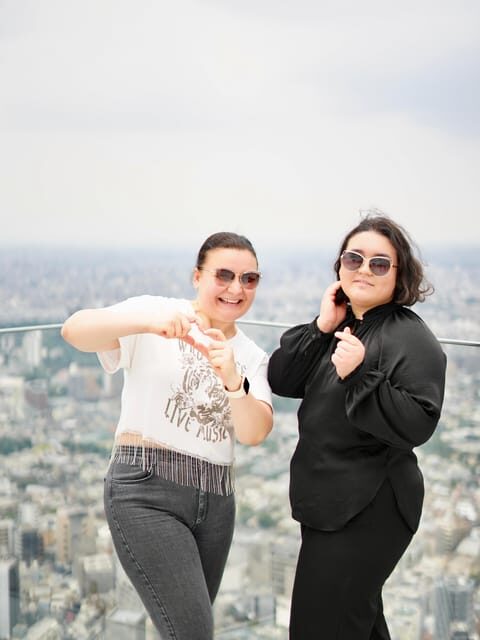
Not every day should be small streets only. This tour also guides iconic areas like Shinjuku and Shibuya, but the key is the twist: you don’t just do the obvious spots; you get guided positioning and a more personal way of seeing them.
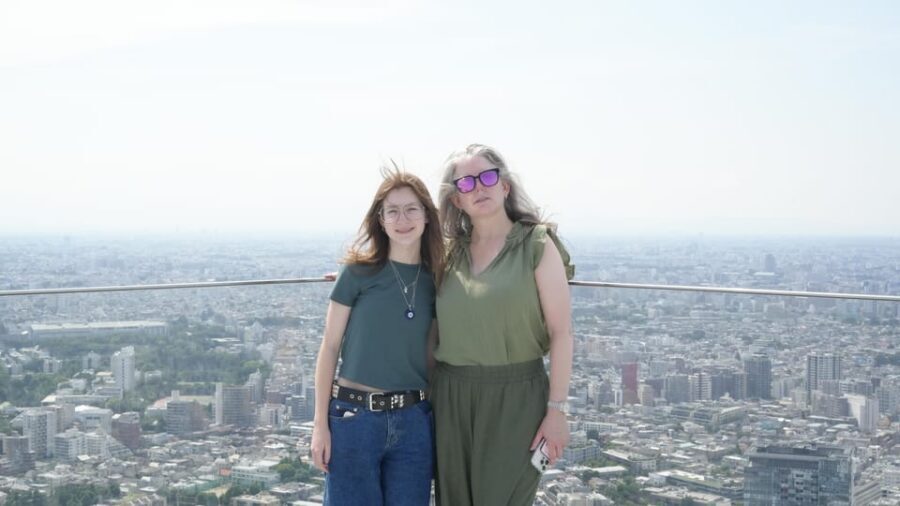
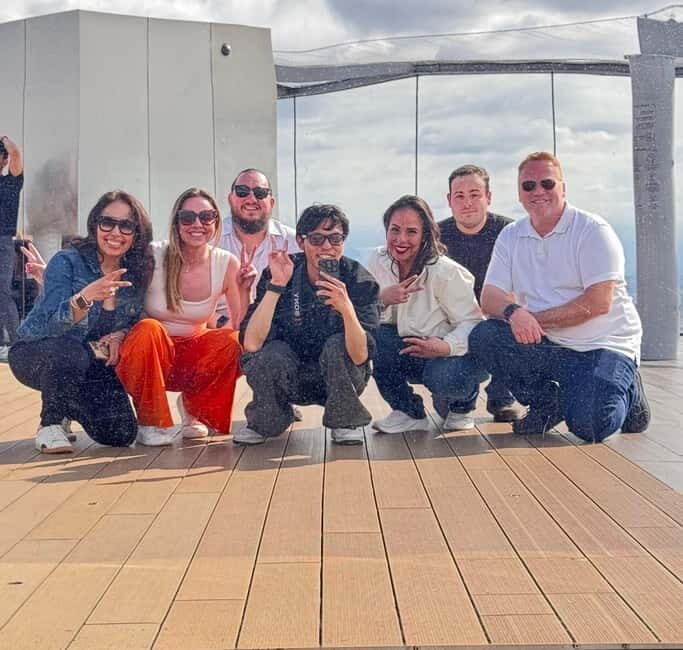
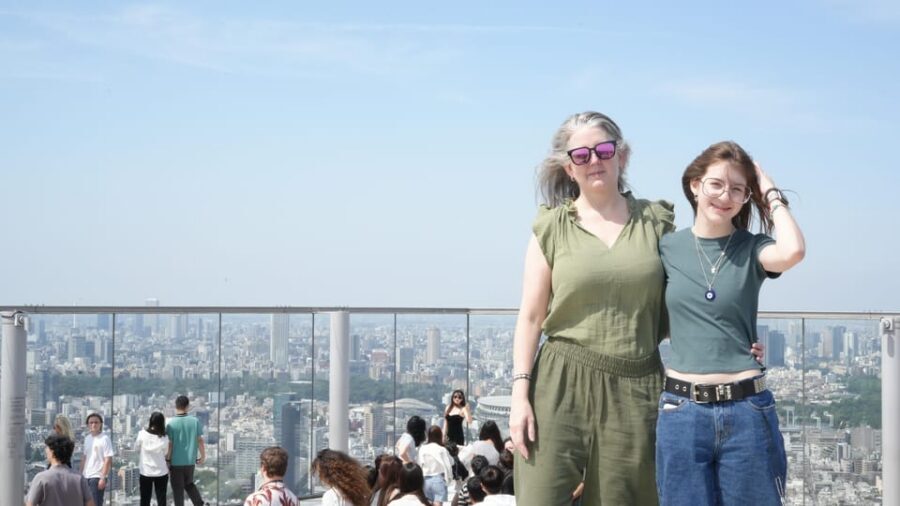
In past tours, groups mentioned stops around Shinjuku Gyoen National Gardens, Meiji Jingu Main Shrine, and Shibuya Sky, plus viewpoints like a Shibuya Tower look out. For photo lovers, the guide role gets extra important here. One common theme: the guide acts like a photographer, capturing portraits and family moments in the right locations and angles.
There’s also a real-world flexibility example. When weather forced the Shibuya Sky outside deck to close, the guide managed expectations: inside views were still good, but wet window reflections made outside photography harder. The ticket costs were handled promptly with a refund, and an alternative plan was set up. That’s exactly the kind of stress-reduction you want on a day where weather is unpredictable.
If you’re planning a shorter visit to Tokyo, this part of the tour can work as your “greatest hits” with better context. If you’re staying longer, you can pair these landmarks with one of the neighborhood routes for contrast.
The guide experience: photos, translation help, and a friendly pace
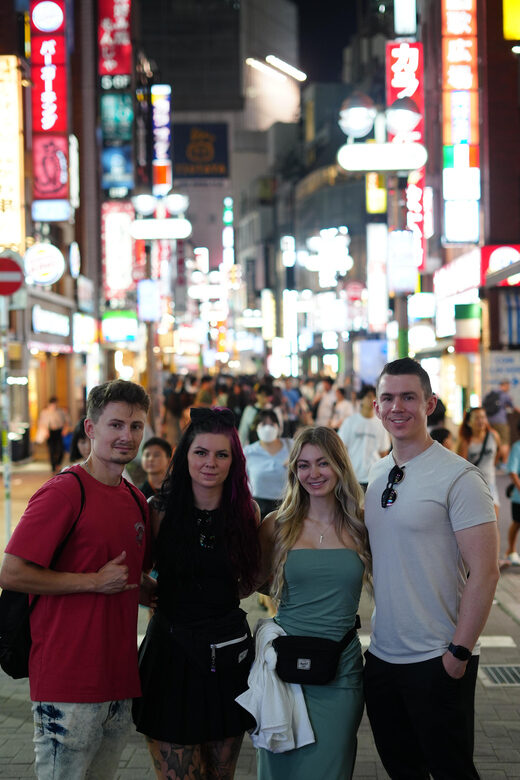
The biggest strength of this tour is the human part. Reviews consistently point to guides who are friendly, patient, and genuinely engaged. Sho was repeatedly praised for being warm, for taking excellent photos, and for being helpful with translation when interacting with locals. That translation support matters more than it sounds. In Tokyo, small misunderstandings can turn a pleasant interaction into awkward silence. When you’re comfortable asking simple questions and you get answers you can actually use, the city feels more welcoming fast.
Guides were also credited for being flexible with schedules and giving extra time when needed. That can mean slowing down when you’re enjoying a street, or shifting gears when you hit a change in plans like rain or closures. And yes, rain happens in Tokyo. One family-friendly detail stood out: a guide played with a 7-year-old as if they were part of the group. That’s not a standard tour behavior, and it tells you how the guide team approaches your day.
Another practical benefit: clear meeting and smooth flow. Past bookings described easy meeting logistics and guides arriving on time. For a first-time Tokyo visitor, that alone can be worth it, because you’re not spending your precious energy figuring out where to stand while trains roar by.
You can also read our reviews of more private tours in Tokyo

Price and value: what $77 gets you, and what to budget separately
At $77 per person for 2 to 6 hours, the value comes from two things: private time with a local English guide, and the ability to choose your route. If you’re traveling as a couple or family, that private element often makes the price feel more reasonable than a public tour where you can’t ask questions or change pace.
What’s included is straightforward: a local English-speaking passionate guide, tour customization, and a walking tour. There is no hotel pickup or drop-off included, so you should expect to get yourself to the meeting point area using public transit or your own plan.
What you should budget for separately:
- Entrance fees for you
- Transportation fees for you
- Lunch for you
- Personal expenses
- Guide expenses during the tour
- Private transportation (not included)
One interesting wrinkle from a past booking: a group reported that the tour price included entrance fees for Shinjuku park, Shibuya Sky, and even a taxi ride. Since the general policy lists entrance fees as not included, treat that as route-dependent rather than guaranteed. In other words, if you want paid attractions handled in advance, ask the guide during planning what’s likely to be covered and what you’ll pay on your own.
My advice: plan your day with flexibility in mind. You’ll likely spend on a few small things anyway in Tokyo, like snacks or transit. So think of the $77 as paying for guide time and local guidance, not as a full all-in package.
Making the most of 2–6 hours: pace, photos, and planning ahead
This tour’s timing is flexible, which is a big deal in Tokyo. Two hours works best for a focused neighborhood walk or a landmark-heavy session without too many jumps. Six hours gives room for an actual arc: park time, shopping, a temple story, and still a chance for a relaxed meal.
Start by deciding what you want to feel at the end of the day:
- If you want calm and charm, pick the Kagurazaka or Yanaka-style route.
- If you want shopping and stories, combine Shimokitazawa with a temple stop like Gotokuji.
- If you want photos and signature views, add Shibuya and Shinjuku highlights.
Then communicate your interests early. Past groups highlighted how guides used WhatsApp to ask about preferences before the tour. You’ll want WhatsApp downloaded so you can respond quickly and avoid slow back-and-forth. This is also how the guide can set a meeting plan that’s clear and stress-free.
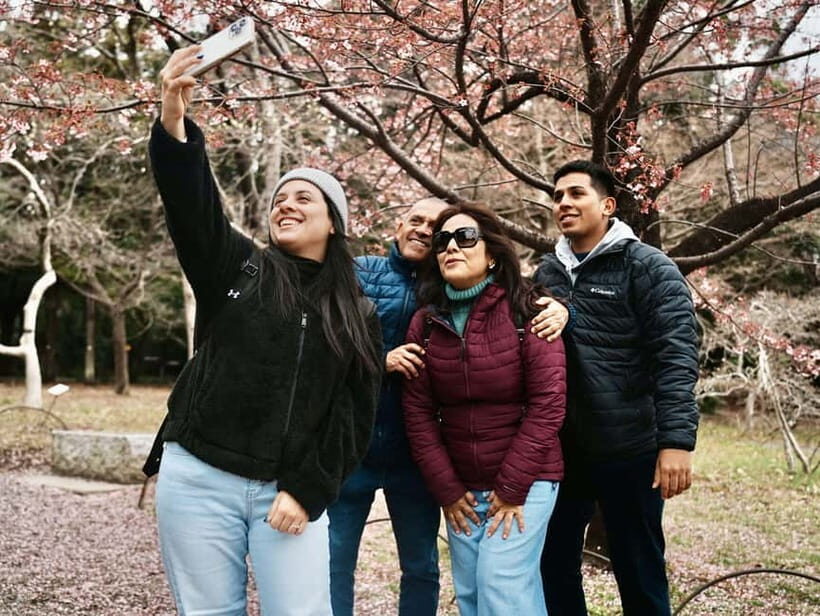
For photos, bring what you need and don’t overthink it. One recurring praise: guides took photos and even videos, with good composition. The guide can help you stand in better positions than you’d instinctively choose in a crowded area. If you’re traveling with family, tell the guide early. Guides have been described as great with kids and taking family pictures that actually look natural.
Who this tour fits best (and who should choose something else)
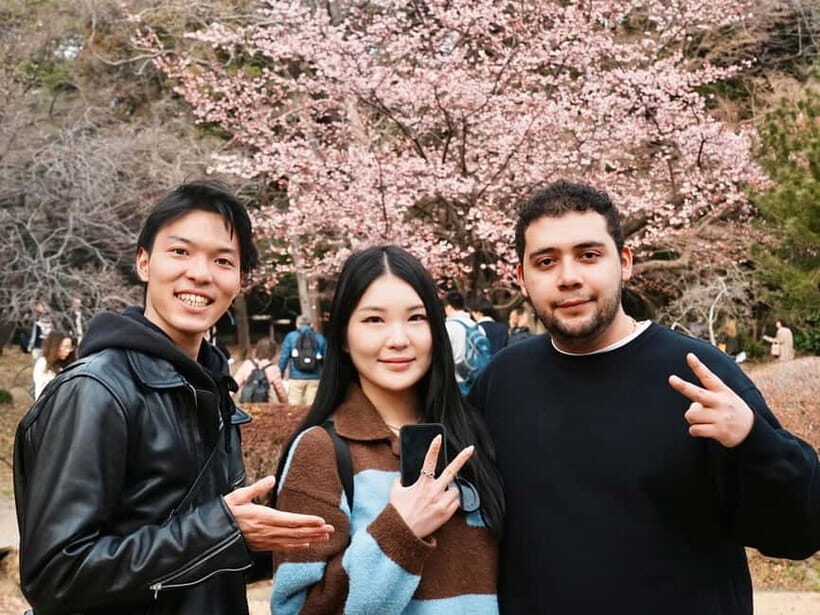
This tour is best for people who want a Tokyo day with a plan, but not a rigid script. It’s ideal if you:
- want a private guide instead of a group shuffle
- care about neighborhoods like Nakano, Shimokitazawa, Jinbocho, Yanaka, Nezu, and Sendagi
- want iconic sights with less tourist friction
- value photos you don’t have to try to take one-handed while walking
It’s not the right fit if you:
- have mobility impairments, since it’s a walking-based format and is stated as not suitable
- hate any planning and prefer totally unguided spontaneity
If you fall in the “I want both structure and freedom” category, this is a strong match.
Should you book this private Tokyo tour?
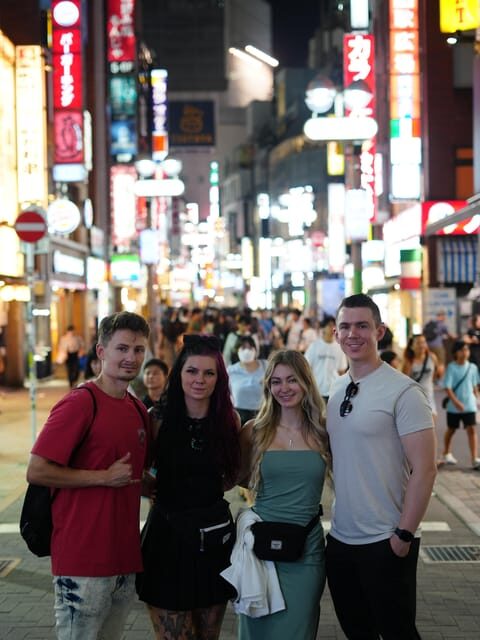
I’d book this tour if your priority is a Tokyo day that feels personal. The private customization, the ability to switch directions mid-day, and the guide’s photo help are the big reasons. If you’re interested in places like Kichijoji, Nakano, Shimokitazawa, Gotokuji, Kagurazaka, Jinbocho, Yanaka, Nezu, or Sendagi, you’ll get more out of them with local context than by wandering alone.
Skip it if you’re looking for a fully packaged, no-math, all-in price day. Entrance fees, transport, and lunch are generally not included, and you’ll be doing walking. But if you’re okay budgeting for yourself and you want your time in Tokyo to feel organized without feeling scripted, this tour is a smart way to spend a few hours.
FAQ
Is this tour private or shared?
This is a private group tour, meaning you won’t be joined by a larger set of strangers.
How long is the Tokyo tour?
The duration is 2 to 6 hours, depending on your starting time and how you shape the day.
What language is the guide?
The guide offers English.
Do I need to use WhatsApp?
Yes. The guide reaches out to you on WhatsApp, so you should download it before the tour to meet smoothly.
Is hotel pickup included?
No. Hotel pick up/off is not included, so you’ll need to arrange your own way to the meeting area.
Are entrance fees included in the price?
No. Entrance fees for yourself are not included.
Is the tour wheelchair or mobility friendly?
No. It is not suitable for people with mobility impairments.
Can I cancel for a full refund?
Yes. There is free cancellation up to 24 hours in advance for a full refund.