REVIEW · TOKYO
Private Tour to Mt. Fuji and Hakone (Fully Licenced Operator)
Book on Viator →Operated by Live Nippon · Bookable on Viator
Fuji day trips from Tokyo can feel like a photo dash. This one is different because it’s a private charter with a flexible route you can shape around your group. I especially like how you get multiple Fuji viewpoints in one long day, plus the option to go right up toward the 5th Station if conditions allow. The only real drawback to plan for is that Mt. Fuji 5th Station is not guaranteed, since it can close due to weather or maintenance.
Here’s what makes it work: you’re picked up from your Tokyo area lodging, driven in a comfortable vehicle, and dropped back at the end of the day without juggling trains or transfers. You’ll spend real time at places like Lake Kawaguchiko, Oshino Hakkai, and the pagoda views at Arakurayama Sengen Park, with extra add-ons depending on the route you choose. Just remember it’s a 10-hour hotel-to-hotel-style day, so ticket costs for ropeways, cruises, and some attractions are extra.
In This Review
- Key Highlights You’ll Actually Feel During the Day
- Why This Fuji + Hakone Day Feels Different From a Standard Bus Trip
- The Real Value: What You Get When It’s Truly Private (Up to 5)
- Price and Extra Costs: The Part You Should Plan For
- Choosing Your Route: Mt. Fuji and Hakone vs. Fuji Surroundings
- Stop One: Your Start in the Fuji Area With a Guided Pace
- Mt. Fuji 5th Station: Worth It, But Plan for a No-Fail Backup
- Lake Kawaguchiko: Fuji Views Framed by Ropeway and Cruise Options
- Lake Ashi and Hakone: The Pirate-Ship Atmosphere
- Oshino Hakkai: The World Heritage-Feeling Fuji Stop
- Fuji Sengen Shrines and Arakurayama: Shrines Plus the Famous Pagoda View
- Owaku-dani Valley: Black Egged Valley and Hakone’s Volcanic Edge
- Extra Time Options: Traditional Villages and Small Add-On Stops
- Bathroom Breaks, Timing, and the Comfort Factor
- The Best Fit: Who Should Book This?
- Should You Book This Private Fuji and Hakone Tour?
- FAQ
- Is hotel pickup included on this tour?
- How long is the day, and do you return to Tokyo?
- Is Mt. Fuji 5th Station guaranteed?
- What fees are not included?
- Can you customize the route during the day?
- What happens if the weather is poor?
Key Highlights You’ll Actually Feel During the Day
- Private, licensed transport using green-number-plate vehicles (not the random white-plate stuff).
- Route flexibility with your guide, so you can spend more or less time at each stop.
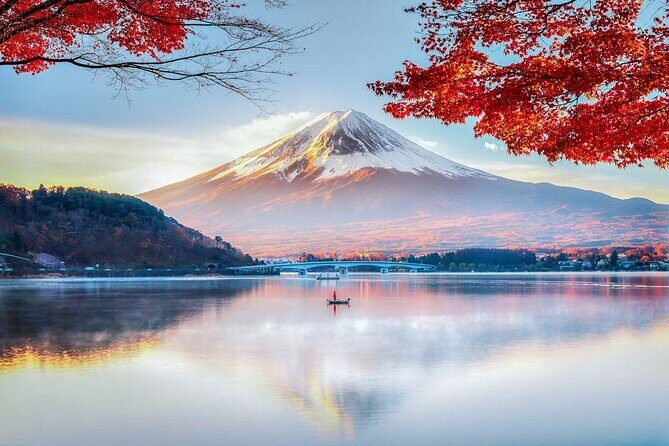
- Fuji visibility from multiple angles, with Lake Kawaguchiko and Lake Ashi in the mix.
- 5th Station access is conditional, so you’re not stuck if weather changes the plan.
- Iconic photo stops are built in, like Chureito Pagoda and Arakurayama Sengen Park.
- Hakone options include Owaku-dani Valley, plus lake cruising if you pick that itinerary.
Why This Fuji + Hakone Day Feels Different From a Standard Bus Trip
The best part of a private Fuji day is that you stop when the view hits, not when a bus schedule allows it. This tour is set up for that pace: you meet your English-speaking driver cum guide, climb into an air-conditioned vehicle, and head south in one shot.
You’re also not locked into a single rigid sequence. Your guide can adjust the day based on what your group wants to prioritize—panoramic viewpoints, lakes, shrines, or that dramatic crater-lake Hakone vibe. That flexibility matters because Fuji weather can be moody, and the day needs room to respond.
The second thing I like is the “safety and legitimacy” angle baked into the operation. The driver is described as holding commercial driving credentials, and the vehicles are identified with green number plates, plus commercial insurance. You may not think about this until you’re on the road, but when you’re crossing into the Fuji/Hakone area, it’s good to know the transport is set up like a proper commercial service.
You can also read our reviews of more private tours in Tokyo


The Real Value: What You Get When It’s Truly Private (Up to 5)
At $497.43 per group (up to five people), this isn’t a cheap “taxi to the nearest view” situation. It’s priced like a full day of private driving with a guide in the mix. In other words, you’re paying for time, comfort, and control.
Here’s how that control shows up in your day:
- Customization during the drive: if your group wants more photo time at a lake viewpoint, you can usually trade it from a shorter stop.
- Group-sized comfort: you can choose a vehicle size for your group needs.
- No time spent coordinating tickets and transfers by yourself.
For the math, think in terms of sharing costs across a small group. If you have two to five people, the per-person experience can look more reasonable than it would for a solo traveler. And because it’s private, you also avoid the classic problem of arriving in a crowd, getting one quick shot, and moving on before the light changes.
Price and Extra Costs: The Part You Should Plan For
The tour includes private transportation, a commercial-credential driver cum guide in English, and commercial insurance. It also includes a mobile ticket.
What’s not included is what can surprise you later:
- Lunch
- Activity tickets like the ropeway and cruises
- Mt. Fuji entrance fee: 2,800 yen per group (not included)
- Some stops list admissions as not included, so budget extra for specific attractions you choose
There’s also a timing rule: if the day runs long, overtime is charged at 5,000 yen per extra hour after 10 hours of hotel-to-hotel time. That’s not unusual for private charters, but it’s good to know before you plan a schedule packed with additional optional add-ons.
Choosing Your Route: Mt. Fuji and Hakone vs. Fuji Surroundings
One key decision: you need to pick one itinerary style when you book, because your day will follow either a Mt. Fuji + Hakone plan or a Mt. Fuji Surrounding area plan.
That choice affects what you’ll get:
- The Fuji + Hakone style can include Hakone elements like Lake Ashi cruising and Owaku-dani Valley.
- The Fuji Surroundings style can lean more into Fuji’s wider region stops and traditional village atmosphere, with additional options if time allows.
Either way, the day stays anchored around Fuji views and classic nearby sights. The difference is how much Hakone you get, and how much time you spend on lake + crater valley style scenery versus additional Fuji-area villages and shrines.
Stop One: Your Start in the Fuji Area With a Guided Pace
Your day starts in Tokyo with pickup from your lodging, then a drive south with your guide in the car. This matters more than it sounds. You’re saving the mental load of routing yourself out of Tokyo, and your guide can time your stops around traffic and daylight.
You’ll get to settle into a comfortable ride early, before you hit the viewpoint stops. Many Fuji day trips feel rushed because the first “real stop” arrives late and everything after becomes a blur. Here, the plan is structured to start you with Mt. Fuji-area sightseeing quickly and keep you moving between places where you can actually see the mountain.





Mt. Fuji 5th Station: Worth It, But Plan for a No-Fail Backup
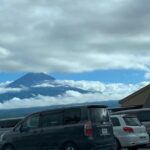
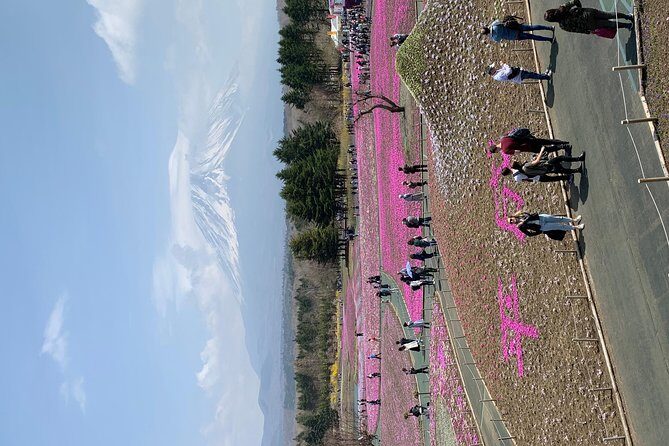
The 5th Station is described as the last point you can reach by car, and it’s a major “I did it” moment when it’s open. But this tour is blunt about reality: visiting 5th Station is not guaranteed, and it can close due to bad weather or maintenance.
So how do you handle this as a traveler?
- Treat the 5th Station as a bonus, not the only win.
- If it’s closed, the day still has plenty of Fuji-area viewpoints and cultural stops built around the lakes and shrines.
- If your group is coming specifically for high-altitude Fuji, understand your plan is weather-dependent.
The payoff is that you’re not stuck with a driver who insists on an unreachable schedule. You’ll still have a full day, and your guide can shift focus to places where visibility and time still work.
Lake Kawaguchiko: Fuji Views Framed by Ropeway and Cruise Options
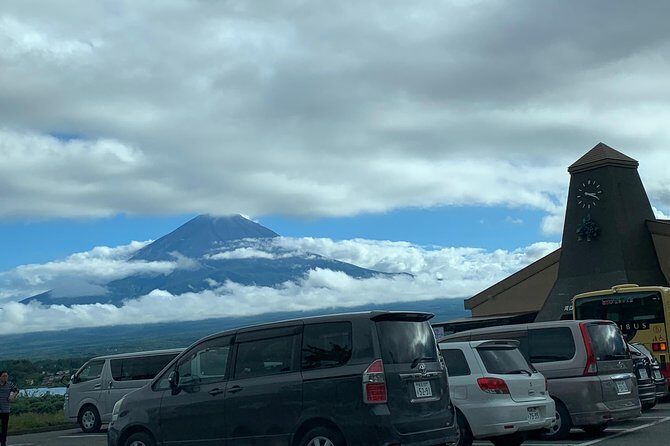
Lake Kawaguchiko is one of the big Fuji-area view bases, and this tour makes it a highlight. You spend about an hour here, and the goal is simple: get a strong Fuji backdrop from different angles.
Two optional ways to do that are built into the day:
- Ropeway up Mt. Kachi Kachi for wide panoramas (ropeway ticket not included)
- Cruise on Lake Kawaguchiko (cruise ticket not included)
This stop is valuable because lakes act like a mirror and a frame. When Fuji is visible, it can look dramatically crisp. When it isn’t, you still get the lakeside rhythm and photo angles, just with more clouds in the story.
If you’re traveling with mixed interests—someone who wants iconic shots and someone who just wants a calm walk with a view—Lake Kawaguchiko is the kind of stop that satisfies both without demanding one specific style of sightseeing.
Lake Ashi and Hakone: The Pirate-Ship Atmosphere
If you choose the Mt. Fuji + Hakone-style route, Lake Ashi is on the menu. This is the lake stop that adds “Hakone mood,” and the tour specifically notes a pirate cruise option on Lake Ashi.
You’ll also get Hakone Shrine as an optional quick stop later, so the day can shift between scenic water views and short cultural moments. Lake Ashi is especially good for travelers who want Fuji scenery plus something that feels more like a classic Hakone circuit.
A quick reality check: the cruise is an added ticket, and the timing depends on the full day flow. But when it fits, it’s one of those experiences that feels different from another lakeside viewpoint—more movement, more changing angles, and a break from walking and stepping in and out of cars.
Oshino Hakkai: The World Heritage-Feeling Fuji Stop
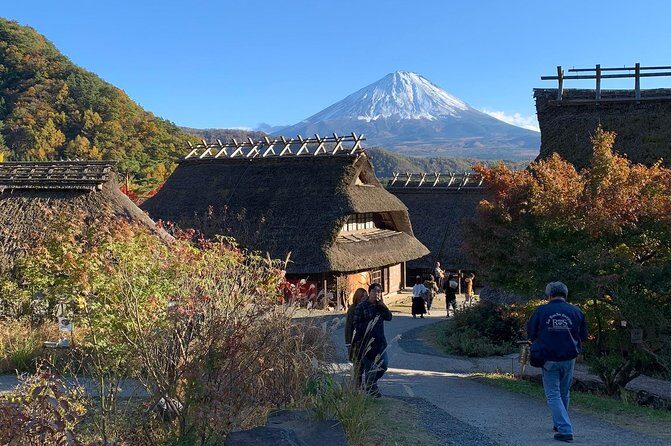
Oshino Hakkai is a small village with eight ponds and strong Fuji sightlines when the weather cooperates. You’ll get about an hour here, and it’s also where you’ll see food and souvenir stalls.
This stop is one of the best “quality vs effort” moments of the day. You’re not trying to squeeze a long hike into your schedule, but you still get an iconic rural setting tied to Fuji’s presence. If you’re the kind of traveler who likes small-scale sights with a strong sense of place, Oshino Hakkai works well.
Also, it’s listed as admission free, so you’re not stacking additional entry fees at the moment you most want to slow down.
Fuji Sengen Shrines and Arakurayama: Shrines Plus the Famous Pagoda View
This tour includes multiple shrine-related stops that connect with Fuji pilgrimage culture.
One stop is Kitaguchi Hongu Fuji Sengen Jinja, a shrine historically described as a common starting point for climbing Mt. Fuji from the north. The idea here is not just to look at a building—it’s to see how Fuji is woven into local traditions and religious travel routes.
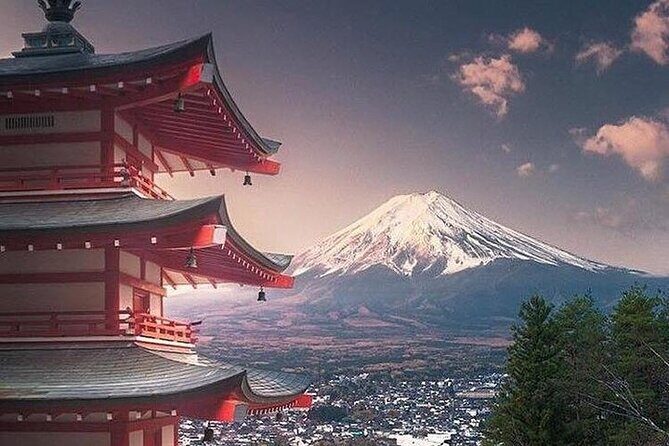
Then there’s Arakurayama Sengen Park, where you walk up 398 steps to reach an iconic pagoda facing Mt. Fuji. The Chureito Pagoda is included as part of this area, and tickets are listed as included for that short pagoda visit window.
Why I think this is one of the best parts of the entire day:
- It’s a straightforward destination with a clear payoff.
- It combines culture, movement (those steps), and a view that people plan entire trips around.
- You can adjust your pace based on your group. If someone needs slower breaks, your guide can usually shift timing between stops.
Just be aware that steps are involved. If your group has mobility limits, you’ll want to plan for that walking time in Arakurayama Sengen Park.
Owaku-dani Valley: Black Egged Valley and Hakone’s Volcanic Edge
Owaku-dani Valley shows up as Black Egged Valley, with an hour allocated. You’ll also see that tickets are listed as included for this stop.
This is one of the big “Hakone identity” experiences. It adds the volcanic theme that’s so different from the lake-and-luxury postcard version of the Fuji area. Even if you’re not a deep science fan, the scenery and the idea of the place are a useful contrast to the calmer pond and shrine stops.
If you picked the Mt. Fuji + Hakone style itinerary, this stop helps the day feel more balanced instead of “just more viewpoints.”
Extra Time Options: Traditional Villages and Small Add-On Stops
Depending on the route and how your day is going, you may also see optional stops such as:
- Saiko Iyashi no Sato Nemba, described as a traditional Japanese village (if time allows on the longer Fuji surroundings-style schedule)
- Fuji-Q Highland information center for a short optional pause (10 minutes)
- Hakone Shrine as an optional stop (free admission; short time)
These add-ons are useful when your group wants a little variety between the big ticket view moments. They’re also a way to fill time if you need flexibility due to changing weather or traffic.
Bathroom Breaks, Timing, and the Comfort Factor
A private Fuji day is long. About 10 hours is the ballpark, and you’ll likely make multiple stop-and-go transitions. In this kind of full-day plan, the guide’s ability to pace things matters as much as the landmarks.
One theme that comes through strongly is that guides often handle timing in a way that gives you breathing room at each stop. In practical terms, that means you’re not being rushed through Oshino Hakkai or forced to linger at a stop that isn’t working for your group.
Also, because it’s private, your party can take photos without constantly feeling like you’re in someone else’s group line. If your group includes older family members or people who prefer slower sightseeing, this kind of pacing can turn a stressful day into something relaxed.
The Best Fit: Who Should Book This?
This tour fits best if you:
- Want a private full-day with hotel pickup and a guide in English
- Are traveling in a group of up to five
- Want to see Fuji from multiple vantage points without planning trains
- Care about flexibility if weather plays games with visibility
It’s less ideal if you want a super cheap “do-it-yourself” day. This is a charter experience. You’re paying for driving, time management, and the ability to adjust the plan.
Should You Book This Private Fuji and Hakone Tour?
I’d book this if your priority is seeing a lot of Fuji-area highlights in one day while keeping control of the pace. The combination of hotel pickup, licensed private transport, and an adjustable route is exactly what makes Fuji day trips less painful.
Two final decision checks:
- Can your group handle the idea that 5th Station isn’t guaranteed? If you’re okay treating it as a bonus, you’ll likely feel happy even if conditions change.
- Are you ready for add-on ticket costs? Ropeways, cruises, and the 2,800 yen Mt. Fuji entrance fee per group are not included.
If those two points work for you, this tour is a strong value way to experience Mount Fuji and Hakone without turning your day into a logistics project.
FAQ
Is hotel pickup included on this tour?
Pickup is offered. The tour is set up for you to start from your Tokyo hotel area and end back at your Tokyo hotel/meeting point.
How long is the day, and do you return to Tokyo?
It runs about 10 hours (approx.) and ends with drop-off back at the meeting point in Tokyo.
Is Mt. Fuji 5th Station guaranteed?
No. The 5th Station visit is not guaranteed because it can close due to bad weather or maintenance.
What fees are not included?
Lunch is not included. Also not included are tickets for activities like the ropeway and cruises, plus the Mt. Fuji entrance fee of 2,800 yen per group.
Can you customize the route during the day?
Yes. The itinerary is described as flexible, and you choose what to focus on with your private guide. You also pick one itinerary style: Mt. Fuji and Hakone or Mt. Fuji Surrounding area.
What happens if the weather is poor?
The experience requires good weather. If it’s canceled due to poor weather, you’ll be offered a different date or a full refund.