REVIEW · TOKYO
Mt Fuji and Hakone 1-Day Bus Tour Return by Bullet Train
Book on Viator →Operated by Japan Panoramic Tours · Bookable on Viator
Fuji and Hakone in one frantic day. I like how this tour strings together Mt. Fuji 5th Station and the Hakone highlights without you having to plan connections, and I also like the professional English guide plus multilingual audio so you can follow what matters. The big catch is that the whole day leans on weather, and wind or road limits can shift or cut key parts.
You’ll start early in central Tokyo, ride an air-conditioned coach with free Wi‑Fi, and then use the Shinkansen for the smooth return to Tokyo. The schedule is tight (about 11 hours), with short on-site windows, so it’s less of a slow nature day and more of a well-paced checklist of Japan’s best views.
In This Review
- Key things I’d watch for before you go
- Price and value: does $163.26 make sense for a one-day whirlwind?
- Start early in Tokyo: pickups, bus comfort, and pacing
- Mt. Fuji 5th Station: the sacred views stop (and what to do if access is limited)
- Lunch at the foot of Mt. Fuji: included buffet, plus real limits
- Hakone Ropeway: the cable car payoff (and why queues happen)
- Lake Ashi cruise: calm water, quick viewing time
- Odawara Station finish + Shinkansen back to Tokyo: the smooth ending
- Weather is the real tour guide: how substitutions work
- Who this tour suits best (and who should skip it)
- Tips that make the day smoother (no fluff, just what helps)
- Should you book this one-day Fuji and Hakone bus tour?
- Quick decision guide
- FAQ
- How long is the tour?
- Where are the pickup and meeting points in Tokyo?
- What’s included for the return to Tokyo?
- Is lunch included, and are there dietary options?
- What Hakone activities are included?
- What languages are available for audio guidance?
- What happens if weather cancels parts of the day?
Key things I’d watch for before you go
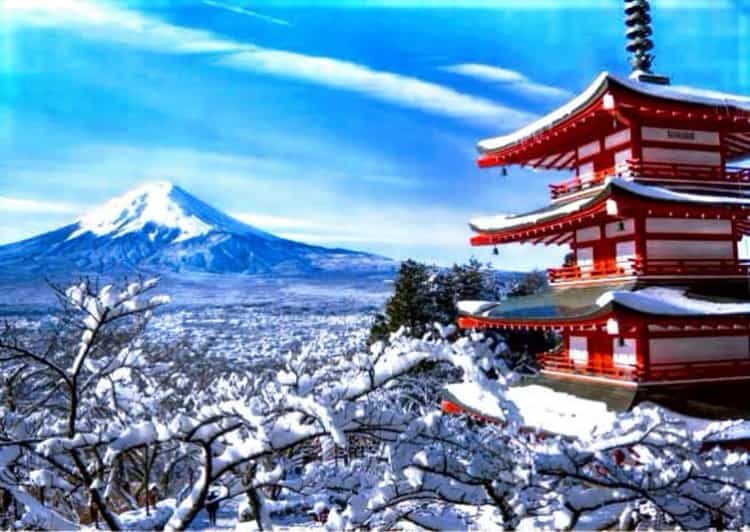
- Mt. Fuji 5th Station focus, including a Shinto shrine stop with timing that can change based on access.
- Hakone Ropeway + Lake Ashi cruise are included, which is the fun visual payoff for most people.
- Guides with real personality, and I’ve seen praise for guides like Sora, Hiro, Levin, Momo, Angela, and Yui.
- Lunch choices exist, but true vegan and halal aren’t guaranteed because meals are made in the same kitchen and halal-certified options aren’t listed.
- Weather-driven substitutions are part of the deal, and changes may happen without a refund for that portion of the experience.
Fuji days are analogue Japan; the digital counterweight books out weeks ahead. TheTokyoExplorer reviews the teamLab Planets entry ticket with the sellout patterns laid out, and teamlab.art lists the current Tokyo exhibitions beyond Planets itself.
Price and value: does $163.26 make sense for a one-day whirlwind?
At $163.26 per person, this isn’t a budget day trip. But you are paying for a lot of hard-to-piece-together value: round-trip guided transport out of Tokyo, entrance fees for the Hakone moving parts (Ropeway and Lake Ashi cruise), a guided cultural explanation, and a bullet train ticket back to Tokyo.
The value also depends on one thing: how much of the day you can actually do. On a clear day, you get the classic hit list—Fuji up close, Hakone’s volcanic views, and the lake cruise. On a rough day, the day can collapse into more bus time and substitutions, like an alternate sight if the Fuji access is limited or if wind shuts Ropeway/cruise. That risk is real, so I’d only book if you’re okay with a plan that can bend.
A few more Tokyo tours and experiences worth a look



Start early in Tokyo: pickups, bus comfort, and pacing
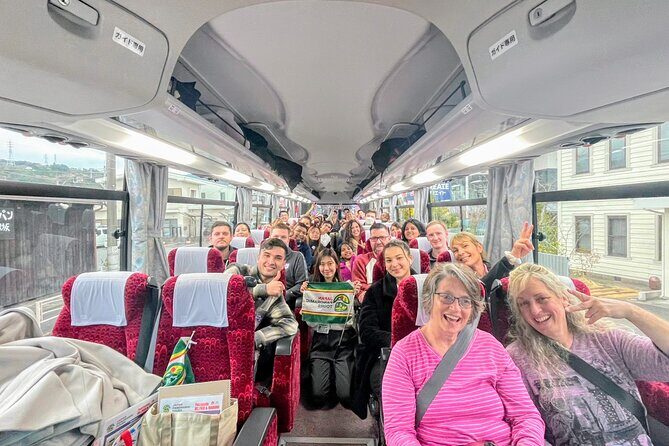
Morning starts are the key to making this work. You’ll be picked up in Tokyo (either Matsuya Ginza at 7:20am or LOVE Shinjuku at 7:50am) and then loaded onto an air-conditioned coach with free Wi‑Fi. Expect a long day—about 11 hours—because you’re crossing from Tokyo to Fuji area, then to Hakone, then back again.
The pacing is brisk. Each stop is short, usually around 30–40 minutes, which is great if you want to see multiple regions in one shot. It’s less great if you like wandering slowly or taking lots of time for photos without feeling rushed. The upside: the tour is structured, so you’re not stuck figuring out buses, tickets, and where to stand for the best views.
Mt. Fuji 5th Station: the sacred views stop (and what to do if access is limited)
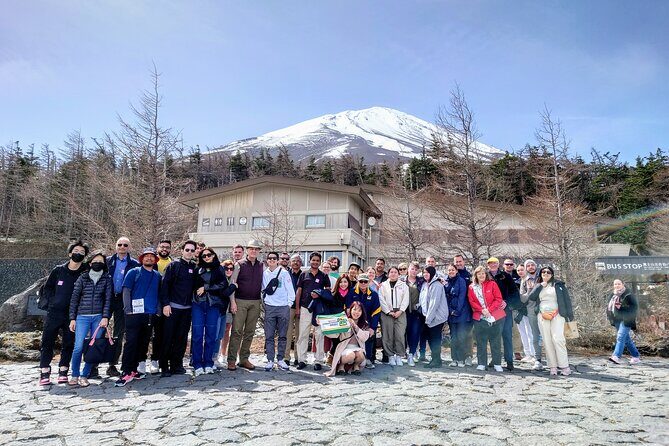
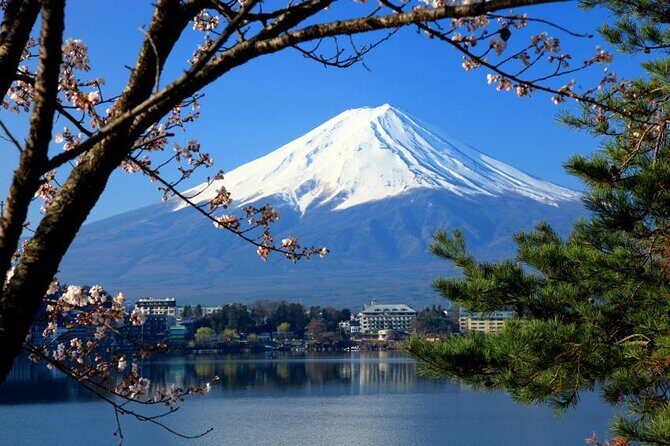
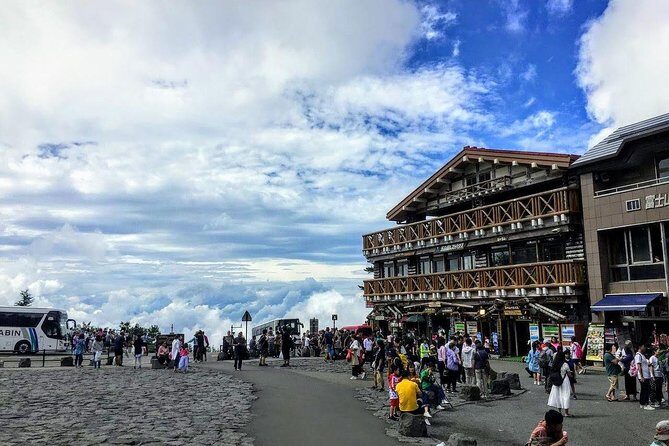
The tour’s first true highlight is Mt. Fuji’s 5th Station, where you get breathing room in the mountain air and strong scenery. There’s also a Shinto shrine atmosphere stop at this level, which adds a spiritual layer beyond just taking pictures.
Now the practical part: getting to higher elevations can change with conditions. The tour notes that access can be restricted, and it explicitly mentions that if you can’t go beyond a certain point, the experience may adjust. On certain dates (like when there’s a traffic regulation on the Fuji climb), the itinerary can swap in an alternative instead of the 5th Station.
If you end up with a substitution, you’re still likely to get something scenic and Fuji-facing. The listed alternatives include places such as Oshino Hakkai, Hakone Sekisho, Odawara Castle, Oshino Village, and even the Fujisan World Heritage Center in some scenarios. Translation: don’t assume every day equals the exact same photo angle. But you usually won’t end up with nothing.
Lunch at the foot of Mt. Fuji: included buffet, plus real limits
Lunch is built into the Fuji half of the day—about 40 minutes at the base, with a buffet option included if you chose it. The idea is good: you’re eating before the Hakone portion, and you can choose vegetarian or Muslim-friendly options if you request them when booking.
A big caution: the FAQ says halal-certified meals aren’t available, and vegan isn’t available either because meals are prepared in the same kitchen and many items contain dairy or egg. If you have a severe restriction, the tour suggests booking without lunch and bringing your own food.
Also, keep expectations realistic. Buffets are efficient, not fancy. Some people felt the lunch could have been more traditionally Japanese, or that the presentation wasn’t very elegant. I’d treat it as fuel for the day, not a destination meal.
Hakone Ropeway: the cable car payoff (and why queues happen)
Hakone’s star moment on this tour is Hakone Ropeway, a cable car experience with big views during the ride. People like it because it gives you an elevated look at Hakone’s volcanic setting—so you get that dramatic “otherworld” feeling without doing hardcore hiking.
The stop is short (about 30 minutes), so your goal is to ride, take a few photos, and not let the line steal your whole mood. Some days will mean longer queues, but the general pattern from real-world feedback is that the line can move quickly.
Weather matters again. Strong winds can shut down Ropeway operations. When that happens, the tour may swap in an alternative. In extreme cases, this is where the day can feel like it’s mostly transportation rather than experiences—so if you’re planning this around a single perfect window for Fuji views, have a Plan B mindset for Hakone too.





Lake Ashi cruise: calm water, quick viewing time
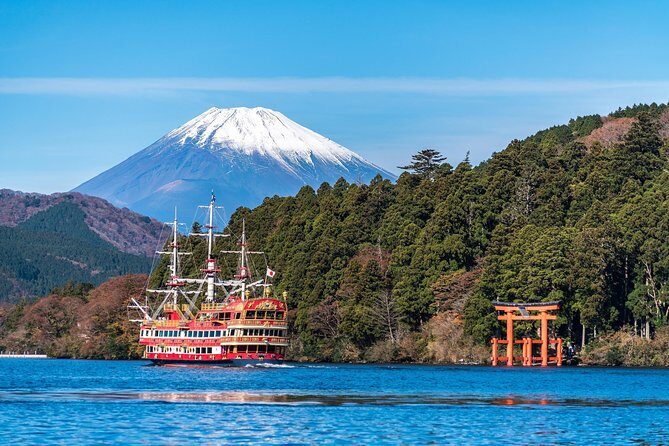
After Hakone Ropeway, the tour heads to Lake Ashi (Lake Ashinoko) for a cruise. This is a caldera lake setting, and the cruise is included (about 30 minutes). Most people enjoy it because it’s a different kind of view than the cable car: water, shoreline, and often Mt. Fuji sight lines when conditions cooperate.
Again, the weather can control whether you get this. The tour notes that if conditions suspend operation, you may not get every planned activity. If the cruise is canceled due to wind, the day shifts toward alternatives.
Odawara Station finish + Shinkansen back to Tokyo: the smooth ending
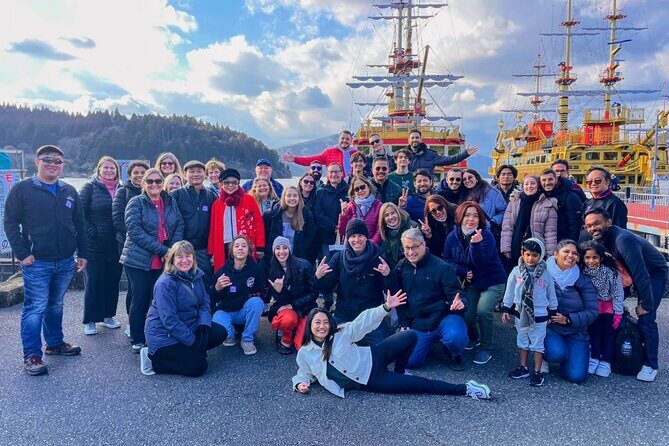
The tour finishes at Odawara Station Tourist Information Center, then you take the bullet train back to Tokyo Station. This part is a smart design choice: Shinkansen is fast and predictable compared with piecing together local transit after a long day.
You’ll reach Tokyo Station around 18:10. There’s very little time padding in the evening, so it helps to plan to be ready for the fast transition from Odawara to the train and then back into your evening.
One practical note: Shinkansen cars don’t accept oversized luggage in non-reserved areas. The tour specifies a size limit tied to the total dimensions adding up to 160 cm and gives an example like 80cm x 50cm x 30cm. If you’re traveling with bigger bags, you’ll want to think through your seat type and luggage needs in advance.
Weather is the real tour guide: how substitutions work
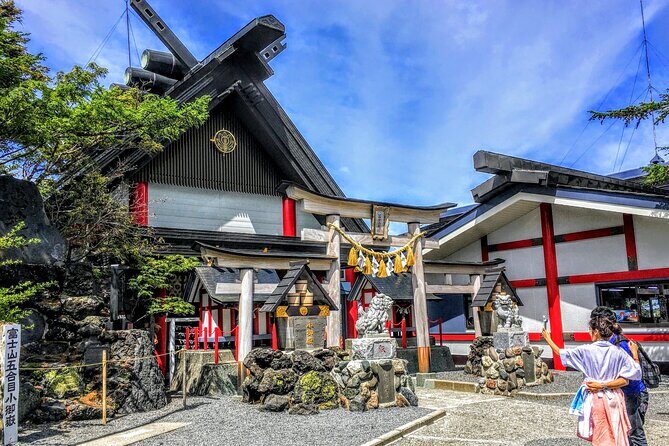
This is a weather-dependent day. The tour explicitly says it’s operated with a good-weather expectation, and it also lists many possible alternatives when weather or operational conditions block activities.
Here’s what that means for you in plain terms:
- If Fuji access is limited, the tour can swap in another Fuji-area stop.
- If Ropeway or boat cruise is suspended due to wind, you’ll get alternative activities instead of those exact experiences.
- Some substitutes listed include places like Swan Lake cruise on Lake Yamanaka, Odawara Castle, Oshino Hakkai, Hakone Shrine, Minaka Odawara, and Fujisan World Heritage Center.
What I like about this structure is that the tour doesn’t just stop. What I’d be honest about is the tradeoff: substitutions can reduce how “iconic” the day feels. If you’re aiming for the full Fuji + Ropeway + cruise combo, pick a date with a decent forecast, but don’t bet the farm on it.
Who this tour suits best (and who should skip it)

This works best if you want a big-picture day and you’re okay with time limits at each stop.
You’ll likely love it if:
- You’re in Tokyo for a short stay and want Mt. Fuji and Hakone in one day.
- You prefer guided organization over independent planning.
- You like a mix of culture (Shinto shrine moment) and views (Ropeway + lake).
You might want to choose a different approach if:
- You hate time pressure or want long hikes and slow wandering.
- You have respiratory issues, since the tour isn’t recommended for people with asthma.
- You’re the type who needs every planned activity no matter what. Weather can change that.
Tips that make the day smoother (no fluff, just what helps)
- Dress for wind and cold. Ropeway/cruise are weather sensitive, and Fuji area can feel harsher than Tokyo.
- Bring snacks and water. The stops are short, and while lunch is included if you pick that option, having a backup can save you when timing shifts.
- Use the audio guidance. You can get multilingual audio in English, Spanish, French, Italian, German, Portuguese, UK, and Ukraine (as listed). If you like learning while riding, it makes the bus time feel less like dead time.
- Pack light for the Shinkansen return. The luggage size limit matters, and the end of the day is where you’ll feel any packing mistake.
- Keep your camera ready but be flexible. Fuji visibility can change quickly, and the best angle often comes in bursts.
Should you book this one-day Fuji and Hakone bus tour?
If your priority is maximum variety in limited time, I think this is a strong buy. The combo of Fuji 5th Station, Hakone’s Ropeway, and the Lake Ashi cruise, plus a Shinkansen return, is exactly the kind of itinerary that saves you from planning headaches.
But only book if you’re okay with the weather reality. When conditions are good, it can feel like a highlight reel. When conditions are bad, the day still runs, but the magic can shift into substitutions and more bus time.
Quick decision guide
- Book it if you want a structured one-day sampler and you’re flexible with weather.
- Consider another plan if you need guaranteed Ropeway and cruise on your dates, or if you struggle with cold/wind or asthma.
FAQ
How long is the tour?
The tour runs about 11 hours (approx.).
Where are the pickup and meeting points in Tokyo?
Pickup is listed at Matsuya Ginza (7:20am) or LOVE Shinjuku (7:50am), and the tour ends back at Tokyo Station in the evening.
What’s included for the return to Tokyo?
You’ll take the bullet train to Tokyo Station after finishing at Odawara Station.
Is lunch included, and are there dietary options?
Lunch is included if you select the lunch option. The tour notes vegetarian and Muslim-friendly options may be available if you request them when booking. Vegan and halal-certified meals are not listed as available, and meals may contain dairy or egg.
What Hakone activities are included?
Hakone Ropeway and a Lake Ashinoko cruise are included, each for about 30 minutes.
What languages are available for audio guidance?
Multilingual audio guidance is listed in English, Spanish, French, Italian, German, Portuguese, and Ukraine (and UK is also listed).
What happens if weather cancels parts of the day?
If operations are suspended due to weather or traffic conditions, the tour may substitute alternative activities. The tour also states it requires good weather and you’ll be offered a different date or a full refund if the experience is canceled due to poor weather.