REVIEW · TOKYO
Matcha Experience with of Japanese Tea Tasting in Tokyo
Book on Viator →Operated by matcha trip · Bookable on Viator
A great cup starts with the soil, not the menu. This small-group matcha and Japanese tea tasting in Tokyo has you learn how green teas are grown and processed, then taste your way through multiple styles. With hosts like Chisei and Rina, you get a hands-on matcha making moment plus tea and sweets, not just a quick sit-down.
I especially love two parts: first, the chance to compare teas side by side using a proper tasting approach, from color and leaf shape to aroma and flavor. Second, you get a real craft lesson at the end, including making Ousucha with a bamboo whisk and getting to try matcha latte and hojicha latte too. One consideration: it is a class format, so you will taste a lot in a short 1 hour 30 minutes, including several green teas that lean vegetal if you are not ready for that.
In This Review
- Key Things I Think You’ll Enjoy
- Why This Tokyo Matcha Class Feels Different From a Cafe Order
- Meet Chisei and Rina: Tea Farming Meets Practical Coaching
- Your 90-Minute Tea Timeline: From Welcome Sip to Ousucha
- 1) Welcome drink with a quick tea primer
- 2) A side-by-side comparison flight of six green teas
- 3) Japanese black tea plus homemade sweets
- 4) Matcha making experience: Ousucha with a bamboo whisk
- 5) Finish with matcha latte and hojicha latte
- What You Actually Learn by Tasting Seven Types of Japanese Tea
- Matcha Ceremony Basics You Can Use at Home (Not Just Photos)
- Homemade Sweets: The Pairing That Makes the Workshop Feel Like a Meal
- Price and Value: Is $57.98 Reasonable in Tokyo?
- Where the Meeting Point Fits In (So You Don’t Lose Time)
- Who This Matcha Trip Is Best For
- Should You Book This Tokyo Matcha Tasting?
- FAQ
- How long is the matcha and Japanese tea tasting in Tokyo?
- How many people are in the group?
- What teas and drinks are included?
- Do I get to make matcha during the experience?
- Are snacks or sweets included?
- Where is the meeting point?
- How do tickets work, and when do I get confirmation?
- Can I get a refund if I cancel?
Key Things I Think You’ll Enjoy
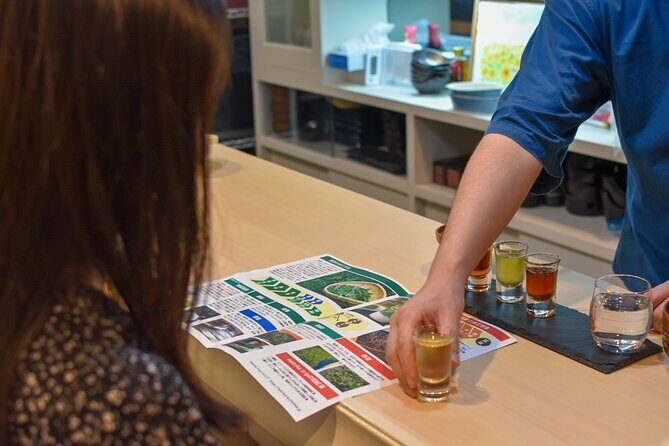
- Max 5 travelers means you can ask questions and actually get feedback while you taste.
- Chisei’s tea-farmer background from Kyoto (6 years growing tea) adds real depth to what you taste.
- Seven Japanese tea varieties in one session, including matcha plus sencha, gyokuro, and more.
- Homemade sweets paired with tea, not just generic snacks.
- Hands-on matcha ceremony basics where you make Ousucha and learn the technique for home.
- Matcha and hojicha lattes so you can compare tea styles, not only traditional cups.
Why This Tokyo Matcha Class Feels Different From a Cafe Order
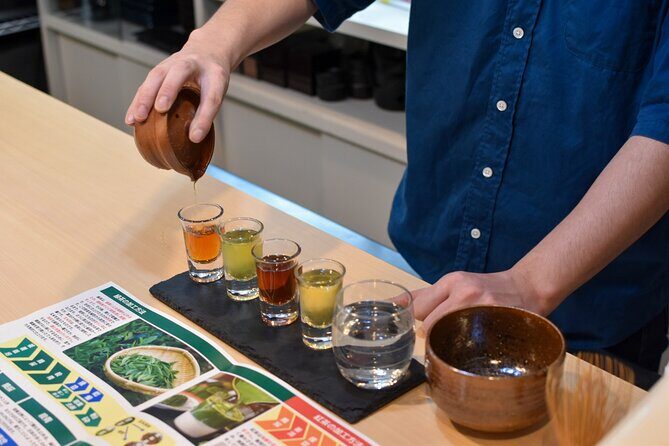
Tokyo has no shortage of tea shops. This experience is different because it is built like a lesson with tasting checkpoints, not a casual drink-and-go. You start with a welcome drink, then move through a structured series of teas so you can notice how cultivation and processing change the cup.
For you, that means you leave with a set of sensory notes you can use later. Instead of thinking matcha is matcha, you learn why one green tea tastes grassy and another tastes more mellow or roasted. And because the group is capped at five, you get breathing room to ask what you are tasting and why it feels different.
You can also read our reviews of more food & drink experiences in Tokyo

Meet Chisei and Rina: Tea Farming Meets Practical Coaching
The heart of this tour is your instructor: Chisei, a former tea farmer who grew tea in Kyoto for six years, and who also works as a practicing pharmacist. That mix matters because you get the story of tea cultivation, plus a very methodical way of explaining how flavors develop.
In the session, you are not just handed a cup and told to sip. You’ll go through comparisons where you look at leaf shape and color, then make tea the best way for that variety and taste it. Multiple participants also mention that the hosts explain clearly and patiently, and that they ask about allergy conditions proactively, which is reassuring when food is part of the program.
And yes, Rina plays a big role too. She helps with the homemade sweets and supports the teaching flow, so you get a more personal feel than a lecture-style workshop.
Your 90-Minute Tea Timeline: From Welcome Sip to Ousucha
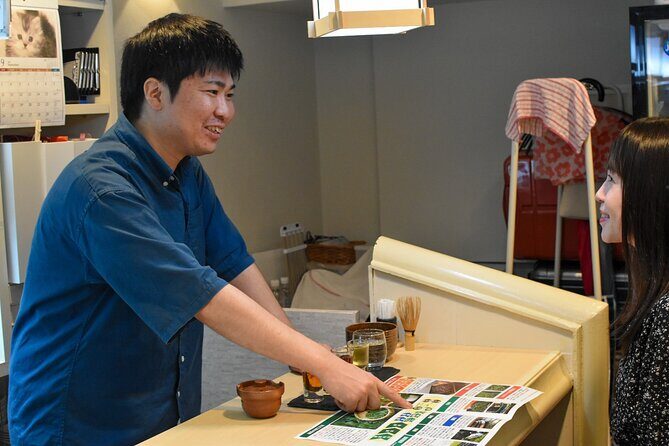
The pacing here is built to fit real attention spans. Plan for about 1 hour 30 minutes of tasting and making, plus time to ask questions. You’ll also have a mobile ticket, and confirmation comes at booking.
Here is how your time typically unfolds:
1) Welcome drink with a quick tea primer
You arrive and get a seasonal welcome drink. While you’re sipping, the hosts explain what you’ll taste today and how to approach it, which matters because tea can be subtle until you know what to look for.
A nice detail from the experience style: they tailor the comfort factor. People have noted the welcome drink can be served cold in hot weather, which makes it easier to focus on tasting instead of fanning yourself the whole time.
2) A side-by-side comparison flight of six green teas
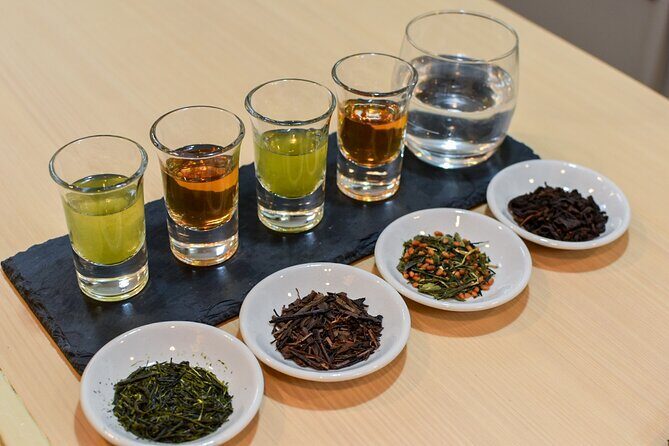
Next comes the core tasting block. You compare sencha, kabuse-cha, gyokuro, deep steamed sencha, brown rice tea (genmaicha), and hoji-cha. You get multiple rounds, and for each one you’ll look at how the leaves look before you brew, then you’ll smell and taste the result.
The hosts also explain how to make the tea in the best way for deliciousness. Even if you have only made tea at home before, this part helps you connect processing choices to your cup.






3) Japanese black tea plus homemade sweets
After the green-tea comparison, you move to Japanese black tea paired with sweets. The session includes treats selected to go well with that style of tea, so you can compare not only tea-to-tea, but also tea-to-food pairing.
Homemade sweets are a recurring highlight. People consistently rave about how good they are alongside the tea, and that pairing alone is worth showing up.
4) Matcha making experience: Ousucha with a bamboo whisk
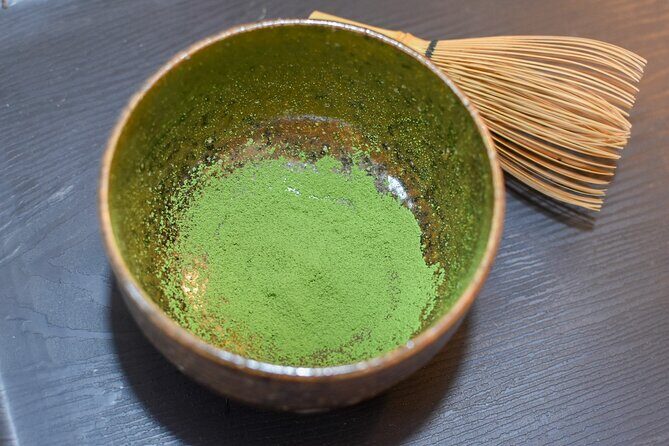
Then you get to the main event. You make Ousucha (matcha) using a bamboo tea whisk. This is where you go from tasting to doing, which is what turns the workshop into something you’ll remember.
You do not just learn the steps once and walk away. The goal is that you can repeat it at home, using what you learned about preparation and how matcha should look and taste when made properly.
5) Finish with matcha latte and hojicha latte
To wrap, you also get to enjoy matcha latte and hojicha latte. That’s a practical add-on because lots of people enjoy tea in latte form, but often without understanding what changes when tea becomes milk-based.
What You Actually Learn by Tasting Seven Types of Japanese Tea
The biggest value isn’t that you taste a lot. It’s that you taste in a way that makes the differences obvious.
When you’re comparing sencha vs kabuse-cha vs gyokuro, you’re basically tracing the impact of shading and growing conditions. Then when you hit deep steamed sencha, you notice how steaming time and method affects bitterness and sweetness perception. The tasting format pushes you to pay attention to aroma and aftertaste, not only first sip.
Then hoji-cha shifts the game. It’s roasted green tea, so it tends to feel warmer and more toasty compared to the greener, steamed styles. The experience also includes genmaicha (brown rice tea), which gives you a different character because rice adds a nutty note that changes how green tea bitterness lands.
Finally, the Japanese black tea brings you a different tea category so you can compare how tea production changes flavor. Pairing it with homemade sweets helps you understand why some teas feel better with sugar, while others fight it.
And yes, there can be a bonus moment that many people mention: learning how to taste tea leaves too, sometimes paired with ponzu. If it’s part of your session, it’s a fun reality check, because the leaves taste unlike the brewed cup.
Matcha Ceremony Basics You Can Use at Home (Not Just Photos)
Matcha has a reputation: either it’s amazing or it tastes weird. The workshop helps you understand why that happens.
When you make Ousucha with the bamboo whisk, you learn technique, not mythology. You’re practicing how to mix matcha properly so it reaches the right texture and balance. You also get a chance to experience what matcha feels like when it is prepared with intention, not stirred quickly with whatever spoon is around.
Then the lattes at the end act like a bridge for real life. Matcha latte is a common way people order tea, so you can compare your freshly made matcha taste with how it changes once it’s combined with milk. Hojicha latte does the same thing from the roasted-tea side, so you can see which style you prefer when tea is softened by dairy.
Homemade Sweets: The Pairing That Makes the Workshop Feel Like a Meal
Food matters here because it’s not random. The sweets are designed to work with the tea you’re tasting, and they’re also homemade.
In several comments, participants call these sweets among the best they ate in Japan. That’s not just hype; it means the snack break is actually part of the tasting lesson. When you eat something that’s built for tea pairing, you can detect how sweetness, texture, and tea bitterness or roastiness interact.
If you’re someone who thinks tea experiences are too serious, this is the part that brings them back to earth. You taste, you snack, you laugh, you ask questions, and then you go back to cups with a clearer palate.
Price and Value: Is $57.98 Reasonable in Tokyo?
At $57.98 per person, this isn’t the cheapest thing you can do in Tokyo, but it is also not overpriced when you count what’s included.
You’re paying for:
- A small group size (maximum five), which usually means more attention per person
- A real instructor with a tea farming background, not just someone pouring tea
- Multiple tastings across seven Japanese tea varieties
- Matcha making with a bamboo whisk, where you learn a repeatable method
- Additional drinks like matcha latte and hojicha latte
- Homemade sweets paired with tea
If you tried to recreate this at home, the total cost would climb fast. You’d need multiple tea types, plus the right tools and time. In a couple of hours, this tour compresses a lot of that learning into one guided experience.
Where the Meeting Point Fits In (So You Don’t Lose Time)
You’ll meet at matcha tripJapan at the Henn Na Hotel area:
Taito City, Kotobuki, 3-chōme 19-8, 2F sports bar Leaf.
It’s inside a hotel complex on the second floor, so I recommend arriving a few minutes early and double-checking the signage when you get there. Tokyo instructions can be quick to understand when you’re standing in front of the right building, and frustrating when you’re guessing from the street.
Who This Matcha Trip Is Best For
This experience is a strong match if you:
- Want to learn Japanese tea beyond what you order in a cafe
- Like hands-on workshops more than museum-style history
- Enjoy tasting different flavors and then figuring out what causes the differences
- Are curious about matcha but want context for why it tastes the way it does
It’s also great for beginners. People in the experience data mention starting with limited knowledge and still leaving with clear understanding, especially after the guided comparisons.
If you mainly want a quiet, low-effort snack-and-drink experience, this might feel like too much tasting and making. But if you enjoy structured learning with plenty of sampling, you’ll likely have a great time.
Should You Book This Tokyo Matcha Tasting?
I think you should book it if you want your time in Tokyo to include something hands-on and specific. The combo of seven tea varieties, matcha making, and homemade sweets gives you more than a typical tea stop. Plus, the small group format means you can get answers instead of just watching.
Book it on a day when you can slow down for 90 minutes and focus. This is not a marathon, but it is an experience that works best when you let yourself pay attention to small differences: aroma, color, leaf character, and how each tea changes after you add sweets or milk.
If matcha is your top priority, you’ll get it. If you want more than matcha, you’ll still come away with a broader map of Japanese tea styles that you can use for the rest of your trip.
FAQ
How long is the matcha and Japanese tea tasting in Tokyo?
The experience is about 1 hour 30 minutes.
How many people are in the group?
The tour has a maximum of five travelers.
What teas and drinks are included?
You’ll taste seven varieties of Japanese tea, including hoji-cha, sencha, kabuse-cha, gyokuro, deep steamed tea, genmaicha, and Japanese black tea. You’ll also have matcha, including two types of matcha, matcha latte options, and hojicha latte.
Do I get to make matcha during the experience?
Yes. You’ll make Ousucha (matcha) using a bamboo tea whisk.
Are snacks or sweets included?
Yes. You’ll be served homemade sweets that go with the tea.
Where is the meeting point?
You meet at matcha tripJapan, 111-0042 Tokyo, Taito City, Kotobuki, 3-chōme 19-8, Henn Na Hotel, 2F sports bar Leaf.
How do tickets work, and when do I get confirmation?
You receive confirmation at the time of booking, and the experience uses a mobile ticket.
Can I get a refund if I cancel?
Yes. Free cancellation is available up to 24 hours in advance for a full refund. If you cancel less than 24 hours before the start time, the amount paid is not refunded.