REVIEW · TOKYO
Tokyo: Shibuya Food Tour (13 dishes and 4 Eateries)
Book on Viator →Operated by Traveling Tokyo · Bookable on Viator
Tokyo at night can feel like sensory overload. This small-group Shibuya Food Tour turns that chaos into a 3-hour plan with 13 tastings and clear guidance. You’ll walk from major landmarks into the kind of side-street spots where locals actually linger.
What I really like is the structure: four local eateries and a steady flow of dishes (including sushi, yakiniku, udon, karaage, and more). The other big win is the guide setup—small group (max 10), local English-speaking help, and built-in advice for what to do after the tour.
One thing to consider: while the itinerary includes Shibuya Crossing and Hachiko, the night can still be guide-dependent in terms of how much storytelling you get at each stop. If seeing those landmarks closely matters to you, keep your eyes up and ask the guide early if you’ll have time to pause and photograph.
In This Review
- Key points to know before you go
- Entering Shibuya: Why a Food Tour Fits This District
- The 3-Hour Plan: How the Walking Time Works
- Stop 1: Shibuya Crossing and the Fast Orientation Moment
- Stop 2: Hachiko—A Cultural Pause Before Dinner
- Stop 3: Dōgenzaka Izakaya Hour (Where Shibuya Eats)
- Stop 4: Shibuya Center-gai and Dessert Energy
- The Menu: What 13 Dishes and 4 Eateries Usually Feel Like
- Value for $77.44: What You’re Actually Paying For
- Guides Make the Difference: The Part You Can Feel
- Who This Tour Fits Best (And Who Should Skip It)
- Should You Book This Shibuya Food Tour?
- FAQ
- How long is the Shibuya Food Tour?
- How many dishes and stops are included?
- What’s included in the price?
- Are alcoholic drinks included?
- Where do I meet and where does the tour end?
- How big is the group?
Key points to know before you go
- 13 dishes across 4 eateries means you’re eating your way through Shibuya, not just doing a quick sampler
- Small group (max 10) keeps the pace human and the questions flowing
- English-speaking guide reduces the stress of navigating busy streets at night
- Dogenzaka + Center-gai puts you where izakayas and casual dining really concentrate
- Alcohol is only served to guests 20+ if you’re joining for drinks
- Mobile ticket makes check-in smoother than hunting for paper tickets
Entering Shibuya: Why a Food Tour Fits This District
Shibuya is one of those places that looks simple on a map and feels complicated in real life. The streets tangle, the crowds surge, and you end up wandering longer than you meant to. This tour solves that by giving you a walking route with stops that make sense—big landmark first, then neighborhood streets where dinner happens.
The value here isn’t just that you’ll eat a lot. It’s that you’ll get pointed toward places you might miss on your own. Shibuya has plenty of food options, but the tricky part is finding the ones that are open, welcoming, and actually right for what you want that night.
Also, the pace is designed for 3 hours, so it feels like an evening plan rather than an all-night commitment. I like that you’re not just “sampling.” You’re getting fed in a way that fits Tokyo’s normal rhythm: short walks, quick bites, then another sit-down stop.
You can also read our reviews of more food & drink experiences in Tokyo
The 3-Hour Plan: How the Walking Time Works
This is a walking tour that runs about 3 hours. The route is built around four stops, with two landmark moments and two neighborhood zones that are famous for casual eating and late-evening energy.
Here’s the practical rhythm:
- You start in the Dōgenzaka area near Shibuya, which keeps the first leg simple.
- You move through Shibuya landmarks quickly so you get your bearings.
- Then you settle into the food-focused portions where you’re spending more time and eating across multiple eateries.
Your end point is in Shibuya, and the guide can help you get to Shibuya Station. That matters because Shibuya is large enough that “easy to find” often turns into “easy to get turned around.” Having a guide finish you near transit is a real convenience, not a tiny detail.
Tip: come hungry. Thirteen dishes sounds like a lot (because it is), but Japanese portions can vary by style—so you’ll want room for both savory and sweet.
Stop 1: Shibuya Crossing and the Fast Orientation Moment
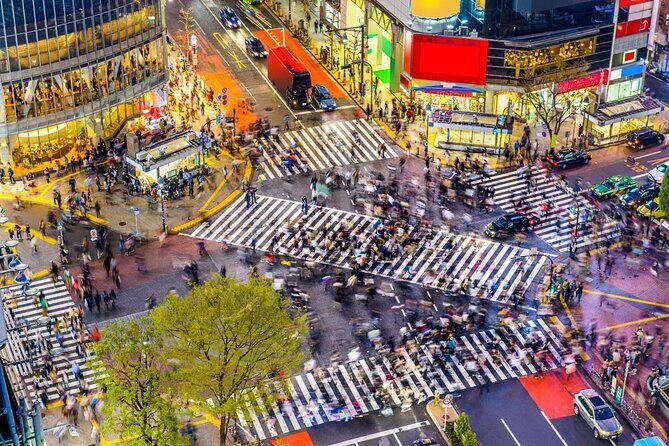
Shibuya Crossing is the headline, and the tour starts with it for a reason: it gives you an immediate sense of place. You’ll check out Shibuya Crossing and spend about 15 minutes there, with admission free.
What’s useful about doing this early is simple: once you’ve seen the scale of the intersection, the rest of the district makes more sense. Even if you’re not a photo person, it helps you understand why the streets feel so maze-like at night.
A small heads-up: the crossing area is crowded. You’ll want to listen closely when the group moves because Tokyo crowds shift fast. If you’re traveling with friends, this is a good stop to regroup quickly so nobody gets separated in the shuffle.
Stop 2: Hachiko—A Cultural Pause Before Dinner
Next up is Hachiko. You’ll see Shibuya Hachiko and get a short history lesson about the dog known for loyalty. This stop is also about 15 minutes.
Why I like this moment: it grounds the night in something more than neon and lines. You’re walking a district that’s constantly moving, and Hachiko gives you a human story you can carry into dinner.
One consideration: if you’re specifically hoping for time to get photos or read details closely, keep an eye on timing. The itinerary lists this stop, but the real-world experience can still vary depending on how the group flows that night.
Stop 3: Dōgenzaka Izakaya Hour (Where Shibuya Eats)
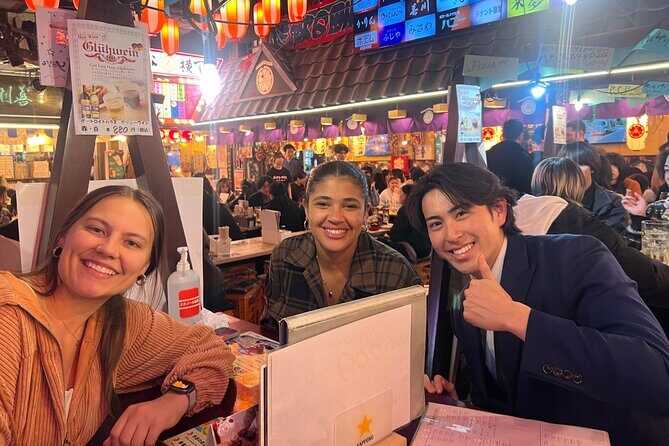
Then the tour gets serious about food. You’ll head to Dōgenzaka, a hub known for local izakayas and interesting shops. This is the first of the two longer food zones, with about 1 hour here.
This is where the tour earns its keep. Izakayas can be intimidating if you don’t know how they work: ordering rhythm, menu formats, and the way groups settle in. With a guide, you don’t waste time trying to translate the vibe. You just show up and eat what the night is built around.
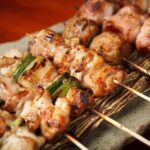
You’ll also start getting the mix of Japanese flavors that make this tour fun even for people who aren’t strict “foodies.” The dish set is built to include variety—things like sushi, yakiniku, udon, karaage, and more—so you’re not stuck in one lane.
If you’re the type who likes a plan but still wants discovery, this stop is the sweet spot. You’re not chasing recommendations on your own; you’re letting someone else do the decision-making.
A few more Tokyo tours and experiences worth a look


Stop 4: Shibuya Center-gai and Dessert Energy
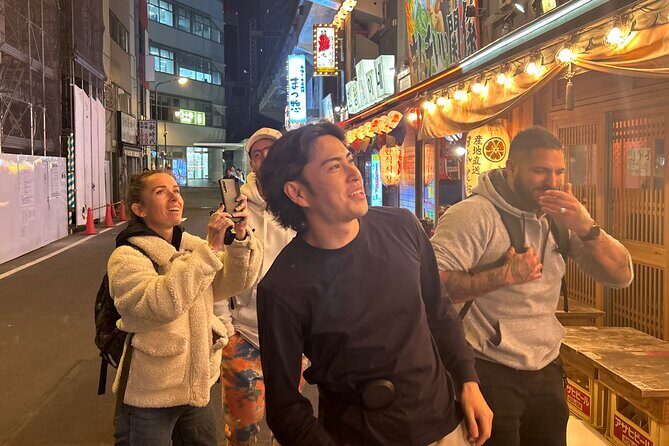
The last neighborhood stop is Shibuya Center-gai, which is described as one of the busiest streets at the center of Shibuya. You’ll spend about 1 hour in this area.
This part of the evening matters because it’s the “wrap-up zone.” In most food tours, the last stop can feel rushed. Here, the timing gives you space to slow down and finish strong, especially because dessert is part of the total tastings.
Even if you’re not a sweets person, dessert at the end is useful. It gives your body a signal that the night is winding down, and it’s a nice way to keep the meal feeling complete rather than like a series of bites.
Practical tip: bring the energy to try things you might not order alone. Shibuya’s food culture is full of small choices that add up. This tour leans into that idea.
The Menu: What 13 Dishes and 4 Eateries Usually Feel Like
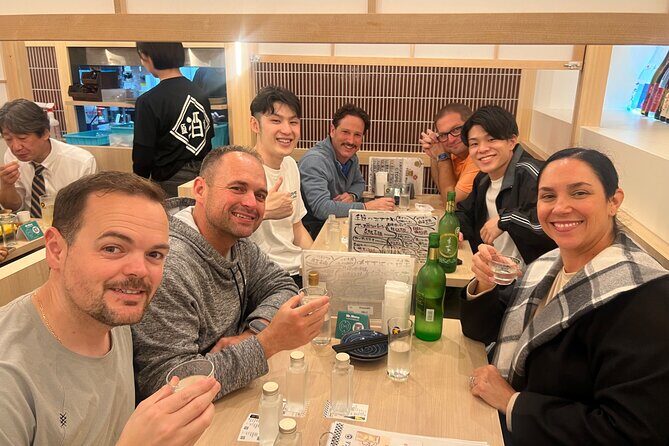
The tour is built around 13 different Japanese dishes across four eateries. That’s not just “a lot of food.” It’s a smart format because it reduces the risk of:
- eating only one style all night,
- getting stuck in a place that’s not your taste,
- or missing out on key Tokyo classics because you couldn’t choose.
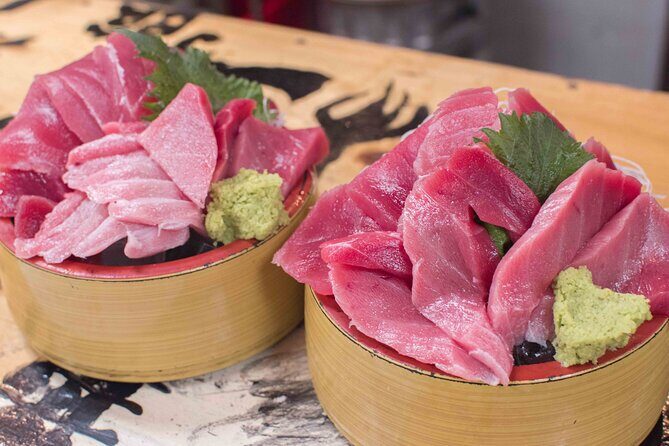
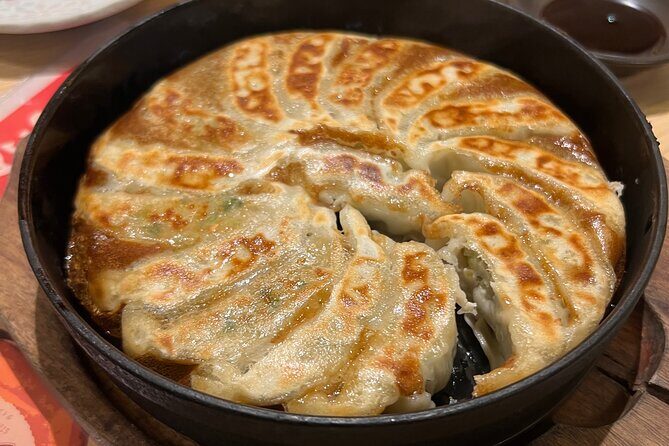
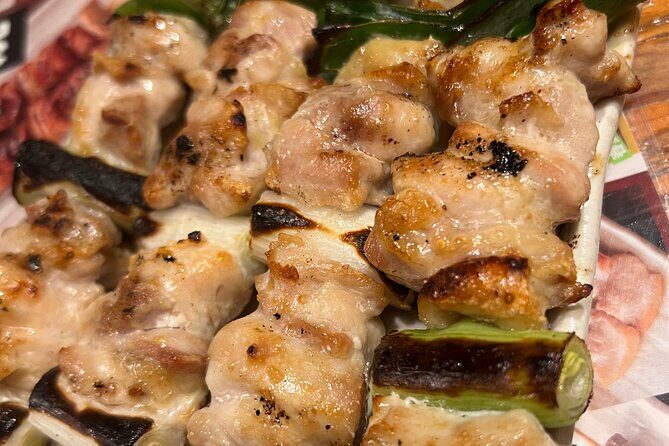
From the dish examples provided, you can expect a spread that covers both comfort and quick-hit snacks—again including sushi, yakiniku, udon, and karaage. Those choices naturally cover different textures and temperatures, which makes the meal more enjoyable than one long parade of similar bites.
You’ll also get food and drinks as part of the included experience, with a clear alcohol rule: alcohol is only served to travelers who are 20 or older. If you’re under 20, you can still plan on drinks, but you won’t be part of the alcohol portion.
One more detail that matters: the amount you eat tends to feel satisfying, not nibble-y. Many guides are good at pacing the plates so you taste widely without leaving you stuffed too early.
Value for $77.44: What You’re Actually Paying For
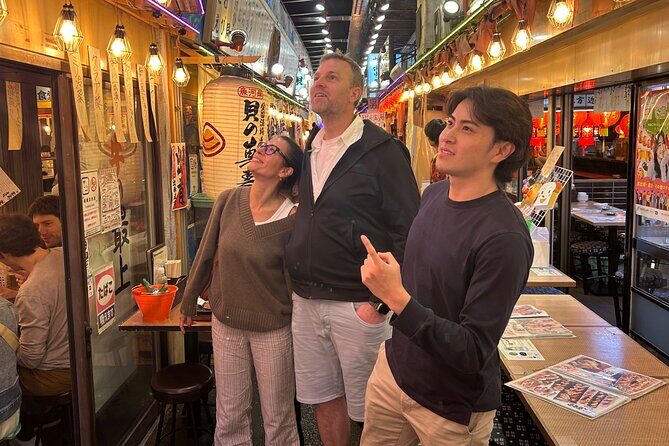
At $77.44 per person, the price is easy to compare against what you’d spend trying to piece dinner together yourself. But the better comparison is what’s bundled:
- A local English-speaking guide
- A walking route through major Shibuya areas
- Admission to local bars and izakaya
- Food and drinks across four stops
So yes, you’re paying for the food—but you’re also paying for access and decision-making. In Shibuya, that access includes getting into the right places without wasting time, plus having the guide handle ordering and keep the flow moving.
Is it the cheapest way to eat in Tokyo? Likely not. But it’s often a good value when you factor in the guide, multiple venues, and the number of dishes. This isn’t a single restaurant meal; it’s a structured evening that takes you through multiple spots that you might not find as easily.
Also, you’re paying for a small group limit (max 10). That’s not just about comfort. It usually means you spend less time waiting and more time actually eating.
Guides Make the Difference: The Part You Can Feel
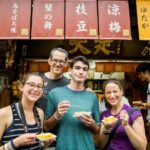
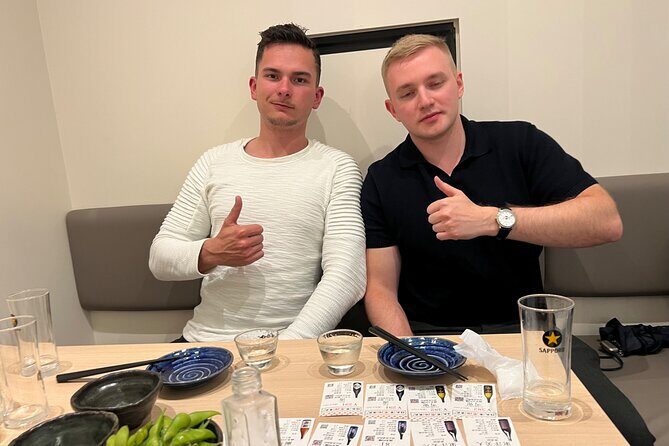
This tour runs with different guides, and the standout theme is consistency in how they set the mood. Names that come up include Naruto, Hoshi, Kei, Will, Mat, and Benjamin—and many people highlight guide personality plus clear explanations.
In practical terms, here’s what a strong guide does on this kind of tour:
- keeps you from lagging behind in crowded streets,
- demonstrates how to eat what you’re given,
- tells you enough context so the food doesn’t feel random,
- and offers recommendations for your next meal after the tour.
For you, the goal is simple: you want the evening to feel like it was planned for you, not like you’re tagging along behind a stopwatch.
Who This Tour Fits Best (And Who Should Skip It)
This Shibuya food tour is a great match if you:
- want a safe, guided way to explore Shibuya at night without getting lost,
- like trying lots of different Japanese dishes in one evening,
- enjoy izakaya-style dining and casual stops rather than fine-dining only,
- and you appreciate small-group attention.
It’s also a good first-night option because it helps you learn the layout of the area fast—especially with the Shibuya Crossing and Hachiko orientation moments.
You might want to think twice if you’re very focused on deep, stop-by-stop storytelling. Some people care less about food variety and more about extended explanations at each landmark. If that’s you, you’ll want to arrive ready to engage, ask questions, and keep expectations realistic for a 3-hour format.
Should You Book This Shibuya Food Tour?
I’d book it if your priority is a high-food, low-stress Shibuya evening. The structure is strong: 13 dishes, four eateries, a small group, and a route that starts with orientation and ends near transit.
Book it if you want to eat things you might not choose on your own and feel confident you’re in local-style places rather than just walking into whatever looks busy.
I’d hold off or at least confirm timing at the start if you have a strong checklist for landmark time—especially around Hachiko—because the value of those moments depends on whether the group gets time to pause and properly see them.
If you want a fun plan that keeps you fed and moving, this one is a solid bet.
FAQ
How long is the Shibuya Food Tour?
The tour lasts about 3 hours.
How many dishes and stops are included?
You’ll taste 13 different Japanese dishes across four local eateries.
What’s included in the price?
The price includes a local English-speaking guide, a walking tour, admission to local bars and izakaya, food and drinks, and advice on future plans for your stay.
Are alcoholic drinks included?
Alcoholic beverages are only served to travelers who are 20 or older.
Where do I meet and where does the tour end?
You meet at Kusumoto Bld., 1-chōme-3-3 Dōgenzaka, Shibuya, Tokyo 150-0043, Japan. The tour ends in Shibuya, and the guide can take you to Shibuya station.
How big is the group?
The tour has a maximum of 10 travelers.