REVIEW · TOKYO
Tokyo 6hr Private Tour with Government-Licensed Guide
Book on Viator →Operated by Japan Guide Agency · Bookable on Viator
Tokyo feels huge until you have a guide. This government-licensed private walk-and-transit tour helps you shape a day around your interests, and I especially like how you get customizable logistics without getting lost. The one catch: you’ll still pay for meals and some entrances, and the day can include lots of walking plus subway time.
I also love the practical street knowledge you get along the way. Guides often show you temple and shrine basics and even how to use the rail system with less stress, like keeping a Suica-style card ready and following the flow of stations. If you’re hoping for a laid-back, sit-more type of outing, this is probably not it.
In This Review
- Key highlights worth your attention
- Price and value: what $155.86 buys in real life
- How the custom 3–4 stops shape your whole day
- Walking and subway real talk: how you won’t get stranded
- Stop choices that mix old Tokyo and modern Tokyo
- Asakusa and Senso-ji: where old Tokyo breathes
- Imperial Palace area: royal history without the inside access
- Shinjuku Gyoen National Garden: calm breaks from the city grid
- Shibuya Crossing and Hachiko: the world-famous chaos moment
- Tsukiji Fish Market: food energy and snack-friendly wandering
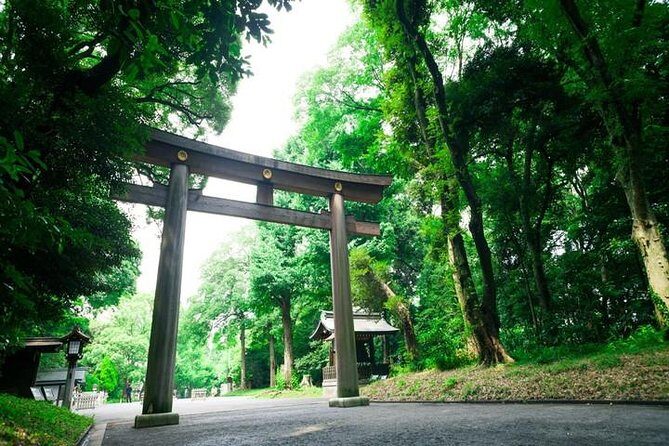
- Meiji Jingu Shrine: Shinto calm beside Harajuku intensity
- Akihabara: electronics plus pop-culture Tokyo
- Koishikawa Korakuen and Rikugien: classic gardens for people who actually look
- Hama Rikyu Gardens: tide-based ponds and a teahouse mood
- Tokyo National Museum: history walls, art, and artifacts
- Yoyogi Park: easy outdoors time near Harajuku
- Takeshita Street in Harajuku: fashion-forward energy
- Odaiba: bay views and modern Tokyo shopping
- Shibamata: slower-paced old neighborhood charm
- Nezu: surviving old downtown feel
- Shinjuku Golden Gai: tiny alleys, big personality
- Tokyo Tower: the retro icon, with a limit
- Gotokuji Temple: the maneki-neko origin story
- Ueno Park: museums plus pond vibes
- Meals and entrance fees: what to budget so the day stays fun
- Who this tour suits best (and who may want DIY)
- Should you book this Tokyo private walking tour?
- FAQ
- How long is the Tokyo private tour?
- Is this tour walking-only?
- Can I customize which sights we visit?
- Does the tour include access inside the Imperial Palace?
- Do meals and entrance fees cost extra?
- What do I need for getting around?
Key highlights worth your attention
- Government-licensed, English-speaking guide who can explain what you’re seeing as you go
- Pick 3 to 4 stops from a long list, so you’re not trapped in someone else’s script
- Walking plus public transit for efficient neighborhood hopping
- Temple and shrine etiquette help you can use immediately during your trip
- Modern Tokyo hits like Shibuya Crossing mixed with quieter gardens and historic areas
Price and value: what $155.86 buys in real life
At $155.86 per person for about 6 hours, this tour is priced like a “you’re paying for a smarter day” experience, not a budget sightseeing pass. The big value is the guide’s job: reducing decision fatigue, handling route logic, and translating Tokyo so you can move through it calmly.
You’re also paying for privacy. It’s only your group, and your guide builds a route that fits your pace and interests. That matters in Tokyo, where trains are great but confusing when you’re tired, hungry, or trying to find the right exit in the wrong crowd.
One value check: meals and most entrance fees are not included. So if you want lots of paid entries or a sit-down lunch in a top spot, plan for extra spend.
You can also read our reviews of more guided tours in Tokyo

How the custom 3–4 stops shape your whole day
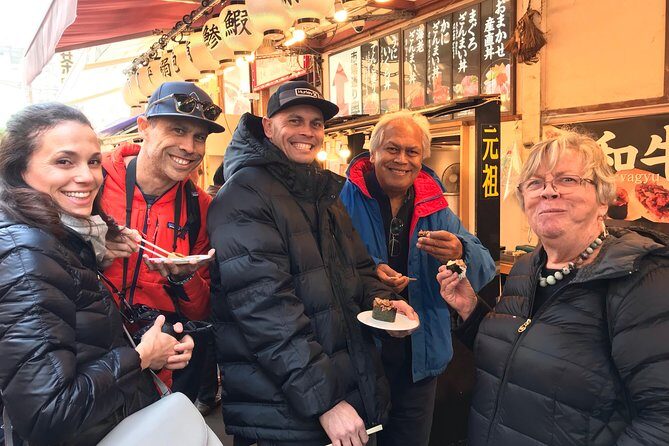
The tour is a private, customizable experience where you typically choose 3 to 4 sites from the options on offer. That choice is the difference between feeling rushed and feeling satisfied. A good guide will also help you choose the order so you’re not crisscrossing Tokyo too much.
Think of it like building a playlist:
- Choose one classic old-downtown area (like Asakusa/Shitamachi vibes).
- Add one major modern anchor (like Shibuya).
- Pull in one calm escape (gardens like Shinjuku Gyoen or Hama Rikyu).
- Finish with a neighborhood style you like (Akihabara, Harajuku/Takeshita Street, Golden Gai).
Several guides in past tours were praised for tailoring to interests and keeping timing smooth. One standout theme: guides didn’t just point; they explained what you were looking at, then helped you function right there in the city.
Walking and subway real talk: how you won’t get stranded
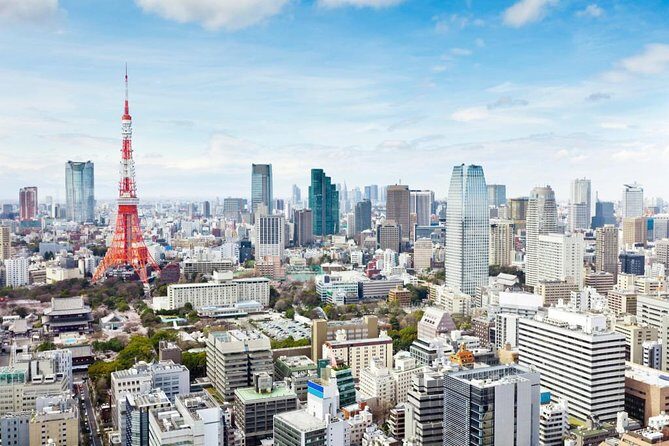
This is a walking tour with pickup offered on foot within a designated meeting area. You should expect a blend of walking and public transportation, and that’s actually a feature. It lets you see what you’d miss from a bus window and helps you learn the rhythm of Tokyo’s neighborhoods.
You’ll want yen ready, since the tour uses public transit and you’ll likely buy rides as you go. A very common practical tip from tour experience: have a transit card ready (people specifically mention Suica) so you can tap quickly and avoid awkward payment delays.
Also, the day is only about 6 hours. So you’ll move fairly efficiently between stops. If you want long museum time or deep shopping, you’ll probably need to pick fewer paid entries and let the guide keep the flow.
Stop choices that mix old Tokyo and modern Tokyo
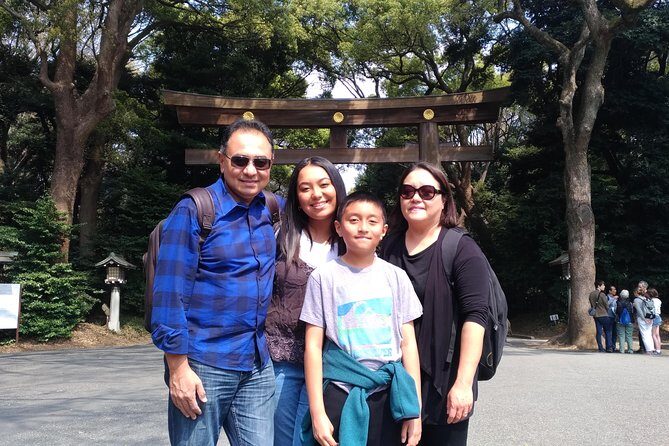
Below are the main sights you can choose from. Since the tour is customizable, you won’t do everything in one day unless you pick a longer-feeling combo that works for your group.
Asakusa and Senso-ji: where old Tokyo breathes
Asakusa is tied to Shitamachi, the older “low city” atmosphere where you still feel decades of Tokyo character. The headline stop is Senso-ji, a major Buddhist temple and one of the city’s most colorful areas.
What you’ll love: temple grounds that feel alive without needing a script, plus the chance to watch how locals move through the space.
Watch-outs: crowds can build fast, especially around peak hours, so going with a guide who knows the timing helps.
You can also read our reviews of more private tours in Tokyo



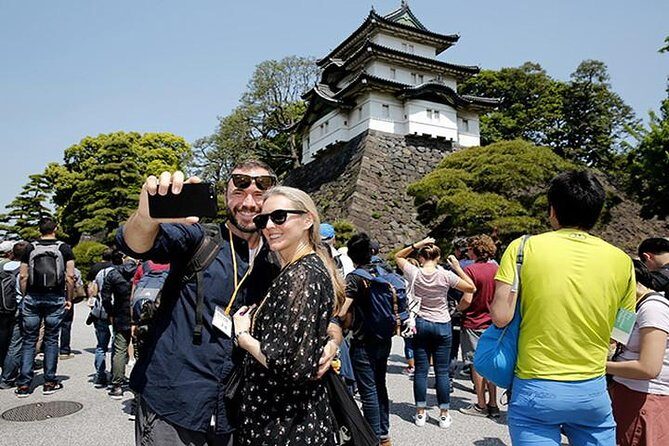
Imperial Palace area: royal history without the inside access
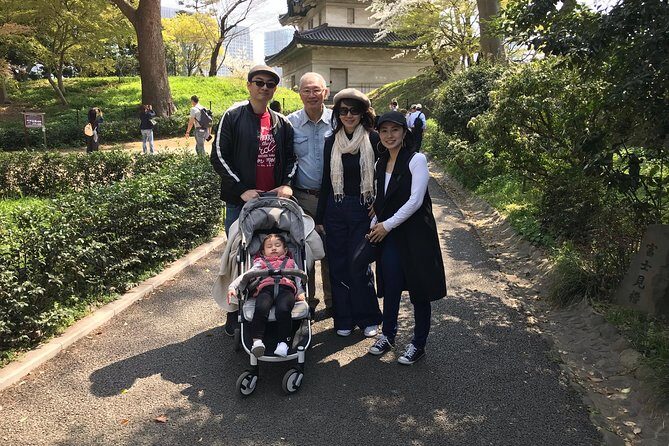
You’ll learn about the Imperial Palace as a former Edo Castle site, surrounded by moats and thick stone walls. Importantly, the tour does not include access to the inside of the Imperial Palace, so plan on viewing from the outside area.
Value here: it’s a high-impact history moment in the middle of modern Tokyo, and the guide can connect the story to what you see around you.
Consideration: if your dream is an inside palace tour, this stop may feel limited.
Shinjuku Gyoen National Garden: calm breaks from the city grid
Shinjuku Gyoen is one of Tokyo’s larger popular parks. It’s a great “exhale stop” after busier streets, with walking paths and open lawns where you can reset.
What to expect: slower pacing and more time to look closely at the garden feel.
Possible drawback: some garden entrance costs may apply, since not all entrances are included.
Shibuya Crossing and Hachiko: the world-famous chaos moment
Shibuya Crossing is often called Shibuya Scramble by locals. It’s famous for a reason: you’re standing in the center of a massive pedestrian choreography, and the Hachiko statue is right there in the scene.
Why it works on this tour: your guide can help you time when to cross, where to stand, and what else is nearby if you want to extend the modern Tokyo feel.
Consideration: it can be loud and crowded; if you get overwhelmed easily, choose viewing time carefully.
Tsukiji Fish Market: food energy and snack-friendly wandering
Tsukiji is known as the old fish market of Japan, and it’s packed with food choices. Even if you don’t do a sit-down meal, it’s a strong place to buy something and keep moving.
What’s great: it’s sensory sightseeing—smells, seafood displays, and quick bites. A few tour experiences highlight people finding memorable sushi lunches here.
Watch-outs: time is limited in a 6-hour tour, so you’ll likely do a focused walk rather than a full market deep dive.
Meiji Jingu Shrine: Shinto calm beside Harajuku intensity
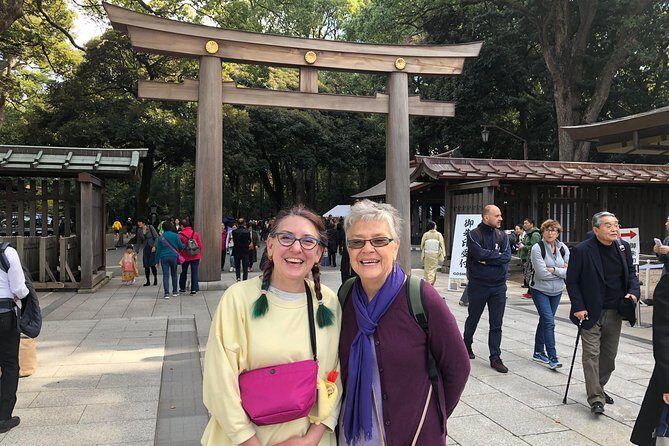
Meiji Jingu Shrine is dedicated to Emperor Meiji and Empress Shoken. The special touch is the setting: it sits near busy Harajuku, yet inside the grounds you can feel the shift into quiet.
Value: it’s a strong cultural contrast to neon streets nearby. People also praise guides for teaching how to enter shrines and pay respects properly.
Consideration: you’ll want to follow the simple etiquette the guide shows, especially around pathways and donation spots.
Akihabara: electronics plus pop-culture Tokyo
Akihabara, often called Akiba, is the go-to zone for electronics shopping and tech-focused culture. It’s also known for the pop-culture side of Tokyo that many first-timers want to see.
Good fit: if you like browsing shops without needing a detailed plan.
Possible drawback: it can be overwhelming if you don’t feel curious about the scene; this is better when you’re intentionally interested in it.
Koishikawa Korakuen and Rikugien: classic gardens for people who actually look
Koishikawa Korakuen is one of Tokyo’s oldest gardens, built in the Edo period. Rikugien is another top garden and often compared as one of the most beautiful around.
Why I like pairing gardens with big-city sights: you get a sensory contrast—less noise, more pacing, and time to notice design details.
Budget note: some garden entrances may not be included.
Hama Rikyu Gardens: tide-based ponds and a teahouse mood
Hama Rikyu is along Tokyo Bay and includes seawater ponds that change level with the tides, plus a teahouse feel. It’s a different garden style than the ones inland.
What to expect: a calmer environment with water features.
Consideration: this stop may require entrance fees, so decide based on what matters most to your group.
Tokyo National Museum: history walls, art, and artifacts
Tokyo National Museum is Japan’s oldest and largest top-level national museum. If you want a more indoor, slower-paced cultural stop, this is the option.
Good for: people who like museum learning over street wandering.
Watch-outs: museums take time. With only 3 to 4 stops, you’ll need a guide-led plan so you don’t burn the whole day inside.
Yoyogi Park: easy outdoors time near Harajuku
Yoyogi Park is one of Tokyo’s largest city parks, with lawns, ponds, and forested areas. It’s a practical option if you want outdoor space without committing to a long garden ticket.
Why it’s useful on a guide tour: it breaks up dense neighborhoods and gives you a reset.
Possible drawback: weather matters since you’ll be outdoors.
Takeshita Street in Harajuku: fashion-forward energy
Takeshita Street is the Harajuku zone tied to extreme teenage fashion and style. It’s more about visual culture than quiet sightseeing.
What you’ll get: a fast, energetic look at youth style trends.
Consideration: it can be packed—go with your guide’s timing so you don’t waste time stuck at the bottleneck.
Odaiba: bay views and modern Tokyo shopping
Odaiba is a man-made island district in Tokyo Bay that’s known for shopping and entertainment. It started as small fort islands, so there’s an interesting historic layer underneath the modern fun.
Best for: people who want a more contemporary, open-feeling area.
Budget note: some attractions there may cost extra.
Shibamata: slower-paced old neighborhood charm
Shibamata sits on Tokyo’s east side near the Edogawa River. It’s known for old-school neighborhood charm, which can feel like a step away from central Tokyo intensity.
Value: a more relaxed local feel that balances all the mega-city stops.
Consideration: it’s a neighborhood choice. If your group wants constant iconic landmarks, you might want a more central combo.
Nezu: surviving old downtown feel
Nezu and Yanaka are often described as surviving with less damage through wars and disasters, keeping a last-century neighborhood vibe. Nezu is a good option when you want “Tokyo, but smaller.”
What you’ll love: walking that feels less like a checklist and more like discovering a district.
Watch-outs: this works best when your schedule includes enough time to actually wander.
Shinjuku Golden Gai: tiny alleys, big personality
Golden Gai is famous for its narrow lanes and small eating and drinking spots. It’s often said to have begun around 1950 when black market activity moved and small venues appeared.
Why it’s a great tour add-on: a guide can help you locate it and understand what makes it tick as a nightlife district. People also praise guides for helping plan where to eat or what to try nearby.
Consideration: it’s an evening-feel area. If you reach it late, you might not do much beyond seeing it.
Tokyo Tower: the retro icon, with a limit
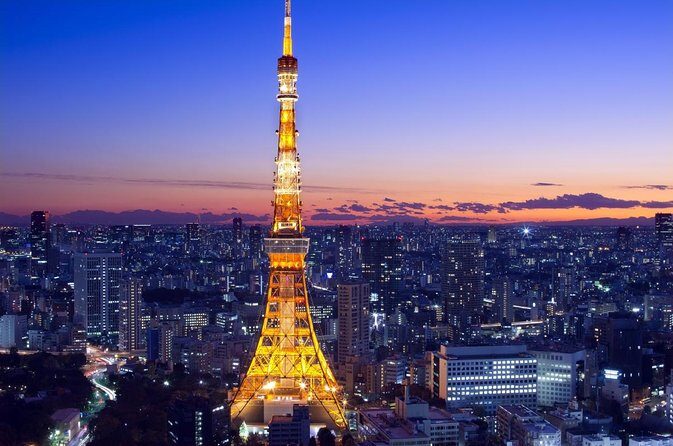
Tokyo Tower is a red-orange symbol of the city, and you can see it from many places. On this tour, only up to the main deck is included; the top deck is not included.
Value: iconic photos and a clear skyline anchor.
Consideration: if you really want the top deck view, you might need to pay separately or pick a different plan.
Gotokuji Temple: the maneki-neko origin story
Gotokuji Temple is linked to the maneki-neko, the luck-inviting cat figurine. It’s a fun, specific cultural stop when you like playful folklore alongside history.
What you’ll love: a story you can carry home, not just a building to pass by.
Budget note: this stop is listed as free for admission, so it’s often a low-cost add.
Ueno Park: museums plus pond vibes
Ueno Park is known for museums, a zoo, shrines, and Shinobazu Pond. It’s also famous for cherry blossom viewing season, though that part depends on when you visit.
Good fit: if you want a flexible “choose-your-own cultural level” area.
Consideration: this park area can be big, so a guide helps you aim for what you actually want.
Meals and entrance fees: what to budget so the day stays fun
The tour does not include meals, and entrance fees can cost extra depending on the sites you select. In practice, this means you’ll likely want to plan:
- A meal stop you’re excited about (and that fits your schedule).
- Extra cash or card for any non-included entries.
In several guided experiences, people highlighted good lunch choices after market or shrine time, and that’s usually the payoff of letting the guide pick a practical place. If you prefer a specific diet style, mention it early so the route can protect your energy.
Who this tour suits best (and who may want DIY)
This works best when you want structure without strict pacing. If you’re visiting for the first time, or you’ve been before but want the story behind what you see, a licensed guide can turn random locations into a coherent day.
It also makes sense for groups who don’t want to waste time figuring out trains and exits. Past tour experiences strongly emphasize how guides help with subway navigation and even temple/shrine entry habits, so you’ll feel more confident the next day.
If your style is strictly self-directed, very slow museum time, or you hate walking and crowd zones, you might prefer a lighter itinerary or fewer stops.
Should you book this Tokyo private walking tour?
I’d book it if your priority is a smooth first taste of Tokyo with real logistics help and a guide who can explain what you’re seeing as you move. The value is strongest when you want a mix of old-and-new neighborhoods and you’re okay paying extra for food and any entrances your chosen sites require.
Skip the tour only if you want everything included at a fixed price, or you’re hoping for a zero-walking day with no subway time. Otherwise, this is a smart way to get your bearings fast and make Tokyo feel manageable.
FAQ
How long is the Tokyo private tour?
The tour is about 6 hours.
Is this tour walking-only?
It’s a walking tour with a mix of walking and public transportation. Pickup is on foot within a designated meeting area.
Can I customize which sights we visit?
Yes. The tour is private and customizable, and you choose about 3 to 4 sites from the available options.
Does the tour include access inside the Imperial Palace?
No. The tour does not include access to the inside of the Imperial Palace.
Do meals and entrance fees cost extra?
Meals cost extra. Entrance fees also cost extra for some sights.
What do I need for getting around?
The tour likely uses public transportation, so you’ll want yen available. It’s also helpful to have a transit card ready for quicker train and subway use.