REVIEW · KYOTO
Kyoto: Traditional Yuzen Dyeing Experience
Book on GetYourGuide →Operated by Cultural Edu-tourism Council · Bookable on GetYourGuide
Yuzen dyeing turns silk into personal art. In Kyoto’s historic Nishijin district, this hands-on class happens inside a real machiya townhouse, with a small group kept to just 6. You also get a guided look at Kyoto Yuzen works before you start painting, so you’re not guessing what you’re making.
What I like most is the color planning with the artisan. You’ll pick one or two colors you’re drawn to, and then Master Shin’Ichiro guides the rest of the palette so everything looks balanced. Another big win: you’ll actually paint your own silk piece at the artisan’s home studio, with an interpreter (often Ha) helping everything land in English or Chinese.
One thing to consider: this is dye work. Wear clothes you don’t mind getting stained, and if you have allergy or chemical sensitivities, tell the team ahead of time. You’ll be working for the full 2 hours, so comfortable seated clothing matters.
In This Review
- Key things to know before you try Kyoto Yuzen dyeing
- Kyoto Yuzen in a traditional Nishijin machiya townhouse
- Your 2-hour flow: from choosing colors to finishing silk art
- 1) Choose 1 or 2 colors, then build the rest of the palette
- 2) Watch the master’s approach to tools and technique
- 3) Paint your design within the pre-set outline
- 4) You leave with an actual finished keepsake
- Meet Master Shin’Ichiro and the interpreter support you get
- The designs you choose: planning before you paint
- What you take home: a Kyoto souvenir that feels like art
- Price and value: what $161 buys you in the real world
- Who this Kyoto Yuzen experience suits best
- Practical tips so you enjoy the full 2 hours
- Should you book Kyoto Yuzen dyeing in Nishijin?
- FAQ
- How long is the Kyoto Yuzen dyeing experience?
- What will I create during the class?
- Is there an interpreter during the workshop?
- What language options are available?
- Is the workshop wheelchair accessible?
- Do I need to arrange transportation to the meeting point?
Key things to know before you try Kyoto Yuzen dyeing
- Small group size (up to 6) means you get real attention, not a mass-production vibe.
- Your color choices drive the design, but the artisan finishes the palette for harmony.
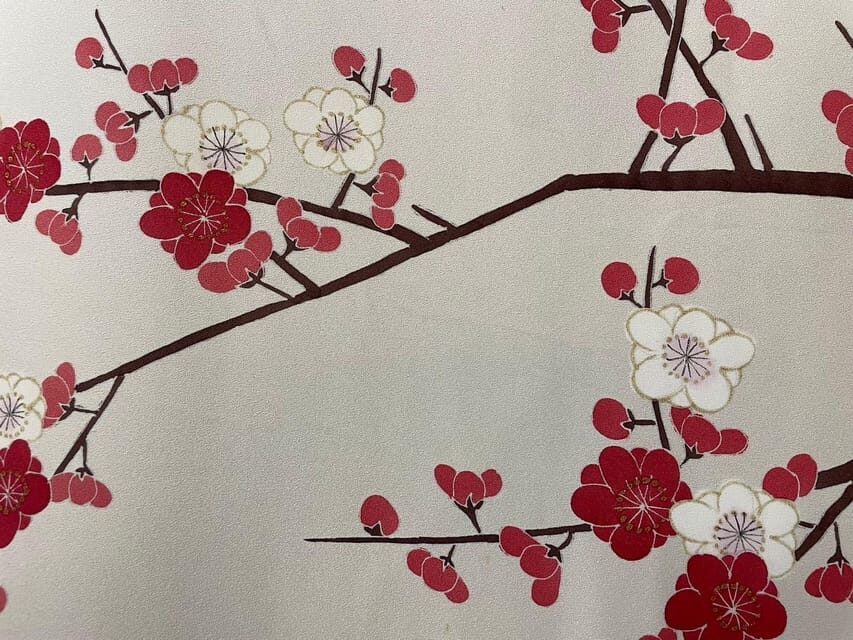
- You paint on pre-prepared silk with a printed outline, so you’re creating, not starting from zero.
- The class is in a traditional machiya home, not a factory-style workshop.
- You’ll take home your finished Yuzen-dyed silk as a meaningful souvenir.
- Interpreter support (English/Chinese) helps you learn the craft clearly and ask questions.
Kyoto Yuzen in a traditional Nishijin machiya townhouse
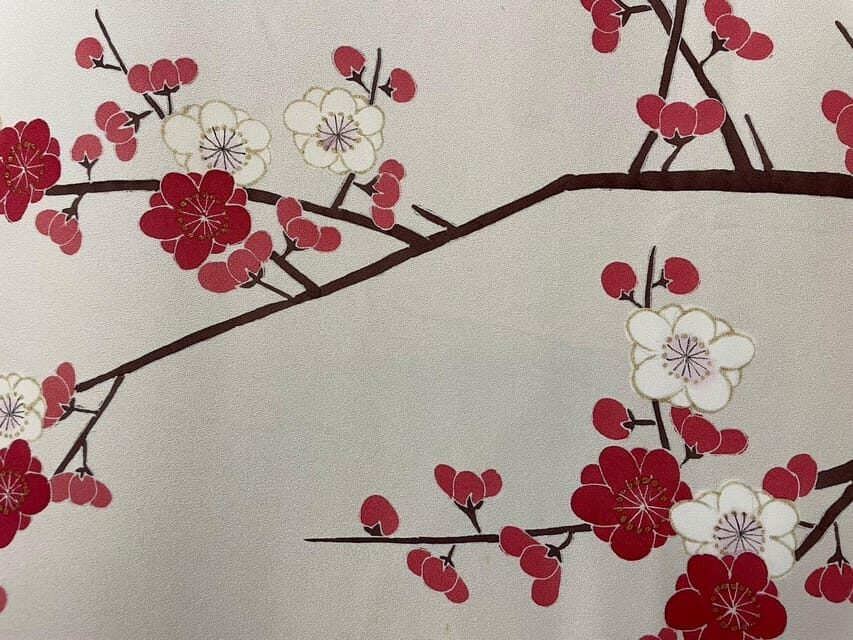
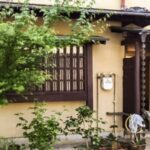
Kyoto Yuzen isn’t just a craft class. It’s the chance to step into a traditional Kyoto residence while learning a dyeing art that’s tied closely to Japanese style and design. The setting matters, because you’re not in a generic studio room with fluorescent lighting. You’re in a machiya townhouse in the Nishijin district, where the whole experience feels quieter and more focused.
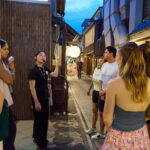
The workshop is also built to keep things personal. It’s limited to 6 participants, so you can actually watch what the artisan does and get feedback on your color decisions. If you like crafts that feel like collaboration—where your choices matter, but the master still guides—you’ll probably enjoy this format.
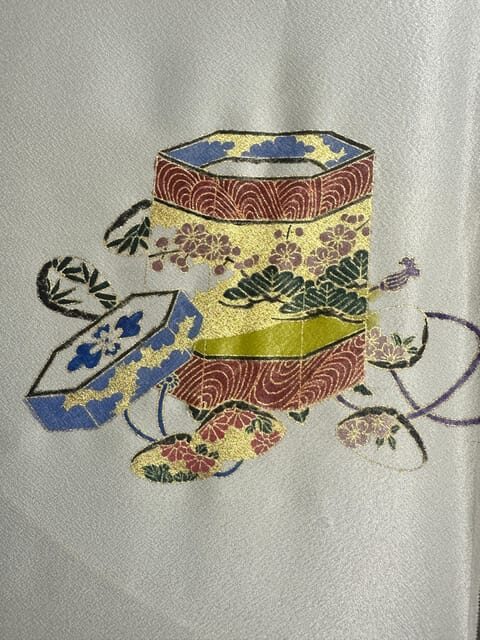
Before you touch your silk, there’s a display of Kyoto Yuzen works. That’s practical. It gives you visual anchors for what “good” looks like in the style—so when you start choosing colors, you’re not working in the dark.
You can also read our reviews of more tours and experiences in Kyoto.



Your 2-hour flow: from choosing colors to finishing silk art
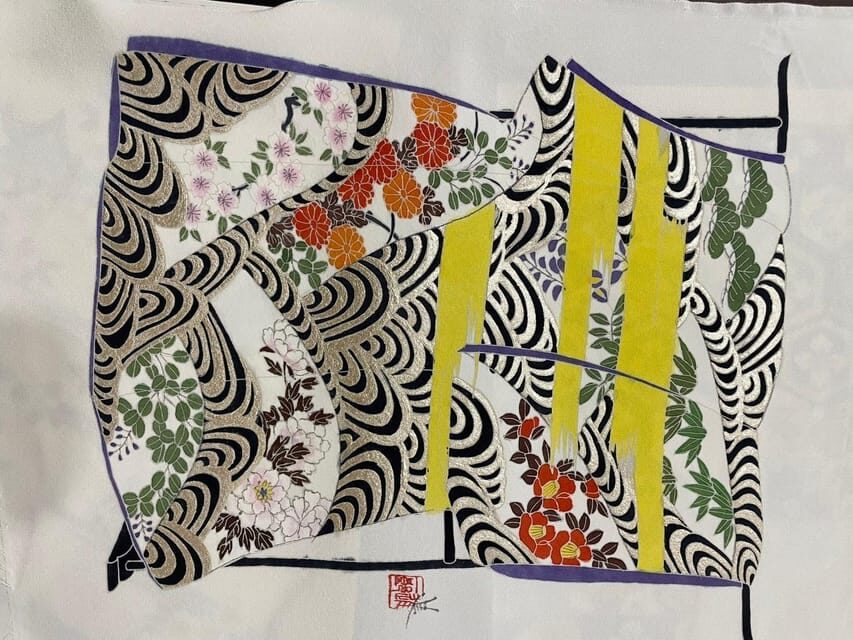
This experience runs for 2 hours, which is long enough to learn the basics and finish something you can bring home. The pacing is designed around dye technique and careful painting, so you’ll spend time at several steps rather than bouncing between stations.
1) Choose 1 or 2 colors, then build the rest of the palette
At the start, you’ll select one or two colors that you like. This part is simple and lets you steer the mood of your piece. Then Master Shin’Ichiro helps with the remaining tones so the final result stays harmonious.
In practice, this is where the class feels most worth it. Color harmony is hard when you’re guessing. Here, the artisan isn’t just offering taste—he’s helping you build a palette that works with the dye process and the look of Yuzen.
2) Watch the master’s approach to tools and technique
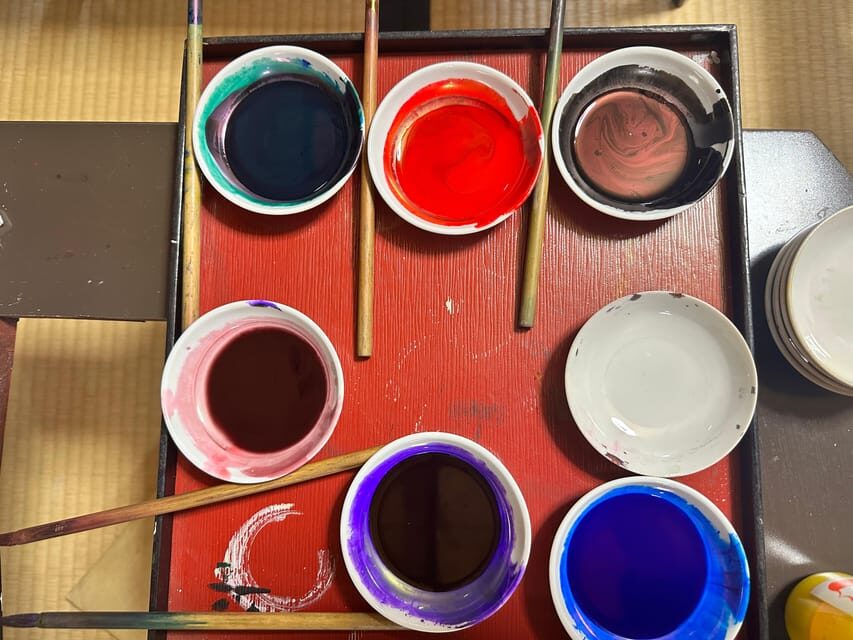
Once you’re set up, you’ll learn about the tools and delicate techniques of Yuzen dyeing. You’re guided while you work, and you can watch the way the artisan handles materials and how the colors develop on silk.
This is also where having an interpreter helps. The craft is visual and tactile, so you’ll likely notice details even without perfect language. But when you can ask questions and confirm instructions in English or Chinese, the learning sticks better.
3) Paint your design within the pre-set outline
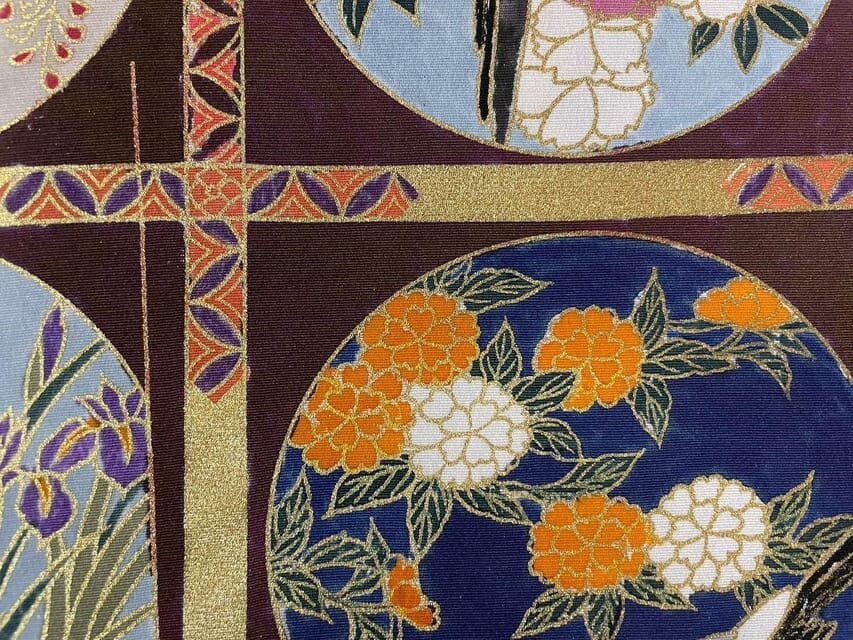
You’ll work on a fabric piece that already has your selected design elements prepared (many samples use a screened or outlined layout). Several participants describe a “paint within the lines” feel, with golden outlines already in place.
That setup is very useful for first-timers. It keeps the class from turning into a drawing lesson. You get to focus on dye application and color placement—the parts that actually create the Yuzen look.
A handy tip shared in the workshop experience: don’t overload the brush. Too much liquid can cause bleeding, which can blur your edges. Keeping the brush controlled helps your colors land cleanly.




4) You leave with an actual finished keepsake
You don’t just make a sample you’ll never see again. You take home your own Yuzen-dyed piece as a souvenir. One participant noted that the piece is ironed to help ensure it’s dry before you go.
Also, your final work reflects both your choices and the artisan’s balancing decisions. That combination matters: it’s personal enough to feel like yours, but grounded in the master’s eye so it looks like real Yuzen art.
Meet Master Shin’Ichiro and the interpreter support you get
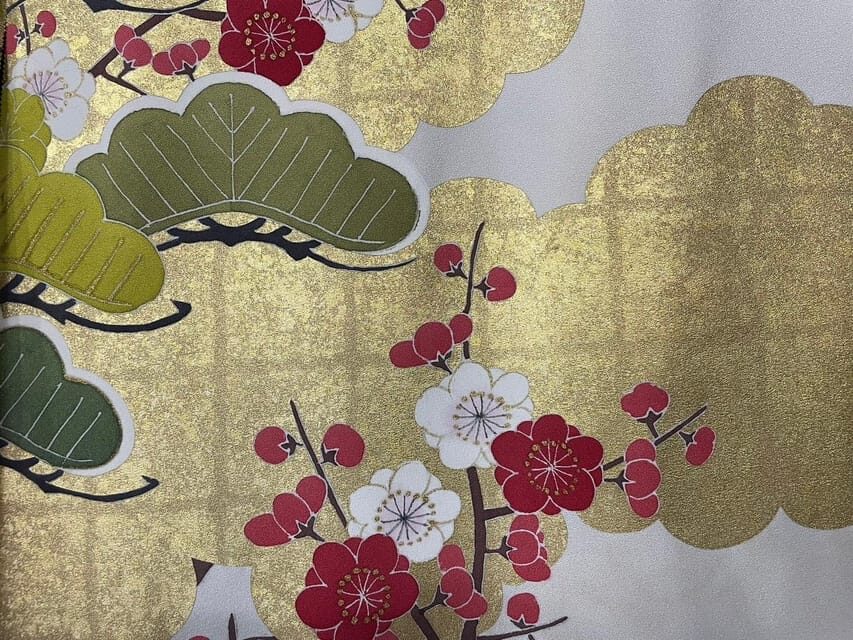
A major strength of this class is the human guidance. In sessions described with this activity, Master Shin’Ichiro handles the craft instruction and color work. The interpretation support is typically provided by an English/Chinese-speaking guide; one example included an interpreter named Ha.
Why this matters: dyeing isn’t just about following steps. It’s about understanding how materials behave. You’ll hear guidance on what to expect from the process, and you can get help adjusting when something looks off.
You’ll also likely appreciate the tone of the workshop. Multiple people describe it as calm, relaxed, and patient. That’s not just a “nice atmosphere” thing—it directly helps you do better work. When you’re not rushed, you can be more careful with brush control, color mixing, and timing.
There’s also a practical detail about pacing: some sessions have run slightly past the scheduled end time when the group was still working. That’s worth knowing because it means the class is more craft-first than stopwatch-first.
The designs you choose: planning before you paint
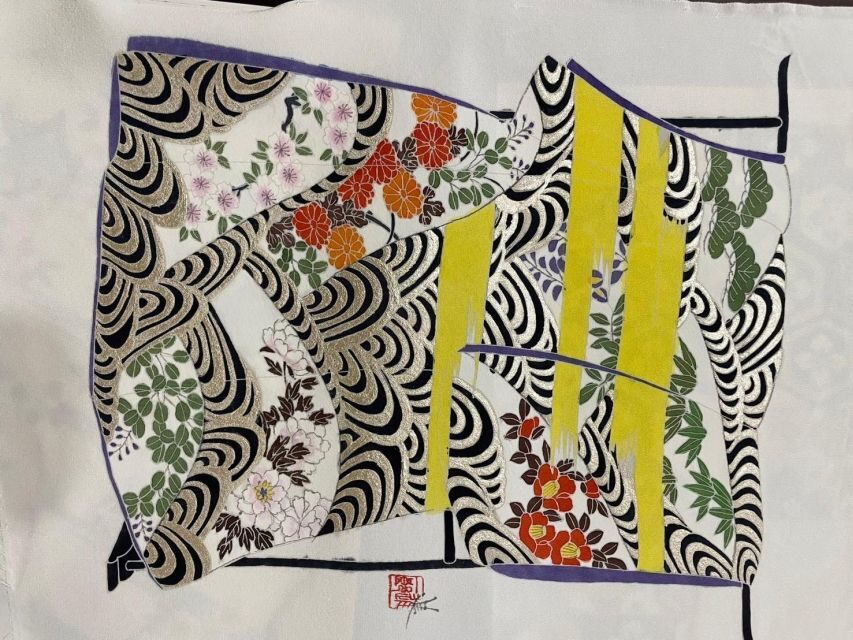
The class gives you design options to choose from, and they’re pre-arranged so you can start painting right away. One review noted that there are finished samples available for inspiration and that you’re guided to pick a design like a phoenix (with other themes such as cranes or fans mentioned by participants).
Here’s a real piece of advice: don’t overthink the design decision. You’ll need your energy for the painting portion. If you feel stuck, focus on the parts you know you’ll enjoy painting—like the main subject—and let the artisan help with the palette once you’re set.
In one described workflow, you receive a fabric “canvas” with golden outlines for your chosen design, then decide on colors. After that, the artisan suggests colors and mixes them during the session. That means your design choice influences your painting path, but the color work is where the final personality of the piece comes through.
What you take home: a Kyoto souvenir that feels like art
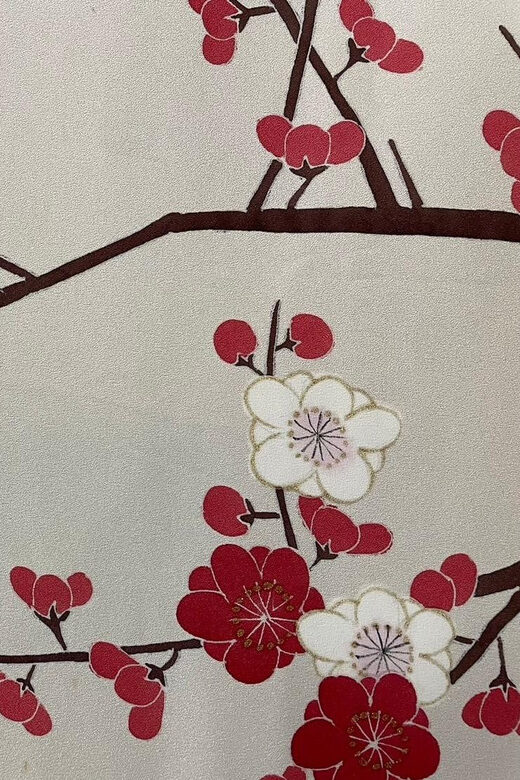
Most Kyoto souvenirs are pretty, but you buy them, hang them, and move on. This is different. You create the piece yourself, and you leave with the finished silk artwork.
That makes it ideal if you want a souvenir with a story. It’s not just a purchase. It’s proof that you spent time learning a craft in a real home setting. It also makes a great gift because it feels personal even when you’re far from Kyoto.
You should also think about how you’ll transport the silk. The workshop confirms the goal is that your piece is dry when you take it home, which helps with packing. Still, treat the finished fabric gently—folding and handling can affect delicate textile pieces.
If you’re the type who likes to keep a “memory collection,” this fits perfectly: a small object, made by your hands, that captures a piece of Kyoto’s aesthetics.
Price and value: what $161 buys you in the real world
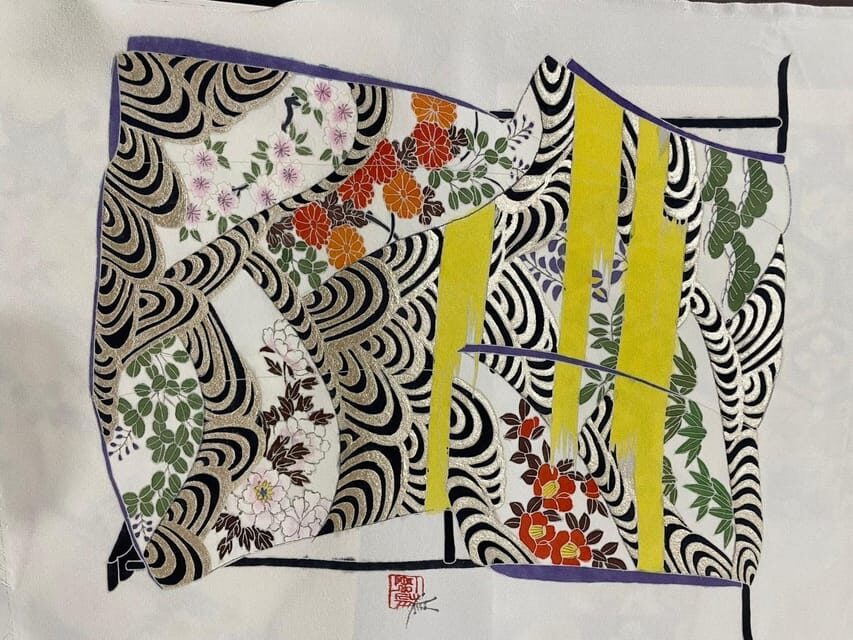
At $161 per person for a 2-hour class, the price may look steep if you’re comparing it to typical tourist craft activities. But here’s where the value comes from.
You’re paying for several things at once:
- Hands-on instruction from a master artisan in his own working environment
- A guided color process where your palette is refined for harmony
- Interpreter support (English or Chinese), which matters for learning and confidence
- A take-home finished silk piece, not a disposable craft
- A small group setting, so you’re not lost in a crowd
Also, the location is part of the package. Doing this inside a traditional machiya home in Nishijin is more than a backdrop. It shapes the whole experience, and it’s a key reason this class feels intimate rather than industrial.
One more value point: the workshop seems designed to keep the learning practical for first-timers. You’re given outlines or prepped fabric, and you’re taught how to apply color. That structure helps you succeed even if you don’t have an art background.
If you want a high-quality cultural experience and a finished art object you’ll actually keep, this class is priced closer to art workshop territory than to beginner souvenirs.
Who this Kyoto Yuzen experience suits best
This is best for people who:
- Want a hands-on craft with real guidance
- Enjoy traditional arts and want to understand process, not just snap photos
- Like small-group settings where you can slow down and focus
- Prefer experiences that result in something finished you can take home
It can be less ideal if:
- You need a purely high-energy sightseeing outing. This is calm and careful.
- You don’t want to work seated for 2 hours.
- You have sensitivities to chemical materials used in the process, since the workshop may involve chemicals.
Age is also a factor. It’s not suitable for children under 10, and babies under 1 aren’t appropriate for this kind of activity.
Practical tips so you enjoy the full 2 hours
A few things will make your session smoother:
- Wear comfortable clothes you don’t mind getting dye on.
- If you have allergies or sensitivities, tell the team in advance so they can advise you.
- Plan for a controlled, careful pace. Brush handling and color placement matter here.
- If you’re choosing colors, pick what you truly like first. Then trust the artisan to refine the palette.
And if you’re someone who likes quiet, mindful activities: the atmosphere tends to be described as calming. That’s the kind of environment where it’s easier to relax your perfectionism and focus on the craft itself.
Should you book Kyoto Yuzen dyeing in Nishijin?
Book it if you want a Kyoto experience that’s genuinely hands-on and you’ll actually value the finished artwork. The combination of small group attention, artisan-guided color harmony, and a take-home silk piece makes it feel like more than a quick stop.
Skip it if you’re looking for a big sightseeing day or you’re not comfortable with dye work and the possibility of chemicals. Also consider your comfort level for seated work for the full 2-hour session.
If you’re choosing among Kyoto craft options, this one is a smart pick for anyone who likes learning by doing—and wants a souvenir with real meaning.
FAQ
How long is the Kyoto Yuzen dyeing experience?
The experience lasts 2 hours.
What will I create during the class?
You’ll create your own Yuzen-dyed silk fabric piece to take home.
Is there an interpreter during the workshop?
Yes. Instruction is provided with a live guide and interpreter support in English and Chinese.
What language options are available?
The languages are English and Chinese.
Is the workshop wheelchair accessible?
Yes, it is wheelchair accessible.
Do I need to arrange transportation to the meeting point?
Transportation to and from the meeting point is not included.