REVIEW · KYOTO
Tea Ceremony Experience in Traditional Kyoto Townhouse
Book on Viator →Operated by Ami Kyoto · Bookable on Viator
Matcha tastes better when you learn the ritual. This Kyoto tea ceremony happens in a classic wooden machiya and stays small, so you actually get hands-on guidance for the full one-hour experience.
What I love most is the focus on real tea practice—you’ll make and drink your own matcha—and the quality ingredients, including matcha from an Uji tea farm plus traditional sweets from a well-known Kyoto confectioner. One possible drawback: the townhouse setting is in a residential area, so you may need the provided map to find it without stress.
In This Review
- Key points at a glance
- Stepping Into a Kyoto Machiya at Ami Kyoto
- Why the machiya setting adds real value
- The One-Hour Flow: What You’ll Watch and What You’ll Do
- What you’re really learning (not just how to make tea)
- Time management reality check
- Uji Matcha and Kyoto Sweets: What’s Included and Why It Matters
- Taste tip: what to notice
- Small Group = Better Questions and Better Practice
- A note on learning etiquette without getting tense
- Price and Value: Is $27.74 Worth It?
- Logistics Around Kyoto: Finding a Machiya in a Residential Area
- Getting there
- Who Should Book This Tea Ceremony (and Who Might Skip It)
- A good “Kyoto day” pairing
- Should You Book Ami Kyoto’s Tea Ceremony?
- FAQ
- How long is the tea ceremony experience?
- How much does the tea ceremony cost?
- What’s included in the ticket?
- Is hotel pickup or drop-off included?
- How many people are in the group?
- Where does the experience take place?
- Do I need a printed ticket?
- Can I cancel and get a full refund?
- Is it near public transportation?
Key points at a glance
- Up to 6 people means less waiting and more attention at your table
- A one-hour format covers etiquette, a demonstration, and you making your own bowl
- Uji matcha + Kyoto sweets gives you a tasty, high-quality comparison to what you’ve had before
- An authentic machiya (about 80 years old) turns the lesson into a lived-in experience
- Guidance from Ami Kyoto hosts (including Kimi) makes the movements feel learnable, not mysterious
Stepping Into a Kyoto Machiya at Ami Kyoto
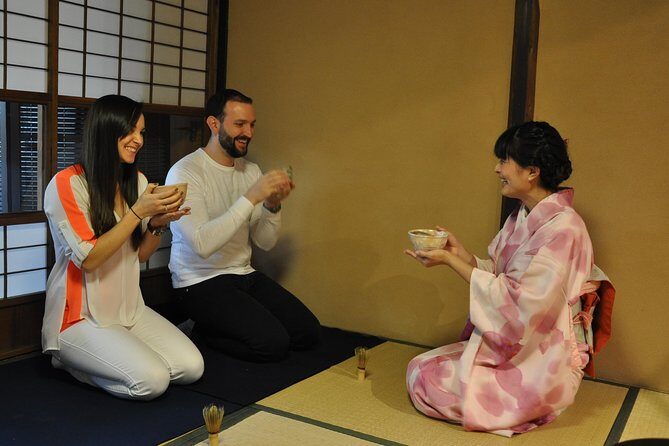
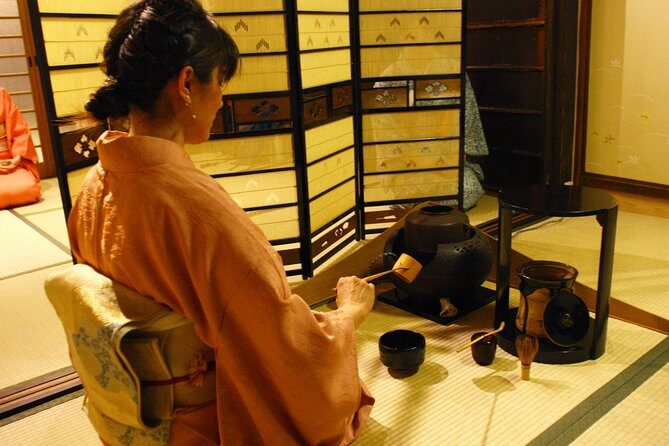
Kyoto tea ceremonies can feel either like a quick performance or like a real lesson. This one leans the right way: you start inside Ami Kyoto, a traditional Japanese wooden townhouse (a machiya) that’s about 80 years old. That matters, because the ceremony isn’t just about matcha. It’s about space, pacing, and attention.
The room itself is part of the teaching. One of the nicest repeat themes from people is that the setting feels comfortable and cozy, not like you’re being herded through a script. When a ceremony is in an older wooden home, you slow down. You notice the quiet rhythm more easily. That makes it easier to pick up what the host is saying.
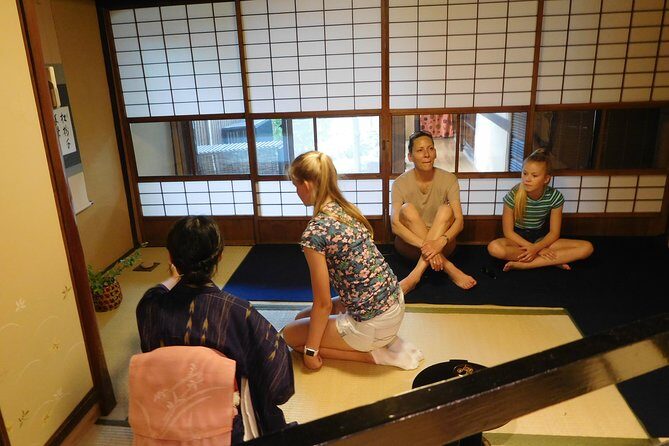
Also, this is a small-group experience. The tour caps the group at 6 travelers, which helps a lot if you’re the type who worries you’ll do something wrong. Instead of a crowd, you get a calm classroom vibe where questions feel welcome.
You can also read our reviews of more tours and experiences in Kyoto.



Why the machiya setting adds real value
Even if you’ve watched tea ceremony videos before, being in a machiya changes the experience. You can see how the actions fit the space—how the tea room atmosphere supports the etiquette. It also makes the tea taste feel more intentional, because nothing about the setting feels rushed.
The One-Hour Flow: What You’ll Watch and What You’ll Do
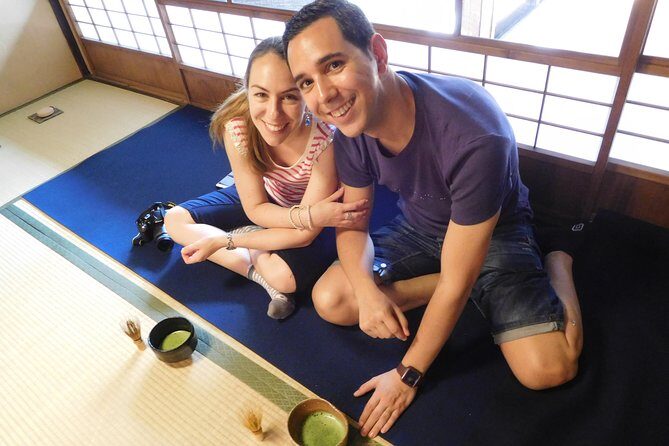
The tour runs about 1 hour. That’s a sweet spot in Kyoto, where you’re juggling neighborhoods, trains, and the temptation to snack your way through town.
Here’s what the session typically includes:
- A guided explanation of the basic ideas behind the tea ceremony
- Etiquette and the “why” behind the movements
- A demonstration of preparing and serving tea
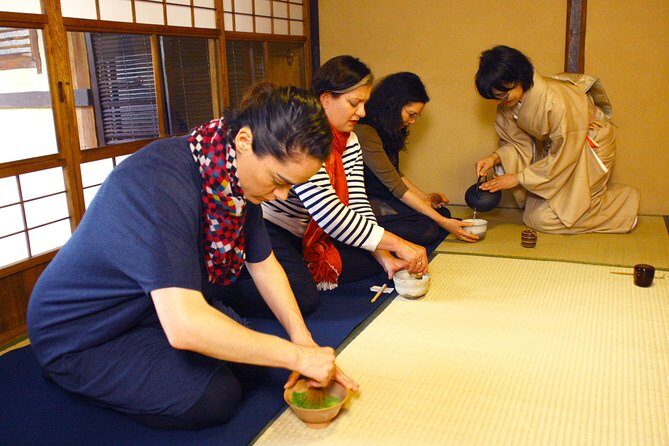
- Your turn: making your own bowl of matcha green tea
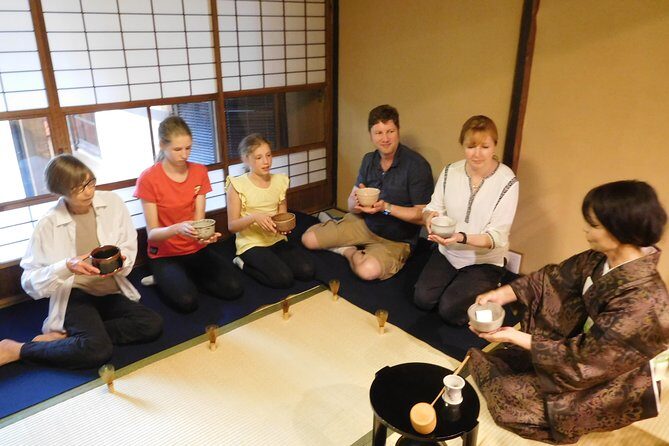
- Learning how to drink it properly, and sharing the experience with sweets
A lot of tea ceremony tours focus on the demonstration and keep you in the audience seat. This one is more balanced. You get a chance to participate—so you’re not just watching someone swirl matcha like a magician. You’ll learn the movements, and you’ll feel the difference between doing it from instinct versus following the ritual steps.
What you’re really learning (not just how to make tea)
The hosts frame the ceremony as a mix of:
- Respectful etiquette
- Precise, symbolic movements
- A slower way of paying attention
That came through clearly in the feedback I saw. People highlighted that the instructions were thorough and that they understood the movements and their meanings, not just the steps.
Time management reality check
One hour sounds short because it’s Kyoto and you might be tempted to pack in more. But in this case, the structure is tight enough that you won’t feel trapped. Multiple comments praised that the timing felt right—especially for a first-time tea ceremony—because it includes both learning and practice.





Uji Matcha and Kyoto Sweets: What’s Included and Why It Matters
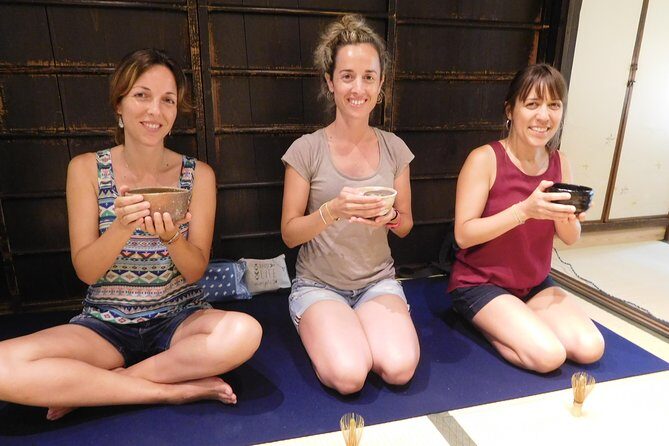
The price includes your tea and your snack:
- A bowl of matcha green tea
- Japanese sweets
You also get something more specific and valuable than generic matcha-and-biscuit tourism. The matcha is described as high-quality sourced from an Uji City tea farm. Uji is basically matcha country, so when you taste matcha here, you’re tasting the real idea of what good matcha is supposed to do.
And the sweets aren’t just random. The tour notes traditional sweets from a famous Kyoto confectioner. You’ll typically be served a traditional Japanese cake or sweet alongside your tea.
One sweet name popped up in feedback: suhama. If you’re the kind of person who likes to remember what you ate (and potentially buy the same thing later), knowing that name can help.
Taste tip: what to notice
You don’t need to become a matcha expert. Still, you can have a fun mini tasting mindset:
- Notice the texture and how it feels when you drink it
- Notice the sweetness and how the sweet balances the bitterness
- Notice how the ritual pacing makes the flavors feel less rushed
This is one of those experiences where you’ll probably appreciate the matcha more the second time you taste it—because by then you understand how it’s meant to be enjoyed.
Small Group = Better Questions and Better Practice
With a maximum of 6 travelers, you’re not blending into the background. This format changes the tone.
You’re more likely to:
- Get individual corrections if your movements are off
- Ask questions without feeling like you’re slowing the whole group down
- Feel comfortable participating instead of quietly watching
That comfort showed up repeatedly. People described the hosts as warm and clear, and praised how the explanation matched what they were actually doing at the table.
Two hostesses typically run the session, and that pair dynamic seems to work well: one can explain while the other guides hands-on moments. If you’re anxious about etiquette, this setup helps because you’re not stuck with vague instructions.
A note on learning etiquette without getting tense
Tea ceremony etiquette can sound intimidating. It isn’t. Think of it as a set of polite actions that help everyone stay respectful in a shared, quiet moment. In other words: you’re not performing. You’re participating in a calm ritual.
Price and Value: Is $27.74 Worth It?
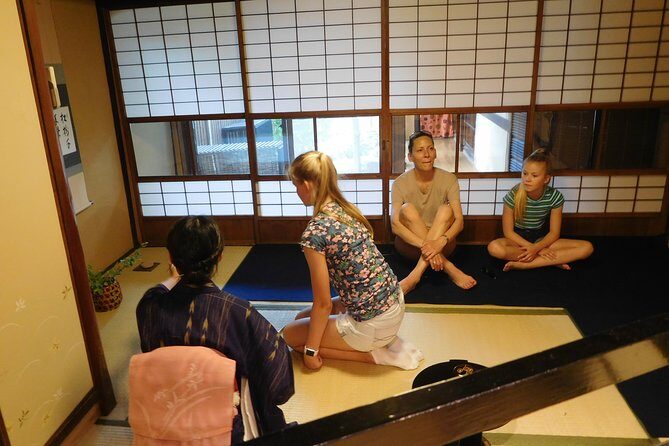
At $27.74 per person, the big value question is: are you paying for a show, or are you getting something you can’t easily DIY at home?
In this case, you’re paying for:
- Entry into a traditional machiya
- Guided explanation of etiquette and concepts
- A demonstration
- Hands-on practice making and drinking matcha
- Included matcha and Japanese sweets
That’s why many people rated it extremely highly for value. It’s not just watching someone else do the ceremony. You leave with actual experience—something you can reference later the next time you see ceremonial matcha.
Also, there’s often an added bonus at the end: people noted that you can buy matcha and even tea tools if you want. That’s not listed as included in the base price, but it’s part of the experience many people enjoy because it gives your trip a tangible souvenir that’s useful, not just decorative.
Logistics Around Kyoto: Finding a Machiya in a Residential Area
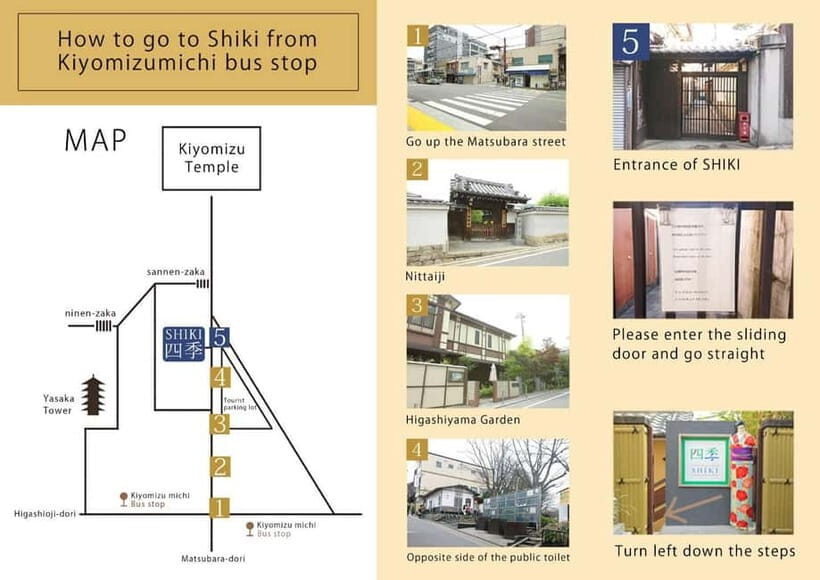
Kyoto can be wonderfully confusing. This venue sits in a residential neighborhood, and one common complaint was simple: it can be hard to spot at first because there’s little signage in English.
So here’s the practical advice: use the provided address and rely on the map link if it’s included in your confirmation materials. Once you’re at the right spot, the townhouse is beautiful, and you’ll know you found it.
Getting there
The tour says it’s near public transportation, which is helpful. Still, plan a few extra minutes for last-mile walking. Kyoto footpaths and quiet side streets don’t always make navigation intuitive.
Who Should Book This Tea Ceremony (and Who Might Skip It)
This tea ceremony is a great match if you want:
- A first-time-friendly Kyoto ritual with actual participation
- A calmer activity that doesn’t require long travel across town
- A small-group experience where you can ask questions
- Real matcha from Uji and included Japanese sweets
It may be less ideal if you’re in a hurry and only want a quick photo stop. One hour is the right length for learning, but it’s not a “walk by and grab a snack” kind of outing.
It’s also a good choice if you like meaning and process. Feedback highlighted that the hosts treated the ceremony with reverence and explained the intentions behind the movements. If you prefer learning by doing, this one will feel satisfying.
A good “Kyoto day” pairing
This fits nicely as a mid-morning or afternoon pause between sightseeing stops. It gives you a structured break that’s more interesting than another café stop, because you’re eating and drinking within a guided cultural context.
Should You Book Ami Kyoto’s Tea Ceremony?
If you want a Kyoto tea ceremony that’s hands-on, not just performative, I’d book it. The combination of small group size, a real machiya setting, and the included Uji matcha + Kyoto sweets makes the price feel fair.
Choose this experience especially if:
- You’re curious about Japanese etiquette and ritual
- You want to practice making matcha yourself
- You like learning from hosts who guide you step-by-step
The one thing to take seriously is location confidence. Go in knowing you’ll likely need the map link to find the townhouse smoothly.
If that’s okay with you, this is the kind of Kyoto activity that sticks with you—quietly, tastefully, and with fewer crowds than you might expect.
FAQ
How long is the tea ceremony experience?
The experience lasts about 1 hour.
How much does the tea ceremony cost?
The price is $27.74 per person.
What’s included in the ticket?
You’ll receive a bowl of matcha green tea and Japanese sweets.
Is hotel pickup or drop-off included?
No. Hotel pickup and drop-off are not included.
How many people are in the group?
The maximum group size is 6 travelers.
Where does the experience take place?
The meeting point is 605 Nishidachō, Shimogyo Ward, Kyoto, 600-8397, Japan, and the activity ends back at the meeting point.
Do I need a printed ticket?
No. The tour uses a mobile ticket.
Can I cancel and get a full refund?
You can cancel for a full refund if you cancel at least 24 hours before the experience’s start time.
Is it near public transportation?
Yes, it is near public transportation.
If you tell me what day/time you’re aiming for and where you’re staying in Kyoto, I can suggest an efficient plan for pairing this with nearby sights.