REVIEW · HIROSHIMA
Hiroshima: Miyajima Peace Memorial Icons of Peace and Beauty
Book on GetYourGuide →Operated by Pinpoint Traveler · Bookable on GetYourGuide
Hiroshima and Miyajima in one day is powerful. I love how the trip moves from the solemn Peace Memorial sites to the calm beauty of Itsukushima Shrine. You also get the practical gift of not wrestling with tickets and directions all day, thanks to guides like Ken (Kensuke), Alex, and Minori. The one real drawback to plan around is that this is a lot of walking and thinking, especially in Hiroshima.
The pace is designed to help you absorb without feeling rushed. You’ll see the Atomic Bomb Dome area, the museum, then switch gears to Miyajima’s sea views, tea houses, and handicrafts. Just note: if you want an extra-long, slow, emotional visit, eight hours can feel tight.
In This Review
- Key highlights worth showing up for
- Hiroshima Peace Memorial Park and the Flame of Peace
- Atomic Bomb Dome plus the museum: how the story lands
- From tram and ferry to Miyajima: the travel break you need
- Itsukushima Shrine: the tide timing and the floating-torii effect
- Tenshinkaku and Senjokaku Pavilion: quiet architecture after the big view
- Miyajima free time: tea houses, momiji manju, and craft browsing
- The professional photo option: memories with less effort
- Price and logistics: what $163 really buys
- Meeting point, timing, and what to pack
- Who this tour suits best (and who should adjust expectations)
- Should you book this Hiroshima and Miyajima peace-and-beauty tour?
- FAQ
- Where do I meet the tour?
- How long is the tour?
- What sites are included in the day?
- Is lunch included?
- Do I travel by public transport?
- Are entrance fees included?
- What languages are available for the guide?
- What if I need to cancel?
Key highlights worth showing up for
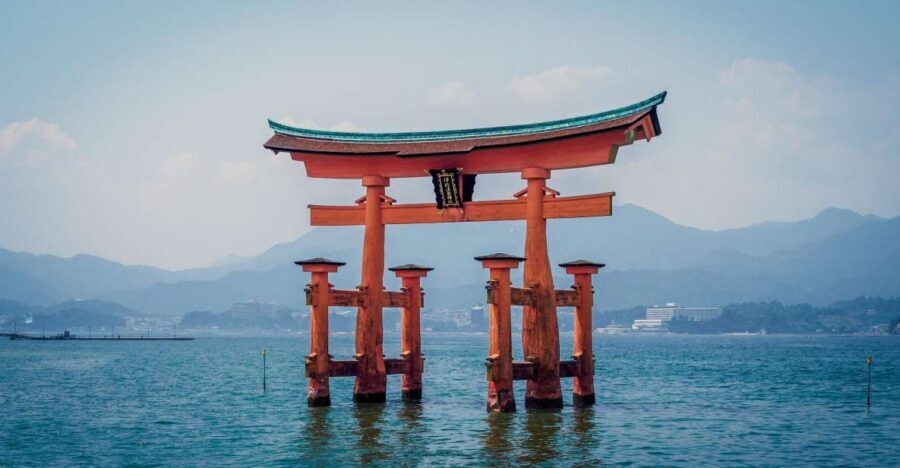
- Itsukushima Shrine at high tide: the scene changes fast, and that floating-water feeling is the point
- Atomic-era reminders done right: paper cranes, the Cenotaph, and the Flame of Peace keep the message clear
- Catching Miyajima with a guide: you’ll get context and help with crowd timing
- Public transit with a ferry break: tram and ferry remove stress and give you a real travel moment
- Free time on Miyajima: you can hunt for snacks and souvenirs without a stopwatch on your back
Hiroshima Peace Memorial Park and the Flame of Peace
Hiroshima isn’t the kind of place you can skim. The Peace Memorial Park is arranged like a guided emotional route, starting with greenery and quiet water, then tightening your focus on what happened in 1945. When you walk it with a live guide, the landmarks click into place as a clear story, not just a list of sites.
I especially like the way the park makes room for both remembrance and future-thinking. You’ll come across the Cenotaph for the A-bomb Victims with the paper cranes, and nearby the Flame of Peace burns as a steady reminder that this isn’t only history. It’s the sort of setting where the details matter, so having an English or Spanish guide helps you keep your footing emotionally, not just physically.
One thing to consider before you go: you should expect to feel heavy at least once. Some parts of the memorial experience can be difficult to look at. If you’re sensitive, build in patience, and wear comfortable shoes so your body isn’t working harder than your mind.
You can also read our reviews of more tours and experiences in Hiroshima.

Atomic Bomb Dome plus the museum: how the story lands
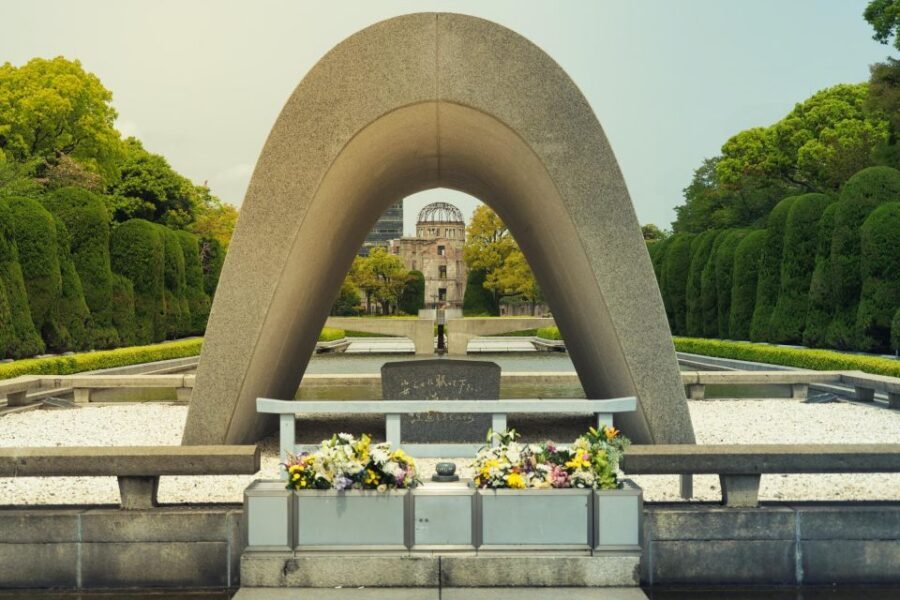
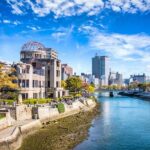
After the park, the itinerary focuses on the Atomic Bomb Dome area, a UNESCO World Heritage Site and one of the most recognized visual reminders of August 6, 1945. The Dome isn’t just a photo stop. With a guide, you learn what you’re actually seeing and why the building became so important to global memory.
Then comes the Hiroshima Peace Memorial Museum, and this is where the visit gets sharper. You’ll see the tragic atomic bombings of Hiroshima and Nagasaki explained in a way that’s meant to be understood, not just observed. The museum can take real concentration, so I like that the tour structure keeps it guided and paced, instead of leaving you to guess what to prioritize.
A practical note: I’ve seen people mention that the day can be emotional and moving, and also that time inside can feel like it passes quicker than you want. So if you prefer slow reading, you may want to accept that you’ll be trading extra detail for the added value of Miyajima later.
From tram and ferry to Miyajima: the travel break you need
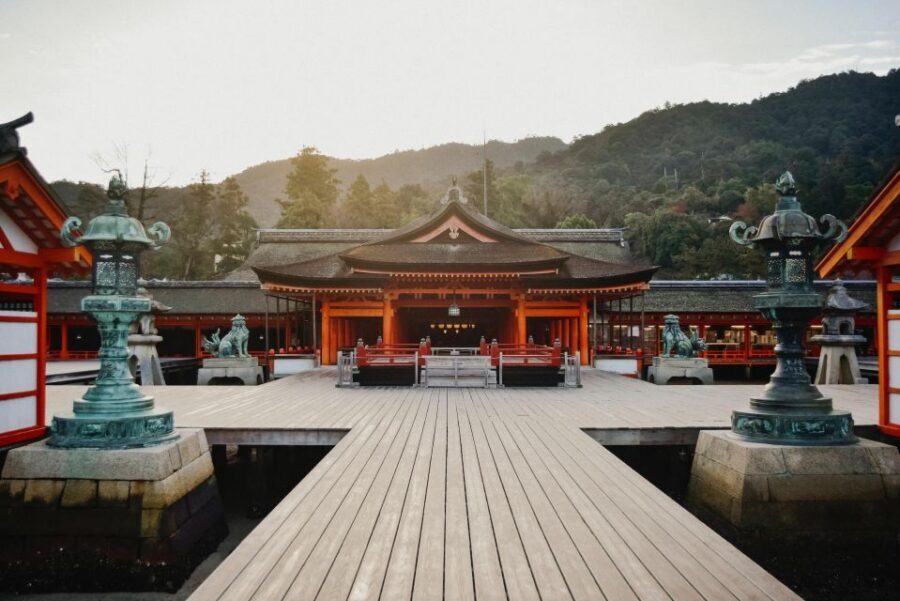
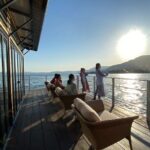
The shift from Hiroshima city into Miyajima doesn’t feel abrupt because the transport is part of the experience. You’ll travel via public transport, including a lovely ferry ride, and that boat segment matters more than you’d expect.
On the ferry, you’re not just getting from A to B. You’re changing your mental channel. Hiroshima asks you to remember; the Seto Inland Sea asks you to look outward again. Even if the whole day is heavy, that short stretch of open water and changing views gives you a breather before you hit the shrine area.
This is also where a guide earns their fee in a very real way. People commonly highlight how guides help you avoid wasting time with tickets and queues. Instead of you trying to figure out the right transport shuffle in a new system, you get a plan that stays on track.
Itsukushima Shrine: the tide timing and the floating-torii effect
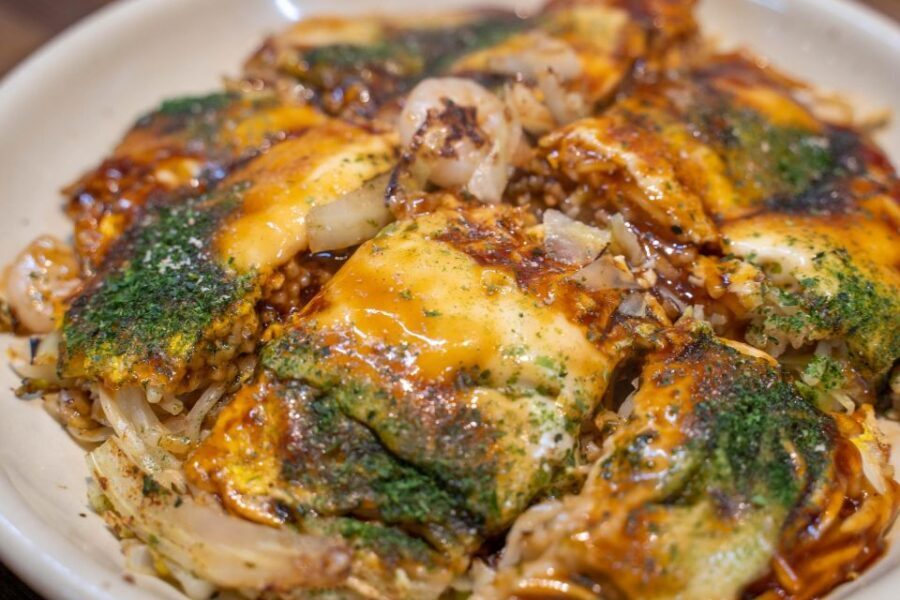
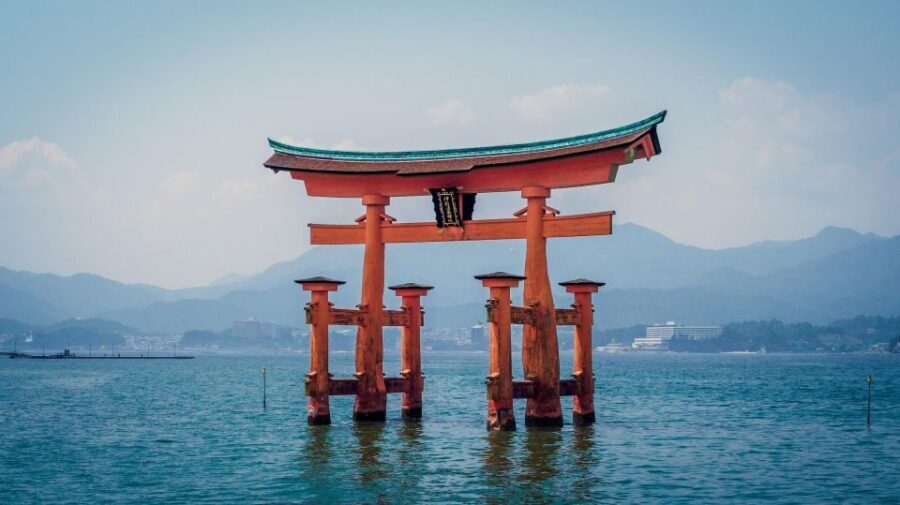
Miyajima’s headline is Itsukushima Shrine, and the tour makes sure you reach it as a core stop rather than a rushed wander. The shrine sits right at the edge of the Seto Inland Sea, and during high tide it appears to float on the water. That visual is the reason people plan their days around this place.
What you’ll like most is that a guide helps you notice what you’d otherwise miss: the significance of the shrine setting, the Shinto spirit of the location, and the layout beyond the big postcard view. It’s easier to respect a site when you understand what it represents, and guides like Ken (Kensuke) and Alex are repeatedly praised for explaining details in clear, organized ways.
There’s also a real crowd-timing benefit. Even in peak season, the tour experience is set up so you don’t spend your time standing in lines. That matters at Itsukushima, where the whole area fills in quickly.
Tenshinkaku and Senjokaku Pavilion: quiet architecture after the big view
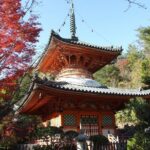
After the shrine, the route includes Tenshinkaku, often called the Pavilion of Heavenly Spirits. This part of the day is a nice contrast to the open-water spectacle. You get Japanese architectural beauty with intricate wooden design, and traditional interior space is part of the viewing experience too.
Next is Senjokaku Pavilion, another stop that keeps the spiritual and reflective tone going. This isn’t the day’s most famous photo spot, but it’s the one that can make you slow down. You’re moving from dramatic views to calmer yards and halls, which helps your brain absorb what the morning started.
If you’re the type who likes a strong sense of flow, you’ll appreciate that the itinerary doesn’t drop you in random order. It keeps the emotional arc moving forward, then pairs it with place-specific context as you walk.

Miyajima free time: tea houses, momiji manju, and craft browsing
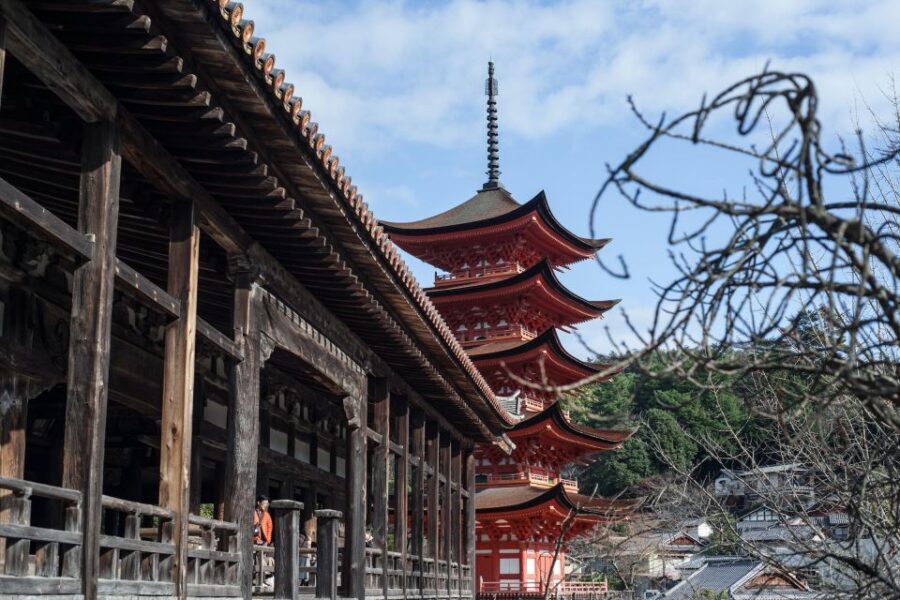
You’ll get a stretch of free time on Miyajima before the day ends, and I think that’s the best kind of freedom. The guided part gets you oriented and keeps you from missing major areas, and the free time lets you do what most people really want in Japan: snack, browse, and wander at your speed.
This is where tea houses and handicrafts come in. You can look for small souvenirs rather than only big-ticket items, and Miyajima is the sort of place where window shopping feels like part of the culture. If you want something classic, you’ll find momiji manju, the maple-leaf-shaped cake with sweet or savory fillings. It’s a simple bite, but it feels like the right snack for this island.
I also like that guides commonly help you with practical choices, like finding a good lunch spot for your group. One detail I’d keep in mind: lunch is not included, so you’ll want a plan for what you’ll eat during that Miyajima time.
If you care about food options, it’s worth knowing that at least one group experienced a vegan option arranged by the guide, so it’s not unrealistic to ask.
The professional photo option: memories with less effort
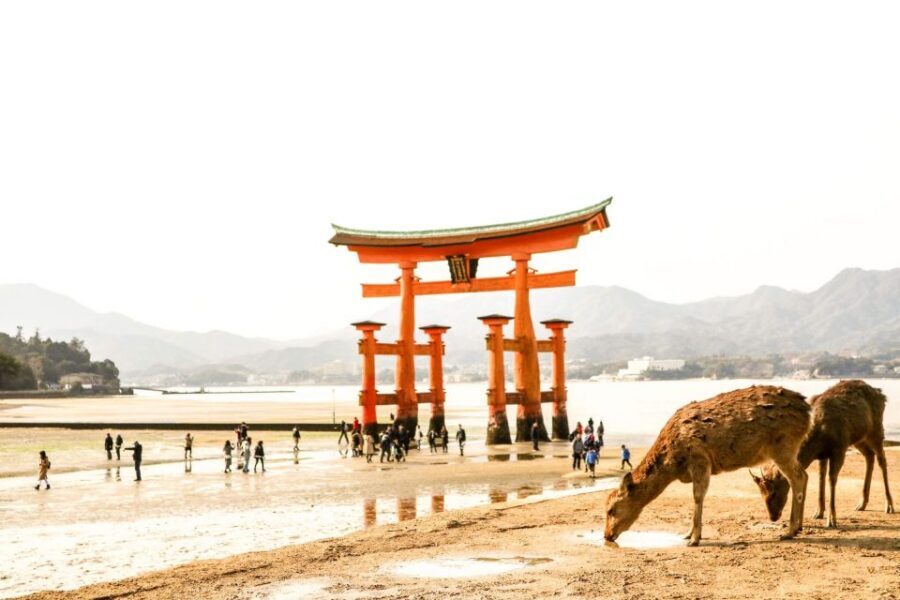
If you choose the professional photo option, you’re basically adding a built-in photo assistant. The idea is that your guide-photographers help capture moments of reflection at the Peace Memorial sites and then frame the Miyajima shrine scenes later.
This can be a big value add because it solves two problems at once: getting good angles and keeping your hands free so you’re actually present. Instead of you juggling selfie sticks and trying to remember where you put everyone in your group, you can look, listen, and then let the photos do the remembering later.
If you don’t choose the photo add-on, you’ll still get plenty of chances for pictures. Just know that the timing and crowd movement are part of what makes those photos work.
Price and logistics: what $163 really buys
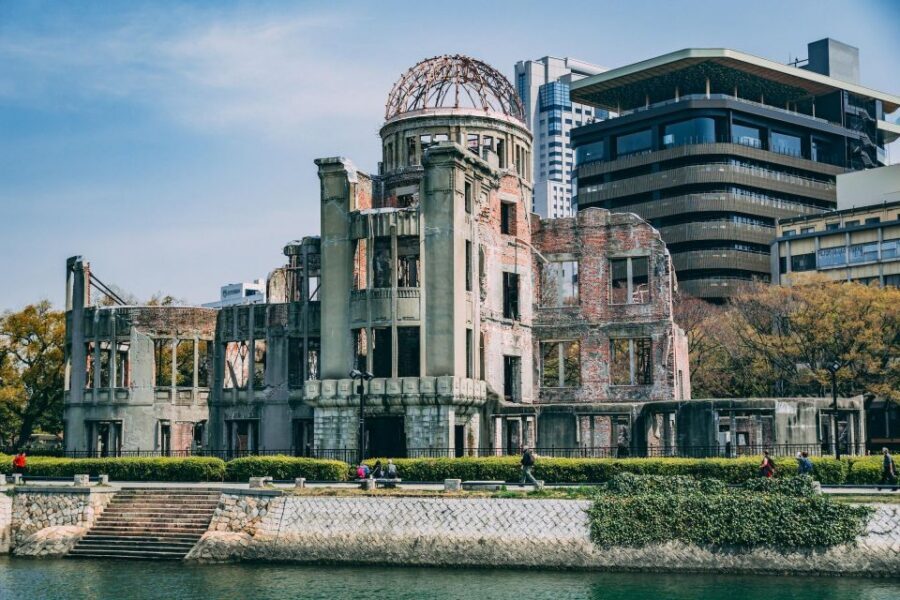
At about $163 per person for an eight-hour day, this tour is priced like a convenience-and-context package. You’re not just paying for sightseeing. You’re paying for a guide, public transportation fares (tram and ferry), and entrance fees to key sites like Peace Memorial Park and Itsukushima Shrine.
That combination matters. Hiroshima’s memorial areas can be hard to structure on your own if you don’t know where to focus. Miyajima also works better with local help because the island is popular, and timing affects your experience. If you tried to DIY it, you’d likely spend mental energy on navigation and ticket logistics, then lose some time you could have used on the sites themselves.
Also, the ratings are extremely high, and many comments point to one repeated theme: guides keep the day running smoothly. People name-check Ken (Kensuke) specifically for organization, communication before the tour, and crowd avoidance.
One caution on value: this is a single-day sampler. If you want more time in the museum or deeper walking on Miyajima, you may still want a separate visit later.
Meeting point, timing, and what to pack
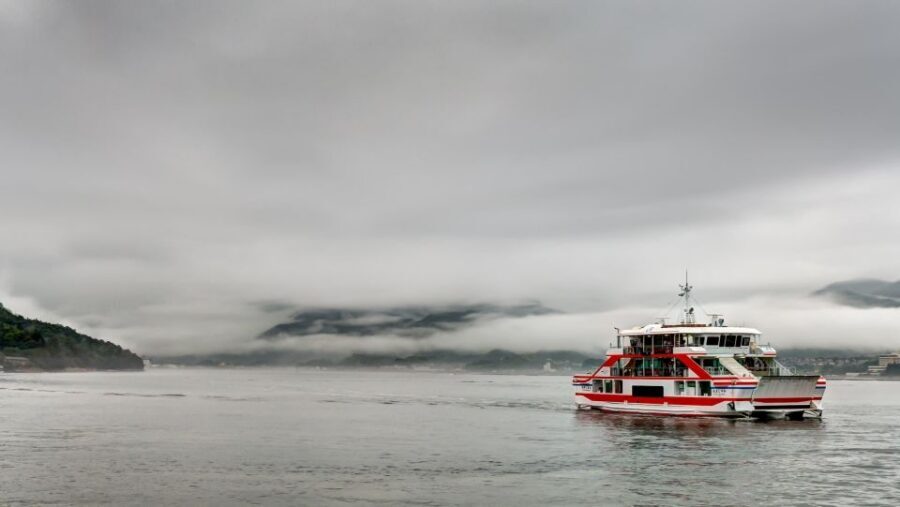
The meeting point is simple: meet at the 7-Eleven directly outside the Peace Memorial Park. You’ll finish at Hiroshima Station, which is convenient for continuing your trip around Japan the same day or the next morning.
The tour is about 8 hours, and it includes guided stops plus free time on Miyajima. That mix is helpful because it keeps you from feeling trapped in a bus-seat rhythm, but it also protects you from spending the day guessing.
Bring comfortable shoes. This is not a light-walking day. One review specifically flagged walking as a factor if you have mobility issues, even though it’s doable. So if your legs fatigue quickly, consider that in your planning, and don’t plan any big extra activities right afterward.
Who this tour suits best (and who should adjust expectations)
I think this tour fits best if you want both sides of Hiroshima and Miyajima: the serious history in the morning and the calmer island atmosphere in the afternoon. It’s a good choice if you’d rather spend your energy understanding and reflecting than figuring out transit.
You’ll especially appreciate it if:
- You like guided structure for places that feel complex
- You want public transport handled for you, including the ferry
- You prefer short visits with clear priorities over hours of planning
You might want to adjust expectations if:
- You want a slow, long, museum-first day
- You’re highly sensitive to the emotional weight of Hiroshima
- You have mobility limitations and need a more flexible pace
Should you book this Hiroshima and Miyajima peace-and-beauty tour?
If your goal is one day that balances peace remembrance with genuine Japanese beauty, I’d book it. The strongest reason is not only the list of sights; it’s the flow: guided memorial context in Hiroshima, then a transition to Miyajima with ferry time, shrine architecture, and real free time to wander.
I’d especially choose this version if you want help with logistics and timing. Guides like Ken (Kensuke) come up again and again for staying organized, answering questions, and keeping the group moving without dragging you through crowds.
If you’d rather travel completely on your own, then you can DIY Hiroshima and Miyajima. But based on how this tour is set up, the guide support plus guided pacing is the difference between a confusing day and a meaningful one.
If you’re deciding right now, here’s my simplest test: if you want context and a stress-free day that still feels respectful, book. If you need extra time to process the museum or you want minimal walking, consider adding separate days and keep this one as the anchor.
FAQ
Where do I meet the tour?
You meet at the 7-Eleven directly outside of the Peace Memorial Park.
How long is the tour?
The tour runs for about 8 hours.
What sites are included in the day?
You visit Hiroshima Peace Memorial Park, the Atomic Bomb Dome area, the Hiroshima Peace Memorial Museum, then travel to Miyajima for Itsukushima Shrine and Tenshinkaku, plus Senjokaku Pavilion and time to explore.
Is lunch included?
No. Lunch is not included, though there is time on Miyajima to eat.
Do I travel by public transport?
Yes. The tour includes public transportation fares, including tram and ferry rides.
Are entrance fees included?
Yes. Entrance fees to Peace Memorial Park and Itsukushima Shrine are included.
What languages are available for the guide?
The live tour guide is available in English and Spanish.
What if I need to cancel?
You can cancel up to 24 hours in advance for a full refund.