REVIEW · UJI
Uji: UNESCO Heritage & Tea Ceremony Walking Tour
Book on GetYourGuide →Operated by TripGuru Japan · Bookable on GetYourGuide
Uji makes a strong first impression. In three hours you hit UNESCO Byodoin Temple, a traditional tea ceremony at Taihoan, and scenic bridge crossings in a small group.
I really like the tight structure: you start at JR Uji Station and finish at Uji Bridge, so the day feels planned without dragging. Two things stand out for me: the way the guide connects temple and shrine culture into everyday life, and the tea ceremony itself—quiet, precise, and genuinely memorable.
One consideration: this is still a walking tour with rules to follow, including no photos during the tea ceremony and a ceremony delivered in Japanese with translation support. If you want a totally casual, picture-everywhere outing, this may feel a bit strict.
In This Review
- Key Highlights You’ll Actually Feel
- First Steps: JR Uji Station to a Walk That Makes Sense
- Byodoin Temple: UNESCO Architecture You Can Appreciate Without a Lecture Marathon
- Taihoan Tea Ceremony: Etiquette, Translation, and Why Silence Matters
- The Suspension Bridges: Tachibara and Asagiri for Quick Big Views
- Uji Shrine and Ujigami Shrine: Shinto Spaces That Balance the Day
- Snack Time on Uji Bridge: Matcha and Uji Flavors You Can Choose
- Price and Value: Why $66 Can Actually Feel Fair
- Who Should Book This Uji Tour (and Who Should Skip It)
- Booking Tips That Make the Day Easier
- Should You Book Uji: UNESCO Heritage & Tea Ceremony Walking Tour?
- FAQ
- Where does the tour start?
- How long is the Uji walking tour?
- What’s the group size?
- Is the tea ceremony in English?
- Can I take photos or record video during the tea ceremony?
- What’s included in the price?
- Do I need hotel pickup or drop-off?
Key Highlights You’ll Actually Feel
- Small group capped at 9 means more time for questions and smoother pacing.
- Byodoin Temple is a UNESCO stop and the entrance fee is included.
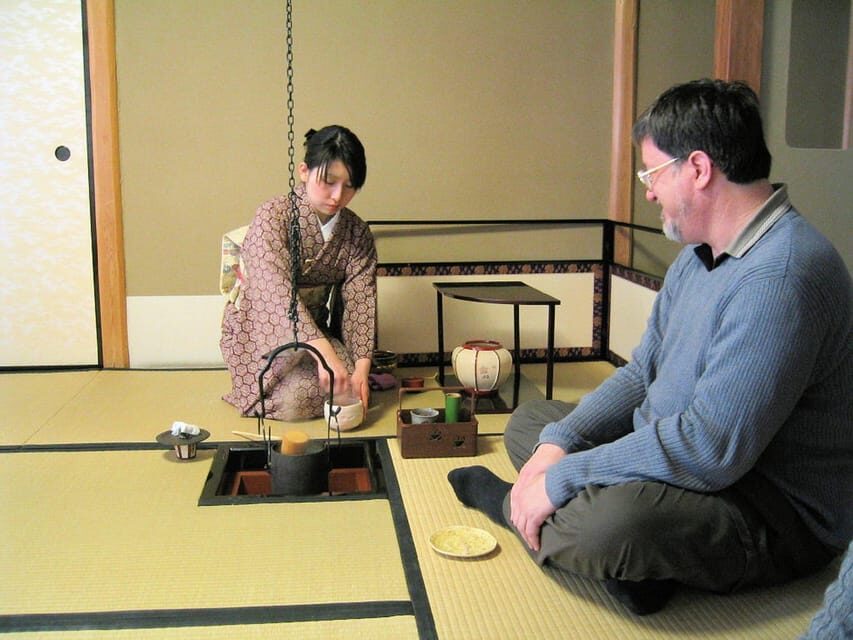
- Taihoan tea ceremony gives you hands-on etiquette and real tea culture, with translation.
- Tachibara and Asagiri suspension bridges add big photo-worthy views with minimal extra time.
- Uji Shrine and Ujigami Shrine visits round out the Shinto side of the story.
- Local snack time is built in, so you can sample Uji’s famous tea tastes and treats.
First Steps: JR Uji Station to a Walk That Makes Sense
Your tour starts at JR Uji Station (South Exit). The guide meets you there wearing a TripGuru shirt or holding a TripGuru sign, and you’ll want to arrive about 10 minutes early so you don’t feel rushed. The whole point of this tour is flow: you’re not wandering alone between far-flung points.
Pace-wise, plan for comfortable walking shoes. You’ll be moving from site to site for about 3 hours, with stops that include guided time at temples/shrines and structured activity at Taihoan. This is not a sit-down lecture; it’s a route built for seeing and understanding, without turning into a marathon.
You can also read our reviews of more walking tours in Uji
Byodoin Temple: UNESCO Architecture You Can Appreciate Without a Lecture Marathon
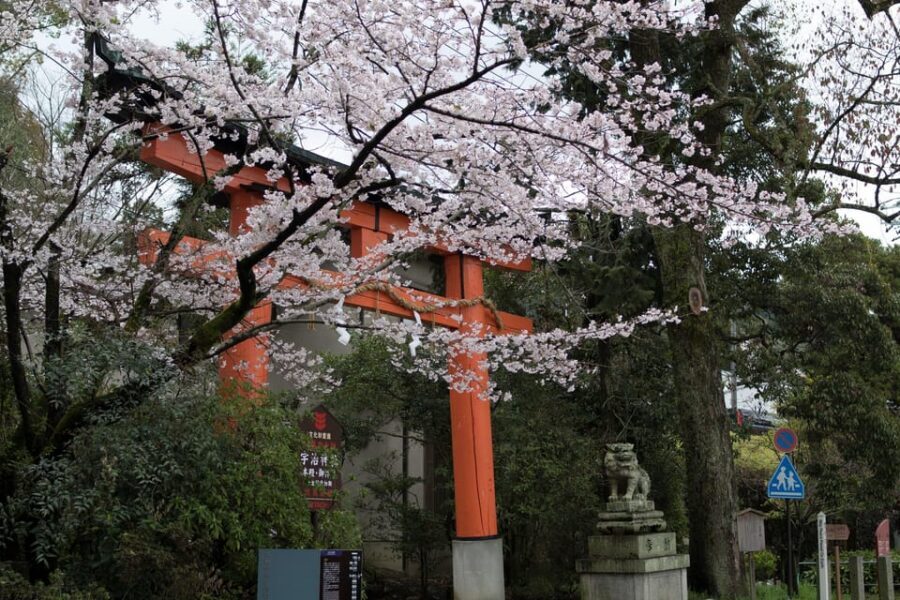
Byodoin Temple (often spelled Byodo-in) is the headline UNESCO stop on this route. You’ll get a guided visit there for about 50 minutes, which is a sweet spot. Long enough to notice details, short enough that you’re not exhausted before you reach the tea ceremony.
What I like about this kind of guided UNESCO visit is that it helps you look past the obvious postcard shots. You’re nudged to notice architecture and the temple’s role in Uji’s cultural identity, so the site stops being just a name and becomes a place with purpose. And since the entrance fee is included, you don’t need to play ticket math midway through your day.
Practical note: temples often mean stairs, gravel, and uneven surfaces. Bring your camera, but remember you’ll have a stricter photo rule later during tea.
Taihoan Tea Ceremony: Etiquette, Translation, and Why Silence Matters
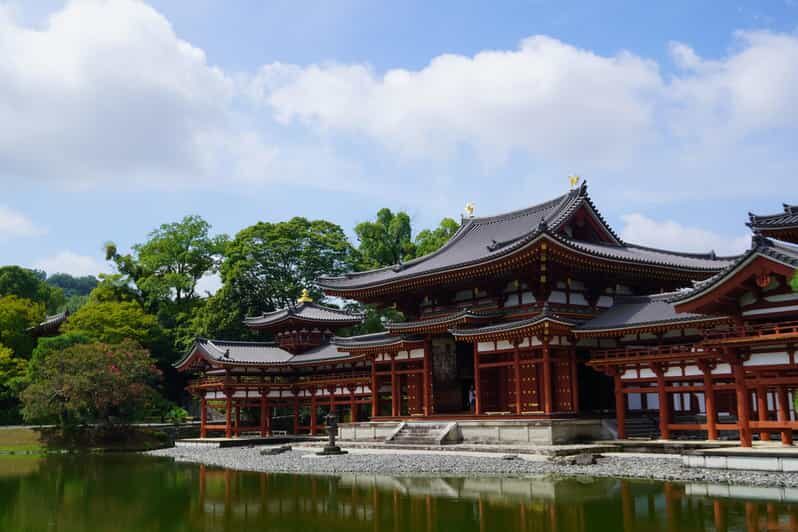
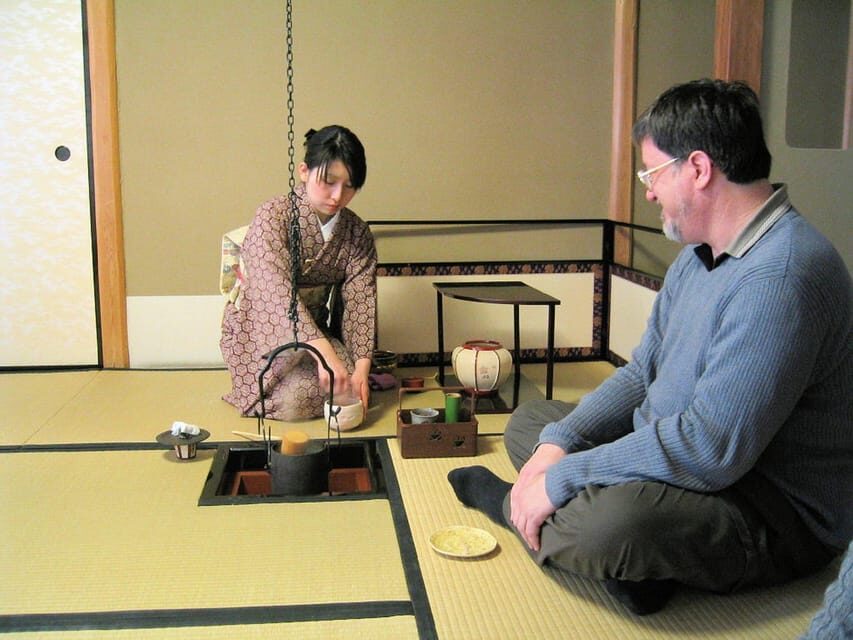
The tea ceremony at Taihoan is the most emotionally calming part of the tour. Your schedule includes roughly a 30-minute tea ceremony as an included activity, and it’s designed to feel like a pause inside the walking route. Even if you’ve read about matcha before, the ceremony teaches you how the ritual works in real time: pacing, posture, and attention.
Here’s the one rule you must know: photo and video recording is prohibited during the tea ceremony. That changes how you experience it. Instead of documenting everything, you focus on the moment—and honestly, it makes the tea taste feel more intentional.
Also, the ceremony is conducted in Japanese only. Your guide translates for you, and that matters because tea etiquette is full of small cues. If you’re the kind of person who wants to do things correctly, this format helps you follow along without feeling lost.
The Suspension Bridges: Tachibara and Asagiri for Quick Big Views
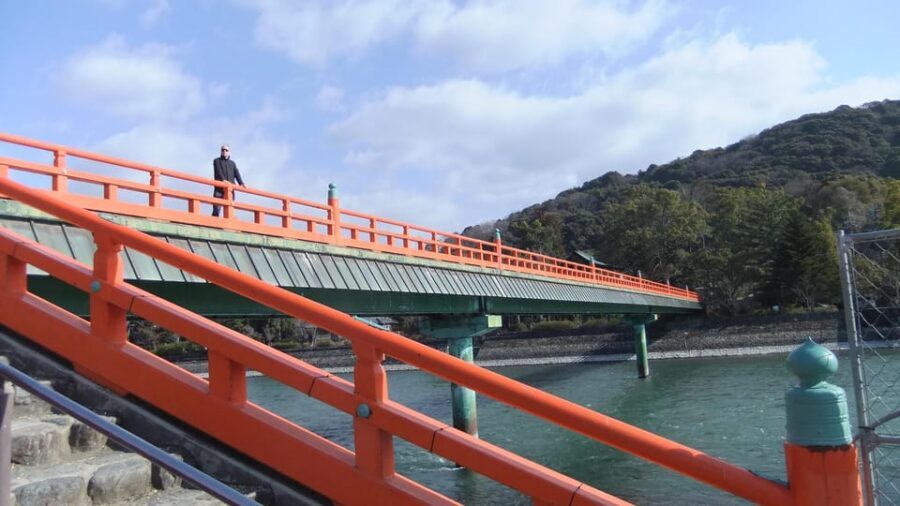
After the tea and temple/shrine culture stops, the tour gives you scenic legs. You cross the Tachibara and Asagiri suspension bridges, which are short on time but high on visual payoff. These bridge moments are where your brain gets a reset: open air, wider sightlines, and the feel of Uji stretching out around you.
What makes this section valuable is timing. You’re not forced to “power through” more temple visits right away. The walk across bridges is your break, and it also gives you a different angle on the city—useful because Uji can otherwise feel like a string of sacred buildings.
Bring your camera for the bridge crossings. Just remember the photo restriction is specifically tied to the tea ceremony, so outside that quiet room, you’re good.
Uji Shrine and Ujigami Shrine: Shinto Spaces That Balance the Day
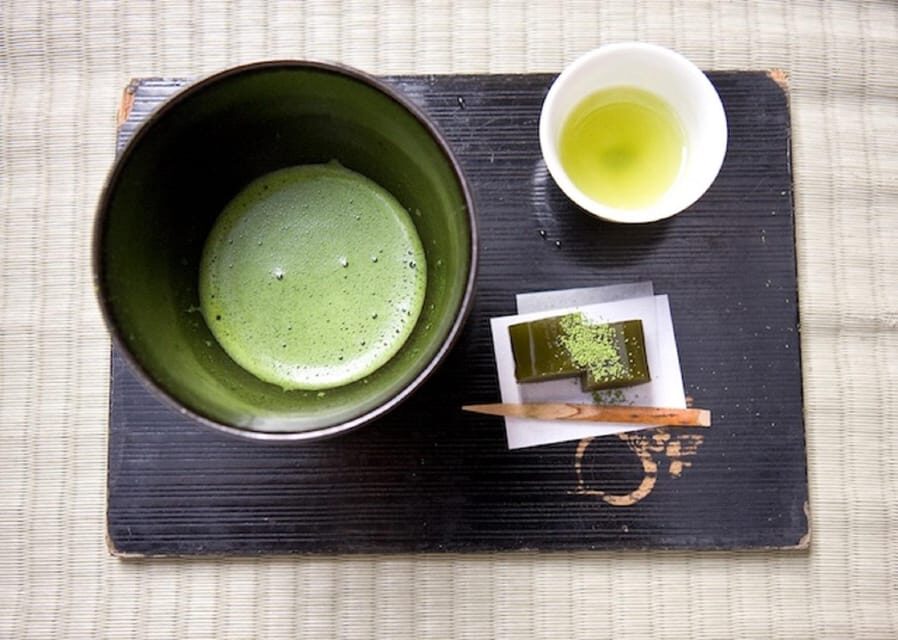
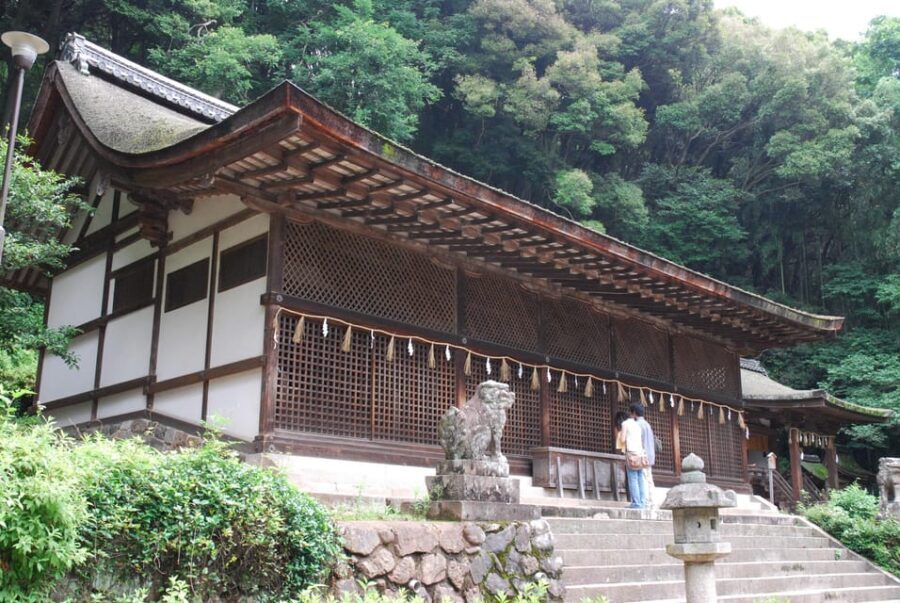
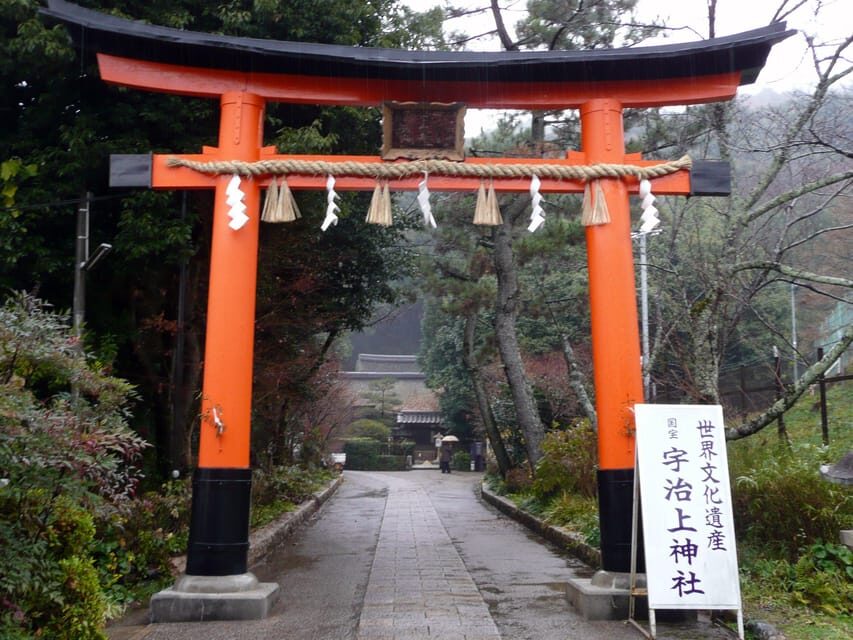
The tour doesn’t stop at Buddhism. You also visit Uji Shrine and Ujigami Shrine, each with guided time (about 20 minutes each). This pairing is smart because it prevents your Uji experience from becoming one-note. You get to see how Shinto worship shapes the culture you’ve been hearing about.
What I like is how these visits feel like a practical way to understand beliefs without turning it into a textbook. Shrines are built for ritual and atmosphere—so you learn by being there, watching how people move through the space, and listening to the guide connect details back to meaning.
The walking time between stops is brief, but you’ll still want to move steadily. If you’re sensitive to uneven ground or steep steps, go at a careful pace. This is also one of the reasons the tour has specific health and mobility limitations.
You can also read our reviews of more historical tours in Uji
Snack Time on Uji Bridge: Matcha and Uji Flavors You Can Choose

The tour ends at Uji Bridge, with about 40 minutes set aside for local snacks. This is where Uji’s food culture becomes real, not theoretical. You get time to taste Uji’s well-known green tea and related culinary treats, which is ideal if you’ve been thinking matcha equals just a drink.
I like having snack time near the end, because you’re calmer and more open to trying things. By then, you’ve already learned the cultural role of tea and the rhythm of the day, so the tastes make more sense. Plus, you’ll likely be walking and sightseeing while looking for flavors, not just eating at random.
One important practical detail: bring cash. The tour includes tea ceremony and entrance fees, but personal purchases come out of your pocket.
Price and Value: Why $66 Can Actually Feel Fair
At $66 per person for a 3-hour small-group tour, the value comes from what’s bundled. You’re not just paying for a walking route. You’re paying for an English-speaking guide, Byodoin Temple entrance fees, and the tea ceremony at Taihoan.
Here’s how that can work out in real life. A proper tea ceremony experience isn’t free in most places, and temple admissions add up too—especially once you factor in the inconvenience of coordinating everything yourself. The small group size (limited to 9 participants) also matters because it keeps questions and explanations from getting swallowed in crowd noise.
You’re still responsible for personal expenses, and there’s no hotel pickup or drop-off included. But if you’re already in the area and can meet at JR Uji Station, the structure is efficient.
Who Should Book This Uji Tour (and Who Should Skip It)
This tour is a strong fit if you want a focused Uji day that covers the big anchors: Byodoin Temple, tea ceremony culture, and bridge views, with Shinto shrines added in. It’s also a good choice if you like your cultural experiences explained in plain language and want a route that keeps you moving without chaos.
You should think twice if you need step-free routes or have health concerns related to walking and standing. The tour explicitly isn’t suitable for people with mobility impairments, pregnant women, and those with heart problems or respiratory issues. The bridges and temple/shrine visits involve physical movement, so this one isn’t designed to be gentle or minimal-walking.
If you’re traveling with limited time and want something more meaningful than a quick matcha stop, you’ll likely appreciate the balance here: sacred sites plus tea plus views plus food.
Booking Tips That Make the Day Easier
A few habits will make your 3 hours smoother:
- Wear comfortable shoes before you arrive. You’ll thank yourself at the first temple steps.
- Plan to be at the meeting point early. The guide is waiting at JR Uji Station South Exit, and the tour starts on time.
- Bring cash for snack time and any extra matcha or sweets you want to buy.
- Decide your photo priorities. Save your camera energy for bridges and temples, because the tea ceremony has strict no-recording rules.
And one more practical thought: this is a city walk on a set schedule, so give yourself buffer time to reach the start. Morning traffic can differ from what navigation apps suggest.
Should You Book Uji: UNESCO Heritage & Tea Ceremony Walking Tour?
I’d book it if you want one organized day that hits Uji’s core identity: UNESCO temple culture, Taihoan tea ritual, bridge views, shrine visits, and snack time for matcha-flavored treats. The biggest reason is the mix of experiences. You get a serious cultural stop (Byodoin), a sensory ritual (tea), and then open-air scenery (suspension bridges), ending with food so nothing feels academic.
Skip it if you strongly prefer low-walking outings or if you need an environment where photos are always allowed. Also, if you don’t want any structure or etiquette rules, the tea ceremony’s format may feel like too much.
FAQ
Where does the tour start?
The tour meets at JR Uji Station (South Exit). The guide will be waiting there wearing a TripGuru shirt or holding a TripGuru sign.
How long is the Uji walking tour?
The tour lasts about 3 hours.
What’s the group size?
This is a small group limited to 9 participants.
Is the tea ceremony in English?
The tea ceremony is conducted in Japanese only, but your guide will translate what’s happening for you.
Can I take photos or record video during the tea ceremony?
No. Photo and video recording is prohibited during the tea ceremony.
What’s included in the price?
Included are an English-speaking guide, the tea ceremony (listed as 30 minutes), and entrance fees to Byodoin Temple.
Do I need hotel pickup or drop-off?
No. Hotel pick up and drop off are not included.