REVIEW · UJI
Uji: Green Tea Tour with Byodoin and Koshoji Temple Visits
Book on GetYourGuide →Operated by Pinpoint Traveler · Bookable on GetYourGuide
Uji can feel like Kyoto’s calm cousin. This guided green tea experience shows you why Uji tea earned its reputation, then pairs that taste with two UNESCO temple visits: Byodo-in and Koshoji. You also walk through places tied to Shinto, Buddhism, and samurai-era culture.
I love the way the tea lesson stays practical, from how gyokuro is graded and grown to how brewing changes the flavor. I also like that the temple side isn’t just sightseeing—you get context for how Shinto purification and Buddhist space work together in Uji.
One thing to consider: this tour isn’t great for anyone with mobility limits. There are stairs, and it runs rain or shine, so comfortable shoes really matter.
In This Review
- Key points to know before you go
- Uji’s tea-and-temple route: why this feels different from Kyoto
- Starting at Keihan Uji Station and setting the pace for 4 hours
- The 1160 teahouse stop: where a tea shop becomes a family legacy
- Gyokuro tasting: what makes Uji tea taste different
- How tea, Shinto water, and purification connect at Ujigami Shrine
- Crossing toward Byodo-in: the pilgrimage path feeling
- Byodo-in UNESCO: Phoenix Hall and the museum angle
- Koshoji Temple at mountain level: the Zen finish
- Price and value: is $111 fair for tea plus UNESCO temples?
- Who should book, and who should skip this one
- Practical tips to make your Uji morning easier
- Should you book the Uji green tea tour with Byodo-in and Koshoji?
- FAQ
- FAQ
- How long is the Uji green tea tour?
- Where does the tour start and end?
- Are temple admissions included?
- What tea experience is included?
- Is food included on the tour?
- What languages are the guides?
- Does the tour run in the rain?
- Is it accessible for people with limited mobility?
- What should I bring?
- Is there free cancellation?
- Is it private or small-group?
Key points to know before you go
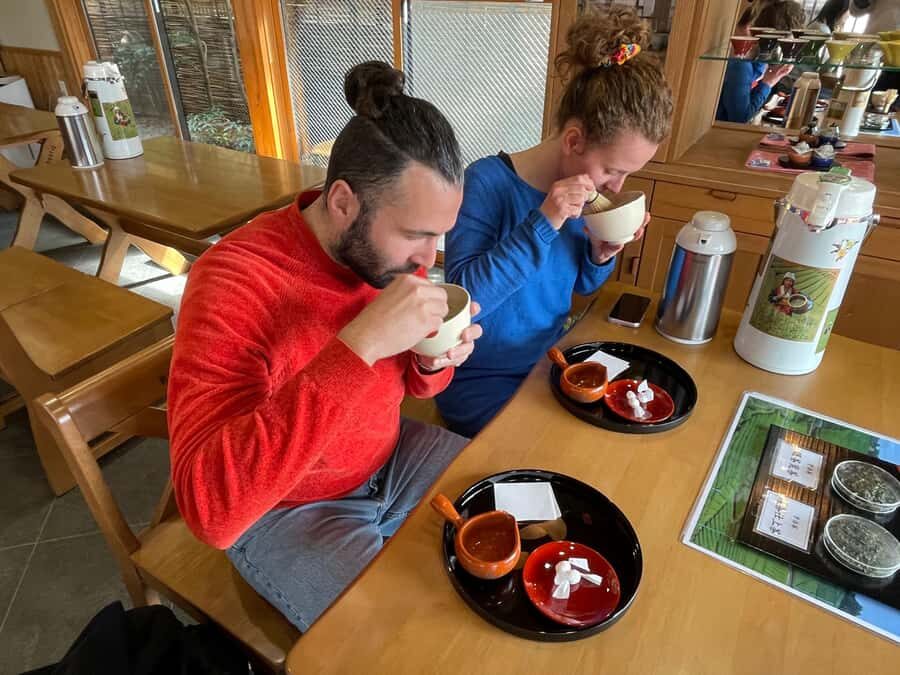
- World-class gyokuro tasting with explanations of growing, brewing, and taste differences
- UNESCO sights close together: Byodo-in plus the mountain shrine-and-temple atmosphere of the area
- Ujigami Shrine purification in a stone grotto, tied to Uji’s tea water tradition
- Phoenix Hall at Byodo-in, with a museum included in the visit
- Koshoji Temple on higher ground, good for a quieter, Zen-leaning end
- Small-group feel with guides (examples include Damien, Ferdinand, and Brian) who focus on clarity and respectful temple manners
Uji’s tea-and-temple route: why this feels different from Kyoto
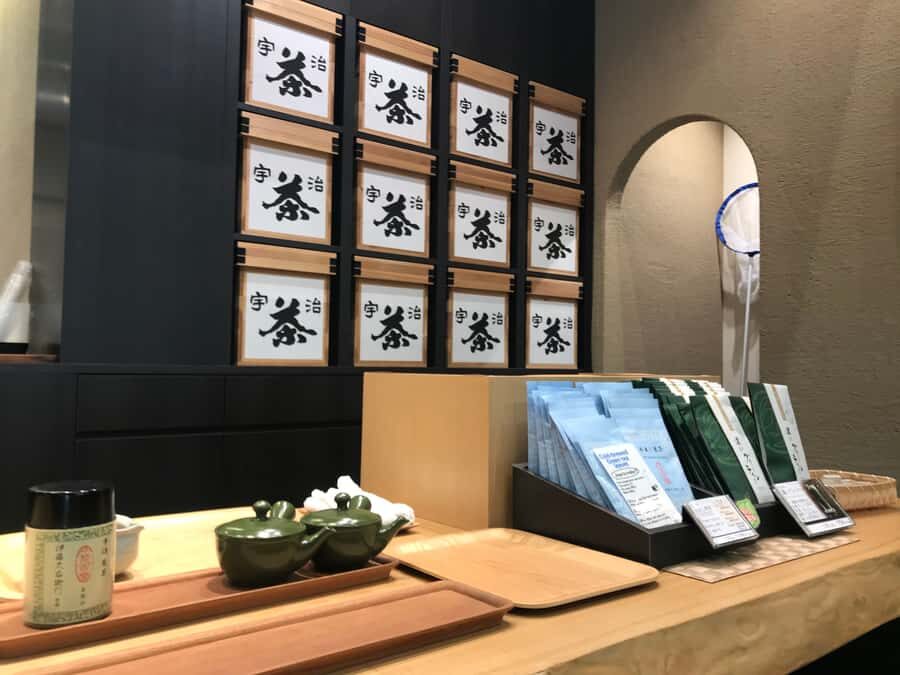
If Kyoto is a spotlight, Uji is more like a dim lamp you can actually see by. It’s only about a 30-minute local train ride from central Kyoto areas like Gion or Kyoto Station, yet it often feels calmer. You’ll get river views, mountain backdrops, and that classic Uji walkway vibe without the constant crush.
The big reason I think this tour works is the pairing. You taste tea, then you see the religious and cultural settings that shaped how people valued it. In other words, it’s not just a tea stop and a temple checklist. You see how samurai-era support, Shinto practice, and Buddhism-era art all feed into the same place.
You’ll also be in an area where UNESCO is close by—two UNESCO world heritage sites within about a 10-minute walk. That makes the day feel efficient. You’re not burning time crossing the city.
You can also read our reviews of more tours and experiences in Uji.
Starting at Keihan Uji Station and setting the pace for 4 hours
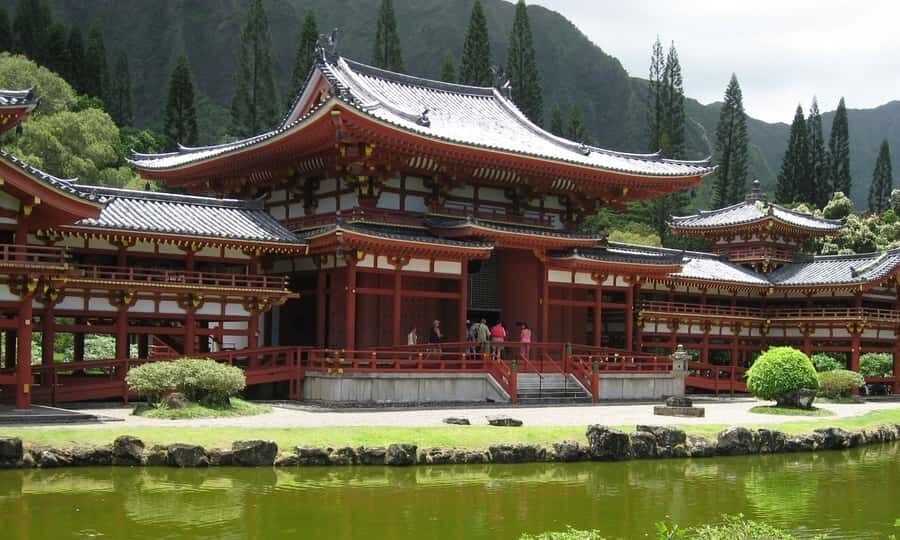
Your day starts at the only exit at Keihan Uji Station. There’s an escalator all the way up to ground level, which is a nice early win if you’re hauling a small day bag. From there, you’ll head through the tea town area at a walkable rhythm.
The tour lasts about 4 hours, and starting times vary, so check the schedule for your preferred departure. You’re not asked to rush between stops. That matters because both temples involve walking plus some stairs. The pace works best if you show up ready to be on your feet.
This is also a rain-or-shine outing. You’ll want layers and shoes with grip. Even if the weather is kind, expect some uneven temple paths.
The 1160 teahouse stop: where a tea shop becomes a family legacy
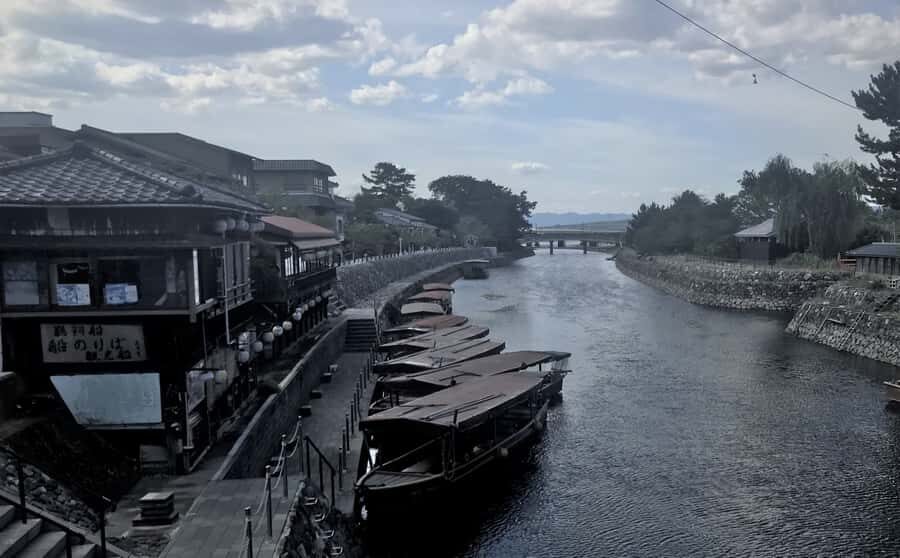
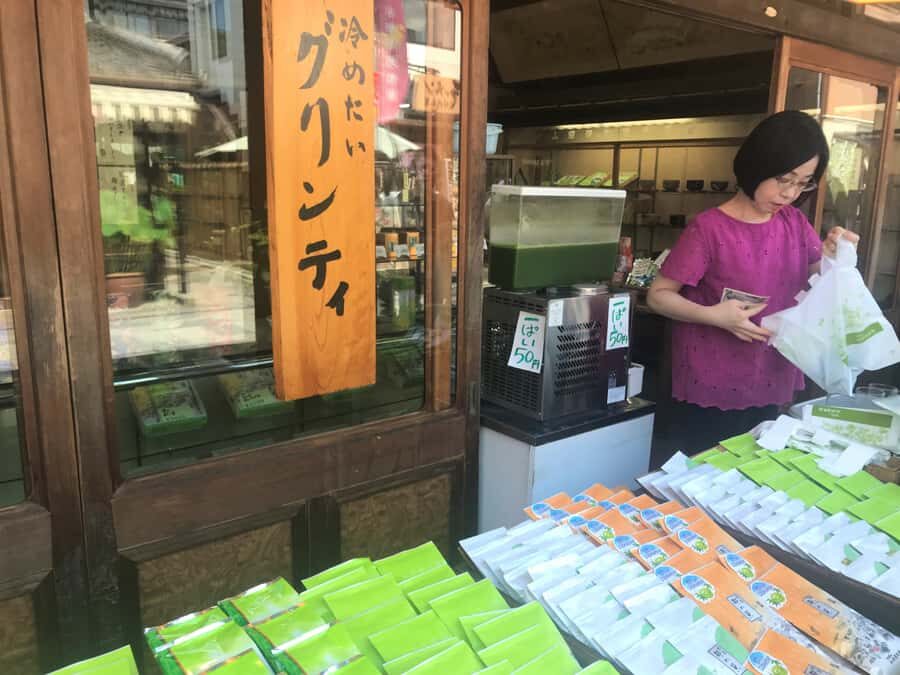
One of the standout early moments is visiting a teahouse that traces its operation back to 1160 AD. That’s the kind of timeframe that makes tea feel less like a trendy drink and more like a living craft.
Your guide’s job here is to connect the story to the object. You’ll hear how a samurai connection helped shape the shop’s leadership, and how the family ran it for 24 generations. Then you shift from backstory to senses.
This stop sets up what comes next: the point isn’t just tasting. It’s learning how tea culture became part of daily life, and why Uji’s tea became linked with respect, ritual, and hospitality. If you like cultural context (and not just photo stops), this is a strong opener.
Gyokuro tasting: what makes Uji tea taste different

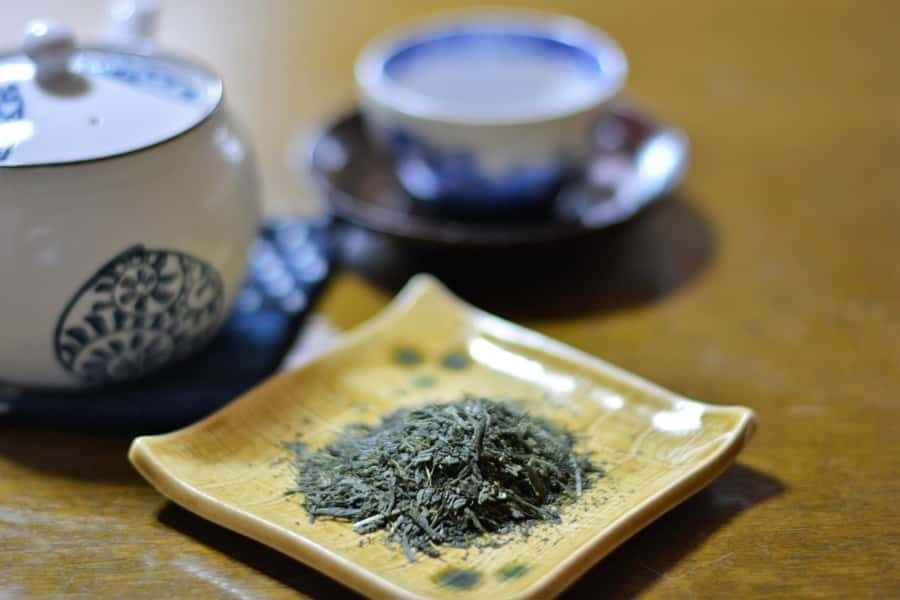
Here’s where the tour earns its keep. You’ll do a Japanese gyokuro green tea experience plus a guided tea tasting. The lesson is built around the idea that quality is not magic—it’s cultivation and handling.
You’ll learn what makes gyokuro special, including how it’s grown, and what changes when it’s brewed. That includes understanding why the same leaves can taste different depending on preparation. Your guide will help you connect those differences to what you’re seeing and smelling in the cup.
Then you get a fun, unusual twist: you’ll mix the remaining tea leaves with ponzu sauce and eat them. It’s not the kind of tasting you can recreate blindly at home, and it teaches you that tea doesn’t end when the cup empties. It becomes food and ritual, too.
If you’re a tea lover, you’ll likely appreciate the extra care in how the tasting is explained. And if you’re new to Japanese green tea, this format is beginner-friendly because it gives you a framework before you start guessing flavors.
How tea, Shinto water, and purification connect at Ujigami Shrine
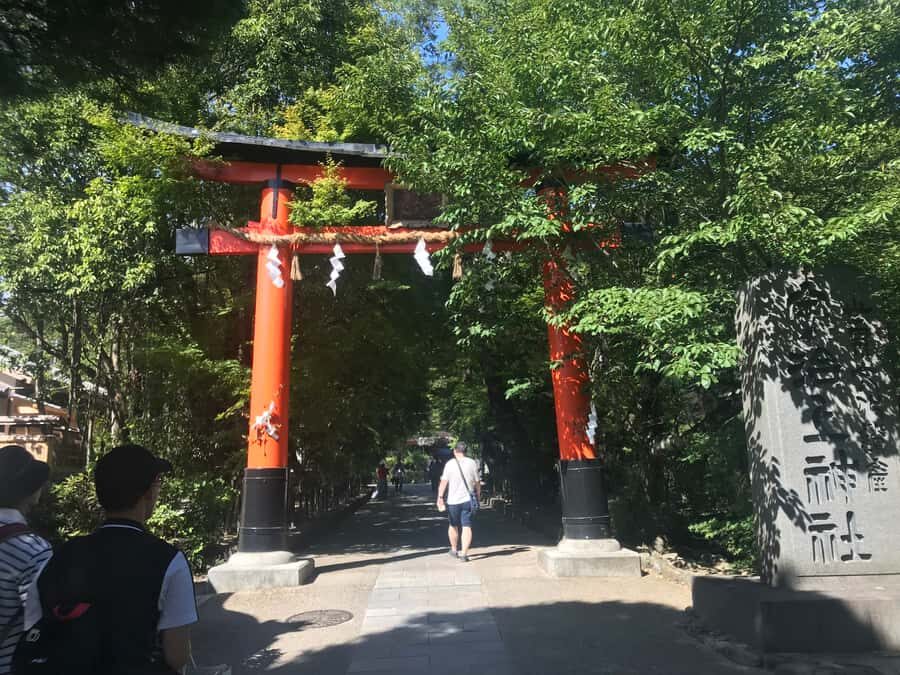
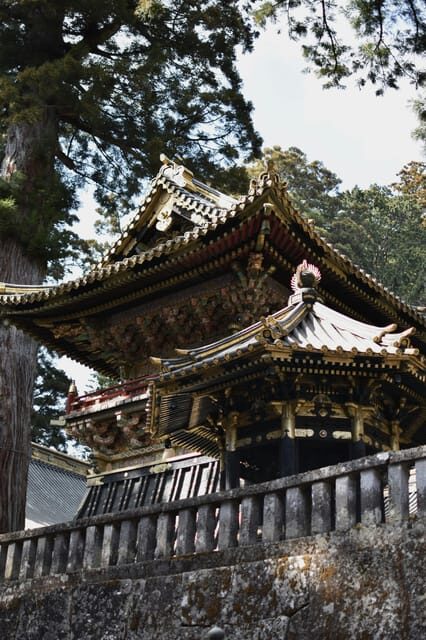
After the tea lesson, you move into the mountain side atmosphere with Ujigami Shrine. This is described as the oldest original Shinto shrine in Japan, and it’s also tied to UNESCO. That combination matters because it helps explain why Uji tea culture isn’t just “local tradition.” It’s part of a broader spiritual map.
The guide also points out a key link to tea production: the shrine houses what’s described as the last remaining source of natural spring water that many tea houses still collect for brewing. That detail changes how you think about tea. Water isn’t just background. It’s an ingredient with meaning.
You’ll enter a stone grotto and do a purification step with that water. It’s simple, but it’s also one of those moments that makes temple visits feel intentional rather than random. You’re being asked to slow down and follow a respectful routine.
If you want one practical takeaway: ask your guide to show you the correct way to participate. In past runs of this tour, guides have also taught guests how to do a shrine blessing properly, and it’s a nice skill to carry through your other visits in Japan.


Crossing toward Byodo-in: the pilgrimage path feeling

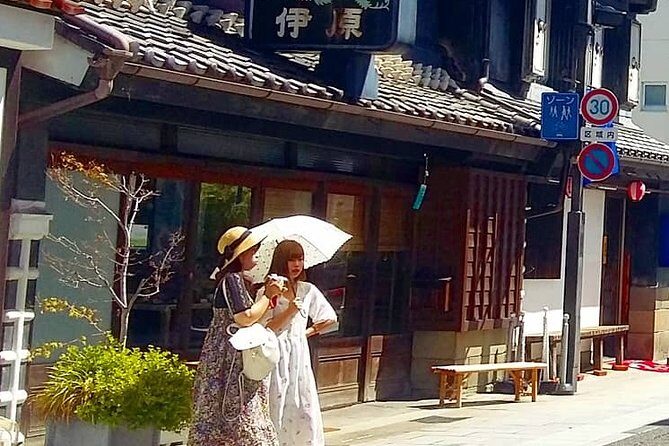
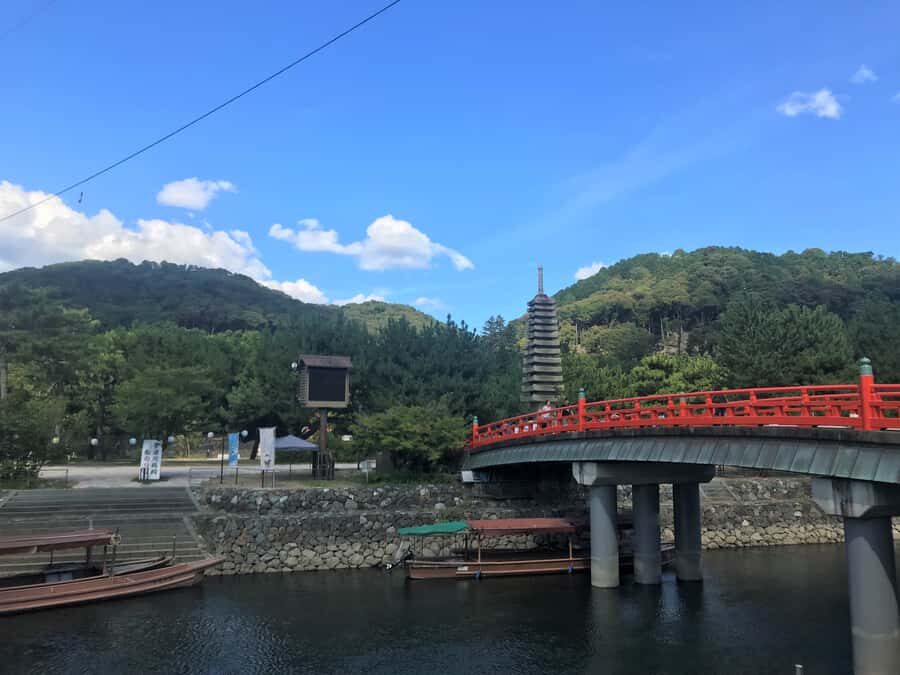
From the shrine area, you cross the river and head toward the Byodo-in approach. Along the way, you’ll see a pilgrimage-style path lined with tea shops that go back to medieval times.
This section is worth paying attention to even if you’re tired of walking. Why? It shows the “in-between” space where tea, commerce, and devotion overlap. You’re not only seeing temples. You’re seeing the streets that grew around them.
It also gives you a visual reset before Byodo-in proper. The air feels more open here, and you’re moving toward one of Japan’s most recognizable temple compositions.
Byodo-in UNESCO: Phoenix Hall and the museum angle
Byodo-in is your major temple stop, and admission is included. It’s a UNESCO World Heritage site, so expect the place to feel both historic and curated—just in a temple way, not a museum gift-shop way.
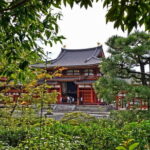
A big highlight is seeing the Phoenix Hall. This is the moment where Uji tea culture and religious art connect in a single view. You’re not just hearing about values; you’re seeing the result in architecture.
Also included is the modern museum connected with the site. That matters because it fills in what you might miss if you only look at buildings. Instead of treating the hall like a single postcard, the museum helps you understand the spiritual and artistic choices that shaped it.
Tip: if you’re short on time later in Kyoto, don’t skip museums like this on day trips. They’re often the difference between seeing something and understanding it.
Koshoji Temple at mountain level: the Zen finish
After Byodo-in, the tour goes back toward nature with Koshoji Temple. This temple is described as dramatic and mountain-hugging, and the vibe is more “slow down” than “rush for the main hall photo.”
This is the part of the day that can feel like a palate cleanser after the architecture of Byodo-in. You’ll get a calmer atmosphere and some time to soak in the mountain setting—plus the sense that temples were built for quiet thinking, not only crowds.
It’s also a good place to reflect on what you learned earlier. Tea isn’t separate from religion here. You’ve walked from purification, to pilgrimage path, to Phoenix Hall symbolism, and now to a mountain-side temple mood.
Price and value: is $111 fair for tea plus UNESCO temples?
Let’s talk value honestly. $111 per person for a 4-hour guided outing is not a budget bargain, but it also isn’t just paying for a bus ride and a selfie stop.
You’re paying for several concrete pieces:
- A guided tour with explanations throughout
- Japanese gyokuro tasting plus a structured tea lesson
- Byodo-in admission included
- Koshoji admission included
Admissions alone can add up fast in Japan, and the tea experience isn’t a casual “try a sample.” It’s described as a guided process with growth, brewing, and tasting differences, plus that ponzu-and-leaves experience.
So if you like tours that help you understand what you’re seeing—especially in temple settings—this price starts to make sense. If you only want photos and don’t care about context, you might find it pricier than going solo and picking your own teahouse. But for most tea lovers and culture-focused visitors, the mix here is the point.
Who should book, and who should skip this one
This tour suits you best if you’re:
- A tea lover who wants more than matcha-only learning
- Interested in the connection between Shinto and Buddhism in everyday place-making
- Happy with a walking route that includes stairs and uneven temple grounds
- The type of traveler who appreciates guides who teach respectful routines, not just facts
You should think twice if you have limited mobility. The tour is specifically noted as not recommended for people with limited mobility, and it also isn’t suitable for people with back problems, mobility impairments, or heart problems. If any of those apply, you’ll likely be more comfortable choosing a gentler plan.
Also, go in knowing you won’t be doing a long lunch on this tour. Food and drink outside the tea experience aren’t included, so plan a meal before or after.
Practical tips to make your Uji morning easier
Here’s how I’d set yourself up for a smoother day:
- Wear comfortable shoes with grip. Stairs and temple paths are part of the experience.
- Bring a small umbrella or a light rain layer. It runs rain or shine.
- Go with an open mind about tea tasting. You might taste things you’ve never tried before.
- If you’re unsure about shrine etiquette, ask your guide how to participate. Guides on this route have taught guests how to do a shrine blessing properly.
- After the tour, give yourself buffer time to wander the tea-shop streets. The pilgrimage path feel is part of the charm.
If you love photos, you’ll have plenty of opportunities, but don’t let the camera run the day. The best moments are often when the guide explains why something matters.
Should you book the Uji green tea tour with Byodo-in and Koshoji?
I’d book this tour if your goal is tea plus meaning, not just tea plus a temple postcard. The biggest strength is the pairing: gyokuro tasting connected to shrine water, then a UNESCO temple visit connected to the same cultural world.
If you’re traveling in the Kansai area and you want a break from Kyoto’s most crowded routes, this is one of the smarter ways to do it. You get UNESCO-quality stops, plus a tea experience with enough structure to make it memorable.
But if you can’t handle stairs or uneven ground, skip it. There are other Uji experiences that keep things flatter, and your comfort is worth more than checking one more temple off a list.
FAQ
FAQ
How long is the Uji green tea tour?
It runs about 4 hours. Starting times can vary, so check the available schedule when you book.
Where does the tour start and end?
The start is at the only exit at Keihan Uji Station (with an escalator up to ground level). The tour ends back at the meeting point.
Are temple admissions included?
Yes. Byodo-in and Koshoji Temple entrance fees are included.
What tea experience is included?
You get a Japanese gyokuro green tea experience and a guided tea tasting.
Is food included on the tour?
Food and drink outside of the tea experience are not included.
What languages are the guides?
The live tour guide is listed in English and Spanish.
Does the tour run in the rain?
Yes. It takes place rain or shine.
Is it accessible for people with limited mobility?
No. It is not recommended for people with limited mobility, and it involves stairs. It is also noted as not suitable for people with back problems and mobility impairments.
What should I bring?
Wear comfortable shoes, since there are stairs and walking involved.
Is there free cancellation?
Free cancellation is available up to 24 hours in advance for a full refund.
Is it private or small-group?
Yes. The tour offers private or small groups.