REVIEW · UJI
Kyoto: Tea Museum Tickets and Matcha Grinding Experience
Book on GetYourGuide →Operated by Chazuna · Bookable on GetYourGuide
Matcha starts with your own two hands. In Uji at Chazuna, you’ll grind tencha into powder, learn the basics from an instructor, and taste the matcha you made. It’s a Kyoto tea stop that’s sensory first, history second, and surprisingly calming.
I especially liked two parts: the hands-on tea mill grinding process, and the museum’s interactive approach with touchable, easy-to-follow displays. You’ll get context on how Uji tea is made, then use what you learn right away in your own bowl.
One thing to consider: the session is short (about 1 hour) and runs on time. Arrive early, because participation can be refused if you’re late by 30 minutes, and the experience is built for you to finish on schedule.
In This Review
- Key highlights worth your time
- Getting to Chazuna in Uji: the short walk from Uji Station
- Entering the 1F reception and the History Room with the 10-yen coin
- Meisho-zue, touchable displays, and the 4K screen that makes Uji feel real
- Tea grinding at the mill: make matcha powder with a view
- Whisking and brewing with a Japanese tea instructor (English supported)
- The summer-only 2:45 p.m. iced matcha over ice cream
- Museum time you’ll actually finish: compact but purposeful
- Price and value: about $23 for museum + matcha workshop
- Who should book this Kyoto tea museum matcha session
- Small but important timing tips before you go
- Should you book Chazuna’s Kyoto matcha grinding experience?
- FAQ
- How long is the Kyoto Tea Museum Tickets and Matcha Grinding Experience?
- Where do I meet for the matcha grinding experience?
- What languages are available for the instructor?
- Is it wheelchair accessible?
- Can I cancel for a full refund?
- Is there an extra summer-only option?
Key highlights worth your time
- Tea grinding under instruction so you get the motion right, not just the photo
- Digital exhibitions you can interact with, including Meisho-zue-style visuals
- A history room welcome featuring a huge 10-yen coin and Byodoin Phoenix Hall
- Matcha from a tea mill with Uji tea fields and garden views as your backdrop
- Brew and taste what you made, with English support available
- Optional summer treat at 2:45 p.m. when available, using your own ground matcha
Getting to Chazuna in Uji: the short walk from Uji Station
This is one of the easiest Kyoto-area day add-ons because Uji is close and the walking is straightforward. If you’re coming by train, plan on a roughly 4-minute walk from Uji Station on the Keihan Uji Line. From the south exit of JR Nara Line Uji Station, it’s about a 12-minute walk.
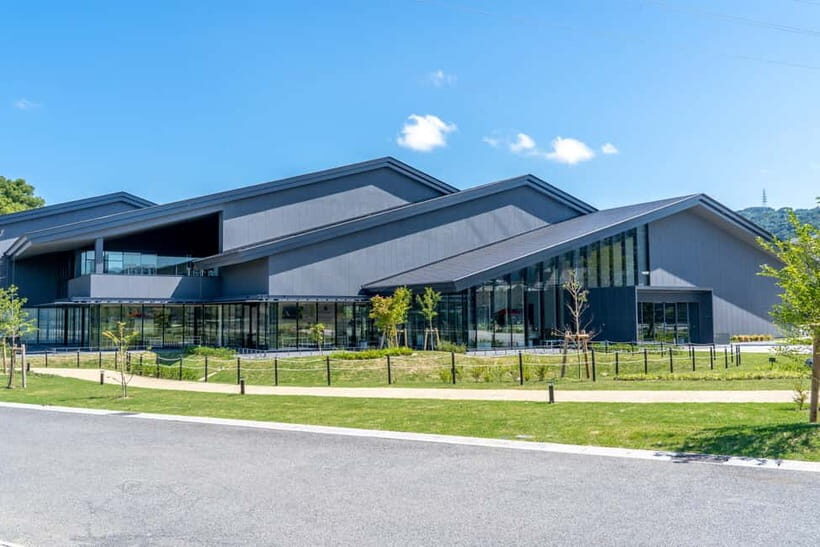
The meeting point is the 1F reception area at Chazuna, in the Historical Park of Tea and Uji Town. If you’re driving from Osaka, you’ll exit at Keiji Bypass Uji Nishi IC and head toward Uji on a side road (about 10 minutes). From Tokyo or Nagoya, you’ll turn left at the traffic light at Keiji Bypass Uji-higashi IC Exit (about 3 minutes).
Two practical tips that save stress:
- Go early and use the first few minutes to settle in. Your class starts fast once it begins.
- Wear shoes that handle temple-park walking. Uji is pleasant, but paths can be uneven.
You can also read our reviews of more tours and experiences in Uji.
Entering the 1F reception and the History Room with the 10-yen coin
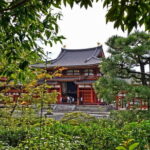
Once you check in at the 1F reception, the experience flows into the museum area. In the History Room, you’re greeted by a huge 10-yen coin showing the Byodoin Phoenix Hall. It’s a smart way to anchor Uji tea in place—this isn’t just matcha facts, it’s Uji identity.
From there, you’ll learn about the town and the tea story in a way that feels organized and not overwhelming. The exhibits are designed to be easy to follow, with help that doesn’t require prior tea knowledge.
What makes this stop work for you is the pacing:
- You start with big visual cues (like the coin and famous hall reference).
- Then you move into the production and cultural basics.
- And finally, you apply it immediately at the tea mill.
A quick note: your session depends on starting on time. The guidance asks you to arrive 15 minutes before your reservation, and you won’t be allowed to join if you’re more than 30 minutes late. That’s unusual strictness for a workshop, but it keeps the group moving.
Meisho-zue, touchable displays, and the 4K screen that makes Uji feel real
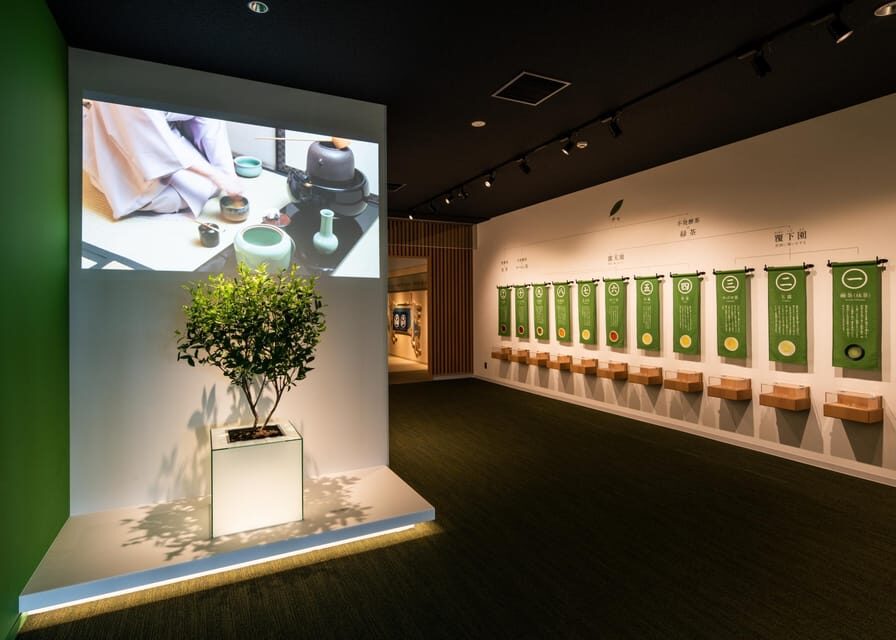
The museum isn’t just posters on the wall. You’ll see digital exhibitions you can touch and experience, including a large 4K HDTV digital screen with modernized townscape drawings, often called Meisho-zue.
For me, the advantage of this kind of display is speed. You don’t need to interpret old maps or guess what you’re looking at. You get an instant sense of how Uji town life ties into tea—where people lived, how the area developed, and why certain tea concepts matter.
The displays also focus on how Uji tea became what it is today. You’ll learn about the inception and production process of Uji tea at Chazuna, and the museum framing helps you understand what you’re grinding and tasting later.
If you’re the kind of traveler who likes to connect food to place, this museum layer is a real value-add. You’ll leave with more than a taste memory.
Tea grinding at the mill: make matcha powder with a view
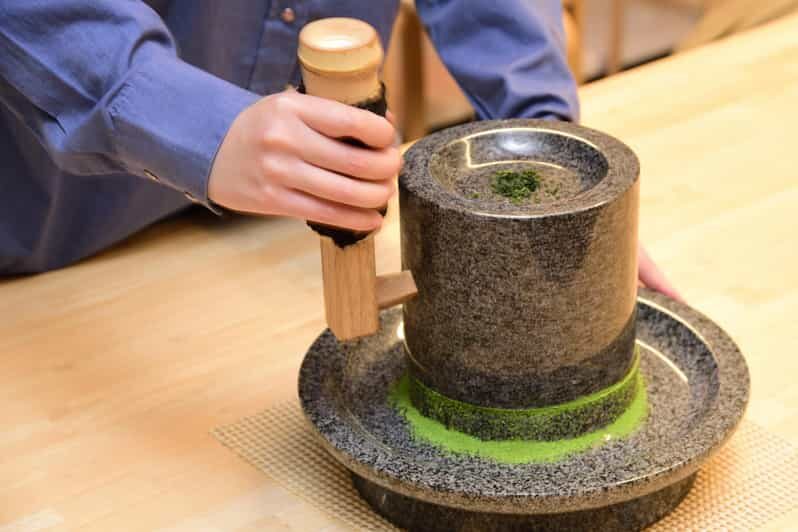
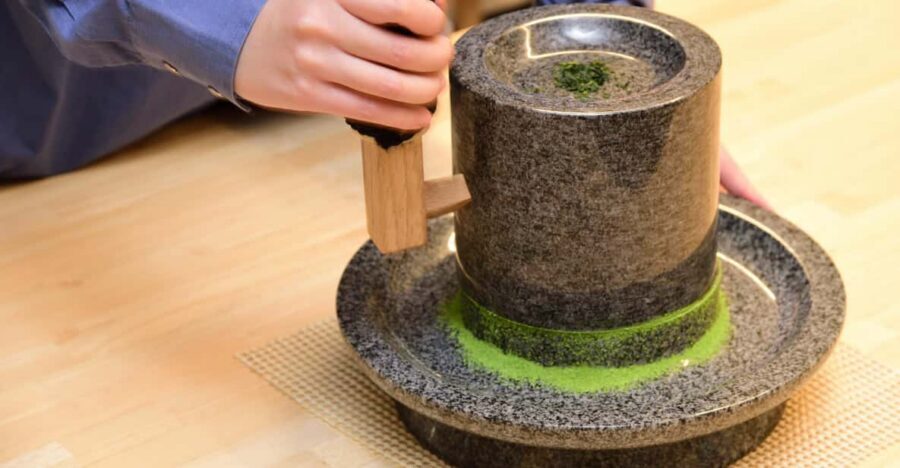
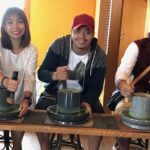
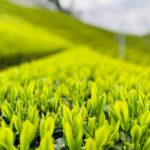
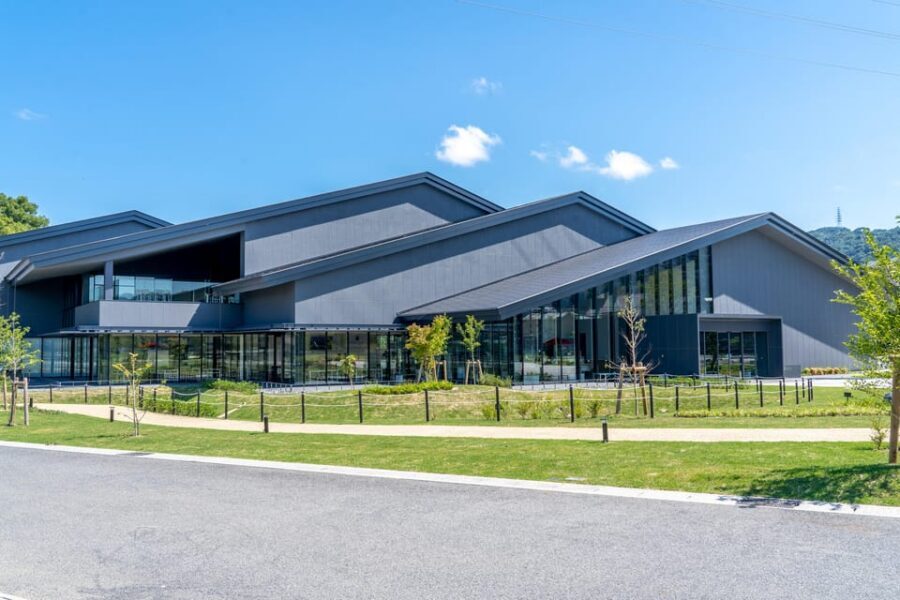
Now the best part: the matcha making experience proper. You head to grind tea leaves from a tea mill into powder. The setting matters here. Even if you’re only seeing it briefly, you’re grinding in a place that visually reinforces tea-country Uji—tea fields and gardens nearby.
The workshop is guided by a tea instructor who teaches you how to handle the process, so you don’t just repeat steps. Expect instruction on the basic approach: how the motion works, how to get to a fine enough powder, and how the sensory side (smell, texture, color) changes as you go.
This is also where your matcha experience becomes personal. After grinding, you’ve basically earned the right to pay attention when you taste. Your brain won’t treat it like an anonymous drink anymore. It’s your powder, your bowl, your effort.
From instructor names shared by participants, you may meet people like Hideko, Keiko, Yano-san, or Sukimoto. The common theme is clear: they’re friendly, patient, and happy to explain. English support is available, so you’re not stuck guessing your way through.
Whisking and brewing with a Japanese tea instructor (English supported)
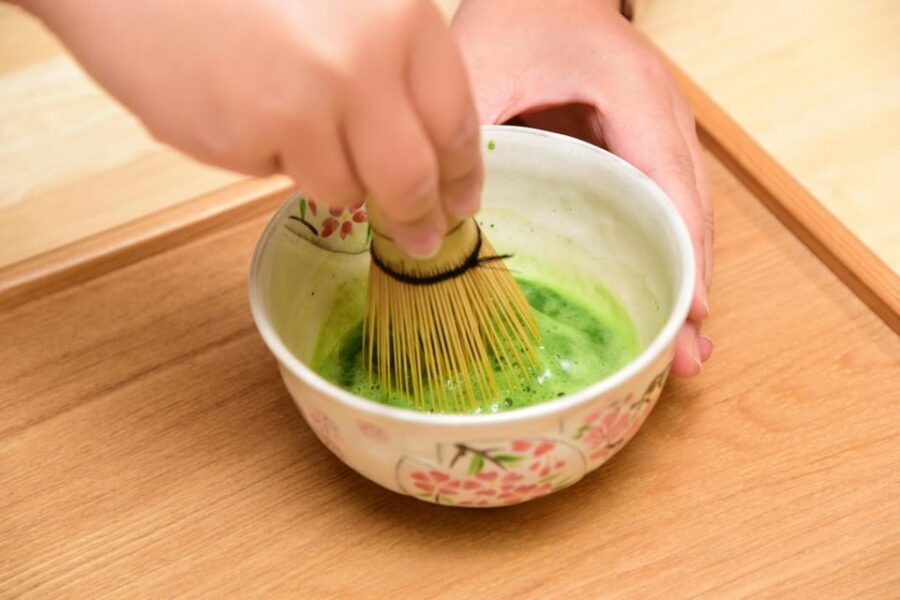
After grinding, the process shifts to drinking. Under guidance, you learn how to brew matcha—steps you can repeat later at home.
If you’ve only ever had matcha as a bottled drink, this part changes your expectations fast. You start seeing matcha as something more technical than it looks. Temperature, whisking technique, and even the way you handle the bowl affect the result.
What I liked about the teaching style is that it’s hands-on. Even when the session is moving along, you’re not just watching from across the room. You’re building the muscle memory.
And yes, the human side matters. A lot of participants highlight instructors making the experience fun—some even described the explanations as funny or lively. That keeps it from turning into a lecture while you wait for your turn.
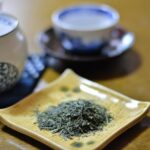
By the end, you get to enjoy your own matcha creation. It’s not a long ceremony. It’s a practical matcha lesson that lands in your hands and then lands in your cup.
The summer-only 2:45 p.m. iced matcha over ice cream
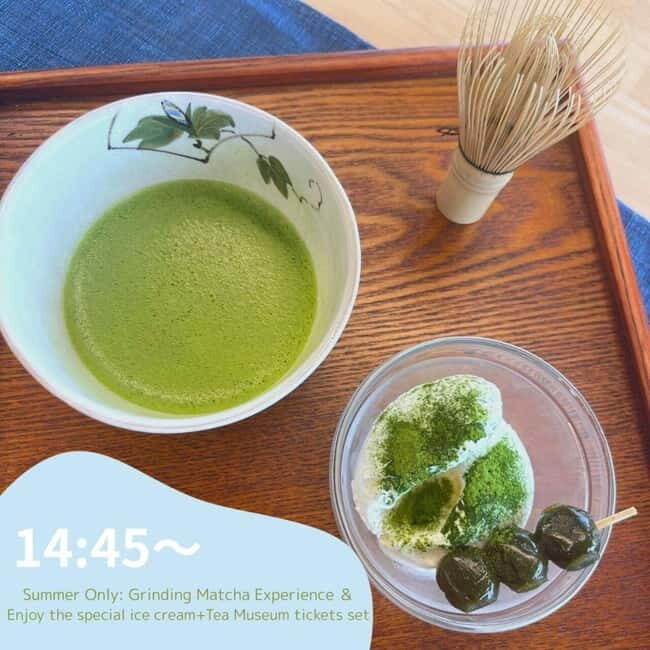
There’s one seasonal add-on worth planning around: a summer-only experience at 2:45 p.m. only.
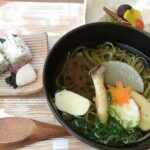
When it’s offered, the restaurant experience lets you do something playful with your ground matcha. You can pour your matcha over ice cream, and you can also pour it over ice cream and eat it. The session is tied to that specific time, so if you’re traveling in summer and want this treat, build your schedule around the 2:45 slot.
Even if you’re visiting in a different season, keep this in mind: it’s an example of how the experience doesn’t treat matcha as a museum item. It’s food, flavor, and texture. That matters in Japan, where tea culture is tied to everyday sweets.
Museum time you’ll actually finish: compact but purposeful
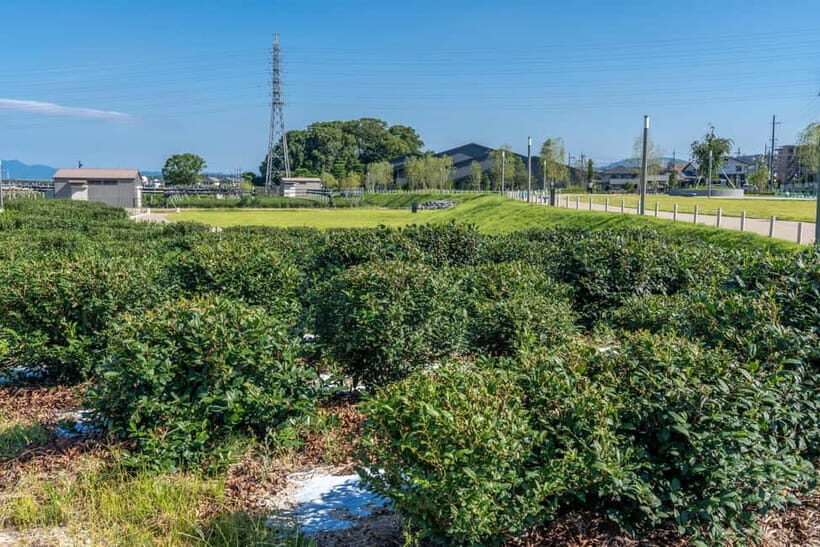
One of the smartest design choices here is that the museum doesn’t sprawl. It’s informative and interactive, but it’s not the kind of museum that eats your whole afternoon.
Expect the museum to support the workshop:
- history and context first
- tea production and town imagery in between
- then matcha grinding and brewing when it clicks
You’ll also likely notice fun photo opportunities inside the museum area. One participant mentioned a spot where you can “swim in matcha.” Even if you don’t care about selfies, these picture spots act like pacing breaks. They keep the energy light while you absorb the tea lessons.
Also, Uji itself is a strong reason to include this stop. It’s small enough to explore after your session, and it’s known for good food and easygoing streets.
Price and value: about $23 for museum + matcha workshop
At around $23 per person for about 1 hour, this works because it combines three things in one ticket:
- entry into the Chazuna museum
- the matcha making experience
- an instructor to guide you
A standalone matcha workshop in Kyoto often costs a similar amount, but here you also get the museum ticket included. That museum time doesn’t feel like filler. It gives you the why behind what you’re grinding.
You’re also paying for the guided part. Grinding matcha isn’t hard, but getting it right is easier with real instruction—especially when you’re learning the technique and then brewing it.
One more value angle: the session is structured, not vague. You know it starts with tea education, moves to grinding, and ends with matcha you drink. There’s minimal downtime.
A possible drawback on value: you’re making a portion for the session, and you shouldn’t treat the experience as a takeaway kit. One participant wished they could take matcha home, so if you’re specifically hoping for supplies, plan to buy tea or matcha afterward in Uji or at a shop you find on your way out.
Who should book this Kyoto tea museum matcha session
This fits best if you want:
- a hands-on Kyoto matcha experience
- a short activity you can place inside a day plan
- teaching in English, with Japanese staff present
- an easy way to connect Uji tea culture to what you’re tasting
It’s also a great pick for groups. One participant described enjoying it as a family experience of five, and another mentioned going solo and being seated with others. The session feels designed for people to participate rather than just observe.
You might skip or reconsider if:
- you’re looking for a full-length tea ceremony with lots of ceremony time
- you hate structured schedules and strict start times
- you want a longer museum visit. This one is focused and compact.
If you’re traveling in Kyoto but want to escape the biggest crowds for a calmer tea town, Uji is a smart move. This activity is one of the easiest ways to turn that short detour into something educational.
Small but important timing tips before you go
This experience is built around smooth transitions. Do yourself a favor and follow the timing guidance:
- Arrive 15 minutes early to the reception counter.
- Plan buffer time for walking from Uji Station.
- Don’t count on phone support for schedule changes. If adjustments are needed, you’ll have to handle them through the website procedure.
If you’re the kind of person who runs late because you stop for snacks, shop smarter: eat after, not before.
Should you book Chazuna’s Kyoto matcha grinding experience?
If you want a tea activity that’s practical, short, and actually teaches you something, I’d book it. Grinding your own matcha is the kind of experience that sticks. And the museum layer adds context without turning your day into a multi-hour project.
I’d especially recommend it if you’re new to matcha or you’ve only had sweetened versions. This gets you to the real texture and the real taste, then shows you how Uji tea culture explains the difference.
Before you decide, just be honest with yourself about the format: it’s about one hour, it starts on time, and it’s structured around tasting what you make—not around a long, leisurely stroll through tea history. If that matches your travel style, this is a very solid use of time in Kyoto’s tea neighborhood.
FAQ
How long is the Kyoto Tea Museum Tickets and Matcha Grinding Experience?
The duration is about 1 hour.
Where do I meet for the matcha grinding experience?
Meet at the 1F reception area at Chazuna, located in the Historical Park of Tea and Uji Town.
What languages are available for the instructor?
The instructor supports Japanese and English.
Is it wheelchair accessible?
Yes, it’s listed as wheelchair accessible.
Can I cancel for a full refund?
You can cancel up to 24 hours in advance for a full refund.
Is there an extra summer-only option?
Yes. At 2:45 p.m. only during summer, the restaurant offers an iced experience where you can pour your ground matcha over ice cream (and also pour it and eat it).