REVIEW · TOKYO
Tokyo Tsukiji Fish Market Tour and Sushi Making Lesson
Book on Viator →Operated by ABC Cooking Travel · Bookable on Viator
Tsukiji turns into a sushi lesson fast. You’ll start with a Tsukiji Outer Fish Market walk and tastings, then head to ABC Cooking Travel to learn classic washoku dishes you can actually eat at lunch. It’s a tight, three-hour plan that feels like two real Tokyo experiences stitched together.
Two things I like a lot: the guidance during the market chaos, and the hands-on cooking time. With an English-speaking guide, you get a clearer path through the stalls and you’re not stuck guessing what’s good to try or how things work. Then at the studio, the small group format means you get real help as you cook, not just watch.
One consideration: this isn’t a tuna auction experience, and the cooking studio is a separate stop. If you’re hoping for a long, deep food-buyer fantasy (or you already cook sushi confidently), the class may feel short and focused.
In This Review
- Key points to know before you go
- Tsukiji Outer Market plus ABC Cooking Travel: the simple idea that works
- Start at Tsukiji Hongan-ji Temple, then get your bearings fast
- What you’ll see and sample in Tsukiji Outer Fish Market
- The transfer to the cooking studio and why it matters
- ABC Cooking Travel: what you learn and how tamagoyaki fits in
- Lunch: you eat what you made, with real drink choices
- Price and timing: is $99.49 worth it?
- Who this tour suits best (and who should skip it)
- Helpful tips so you get the best day possible
- Should you book this Tsukiji fish market tour and sushi making class?
- FAQ
- How long is the Tokyo Tsukiji Fish Market Tour and Sushi Making Lesson?
- Where do we meet for the tour?
- Is there an English-speaking guide?
- What will we cook during the class?
- Is tuna auction watching included?
- Is lunch included?
- Do we have transportation between the market and the cooking studio?
- What group size should I expect?
- Are strollers or luggage allowed?
- FAQ
- What is the minimum age and height for this activity?
Key points to know before you go
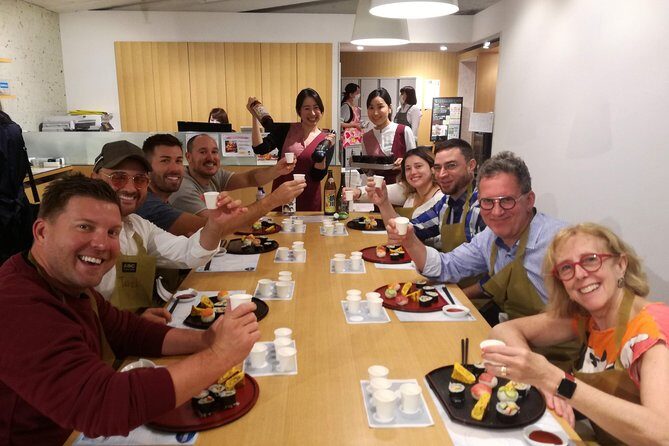
- English-speaking guide in the Tsukiji maze so you can understand what you’re seeing and what’s worth tasting
- Small groups (up to 6) that make it easier to get help during cooking
- Two washoku recipes typically including sushi roll and tamagoyaki, plus side dishes
- Lunch is included and you can pair it with wine, plum sake, or soft drinks
- Outer market experience only with no tuna auction watching
Tsukiji Outer Market plus ABC Cooking Travel: the simple idea that works
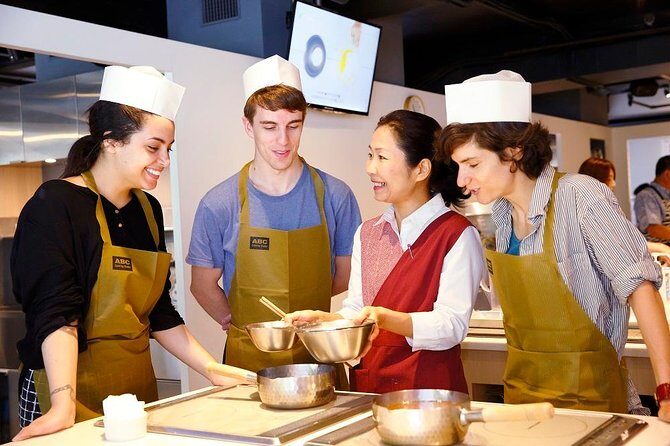
This tour hits a smart formula: you see the ingredients first, then you cook with the same mindset. In Tsukiji’s outer area, the day is all senses—sea urchin, octopus, big tuna, and lots of seafood-grade decisions happening in real time. The point isn’t to master fish identification; it’s to understand what good ingredients feel like when you’re standing right in front of them.
Then the plan shifts to a cooking school environment at ABC Cooking Travel, which is set up for teaching. You’re not learning from a random YouTube video. You’re learning in a studio designed for classes, with an instructor leading steps and a small group keeping things practical.
And you get lunch out of it. That matters. In a lot of food tours you pay, taste a bit, and call it a day. Here, you leave with your own food—sushi and Japanese dishes—so you can take the flavor memory home and try to recreate it.
You can also read our reviews of more shopping tours in Tokyo
Start at Tsukiji Hongan-ji Temple, then get your bearings fast
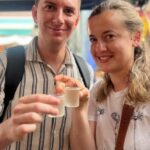
You meet at Tsukiji Hongan-ji Temple. Even if you’ve never walked through temple grounds before, this stop gives you a good reset. The architecture described for this temple is unusual: the outside looks reminiscent of South Asian and Indian traditional design, while the inside shifts to a different feel. It’s a quick cultural contrast before you step into the louder world of market ingredients.
That short intro also helps the timing. You’re about to walk in a busy food zone, and your guide’s job is partly getting your group organized—what to look for, where to stand, and when to move. When the first five minutes are calm and clear, the rest of the tour tends to flow better.
If you’re the type who likes to orient yourself before eating (me too), this is a nice on-ramp.
What you’ll see and sample in Tsukiji Outer Fish Market
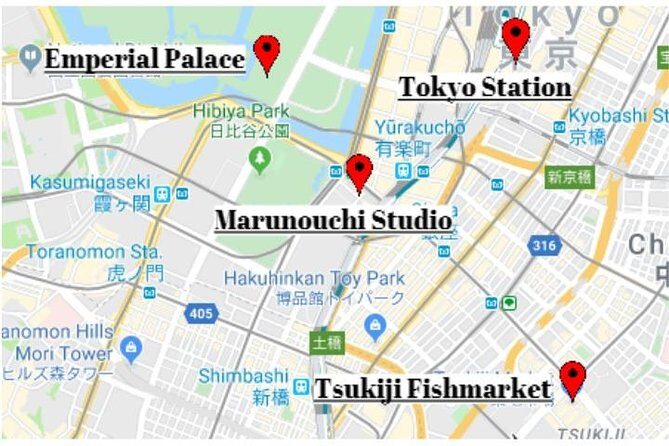
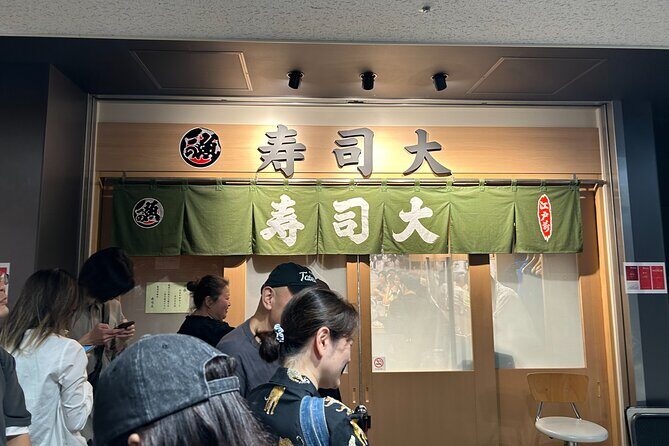
Most of the time is spent in the Outer Fish Market area—plan on roughly 70 minutes here, even though the tour runs about three hours total. This is the working ingredient section you can walk through, not the controlled sit-down version you might see in photos.
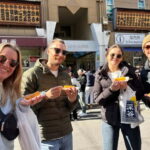
You’ll browse the labyrinth of stalls with an English-speaking guide. This is where the value shows up, because Tsukiji can feel like sensory overload if you arrive without a plan. Your guide helps you focus on what’s worth stopping for, what to sample, and what each ingredient is used for. You also get little taste opportunities along the way, which is important here: you’re not just looking at seafood; you’re tasting Tokyo’s ingredient culture in small bites.
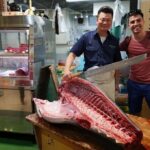
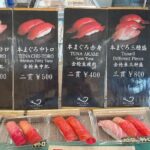
What kinds of things might come your way? The market’s known for everything from seafood display to dried snacks, and the tastings can include items like tamagoyaki-style bites and other Japanese market snacks. You’ll also encounter the big seafood stars—giant tuna, sea urchin, and octopus—arranged for sale. It’s the visual contrast that sticks with you: raw ingredients sitting in neat rows next to everyday foods people actually eat.
Practical tip: eat light at home. You’ll be tasting during the walk, then you’ll cook, then you’ll sit down for lunch. If you show up starving, that’s great for appetite, but it can also make the tasting experience feel like a blur. Give yourself room to notice flavors.
The transfer to the cooking studio and why it matters
After the market, you head to ABC Cooking Travel for your cooking session. Transportation is included between the market and the studio, so you’re not figuring out trains with wet hands and a full stomach.
One thing to know: this studio experience is not inside the market. Some people want the kitchen closer to the seafood. That’s understandable. But the studio setup is the reason the lesson works: it’s clean, organized, and designed for teaching. You’ll cook on a proper class schedule with equipment meant for beginners and intermediates, not a take-a-number market stall.
Also, a change of location gives you a mental reset. Market walking turns your brain on full. The cooking classroom tells your brain to slow down and follow steps: mix, roll, cook, then taste.
ABC Cooking Travel: what you learn and how tamagoyaki fits in
At ABC Cooking Travel, you’ll follow an experienced cooking teacher in a multi-step class setting. ABC Cooking Travel is one of Japan’s biggest cooking school brands, with more than 150 studios across the region and more than 90 studios across Japan. The point of those numbers isn’t marketing fluff—it suggests they’ve standardized lesson formats and training for teachers.
You’ll learn to prepare two washoku recipes. Washoku is Japanese cuisine built around traditional, often home-style methods. In this class, it typically includes a sushi roll plus a Japanese-style omelet called tamagoyaki, along with side dishes.
If you’re nervous about cooking, relax. The class structure matters more than your cooking background. You’re in a room where instructors can watch what you’re doing and help you correct small mistakes before they become big disasters. And because the group size maxes out at six, you’re not lost in a crowd.
What you’re aiming to master is not just the final dish. It’s technique:
- Rolling a sushi-style piece neatly
- Cooking tamagoyaki so it comes out as a sliceable omelet (not just scrambled egg)
- Managing small sides that show up alongside Japanese meals
The lesson content can change based on seasonal ingredients and arrival status, so don’t treat the menu like a fixed script. If you have preferences, you can ask for alternate ingredients.
A few more Tokyo tours and experiences worth a look

Lunch: you eat what you made, with real drink choices
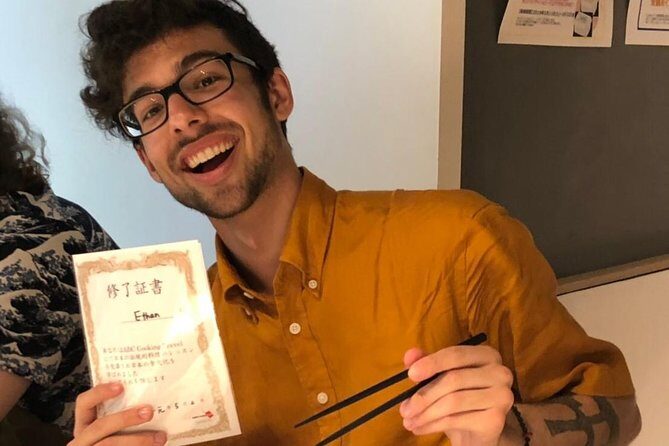
The meal is part of the experience, not an afterthought. After cooking, you’ll sit down and eat your creations for lunch. Drinking water is provided at the studio, and your lunch can be accompanied by your choice of wine, plum sake, or soft drinks.
This is one of the best “value per minute” features. You’re paying for guided learning, then you get a full payoff—food you made yourself. It turns the lesson into something you’ll remember when you’re back in your hotel, hungry, trying to recreate the taste.
Also, sitting down to eat helps you connect the market ingredients to the final dish. That’s the whole point of starting with Tsukiji first.
Price and timing: is $99.49 worth it?
At $99.49 per person for about three hours, the value depends on what you want from your Tokyo day.
Here’s the honest math: you’re paying for (1) an English-speaking guide, (2) guided time in the Outer Fish Market with tastings, (3) transportation to the cooking studio, (4) instruction and use of an apron, and (5) lunch, plus drink options. That’s a lot bundled into a short window.
If you love hands-on learning, the cooking time is the heart of the price. You’re not paying for a lecture; you’re paying to roll, cook, and eat. For beginners, that structure is worth it. For people with some home-cooking experience, it still can work, but you’ll want to go with the right expectations: the focus is on traditional, doable washoku techniques within a set class schedule.
Timing is tight by design. You’ll see the market highlights, but you won’t wander Tsukiji for hours like a solo shopper. Plan your expectations accordingly. This is a “see key things, taste, then cook” format.
And because it’s a mobile-ticket experience, you won’t lose time hunting for paper vouchers on your phone—or sprinting between stations with a printer-less life.
Who this tour suits best (and who should skip it)
This tour is a great fit for:
- Food lovers who want ingredients plus cooking, not just tasting
- Beginner-to-intermediate cooks who want clear steps and help
- Families and groups with kids old enough to participate (minimum age is 9)
- People who want an English-speaking guide to cut through market confusion
It may be less ideal if:
- You’re only looking for the tuna auction (this tour does not include auction watching)
- You want a long, deep market shopping session where you buy lots of items to take home
- You already know how to make sushi comfortably and want a longer, advanced lesson
The upside is that the class is paced for real participation. Some tours overstuff the market portion or keep you waiting too long. Here, the structure pushes you toward doing, eating, and moving on with purpose.
Helpful tips so you get the best day possible
A few practical notes that will make the experience smoother:
- Wear shoes you can walk in. The Outer Market involves lots of movement on uneven, crowded paths.
- Go easy on bulky items. No strollers and no luggage are allowed.
- Bring a light appetite. You’ll taste in the market and then have a full lunch.
- Expect ingredient changes. The lesson can vary by season and ingredient availability.
- If you have dietary needs, ask about alternate ingredients. The tour allows ingredient alternatives.
Also, it’s a short day. That’s good. Just don’t stack it with a late-night plan you’ll regret.
Should you book this Tsukiji fish market tour and sushi making class?
If you want a Tokyo morning that turns into a skill you can practice later, yes—book it. This experience does two things well: it gives you context for what you’re eating in Tsukiji, then it teaches you how to make traditional Japanese dishes like sushi and tamagoyaki in a structured classroom setting. The small group size and English guidance are the difference between a confusing market wander and a focused, enjoyable food lesson.
One final reality check: this is the Outer Market + studio class combo, not a tuna-auction spectacle or a long shopping binge. If that matches your vibe, you’ll likely leave with a full stomach and a clearer idea of what washoku feels like when you cook it yourself.
FAQ
How long is the Tokyo Tsukiji Fish Market Tour and Sushi Making Lesson?
The experience lasts about 3 hours.
Where do we meet for the tour?
You start just outside Tsukiji Hongan-ji Temple at 3-chōme-15-1 Tsukiji, Chuo City, Tokyo 104-8435, Japan.
Is there an English-speaking guide?
Yes. The tour includes an English-speaking guide to help you navigate and understand what you’re seeing.
What will we cook during the class?
You’ll learn two washoku recipes. The class typically includes a sushi roll and tamagoyaki (Japanese omelet), plus side dishes. Ingredients can vary by season and availability.
Is tuna auction watching included?
No. Tuna auction watching is not included.
Is lunch included?
Yes. You’ll finish the session by eating your creations for lunch. The meal can be accompanied by wine, plum sake, or soft drinks.
Do we have transportation between the market and the cooking studio?
Yes. Transportation between Tsukiji Market and the cooking studio is included.
What group size should I expect?
The tour has a maximum of 6 travelers, and it requires a minimum of 2 guests to run.
Are strollers or luggage allowed?
No. Strollers and luggage are not allowed.
FAQ
What is the minimum age and height for this activity?
The minimum age is 9 years old, and the minimum height is 4.2 ft (130 cm).