REVIEW · KYOTO
Tea Ceremony with Kimono and Professional Photoshoot in Kyoto
Book on Viator →Operated by Japan Wonder Travel · Bookable on Viator
Kyoto slows time for 90 minutes. I love the chance to wear a kimono and make your own matcha step by step, and I also like that a professional photographer delivers three digital photos by email as a keepsake. One thing to consider: parts of the ceremony can involve kneeling on the floor, so it may feel awkward if you are not comfortable there.
What you get feels well planned and easy to follow: check in near Nishiki, change into your kimono, watch a live demonstration in a traditional setting, then try it yourself with sweets. The overall vibe is polished and photo-friendly, which is great for memories, but it also means you should set expectations for a structured experience rather than a super long, private ritual.
In This Review
- Quick hits before you go
- Kyoto Kimono Tea Ceremony: what makes it special
- Matching up with Kyoto: where it starts (and why location matters)
- Dressing room to kimono moment: getting ready smoothly
- Watching the tea master: how the ceremony is taught
- Making matcha: the hands-on part you’ll remember
- The photoshoot: how the memory is built into the activity
- Sitting, kneeling, and chairs: comfort in the traditional setting
- Price and value: what $130.78 buys you in Kyoto
- Who this Kyoto tea ceremony is best for
- Small-group pacing: why 90 minutes feels about right
- FAQs about the Kyoto kimono tea ceremony experience
- FAQ
- How long is the tea ceremony with kimono and photos?
- What is included in the experience?
- Where do I meet the tour?
- When should I arrive for check-in?
- What if I’m late?
- Do I get the photos immediately?
- Do I need to provide information before the tour?
- Can the tour accommodate allergies?
- Should you book this Kyoto kimono tea ceremony and photoshoot?
Quick hits before you go
- Kimono selection tied to your measurements: you’ll need to provide height and gender in advance so the staff can prepare options.
- English tea master + hands-on matcha: you watch the ceremony, then make your own bowl and enjoy it with sweets.
- Professional photos during the experience: you don’t have to chase your phone or ask strangers to take pics.
- Three digital photos by email: a simple way to get souvenirs without printing or carrying anything.
- Small group size: the tour caps at 10 people, so there’s less standing around.
- Floor kneeling may be part of it: there are chairs and tables available, but being comfortable matters.
Kyoto Kimono Tea Ceremony: what makes it special
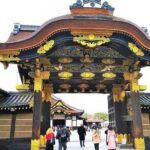
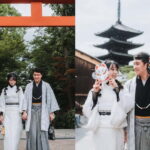
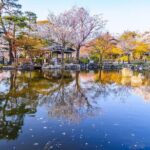
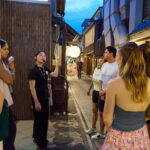
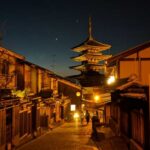
Kyoto and tea ceremonies just fit together. The city has that calm, old-street feeling, and a ceremony like this turns it into something you can actually do with your own hands. In about 90 minutes, you shift from walking around Kyoto to practicing a ritual that’s been refined for centuries.
The kimono is the instant attention-grabber. It also changes how you move and how you experience the space, which makes the whole thing feel more real. And because you’re not just watching, but also making matcha, you leave with a skill and a story, not only photos.
My other favorite part is the photography. The setup is built around pictures, so you get a clear moment-by-moment record without worrying about angles, lighting, or whether your friend is taking too long.
You can also read our reviews of more photography tours in Kyoto
Matching up with Kyoto: where it starts (and why location matters)
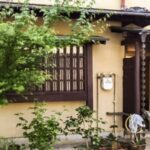
You meet at Nishiki Orizuruya, at 452 Jūmonjichō, Nakagyo Ward, Kyoto 604-8121. It’s in a central area where public transportation is nearby, which matters because you do need to arrive on time and not waste the morning or afternoon figuring out transit.
Check in at the reception desk about 10 minutes before your start time. You’ll then be escorted to the dressing area, which is where the experience really begins. Kyoto can move fast—trains get crowded, streets can be confusing—so arriving early helps you avoid stress.
The day runs like a tight little production. If you are late by more than 30 minutes, you will not be allowed to join and there is no refund. That rule is blunt, but it’s common for activities that have timed photography and outfit changes, so it’s best to treat the start time as firm.
Dressing room to kimono moment: getting ready smoothly
Once you check in, you’ll head to the dressing room to choose your kimono. This isn’t a one-size-fits-all situation. The staff prepares garments using your height and gender, so the smoothness depends on you giving the requested details ahead of time.
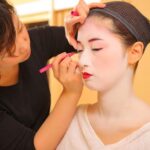
You also get your hair styled as part of the prep. That matters more than you might think, because kimono looks different when hair is arranged to match the overall style. It’s one of the reasons the photos turn out consistently nice.
A practical tip: if you have any mobility issues or back problems, tell the staff early. Even with chairs and tables available, you should expect some time sitting low or shifting positions during the ceremony. Comfort planning is worth it.
Watching the tea master: how the ceremony is taught
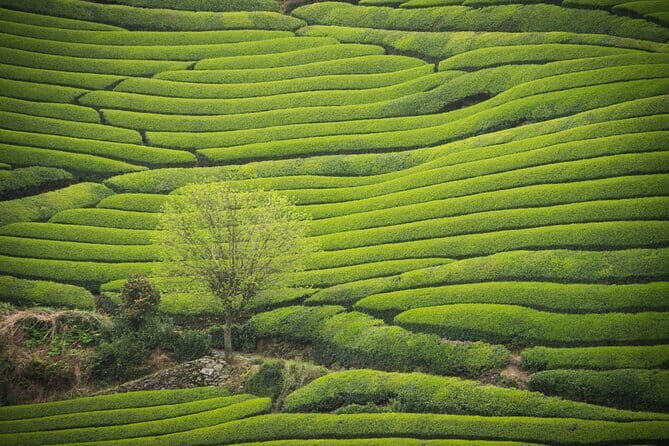
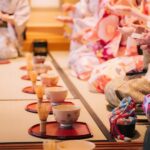
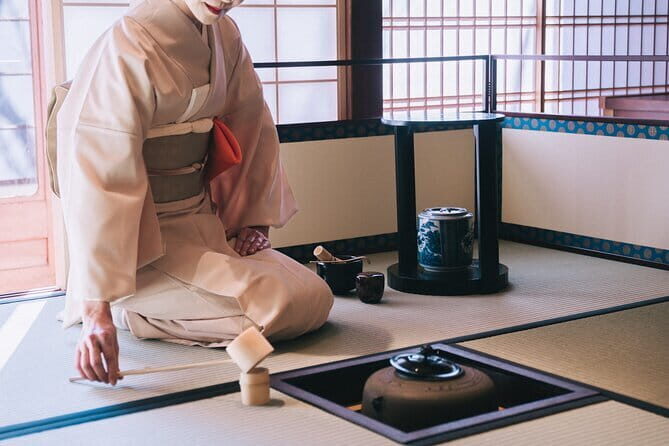
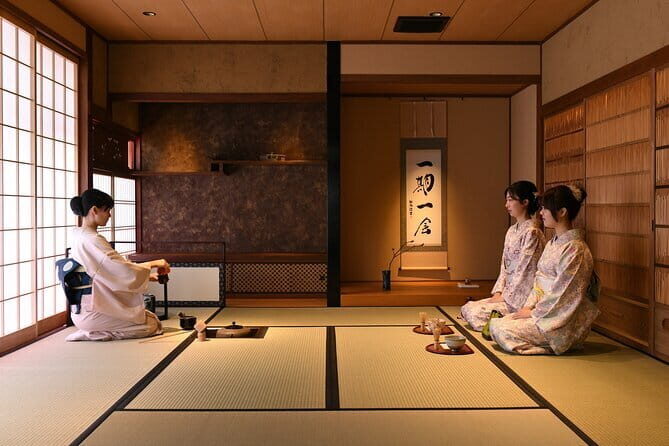
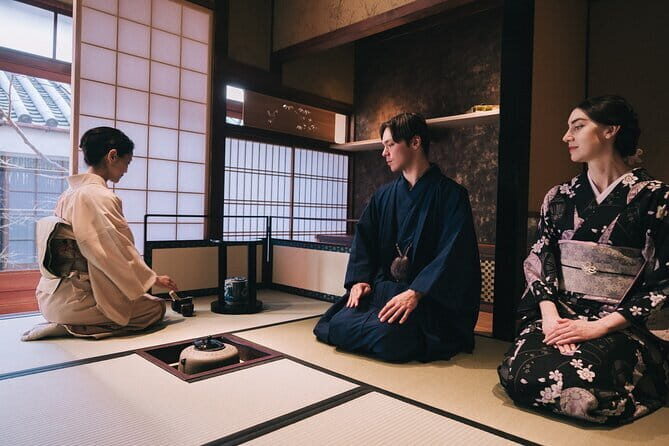
In a traditional house setting, you’ll first watch a demonstration by an English-speaking tea master. This is where you pick up the structure—how the utensils are used, what each step is for, and what the tea ceremony values in practice.
Then you switch from observer to participant. You’ll learn how to make matcha, and you’ll have sweets to go with it. That combo is part of why the ceremony works as an experience for first-timers: the sweet balances the bitterness of matcha, and you get a taste of how people actually enjoy it.
The teaching style tends to be clear and step-by-step. With something as precise as tea preparation, that matters. If you’re a “watch once, do it once” learner, you’re in the right place because the flow gives you that chance.
Making matcha: the hands-on part you’ll remember
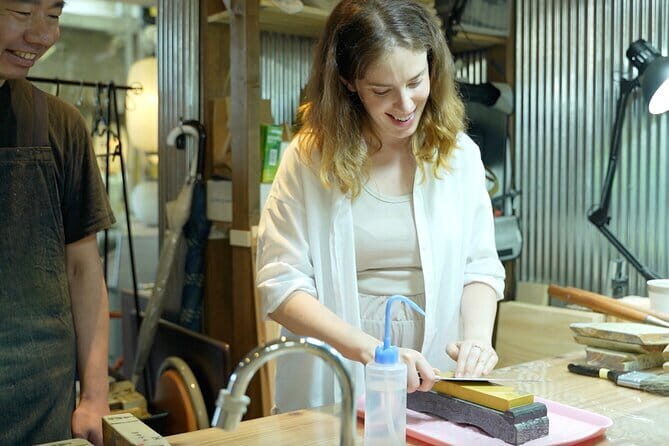
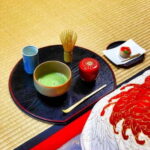
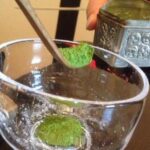
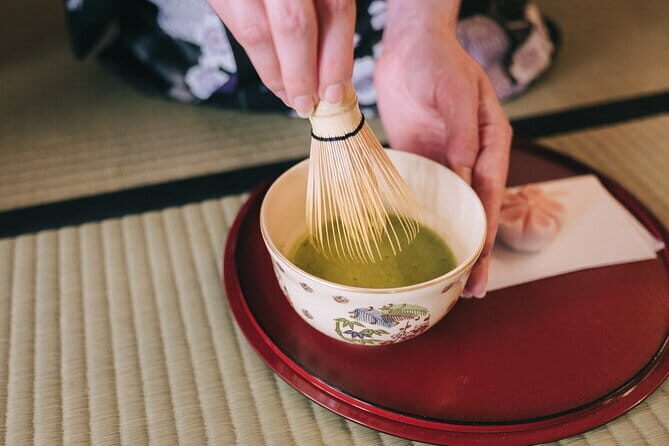
The heart of the experience is making your own matcha green tea. You’ll go through the process while the tea master guides you, and you end up with a bowl you can truly call yours.
Matcha isn’t just a flavor here. It’s the moment where you slow down and pay attention to texture and procedure—how you whisk, how you handle the tea items, and how you approach each step with care. If you want a souvenir that goes beyond images, this is it.
And the sweets help you enjoy it. You’re not left with only a bitter sip to figure out. Instead, you get a pairing that makes the tea feel complete.

The photoshoot: how the memory is built into the activity
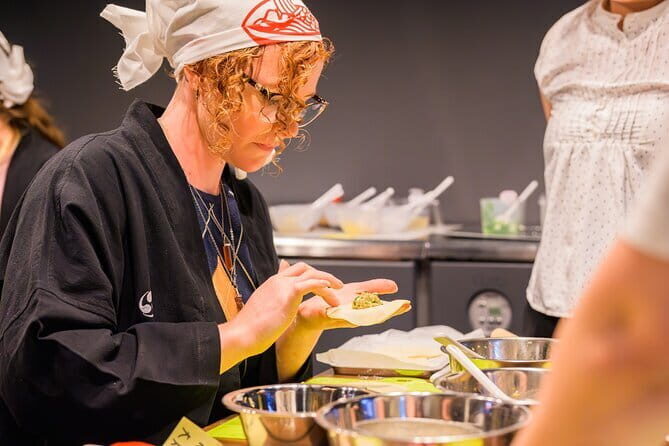
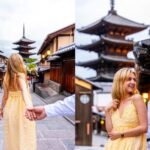
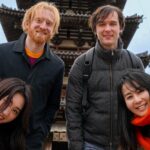
A professional photographer takes pictures throughout the experience. You don’t have to stop and start your own camera work, and you don’t have to rely on someone else for every shot. That’s a big time-saver, especially in Kyoto when you’re often trying to fit everything into a day.
As your souvenir, three photos are sent to you digitally by email. So keep an eye on your inbox after the tour. Also, make sure you provide a valid email address at booking, since the photos depend on that.
If you’re picky about posture—kimono or not—this part will be useful. The experience flow already accounts for how you’ll be posed, so you can focus on enjoying the moment rather than worrying about the next photo angle.
Sitting, kneeling, and chairs: comfort in the traditional setting
Tea ceremony seating is traditional, and tradition can mean floor contact. One consideration that comes up for women is kneeling on the floor rather than sitting in a fully relaxed cross-legged position. If you are older or you have knee or ankle limitations, this is the part to take seriously.
The good news is that there are chairs and tables available. That means you are not stuck thinking only in terms of floor seating. Still, your body will need to handle some level of changing positions, so plan accordingly.
Bring a calm attitude toward the logistics. The ceremony is elegant, but it’s still a hands-on activity. If you go in expecting a little discomfort and a quick fix if needed, you’ll likely have a smoother time.
Price and value: what $130.78 buys you in Kyoto
At $130.78 per person, this is not the cheapest activity in Kyoto. But the value is in the combination.
You’re paying for:
- A guided tea experience with an English-speaking tea master
- Your own matcha-making session
- Japanese sweets
- A kimono dressing experience with hair styling
- Professional photography during the activity
- Three digital photos delivered by email
- A traditional house demonstration in a small-group format
If you were to price these things separately—dressing help, photo services, and a guided cultural class—this package adds up fast. The best value is for people who want both culture and a clean memento, without spending extra effort to plan the photo part.
If you’re traveling solo and want photos that look properly done, this kind of bundle is especially efficient.
Who this Kyoto tea ceremony is best for
This experience is ideal if you:
- Want a structured cultural activity without needing to translate everything yourself
- Love the idea of wearing a kimono and getting styled properly
- Care about having good photos but don’t want to manage the photography
- Like hands-on learning, not just watching
It may be less ideal if you strongly prefer long, slow, unstructured ceremonies where you just sit and observe for a long time. This tour is designed to fit into a tight schedule—so you’ll feel guided, not wandering.
Also note there are no children under 5 years old. And the group maximum is 10, which keeps it intimate but means you should book early for popular times.
Small-group pacing: why 90 minutes feels about right
One reason people enjoy experiences like this is that they don’t drag. You get the full arc: check in, kimono change, demonstration, making matcha, tasting with sweets, photos, and then it ends back at the meeting point.
The pacing works for two kinds of travelers: those who get overwhelmed by too much time in one place, and those who want a “Kyoto cultural hit” that doesn’t steal an entire morning. You’ll also likely leave with a better sense of what you’ve just learned, because you did it with your own hands instead of only hearing about it.
Just remember that you’re part of a group flow. If you like quiet, private experiences with no photo direction, you might find the tone more guided than you expected.
FAQs about the Kyoto kimono tea ceremony experience
FAQ
How long is the tea ceremony with kimono and photos?
It runs about 90 minutes (listed as approximately 1 hour 45 minutes).
What is included in the experience?
You’ll receive a kimono dressing experience, an English-speaking tea master demonstration, instruction to make matcha green tea, Japanese sweets to enjoy, and a professional photoshoot. You also get three digital photos sent by email.
Where do I meet the tour?
The meeting point is Nishiki Orizuruya, 452 Jūmonjichō, Nakagyo Ward, Kyoto 604-8121, Japan.
When should I arrive for check-in?
You should arrive about 10 minutes before the start time to check in at the reception desk.
What if I’m late?
If you arrive later than 30 minutes from the starting time, you are not allowed to join the experience and no refund is available.
Do I get the photos immediately?
No. Three photos are sent digitally by email as your souvenir.
Do I need to provide information before the tour?
Yes. To prepare your kimono set, you need to provide your height and gender in advance for all participants.
Can the tour accommodate allergies?
If you have any food allergies, you should let the provider know in advance.
Should you book this Kyoto kimono tea ceremony and photoshoot?
Book it if you want a clean, guided Kyoto cultural experience that covers both the ceremony basics and the fun part: dressing up and getting professional photos. The matcha-making and sweets help you do something tangible, and the small group size keeps it from feeling chaotic.
Skip or rethink if you expect a very long, unstructured tea ritual, or if floor kneeling would be a deal-breaker for your comfort. If you’re flexible and communicate needs early, you’ll likely find the chairs and tables helpful.
Overall, this is strong value when you care about learning matcha, wearing a kimono, and leaving with photos that actually look like Kyoto.