REVIEW · KYOTO
Kyoto: Tea Ceremony with Kimono and Photoshoot
Book on GetYourGuide →Operated by Japan Wonder Travel · Bookable on GetYourGuide
That first step into a kimono changes how Kyoto feels. I like the English-led tea ceremony and the hands-on moment where you make matcha and drink it with sweets. The biggest drawback to plan around is the tight timing: if you arrive more than 10 minutes late, you can’t join.
This is a small-group experience (10 people max) that mixes culture with a clean, well-run flow. You also get a professional photographer’s work afterward, so you’re not stuck hoping your camera skills will save the day. If you want a slow, wandering day, build it around this 90-minute block and keep the after-ceremony rules in mind.
In This Review
- Key Things You’ll Notice Right Away
- Kimono Dressing Meets Tea Culture: How the 90 Minutes Actually Works
- Nishiki Market vs. Gion: Pick the Right Kyoto Vibe
- Inside the Tea Room: What You Learn During the English Demonstration
- Making Matcha Yourself: The Part You’ll Remember
- Professional Photoshoot: Three Images, Done Right
- After the Ceremony: Strolling in Kimono Without Stress
- Who This Experience Fits Best (and Who Might Skip It)
- Timing and Group Size: Small Group Comfort, Real-World Limits
- Price and Value: What You’re Paying For at $127
- Quick Rules and Prep That Make the Experience Go Smoothly
- Should You Book This Kyoto Kimono and Tea Ceremony?
Key Things You’ll Notice Right Away
- Two Kyoto neighborhoods to choose from (Nishiki Market or Gion), with different latest kimono return times
- Kimono dressing and photo-friendly setup before you enter the tea room
- English tea ceremony guidance that explains the purpose and etiquette in plain terms
- Hands-on matcha making plus Japanese sweets to go with your cup
- Professional photos included (3 images) as a lasting memory
- Simple rules that matter like no shoes indoors and no smoking
Kimono Dressing Meets Tea Culture: How the 90 Minutes Actually Works
The experience is built like a tidy little story: change into a kimono, learn the ceremony, then take part in it. You’ll spend about 90 minutes total, and the structure is designed so you’re not just watching. You’re dressed for the setting, then you become part of it.
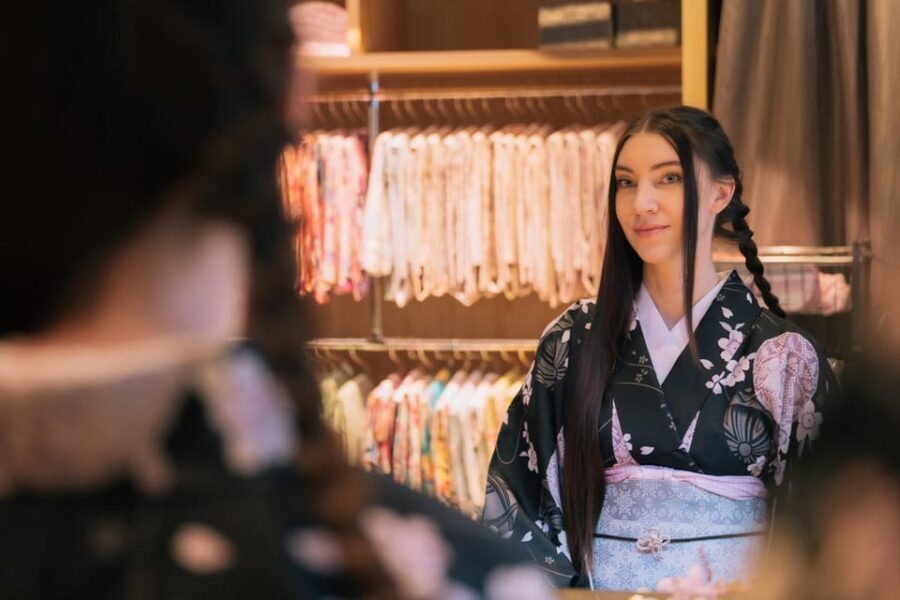
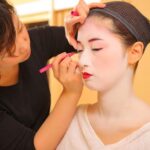
First comes the kimono dressing. You’ll meet at your chosen shop, get helped into your outfit, and settle in before moving to the tea room. One detail I appreciate is that the kimono setup is prepared in advance—you’ll need to share your height and gender so the staff can prepare the right set for you. That cuts down on awkward guessing and helps the whole process feel more respectful than a quick costume swap.
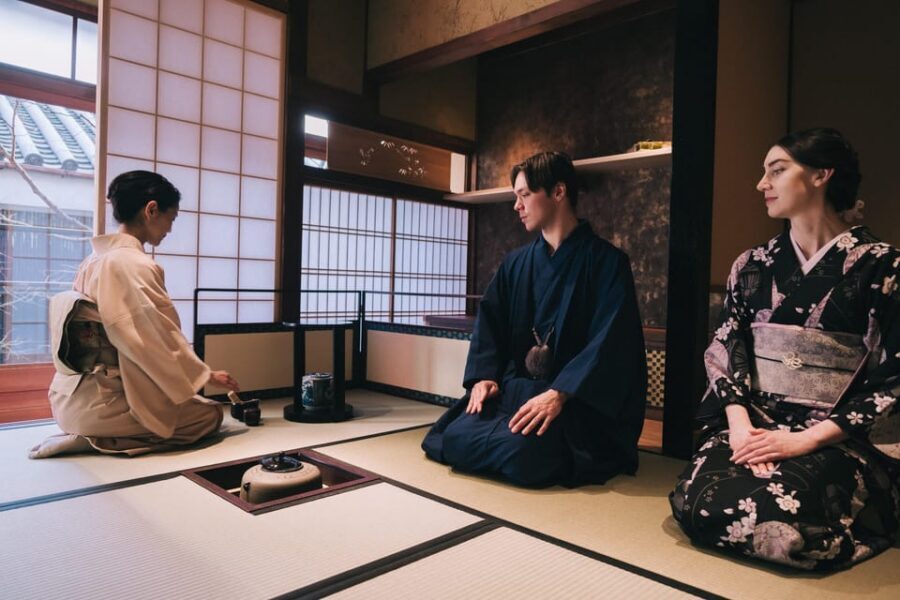
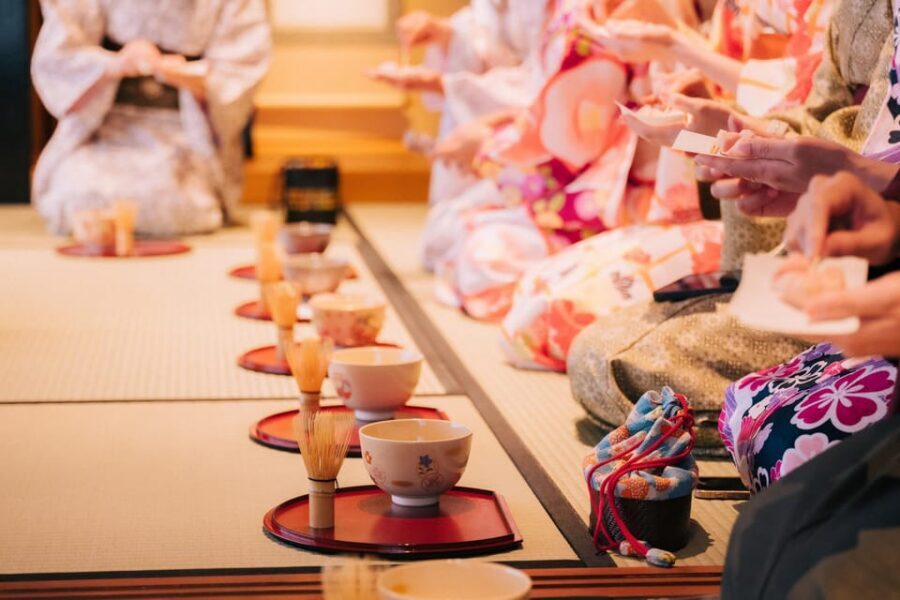
Once you’re ready, you enter the tea room and watch the tea ceremony demonstration in English. This isn’t a silent, mystical performance that leaves you guessing. The goal is to make sense of what you’re seeing and why the tea ceremony is treated with such care.
Then you make your own matcha green tea and enjoy it with Japanese sweets. That’s the turning point where the experience stops being only about photos and becomes about actually participating in the ritual. You don’t need to be a tea expert. You just need to follow along.
The final piece is the photography—captured professionally so you get a clean set of images without constantly thinking about timing, framing, and lighting.
You can also read our reviews of more photography tours in Kyoto

Nishiki Market vs. Gion: Pick the Right Kyoto Vibe
You choose between two locations in Kyoto, and that choice affects your day more than you might expect.
- Nishiki Market Location: kimono needs to be returned by 6:00 PM
- Gion Location: kimono needs to be returned by 5:00 PM
Both options give you the same core experience: kimono dressing, the English tea ceremony, making matcha, and getting professional photos. What changes is the neighborhood energy around you afterward.
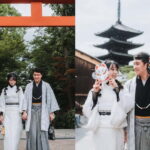
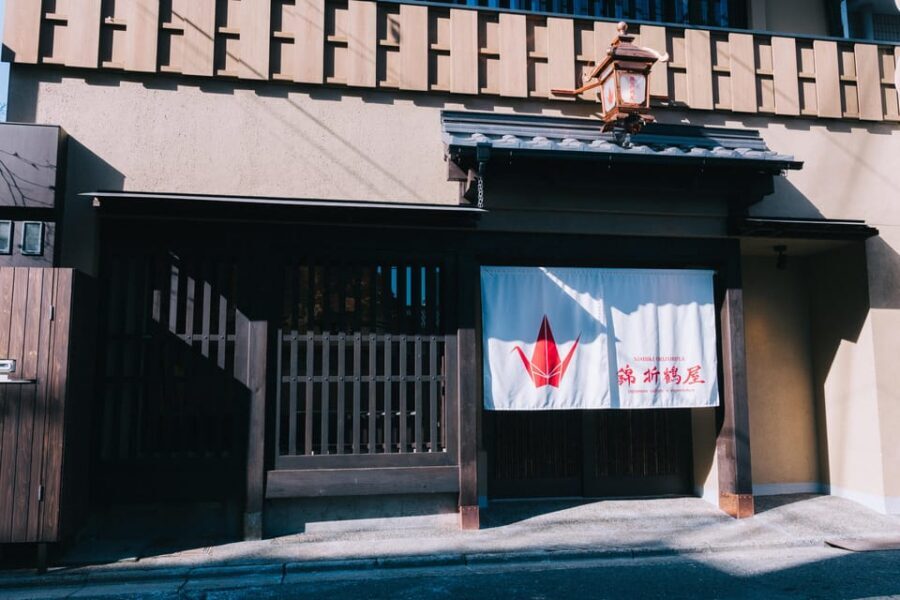
Nishiki Market is the place people go when they want lively streets and lots to look at nearby. Gion is where you lean into classic Kyoto atmosphere—more of a slow-walk feel, with the area’s traditional look doing a lot of the work for you. In either case, after the tea ceremony you’re allowed to stroll in your kimono for a while, as long as you return it by the designated time on the same day.
Practical tip: when booking, make sure you select the correct location. If you arrive at the wrong shop, you won’t be able to join. Kyoto is small, but this kind of activity is very specific about meeting points.
Inside the Tea Room: What You Learn During the English Demonstration
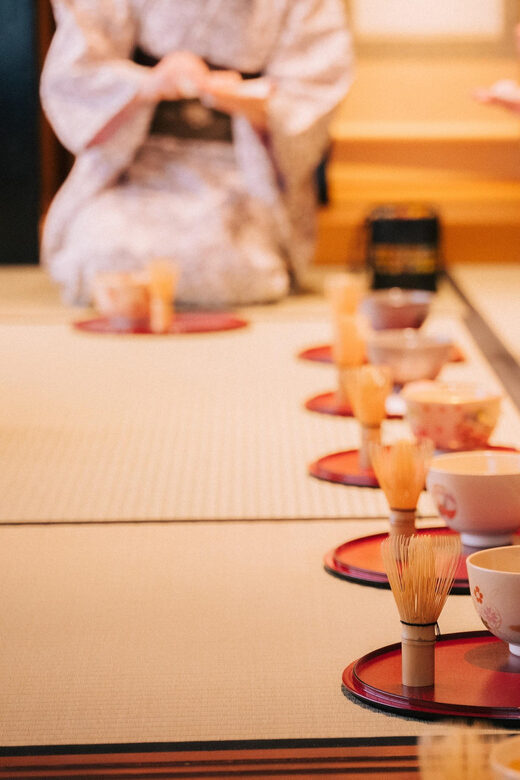
The ceremony demonstration is explained in English, and that’s a big deal if you want more than a photo backdrop. The instructor covers the history and culture of the tea ceremony in a relaxed way. Instead of treating it like theater, the session frames it as a practice with meaning—attention, respect, and a careful pace.
One part that stands out in how this experience is described is the focus on purification or cleansing steps. You watch these elements as part of the demonstration, and you get the idea that the ritual is about setting the right tone before the tea is served. You don’t need prior knowledge. The point is to understand the logic behind the steps.
Also, the instructors are described as friendly and professional, with one guide specifically named Mami in a standout account. People highlight not just the info, but the kindness and respectful handling of the group. That matters because a traditional activity can feel intimidating if the vibe is cold or rushed. Here, the tone is built to keep you comfortable.
Etiquette is part of the package too. For example, shoes aren’t allowed indoors, and you’ll need to follow the room’s rules so everyone can participate without distraction. It’s not a long list of rules, but the ones that exist are non-negotiable.
Making Matcha Yourself: The Part You’ll Remember
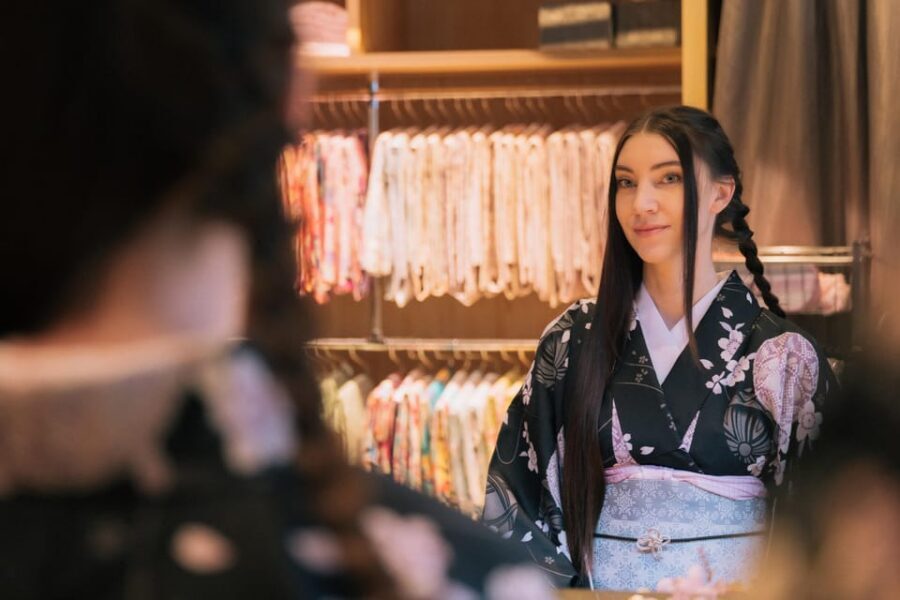
The hands-on part is where the ceremony becomes real. After watching the demonstration, you make your own matcha green tea. Then you drink it right there with Japanese sweets.
Why I think this is the best value moment: a tea ceremony you only watch can blur together. But matcha-making has a few sensory steps—mixing, watching the color and texture, and then tasting the finished cup. Even if you only get one try, you’ll have a clear memory of doing it, not just seeing it.
Pairing the tea with sweets is another smart touch. You’re not leaving the ceremony with just a plain cup and no context. The sweets support the taste experience and help you appreciate the ceremony as something meant to be shared and enjoyed, not just observed.
If you have food allergies, you need to tell the provider in advance. The experience includes sweets, so don’t assume they’ll be able to swap everything at the last minute.
Professional Photoshoot: Three Images, Done Right
You get 3 photos as a memento, taken by a professional photographer. This is one of those inclusions that feels small on paper, but it solves a real problem.
In Kyoto, kimono photos are a common activity, and quality can vary wildly. Here, the photos are taken professionally as part of the flow, so you don’t have to sprint around finding a good angle, then plead with your phone camera to focus properly.
What I especially like about the way it’s set up is that you’re not locked away the entire time. You can also take your own photos during the experience and time outdoors in your kimono afterward. The professional shots give you a reliable memory set, and your own pictures fill in the gaps.
If you’re traveling with friends or partner, this is also a nice group-level compromise. Everyone ends up with photos that look cohesive, and you’re not all spending the whole time taking turns with the same camera.




After the Ceremony: Strolling in Kimono Without Stress
After the tea ceremony, you’re free to stroll around Kyoto in your kimono. That time is why many people book this: you want a taste of the look and atmosphere without limiting yourself to the tea room.
The key is timing. You must return your kimono to the shop by the designated cutoff on the same day. Again, it’s 6:00 PM for Nishiki Market and 5:00 PM for Gion.
So I recommend planning your day with a buffer. If you’re doing other activities right after, don’t schedule them too close to the return deadline. Kyoto streets are easy to get stuck in for small reasons—crowds, side streets, photos, tea-scented temptations. Build in slack so the kimono return doesn’t turn into a sprint.
Also, keep in mind that this is not a kimono rental-only experience. You’re there for the full tea ceremony and photos, so your itinerary should support that 90-minute block.
Who This Experience Fits Best (and Who Might Skip It)
This is a great fit if you want a cultural activity that feels hands-on but still comfortable for beginners. You don’t need tea-ceremony knowledge. You get explanations in English, a clear demonstration, and you actually participate by making matcha.
You’ll likely enjoy it most if:
- you want a traditional Kyoto experience that’s structured and low-stress
- you care about photos but want professional help, not just smartphone luck
- you enjoy etiquette and learning how rituals work
- you like small groups (this one caps at 10)
It might not be ideal if:
- you’re trying to do the activity without committing to the full experience (kimono dressing only isn’t offered)
- you’re traveling with someone who needs wheelchair access (wheelchair users aren’t suitable)
- you’re sensitive to rules like no shoes indoors
One more consideration: you need your kimono prep set up using your height and gender information in advance. Make sure you provide it correctly when booking.
Timing and Group Size: Small Group Comfort, Real-World Limits
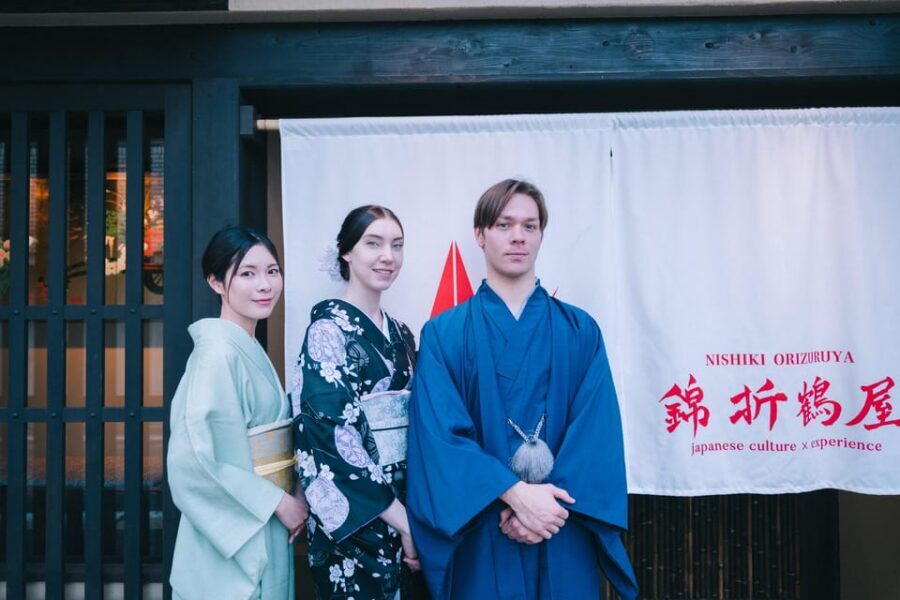
A small group (10 participants max) changes the feel immediately. You’re less likely to get lost in a big crowd, and it’s easier for the instructor to keep the flow moving while still answering questions.
Still, be aware of how strict the timing is. If you’re more than 10 minutes late from the starting time, you can’t join and there’s no refund in that case. That policy is firm, so show up early enough to handle check-in calmly.
One practical note from how the experience is described: sometimes the actual ceremony time can land later than your reservation start window. That usually isn’t a deal-breaker, but it can affect your day if you booked back-to-back activities. If you can, keep your schedule flexible so you’re not watching the clock the whole time.
Price and Value: What You’re Paying For at $127
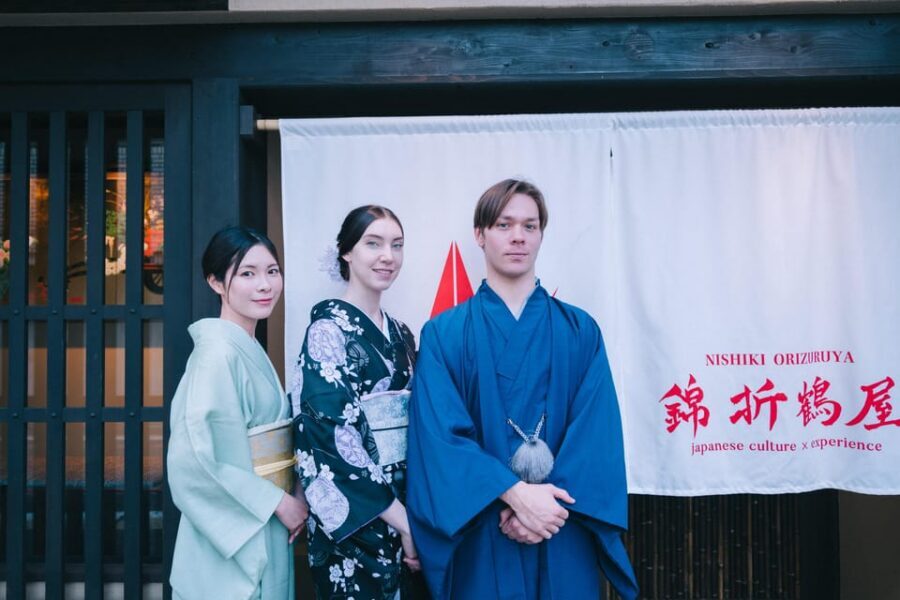
$127 per person can sound steep until you break down what’s included and what it replaces.
You’re not just paying for a costume. You’re paying for:
- kimono dressing help
- a guided tea ceremony demonstration in English
- matcha-making and Japanese sweets
- 3 professionally taken photos
In Kyoto, kimono experiences alone can cost a meaningful chunk. What makes this better value is that the tea ceremony education and matcha experience are built in, so you’re getting something tangible and memorable beyond the outfit.
The professional photos also matter. If you’ve ever tried to photograph kimono in busy streets, you know it can turn into a scramble. Paying for set-up and professional handling means you’re more likely to end up with images you actually like—and not just blurry proof you were there.
For the price, I’d call it a solid buy if you care about both culture and a keepsake. If you only want one of those, you might prefer a simpler alternative.
Quick Rules and Prep That Make the Experience Go Smoothly
Small rules are part of the experience, and it’s easier if you treat them like normal etiquette, not obstacles.
Do note:
- No smoking
- Shoes aren’t allowed indoors
- Return your kimono by the same-day deadline (5:00 PM in Gion, 6:00 PM in Nishiki)
- If you’re late by more than 10 minutes, you won’t be allowed to join
- Tell them about food allergies ahead of time
- Share your height and gender for kimono preparation
That last point is more important than it sounds. A well-prepared kimono makes the whole experience smoother, and it also helps the photos turn out better because the fit is right from the start.
Should You Book This Kyoto Kimono and Tea Ceremony?
If you want a Kyoto experience that’s traditional, structured, and genuinely memorable, I think this is a strong choice. It’s one of those combos that saves you time and planning: you get the outfit, the cultural explanation, the hands-on matcha moment, and a pro-photo set without having to piece it together yourself.
Book it if:
- you’re curious about tea ceremony culture and want English guidance
- you want to participate, not only watch
- you care about photos and like the idea of 3 professional images
- you’re comfortable following indoor etiquette like no shoes
Skip it if:
- your schedule is tight and you can’t risk a late-arrival cutoff
- you need wheelchair accessibility
- you want a kimono-only activity or tea ceremony only
If your priority is an authentic-feeling Kyoto moment with minimal hassle, this one earns its place on your itinerary. Choose your location based on the vibe you want afterward, show up early, and treat the tea room rules like part of the charm.