REVIEW · TOKYO
Tokyo: Kichijoji Walking Tour with Local Guide
Book on GetYourGuide →Operated by O2 Japan Travel · Bookable on GetYourGuide
Kichijoji feels like a quick reset from Tokyo. This small-group walk balances local shopping streets, green park time at Inokashira, and a stress-light way into the Ghibli Museum.
I really like how the guides bring the neighborhood to life, whether it is Mina talking you through Kichijoji details or Yuma explaining what to notice as you go. The pace stays calm and family-friendly, so it feels more like a guided stroll than a race.
One consideration: the tour cost is higher than the museum ticket alone, and lunch is not included, so you will want to plan your meal break.
Quick takeaways before you go
- Small group (up to 5 people): easy questions, no crowding, and a guide who can adjust the pace.
- Inokashira Park time: real breathing room, plus familiar park moments like the swan boats on the lake.
- Ghibli Museum admission included: you get a full ticketed visit with about 2 hours of free time inside.
- Local neighborhood highlights: Kichijoji’s shopping streets and tiny side lanes feel like Tokyo you can actually navigate.
- WhatsApp check-in: your guide contacts you the day before to confirm details.
- Rain or shine: the walking plan keeps moving even when the weather changes.
In This Review
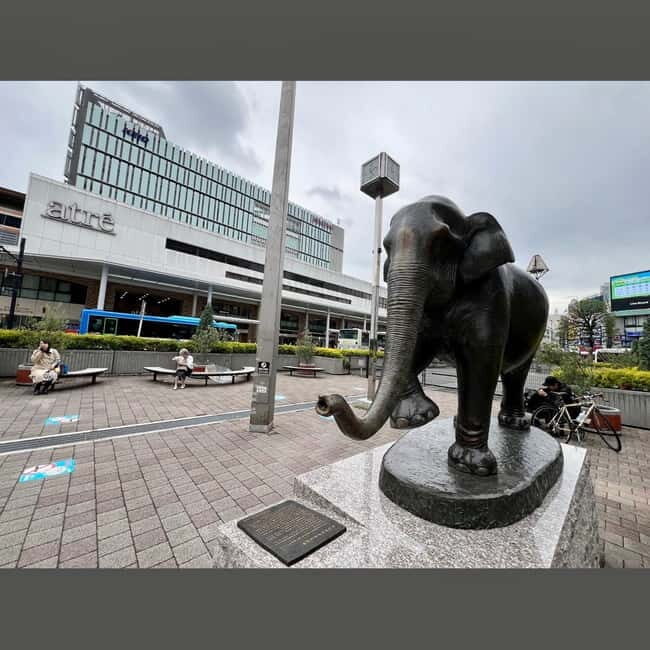
- Kichijoji Meet-Up: Hanako Elephant Statue makes it easy
- The First Stretch: Kichijoji’s shopping arcades with a local lens
- Harmonica Street: narrow lanes where food cues do the talking
- Inokashira Park: your calm reset in central Tokyo
- Getting to the Ghibli Museum: less stress, smoother timing
- Inside the museum: 2 hours to wander without a leash
- Food breaks: snack is included, lunch is on you
- Guides make the difference: Mina, Yuma, Daiske, and others
- How long is enough: a 4-hour plan that does not drain you
- Price and value: $88 works if you factor in what is included
- Who should book this Kichijoji + Ghibli combo
- Should you book it: my call
- FAQ
- How long is the Tokyo Kichijoji Walking Tour with Local Guide?
- Where do I meet the guide?
- What is included in the price?
- Is lunch included?
- What languages are the guides?
- Does the tour run in the rain?
- Are there rules about photography inside the museum?
Kichijoji Meet-Up: Hanako Elephant Statue makes it easy
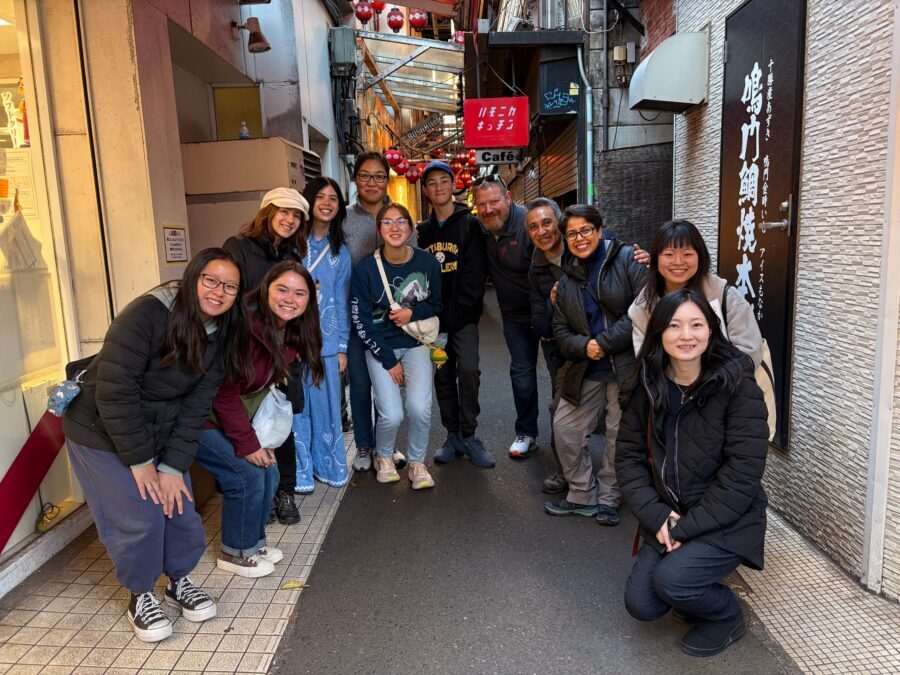
This tour starts at the Hanako Elephant Statue by Kichijoji Station North Exit. It is a clear, visual landmark, and you simply look for your guide holding a lanyard. That small detail matters in Tokyo, where station exits can be a maze.
You also know you are in the right place because the guide confirms ahead of time via WhatsApp the day before. If you like knowing where you stand (literally), this setup is reassuring.
The First Stretch: Kichijoji’s shopping arcades with a local lens
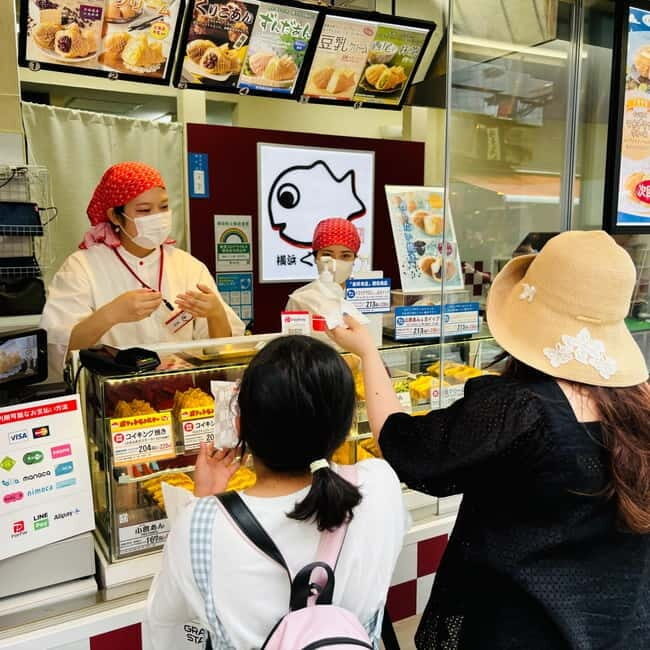
Your guided walking time begins right in Kichijoji, Tokyo’s popular local neighborhood. You start on foot with a short walk that transitions into shopping lanes like the Kichijoji Sunroad area, plus narrower streets around food and everyday finds.
What I like here is that the guide does not just point out places. They help you understand the rhythm of the neighborhood: where people shop, where to slow down, and what kinds of spots make Kichijoji feel nostalgic. In a few cases, guides also share anime and manga connections, which is a fun bonus if that is part of your reason for being here.
Group size also changes the vibe. With a maximum of five participants, the walk feels personal. You can ask questions about local shops and food without feeling like you’re interrupting a conveyor belt of tourists.
You can also read our reviews of more walking tours in Tokyo


Harmonica Street: narrow lanes where food cues do the talking
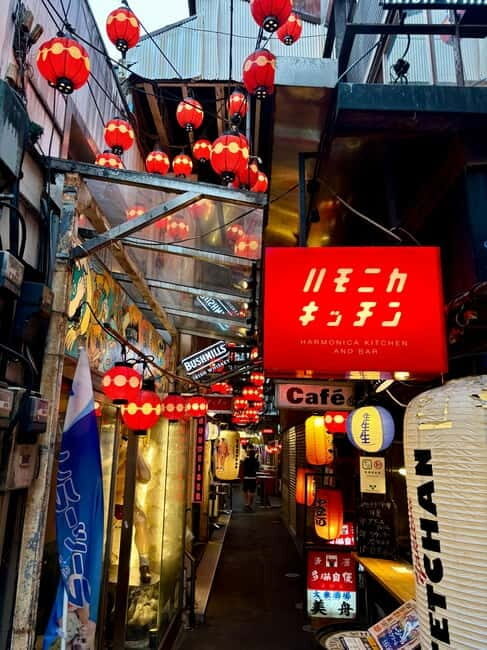
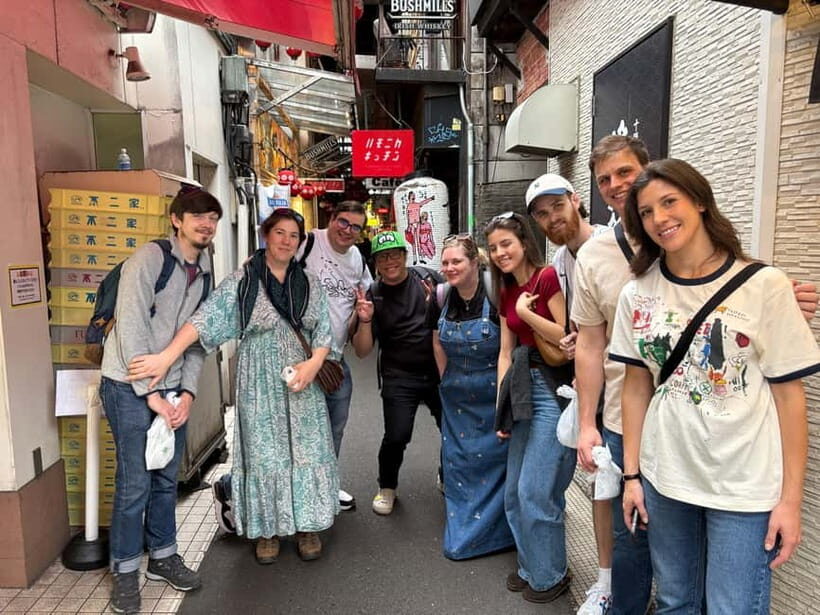
After the main shopping stretch, you pass through Harmonica Yokocyo, known for its tight lanes packed with food spots. Even if you do not order right away, it is the kind of area where you learn what to look for: storefront style, snack smells, and how locals move through small spaces.
This stop is guided, which helps because these lanes are fun but easy to miss if you only wander on your own. It also sets you up for the next part: the tour’s “walk, then pause” rhythm that keeps the afternoon from feeling heavy.
Inokashira Park: your calm reset in central Tokyo
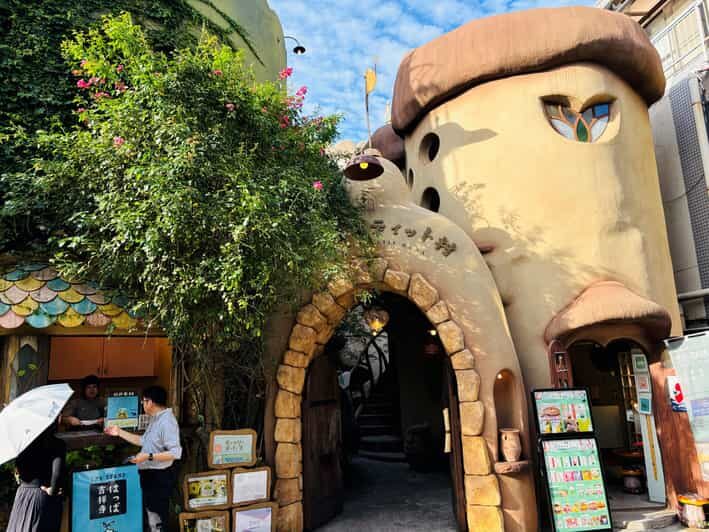
Once the shopping streets fade, the tour shifts into nature mode with Inokashira Park. This is the part you will feel in your body. After city time, the park gives you a slower pace and open-air breathing room.
You get guided time here, then you can enjoy the surroundings without being rushed. One highlight from the park experience is the lake area and the swan boats, which add a classic, relaxing feel. You may also pass small shrines tucked along the way, depending on the route your guide chooses.
Practical tip: wear shoes you can walk in comfortably. The park is not a huge hike, but you are still on foot for much of the afternoon, including the walk toward the museum.
Getting to the Ghibli Museum: less stress, smoother timing
The Ghibli Museum visit is the reason many people book this tour, and it comes with two big benefits: admission is included, and you get a guided path that reduces the chaos of trying to line everything up yourself.
The museum time is scheduled with about 2 hours of free time inside. That matters because the museum is not just “look and leave.” You want enough time to wander at your own pace, read exhibit information, and take in the design details.
Also, photography can be limited inside the museum. If you care about photos, plan to rely more on what you see and less on constant phone snapshots.
Inside the museum: 2 hours to wander without a leash
Your museum visit is set up as a self-guided experience. The guide brings you in and hands you the structure, then you handle the pace. That is a good balance for both families and anime fans, because kids and adults can focus on different things without the guide constantly herding you.
What you will likely appreciate is that you are not trapped in a strict script. You can start where you want, move through exhibits in your preferred order, and save some time for the gift shop at the end, if that is your style.
For fans who struggled to get museum tickets independently, this tour is often a helpful solution because it comes with admission arranged as part of the experience. In real-world terms, it can also mean less time spent figuring out the entry process when the museum is busy.
You can also read our reviews of more guided tours in Tokyo



Food breaks: snack is included, lunch is on you
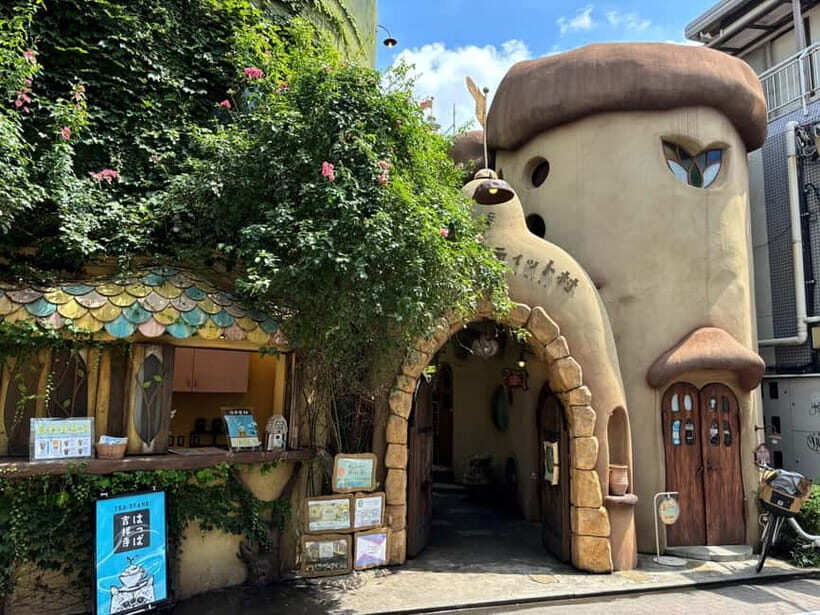
The tour includes a snack, but lunch is not included. This sounds small, but it affects how you plan the afternoon.
What makes the food part feel worthwhile is that the guided neighborhood walk sets you up to find good options nearby. In many experiences like this, guides steer you toward places that match your needs and preferences, including vegetarian-friendly choices when requested. Some guides are also attentive about dietary issues ahead of time.
Because lunch is not included, I recommend you treat the guided route as a “food and atmosphere tour” rather than a full meal plan. If you want a sit-down lunch, budget extra time and pick a spot when the guide recommends the timing.
If you are the type who likes ordering Japanese snacks on the fly, the included snack plus the surrounding food streets can feel like a good compromise: enough to keep you fueled, not so much that you ignore the neighborhood.
Guides make the difference: Mina, Yuma, Daiske, and others
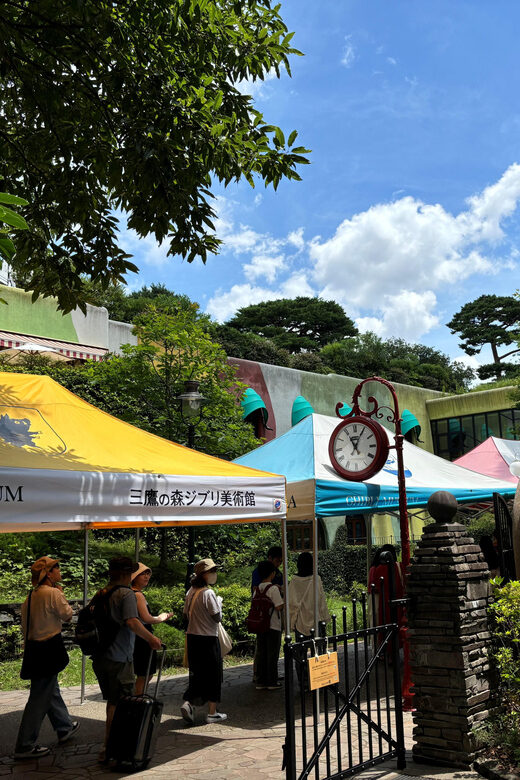
This is one of those tours where the guide’s personality shapes the entire afternoon. Guides often describe the area as if they are sharing it with a friend, not performing a script.
Names you may meet include Mina, Mimi, Yuma, and Daiske. People consistently mention that these guides are friendly, organized, and willing to chat about local shops, manga, and what to notice in Kichijoji. Some even send photos after the tour via WhatsApp, which is a nice souvenir if you like having a record without asking strangers to take your picture.
Another practical plus: guides tend to handle small hiccups calmly, like late arrivals. That reduces the stress you get when trains run behind.
How long is enough: a 4-hour plan that does not drain you
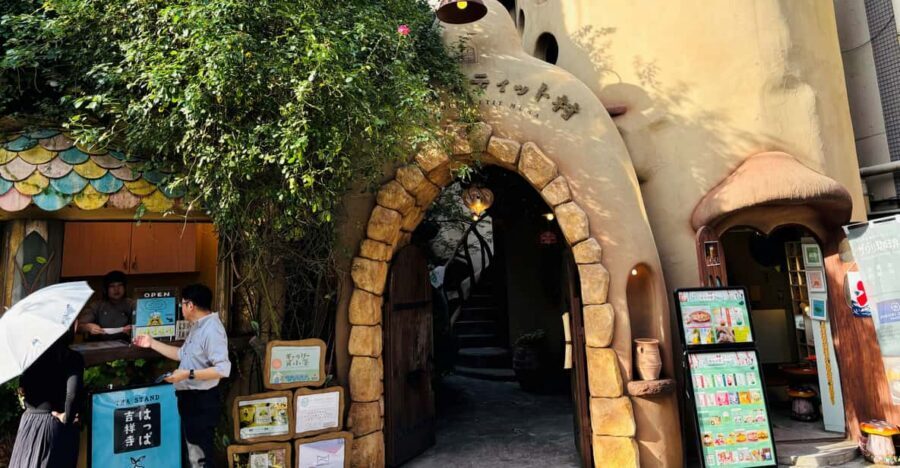
At four hours total, this schedule is built for an afternoon that stays enjoyable. You get walking time through Kichijoji, guided time in the park, and your museum visit with free exploration.
The 10-minute walk segments between key areas keep the pace moving without turning the day into endless commuting. You also get enough park time to cool down before the museum.
If you are building a Tokyo itinerary, this is a strong “restful” choice. It is not a full-day sprint, and it avoids the fatigue that comes with nonstop sight-hopping.
Price and value: $88 works if you factor in what is included
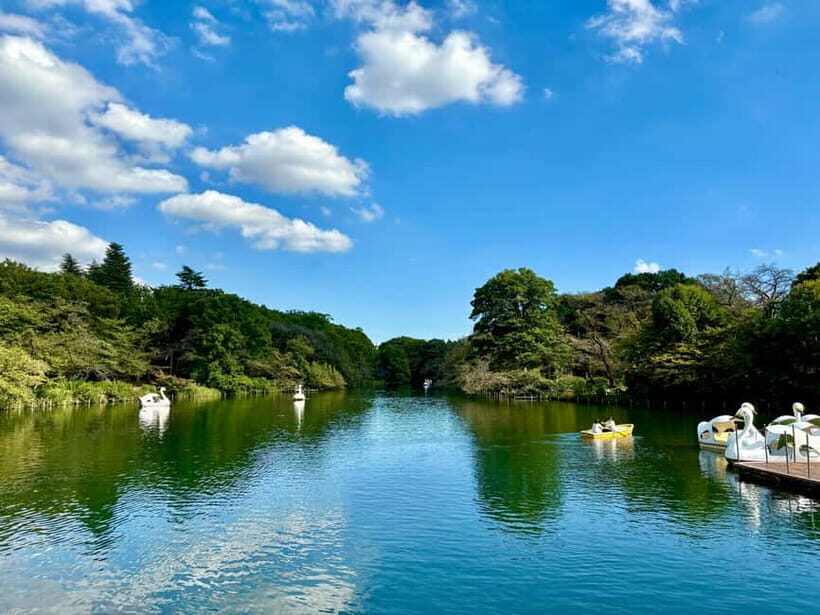
The price is $88 per person, and the key value is not just the museum ticket. Admission to the Ghibli Museum is included, along with the walking tour, a guide, and a snack.
So you should think of this as: guided local time + museum admission packaged together.
Is it more than you would pay if you only bought the museum ticket yourself? Yes. But for many Ghibli fans, ticket access is the hardest part to solve. Having admission arranged as part of the tour can be worth the premium, especially when you are also getting a guided walk that makes the surrounding neighborhood feel meaningful.
Also, this is designed as a small group. In Tokyo, that kind of guide-to-participant ratio often translates to a smoother afternoon and better use of your time.
Who should book this Kichijoji + Ghibli combo
This tour fits best if you want a calmer Tokyo day with structure but not heaviness.
You will likely enjoy it if:
- You are a Ghibli fan and want admission arranged for you, plus time to explore at your pace.
- You like anime culture, but you also want a genuine neighborhood experience in Kichijoji.
- You are traveling with family and want a plan that is friendly for mixed ages.
- You prefer a local guide to explain what you see while you walk, not just a list of stops.
It may feel less ideal if:
- You already have museum tickets locked in and you prefer to wander entirely on your own.
- You want lunch fully included and do not want to think about meals at all.
Should you book it: my call
If your priority is Ghibli Museum access paired with a real neighborhood afternoon, I think this is an easy yes. The combination of Inokashira Park downtime, Kichijoji street time with a local guide, and included museum admission makes it feel like more than just a museum ticket package.
If you hate paying for guidance and you are confident you can handle every logistics step alone, you could save money booking the museum separately. But for many people, the guided walk is the best part because it turns Kichijoji from a map pin into a place you understand.
FAQ
How long is the Tokyo Kichijoji Walking Tour with Local Guide?
The tour lasts about 4 hours.
Where do I meet the guide?
Meet at the Hanako Elephant Statue at Kichijoji Station North Exit. Look for a guide with a lanyard.
What is included in the price?
The price includes a walking tour, a guide, admission to the Ghibli Museum, and a snack.
Is lunch included?
No. Lunch is not included.
What languages are the guides?
The tour is offered in English and Japanese.
Does the tour run in the rain?
Yes. The tour operates rain or shine.
Are there rules about photography inside the museum?
Photography may be limited inside the Ghibli Museum.