REVIEW · TOKYO
Samurai Sword Experience (Family Friendly)at SAMURAI MUSEUM TOKYO
Book on Viator →Operated by Maikoya · Bookable on Viator
A sword lesson in costume beats most museum stops. At SAMURAI MUSEUM TOKYO, you suit up in traditional gear, learn how to safely handle a katana-style blade, then get hands-on with ninja weapons and a museum tour. I love the real practice focus and the fact that staff like Kenny and Ryo make the training feel structured, not just show-and-tell.
My second big win is the range of experiences packed into about 90 to 120 minutes: armor trial and posing, katana movements, and a ninja star practice that actually gets your body involved. That said, one possible drawback is that the flow can slow if people arrive late or if a session gets crowded, which can cut down time you spend in the museum spaces.
If you want the highlights without stress, show up early, go in with realistic expectations about what you will and wont do with the blade, and treat it like a training session plus a museum visit, not a full-length traditional museum day.
In This Review
- Key Points That Matter
- Entering Samurai Sword Training at Asakusa’s Museum
- Hakama, Armor Trial, and the Photo-First Setup
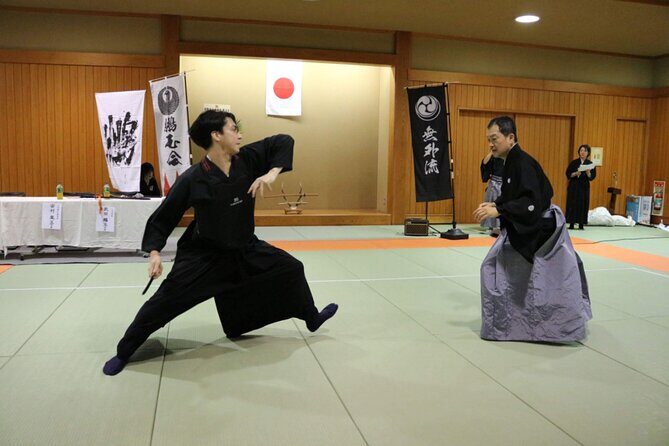
- The Katana Lesson: Safe Handling and Real Movements
- The one thing to keep in mind
- Ninja Weapons Trial: Throwing Stars with Real Aim
- Museum Visit: Samurai and Ninja Artifacts with Time Limits
- Small Groups and How Instruction Actually Plays Out
- Price and Value: Is $65.41 Worth It in Tokyo?
- Family-Friendly Reality Check (Age Rules and Expectations)
- Logistics That Help You Have a Better Time
- Should You Book Samurai Sword Experience at Samurai Museum Tokyo?
- FAQ
- What is included in the Samurai Sword Experience?
- Where is the meeting point?
- How long does the experience last?
- What time does it start?
- Is transportation to and from the attraction included?
- Are tickets mobile?
- Is this experience suitable for children?
- How large are the groups?
- Do I need prior sword experience?
- What kind of ninja activity is included?
- What is the cancellation policy?
Key Points That Matter
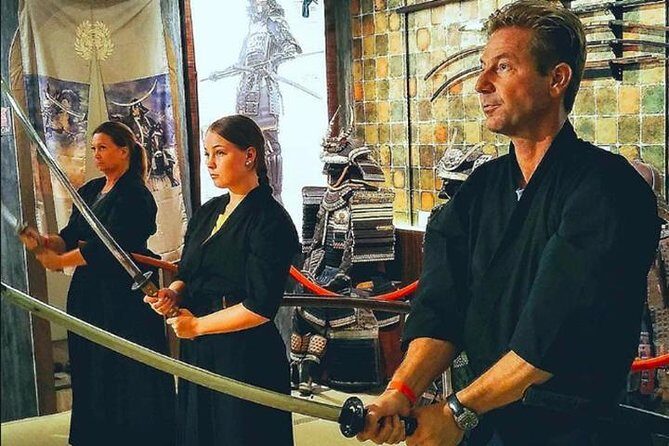
- Hands-on katana-style practice: you learn safe handling and movements, not just take pictures
- Costume that feels usable: hakama styling plus a samurai outfit and helmet trial for photos
- Ninja star practice: hard rubber stars into a target setup, so kids and adults can try it
- Small-group instruction: the hands-on portion tends to run in tighter subgroups than the overall session cap
- Museum time is limited: you’ll see highlights, but you may not get to linger in every area
- English-friendly guides: several instructors cited clear communication and patient teaching
Entering Samurai Sword Training at Asakusa’s Museum
This experience starts right where you want it to start: at Samurai Ninja Museum Asakusa in Tokyo. The meeting point is 1-chōme-8-13 Nishiasakusa, Taito City, and the activity ends back there, so you are not guessing your way between neighborhoods.
You’ll also get a mobile ticket, and the venue is described as near public transportation. That matters in Tokyo. One less transfer means less time lost, and less time you feel rushed before you even touch a sword.
The scheduled start time is 2:00 pm, and the listing says about 1 hour 15 minutes. Then reality adds a little padding. In practice, the experience can run closer to 90 to 120 minutes, because you need time to dress, practice, pose, and tour the museum.
So plan your day like this: treat it as a main activity block, not a quick add-on between train rides.
You can also read our reviews of more museum experiences in Tokyo

Hakama, Armor Trial, and the Photo-First Setup
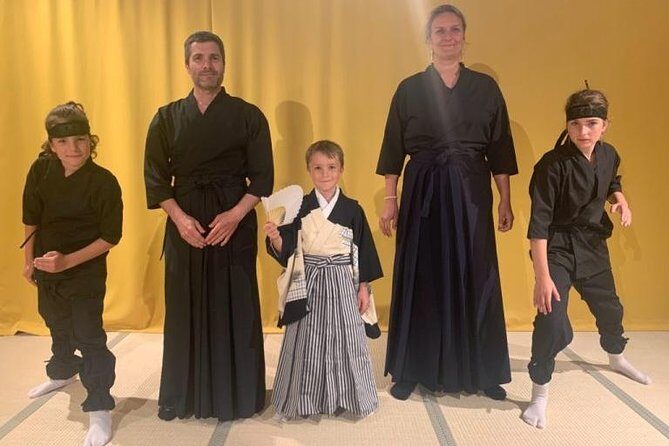
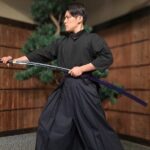
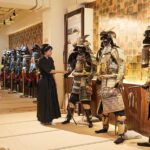
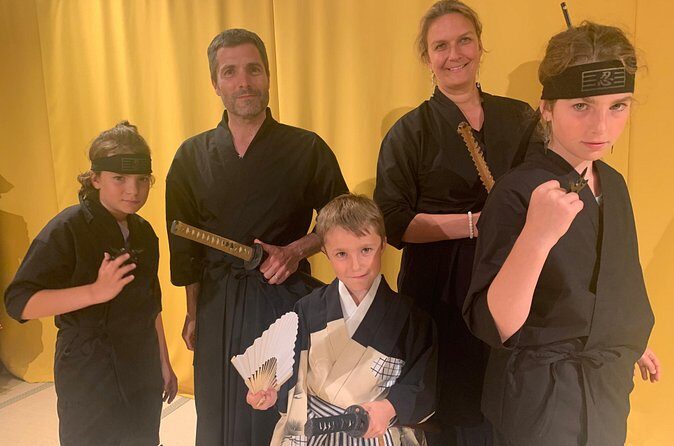
Before any sword moves, you get dressed. You’ll wear a hakama (traditional outfit styling), plus a samurai outfit and helmet. There is also an armor trial and posing with swords in front of a studio or theme backgrounds.
One review note that helps set expectations: the armor trial is described as fake rubber armor that still looks convincing in photos. That’s good news. You get the visual payoff without it turning into a heavy, sweaty drag.
This part is also where you should decide what kind of photos you want. If you are focused on family shots and fun costumes, you’ll likely love the pacing. If you are hoping to skip photos and get right to sword handling, you might wish the training started sooner.
A practical tip: wear clothing that is easy to adjust and move in. You’ll go from dressing to standing in photo setups, then to practicing movements. Comfort makes the whole thing feel smoother.
The Katana Lesson: Safe Handling and Real Movements
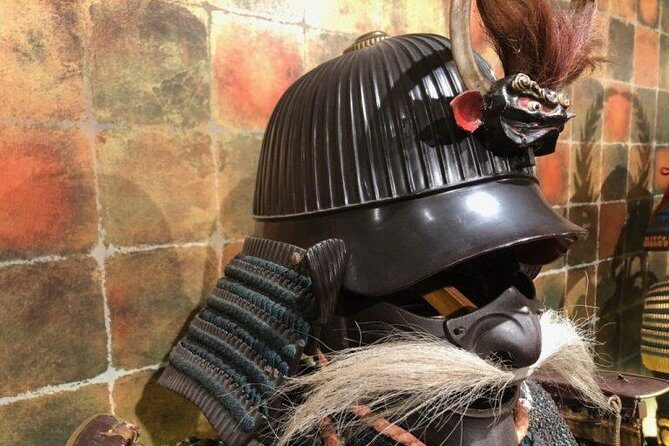
Now the main event: learning to wield a katana-style sword safely.
The experience is built around a hands-on lesson where you practice movements. That is a big deal in a city full of costume performances. Here, the training time includes actual repetition, and the instructors guide your form.
A few useful details from instructor-led descriptions:
- Some practice uses wooden swords or foam options for kids.
- The real katana you handle is described as a replica and not sharp in at least one account.
- The lesson often focuses on a small set of movements rather than turning it into action-choreography for the whole hour.
What you get out of it is not movie-style sword fighting. It’s the fundamentals of safe handling and a step-by-step routine you can remember. The best reviews mention that staff are patient, and that the instructor explains things in a way that beginners can follow.
Two instructor names show up in accounts often enough to matter: Kenny and Ryo. One review credits Ryo’s background as coming from a samurai family lineage and highlights his professionalism and friendliness. Another names Kenny as a strong teacher.
If you care about safety and clarity, this is where you should pay attention. Look for a guide who gives simple corrections. If your instructor asks everyone to slow down and reset, that is normal. Slow and controlled is the goal.
The one thing to keep in mind
You likely will not do dramatic cutting or individual sparring. Some reviews describe a short movement sequence with group practice, not solo showpieces. If your dream is chopping through objects, adjust your expectations now so you feel satisfied later.
Ninja Weapons Trial: Throwing Stars with Real Aim
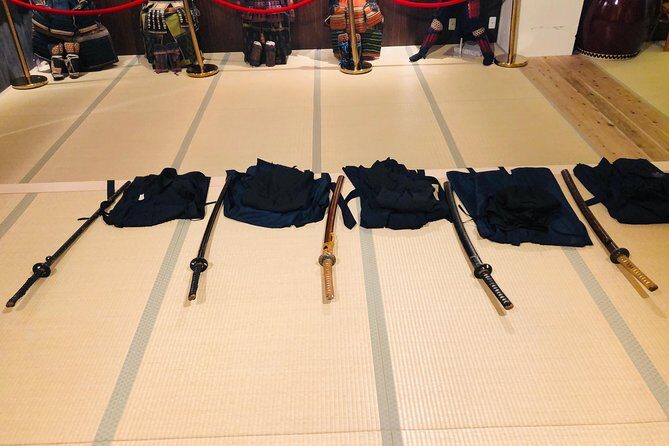
Right after the sword lesson, you switch gears to ninja weapons.
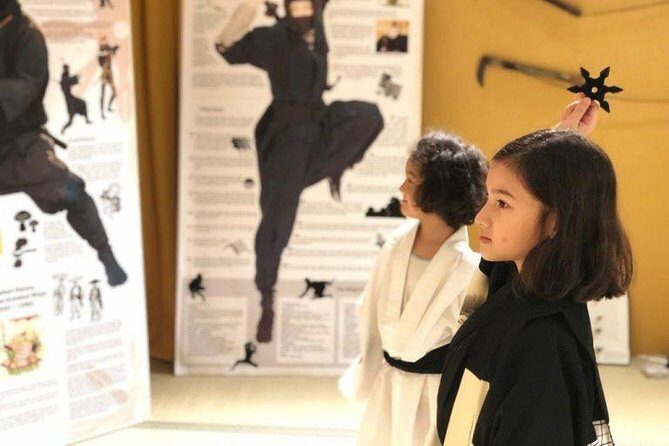
This part is listed as a ninja weapons trial, and one review gets very specific: you throw hard rubber ninja stars into a styrofoam target. That setup is great for families. It gives you feedback, it’s safe, and it is fun even if you do not have the wrist strength or coordination you think you might need.
Why this works: you do not just learn about ninja culture. You get a small skill challenge with an easy win. Even a couple of successful throws makes the moment feel like you earned it.
This section also gives you a natural energy release. After the concentration of sword handling, the throw becomes more playful. Kids usually love this. Adults usually laugh at their own aim.






Museum Visit: Samurai and Ninja Artifacts with Time Limits
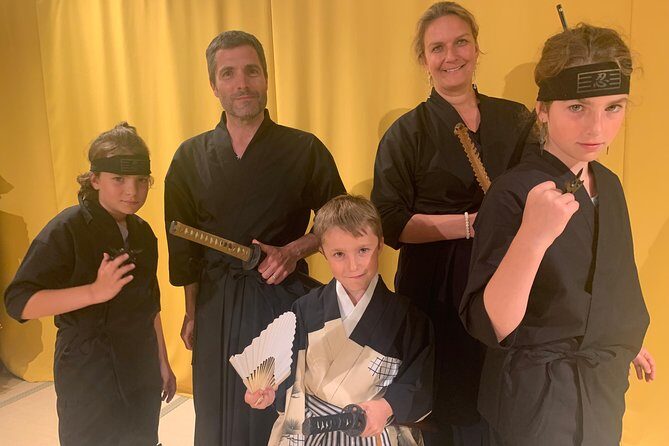
After you train and try weapons, you tour the Samurai and Ninja Museum.
This is not presented as a slow, full-day museum crawl. It’s more like a focused visit that pairs well with the hands-on lesson. You’ll see artifacts and learn context for what you just practiced.
Here is the tradeoff: time can be tight. One account says they could not see as much of the exhibits due to limited time in each area. Another notes that the museum can feel crowded, which makes it harder to view displays or move around comfortably.
So what should you do? If museum time is limited, aim for the displays that connect directly to training:
- look for items that explain training culture or historical roles
- scan sections that link ninja vs samurai themes
- focus on the explanation panels first, then look at the objects
If you want to linger, you can always plan a second visit outside your tour time later. This experience is designed as a combination activity: training plus museum context, not museum immersion.
A practical note from one negative experience: if the group is noisy or the museum area becomes crowded, you might feel less able to concentrate on the guide’s narration. That’s not the guide’s fault, but it’s a reality of shared indoor spaces.
Small Groups and How Instruction Actually Plays Out
The marketing and descriptions mention small groups, but the numbers appear in a few places:
- one description talks about maximum eight
- another says the activity can go up to 16
- a separate note states a limit as low as 4
That discrepancy matters only in one way: your actual hands-on time may be smaller than you expect, but you should still feel some level of grouping and supervision.
The best reviews often say the sword part is run in smaller groups or that instructors keep things interactive and patient. One account says the sword experience portion was smaller with truly interested participants, while the museum tour section was more crowded.
So trust the spirit of the experience rather than the exact headcount promises. If your goal is learning, you want an instructor who can correct you. The accounts that rate this highly tend to describe exactly that.
Price and Value: Is $65.41 Worth It in Tokyo?
At $65.41 per person, this is not a free street-activity. It is a paid instruction session plus museum access and costume elements.
Here is the value math that makes sense:
- You get hands-on sword training (the thing most people cannot do safely on their own).
- You get costuming time with a helmet and armor trial for photos.
- You get a ninja weapon try that includes a setup and target.
- You get a museum context tour, so it connects to the skills you practiced.
If you were only getting photos in a costume, the price would feel steep. But the experience is designed around skill practice and staff-led instruction. When it goes well, you walk away with memories plus a small new set of movement skills.
When it feels less worth it, it tends to be for one reason: lost time. If a session runs behind schedule due to late arrivals, your museum portion may feel rushed, or you may spend more time waiting around during dressing and photo setups.
So I’d call the price reasonable if you show up on time and treat it like a guided activity block.
Family-Friendly Reality Check (Age Rules and Expectations)
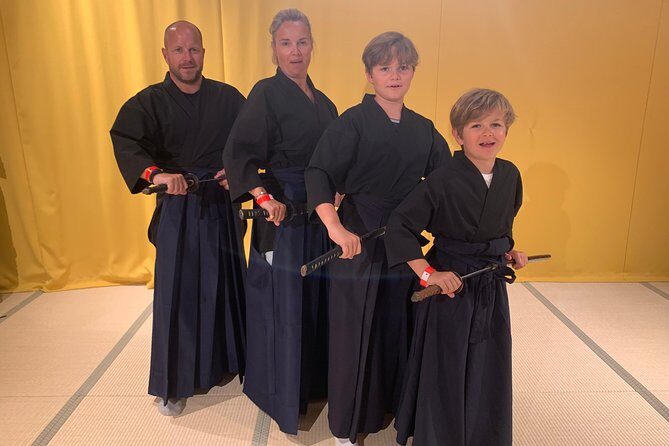
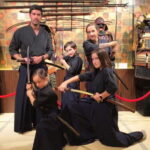
This is marketed as family friendly, and the reviews back up the vibe. Many accounts mention kids enjoying the swords and ninja stars and families taking plenty of photos.
But there are clear boundaries:
- Children under 6 cannot enter the samurai venue.
That means if you are traveling with younger kids, you need an alternate plan.
Also, set expectations for what the sword lesson is. Several descriptions point to practice with replicas or non-sharp gear and a short set of movements, plus wooden or foam options for kids. That’s not a flaw. It’s what keeps it safe and doable for families.
If your child wants sword action like in games, they will probably have fun with the routine and try throws. If your child needs a long, high-adrenaline fighting session, this might feel too structured and time-limited.
A good strategy: treat it as a fun lesson that feels like a samurai training day, not as a full-contact workout.
Logistics That Help You Have a Better Time
This experience is close to transit, and it starts at 2:00 pm at one set location. That helps a lot. The experience ends where it starts, which also reduces day-plan stress.
The biggest improvement you can make is timing. In one account, tardiness created a slower, crowded schedule that impacted photos, the museum start time, and the overall flow. You cannot control other guests, but you can control your own punctuality.
Another practical factor: rain. One explanation in the provided response says rainy periods bring more visitors, and sessions can get reassigned because taxis are unpredictable. That could affect how smoothly things run on that day.
If you want the cleanest experience, aim for a day with stable weather when you can.
Should You Book Samurai Sword Experience at Samurai Museum Tokyo?
Book it if:
- you want hands-on katana-style training rather than just costumes
- you’re traveling with kids who will enjoy a weapons-try moment
- you like structured, staff-led activities with clear safety rules
- you want a memorable family story from Tokyo that feels more active than a typical museum
Skip it (or choose another option) if:
- you only want museum time and would rather not dress up
- you expect dramatic combat, chopping, or lots of solo sword spotlight time
- you have a tight schedule where a delayed flow would ruin your day
My take: if you’re on a Tokyo trip and you want one experience that mixes skill practice, traditional outfit energy, and museum context, this is a strong pick—especially for families.
FAQ
What is included in the Samurai Sword Experience?
You get a hands-on lesson about using the samurai sword, wearing a hakama outfit, wearing a samurai outfit and helmet, an armor trial and posing with swords in front of a studio or themed backgrounds, and a ninja weapons trial.
Where is the meeting point?
The meeting point is Samurai Ninja Museum Asakusa Tokyo, at 1-chōme-8-13 Nishiasakusa, Taito City, Tokyo 111-0035, Japan.
How long does the experience last?
The duration is listed as about 1 hour 15 minutes. Additional details indicate the sword lesson is typically around 40 minutes and the ninja star experience is about 10 minutes, so the total time is often between 90 and 120 minutes.
What time does it start?
The start time shown is 2:00 pm.
Is transportation to and from the attraction included?
No. Transportation to and from the attractions is not included.
Are tickets mobile?
Yes. The tour includes a mobile ticket.
Is this experience suitable for children?
It is described as family friendly, but children under 6 cannot enter the samurai venue.
How large are the groups?
The information given includes different caps: one description mentions up to 8, another mentions up to 16 for the activity, and another note lists a maximum of 4 travelers.
Do I need prior sword experience?
No. The activity is designed for most travelers to participate, and it includes instruction on how to safely wield the sword.
What kind of ninja activity is included?
A ninja weapons trial is included, and one provided detail describes throwing hard rubber ninja stars at a target.
What is the cancellation policy?
Free cancellation is available up to 24 hours in advance for a full refund. If you cancel less than 24 hours before the start time, the amount you paid is not refunded.