REVIEW · TOKYO
Tokyo:Mt.Fuji,Kawaguchiko Oishi Park,Arakurayama Sengen Park
Book on GetYourGuide →Operated by VIP Japan Tour · Bookable on GetYourGuide
Chasing Mt. Fuji from four angles sounds perfect. This 10-hour Tokyo day trip strings together classic Mt. Fuji photo stops, lakeside scenery, and a traditional thatched-village experience so you’re not just ticking boxes—you’re building a whole day of views. Mt. Fuji shows up in different moods, from pagoda-framed drama to quiet lakeside reflections.
I especially like two things. First, you get multiple Mt. Fuji viewpoints in one day, including Arakurayama Sengen Park and Lake Kawaguchi-area stops, so you’re not relying on a single viewpoint. Second, the included visit to Saiko Iyashi-no-Sato Nenba adds something more local than just another lookout—crafts, photo opportunities, and those charming thatched houses.
One drawback to plan for: this is a long day with real walking, including 398 stone steps at Arakurayama. If you’re not feeling great on your feet, you’ll want to pace yourself.
In This Review
- Key highlights worth your attention
- Tokyo to Fuji: What this 10-hour route gives you
- Arakurayama Sengen Park + Chureito Pagoda: Fuji’s most famous frame
- The Hikawa Clock Shop and Arakura Shrine photo stops: small moves, big payoff
- Lake Kawaguchi: your lakeside window for reflections and seasonal color
- Maple Corridor versus flower season: why the timing matters
- Kawaguchiko Craft Park: lunch + shopping with Fuji nearby
- Oishi Park Flower Road: the waterfront Fuji view you can actually enjoy
- Saiko Iyashi-no-Sato Nenba: thatched houses, crafts, and costume photos
- Price and comfort: why $54 can feel fair (and when it might not)
- A practical way to enjoy it: how to set yourself up for a great day
- Should you book this Tokyo–Mount Fuji day trip?
- FAQ
- FAQ
- How long is the tour?
- What does the price include?
- Is lunch included?
- What language options are available for the guide?
- Where does the tour start and end?
- What major stops will I visit?
- How much free time do I get?
- What if I want to see Mt. Fuji but weather is cloudy?
- What time should I arrive for the meeting point?
- Can I get a refund if I cancel?
Key highlights worth your attention
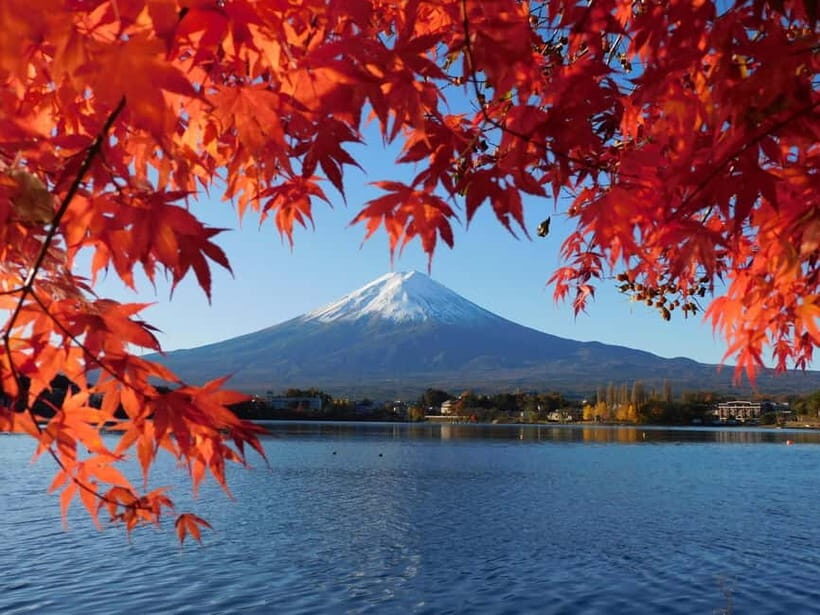
- Four Mt. Fuji chances from big-name viewpoints, not just one quick stop
- Arakurayama Sengen Park + Chureito Pagoda: the classic “Fuji in the frame” moment
- Lake Kawaguchi time for lakeside strolling and seasonal mood (flowers or fall colors)
- Kawaguchiko Craft Park lunch option with convenient shopping and views
- Saiko Iyashi-no-Sato Nenba brings the day into traditional Japan mode with a restored thatched village
Tokyo to Fuji: What this 10-hour route gives you
This tour is designed for one goal: see Mount Fuji from as many angles as possible, then mix in a few stops that feel tied to the region instead of feeling like pure sightseeing homework. You start in the Tokyo area (either the LOVE Robert Indiana spot or the Kokuyo Tokyo Shinagawa office), ride out in an air-conditioned vehicle, and finish back at Shinjuku Station.
At $54 per person for a full day, what you’re really buying is logistics. Getting to Kawaguchiko and Saiko on your own is doable, but it takes planning, tickets, and time. This route stitches together the heavy hitters and the extras: parks, a shrine/temple-area photo circuit, lakeside scenery, and a traditional village that’s included via admission.
Do note the pacing. You’re moving almost all day, and the best views usually involve stairs or walking paths. The upside is that the schedule is built around multiple “grab your camera” moments, so if the first view doesn’t fully deliver, you still have later chances.
You can also read our reviews of more tours and experiences in Tokyo.



Arakurayama Sengen Park + Chureito Pagoda: Fuji’s most famous frame
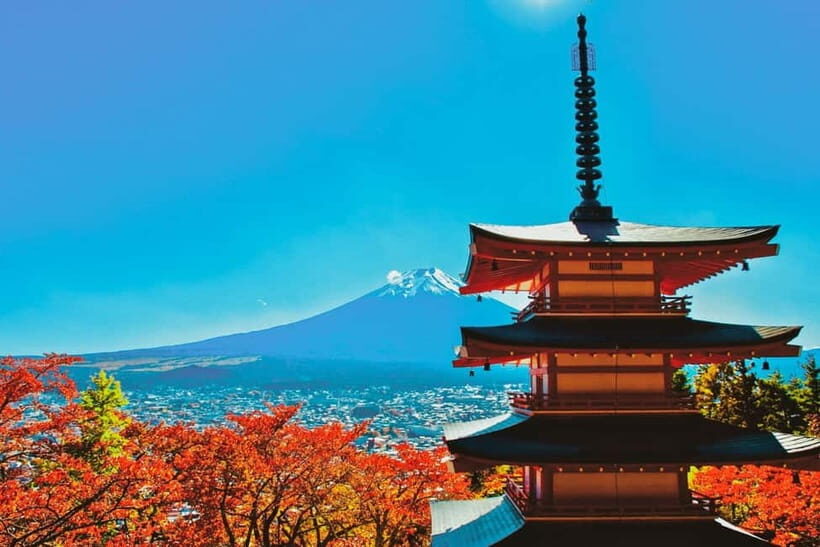
Arakurayama Sengen Park is the kind of spot photographers wait for, because the scene is almost pre-made. You’re looking at a classic Mt. Fuji composition with the five-story pagoda (Chureito Pagoda) and, in spring, a sea of cherry blossoms that can turn the whole area into one big festival photograph.
Here’s what to expect on the ground. From the entrance, you climb 398 stone steps to reach the observation deck. The path is straightforward but stamina matters. If you’re thinking like a tourist-turned-walker, plan to go slow, pause often, and enjoy the views building as you gain height. In autumn, the same area shifts into a red-and-gold tone with the pagoda still anchoring the frame while Mt. Fuji looks sharper against colder, darker skies.
Why this stop works so well on a day trip: it’s not just “a view.” It’s a viewpoint designed for iconic photos, and you’ll likely want time to position yourself, check different angles, and also just enjoy the park atmosphere.
The Hikawa Clock Shop and Arakura Shrine photo stops: small moves, big payoff
After Arakurayama, the tour keeps you in the Fuji-photo mindset rather than sending you straight into a long stretch of nothing. Two quick photo stops—Hikawa Clock Shop and Arakura Fuji Sengen Shrine—help you collect more “Fuji in the background” moments without burning the whole day on travel legs.
These stops are short, but that’s the point. They’re designed for quick framing, quick exploring, and then back onto the bus before the crowds fully take over nearby viewpoints. If you love photography, the advantage is variety: different structures and angles against Mt. Fuji. If you’re not a photo person, these still break up the day so you’re not stuck in one location for too long.
One practical note: because these are brief, have your camera ready and don’t expect the stop to feel like a full half-day walk. Think “grab the shot, enjoy the scene, move on.”
Lake Kawaguchi: your lakeside window for reflections and seasonal color
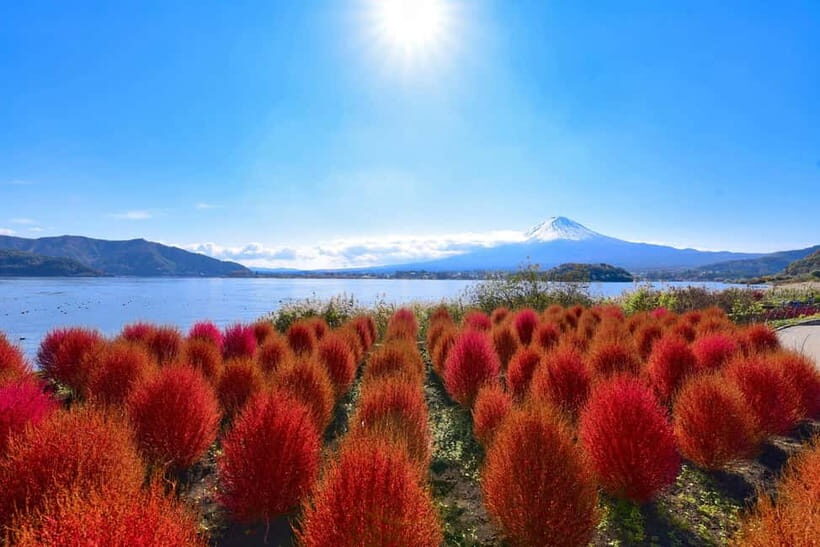
Lake Kawaguchi is where the day turns from “climb and frame” to “breathe and stroll.” You get about 2 hours here, which is a very workable amount for a lakeside break. You’ll have time for wandering paths and for eating regional food options during that stretch.
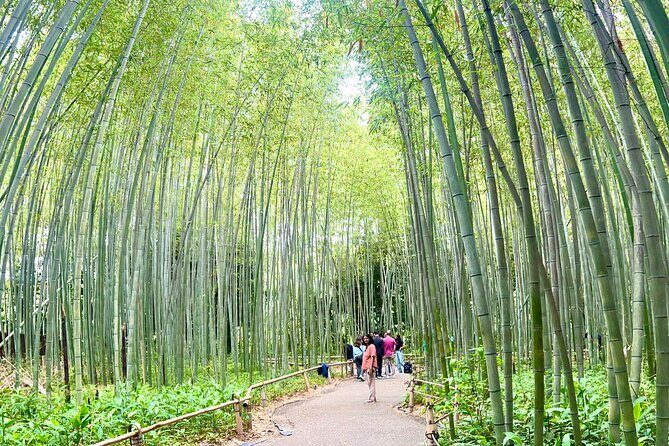
The most helpful way to think about Lake Kawaguchi on this tour: the scenery changes with the season, so you’re not just repeating the same view over and over. In spring, lakeside paths can line up with cherry blossoms. In autumn, the region leans into fall color. That’s why you’re also scheduled for the Maple Corridor photo stop—an additional chance for red-and-gold views.
If your goal is classic “Mt. Fuji reflected on water,” you’re in the right area. Many of these spots around Kawaguchiko are specifically chosen because the lake gives you that calmer, mirror-like mood that you don’t get from hilltop decks.
Maple Corridor versus flower season: why the timing matters
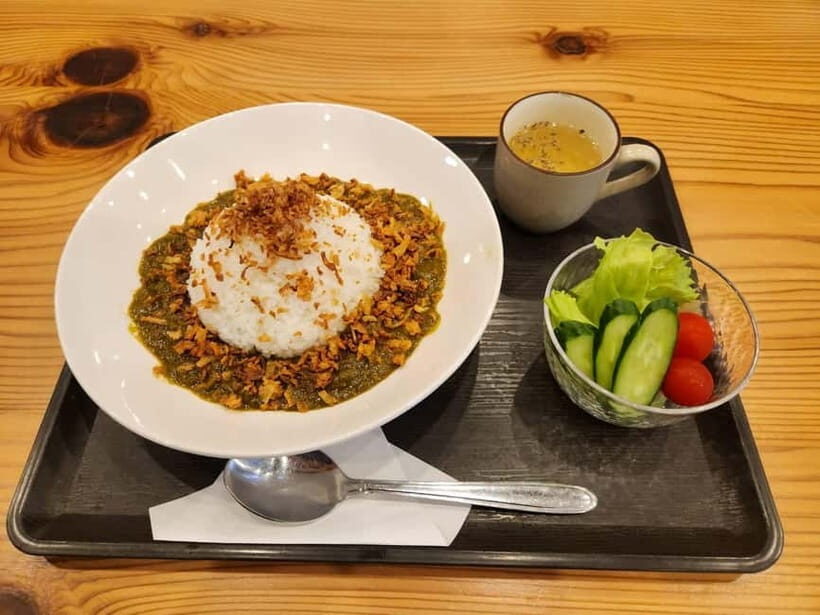
One reason this day trip feels good even when weather isn’t perfect is that the tour isn’t dependent on one single “wow.” It leans into seasonal cues around Kawaguchiko.
When it’s spring, look for cherry blossom energy. When it’s summer, the Kawaguchiko area is known for lavender displays during the Herb Festival timeframe (late June to mid-July). When it’s autumn, the Maple Corridor and similar paths turn into a fall-color runway.
You don’t need to be a seasonal expert to enjoy it, but you should plan your expectations. If you come in a month when Mt. Fuji usually looks sharper (clearer air and colder conditions), you may get more dramatic sightlines. If you come in a mixed-weather window, you still get a whole day of parks and lake scenery that doesn’t disappear just because Fuji is partly covered.
This is also where that long-day pacing pays off. Instead of one gamble, you spread the risk across multiple places that each offer their own version of “Fuji day.”






Kawaguchiko Craft Park: lunch + shopping with Fuji nearby
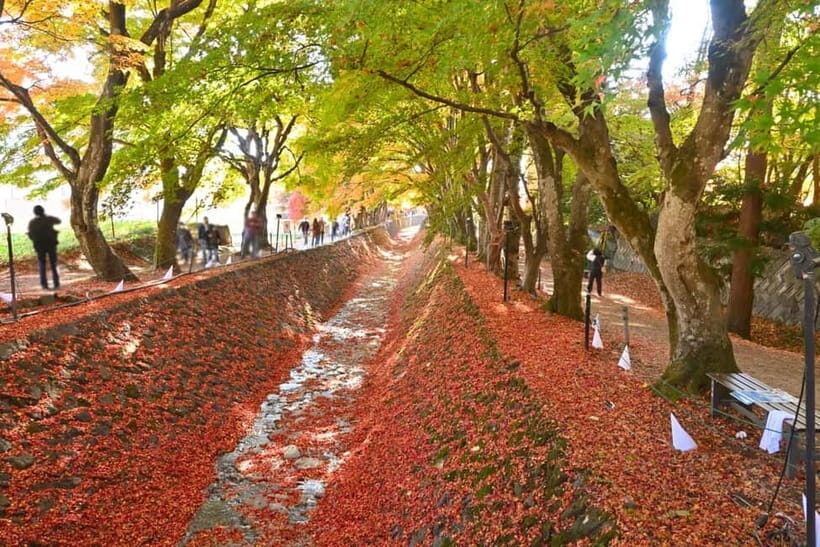
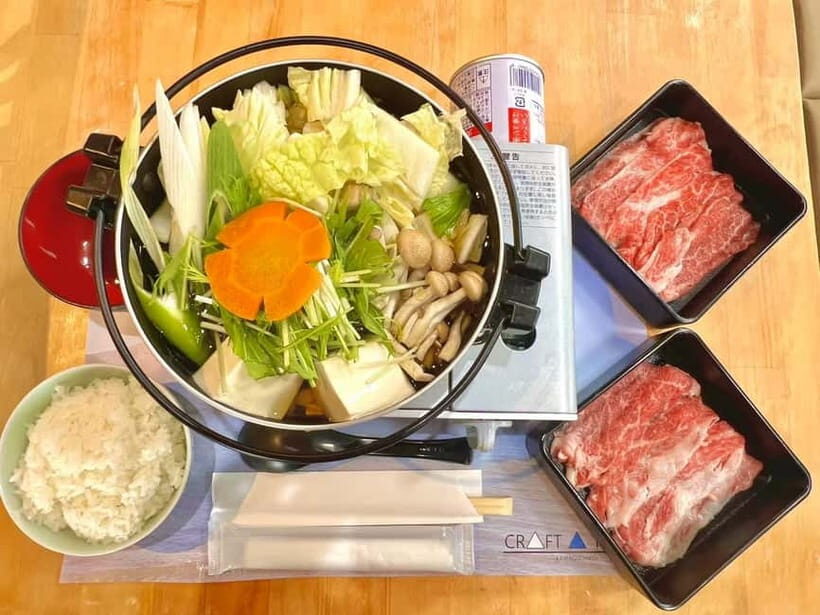
Kawaguchiko Craft Park is a smart stop because it combines three things you’ll otherwise need to manage yourself: a place to eat, a place to browse, and a place to relax between outdoor walks. You’ll get a lunch option if you selected it, plus shopping time and free time to explore.
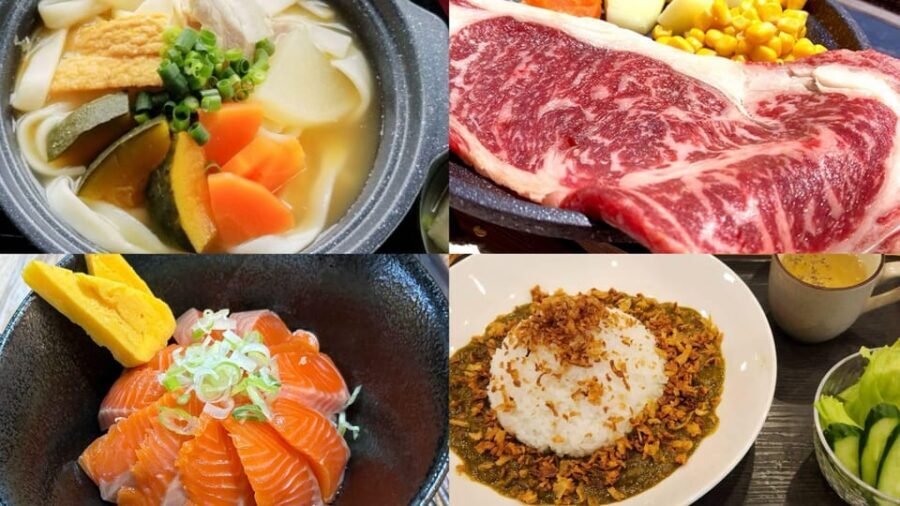
Lunch choices here are a highlight:
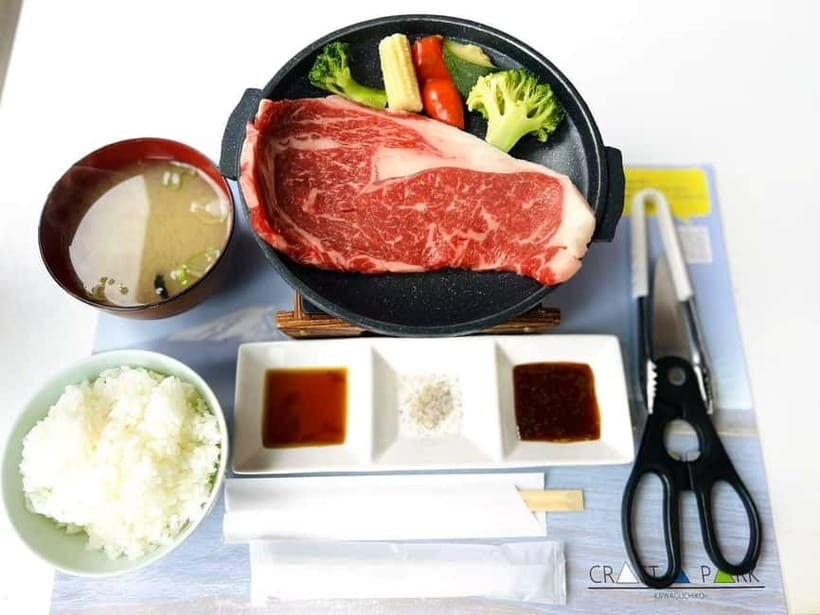
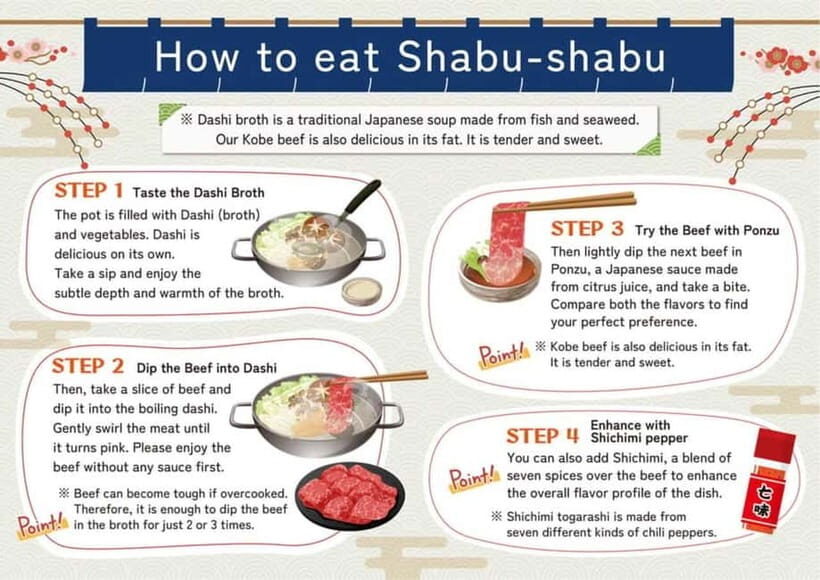
- Kobe beef shabu-shabu made with A5-grade Japanese black Wagyu
- Koshu wine beef steak, using Wagyu raised on grapes in Yamanashi
- Houtou noodles, a local specialty simmered in miso broth with vegetables and chicken
Even if you don’t order the most “fancy” option, this stop is valuable because it’s built for sighting and comfort. There are seating areas where you can eat while looking toward the scenery (and you’ll likely hear plenty of casual conversation around the table, since this is a popular pause point).
After lunch, the souvenir area is a practical win. You can pick up locally themed items without feeling like you need to hunt for a specific store. If you’re buying gifts, this is one of the easiest moments to do it.
Oishi Park Flower Road: the waterfront Fuji view you can actually enjoy
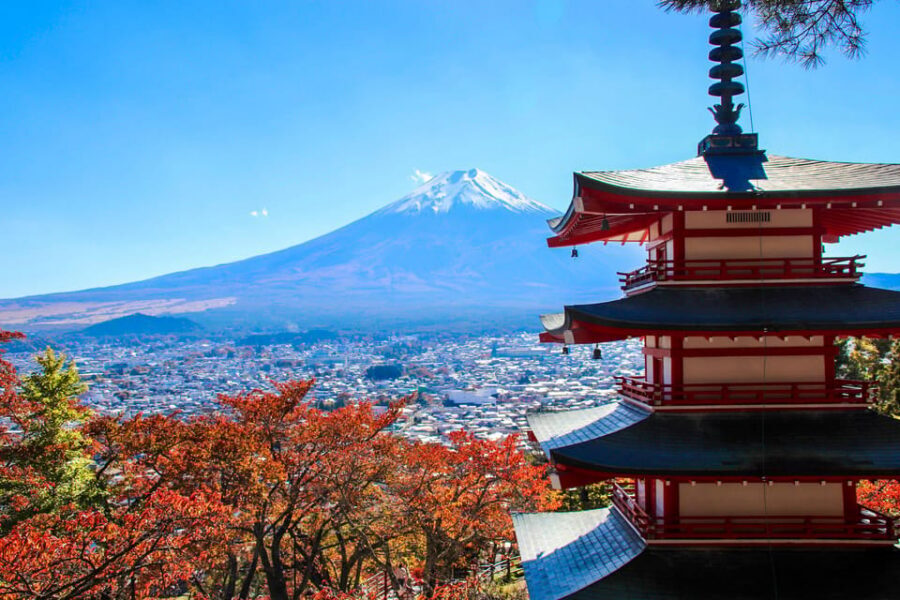
If you want one of the most relaxing Fuji-view stops on the itinerary, it’s Oishi Park. It’s known for expansive views across Lake Kawaguchi and for that signature lakeside walk called the Flower Road (about 350 meters long). The flowers here change by season—tulips in spring, lavender in summer, and kochia (broom grass) in autumn.
During the Kawaguchiko Herb Festival (late June to mid-July), the lavender fields create a dreamy purple scene with Mt. Fuji behind it. That’s the kind of setup you can’t reliably recreate on your own unless you’re timing your trip perfectly.
What I like about Oishi Park on a guided day trip is that it’s not only about one perfect angle. You can wander along the flower path, stop, look, take photos, then shift your position and do it again. It feels less stressful than “rush to the one viewpoint” sightseeing.
One thing to keep in mind: this is still outdoors. Wear shoes you can walk in comfortably, and consider layers. Even in mild seasons, lakeside areas can feel cooler.
Saiko Iyashi-no-Sato Nenba: thatched houses, crafts, and costume photos
This is the stop that turns your day from scenic to cultural in a way that feels genuinely Japan-specific. Saiko Iyashi-no-Sato Nenba is a restored traditional village by Lake Saiko, built to reflect thatched-roof architecture similar to Shirakawa-go. It’s a craft-and-photo kind of place.
You’ll find about 20 houses used as craft studios, souvenir shops, and eateries. That matters because the village isn’t just a backdrop. You can browse handmade items, snack, and take photos without needing extra planning.
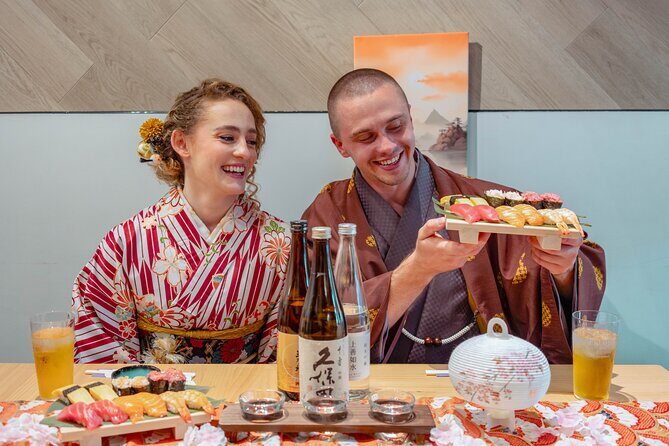
One of the most fun elements here is the option to dress in costumes—like kimono or ninja outfits—and get photos with Mt. Fuji in the background. If you’ve already taken a lot of Fuji photos from viewpoints earlier, this one gives you a different type of memory: not just a mountain, but a scene with you in it.
Year-round, the village has its own seasonal character: cherry blossoms and carp streamers in spring, lush greenery in summer, fall leaves in autumn, and winter snow in colder months. Even if Fuji isn’t fully clear, the village atmosphere usually holds up because the focus becomes the houses, crafts, and the lakeside setting.
Price and comfort: why $54 can feel fair (and when it might not)
At $54 per person for a 10-hour day trip, the value is mostly in what’s bundled. You’re getting:
- air-conditioned vehicle transport
- a live guide (English or Chinese)
- admission to Saiko Iyashi-no-Sato Nenba
- and lunch when you choose the lunch option
That’s a lot to outsource if you were doing it solo, especially the guide’s role in keeping the day smooth and the pacing workable. The biggest “hidden” value is how the day avoids wasted time. You don’t have to figure out where to go next or how to connect between Kawaguchiko-area stops.
Is it perfect value for everyone? Not if you hate walking. Arakurayama includes a real climb, and the other stops still require decent mobility. Also, Mt. Fuji is weather-dependent, so no tour can promise a crystal-clear mountain every time. This route helps because it gives you multiple chances, but it’s still Japan, and weather changes.
A practical way to enjoy it: how to set yourself up for a great day
This tour works best when you treat it like a “photo day with breaks,” not like a slow sightseeing stroll. Here’s how to make it feel smooth:
- Start early in your head. The long travel day can feel like a marathon. Bring water and plan to refuel at lunch.
- Dress for layers. Outdoor viewpoints can shift fast from warm to cool, especially near the lake.
- Plan for a camera rhythm. When you arrive at the key viewpoints, give yourself 5–10 minutes to orient, then move to your preferred angle and settle in.
- Take breaks when you can. Seats at craft and lunch areas help you reset before the next walk.
One more thing I’d emphasize: the guide style matters. Many of the guide experiences tied to this tour are praised for clarity, humor, and keeping the day organized. Names you may hear in the tour experience include Omar and Koji, and guides like Eric and George have also been part of guest experiences. The common theme is that you’re not left guessing what to do next.
Should you book this Tokyo–Mount Fuji day trip?
Book it if you want a high-effort day with high odds of a great Fuji moment. You’re getting multiple viewpoint stops (including the Chureito Pagoda frame), a lakeside break at Lake Kawaguchi, a flower-road experience at Oishi Park, and a traditional village add-on with Saiko Iyashi-no-Sato Nenba. That mix is what makes the day feel complete instead of repetitive.
Skip or adjust your expectations if you’re dealing with limited stamina. This isn’t just sitting on a bus. There’s a big staircase climb at Arakurayama, plus walking time at parks and lakeside paths.
If you’re visiting Tokyo and want one efficient “Fuji day” without the stress of planning connections, this is one of the more sensible ways to do it.
FAQ
FAQ
How long is the tour?
The tour duration is 10 hours.
What does the price include?
You get air-conditioned vehicle transportation and a live tour guide. Entry tickets for Saiko Iyashi-no-Sato Nenba are included. Lunch is included only if you select the lunch option.
Is lunch included?
Lunch is included if you choose the lunch option at Kawaguchiko Craft Park.
What language options are available for the guide?
The live tour guide is available in English and Chinese.
Where does the tour start and end?
It starts at a designated meeting point (either the LOVE Robert Indiana location or the Kokuyo Tokyo Shinagawa office), and it finishes at Shinjuku Station.
What major stops will I visit?
You’ll visit Arakurayama Sengen Park (including the Chureito Pagoda area), the Lake Kawaguchi area (including time at Kawaguchiko Craft Park and Oishi Park), and Saiko Iyashi-no-Sato Nenba. You also have photo stops at Hikawa Clock Shop and Arakura Fuji Sengen Shrine, plus a photo stop at the Lake Kawaguchi Maple Corridor.
How much free time do I get?
The schedule includes free time at multiple stops, including Lake Kawaguchi (about 2 hours) and time at parks and the village for sightseeing and walking.
What if I want to see Mt. Fuji but weather is cloudy?
The tour is built around multiple Mt. Fuji viewpoints from different scenic spots, so you get more than one chance during the day.
What time should I arrive for the meeting point?
You should arrive at the designated location 10 minutes before the scheduled departure time.
Can I get a refund if I cancel?
Yes. Free cancellation is available up to 24 hours in advance for a full refund.