REVIEW · TOKYO
Private Tour to Mt Fuji and Hakone with English Speaking Driver
Book on Viator →Operated by Abc travels · Bookable on Viator
Mt Fuji day trips can feel hectic. This one stays organized while still flexible. You get a comfortable private vehicle with an English-speaking guide/driver, plus a route that uses express highways to cut down stress and time between sights. I especially like the freedom to linger where the views are good and the itinerary is timed to hit classic Hakone–Fuji spots. The main thing to keep in mind: extra fees for certain attractions can add up, and Mt Fuji visibility depends heavily on weather.
What makes this experience work so well from Tokyo is that you’re not stuck figuring out trains, transfers, and wait times. The driver handles navigation and timing, and you can shape the day around your pace—quick photo stop or a longer pause with fewer crowds in your own rhythm. If you want a day that feels like a smooth plan that can still breathe, this is a solid fit. One more consideration: the route still takes a chunk of the day, so you’ll want to be ready for a full 10 hours on the go.
In This Review
- Quick hits before you go
- Why a private Mt. Fuji and Hakone day works from Tokyo
- Price and what you actually get for $495.51
- The route plan: how the day stays efficient
- Ōwakudani volcanic zone: fumes, views, and the black eggs
- Oshino Hakkai: Fuji spring ponds with a calmer pace
- Lake Ashinoko cruise: the torii view is the headliner
- Lake Kawaguchiko and the Fuji photo hunt
- Kitaguchi Hongu Fuji Sengen Jinja and Chureito Pagoda
- Kitaguchi Hongu Fuji Sengen Jinja Shrine
- Chureito Pagoda (and Arakura Sengen Shrine)
- Oishi Park: flowers, views, and ice cream breaks
- Getting your best Mt Fuji results: timing and expectations
- A private driver’s value: comfort, control, and pacing
- Who should book this Mt. Fuji and Hakone private day trip?
- Should you book this tour?
- FAQ
- Is this tour private or shared?
- How long is the tour?
- What’s the group size limit?
- Do I get hotel pickup and drop-off?
- Are there extra fees for attractions during the day?
- Is there an English-speaking driver or guide?
- Where does the tour start and end?
- What happens if the weather is poor?
Quick hits before you go
- Private, up-to-5 group means you can move at your pace instead of following a big-bus schedule.
- English-speaking driver/guide handles logistics and gives context at key stops.
- Express highways and tolls included helps you spend more time sightseeing, less time trapped on the road.
- Hakone volcanic sights at Ōwakudani, including the famous hot spring eggs for luck.
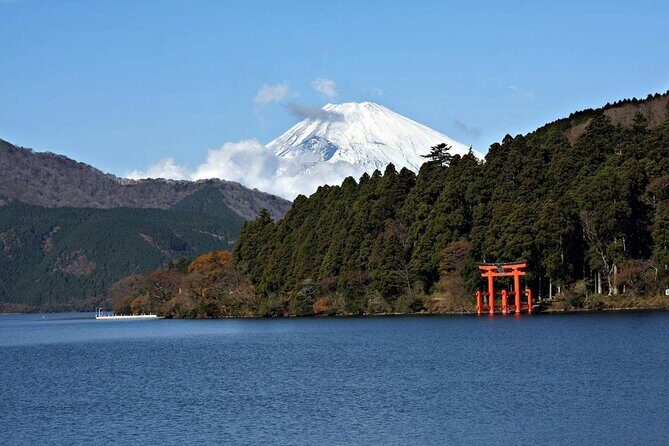
- Lake Ashinoko cruise with the torii view is one of the most memorable “wow” moments.
- Black-and-white Fuji day reality check: plan for the clouds, not just the mountain.
Why a private Mt. Fuji and Hakone day works from Tokyo
Hakone and the Fuji area are the kind of places that look simple on a map, but can be fiddly in real life. Trains don’t always connect nicely with the view stops, and you can burn a lot of energy just getting from one point to the next. With this setup, you’re paying for a driver who knows the route and can keep the day moving without you micromanaging every transfer.
You also get the kind of flexibility that group tours often can’t offer. Want a shorter stop at a shrine because the weather is turning? Want more time at a viewpoint because the clouds are thinning? This tour is built for that style of travel.
Just remember: a full day like this is still a full day. Even with efficient highway driving, you’ll feel it—especially if you’re doing lots of walking at Ōwakudani and around the lakes.
You can also read our reviews of more private tours in Tokyo


Price and what you actually get for $495.51
The price is $495.51 per group (up to 5). That’s the key value detail: you’re not paying per person for the car and driver. If you’re traveling as a small family or a group of friends, the math starts to make sense fast.
Here’s what you’re getting in the core price:
- Air-conditioned private transportation
- Pickup and drop-off
- English-speaking guide/driver
- Highway tolls included
What’s not included (and can change your final cost depending on what you choose):
- Lunch
- Pirate ship on Lake Ashi: ¥1,300 per person
- Ropeway Togendai to Ōwakudani: ¥1,500 per person
- Fuji 5th station entrance: ¥2,100 per booking
So I think of this as a “transport + best-of routing” package. If you want the cruise and/or the ropeway, budget for those up front so you’re not surprised later. If you skip one or two paid add-ons, you can keep the day closer to the headline price.
The route plan: how the day stays efficient
The tour is about 10 hours total, and the schedule is structured to reduce wasted time. You head out of Tokyo using the express highway, with tolls included, then you work your way through the Fuji/Hakone highlights and loop back to Tokyo the same way.
Two practical things I’d watch for on a day like this:
1) Start time matters. Multiple guides have a habit of working around traffic by going earlier when possible, which can dramatically improve your first views.
2) You’ll be trading sleep for views. This is not a slow, sit-in-cafés day. Even when stops are flexible, the pacing is still “see a lot, not do one thing slowly.”
The meeting point is Tokyo Sta. Marunouchi-Kitaguchi (Marunouchi North Exit). In practice, the included pickup means you can start from your hotel, if that’s arranged for your group.
Ōwakudani volcanic zone: fumes, views, and the black eggs
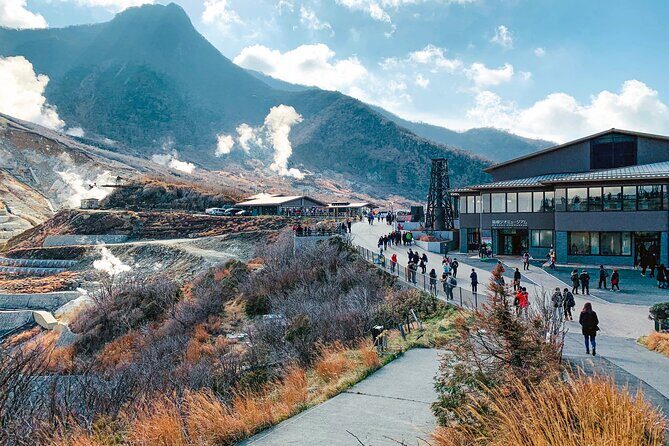
Ōwakudani Station is Hakone’s volcanic realm in plain sight. The experience here is less about shopping and more about feeling the geothermal energy: sulfurous air, steaming areas, and the sense you’re standing near active forces. On clear days, this area also gives strong chances for views of Mt Fuji and Lake Ashi.
You’ll typically get about 1 hour at Ōwakudani. There’s also a very Hakone thing to do: the blackened hot spring eggs for luck. It’s a fun stop because it mixes a local tradition with a photogenic setting.
One note for planning: the ropeway from Togendai to Ōwakudani is not included (¥1,500 per person). If the day includes that route, build it into your budget and don’t treat the “station” stop as automatically ropeway-free.
Oshino Hakkai: Fuji spring ponds with a calmer pace
After Hakone’s heat and fumes, Oshino Hakkai feels like the cooling-off chapter. This area is known for its spring water ponds at the foothills of Mt Fuji. The vibe is quiet and scenic, and it’s a great counterbalance to the more dramatic volcanic sites.
You get about 1.5 hours here. This is usually enough time to stroll, take photos, and still keep your day on track. It’s also a good moment to slow down if you’re traveling with kids or if you want a less intense stop than the volcanic zone.
The downside? If you’re going on a day when clouds roll in fast, ponds can still be pretty—but they won’t magically produce a perfect Fuji backdrop. I’d treat Oshino as a cultural/nature stop even if the mountain is partly hidden.
A few more Tokyo tours and experiences worth a look

Lake Ashinoko cruise: the torii view is the headliner
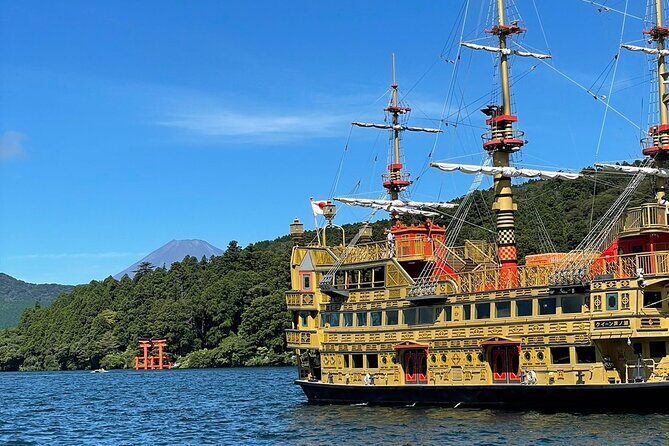
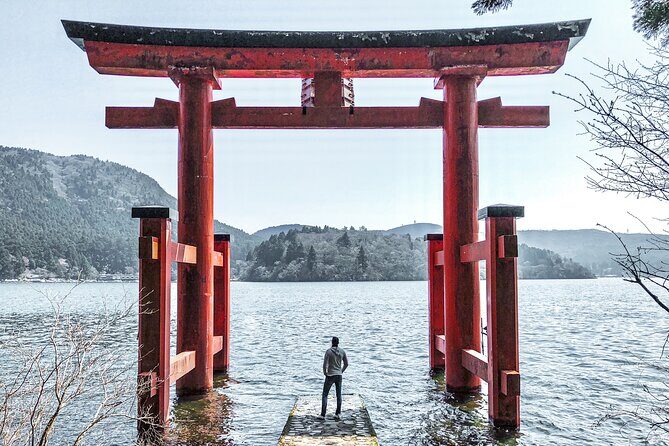
Lake Ashinoko is where the day often turns into a “remember this” memory. The tour includes time for a pirate ship-themed cruise, and the big visual moment is the view of the famous torii gate from the water.
Expect about 1 hour at Lake Ashinoko. The cruise itself is the star, but even before boarding, the lakeside area is one of the best places to watch the light and cloud movement. If Fuji is visible, the contrast over the lake tends to look especially dramatic.
This is also where extra cost shows up. The pirate ship on Lake Ashi is ¥1,300 per person and is not included. If you’re deciding whether to spend on add-ons, I’d usually rank this one high, because it changes the feel of the day from “driving between stops” to “actually experiencing the lake.”
Lake Kawaguchiko and the Fuji photo hunt
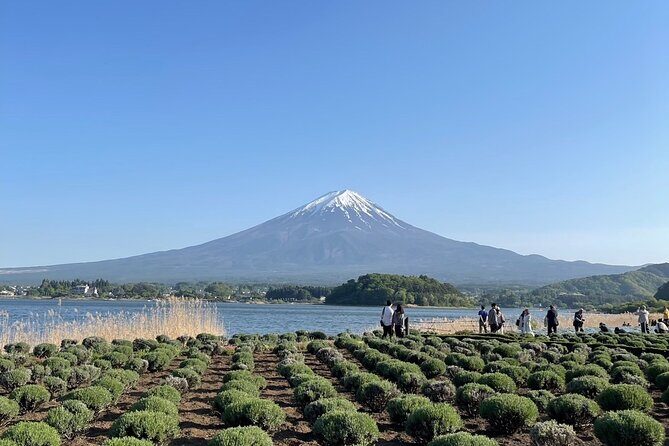
Lake Kawaguchiko is one of the most famous Fuji reflection-and-view regions. You’ll get about 30 minutes here, and that short window is intentional. This stop works best if you pick your viewpoints early and commit to taking photos quickly when visibility is good.
The lake area is known for serene waters and the classic Fuji backdrop. On a good day, this is where you can get that postcard-style composition. On a bad day, it becomes more about enjoying the lake atmosphere and the surrounding mountain views even if Fuji isn’t crisp.
If you love photos, treat this as a “watch, then shoot” stop. You’ll often see clouds move faster than you’d expect, and a viewpoint that looks ordinary five minutes later can suddenly frame the mountain well.
Kitaguchi Hongu Fuji Sengen Jinja and Chureito Pagoda
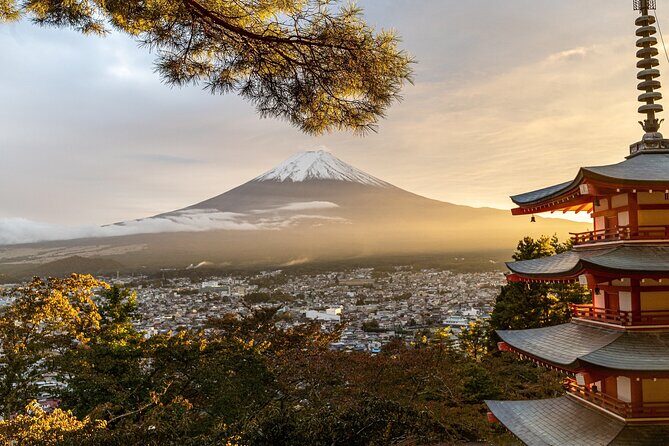
You hit two very different kinds of sacred sights here, and together they give the day a cultural backbone.
Kitaguchi Hongu Fuji Sengen Jinja Shrine
This shrine is tied to Mt Fuji worship and pilgrimage traditions. The idea here is that the shrine symbolizes the link between people and Fuji’s grandeur. You’ll spend about 30 minutes, which is enough for a calm walk, a quick read of the mood of the place, and photos without feeling rushed.
Chureito Pagoda (and Arakura Sengen Shrine)
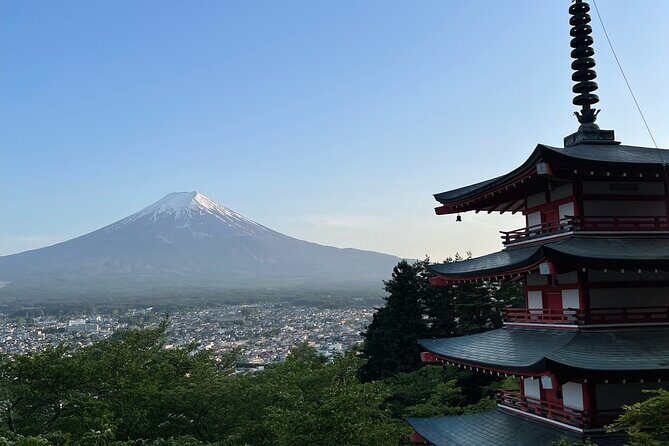
Then you move to Chureito Pagoda, one of Japan’s most photographed five-story pagodas. It overlooks Fujiyoshida City with Mt Fuji in the distance when conditions allow. The pagoda is associated with Arakura Sengen Shrine and was built as a peace memorial in 1963, which adds meaning beyond just the views.
You’ll get about 1 hour here. This stop is all about timing—light, cloud breaks, and where you position yourself for photos. It’s also one of the places where you’ll understand why your driver’s experience matters: small timing tweaks can lead to much better visibility.
Oishi Park: flowers, views, and ice cream breaks
Oishi Park is your final scenic push. It’s a flower garden facing both Mt Fuji and Lake Kawaguchiko, so it’s designed for the same “look up, look out” kind of sightseeing. You’ll have about 30 minutes, which is just enough time to enjoy the gardens and grab a treat.
The standout practical fun detail: you can find ice cream flavors at the park. It’s the kind of small, cheerful stop that keeps the day from feeling like pure logistics.
If you’re tired, this is also a good place to slow down. When you don’t have much energy left, a short garden stroll and an ice cream reset can make the last stretch feel easier.
Getting your best Mt Fuji results: timing and expectations
Mt Fuji visibility is not something any tour can guarantee. What a good driver can do is manage the day based on what the sky is doing. In past experiences with English-speaking guides on this route, the pattern is consistent: they keep an eye on weather and adjust the order or timing to give you the best chance at clear views.
Here’s how you can help that happen:
- Dress in layers. You can feel the temperature shift around lakes and higher viewpoints.
- Bring a small camera battery plan. You’ll want extra shots at Chureito Pagoda and the lakes.
- Be ready to move quickly when Fuji appears. A cloud break can be brief.
I’d also treat Mt Fuji as a “maybe” and “earned” at the same time. If you see it, it feels like the reward for the whole day. If you don’t, the Hakone volcanic scenery, shrine visits, and lake cruising still make it worth it—just with a different emotional ending.
A private driver’s value: comfort, control, and pacing
In a day like this, comfort is not a luxury. It’s what makes 10 hours feel doable. You’re in an air-conditioned vehicle with private seating for your group, and that matters when the weather changes or you’re moving from viewpoint to viewpoint quickly.
The other big value is control. Many people come to Hakone/Fuji with a short list of must-sees. A private tour lets you follow that list without losing time to ticket lines, unclear directions, or missed connections.
Also, it’s worth knowing that your English-speaking guide/driver can shape the information level. Some groups want more background on shrines and local traditions. Others want just a clean plan and good photo stops. This tour is built for that.
Who should book this Mt. Fuji and Hakone private day trip?
Book it if you:
- Want an organized day that still lets you set your own pace.
- Are traveling with kids or family members who don’t want to bounce between trains.
- Prefer comfort and direct routing over public transport stress.
- Care about classic view stops like Ōwakudani, Oshino Hakkai, Lake Ashinoko, and Chureito Pagoda.
You might choose another option if you:
- Want a strictly budget-only day with no paid add-ons.
- Are a solo traveler who doesn’t mind public transportation and would rather spend less on a private vehicle.
- Expect a guaranteed, crystal-clear Mt Fuji view no matter the weather.
Should you book this tour?
Yes, if your priority is a stress-free, high-efficiency day that still feels personal. The combination of pickup/drop-off, private transport, and English support is what makes this work from Tokyo, especially when you want to hit both Hakone and the Fuji-area lakes in one shot.
I’d book it with one mindset: Mt Fuji visibility is the variable, not the quality of the day. If the sky cooperates, you’ll rack up unforgettable views. If it doesn’t, you’ll still get volcanic Hakone character, peaceful Oshino ponds, shrine and pagoda scenery, and a lake cruise experience that feels like the real heart of the route.
FAQ
Is this tour private or shared?
It’s a private tour, meaning only your group participates.
How long is the tour?
The duration is about 10 hours.
What’s the group size limit?
The price is per group for up to 5 people.
Do I get hotel pickup and drop-off?
Yes. Pickup and drop-off to your hotel is included.
Are there extra fees for attractions during the day?
Yes. Lunch is not included, and there are additional fees for things like the Fuji 5th station entrance (¥2,100 per booking), the pirate ship on Lake Ashi (¥1,300 per person), and the ropeway from Togendai to Owakudani (¥1,500 per person).
Is there an English-speaking driver or guide?
Yes, the tour includes an English speaking guide.
Where does the tour start and end?
It starts at Tokyo Sta. Marunouchi-Kitaguchi (Marunouchi North Exit) and ends back at the meeting point area.
What happens if the weather is poor?
This experience requires good weather. If it’s canceled due to poor weather, you’ll be offered a different date or a full refund.