REVIEW · HIROSHIMA
Hiroshima and Miyajima Day Trip with Itsukushima Shrine & Ferry
Book on Viator →Operated by Amigo Tours Japan · Bookable on Viator
A floating torii gate makes this day trip special. It’s built to get you out of Hiroshima fast, onto Miyajima for Itsukushima Shrine, and then back for the solemn sights around the Hiroshima Peace Memorial Park. You’re not stuck figuring out trains and transfers by yourself.
I like the practical value here: the tour price covers the ferry ticket and Itsukushima Shrine entrance, plus the transportation from the meeting area. I also like that the guide shares cultural context along the way, not just a list of stops, and you get a bilingual English and Spanish tour format.
The main thing to consider is pacing and sound: the day is tight, and because the tour runs in two languages, you may need to position yourself closer to the guide to catch every detail clearly.
In This Review
- Key things that make this day trip worth your time
- Getting out of Hiroshima without the transit headache
- The ferry ride and first taste of Miyajima’s vibe
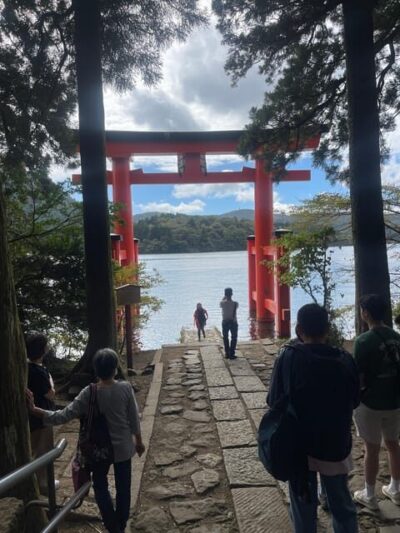
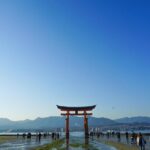
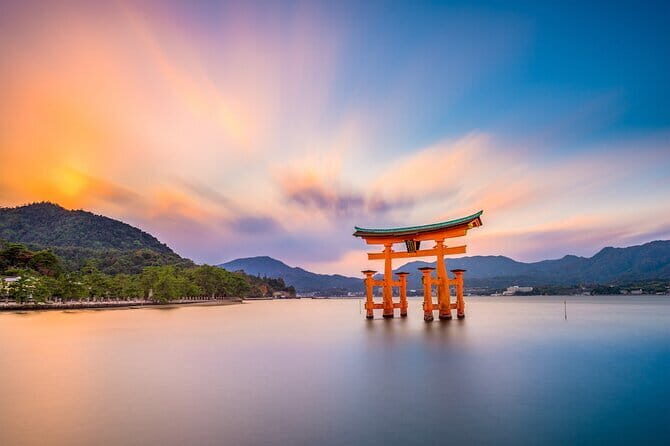
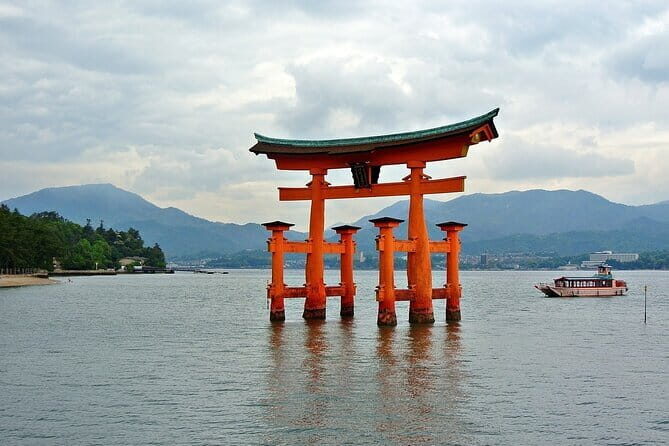
- Itsukushima Shrine: where the torii seems to float
- Miyajima walking time: deer, side streets, and real atmosphere
- Hiroshima Peace Memorial Park: what the time is for
- The guide and the bilingual setup: how to get full value
- Price and what you actually get for $45
- Timing, group size, and crowd management
- Who this day trip fits best
- Should you book this Hiroshima and Miyajima day trip?
- FAQ
- How long is the Hiroshima and Miyajima day trip?
- Does the tour include tickets for Itsukushima Shrine and the ferry?
- Is Hiroshima Peace Memorial Park included?
- Is the Hiroshima Peace Memorial Museum admission included?
- Will I need to pay for food and drinks during the day?
- What languages does the guide speak?
- Where do I meet the guide?
- How big is the group?
- What if the weather is bad?
Key things that make this day trip worth your time
- Ferry + Itsukushima Shrine admission included so you can focus on the island instead of ticket math
- Floating torii gate views paired with time to walk Miyajima’s shrine streets
- Optional route choice to do only Miyajima or add Hiroshima’s Peace Memorial Park
- Bilingual English/Spanish guide with cultural notes on the drive and in key areas
- About three hours at Peace Memorial Park to see the major monuments and the Atomic Bomb Dome area
- Small-group feel (max 30) which helps with moving as a unit
Getting out of Hiroshima without the transit headache
This tour is designed for people who don’t want to wrestle with schedules. You start around Hiroshima Station, meet your guide at the correct bus berth, then board a comfortable bus that handles the transfer toward the coast and the ferry area.
If you’re choosing the option that includes both Hiroshima and Miyajima, you meet at Hiroshima Station near the Shinkansenguchi bus berth (between bus stops 8 and 9). If you’re doing the Miyajima-only version, your meeting point shifts to the station area outside Hiroshima’s Hiroden-Miyajimaguchi stop, with the guide holding an Amigo Tours sign. Either way, the goal is simple: a plan you can follow without guessing which platform to use.
One smart detail: the tour uses a mobile ticket. That matters on a day like this, when you’re moving quickly between bus, ferry, and walking routes. You won’t be scrambling with paper tickets or digging through your phone at the worst moment.
A few more Hiroshima tours and experiences worth a look
The ferry ride and first taste of Miyajima’s vibe
Once the bus reaches the ferry side, you board for the short crossing to Miyajima Island. Even though the ferry time is brief, it sets the tone—salt air, sea views, and that immediate sense that you’ve left the city behind.
On the way, the guide gives context about the island and Itsukushima Shrine. This is the kind of background that helps your photos make sense later. Without it, Miyajima can feel like a pretty day out; with it, you notice how the shrine’s setting connects to Shinto ideas about sacred spaces and nature.
Practical note: Miyajima is popular, so you should expect crowds, especially around the shrine approach and the ferry terminals. This is normal for the area, and it’s one reason a guided flow is helpful. You don’t just arrive—you arrive in the order that keeps things from feeling chaotic.
Itsukushima Shrine: where the torii seems to float
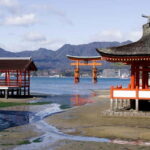
Itsukushima Shrine is the main reason most people come, and this tour gives it the attention it deserves. You’ll visit the shrine on Miyajima with time built in for walking and taking in the details up close.
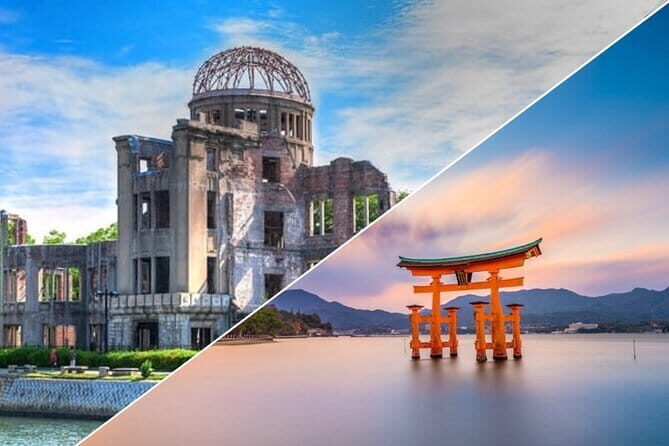
The “floating” torii gate is the headline, but don’t treat it like a one-stop photo spot. The value here is lingering long enough to notice how the shrine buildings sit along the shoreline and how the walkway and water combine into one scene. That’s what makes the torii so memorable: it isn’t just a gate; it’s a whole visual setup.
You also get itsukushima shrine admission covered in the tour price. That’s a straightforward win: you avoid paying separately and you avoid spending your limited time figuring out what’s included once you’re already there.
What to watch for once you reach the shrine grounds:
- People move through in waves, so patience pays off.
- If you like photos, aim to step aside from the densest clusters. A small change in position can make your shots feel less crowded.
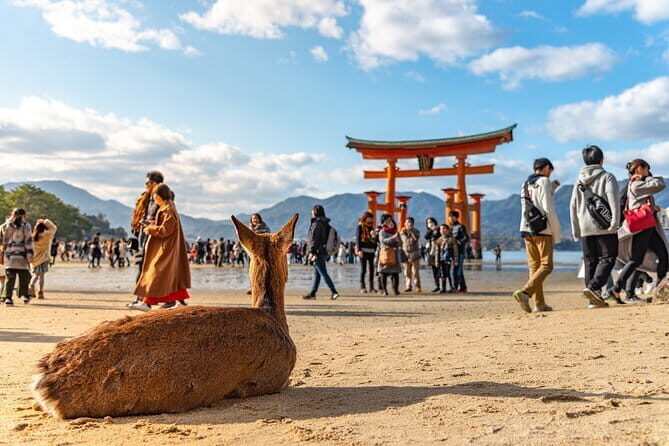
- The island’s deer are part of the experience. They’re often near visitor areas, and they can be bold. Keep an eye on where you step and avoid treating them like props.
Miyajima walking time: deer, side streets, and real atmosphere
You’ll have a few hours on the island, and that window is what makes the day trip feel more than a checklist. Miyajima’s streets have a “slow travel” effect even when you’re moving with a group. You’ll see the shrine area, then have space to wander and absorb the atmosphere on your own.
This is where you can tailor the experience. If your priorities are scenery and cultural vibes, you can spend your time closer to the shrine area and nearby lanes. If you’re more interested in the island’s character, focus on the short strolls between viewpoints and shop streets—just remember that with crowds, it helps to keep moving with purpose.
Also, plan for deer encounters. Even if you’ve seen deer in other parts of Japan, Miyajima’s deer culture is its own thing. Keep your belongings secure, and don’t act like they’re trained pets. If you’re traveling with kids, a quick reminder to stay alert goes a long way.
Hiroshima Peace Memorial Park: what the time is for
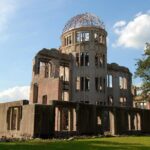
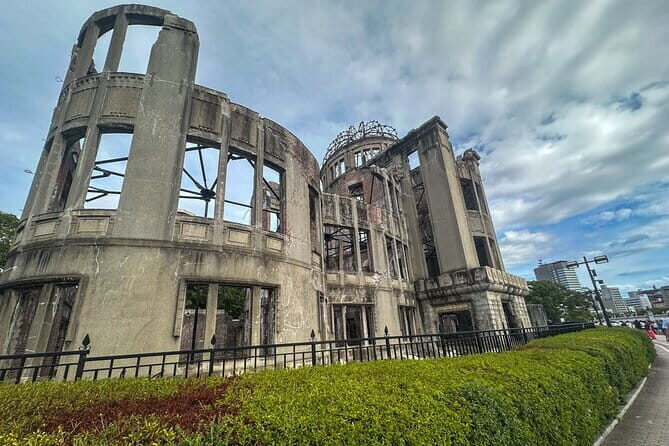
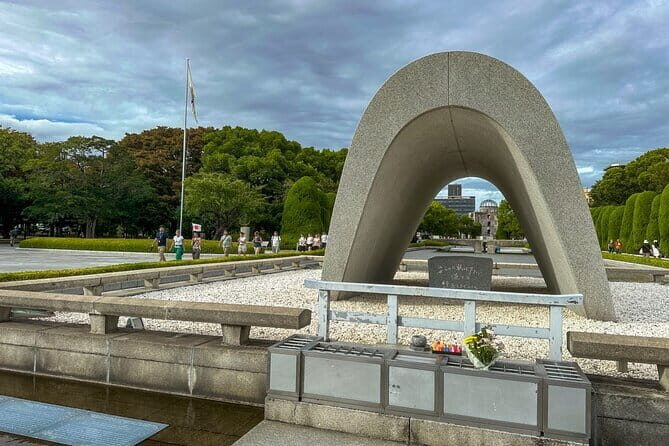
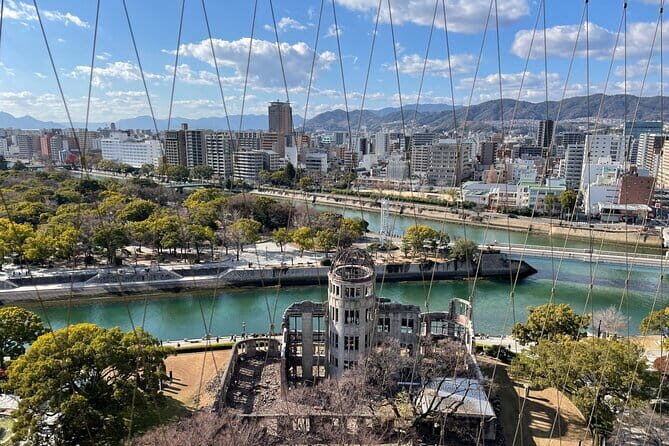
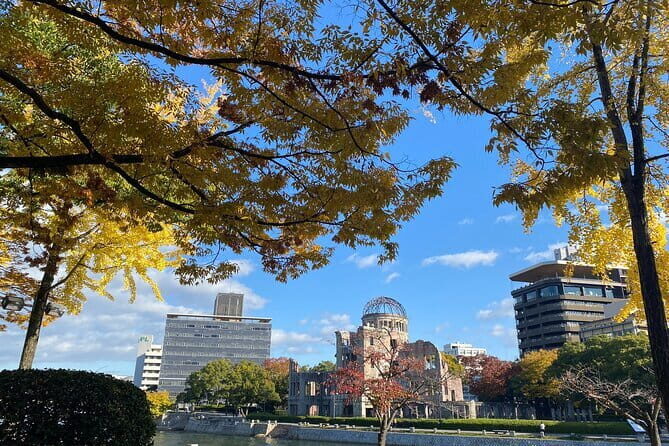
After Miyajima, you head back to Hiroshima for the Hiroshima Peace Memorial Park. This is the part of the day that carries weight. You’re looking at monuments and remembrance spaces tied to 1945, including the area associated with the Atomic Bomb Dome.
The tour schedule sets aside about three hours here. That’s a meaningful block, but it’s also not endless. You’ll have enough time to walk the main memorial zones and see major sights, but you should manage expectations if you’re the type who reads every plaque word-for-word.
There’s one important practical detail: the park visit is included, but museum admission is not included. If you want a longer stay inside a museum setting, you should budget extra time and money to cover entry separately. This is a common place where people feel surprised if they assumed everything inside the area was included.
How I’d plan your approach on-site:
- Use the first part of your park time to orient yourself, then decide what you want to read closely.
- If you care about the museum most, consider prioritizing that early so it doesn’t get squeezed by the group schedule.
- If you’re more focused on the outdoor memorials and architecture, lean into the walking routes and viewpoints.
This portion of the tour can feel intense. A good day trip doesn’t just show you sights—it helps you stay steady and respectful while still moving at a human pace.


The guide and the bilingual setup: how to get full value
This tour runs with a bilingual guide in English and Spanish. Many people love this setup because it broadens the story and keeps international visitors included. In practice, it can also affect how easy it is to follow.
A recurring theme with bilingual tours is sound: if the guide is walking ahead, it becomes harder to hear clearly. The simplest fix is to stay where you can see and hear them—don’t drift too far back. If you’re sensitive to hearing or background noise, you might consider bringing your own small earbud setup so you can catch guidance more easily.
Guides like Astrid and Alan (and similarly named guides reported on past departures) are highlighted for keeping things organized and adding context. The best experience tends to happen when you treat the guide like your “movement anchor” for the day—follow their flow, ask questions when you can, and don’t try to outsmart the schedule on the fly.
A quick realism check: you’re on a time-shaped itinerary. If you pause every few minutes for your own pace, you might feel the day tighten. If you like structure but still want freedom, this tour can work well—you just need to choose your moments to slow down.
Price and what you actually get for $45
At $45 per person for an ~8-hour day, the big value is that you’re not paying separately for the ferry and shrine admission. For many visitors, those two components alone would create extra planning and extra cost.
Here’s what the price clearly covers based on the tour details:
- Ferry ticket to Miyajima
- Entrance fee to Itsukushima Shrine
- Transportation from the meeting point(s)
- A bilingual guide (English and Spanish)
What’s not included:
- Food and drinks
- Museum/entry elements connected to the Hiroshima Peace Memorial Park area (the park time is included, but museum admission isn’t)
This is a good deal if you want a guided day with major highlights and you’re okay handling your own meals. It’s not the right fit if you want a fully self-paced itinerary, or if you expect museum tickets to be bundled automatically.
Timing, group size, and crowd management
The tour runs for about 8 hours. That’s enough time to see both Miyajima and Hiroshima’s remembrance area without feeling like you’re just passing through. The tradeoff is that it’s still one day, so you won’t get a slow, hour-by-hour unhurried rhythm.
The group size is capped at 30 travelers. That matters. Smaller groups generally mean fewer delays at bottlenecks like ferry terminals, shrine entrances, and walking lanes.
Crowds are part of the deal here—especially around Miyajima. One lesson from the experience style: if you want the best photos and the most calm walking, you don’t fight people head-on. You move with the group when needed, then step aside when you get a chance.
If you’re traveling during peak periods (like Golden Week), expect extra intensity. The tour still aims to run smoothly, but your mindset should shift from quiet sightseeing to “efficient and meaningful” sightseeing.
Who this day trip fits best
This tour is a strong match if you:
- Want logistics handled between Hiroshima and Miyajima
- Care about the big highlights: Itsukushima Shrine and Hiroshima Peace Memorial Park
- Like learning context while you walk, rather than just reading signs
- Prefer a guided day with manageable group size (max 30)
It might not fit you as well if:
- You want lots of free time at one stop to the point you can skip the group pace entirely
- You need museum entry bundled into the same ticket price
- You get frustrated when the guide’s bilingual format requires extra attention to catch details
Should you book this Hiroshima and Miyajima day trip?
Yes—if your goal is a high-value highlights day with ferry + shrine covered, and you’re comfortable spending a few hours at the Peace Memorial Park with the option to add museum entry on your own. The mix is also smart: Miyajima’s calm, sacred setting gives you a strong contrast to the heaviness of Hiroshima, and the day doesn’t feel purely sightseeing—it feels like a sequence of meaning.
If you’re the type who wants maximum time in museums or you need everything fully bundled (including all entries), you’ll likely do better planning for extra museum cost and giving yourself time to read slowly. In short: book it for the structure and value, then adjust your priorities on the Hiroshima side.
FAQ
How long is the Hiroshima and Miyajima day trip?
It lasts about 8 hours.
Does the tour include tickets for Itsukushima Shrine and the ferry?
Yes. Entrance to Itsukushima Shrine and the ferry ticket are included.
Is Hiroshima Peace Memorial Park included?
If you choose the option that includes Hiroshima and Miyajima, you’ll visit Hiroshima Peace Memorial Park. If you choose Miyajima-only, that Hiroshima stop isn’t part of your day.
Is the Hiroshima Peace Memorial Museum admission included?
No. The Hiroshima Peace Memorial Park visit is included, but museum admission is not included.
Will I need to pay for food and drinks during the day?
Food and drinks are not included, so you’ll need to purchase meals on your own.
What languages does the guide speak?
The guide provides bilingual commentary in English and Spanish.
Where do I meet the guide?
The meeting point depends on the option:
- For Hiroshima and Miyajima: you meet outside Hiroshima Station Shinkansenguchi Hiroba Bus Berth (between bus stops 8 and 9).
- For Miyajima only: you meet outside the station area near Hiroden-Miyajimaguchi Station with an Amigo Tours sign.
How big is the group?
The tour has a maximum of 30 travelers.
What if the weather is bad?
The experience requires good weather. If it’s canceled due to poor weather, you’ll be offered a different date or a full refund.
If you want, tell me which option you’re considering (Miyajima-only or Hiroshima + Miyajima), and I’ll help you decide how to prioritize your time—especially on the Hiroshima side.