REVIEW · HIROSHIMA
Hiroshima Local guided Hiking Tour&Open-air Tea Ceremony
Book on Viator →Operated by Attractive JAPAN · Bookable on Viator
A morning hike in Hiroshima feels like a local secret. This Mt. Futaba guided walk mixes sacred shrine stops, forest time, and an open-air Nodate tea ceremony with skyline views. You’ll trade museum queues for quiet steps uphill, then end back at Hiroshima Station with your day mostly free.
Two things I really like: the route stays in the foothills outside the usual tourist lanes, and you get the story behind what you’re seeing, not just a checklist of sites. The tea time at the top is also genuinely memorable—warm ritual, mountain air, and a view that makes the climb feel worth it.
One thing to consider: the hike includes about 500 steps, and trails can be uneven. If you hate stairs or you’re traveling in bad weather, this may not be the best match.
In This Review
- Key highlights worth waking up for
- Why this early-morning Mt. Futaba hike makes sense in Hiroshima
- Meeting at Hiroshima Station and planning your day around 3 hours
- Hiroshima Toshogu Shrine: a calm cultural stop before you go uphill
- Kinko Inari Shrine and the 500 steps that change the whole feeling
- Futabayama Peace Pagoda: big views, then forest bathing
- Okumiya Shrine and the Nodate open-air tea ceremony
- The guides and why a max of 6 people matters on sacred trails
- How hard is the hike, really? (500 steps, uneven ground, and real pacing)
- Price and value: what $109.43 gets you in return
- Who should book this tour, and who might skip it
- Should you book the Hiroshima Local Guided Hiking Tour and open-air tea ceremony?
- FAQ
- What is the duration of the Hiroshima Local Guided Hiking Tour&Open-air Tea Ceremony?
- Where do I meet and where does the tour end?
- How many steps are involved in the hike?
- What is included in the Nodate tea ceremony stop?
- How big is the group for this tour?
- Does the tour run in poor weather?
Key highlights worth waking up for
- Small group size (max 6) means more time for questions and breaks on the climb
- 500 steps up Mt. Futaba plus pauses makes the hike feel manageable
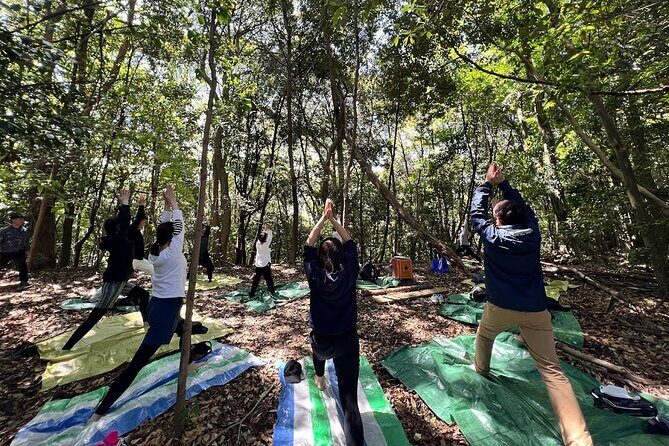
- Shinrinyoku (forest bathing) is built into the schedule, not tacked on at the end
- Futabayama Peace Pagoda viewpoints cover Hiroshima, the Seto Inland Sea, and Miyajima
- Nodate open-air tea ceremony happens on a mountaintop at Okumiya Shrine with guide support
- 5% donation to Futaba Mountain conservation ties your morning to something bigger than sightseeing
Why this early-morning Mt. Futaba hike makes sense in Hiroshima
Hiroshima can feel schedule-heavy fast: Peace Park, museums, monuments, then more travel. This tour gives you a very different start—early hiking time that clears your head and leaves you with a chunk of the day afterward.
What makes it work is the mix. You’re not only walking; you’re learning how Shinto practice connects to the landscape around Hiroshima. Then you slow down on purpose with forest bathing, followed by tea in open air.
And because the group caps at six people, the experience stays personal. You’ll move at a human pace with frequent stops, which matters a lot on stairy shrine paths.
You can also read our reviews of more guided tours in Hiroshima


Meeting at Hiroshima Station and planning your day around 3 hours
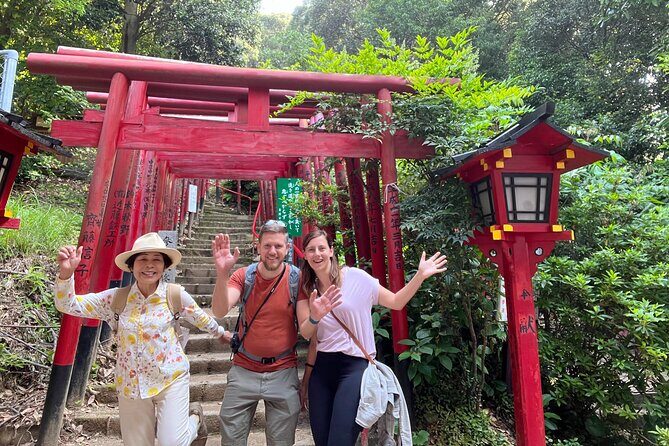
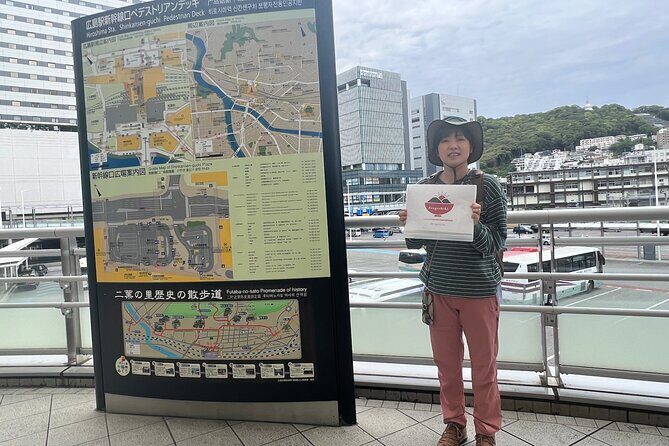
You’ll meet at Hiroshima Station at the Shinkansen exit area (the meeting point is listed at 1-2-37 Matsubarachō, Minami Ward). Departure times are slotted at 07:30, 10:00, or 13:00, and you’ll return back to Hiroshima Station when the tour ends.
The duration is about 3 hours, so it’s a strong option if you want nature + culture without losing your whole morning or afternoon. It also helps that the tour uses a mobile ticket, so you’re not stuck hunting for paper while you’re trying to catch your route.
Practical note: the schedule is tight. Being more than 10 minutes late without contacting the guide can lead to cancellation, so I’d treat this like an appointment, not a flexible stroll.
Hiroshima Toshogu Shrine: a calm cultural stop before you go uphill
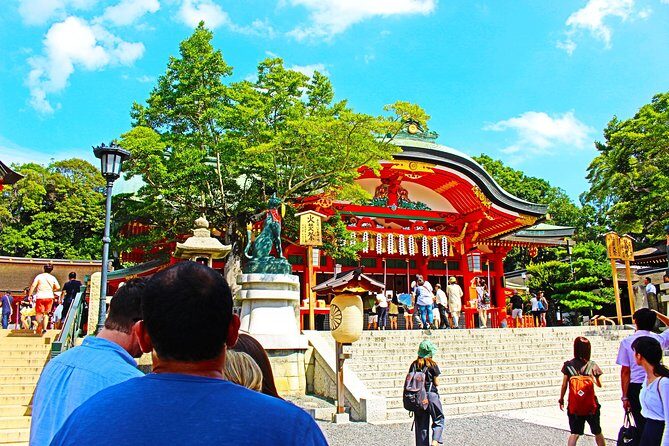
The first shrine visit is Hiroshima Toshogu Shrine, about 20 minutes after meeting (timing shifts depending on which departure you take). This is where the tone sets: quieter, more reflective, and focused on cultural assets rather than big photo stops.
Expect about 30 minutes here. That’s enough time to notice details, ask questions, and get oriented before the steeper part begins. I like that the tour doesn’t rush you. It helps the walking feel purposeful instead of chaotic.
A good fit if you enjoy shrine culture and want context. If you’re only in Hiroshima for one or two major sights, this is the side of the city that feels local—religion, ritual, and everyday reverence.
Kinko Inari Shrine and the 500 steps that change the whole feeling
Next comes Kinko Inari Shrine, and yes, this is the uphill leg. The tour includes the climb of roughly 500 steps as you go toward the shrine areas and deeper into the Mt. Futaba route.
You’ll spend about 25 minutes at this stop and along the hike through the shrine approach. The step count sounds simple on paper, but what matters is how the guide paces it. The best part is that you don’t just suffer stairs. You get breaks, explanations, and ritual context as you go.
This is also where the tour leans into Shinto practice. In the reviews, guides like Nana, Michi, and Naomi are praised for explaining the meaning behind what you’re seeing. Some guests even mention doing an offering or making a wish at one of the early spots—small, but it makes the day feel participatory rather than observational.
If you’re sensitive to stairs, plan footwear carefully and take your time. The path is described as maintained, but uneven ground and steep sections are part of the experience.
Futabayama Peace Pagoda: big views, then forest bathing
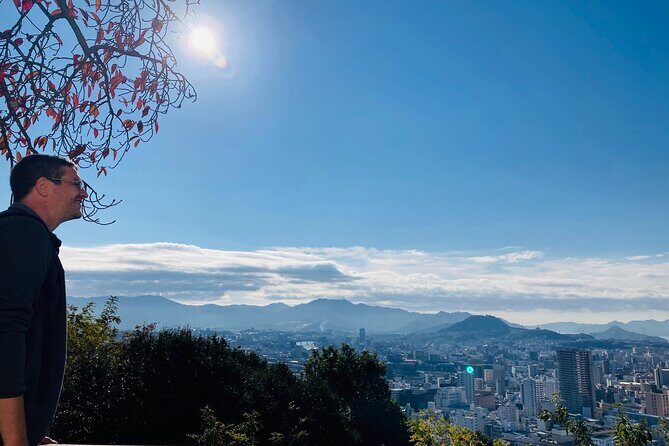
After Kinko Inari, the tour heads to Futabayama Peace Pagoda (timing again depends on your start time). This is the “pause and look around” moment: Hiroshima City, the Seto Inland Sea, and Miyajima are all visible from up high.
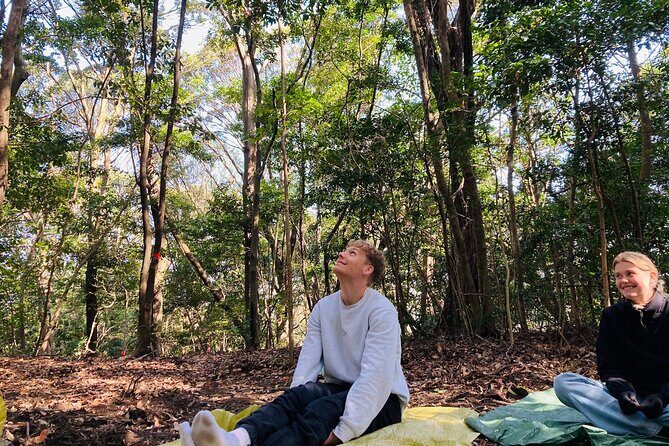
You’re given time for sightseeing and to take in the scenery, plus the schedule includes Shinrinyoku (forest bathing). That’s a structured slow-down in the trees—designed to help you experience the forest with your senses rather than just walking through it.
A common theme in feedback is that this portion breaks the usual sightseeing rhythm. Instead of chasing the next temple, you slow down, breathe, and let the mountain air do its job. If you’re traveling in hot weather, this section also tends to feel like relief, since you get time in cooler shade.
The view is the payoff, but the forest bathing is what makes the day feel different from a standard shrine tour.
You can also read our reviews of more hiking tours in Hiroshima
Okumiya Shrine and the Nodate open-air tea ceremony
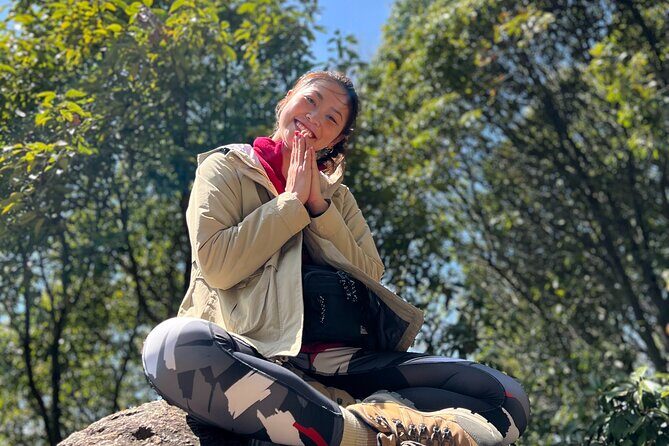
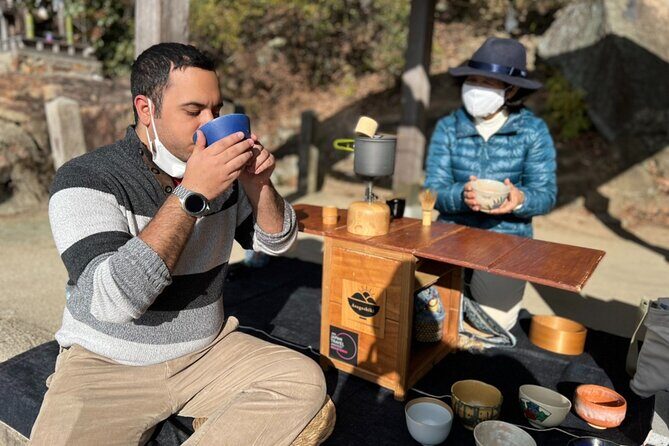
The grand finale is the Nodate tea ceremony, held outdoors at Okumiya Shrine. This part runs about 1 hour, which is long enough to feel like a real ritual rather than a quick sip-and-go stop.
What I like here is the setting. Tea on a mountaintop means open air, quiet surroundings, and a view that frames the moment. In reviews, guests call out the tea as refreshing—especially on very warm days—so expect the experience to be practical as well as beautiful.
You’ll have your guide with you during the ceremony, which matters because tea rituals can be confusing if nobody explains what you’re doing. The guides are also praised for their warmth and for helping people feel comfortable during the exchange.
If you want a Hiroshima experience that goes beyond historical sites and gives you a lived cultural moment, this tea stop is one of the best ways to do it.
The guides and why a max of 6 people matters on sacred trails
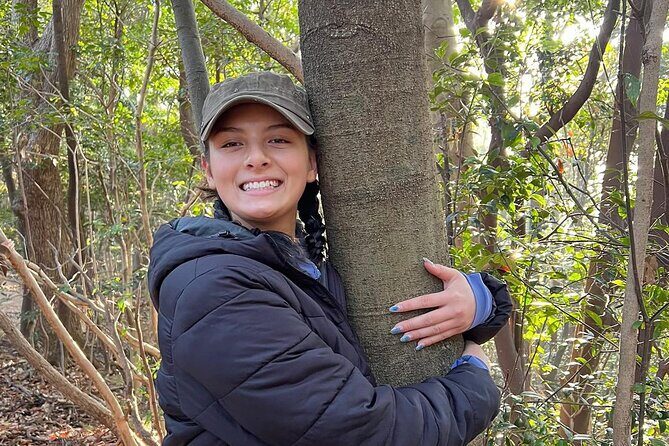
The tour’s small group size shapes everything: pace, questions, and attention. When the group is limited to six travelers, the guide can pause when someone needs a slower rhythm, explain details without talking over people, and keep the walk from feeling like a race.
In the reviews, guides such as Nana, Michi, and Naomi are repeatedly described as kind, organized, and strong at connecting what you see to what it means. You’re getting more than background facts—you’re learning how the shrines and rituals connect to Hiroshima’s spiritual landscape.
This is also where you benefit most from asking questions. If you wonder why a shrine is where it is, or what a ritual gesture means, the tour format lets you actually talk about it instead of just listening while walking past everything.
How hard is the hike, really? (500 steps, uneven ground, and real pacing)
On paper, it’s short: about 3 hours total. On the ground, you’ll feel it most during the 500-step climb. That can be totally fine for many people, but it’s still a stair workout.
The good news is that the tour includes plenty of pauses and explanations, which makes the climb feel doable rather than punishing. One review even describes the route as having roughly 500 feet of elevation gain, while also saying the trails are well maintained—so you’re not dealing with trail chaos, just sustained uphill effort.
If you’re going in summer or a heat wave, bring water and plan for slower steps. Reviews mention that guides helped guests stay hydrated and took frequent breaks in extreme heat. For me, that’s a reminder that timing matters: hiking early (or choosing a cooler start) can make a big difference in comfort.
Shoes with grip are a must. Also, if you’re carrying a small bag, keep it light so your hands are free for balance on stairs.
Price and value: what $109.43 gets you in return
At $109.43 per person, this isn’t a budget group walk. But it also isn’t just a leader pointing at buildings.
Here’s what you’re paying for that adds real value:
- Guided hiking through shrine areas, including route guidance and interpretation
- Admission tickets included for the listed shrine/stop points
- Nodate open-air tea ceremony as a planned experience, not a random stop
- A small group size (max 6) so you’re not squeezed into a crowd
- 5% donated to Futaba Mountain conservation activities, which ties your money to upkeep
For comparison, many “hike + view” tours either skip the deeper cultural part or they treat tea or ceremony as a short add-on. This one blocks time for both forest experience and tea, and it keeps the group small enough that the guide can manage pacing.
If you want nature plus ritual plus stories—without spending hours figuring out transit and meeting points—this price starts to look fair.
Who should book this tour, and who might skip it
This is a strong match if you want:
- A quieter Hiroshima morning away from the busiest routes
- Shrine culture with explanations, including Shinto practice
- A walk that mixes movement (hike) with slowing down (forest bathing)
- A distinctive food/culture moment with the Nodate tea ceremony
It may be less ideal if:
- You dislike stairs and steep sections
- You’re traveling with limited mobility or knee issues
- Weather is likely to be rough, since the experience requires good conditions
The good part is that the tour is built with pauses. Still, the step count is real, and you should be honest about your tolerance.
Should you book the Hiroshima Local Guided Hiking Tour and open-air tea ceremony?
If you’re the kind of traveler who enjoys small-group mornings, sacred places, and a scheduled moment of calm, I think you’ll like this. The route gives you city views, but it also gives you the quieter feeling of Mt. Futaba—shrines, forest time, and tea that actually lands.
I’d especially consider booking if you’re worried Hiroshima will turn into a checklist. This tour adds local rhythm to your trip, and the Nodate tea ceremony is a clear reason to choose it over a standard hike.
If stairs are a dealbreaker for you or if bad weather is on the horizon, I’d wait and choose a different activity on plan B. Otherwise, it’s a smart way to experience Hiroshima from above—and to do it in a way that feels lived-in, not rushed.
FAQ
What is the duration of the Hiroshima Local Guided Hiking Tour&Open-air Tea Ceremony?
The tour lasts about 3 hours (approx.).
Where do I meet and where does the tour end?
You meet at Hiroshima Station (Shinkansen exit area). The tour ends back at the meeting point.
How many steps are involved in the hike?
The tour includes going up about 500 steps.
What is included in the Nodate tea ceremony stop?
You’ll take part in an open-air tea ceremony performed by the tour guide at Okumiya Shrine, and the ceremony stop lasts about 1 hour.
How big is the group for this tour?
The maximum group size is 6 travelers.
Does the tour run in poor weather?
The experience requires good weather. If it’s canceled due to poor weather, you’ll be offered a different date or a full refund.