REVIEW · HIROSHIMA
Hiroshima & Miyajima: Full-Day Private Tour & Licensed Guide
Book on GetYourGuide →Operated by JGA Inc. · Bookable on GetYourGuide
One day. Two icons. Big feelings. This private walking tour links Hiroshima’s Peace Memorial sites and Miyajima’s Itsukushima Shrine with a licensed local guide, and I like how the day feels both organized and human. A key consideration: entrance fees, most transit costs during the day, food, and the Miyajima visitor tax (100 yen, cash only) are extra.
The standout is the guide. In the real world of Hiroshima and Miyajima, names like Kazuhisa, Yuji, Minori, Sei, and Yuko keep coming up for a reason: the explanations land with respect. You can also shape the route and start time, which matters when the Peace Memorial Park portion sets a serious tone.
You’ll be walking, riding the ferry, and using public transport (or taxi if you want). It runs rain or shine, and you should plan your day with that in mind—especially on Miyajima where weather can change quickly.
In This Review
- Key highlights I’d plan around
- A private day that actually holds together in Hiroshima and Miyajima
- Hotel pickup and the 10-minute head start
- Hiroshima Peace Memorial Park: what to focus on when it gets heavy
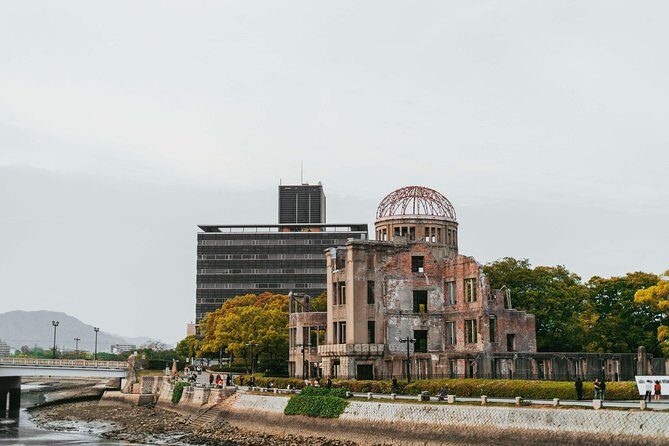
- Atomic Bomb Dome (Hiroshima Prefectural Industrial Promotion Hall): see it with the right context
- Peace Memorial Museum: the artifacts that make history feel real
- The ferry to Miyajima: a reset between two very different worlds
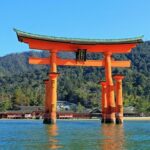
- Itsukushima Shrine and the torii: timing your walk for calm photos
- Walking Miyajima like a local: gardens, streets, and respectful pacing
- Transportation, taxis, and why a guide can save you stress
- Price and value: is $196 per person fair for 8 hours?
- Who this tour fits best
- Should you book this Hiroshima and Miyajima private tour?
- FAQ
- What’s included in the Hiroshima and Miyajima private tour?
- Are entrance fees included?
- Is there a Miyajima visitor tax?
- How do you travel during the day?
- Does the tour run in rain?
- How soon will I be confirmed for my tour?
Key highlights I’d plan around
- Atomic Bomb Dome context before you start taking photos so the meaning stays front and center
- Peace Memorial Museum time paired with on-site, practical interpretation
- Ferry transfer to Miyajima built into the flow, not bolted on at the end
- Itsukushima Shrine and the torii viewpoint rhythm for photos without rushing
- Guides who handle transit and navigation so you’re not stuck decoding trains and elevators
- Miyajima visitor tax is small but real: 100 yen per person, cash only
A private day that actually holds together in Hiroshima and Miyajima
Hiroshima and Miyajima can be a lot on your own. You’ve got ferry schedules, station transfers, hills on Miyajima, and the emotional weight of Peace Memorial Park. The value of this tour is that it stitches all of that into one paced day with a licensed local guide, not a “good luck” checklist.
I like that the guide isn’t just translating signs. They tend to shape your movement through the day—when to slow down, what to look for first, and how to keep the story connected. Guides like Sei and others have a reputation (from past guests) for setting a respectful mood before you step into the park, which is exactly the kind of help that keeps the visit from turning into a quick photo sprint.
And because it’s private, you’re not trapped behind a pace you didn’t choose. You can ask for more time at a specific stop or keep the day tighter if you’re tired. That flexibility is especially useful if you’re traveling with kids, older relatives, or anyone who needs a gentler rhythm.
You can also read our reviews of more guided tours in Hiroshima

Hotel pickup and the 10-minute head start
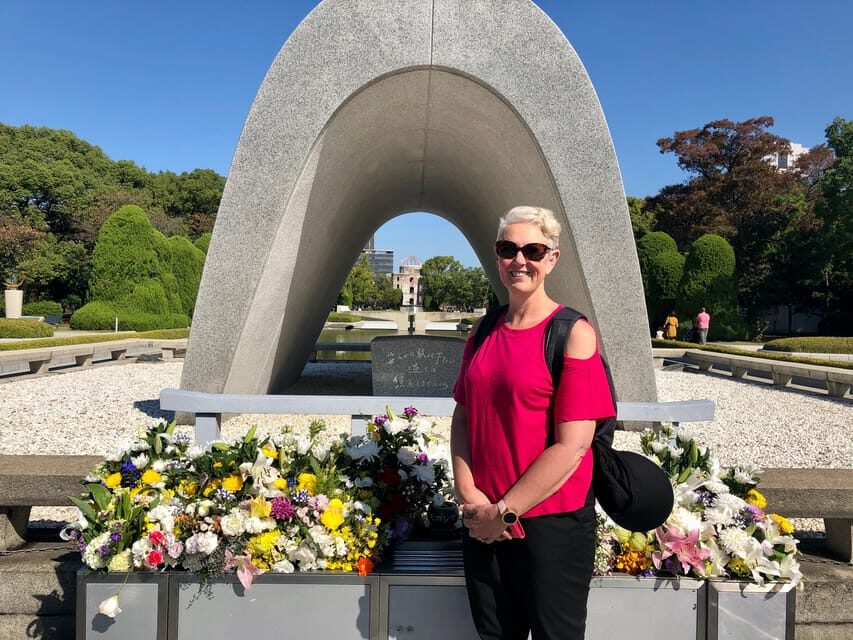
The day starts at your hotel in Hiroshima. Your guide meets you in the lobby you request, about 10 minutes before the scheduled pickup time, and the pickup is on foot if you’re within reasonable walking distance.
Why this matters: getting going matters more in Hiroshima than you might expect. Even with good transit, you waste time if you’re hunting for meeting points or figuring out the first route while everyone’s still waking up. A hotel pickup removes that mental tax and gets you into the first major stop while your energy is high.
If you have mobility needs, this tour is listed as wheelchair accessible. One practical detail from real experiences: guides often help with navigation between elevators and escalators, which can be a big deal at transit hubs.
Hiroshima Peace Memorial Park: what to focus on when it gets heavy
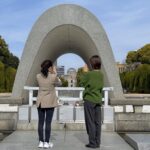
Hiroshima Peace Memorial Park is not the place for “I’ll just wander.” The best visits happen when you know what you’re looking at and why. This tour typically begins here, and that order helps: you set context before you see the Atomic Bomb Dome and before the day pivots to Miyajima.
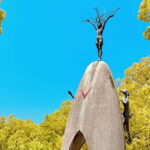
In the park area, you’ll visit the Peace Memorial Museum and also see the key outdoor elements tied to August 6, 1945. A licensed local guide helps you connect names, dates, and locations to what you’re standing in front of. That’s useful because the park is full of symbolism—benches, monuments, inscriptions—and it’s easy to miss the point if you’re reading everything with no guidance.
One of the most praised parts of this experience is the sensitivity of the guides. Guests describe guides who keep the tone respectful, who pace the emotional moments, and who answer questions without steamrolling the moment. That’s the difference between checking off a site and understanding it.
Practical tip for your side: wear shoes you can walk in for a while. Peace Park is often done by visitors who think it’s “mostly flat,” then realize there’s enough walking and standing time to add up. A guide’s pacing helps, but your body still has to do the walking.
Atomic Bomb Dome (Hiroshima Prefectural Industrial Promotion Hall): see it with the right context
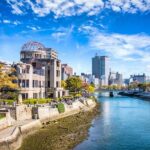
After Peace Memorial Park, you’ll visit the Hiroshima Prefectural Industrial Promotion Hall, today known as the Atomic Bomb Dome. This building survived the bombing and now functions as a memorial and a symbol of international peace.
Seeing it with context matters. The dome isn’t just a striking structure. It’s a visual reminder of a single moment in history that changed a city and a world. A good guide helps you understand what you’re looking at in terms of survival, preservation, and meaning, not just architecture.
Also, don’t underestimate how often people stop for quick pictures. If you want a more thoughtful view, ask your guide to slow the moment down. Many guides are good at building in small pauses so you’re not rushing through something solemn.
Peace Memorial Museum: the artifacts that make history feel real
The Hiroshima Peace Memorial Museum is included in the typical flow of this tour. This is where the story becomes specific: personal artifacts and educational exhibits connected to the bombing.
The museum can feel overwhelming. That’s normal. This is one reason the licensed guide adds real value. A guide can point out what’s most important, explain how to interpret what you’re seeing, and help you understand the timeline without you getting lost in reading-heavy displays.
From real guide experiences, you can expect a mix of factual explanation and emotional care. People have highlighted how guides communicate the history clearly while keeping the tone appropriate—so the visit stays meaningful without feeling like a lecture.
If you’re the type who wants to read everything, tell your guide. If you’d rather have the highlights and then absorb quietly, tell them that too. This tour is designed to be customizable, and the museum is one of those places where your preferred style really matters.
You can also read our reviews of more private tours in Hiroshima

The ferry to Miyajima: a reset between two very different worlds
Once Hiroshima’s memorial side is complete, the day shifts. You’ll take the ferry to Miyajima island, and the change of scenery is part of what makes the itinerary work.
This transition helps you avoid the common problem of trying to bounce between sites without processing. You’ve absorbed heavy history, then you get a slower moving water journey that sets a different pace—still meaningful, just lighter in tone.
A guide can also help you manage the timing of the ferry and the walk on arrival. That might sound small, but in a day like this, tiny timing issues can snowball into you feeling rushed for the shrine portion.
Itsukushima Shrine and the torii: timing your walk for calm photos
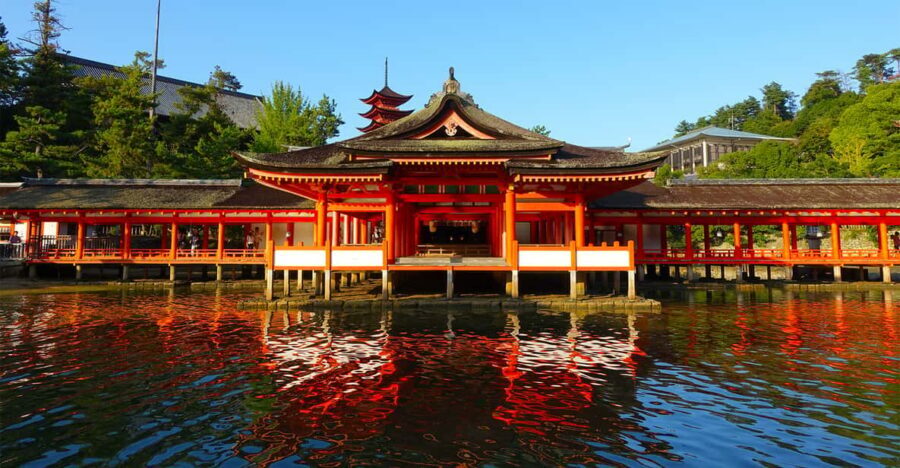
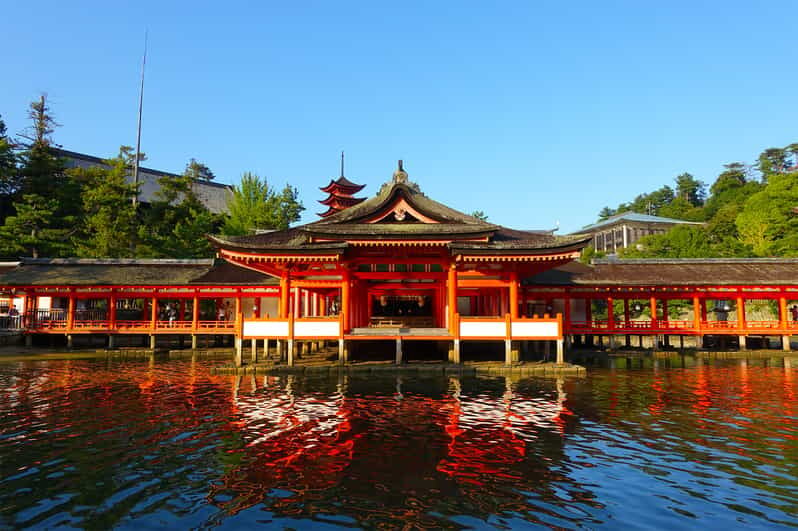
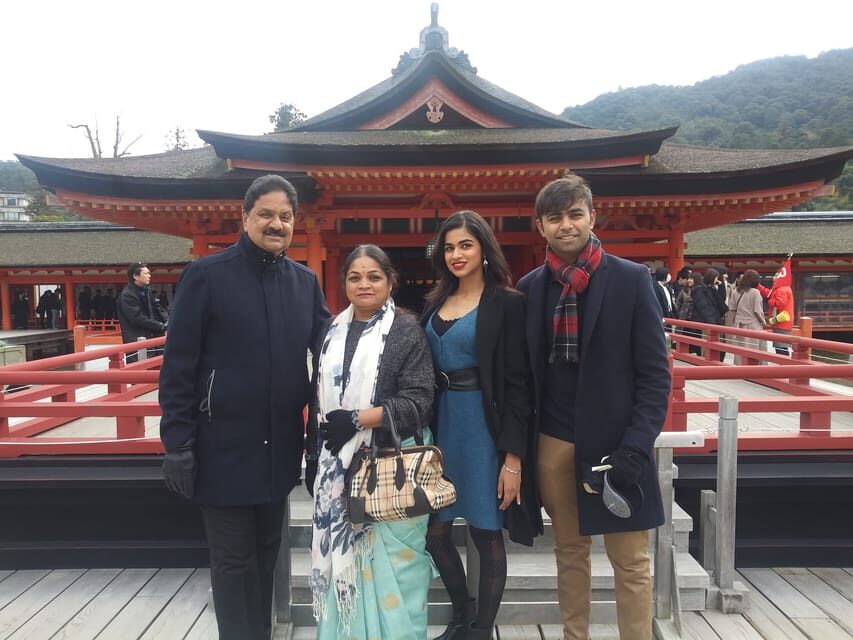
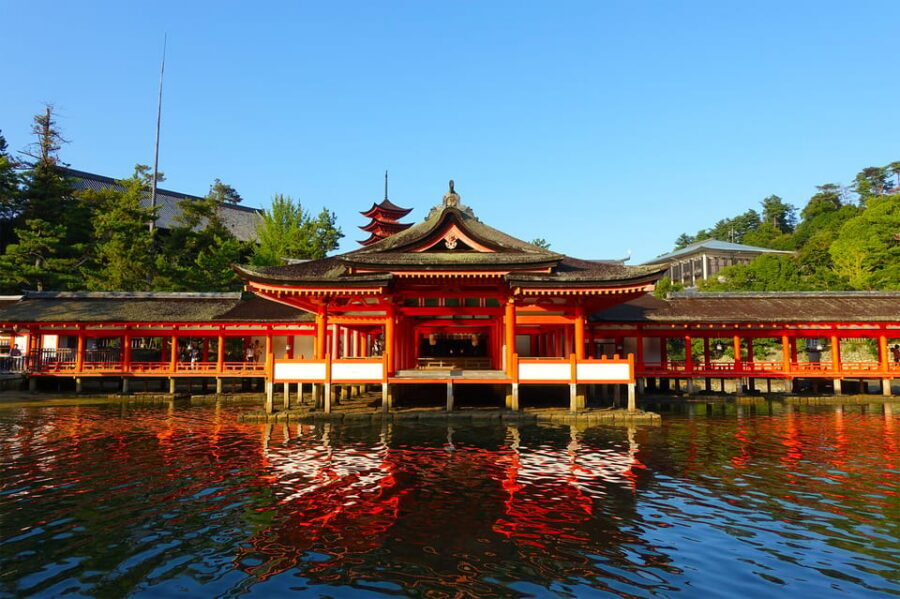
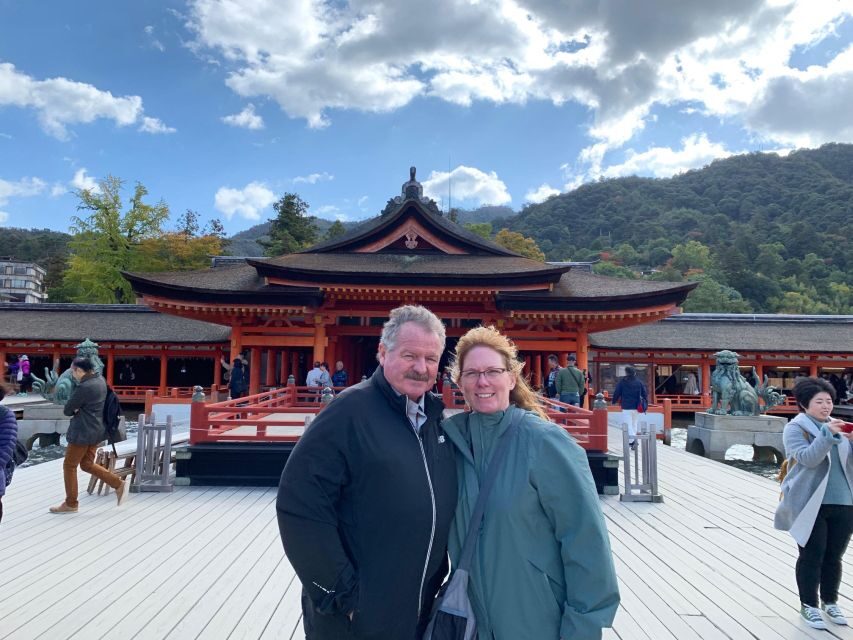
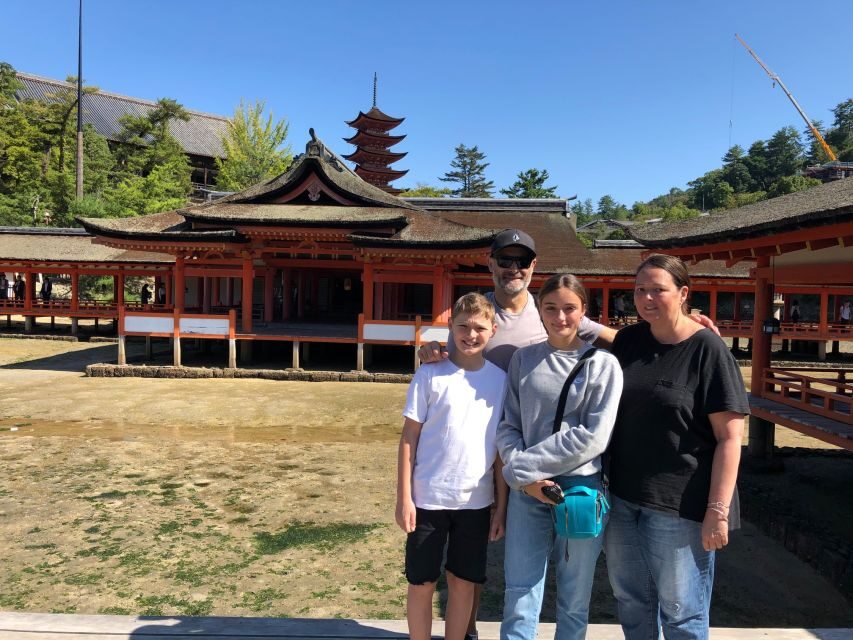
On Miyajima, you’ll do a walking tour and visit Itsukushima Shrine. The shrine is famous for the red torii gate in the sea, often described as floating.
Here’s how to get more out of it: don’t treat the torii as a single photo stop. Build in time for approach views from different angles. Even when the gate looks like it’s in exactly one spot, the surrounding shoreline and the walkways can change your perspective based on where you stand.
Guides also help you navigate the flow of crowds. One guide experience mentions line-saving tactics, which can make a difference when you’re trying to see the shrine area without burning time. Even if you don’t ask for that specifically, a local guide tends to know the practical routes that keep your feet moving and your head in the right place.
Walking Miyajima like a local: gardens, streets, and respectful pacing
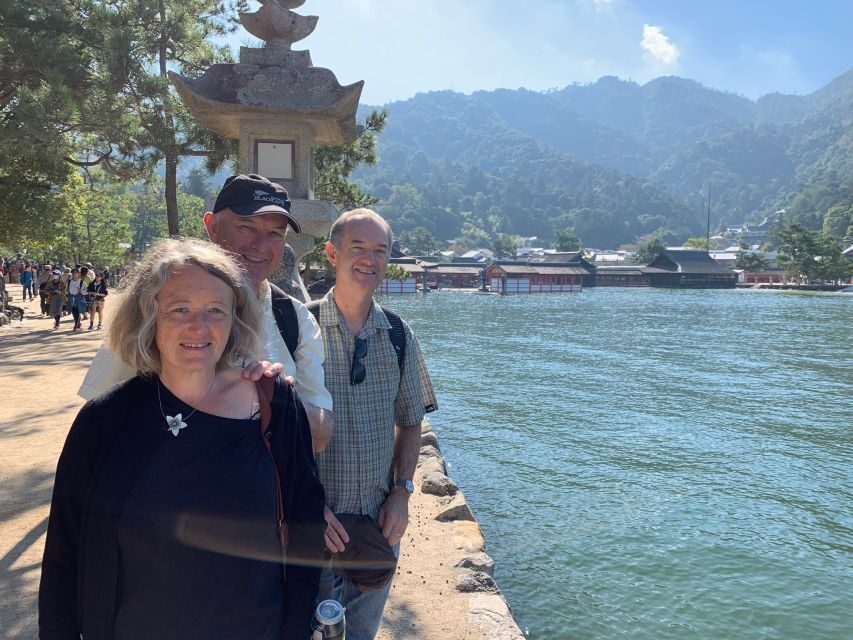
Miyajima isn’t just “shrine then done.” The tour’s walking component typically covers more of the island’s sights—often including areas like gardens—so you’re not stuck in one tight loop.
This part of the day tends to be where you notice how the guide personalizes the experience. Guests have reported guides taking them through gardens and other spots while keeping the explanation connected to the culture and local significance. That’s one of the reasons a licensed guide feels worth it here: Miyajima looks postcard-perfect, but there’s a lot of meaning behind the way it’s arranged.
Practical advice: plan for uneven ground. Even when the paths seem manageable, you’re on an island and you’ll encounter slopes and surfaces that can be tricky if your shoes aren’t up to it. If you’re traveling with someone who moves slower, tell your guide early. The best days are the ones where the guide can adjust walking time rather than improvise mid-stream.
Transportation, taxis, and why a guide can save you stress
This tour can run on public transportation, or your guide may use a taxi option if you wish. That matters because the day includes multiple moving parts: Hiroshima transit to the Peace Memorial area, then onward to ferry access, then ferry plus walking on Miyajima.
If you’re comfortable navigating train and bus connections, public transport is fine. But in a private setup, you get the option to switch modes if weather or energy levels change.
One real-world benefit highlighted by guests: guides handle transit planning so you’re not guessing which elevator to use or where the easiest route is. That’s not glamorous, but it’s huge when you’re trying to stay on schedule and still feel relaxed.
Price and value: is $196 per person fair for 8 hours?
At $196 per person for an 8-hour private tour, you’re paying for more than movement between sights. You’re paying for a licensed guide, a paced route, and interpretation that keeps the day coherent.
Here’s how I think about value in a day like this:
- You’re paying to avoid the friction of managing Peace Park, museum timing, and ferry transfers on your own.
- You’re paying for context at places that are easy to misunderstand without help.
- You’re paying for flexibility—because you can shape the day around your interests rather than your tired legs.
Could you DIY Hiroshima and Miyajima? Sure. But the cost you’d pay is time and mental workload. And the cost you might miss is emotional context: Peace Memorial Park and the museum are the kind of places where “I got there” doesn’t automatically equal “I understood.”
Also note what’s not included: food and drinks, entrance fees, transportation to/from the meeting point, public/private transportation fees during the tour, and the Miyajima visitor tax (100 yen cash only). That means your total day spend depends on how you handle transit passes, taxis, and museum/shrine entry fees.
Still, for many visitors, the convenience plus interpretation makes this price feel more like paying for a guide’s labor than paying for a generic ride.
Who this tour fits best
This tour is a strong match if you want:
- A single day that meaningfully covers both Hiroshima and Miyajima
- A guide who can explain history with sensitivity, especially in Peace Memorial Park
- Help with navigation, transit, and timing (including accessibility support like elevators/escalators)
- A private format where your interests actually affect the route
It’s also a good fit for first-timers who don’t want to gamble on logistics while trying to do emotionally complex sites. If you already know the cities well and love DIY planning, you might not need a private guide. But if you want your day to feel smooth and guided, this is one of the better ways to do it.
Should you book this Hiroshima and Miyajima private tour?
If you’re trying to make one day count, I’d book it. The strongest reason: you’re not just visiting famous spots—you’re getting help connecting what you see to what it meant, while a guide handles the flow of ferry and walking time. For many people, that turns Hiroshima from a checklist into a real understanding.
Book it if you value respectful pacing at Peace Memorial sites and you want the shrine on Miyajima to feel more than a quick photo stop. Skip it only if you’re determined to DIY every detail and you already know exactly how you want to pace Peace Memorial Park and the museum.
FAQ
What’s included in the Hiroshima and Miyajima private tour?
The tour includes a private tour, a licensed local guide, pickup from your accommodation on foot if you’re within reasonable distance, and a walking tour.
Are entrance fees included?
No. Entrance fees are not included in the tour price.
Is there a Miyajima visitor tax?
Yes. Miyajima Visitor tax is 100 yen per person and it’s cash only.
How do you travel during the day?
The tour is conducted using public transportation or taxis if you wish, and your guide handles the movement between stops.
Does the tour run in rain?
Yes, this experience takes place rain or shine.
How soon will I be confirmed for my tour?
The tour is not confirmed until the guide contacts you. Most guides contact you within 7 days.