REVIEW · TOKYO
Tokyo: Traditional Tea Ceremony with a Tea Master
Book on GetYourGuide →Operated by Sunrise Adventure · Bookable on GetYourGuide
Matcha in Tokyo, in an hour. At Ocharu, right across from Tokyo University, you get a guided, hands-on tea lesson where you taste several styles and actually make matcha with a tea master. It’s one of those experiences that turns a quick sit-down into a skill you can repeat at home.
Two things I especially like: you start with a warming cup of wakocha paired with a tea cake, and you get to taste serious tea options like top-grade gyokuro sencha, plus seasonal wagashi from Ougiya. The main drawback to consider is simple: this activity is not suitable for wheelchair users.
In This Review
- Key things that make this tea ceremony worth your time
- Finding the Ocharu room near Tokyo University (and staying on time)
- Wakocha and tea cake: your first sip sets the pace
- Gyokuro sencha tasting: tasting leaves, not just sipping
- Seasonal wagashi from Ougiya: the sweet that teaches restraint
- Hands-on matcha: your whisking lesson in a small room
- Genmaicha finale and the certificate keepsake
- Price and value: is $38 a fair deal in Tokyo?
- Who this 1-hour tea ceremony suits best (and who might want another option)
- Practical tips to get the best experience
- Should you book this Ocharu tea ceremony?
- FAQ
- How long is the Tokyo traditional tea ceremony?
- What is the price per person?
- Where does the tea ceremony take place?
- What tea types will I taste?
- Do I make matcha or only watch?
- Is there English instruction?
- Is it suitable for wheelchair users?
- What do I receive at the end?
Key things that make this tea ceremony worth your time
- Across from Tokyo University: easy to line up with other sights on the north side of central Tokyo
- Wakocha → gyokuro → matcha → genmaicha: four distinct tea moments, not just one drink
- Hands-on matcha whisking: you do the work, not just watch
- Wagashi from Ougiya: seasonal Japanese sweets that match the tea you’re tasting
- Certificate and group photo: a tangible keepsake for a short activity
Finding the Ocharu room near Tokyo University (and staying on time)
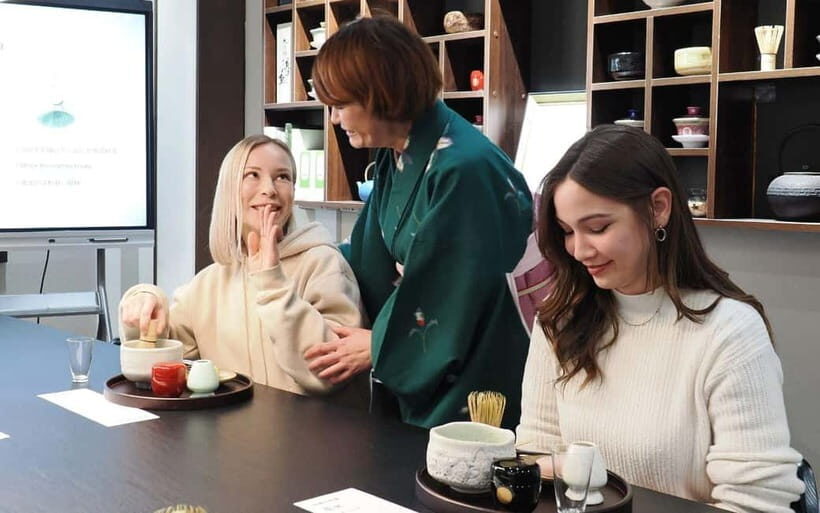
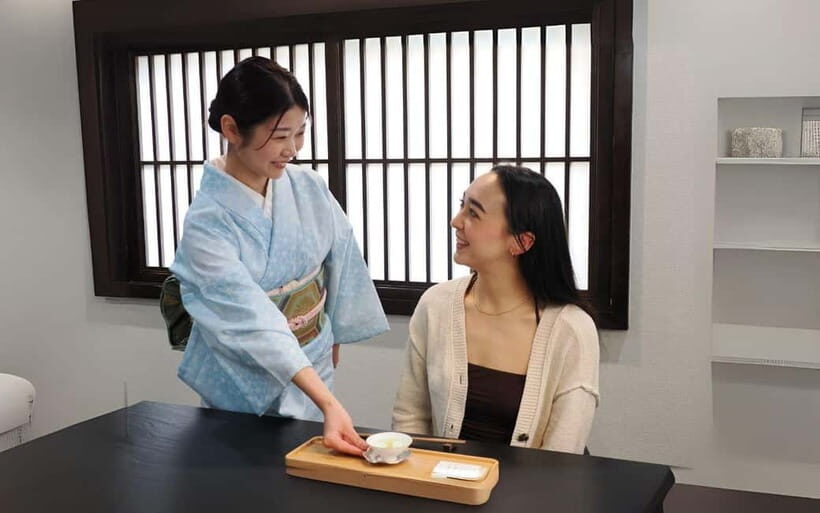
This is a very straightforward way to add traditional tea culture to a Tokyo day. The ceremony takes place in the Ocharu Tea Ceremony Room opposite Tokyo University, which makes it easy to plan around a walk, a museum visit, or a stroll in the area.
Your main job before you start is location spotting. Look for a building with a green logo that says OCHARU on the wall. Arrive about 5 minutes early so check-in doesn’t squeeze your tea time.
One practical note: the ceremony is only 1 hour. That short window is exactly why you’ll want to be on schedule. You don’t want to lose part of the tasting or the matcha step because you were still searching for the sign.
You can also read our reviews of more tours and experiences in Tokyo.



Wakocha and tea cake: your first sip sets the pace
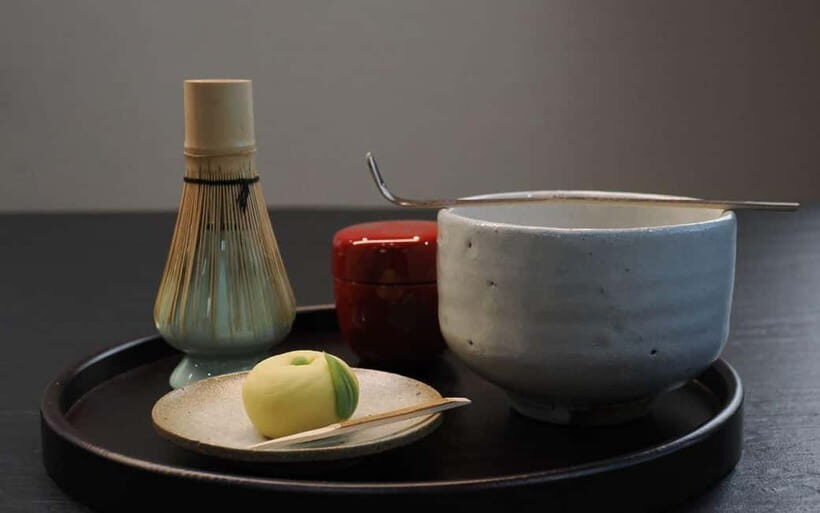
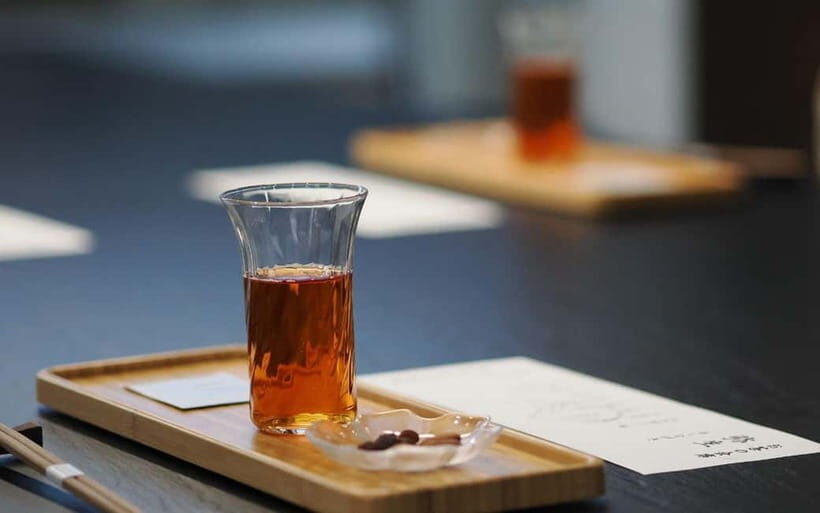
Most tea tours rush straight to green tea. This one starts with wakocha, a Japanese black tea from Shizuoka, paired with a traditional tea cake. That opening matters because it gives your palate a baseline before the more delicate green flavors arrive.
Expect the guide to frame the differences you’re tasting as you go. You’ll get a sense of how aroma, bitterness, and sweetness shift from one tea type to the next. Wakocha is a good warm-up because it’s aromatic and flavorful in its own right, and it feels like a natural first chapter rather than a random sampler.
Also, the way they pair tea with a cake-style sweet helps you learn faster. You’re not just drinking; you’re comparing. And with Japanese sweets, the seasonality is part of the point, so each bite is part of the lesson.
Gyokuro sencha tasting: tasting leaves, not just sipping
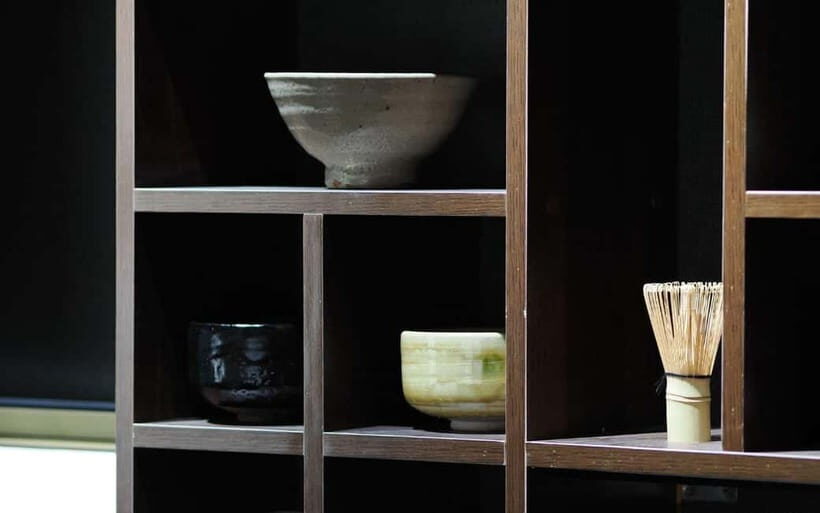
Then the session moves into gyokuro sencha, described as the highest grade of green tea used in this ceremony. This is where a lot of people realize green tea is not one uniform flavor. Gyokuro tends to feel deeper, smoother, and more “tea-forward” than basic green tea you might buy in a convenience store.
You’ll watch the tea master brew it and then taste it as part of the structured flow. You’ll also get to taste the leaves themselves, which is a small detail that makes a big difference. Leaf-tasting sounds odd until you do it, because it helps you understand what you’re getting in the cup.
From the feedback I’m seeing, guides spend time on how to experience the tea properly and what to pay attention to. That might include how water temperature affects flavor, since this comes up repeatedly in the broader discussion around Japanese tea. Either way, the takeaway for you is clear: you’ll leave knowing what to notice next time you brew green tea.
Seasonal wagashi from Ougiya: the sweet that teaches restraint
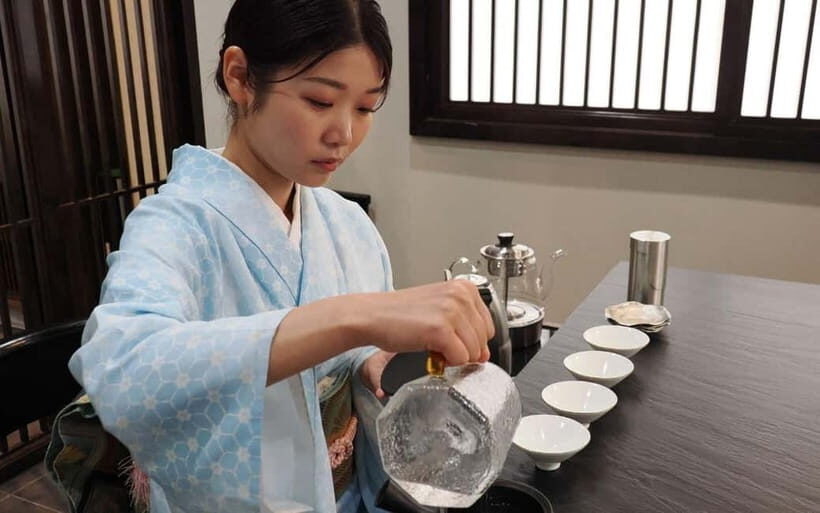
Wagashi is not dessert for dessert’s sake. In a good ceremony, it’s there to balance the tea and highlight seasonal flavors and textures.
In this session, you’ll enjoy seasonal wagashi from the renowned confectioner Ougiya. The point isn’t just tasting something pretty and traditional. It’s experiencing how Japanese sweets can be light, nuanced, and matched to the tea you’re drinking instead of clobbering it with sugar.
The ceremony flow keeps it relaxed and friendly, not stiff. You’re guided on what you’re tasting and how to enjoy it, but you’re not stuck in a museum-like silence. That makes it a nice option if you want cultural depth without feeling like you’re being graded on manners.
Hands-on matcha: your whisking lesson in a small room
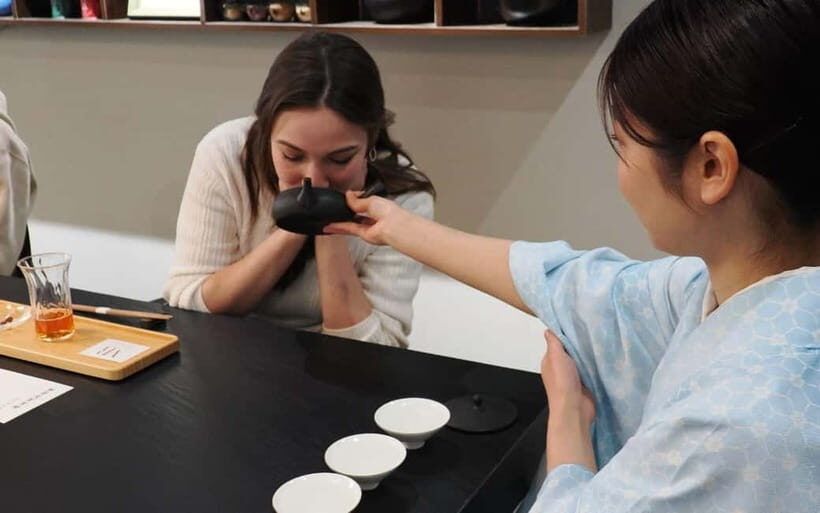
Now comes the moment most people came for: making matcha. Under the guidance of a tea master, you’ll whisk your own matcha using traditional tools and utensils.
This is where you’ll get real value out of the short 1-hour format. A tasting is nice, but learning the process turns it into a repeatable souvenir. You’ll practice the motions, you’ll see what changes as the powder and water combine, and you’ll taste the results immediately.
English instruction is part of the setup, and the tone tends to stay calm and clear. Past sessions have included guides such as Ekiko, Aikiko, and Shinichi-san, and the common theme is patient explanation paired with interaction. If your Japanese is limited, that matters.
And yes, you’ll get to drink what you make. That’s important because matcha quality depends on technique and attention, not just ingredients.






Genmaicha finale and the certificate keepsake

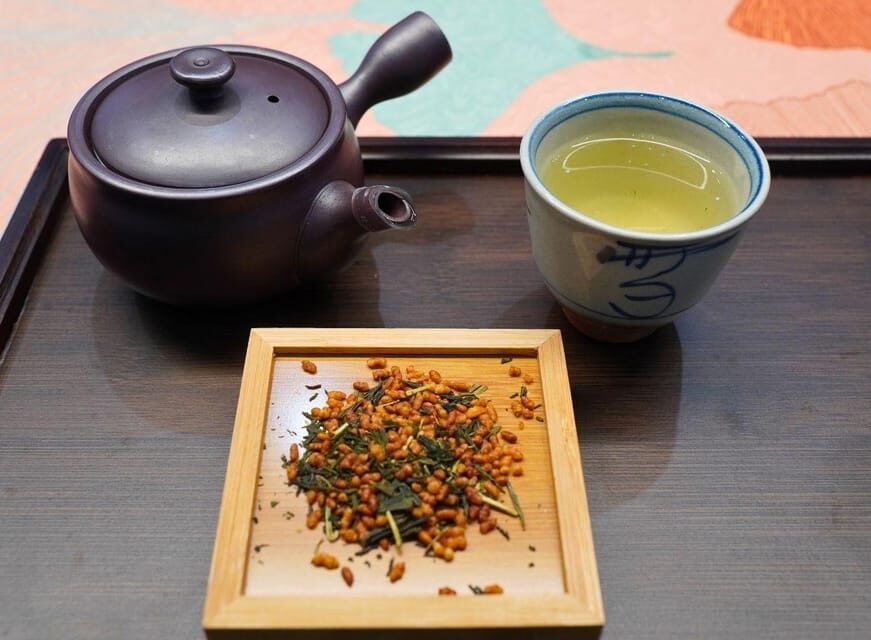
To close, you’ll enjoy genmaicha, a blend of sencha and roasted rice from Niigata Prefecture. This finale works well because it shifts the experience into something comforting and approachable after the more focused flavors of earlier cups.
Genmaicha often feels cozy because roasted rice adds a nutty warmth. It’s also a great way to reset your palate after matcha, which can feel intense if you don’t pair it with something balanced.
Before you leave, you’ll receive a certificate and a group photo. That may sound like a tourist add-on, but it’s genuinely useful. For many people, a certificate turns a short activity into a memory with a name attached, and the photo gives you something to look back on later when matcha has become part of your kitchen routine.
Price and value: is $38 a fair deal in Tokyo?
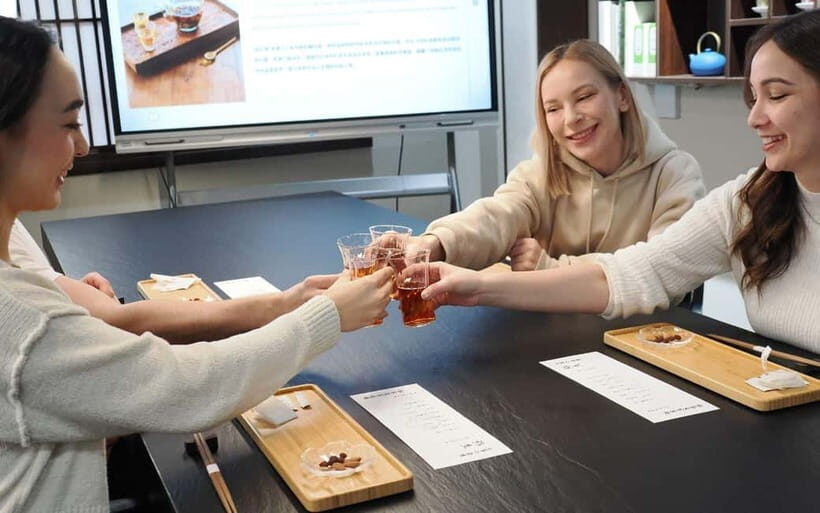
At $38 per person for 1 hour, this isn’t a throwaway snack experience. You’re paying for three things that cost real money and time: a tea master’s instruction, multiple tastings of higher-end teas (including gyokuro), and hands-on matcha making with traditional tools.
Here’s what makes the value feel more solid than many “culture” activities:
- You get multiple tea types, not just one drink
- You get to participate, not just observe
- You receive a keepsake certificate and group photo
Tokyo can be expensive, so value comes down to whether it feels like you learned something practical. This one does. Even if you never become a tea nerd, you’ll pick up what different tea styles taste like and how to approach matcha preparation with basic technique.
Who this 1-hour tea ceremony suits best (and who might want another option)
This is a strong fit for:
- Tea lovers who want to understand differences between green tea, matcha, and roasted blends
- First-timers who want structure and guidance without pressure
- People who like short, calm activities that don’t drain an entire afternoon
It may be less ideal if you need wheelchair access, since it’s not suitable for wheelchair users.
If you’re traveling with kids, it can work well too. One family-friendly point from the experience vibe is that guides make space for participants and explain things clearly, even when guests are younger.
Practical tips to get the best experience
Keep these in mind and you’ll get more out of the hour:
- Pace yourself at each tea step so you can actually taste the differences
- Pay attention to what the guide emphasizes during brewing and whisking
- Don’t overfocus on perfect etiquette. Ask questions and enjoy the calm tone
If you’re a matcha person, you might also like the small café downstairs mentioned in past feedback. It’s an easy place to keep the tea mood going and possibly buy tea to take home.
Should you book this Ocharu tea ceremony?
If you want an hour of Japanese tea culture that combines tasting, hands-on matcha, and a relaxed guide-led lesson, I’d book it. The “across from Tokyo University” location helps, the tea lineup is genuinely varied, and the $38 price feels justified by the instruction plus higher-grade tastings like gyokuro.
Skip it only if accessibility is a deal-breaker for you, or if you’re the type who wants something more active or outdoor-focused. For an easy, meaningful cultural stop that fits into a packed Tokyo schedule, this one is a solid call.
FAQ
How long is the Tokyo traditional tea ceremony?
It lasts about 1 hour.
What is the price per person?
The price is $38 per person.
Where does the tea ceremony take place?
It’s held in the Ocharu Tea Ceremony Room, opposite Tokyo University. The building has a green logo on the wall that says OCHARU.
What tea types will I taste?
You’ll taste wakocha at the start, gyokuro sencha, matcha you make yourself, and a genmaicha finale.
Do I make matcha or only watch?
You’ll make your own matcha under the guidance of the tea master, using traditional tools.
Is there English instruction?
Yes, the instructor is listed as English.
Is it suitable for wheelchair users?
No, it’s not suitable for wheelchair users.
What do I receive at the end?
You receive a certificate of completion and a group photo.