REVIEW · TOKYO
Classic Tsukiji Food Tour
Book on Viator →Operated by Arigato Japan KK · Bookable on Viator
Mornings at Tsukiji can feel like a maze. This Classic Tsukiji Food Tour turns that chaos into something you can actually enjoy, with a guided walk through the outer market, a food-focused stop at Tsukiji Hongan-ji, and a full seafood breakfast. Two things I especially like are the hands-on vendor sampling and the way the guide connects the food to older traditions you can taste right away. One thing to consider: it’s not built for vegans/no-seafood eaters, and you’ll want cash because credit cards aren’t generally accepted.
I also like the small size—up to 10 people—because you get real conversations with the market sellers, not just a rushed parade. In past sessions, guides like Asami (and also Asha and Jordan as part of the guiding team) have made the experience feel friendly, not stiff. Expect about 3 hours of walking in the market area at 8:30 a.m., plus a few short stops along the way.
In This Review
- Key points before you go
- Why the Tsukiji outer market tour feels different
- Price and what you’re really paying for ($231)
- The 8:30 a.m. start: how the tour stays practical
- Stop 1: Turret Coffee Tsukiji and the breakfast kickoff
- Stop 2: Tsukiji Hongan-ji for a quick cultural reset
- Stop 3: Tsukiji outer market stalls and seasonal tastings
- Stop 4: Tsukiji Fish Market area after the wholesale move
- Stop 5: Namiyoke Inari Shrine and the sweet ending
- Food rules, diets, and the cash-only reality
- Group size, guide style, and whether this fits you
- Weather, schedule changes, and how flexible the tour is
- Should you book the Classic Tsukiji Food Tour?
- FAQ
- What time does the Classic Tsukiji Food Tour start?
- How long is the tour?
- What’s included in the ticket price?
- Where does the tour meet, and where does it end?
- Is the tour family-friendly?
- Can it accommodate vegetarian, pescatarian, or gluten-free diets?
- Is this tour suitable for vegans?
- Do I need to bring cash?
- What if the tour is canceled due to weather?
- Can I cancel for a full refund?
Key points before you go
- Outer Tsukiji, not just the headline fish stalls: you get the food side of Tsukiji even after the wholesale move.
- Full seafood breakfast included: one drink + breakfast is part of the ticket, not an add-on.
- Small groups (max 10): easier questions, better pacing, less shoulder-to-shoulder stress.
- Two cultural stops: a temple/shrine moment plus a visit to Namiyoke Inari Shrine.
- Dietary options are considered: vegetarian, pescatarian, and gluten-free can be accommodated.
- Bring cash: credit cards are not generally accepted for market food purchases.
Why the Tsukiji outer market tour feels different
Tsukiji has a reputation that reaches far beyond Tokyo. But here’s the thing: the best part for many first-timers isn’t only the drama of the famous wholesale fish—it’s the surrounding neighborhood’s food culture. This tour targets the outer Tsukiji Fish Market area, where you’ll find everyday specialists, quick bites, and long-running traditions that have been around for more than 100 years.
That focus matters for your experience. If you’ve only got a day and you want food you can eat (not just photos), the outer market is where you’ll actually taste your way through the morning. You’re also guided through stalls and eateries in a way that helps you understand what you’re looking at—why some vendors choose to stay, what seasonal bites mean, and how the food traditions connect to the people selling it.
You can also read our reviews of more food & drink experiences in Tokyo

Price and what you’re really paying for ($231)
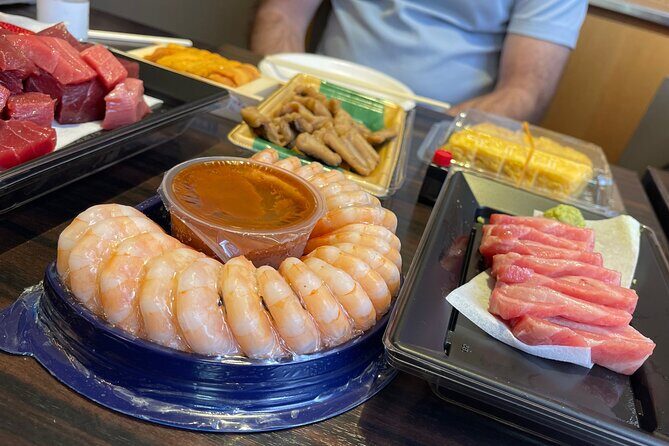
At $231 per person, this isn’t a cheap walk-through. But you’re not paying only for someone to point at stalls. The ticket includes:
- One drink
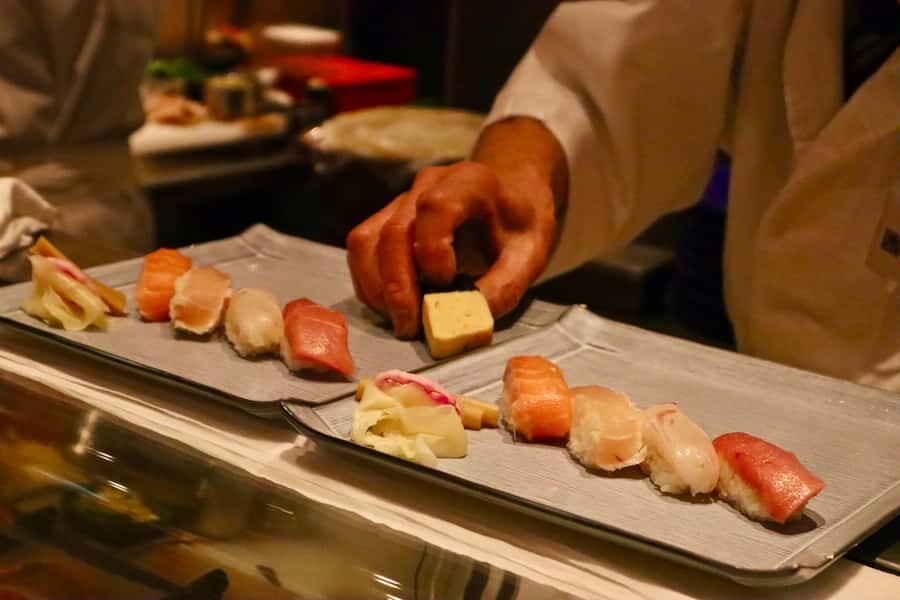
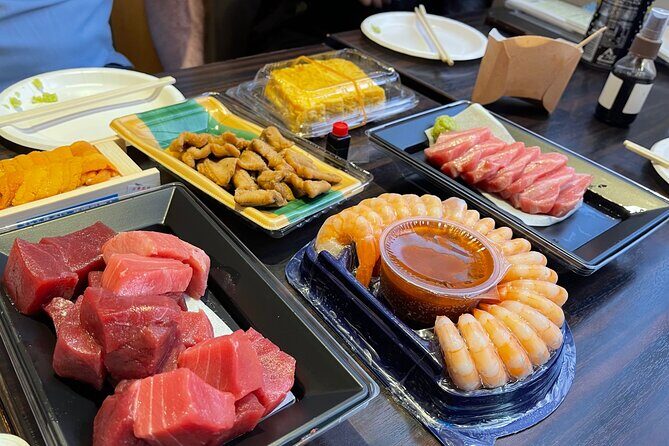
- A full Tsukiji specialty seafood breakfast
- A local English-speaking guide
And the tour lasts about 3 hours. That combination is the value play. If you tried to recreate it yourself, you’d pay for breakfast anyway, then spend extra time figuring out what to eat, where to go, and how to order without slowing everyone down. Here, you’re paying for time saved and for a guided morning that’s designed around food stops—not just a general sightseeing circuit.
Booking also tends to fill. The tour is typically booked about 34 days in advance on average, so if your schedule is tight, waiting can be risky.
The 8:30 a.m. start: how the tour stays practical
The meeting point is Turret Coffee Tsukiji, and the start time is 8:30 a.m. (you’ll see it listed with the full address in Tsukiji’s area). The end point is the same starting area—so you’re not left scrambling through the neighborhood at the end.
The pace is morning-fast but not marathon-fast. You’ll be doing a walking tour with several short stops. The provider notes a moderate physical fitness level is best, and the tour is family-friendly, with children needing to be accompanied by an adult. (For kids 10 and above, a passport information copy is required, so plan ahead.)
Also, small details like “market has its own calendar” really matter. A lot can shift in a market setting—hours, restaurant schedules, and what vendors can do that day.
Stop 1: Turret Coffee Tsukiji and the breakfast kickoff
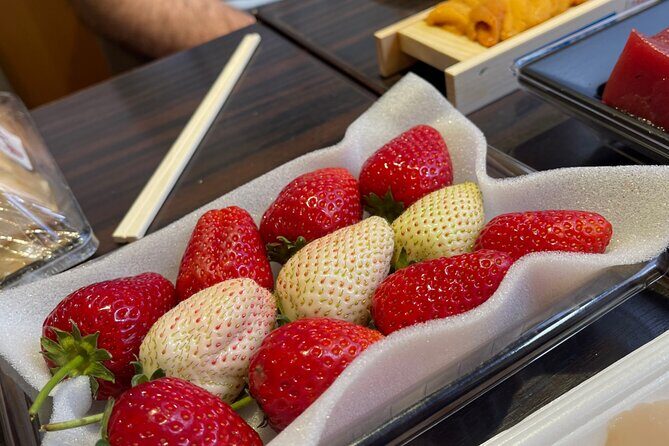
You start at Turret Coffee Tsukiji, where the first taste of the morning sets the tone. Since one drink is included, you’re not just waiting for breakfast later—you’re fueled early.
This first stop is also about orientation. The guide helps you make sense of what you’re about to see: how to move through the outer market efficiently, what kinds of stalls you’ll run into, and how the tastings will work as you go. If you’re new to Tsukiji, this is a big deal. Trying to “figure it out” while walking through a dense market wastes your appetite and your time.
I like this approach because it stops the early-morning panic. You get your bearings fast, then you can focus on eating.
Stop 2: Tsukiji Hongan-ji for a quick cultural reset
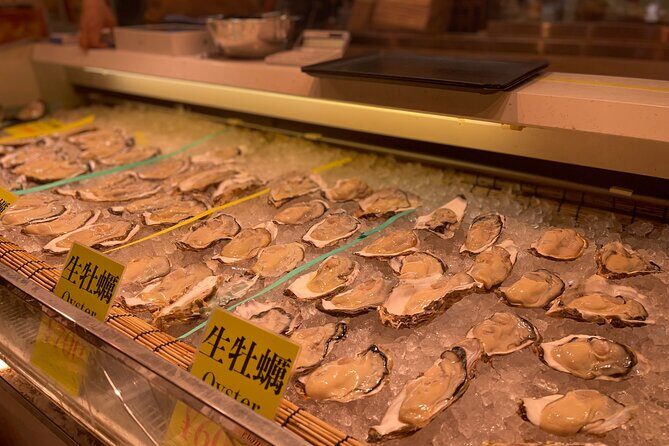
Next comes Tsukiji Hongan-ji. This is a short stop (about 5 minutes), but it’s not filler. In a market tour, a brief cultural moment helps you understand the setting beyond food.
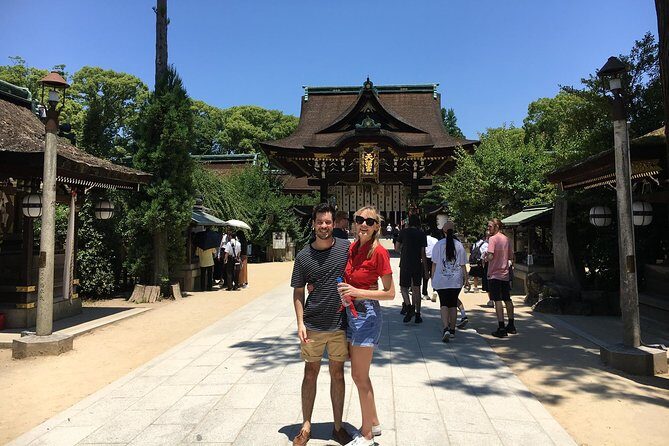
The itinerary frames it as a place for a blessing. Think of it as a reset: you slow down for a moment, then move back into the market with a clearer sense of why Tsukiji feels like more than just a place to shop.
If you’re the kind of person who likes context—why people do what they do—this tiny detour is worth it.
A few more Tokyo tours and experiences worth a look



Stop 3: Tsukiji outer market stalls and seasonal tastings
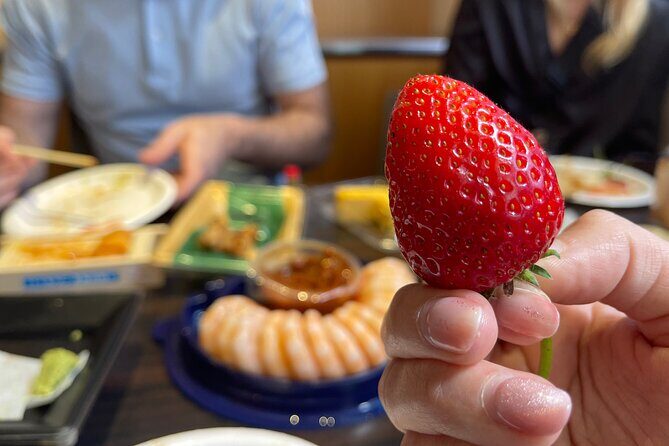
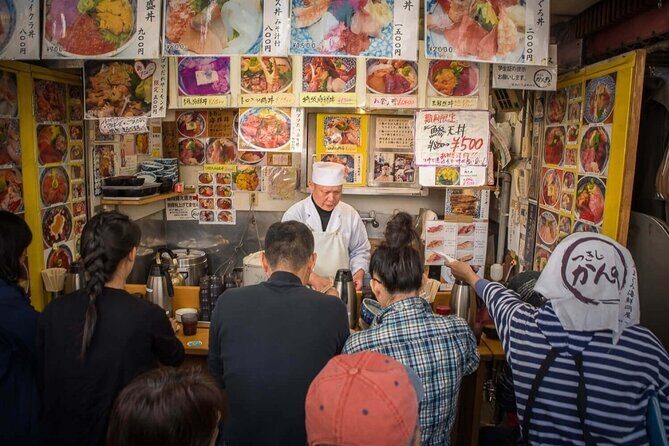
This is where the tour becomes very “food tour,” not “lecture.” At Tsukiji Outer Market, you spend about 20 minutes touring and sampling.
You’ll meet the seafood vendors and see the kind of stalls that help explain why Tsukiji became world famous. The tour also includes a special tasting break with seasonal bites. That seasonal angle matters because it keeps the experience from feeling like a standard checklist. You’re eating what’s appropriate for the time of year and what the market is pushing that morning.
A practical note: market food is often easiest when you’ve got an in-the-moment guide. Ordering, sharing, and knowing what portion makes sense can be tricky on your own—especially if you don’t speak Japanese. With a guide, you’ll spend more time eating and less time second-guessing.
Stop 4: Tsukiji Fish Market area after the wholesale move
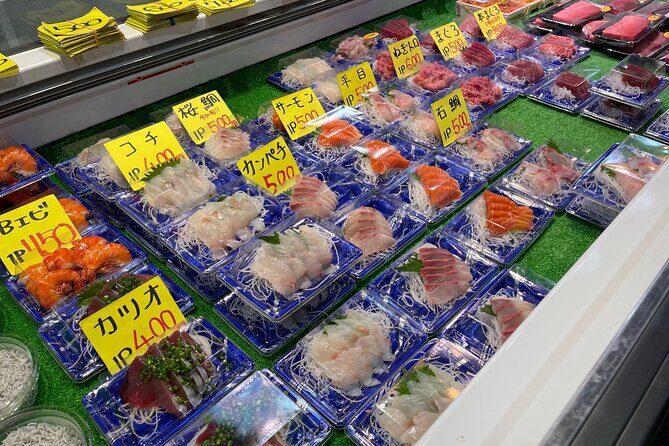
You’ve probably heard the headline: the wholesale operation moved. Even so, this part of town remains a major food corridor, and that’s exactly why the tour includes the Tsukiji Fish Market area.
You’ll spend about 20 minutes here, focusing on the food side rather than trying to recreate the old wholesale story. The guide shows you the market specialists and helps connect what you see to the food traditions that kept people coming even as operations changed.
One review experience that stayed with me (because it sounds like real market life) is the mention of seeing blow fish alive. That doesn’t mean you’ll definitely see the same thing on your date, but it does tell me this tour isn’t the kind that avoids interesting sights. The fish market area can still surprise you if you’re paying attention—and the guide helps you do that.
Stop 5: Namiyoke Inari Shrine and the sweet ending
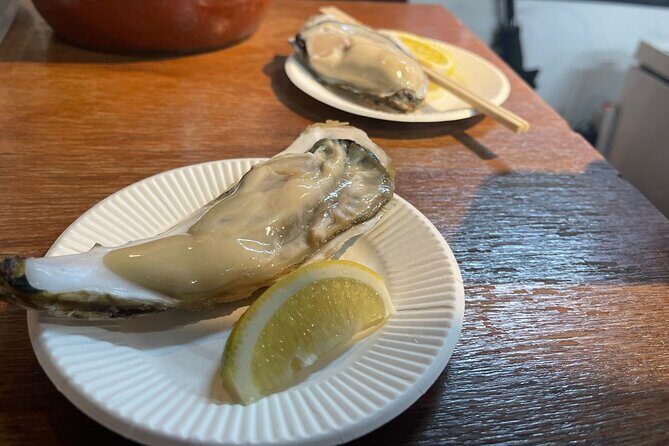
Then you wrap up at Namiyoke Inari Shrine (Namiyoke Inari Jinja), another short stop of about 5 minutes. It’s paired with the tour’s “finish on a high note” approach, ending with a sweet Japanese snack.
This is a smart pacing move. After seafood and savory bites, your energy dips. A sweet finish helps you close the tour feeling good—like you didn’t just sprint from one stall to the next.
If you’re doing the rest of Tokyo afterward, this ending also helps you avoid the classic mistake: walking out of Tsukiji and immediately searching for a late snack you forgot you’d need.
Food rules, diets, and the cash-only reality
This tour is set up for several dietary needs, but not all:
- Vegetarian
- Pescatarian
- Gluten Free
However, it’s not recommended for vegans and it’s not for a no-seafood diet. So if your eating plan is strictly plant-based, you’ll want a different kind of food tour.
Now, the market-side practical warning: if you plan to buy extra food or souvenirs, bring cash. The info notes credit cards are not generally accepted. That doesn’t mean you can’t find places to pay with cards, but you shouldn’t count on it in the Tsukiji market environment.
Also, plan for appetite. Even with the included breakfast, you may want additional bites as you wander—especially if you’re sensitive to the “one and done” problem with food tours. The tour gives you structure and tastings, but it doesn’t stop you from exploring after.
Group size, guide style, and whether this fits you
With a maximum of 10 travelers, you’re likely to get a more personal experience. It’s also easier for the guide to manage pace and timing, especially in crowded market areas.
This tour is family-friendly, and it’s a solid choice if you’re traveling with kids who can handle a morning walk. Still, kids 10 and above need that passport information copy, so don’t leave it until the last minute.
For solo travelers: the provider notes you can email them. That suggests they handle solo participation carefully, likely because group logistics matter in small tours.
You should also think about morning schedules. The tour starts early, and the market has its own calendar. If you’re the type who enjoys a relaxed breakfast later in the day, you might find 8:30 a.m. a bit early—but it also means you get to eat while the market energy is at its best.
Weather, schedule changes, and how flexible the tour is
Market tours live and die by weather. If it’s canceled due to poor weather, you’ll be offered a different date or a full refund.
Even without cancellation, stops can shift. The tour notes that changes may occur due to:
- restaurant schedules
- public holidays
- weather conditions
- other unforeseen circumstances
If something gets swapped, the tour says substitutions will be made. For most people, that’s reassuring, because it acknowledges reality in a working market.
One more reason to plan ahead: since the market has its own calendar, dates can behave differently than you’d expect from a normal attraction.
Should you book the Classic Tsukiji Food Tour?
Book it if:
- You want a guided outer Tsukiji morning that leads directly to real eating.
- You appreciate cultural stops even when the main focus is food.
- You want a small group and an English-speaking guide to help you choose and order.
- You’re in the mood for a proper seafood breakfast included in the price.
Skip it if:
- You’re vegan or on a strict no-seafood diet.
- You don’t want a set schedule or early start (8:30 a.m.).
- You hate walking and standing in a market environment. It’s described as moderate fitness, so it’s not extreme, but it’s still active.
For value, I’d call it fair for what’s included: guide + drink + full breakfast + tastings + cultural stops. It’s not “just a snack tour,” and the small group size helps you feel like you’re part of the morning rather than trapped in a crowd.
FAQ
What time does the Classic Tsukiji Food Tour start?
It starts at 8:30 a.m.
How long is the tour?
The duration is about 3 hours.
What’s included in the ticket price?
The tour includes one drink, a full Tsukiji specialty seafood breakfast, and a local English-speaking guide.
Where does the tour meet, and where does it end?
It meets at Turret Coffee Tsukiji (2-chōme-12-6 Tsukiji, Chuo City, Tokyo) and ends at the same address.
Is the tour family-friendly?
Yes, it’s family-friendly, and children must be accompanied by an adult. For children 10 and above, you need a passport information copy.
Can it accommodate vegetarian, pescatarian, or gluten-free diets?
Yes. The tour information lists support for Vegetarian, Pescatarian, and Gluten Free.
Is this tour suitable for vegans?
No. It is not recommended for vegans and not recommended for no seafood diets.
Do I need to bring cash?
If you plan to buy souvenirs or additional food, bring cash, since credit cards are not generally accepted.
What if the tour is canceled due to weather?
If the tour is canceled due to poor weather, you’ll be offered a different date or a full refund.
Can I cancel for a full refund?
Yes. You can cancel up to 24 hours in advance for a full refund. If you cancel less than 24 hours before the start time, the amount paid is not refunded.