REVIEW · TOKYO
From Tokyo: Private Tour to Fuji/Hakone – Onsen, Art, Nature
Book on GetYourGuide →Operated by HavenJapan · Bookable on GetYourGuide
A day in Hakone can feel like a highlight reel. This private tour is more like a guided route with real flexibility, pairing famous scenery with onsen time and museum art in the same 10-hour window.
I especially like the way the day is structured around photo-ready viewpoints, then cools you off with Hakone’s slower pace on the lake and at the shrine. And I like that the experience is tailored—if the sky is cloudy or you’d rather linger somewhere, your guide adjusts.
One consideration: Mount Fuji visibility is weather-dependent, so you’re betting on clear moments even if the route is set up to maximize your chances.
In This Review
- Key Takeaways
- A Private Hakone Day From Tokyo: What Makes It Different
- Comfort and Timing: The 10-Hour Route Out of Tokyo
- Mount Fuji Lookouts and the Photo-Friendly Road Stops
- Lake Ashi and Hakone Shrine: Quiet Views and Shinto Calm
- Tenzan Onsen Lunch and Bath Time: Tattoos and Etiquette
- Tattoo-friendly policy (and what to know)
- Private baths, if you want more privacy
- What guides tend to do well here
- Practical tips
- Shakushi Pass and the Open-Air Art Museum: Seeing Hakone Another Way
- Pola Museum of Art: A Cooler Tempo After Outdoor Walking
- Price and Value at $322 Per Person
- Who This Tour Fits Best (and Who Might Skip It)
- Should You Book This Private Fuji and Hakone Day Trip?
- FAQ
- Do I need to choose a pickup option, or can I meet the driver another way?
- How long is the tour?
- Will I have a guide in English?
- Is the onsen tattoo friendly?
- Can I request a private onsen bath?
- Is Wi-Fi available during the ride?
- What should I bring?
- Are entry fees and food included?
- What happens if the weather is bad?
Key Takeaways
- Private guide flexibility for slower stops or extra time where you care most
- Tattoo-friendly onsen options, plus the chance to request a private bath
- Lake Ashi + Hakone Shrine gives you the calm, traditional side of Hakone
- Art breaks with both the Hakone Open-Air Museum and Pola Museum of Art
- Comfort-first transport in an air-conditioned vehicle with a driver
A Private Hakone Day From Tokyo: What Makes It Different
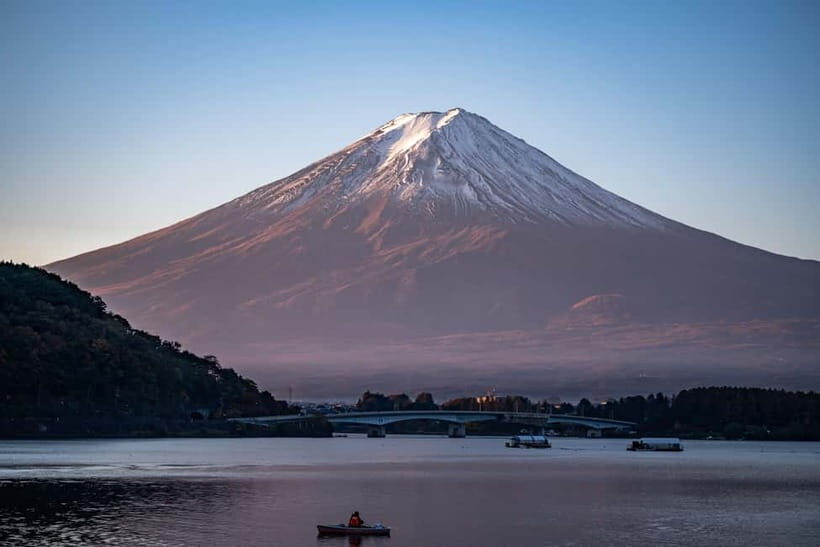
Hakone is one of those places you hear about, then still feel surprised by once you’re there. The mountains and water do the heavy lifting, but what really improves the day is having a guide who can connect the dots between the views, the shrines, and the onsen culture.
I like that this is built as a private day trip, not a cattle-car bus route. You get room to breathe, and you’re not stuck watching the same lines form at every stop.
I also like that the day leans into both famous and quieter angles. You’re still seeing Lake Ashi, Hakone Shrine, and major art stops, but the pace and the viewpoint choices tend to feel less rehearsed.
The main drawback is weather. If Fuji is hidden by cloud or rain, the day can still be excellent, but you’ll want to go in expecting the scenery to be variable.
You can also read our reviews of more private tours in Tokyo



Comfort and Timing: The 10-Hour Route Out of Tokyo
You start with hotel pickup if you choose it, available within Tokyo’s 23 wards. If not, the meeting point is straightforward: wait for your driver in front of FamilyMart at the agreed pickup time.
Once you’re on the road, you’ll spend about 1.5 hours riding in an air-conditioned vehicle with a driver, and there’s a Wi‑Fi hotspot available depending on conditions. The ride time matters because it buys you a full day in Hakone without needing to change hotels or plan trains.
Most of the day is paced with sightseeing blocks and then longer “slow down” stretches—especially around the lake, shrine, and onsen. In practice, that means fewer frantic transitions and more time to actually enjoy the places, even when you’re trying to coordinate photos, weather, and rest breaks.
On the way back, expect about 2 hours in the van. Drop-off is at three locations (including FamilyMart and Shibuya 1-chome), so you’re not stuck in the last stop shuffle.
Mount Fuji Lookouts and the Photo-Friendly Road Stops
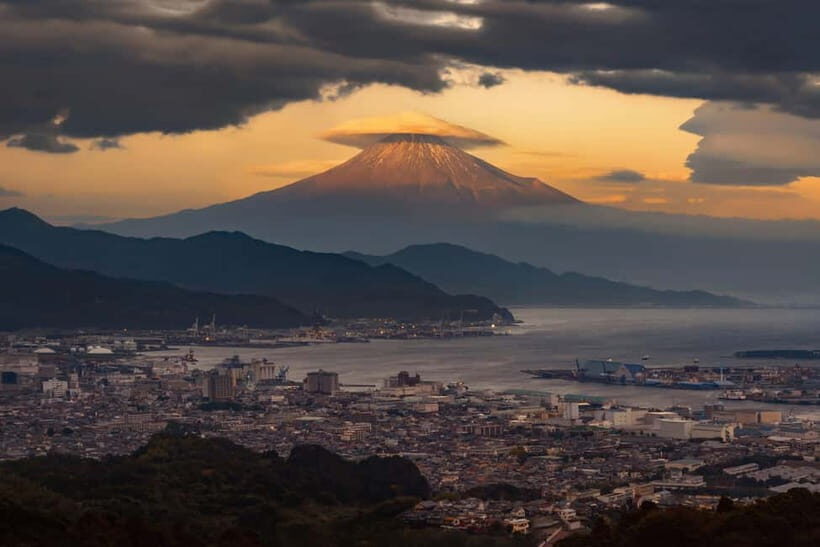
The route includes a general van drive of about 1.5 hours, then a dedicated viewpoint stop where you spend about an hour. This is one of the places where the tour’s “day trip” format works: you get scenic breaks without losing half the day to transit.
After that, you’ll have a short Mount Fuji sightseeing window (about 20 minutes). The short stop is intentional. It keeps the schedule flexible, so your guide can move you toward better viewpoints if the sky shifts.
If you’ve ever gone to Japan thinking you’ll just catch a clear Fuji shot on command, here’s the honest reality: fog and cloud happen. Several guides in the past have handled this well by adapting where they pull over and what they emphasize, so the day doesn’t collapse if Fuji stays shy.
Practical tip: bring a layer you can take on and off fast. Viewpoints can feel colder than the city, even in mild seasons, and you’ll be standing still long enough for it to matter.
Lake Ashi and Hakone Shrine: Quiet Views and Shinto Calm
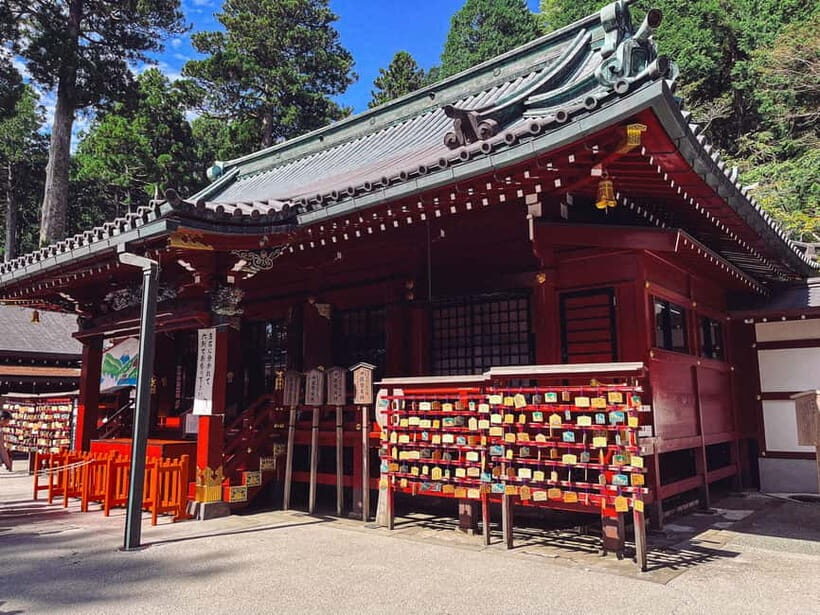
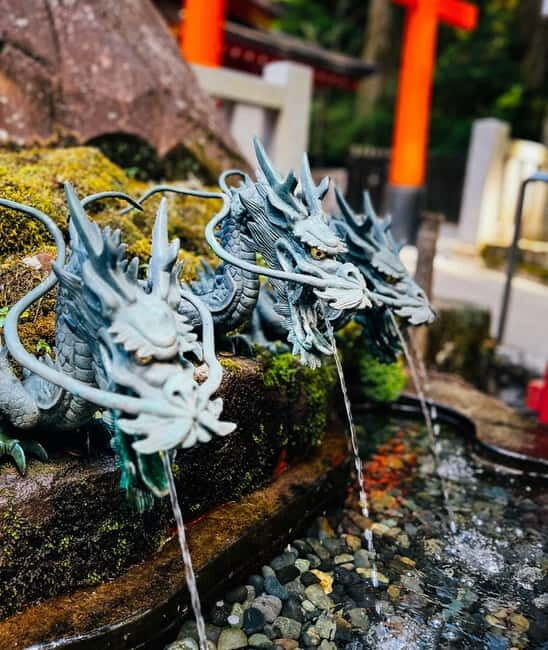
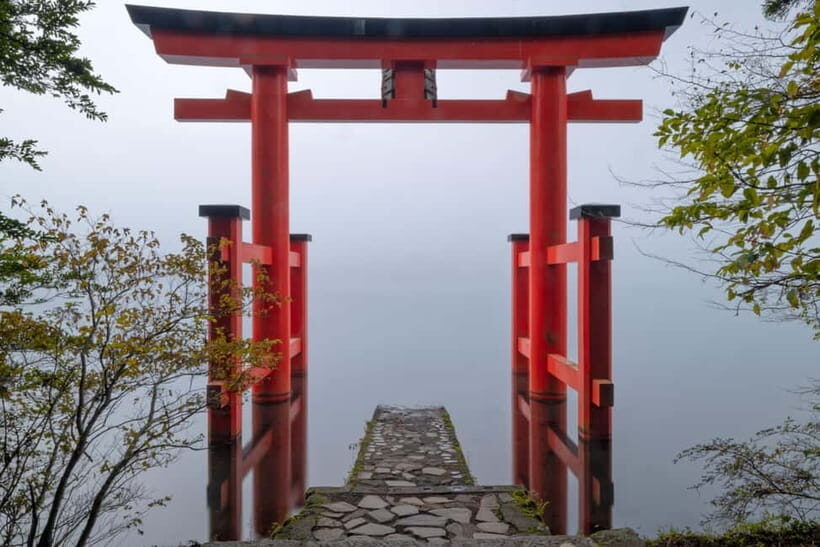
Lake Ashi is where the day starts to feel less like sightseeing and more like a breath reset. You’ll have about an hour here, which gives you enough time to enjoy the water views without turning the stop into a rushed checklist.
Next comes Hakone Shrine, also about an hour. This shrine isn’t just a photo stop—it’s a chance to understand why Hakone became a long-term leisure destination in the first place. Your guide can also help you read what you’re seeing, especially with the difference between shrine and temple culture, which is something many first-timers stumble on.
Why I think this combination works: Lake Ashi slows your body down, then the shrine adds meaning and structure to the day. Instead of moving from one viewpoint to the next, you get contrast—water calm, then ritual calm.
If you’re sensitive to crowds, this is one of the calmer stretches of the itinerary because the focus is on the area itself, not just a single landmark. Still, go at your own pace: stroll, pause for photos, then step aside when you feel the flow of people picking up.
Tenzan Onsen Lunch and Bath Time: Tattoos and Etiquette
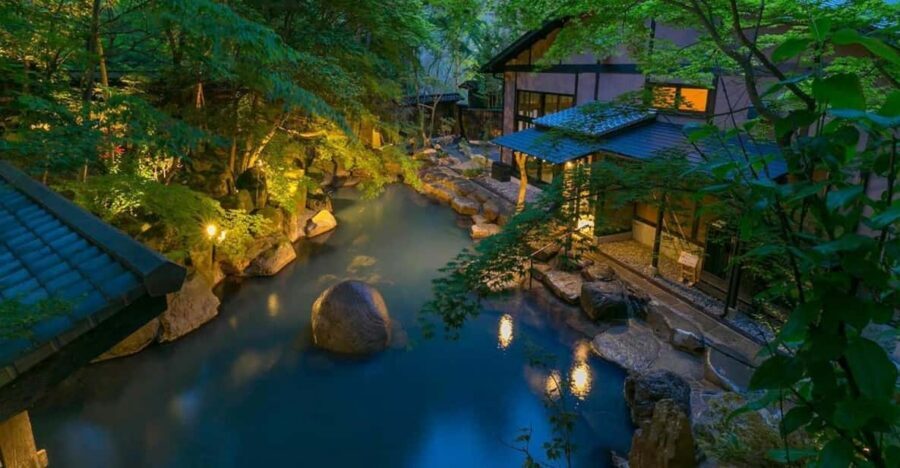
The onsen is the heart of the experience, and you’ll reach it after lunch time at Tenzan Onsen (about 1 hour). Then you get additional free time at the onsen area (about 1.5 hours), which is important because baths aren’t a “10-minute activity.” You need space to change, soak, relax, and dry off.
The onsen part is also where the tour earns extra trust. It’s a real cultural activity, not just a scenic stop where someone points you toward a building and moves on.
A few more Tokyo tours and experiences worth a look

Tattoo-friendly policy (and what to know)
You’ll be glad to hear that the onsens visited are tattoo friendly. If you’re worried about how to handle this in Japan, this is exactly the kind of detail that makes a day trip smoother.
Private baths, if you want more privacy
There’s also an option to reserve private baths on request, around 13,000 JPY for two hours, subject to availability. If you’re traveling with family, want a calmer soak, or just don’t want the social pace of shared bathing, it’s worth asking early.
What guides tend to do well here
Several guides have put effort into helping first-timers feel comfortable—everything from basic onsen customs to the best way to use the time you have. On top of the soak, the day can also include a local tea-house stop before the onsen on some schedules, which can add a gentle, local-feeling lead-in to your relaxation.
Practical tips
- Wear comfortable clothing you can remove and put back on easily.
- Bring cash.
- Dress for the weather after your bath. You’ll feel cooler once you’re out, even if you went in sweaty.
And yes, if this is your first onsen in Japan, plan to treat it like a reset, not like a photo opportunity.
Shakushi Pass and the Open-Air Art Museum: Seeing Hakone Another Way
After the onsen, the itinerary shifts from ritual relaxation into art and scenery. You’ll spend about an hour at Shakushi Pass, then move on to the Hakone Open-Air Museum for about 2 hours.
This is a smart pacing choice. Hakone’s natural features are powerful, but if the whole day is only viewpoints and walking, it can start to feel repetitive. The museum breaks the pattern and gives you something to look at besides mountains and water.
At the Open-Air Museum, you’re moving through landscaped grounds and architectural spaces where art is placed outdoors. The experience works best when you let it slow you down. Take your time between pieces, and don’t worry if you’re not an art expert. A good guide can point out what to notice, but you’ll still enjoy it even if you mainly just want a calm place to wander.
If it’s cloudy or drizzly, an open-air setting can still be atmospheric—just keep your shoes comfortable and your expectations flexible.
Pola Museum of Art: A Cooler Tempo After Outdoor Walking
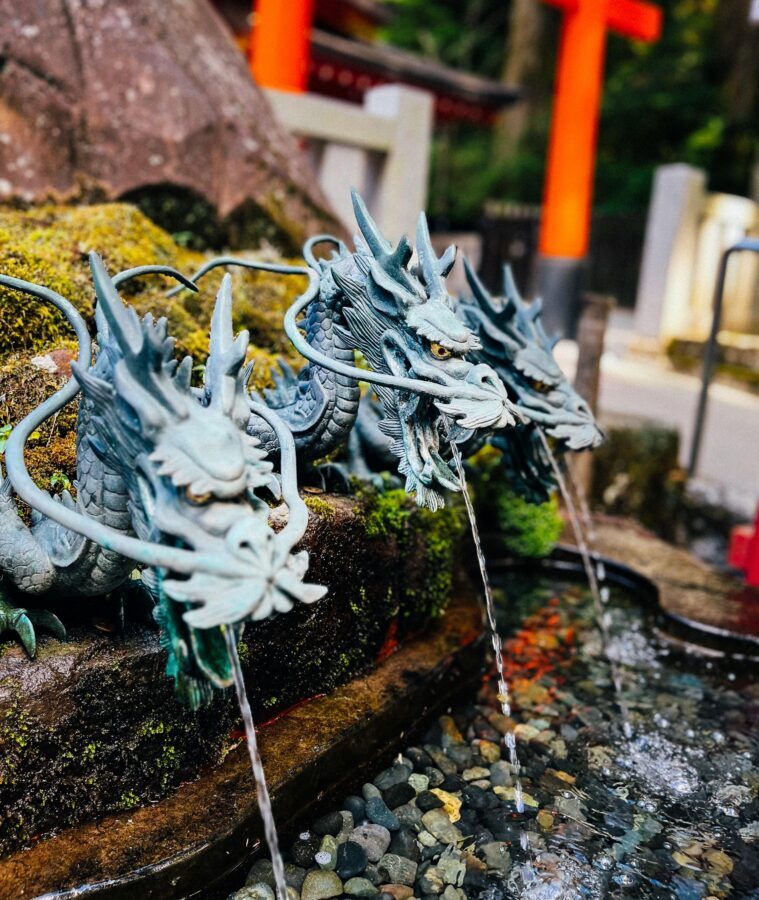
The final big cultural anchor is the Pola Museum of Art for about 1.5 hours. This stop is valuable because it shifts you into an indoor setting after time outside and after the onsen soak.
For me, the best part of finishing with an indoor museum is that it helps you avoid end-of-day burnout. You get to sit, look, and process the day without climbing hills in whatever weather you ended up with.
Also, museum time is ideal for the kind of guided interpretation that makes a day trip feel personal. Some guides have a knack for connecting what you’re seeing to Japanese place culture—shrines, leisure towns, and how art fits into the landscape of everyday life.
If you like structure—having a clear “we’re going in now” moment—the Pola Museum stop brings that calm ending.
Price and Value at $322 Per Person
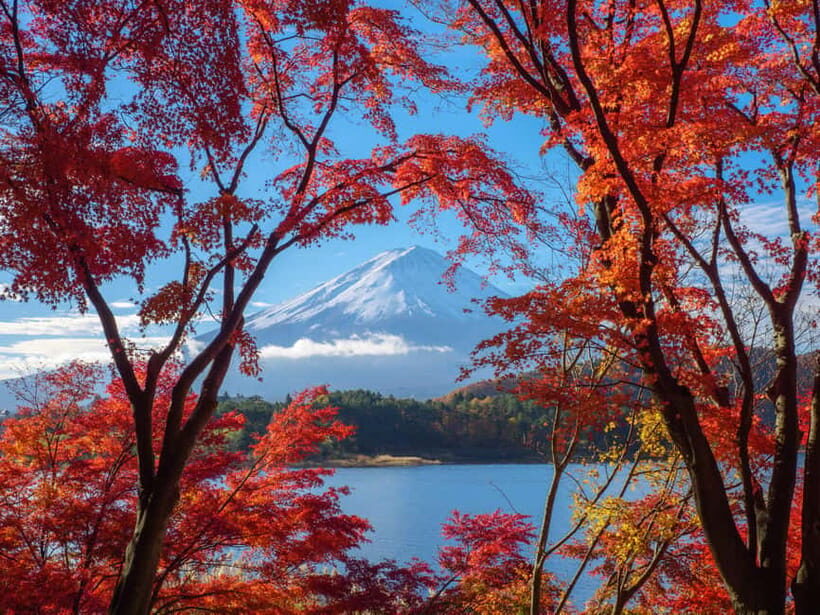
At $322 per person for a 10-hour day, the value comes from what’s included rather than what you’ll pay at each stop.
Your money covers:
- Hotel pickup and drop-off if you select that option
- Transport in an air-conditioned vehicle
- Driver, plus fuel and tolls
- Wi‑Fi hotspot availability in the vehicle (when possible)
- Time with a live English/French/Japanese guide
- Onsen included as part of the day’s schedule (entry fees are not listed as included, but the onsen experience is built into the tour flow)
Food and drinks aren’t included, and entry fees aren’t included either. That matters because you might need extra cash for meals, snacks, and museum charges if they’re not covered in your booking.
So is it worth it? For a lot of people, yes—especially if you want private routing, a guide who can adjust based on weather and your preferences, and a day plan that actually includes time to slow down. If you’re the type who hates wasting hours coordinating trains and transfers, the van + guide combo is the whole point.
If you’re traveling solo or as a small group, private can also be cost-competitive compared with piecing together everything yourself—especially when you add in the convenience of pickup and drop-off.
Who This Tour Fits Best (and Who Might Skip It)
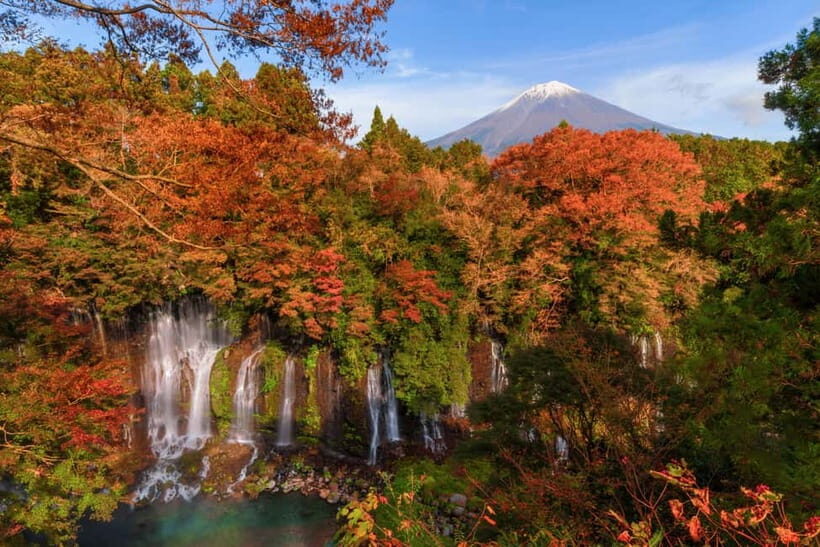
This tour fits best if you want a stress-free day with variety: viewpoints, lake and shrine, onsen time, then two art experiences.
It’s also a great match for:
- First-timers to Hakone who want guidance on what matters (and why)
- People who want flexibility, like extra time at a viewpoint or slowing down where it feels right
- Travelers who value comfort after a long ride, including a well-kept van and helpful drivers
It might be less ideal if you want to freestyle every detail and you’re comfortable managing Japan logistics on your own. In that case, you might prefer independent travel—though you’d give up the tailored guidance and the smooth pacing.
One more honest note: if you really care about seeing Fuji clearly, you’re still at the mercy of the weather. The good news is that the tour is set up to adapt, and a strong guide can keep the day meaningful even when Fuji fades behind cloud.
Should You Book This Private Fuji and Hakone Day Trip?
I’d book it if you want one planned day that covers the big Hakone must-dos without turning into a race. The combination of Lake Ashi, Hakone Shrine, and a tattoo-friendly onsen is a powerful trio, and the art museums make it feel like more than a scenery loop.
I’d think twice if your budget is extremely tight and you don’t want to pay for guided transport and a private day. Since food and entry fees aren’t included, you should add that into your spending plan before you commit.
Also, pick your guide wisely in your own way: several guides have earned praise for adapting to weather and keeping the day comfortable and thoughtful. If you’ve got needs like motion-sickness care or you want a calmer pace, this kind of private format is exactly where it helps.
If your goal is a memorable Hakone day with good pacing, real relaxation time, and a guide to make sense of what you’re seeing, this is a strong choice.
FAQ
Do I need to choose a pickup option, or can I meet the driver another way?
You can meet your driver in front of FamilyMart. Pickup is also available from any hotel, Airbnb, or train station within Tokyo’s 23 wards if you include your pickup location when booking.
How long is the tour?
The duration is 10 hours.
Will I have a guide in English?
Yes. Live tour guides are available in English, French, and Japanese.
Is the onsen tattoo friendly?
Yes. The onsens visited are tattoo friendly.
Can I request a private onsen bath?
Yes. Private baths can be reserved on request, around 13,000 JPY for two hours, subject to availability.
Is Wi-Fi available during the ride?
There is a Wi‑Fi hotspot in the vehicle, subject to availability.
What should I bring?
Bring comfortable shoes, cash, and weather-appropriate clothing.
Are entry fees and food included?
Food and drinks are not included, and entry fees are not included.
What happens if the weather is bad?
Mount Fuji visibility can be affected by cloud or rain. The tour still includes multiple sightseeing stops and keeps the schedule flexible, so you’ll still have a full day of Hakone activities even if Fuji isn’t visible.