REVIEW · TOKYO
Tokyo: Tokyo Private Day Tour With Guide
Book on GetYourGuide →Operated by TheTokyoTravel · Bookable on GetYourGuide
Tokyo feels like it runs on two speeds at once.
This private day tour is built to let you see both: old Tokyo at places like Senso-ji and the Imperial Palace East Gardens, then modern Tokyo with Skytree views, Harajuku style, and the Shibuya scramble. I especially like the way the schedule mixes calm and chaos without making it feel random.
Two things I really like: you get a proper private guide experience (not a group herding exercise), and you can set the pace so your family or travel style actually fits the day. I’ve also seen how useful the guide and driver are when plans need small tweaks, like requests for extra time, food stops, or redirecting the day so it works better for kids.
One drawback to plan for: Skytree ticket entry isn’t included, and lunch is on you too. That means the day can cost a bit more once you add those extras and any snacks you decide you cannot pass up.
In This Review
- Key points worth noting
- A Private Tokyo Day Tour That Actually Feels Like Your Day
- How the 10-Hour Timing Works (Hotel Pickup, No Time Wasted)
- Tsukiji Outer Market: Where Tokyo Eats Like It’s Serious Work
- What to do with this hour
- Imperial Palace East Gardens: A Reset Between Neighborhood Noise
- Why this garden time is valuable
- Asakusa and Senso-ji: Incense, Lanterns, and Old-School Sacred
- Photo-stop reality check
- Tokyo Skytree: The Ticketed Moment for Big City Views
- When Skytree is worth it
- Meiji Jingu Shrine: Forest Quiet and a Proper Torii Walk
- Harajuku Takeshita Street: Youth Fashion, Quirky Shops, and Snack Detours
- Who enjoys this stop most
- Shibuya Crossing: Neon, Crosswalk Lines, and Icon-Worthy Chaos
- How to make this stop work for you
- Akihabara Electric Town: Tech, Anime, and the Fun Side of Browsing
- Lunch, Snacks, and Timing: The Small Choices That Save the Day
- Transportation Comfort: Why the Van Beats the Subway for a Big Day
- Price and Value: Is $709 Worth It for Up to Five?
- Who Should Book This Tour (and who might not)
- Should You Book This Tokyo Private Day Tour?
- FAQ
- How long is the tour?
- Is Skytree admission included in the price?
- Is lunch included?
- Where does pickup work?
- Can they pick you up from the airport or cruise terminal?
- What language is the tour provided in?
Key points worth noting
- Private, flexible pace: you spend time where you want, not where the bus timeline demands it.
- English-speaking guide and driver team: communication stays easy even at fast-moving sights like Tsukiji and Shibuya.
- A smart mix of neighborhoods: temples, palace grounds, shopping streets, and two of the biggest “Tokyo icons.”
- Comfort upgrades that matter: air-conditioned vehicle, WiFi on board, bottled water, and passenger insurance.
- Skytree and lunch cost extra: budget for the ticket and pick a lunch plan in advance.
A Private Tokyo Day Tour That Actually Feels Like Your Day
Tokyo can be overwhelming on a first day. This is one of those tours that helps you get your bearings fast without turning every stop into a checklist. You get a full arc of the city—from seafood market energy to shrine forest quiet—while staying in one comfortable vehicle with a guide who explains what you’re seeing.
For you, that means fewer decisions at the worst possible moments (ticket lines, train routing, where to eat, where to stand for photos). The private format is also a big deal if you’re traveling with kids, older relatives, or anyone who doesn’t want to cram long distances on the subway.
Also, the guide-driver pair matters. People repeatedly praised guides like Moon and drivers like Imran for being friendly, punctual, and very willing to adjust the flow when needs change.
You can also read our reviews of more guided tours in Tokyo
How the 10-Hour Timing Works (Hotel Pickup, No Time Wasted)
The tour runs for 10 hours total, and that includes hotel pickup and drop-off. In practice, this is the right length to hit major sights without needing a second day just to recover from walking.
Pickup is in Tokyo’s 23 wards, and you wait in the hotel lobby about 5 minutes before the scheduled time. The driver contacts you the day before and again 1 to 2 hours before arrival, which helps a lot when you’re figuring out meeting points and busy street corners.
One practical consideration: traffic can push things later by up to 30 minutes at times. That’s normal for a city this dense, but it’s good to keep it in mind if your evening plans are tight.
Tsukiji Outer Market: Where Tokyo Eats Like It’s Serious Work
Your day starts at Tsukiji Outer Market, and you’ll feel the vibe immediately. This is one of the best places to understand Tokyo food culture because it’s not staged. It’s loud, fast, and full of people grabbing bites on the go.
You can expect street food and local snacks, plus time to wander and see how merchants set up their daily rhythm. A guide helps here in a way that matters: you’re not just eating randomly, you’re learning what to try and how to order so you don’t lose time figuring out menus.
What to do with this hour
- Arrive hungry, but expect options to be a mix of sit-down and bite-sized.
- Bring cash in case smaller stalls don’t take everything.
- Ask your guide for a couple of “safe yes” choices and one food item you wouldn’t normally pick.
A small heads-up: this stop is about getting your senses going, not about long meals. If you want a full breakfast sit-down, you’ll likely need to handle that on your own plan.
Imperial Palace East Gardens: A Reset Between Neighborhood Noise
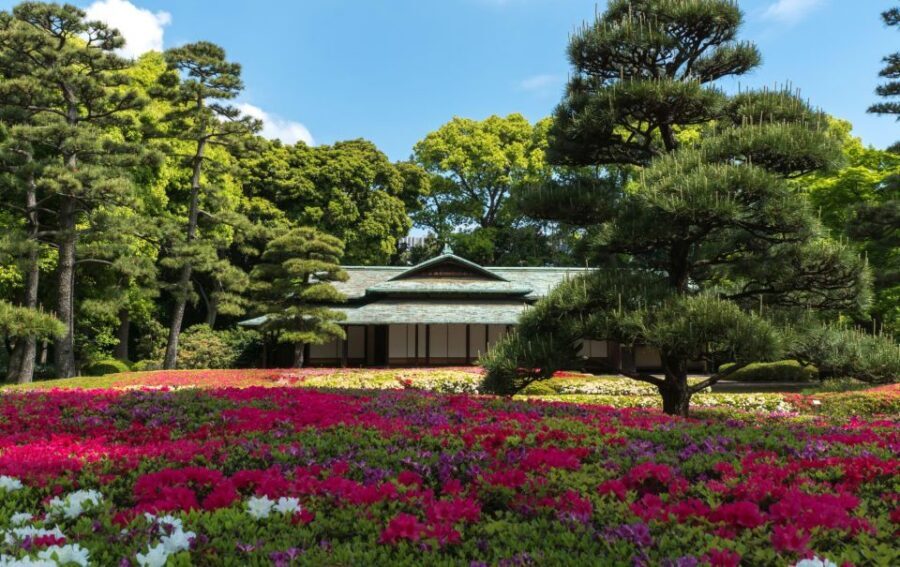
After Tsukiji’s energy, the Imperial Palace East Gardens feel like a deep breath. You’ll get a photo stop and time to walk the grounds with scenic views along the way. It’s a different kind of Tokyo: slower footsteps, wide open space, and the feeling that time operates differently here.
You’ll also see elements tied to Japan’s imperial story, including ruins associated with Edo Castle, plus calm garden scenery that changes with the seasons. Even if you’re not a “gardens person,” this stop helps you understand why Tokyo’s modern speed has a counterweight.
You can also read our reviews of more private tours in Tokyo

Why this garden time is valuable
- It balances the day so you don’t burn out.
- It’s a strong photo stop without needing complicated planning.
- It teaches context: the palace area helps you connect Tokyo’s past with its present form.
The one thing to remember: it’s still a walk. Wear comfortable shoes and don’t underestimate your legs—Tokyo sightseeing adds up fast.
Asakusa and Senso-ji: Incense, Lanterns, and Old-School Sacred
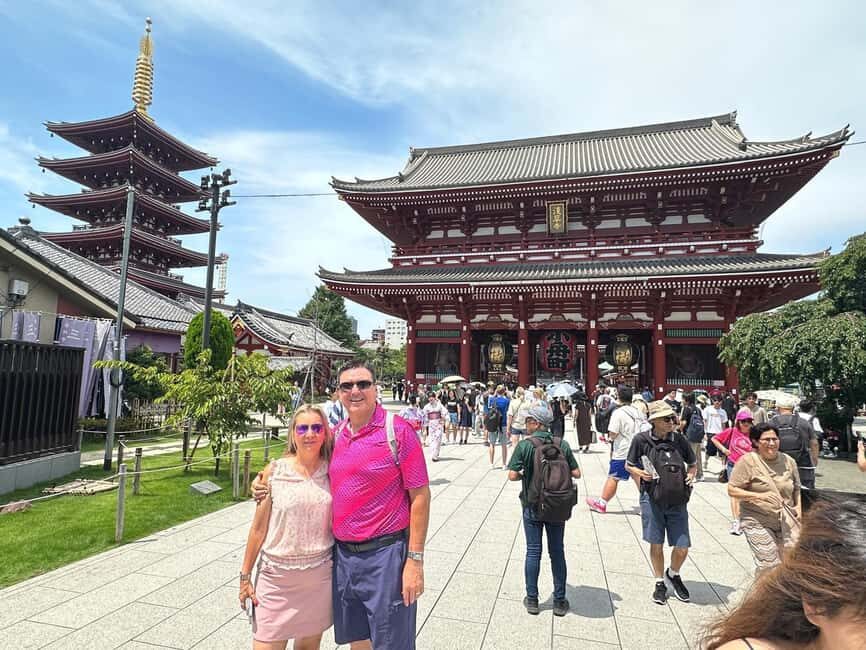
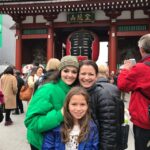
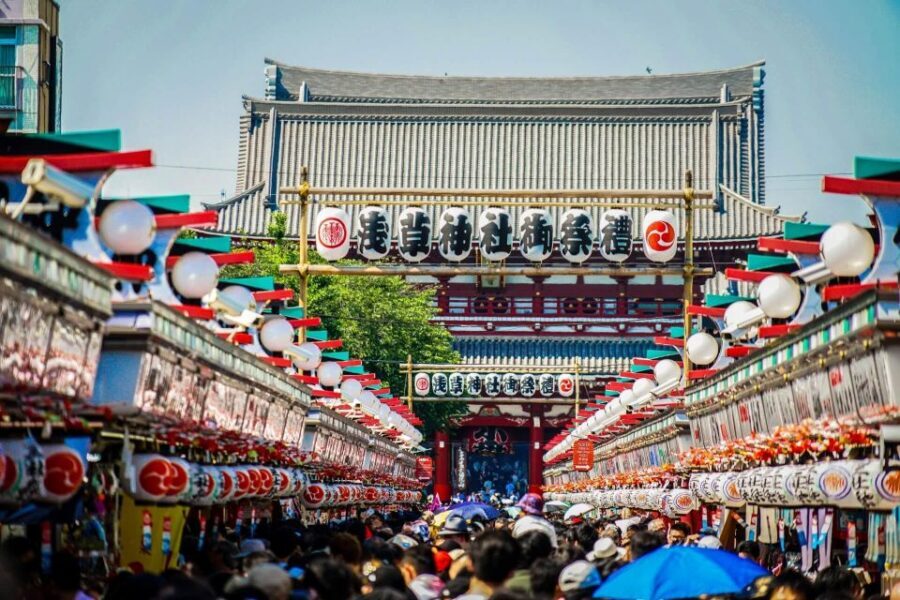
Next comes Asakusa and Senso-ji, one of Tokyo’s oldest temples. You enter through the Kaminarimon Gate, with its famous red lantern—one of those sights that looks instantly recognizable in photos, even before you arrive.
From there, you’ll stroll Nakamise Street, where souvenirs and snacks line the path. Inside, you’ll experience the temple atmosphere firsthand, including incense burning and prayer. This isn’t just “pretty architecture.” It’s a living place of worship you share with locals doing what they’ve done for generations.
Photo-stop reality check
This area is busy, so your guide’s job is not just explaining the site—it’s helping you find the moments that make your photos look like you planned them. People also praised guides for pointing out good photo spots and being attentive when items get left behind.
For lunch, you might choose your meal around the area. The tour notes include lunch options such as the 6th floor of Solomachi Tower (near Senso-ji) or later stops like Takeshita Street.
Tokyo Skytree: The Ticketed Moment for Big City Views
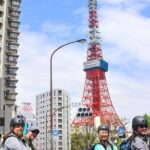
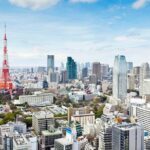
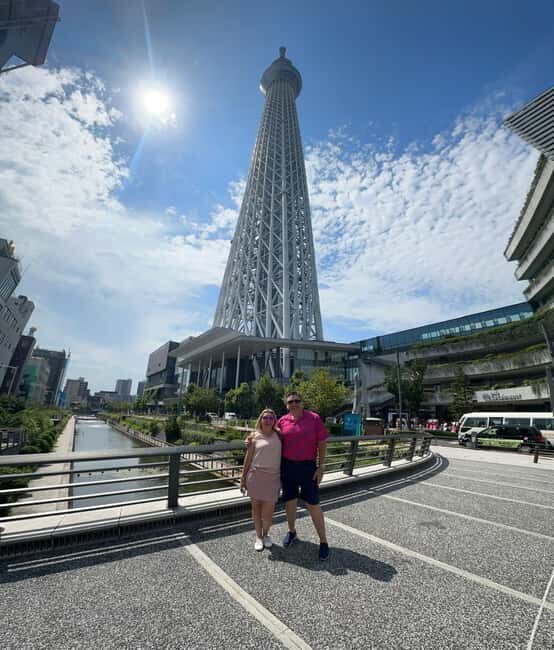
You’ll head to Tokyo Skytree, where you can ride up for panoramic views from Japan’s tallest tower at 634 meters. The tower complex also has shopping and dining, which is handy if you want something to do before or after your view time.
Here’s the key budget point: Skytree admission is not included. The Tembo Galleria/Tembo Deck ticket is a separate cost you should plan for. If you know you want the top-deck experience, treat that as part of the day’s cost—not an afterthought.
When Skytree is worth it
If you’ve never done a Tokyo skyline from above, this is a strong first-day choice. You’ll get a sense of Tokyo’s size, layout, and the way neighborhoods blend into each other. Clear days can even offer views toward Mount Fuji, though you can’t count on perfect weather.
Also, Skytree sits in a “Tokyo for visitors” zone: it’s a good place to decompress and reset before you go into more shopping and street energy again.
Meiji Jingu Shrine: Forest Quiet and a Proper Torii Walk
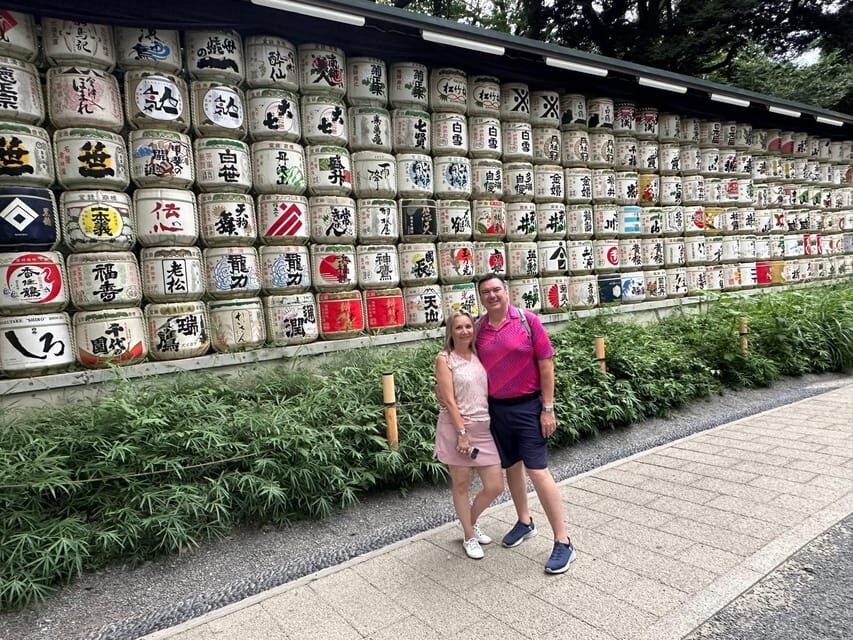
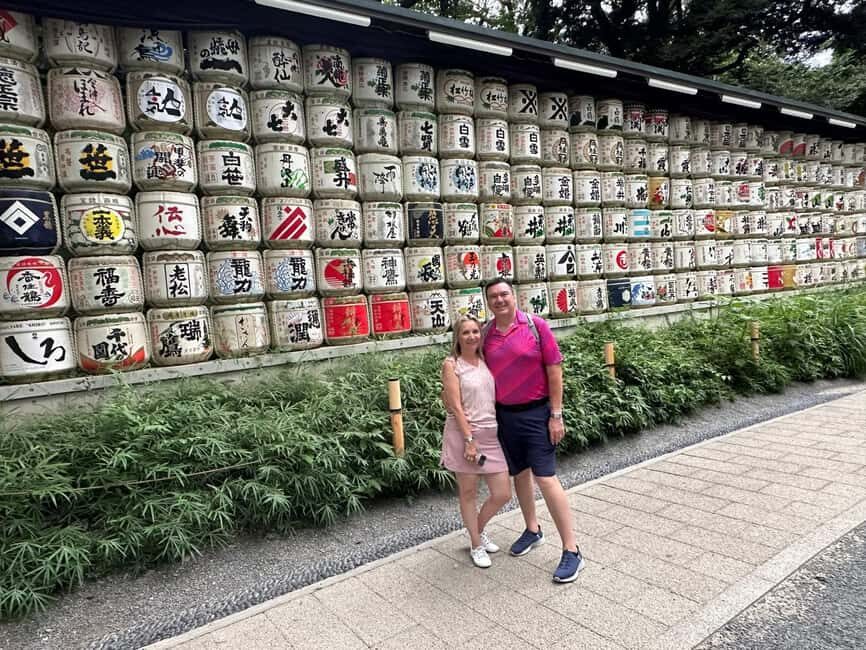
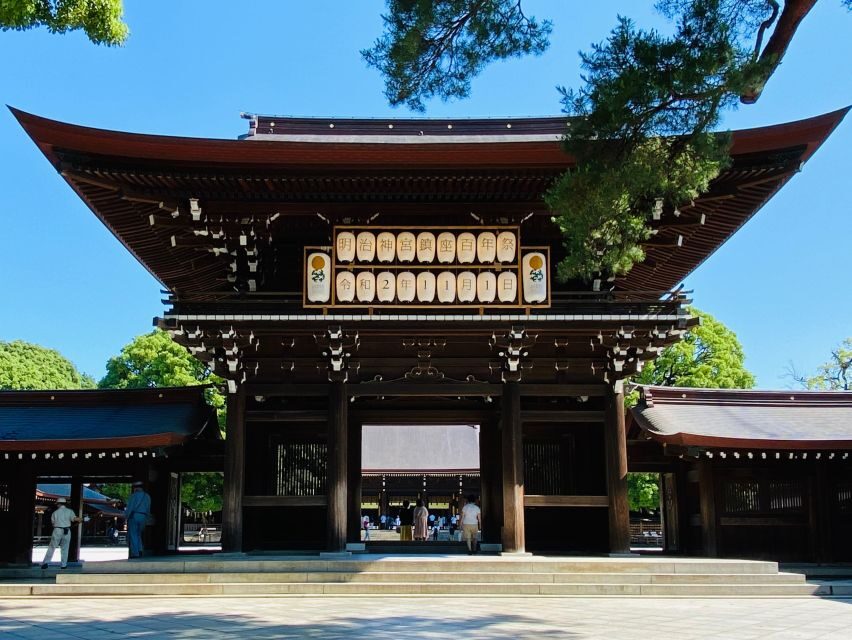
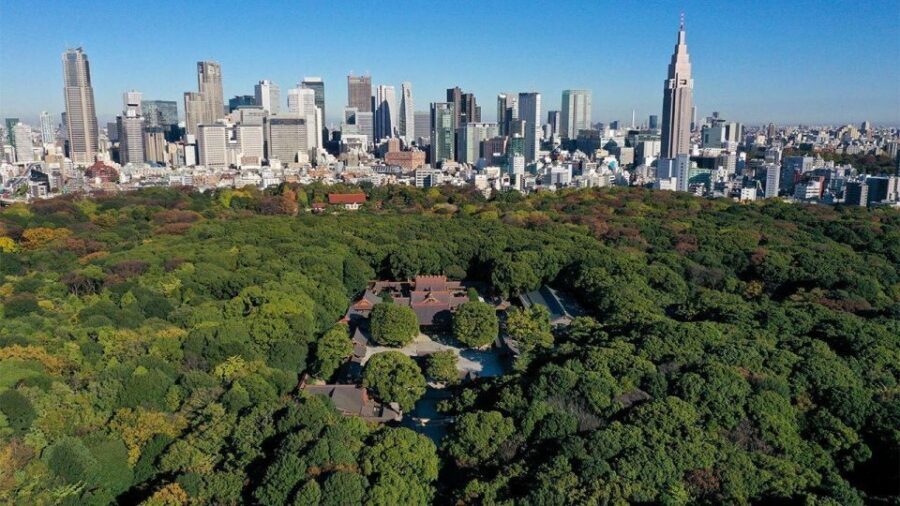
Then you switch gears again with Meiji Jingu Shrine. It’s dedicated to Emperor Meiji and Empress Shōken, and it’s surrounded by forested grounds that feel far away from the city’s pace.
Expect photo stops, time to visit, and walking through the grounds with torii gates along the way. This is the kind of stop that helps you understand Tokyo’s spirituality as something daily and lived, not museum-only.
A practical tip: you’ll likely want to slow down here. Shrines and forest paths reward slow walking. It’s also a nice break if your earlier day involved heavy crowds.
Harajuku Takeshita Street: Youth Fashion, Quirky Shops, and Snack Detours
Harajuku Takeshita Street is where Tokyo gets playful. This is youth culture in full volume: colorful fashion, fun pop-culture shopping, and lots of choices for a quick snack.
The tour includes time for photo stops and walking, plus the chance to browse and shop. You might find crepes and other street foods, and you’ll also notice themed spots that can be… a lot. That’s the point.
Who enjoys this stop most
- You want energy and variety in a single walking area.
- You like browsing instead of “getting in and out” fast.
- You’re traveling with teens or kids who want something interactive.
This area can be crowded, and your guide can help you navigate without wasting time. Still, you’ll want to keep your expectations flexible. Harajuku is about fun, not quiet contemplation.
Shibuya Crossing: Neon, Crosswalk Lines, and Icon-Worthy Chaos
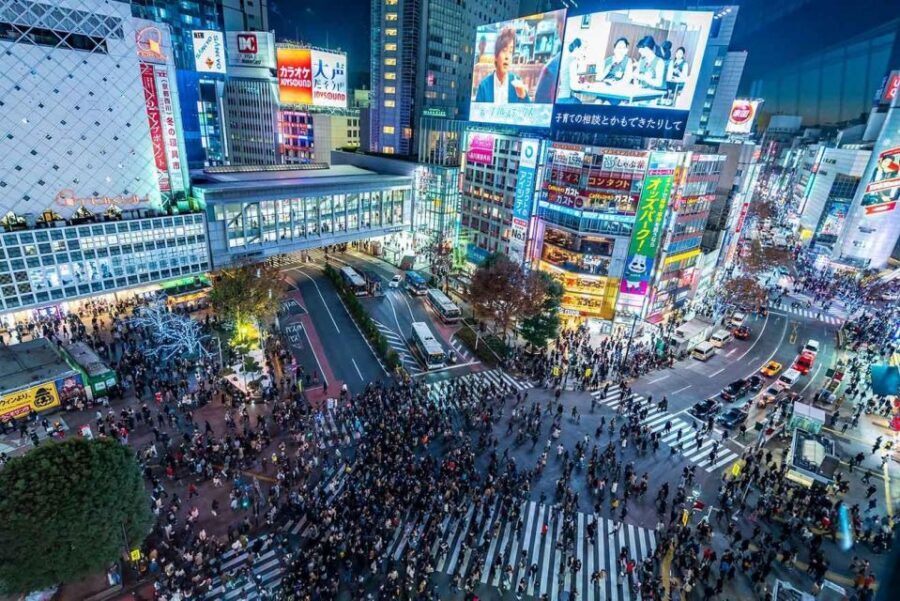
Then you land in Shibuya Crossing, the famous pedestrian scramble. You’ll get a photo stop and time to visit, then you’ll end the core tour with shopping and sightseeing around the area.
The value of Shibuya Crossing isn’t just seeing it once. It’s seeing it as a working part of Tokyo’s daily life. Under neon and billboards, thousands move at once—organized chaos that feels impossible until you’re standing in it.
How to make this stop work for you
- Stay flexible with your time window. Shibuya is always moving.
- Bring stamina for standing around and watching the flow.
- If you’re photo-focused, ask your guide where to stand for the best angles.
You’ll also likely shop around here after the crossing, so plan a little room in your day for purchases.
Akihabara Electric Town: Tech, Anime, and the Fun Side of Browsing
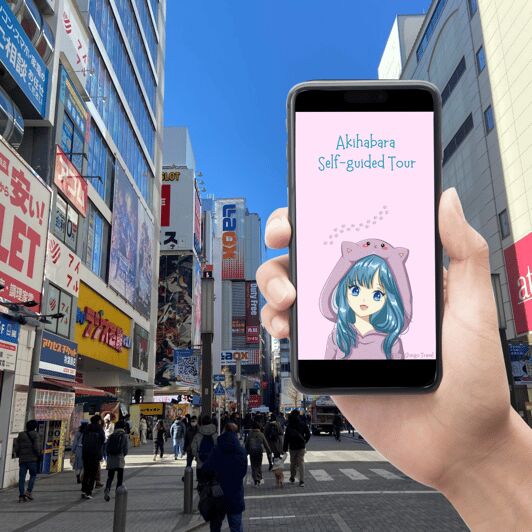
Last on the big-sight run is Akihabara Electric Town. It’s a world of electronics shops, anime and manga stores, and themed pop culture spots. If you like arcades, gadget browsing, or just the feeling of walking through a city subculture, this is a great finish.
You’ll get time to photo stop, shop, and walk. People in the tour group reported that guides even adapt for kid interests like anime, arcades, and gacha-style shops. If that sounds like your family, Akihabara is the place where those interests pay off.
Akihabara also works well as a practical wrap-up stop: if you still want souvenirs, gifts, or a “Tokyo-specific” purchase, this area makes it easy.
Lunch, Snacks, and Timing: The Small Choices That Save the Day
Lunch is not included, and that matters. It means you get flexibility, but you also need a plan because Tokyo food can eat up time.
The tour suggests lunch options such as places around the Senso-ji area (Solomachi Tower on the 6th floor) or lunch near Takeshita Street. If you choose one of those, you reduce travel time and keep your guide’s timing smoother.
My practical advice: pick a lunch style in your head before you arrive. If you want something fast and easy, street-level and nearby options can work great. If you want a more comfortable sit-down break, you’ll likely prefer lunch closer to the end of a busy walking section.
And about snacks: Tsukiji, Nakamise, and Takeshita are snack traps in the best way. Bring cash, accept that you’ll try more than one thing, and treat it as part of the cultural experience.
Transportation Comfort: Why the Van Beats the Subway for a Big Day
This tour includes an air-conditioned vehicle, WiFi on board, bottled water, and covers parking fees plus fuel surcharge. You also get passenger insurance, which is a quiet but meaningful safety feature when you’re spending a full day on the move.
Comfort matters because the day is heavy on walking. Being able to reset in the car between stops makes the difference between feeling “satisfied” and feeling “wrecked” at the end.
In several cases, people specifically praised the ride quality and comfort, including mentions of vehicles like the Toyota Vellfire, which is a big help if your group has different ages or mobility needs. If you’re tired of navigating trains with multiple suitcases or restless kids, this private format pays off.
Price and Value: Is $709 Worth It for Up to Five?
At $709 per group (up to 5 people) for a 10-hour private tour, this isn’t the cheapest way to see Tokyo. But it’s often a very fair trade when you compare it to what your time, stress, and logistics would cost you DIY.
Here’s the value math that tends to make sense:
- You get private guide time plus private transport for a full day.
- You remove the need to plan every transfer and decide where to stand for photos.
- You get real-time adjustments if someone wants to linger, move faster, or change interests.
Also, the group size cap (up to five) is a big deal. If you can share the cost among family members or a small group, the per-person experience becomes more reasonable.
The main extra costs to expect are Skytree admission and lunch, plus any personal shopping and snacks. Since those are optional anyway, it lets you control how much you spend rather than paying a fixed all-in bundle.
Who Should Book This Tour (and who might not)
This tour is a strong fit if:
- it’s your first time in Tokyo and you want a guided path that covers both tradition and modern icons
- you’re traveling with kids, multi-generational family, or anyone who prefers less transit effort
- you want an English-speaking guide to help you read what you’re seeing and where to go next
It might be less ideal if:
- you’re the type who loves long subway hops and planning every step yourself
- your top priority is one deep neighborhood experience rather than multiple major stops in a single day
- you’re trying to keep costs minimal, since Skytree and lunch add to the total
Should You Book This Tokyo Private Day Tour?
If you want a first-day Tokyo win, I’d book it. The big reason is balance: you get temples, palace gardens, iconic city views, and the big shopping/people-watching areas in one smooth day without the stress of route planning.
I’d especially recommend it if you value pace control. People repeatedly highlighted that guides like Moon (and the driver team) stay friendly, punctual, and flexible—meaning the day adapts to your family instead of forcing your family to adapt to the day.
Just go in knowing two things: you’ll likely pay extra for Skytree admission, and you’ll make your own lunch choice. If that works for you, this tour is one of the most practical ways to see a lot of Tokyo while still feeling like you’re traveling comfortably.
FAQ
How long is the tour?
The tour lasts 10 hours, and that includes hotel pickup and drop-off.
Is Skytree admission included in the price?
No. Tokyo Skytree entry (Tembo Galleria + Tembo Deck) is listed as not included, so you should budget for the ticket separately.
Is lunch included?
No. Lunch is not included, and there are suggested lunch options around the Senso-ji area or later near Takeshita Street.
Where does pickup work?
Pickup is included for locations within Tokyo’s 23 wards. Pickup outside the 23 wards is an extra cost.
Can they pick you up from the airport or cruise terminal?
No. Pickup is not provided from airports or cruise terminals, so you’ll need to confirm your pickup location before booking.
What language is the tour provided in?
The guide and driver are listed as English (the driver is noted as English-speaking).