REVIEW · FUKUOKA
Fukuoka: Takachiho Gorge & Scenic Railway One Day Tour
Book on GetYourGuide →Operated by JRT Group · Bookable on GetYourGuide
A waterfall and a vintage train in one day. I love how this trip strings together Takachiho Gorge with proper photo stops and then flips the mood with a vintage railway ride through the hills. The downside: it’s a long day with lots of walking steps at the gorge and not much time for bathroom breaks.
What makes it interesting is that you’re not just sightseeing. You’re also getting Shinto myth context at Amano Yasugawara, so the stones-wishing ritual lands with meaning. If you hate heat, long sit-downs, or stairs, you’ll want to think twice.
In This Review
- Key points at a glance
- Two icons of Kyushu in one easy Fukuoka day
- From Fukuoka: how the guided flow actually feels
- Takachiho Gorge and Manai Waterfall: the 80m star attraction
- The “steps tax” you should plan for
- Three Eras Bridge: quick myth-quieting photos
- Boat cruise option: when the gorge gets even more dramatic
- The vintage train through Takachiho: a short ride with big personality
- Tickets: small detail, big money difference
- When the train isn’t available: winter and 3rd Thursday closures
- Amano Yasugawara Shrine: stone wishes with real ritual weight
- The stone-stacking wish ritual
- Amano Iwato myth connection (Kojiki reference)
- Timing and your practical needs: toilets, snacks, and pacing
- What you pay for: the real value of this $44 tour
- Guides and day atmosphere: why personalities matter
- Who this tour fits well (and who should skip)
- Skip it if you need extra physical support
- Weather tolerance: plan for the boat changing
- Should you book this Takachiho Gorge, train, and shrine day trip?
- FAQ
- What does the $44 price include?
- Is the Takachiho boat ride included?
- Is the vintage train ticket included?
- How long does the train ride take?
- What languages are offered by the guide?
- Where do we meet, and where do we end?
- What should I bring for the day?
- Is the tour stroller or wheelchair friendly?
- Are there closures that affect the train or schedule?
- What if weather cancels the boat ride?
Key points at a glance
- Manai Waterfall (80m) with guide-led viewpoints and a chance at that classic morning rainbow look
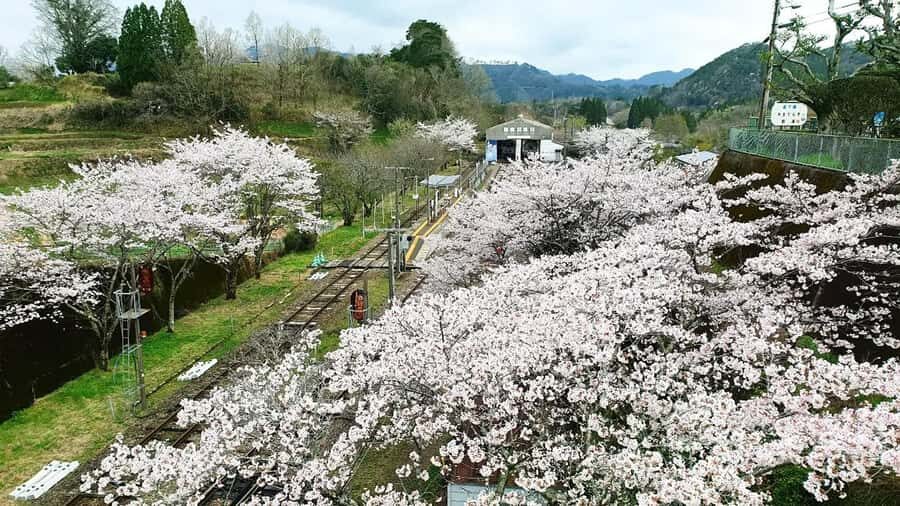
- Seasonal vintage train views, from cherry tunnels to snow scenes, plus retro touches like bubble photos
- Amano Yasugawara stone-stacking ritual (stones provided) and storytelling tied to Shinto legend
- Heated bus ride from Fukuoka that keeps the day moving without car logistics stress
- Optional Takachiho Gorge boat cruise (separate ticket) with refunds when storms cancel it
- Train caveats: closures on specific 3rd Thursdays and seasonal winter reroutes
Two icons of Kyushu in one easy Fukuoka day
This is a one-day combo that makes sense for first-timers in Kyushu. You get Takachiho’s famous gorge scenery plus a shrine stop tied to myths you’ve probably heard in stories, but never watched people pray through in real time.
The gorge is the big “wow” piece. Amano Yasugawara gives you the cultural “why,” so the day feels like more than a photo checklist.
And the value is real. For about $44, you’re paying for transport, a guide, and the structure to reach these spots from Fukuoka without having to coordinate trains, cars, and timing on your own.
A few more Fukuoka tours and experiences worth a look
From Fukuoka: how the guided flow actually feels
The tour meets at a designated point where the guide holds a flag. You end back at the same spot, so you don’t have to worry about last-mile chaos when your day runs long.
One thing I appreciate is the bus comfort. The ride is heated, which matters because Takachiho conditions can feel colder than you expect, especially in shoulder seasons and winter.
Guides also run multilingual commentary. The materials note English and Chinese. In practice, what you should expect is a guide communicating in multiple languages for one group on the bus, which keeps things moving while still covering the essentials.
Takachiho Gorge and Manai Waterfall: the 80m star attraction
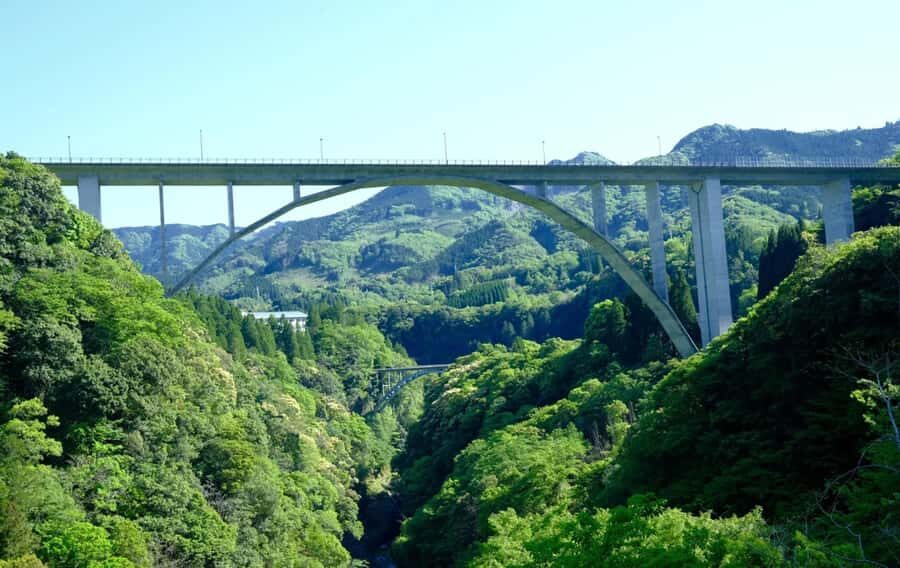
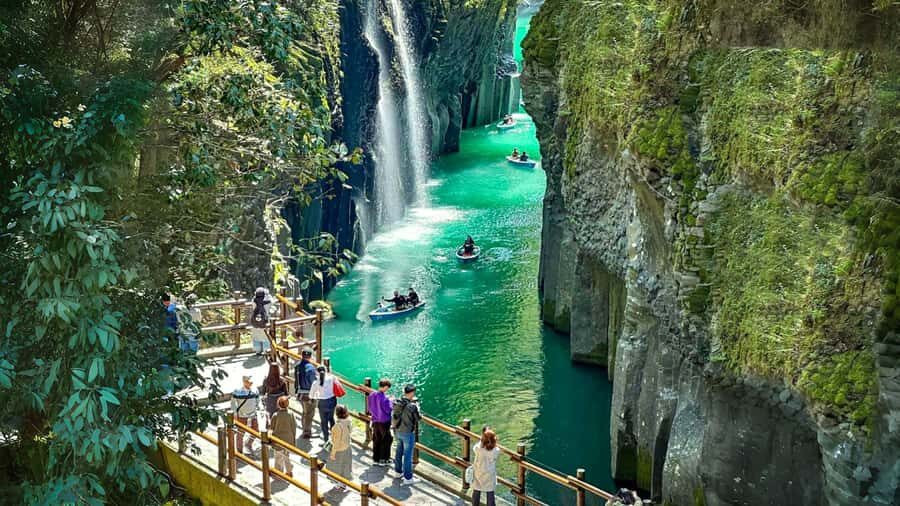
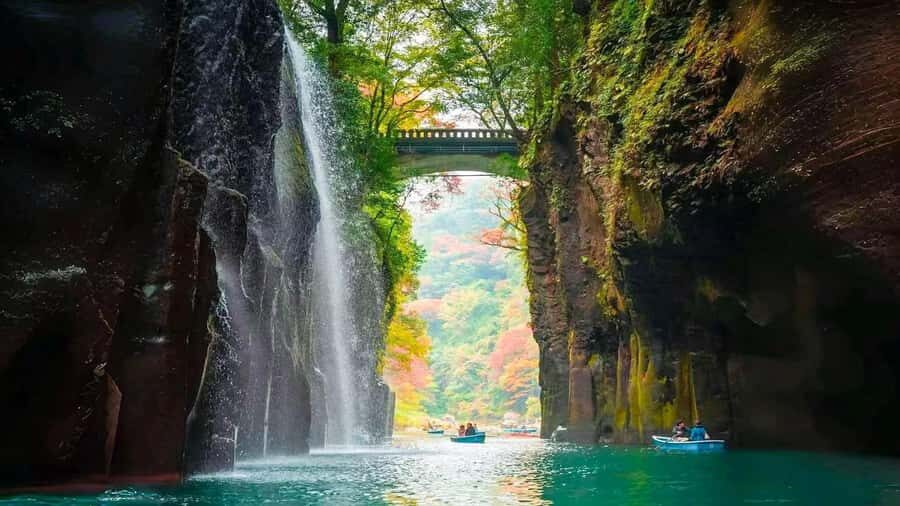
Takachiho Gorge is the kind of place where you stop talking and just look. The centerpiece is Manai Waterfall, about 80 meters high. It cascades down volcanic cliffs, and depending on timing and weather, you might even catch that rainbow effect early in the day.
The guide helps you hit good angles for photos. They also point out practical walking routes so you’re not wandering in circles. That’s especially helpful at Takachiho, where signage is one thing and “what viewpoint do I actually want” is another.
The “steps tax” you should plan for
This is where the tour asks something physical. The gorge portion includes a walk with many steps and roughly a 30-minute round-trip hike. If you’re the type who needs frequent breaks, you’ll want to pace yourself.
Good shoes matter. The tour specifically calls out comfortable shoes, sunglasses, a hat, and water for a reason. Even if you think you can “power through,” the steps add up once you’re also trying to stop for photos.
This isn’t a good fit for mobility-impaired guests, and it’s not friendly for wheelchair users either.
Three Eras Bridge: quick myth-quieting photos
One of my favorite parts of Takachiho planning is that you get mini “pause points.” You’ll pass by the Three Eras Bridge area, which lines up views across bridges linked to the Meiji, Showa, and Heisei eras. Even if you’re not into history dates, the bridges make a natural framing tool for gorge scenes.
Think of it like a built-in breath between steps. You look, you frame, you reset.


Boat cruise option: when the gorge gets even more dramatic
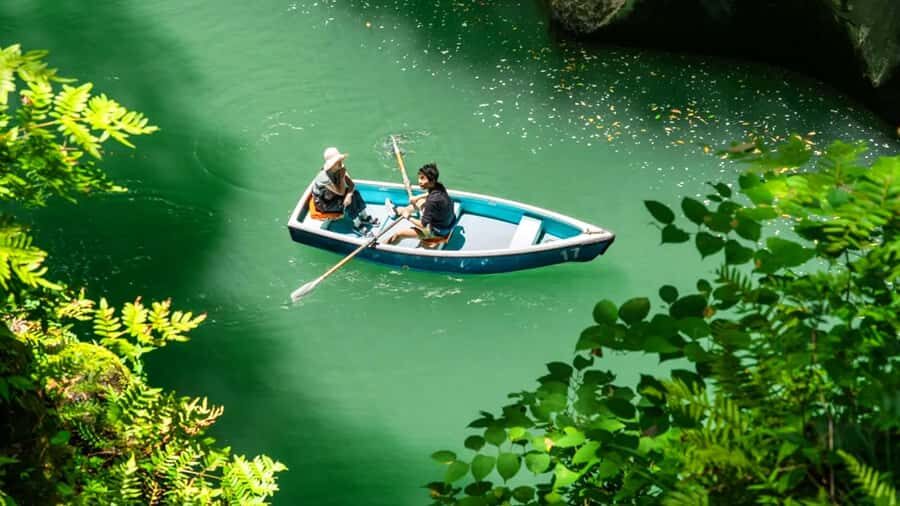
There’s an optional boat ride you can add on for extra scenery. The cruise is about 4 km and runs through cliffs that can feel almost vertical.
A key practical note: the boat ride is not included. Tickets are separate, and you may need to book in advance. The guide can help with boarding, which reduces stress on-site.
Weather can also change the plan. If storms or high water cancel the boat, you won’t be left stuck. The tour’s gorge and other stops continue, with the boat being the one element that can get cut.
The vintage train through Takachiho: a short ride with big personality
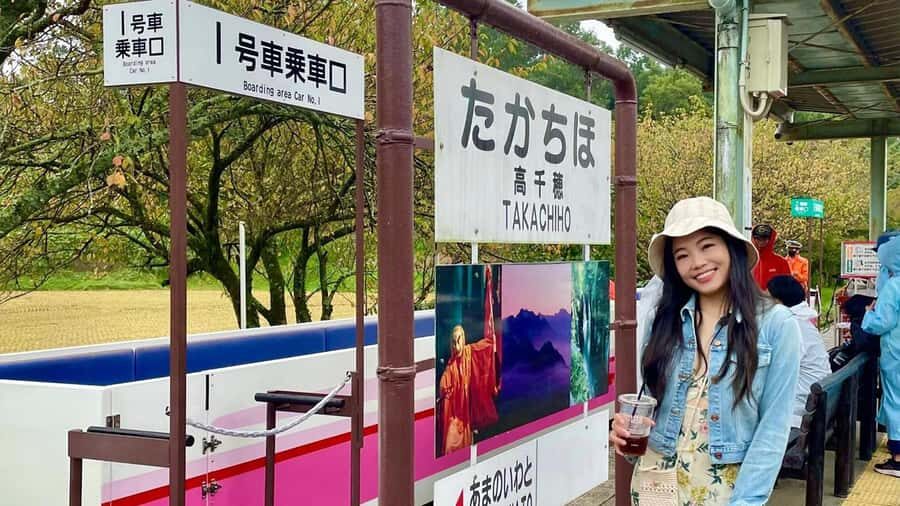
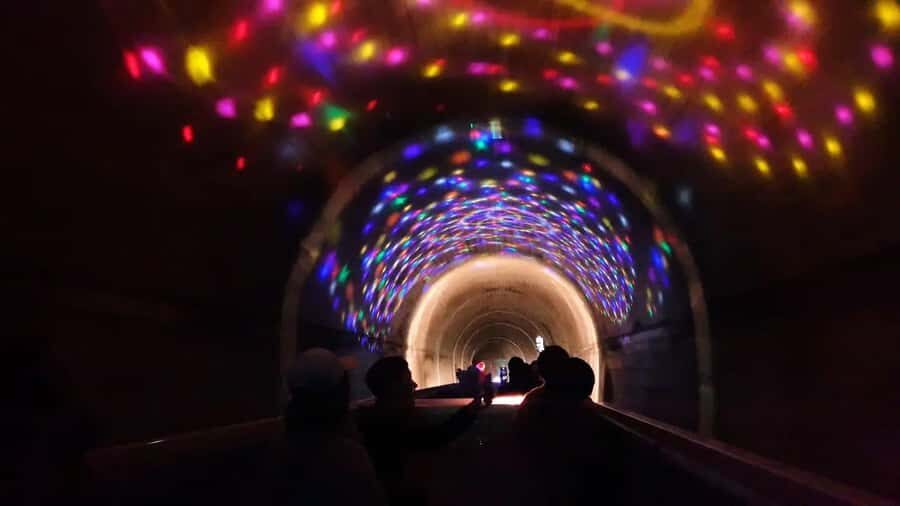
The Takachiho vintage train is the other “main character” of the day. Even though the train ride itself takes about 30 minutes in the tour flow, it feels longer because you’re staring out the window the whole time.
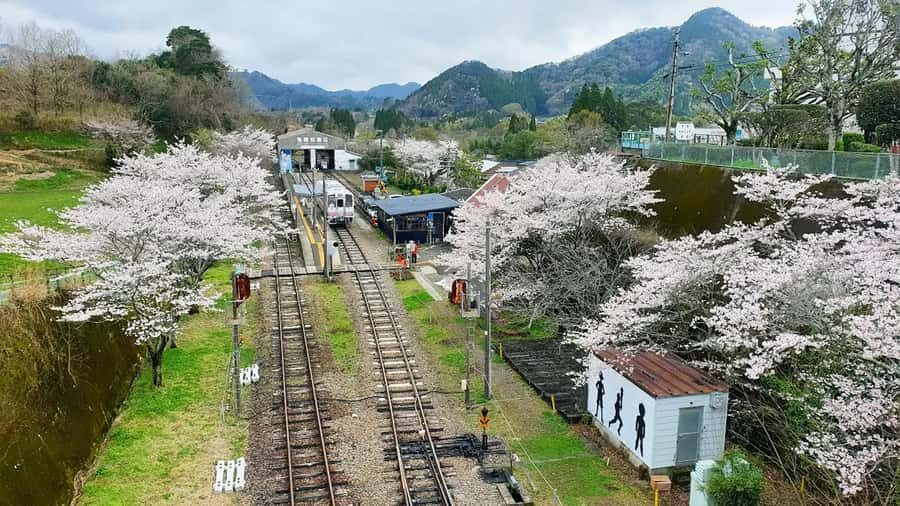
What I like most is the seasonal variety. The ride can pass through different backdrops depending on the time of year:
- cherry-season tunnel vibes
- summer rice fields
- autumn maple-gorge color
- winter snow scenes, including snow-bridge style views
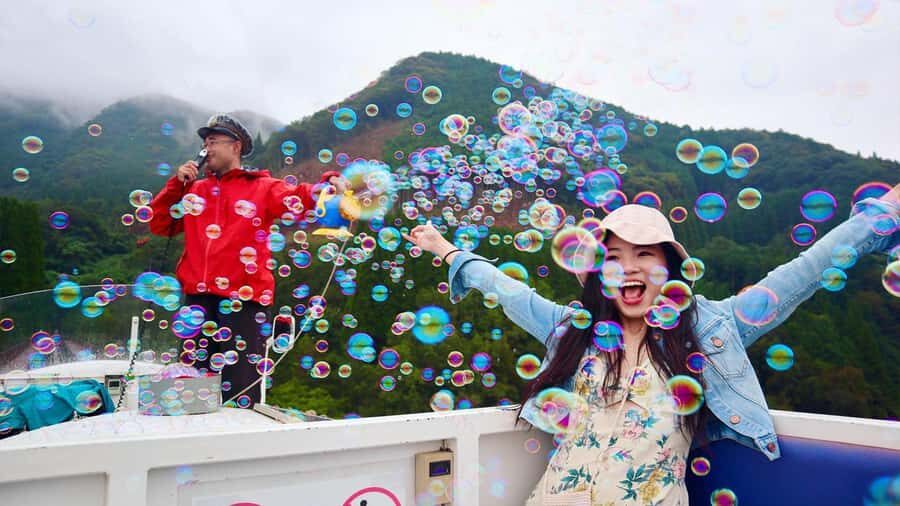
The experience is also deliberately nostalgic. Notes include Showa-era tunes, wheel sounds, and bird calls. Staff can even help with retro-style photos using bubble machines, which sounds silly until you’re actually on the platform and see the effect.
Tickets: small detail, big money difference
The train ride time is handled, but the actual Takachiho Amaterasu train ticket is at your own expense. So you’re not paying $44 for everything. You’re paying $44 for the day’s structure, then topping up for the “pick your add-ons” pieces.
When the train isn’t available: winter and 3rd Thursday closures
You should know about the reality checks. In winter (Dec 1 to Feb 28), the small train can get replaced by other attractions because cold outdoor conditions make it unsuitable.
Also, Amaterasu-related closures happen on the 3rd Thursday monthly, with specific dates like Sep 18, Oct 16, and Nov 20 called out. If riding the train is the whole reason you booked, plan around those dates.
Amano Yasugawara Shrine: stone wishes with real ritual weight
After the gorge, the day shifts from motion to prayer. Amano Yasugawara Shrine is where the myth comes to life in a very hands-on way.
The stone-stacking wish ritual
Here’s what you’ll do: you stack stones as part of a wish ritual. The tour notes that the guide supervises the practice, and stones are provided. That matters because people often want to copy what others do, but doing it wrong can feel awkward and rushed.
The legend behind it says wishes come true. Even if you’re not super spiritual, the ritual gives you a tangible activity during what would otherwise be a quick shrine stop.
Amano Iwato myth connection (Kojiki reference)
You’ll also get a myth explanation tied to Amano Iwato, a story recorded in the Kojiki. The guide provides the Shinto background so the site doesn’t feel like a random shrine you passed through quickly.
There’s a note about the shrine walk being fairly brisk. I like that it keeps the schedule tight, but it means you should go in ready to move and not expect a slow, wandering pace.
Timing and your practical needs: toilets, snacks, and pacing
One downside that’s worth taking seriously is the “no meals” setup. The tour doesn’t include food. You’ll need to bring snacks or plan to grab something near where you’re stopping, like convenience stores or cafes.
This matters because the day is long and you’re outside for chunks of it. If your energy drops, it affects everything: your comfort on steps, your patience during transfers, and your ability to enjoy the shrine stop.
Toilets are another real-world factor. There’s time pressure in a day tour, and the data points to limited bathroom time. If you’re someone who needs frequent stops, I’d treat this tour as not ideal.
A few simple fixes help:
- bring water even if you think you won’t need it
- pack a couple of small snacks you like
- wear easy-to-manage layers in case weather shifts
- keep cash on hand for any separate tickets
What you pay for: the real value of this $44 tour
Let’s talk money without fairy tales. The price is $44 per person, and what you get included is:
- gas fee
- driver
- roundtrip transfer from the meeting point
So the “value” is the logistics. In Japan, especially from Fukuoka, getting to Takachiho and returning in one day without renting a car is the hard part. This tour hands you transport and a guided structure.
What’s not included:
- the optional boat ride
- the train ticket
- food and drinks
- personal travel or accident insurance
That means the effective cost can rise if you add the boat and buy the train ticket. But it still often works out well compared with cobbling together multiple legs yourself, especially if you don’t want to wrestle with timing.
Guides and day atmosphere: why personalities matter
I like that the experience is human-led. Even within the structured stops, guides bring the day to life through history and myth context, and they also help with “how to see it” moments like best photo spots at the gorge.
Names mentioned in the experience include Daisy, Moon, Kevin, Jhonny, and Riku. The common thread is that guides aim to explain not just what you’re seeing, but why it matters, so Takachiho feels connected rather than random.
Also pay attention to the bus driver. Multiple guides in the data point to friendly, careful driving and good communication. That’s not just comfort. Smooth driving reduces stress when you’re trying to meet tight sightseeing windows.
Who this tour fits well (and who should skip)
This tour fits best if you want a “Kyushu highlights” day without car rental headaches. You’ll enjoy it most if you like:
- dramatic nature scenes like Manai Waterfall
- a train ride that feels like a throwback, not just transport
- Shinto rituals you can participate in, like the stone wish practice
Skip it if you need extra physical support
It’s not suitable for wheelchair users, and it’s not meant for guests with mobility impairments. The gorge has many steps and hiking time, and that can’t be “wished away” with willpower.
Also noted as not suitable:
- pregnant women
- people with heart problems
- people over 70
If any of those apply, you’ll have a better time picking a more relaxed day plan.
Weather tolerance: plan for the boat changing
If it rains hard or conditions get unsafe, the optional boat can cancel. The good news is the rest of the day keeps going, and your energy doesn’t have to vanish the moment the boat is off.
Should you book this Takachiho Gorge, train, and shrine day trip?
If you want one day that combines real scenery, a classic train mood, and a myth-connected shrine, I think this is a strong pick from Fukuoka. The $44 baseline is a logistics bargain, and you’ll feel cared for by guides who explain what you’re seeing, not just where to stand.
But book with eyes open. The gorge involves steps and a short hike, meals aren’t included, and the train/boat have extra costs and potential availability limits. If you’re the type who needs lots of toilet time or prefers fully flat walking, this may feel like too much.
If your priority is taking in Takachiho’s iconic sights in a single, organized day, this tour is exactly the kind of plan that saves you energy for the moments you came for.
FAQ
What does the $44 price include?
The price includes the gas fee, driver, and roundtrip transfer from the meeting point. Food and drinks, the optional boat ride, and the train ticket are not included.
Is the Takachiho boat ride included?
No. The boat ride is optional, and you pay separately. Tickets are separate from the tour price.
Is the vintage train ticket included?
The train experience time is included in the tour flow, but the Takachiho Amaterasu train ticket is not included. You purchase it separately.
How long does the train ride take?
The train experience is about 30 minutes.
What languages are offered by the guide?
The tour lists Chinese and English.
Where do we meet, and where do we end?
The guide meets you at the starting point holding a flag, and the tour ends back at the same meeting point.
What should I bring for the day?
Bring comfortable shoes, sunglasses, a hat, camera, sunscreen, water, comfortable clothes, and cash.
Is the tour stroller or wheelchair friendly?
No. It is not suitable for wheelchair users and not recommended for people with mobility impairments.
Are there closures that affect the train or schedule?
Yes. The Amaterasu Railway is closed on the 3rd Thursday monthly, including dates like Sep 18, Oct 16, and Nov 20. In winter (Dec 1 to Feb 28), the train can be replaced with other attractions due to cold outdoor conditions.
What if weather cancels the boat ride?
The tour notes that the boat may be canceled due to storms or high water. In that case, you can receive a full refund for the boat ride when cancellations happen, and you’ll be informed on-site the same day.