REVIEW · KYOTO
Sushi Making in Kyoto! Same-day bookings welcome!
Book on Viator →Operated by SUSHI MASTER JAPAN · Bookable on Viator
Sushi gets hands-on in Kyoto. This class in Kawaramachi turns sushi making into a fun, beginner-friendly workshop with English instruction and a real meal at the end. You’ll learn why sushi rice matters, then build your own nigiri and rolls step by step.
I like that you’re not just watching. You get to make 10 pieces and then eat what you made, so the experience feels practical, not performative. I also love the small, friendly vibe—hand-holding for first-timers, plus a cheerful pace that works well for families and couples.
One thing to plan for: the meeting spot can be tricky to find on small Kyoto streets. If you arrive late or without checking the map details, you’ll feel the stress. Also, drinks cost extra, so come ready to enjoy water or order only what you really want.
In This Review
- Key things I’d focus on before you go
- Finding Sushi Master Kyoto Kawaramachi (and not losing your mind)
- The 90-minute flow: intro, sushi rice, then hands-on making
- Your first minutes: sushi culture + what you’re about to make
- Sushi rice: the step that makes or breaks everything
- Hands-on nigiri and roll making: your 10-piece production line
- Instruction style: patient, fun, and not stiff
- Names you might hear during class
- Certificates and gifts
- Eating your sushi: what you’ll take away (besides the taste)
- The meal portion
- Sake and drinks: optional, and extra cost
- Dietary needs and ingredient swaps: what you should plan
- Price and value: why ~$53.72 can make sense
- Who this class suits best (and who might want a different option)
- A few smart tips to get the best results
- Should you book this sushi-making class in Kyoto?
- FAQ
- How long is the sushi-making experience?
- What does the course include for what I’ll make and eat?
- Where do I meet for the class in Kyoto?
- Is there an option for drinks or sake?
- Do you handle allergies or vegetarian preferences?
- How many people are in a class?
- Is there free cancellation?
Key things I’d focus on before you go
- English-speaking instruction that supports first-timers (including families)
- Perfect sushi rice lessons that actually help you make better bites
- Nigiri and roll practice leading to 10 pieces total for your meal
- Kawaramachi location—easy to pair with shopping and food after class
- Sake options for purchase (including a sampler style, if offered that day)
- Hidden-in-plain-sight meeting point—stairs and a second-floor room matter
Finding Sushi Master Kyoto Kawaramachi (and not losing your mind)
Most Kyoto food classes are in normal places. This one takes a slightly more “Kyoto” approach: you’ll need to follow the exact address and directions closely.
Your start point is Japan, 604-8035 Kyoto, Nakagyo Ward, Sakuranochō, 4071 カレッジタウン詩の小路ビル. It’s also listed as Sushi Master Kyoto Kawaramachi on Google Maps, which is the smart move—use that.
From what I’ve seen in real experiences, the room is a bit hidden. People describe it as being up the stairs next to a Sketchers store on the second floor and inside a shopping-center area. Translation: don’t rely on eyesight alone when you’re arriving hungry.
My practical tip: arrive 15–20 minutes early and give yourself time to locate the building and climb in. If you’re worried about direction anxiety, this is one of the few times it’s worth using mobile navigation twice—once for the area, then again for the building entrance.
You can also read our reviews of more tours and experiences in Kyoto.



The 90-minute flow: intro, sushi rice, then hands-on making
This class runs about 1 hour 30 minutes. The format is simple: a short intro, focused prep, hands-on building, then eating. That timing is ideal if you want an experience that feels active without eating up your whole day.
Your first minutes: sushi culture + what you’re about to make
You start with a brief introduction to sushi and Japanese food culture. This part isn’t meant to turn you into a historian. It’s there to give you context for why the steps are the way they are—and to help you follow the instructor without guessing.
If you’re a complete beginner, this intro helps. If you already know sushi basics, you’ll still find it useful for the small details that improve your rice and shaping.
Sushi rice: the step that makes or breaks everything
Then comes the lesson that matters: how to make sushi rice correctly. The rice is where sushi moves from okay to genuinely good.
Even if you’ve eaten plenty of sushi, making rice at home isn’t the same. In class, you learn the technique and the logic behind it—how to get the right texture for shaping and biting.
This is also where first-timers tend to relax. Once the rice basics click, the rest feels like building.
What to watch for: rice temperature and handling. In sushi, small changes show up fast in the final roll and nigiri feel.
Hands-on nigiri and roll making: your 10-piece production line
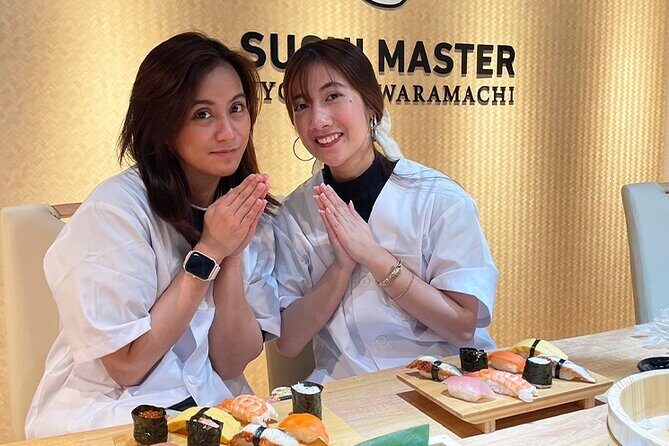
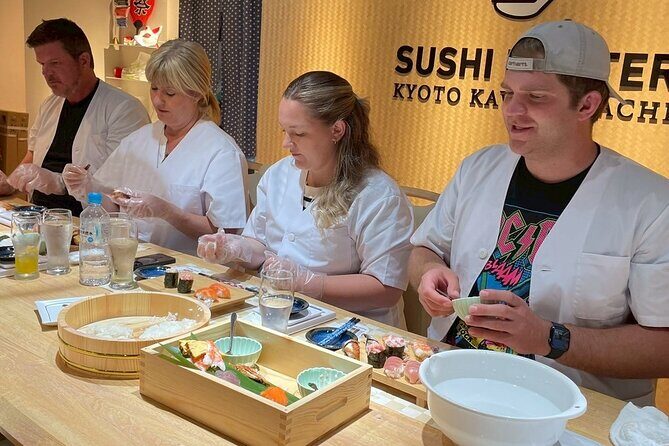
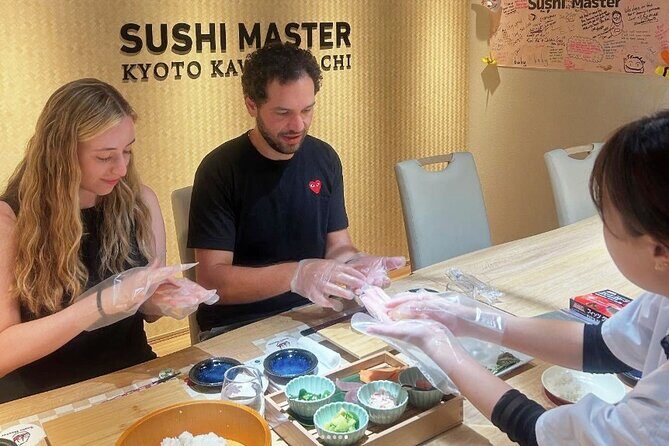
Your course focuses on Nigiri and Roll with a total of 10 pieces. Expect a hands-on workflow with friendly English-speaking instructors guiding you through each part.
You’ll be shaping nigiri, rolling, and cutting rolls. It’s very “do this, then do it again” in a good way. For kids, it’s the perfect level of challenging—enough action to stay interested, without being so technical that they freeze.
In terms of what you’ll get, your meal is what you produce. Come with a realistic appetite.






Instruction style: patient, fun, and not stiff
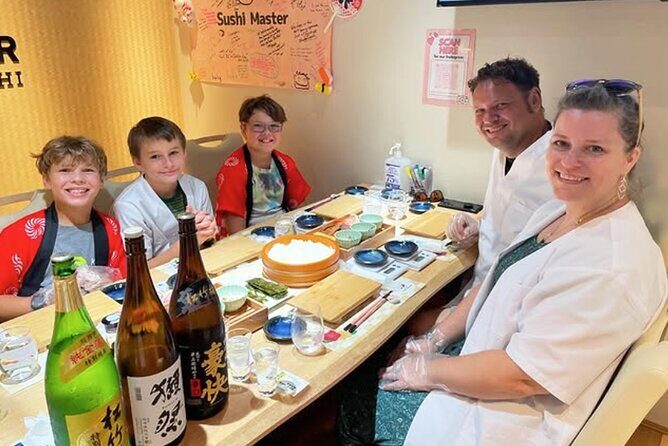
The instructor team uses English and keeps things upbeat. People note a patient approach, and that matters in a class like this because sushi is fiddly.
You’ll likely see a mix of demonstration and direct correction—how to press rice, how to handle the fish topping, how to roll without overstuffing, and how to cut cleanly.
Names you might hear during class
Some experiences specifically mention instructors like Kioko and Rio. If you get a different team, the teaching style is still the same: friendly, direct, and tuned for beginners.
Certificates and gifts
One perk that shows up in accounts is a Sushi Master Certificate, plus special gifts. These small extras don’t change the quality of the food, but they do make the class feel like a real milestone instead of just a cooking demo.
Eating your sushi: what you’ll take away (besides the taste)
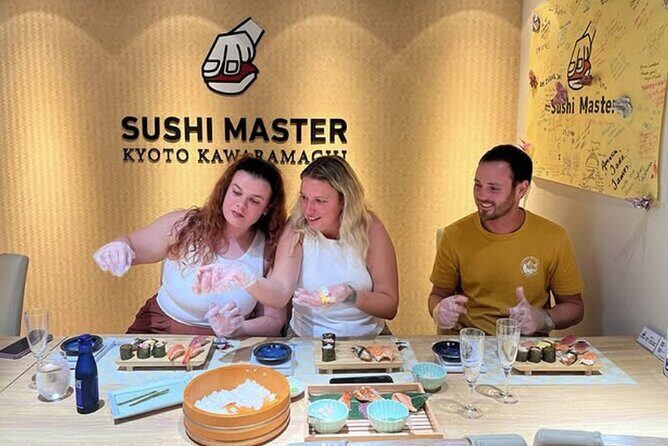
Here’s the best part: you eat the sushi you make. That turns the workshop into a complete loop. You don’t leave with a vague memory of how something looked on a cutting board—you leave with your own bites, right away.
The meal portion
You should plan for this as a light lunch or substantial snack. Since it’s included in the experience, it’s good value compared to classes where you learn but still have to pay for the actual meal.
Sake and drinks: optional, and extra cost
Drinks are not included. You can order soft drinks and alcohol during the class.
Some people mention that sake is available and that you might be able to do a sampler or flight style. If you’re curious, this is a fun way to try something beyond soda without committing to one full pour.
My advice: treat drinks as add-ons. If you want to keep spending under control, drink water first, then decide.
Also, one caution that comes up: some buyers feel drinks are pricey for what you get. So if you’re value-minded, don’t assume the alcohol is a bargain—just know it’s there if you want it.
Dietary needs and ingredient swaps: what you should plan
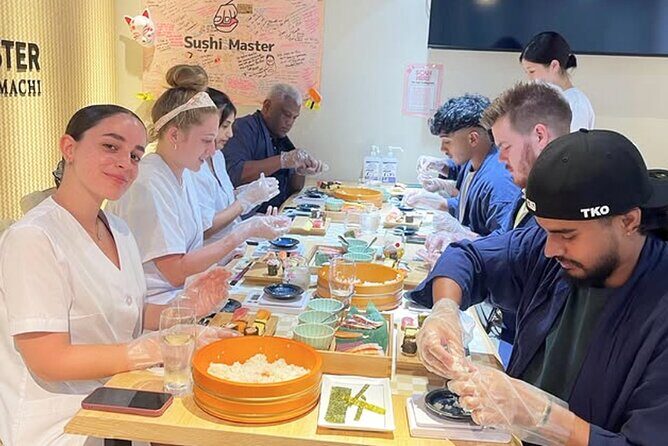
The class asks you to inform them in advance in the Special Requirements section about allergies or vegetarian preferences. That’s important. Sushi ingredients can change depending on availability, and the “ingredient may vary” note means you should not rely on a specific item if you have strict needs.
If you’re vegetarian, say it clearly. If you have allergies, list them. Don’t assume they’ll infer details.
Practical move: write your needs in the booking notes and double-check any last-minute questions by message if the platform allows it. This is one place where being specific saves you stress.
Price and value: why ~$53.72 can make sense
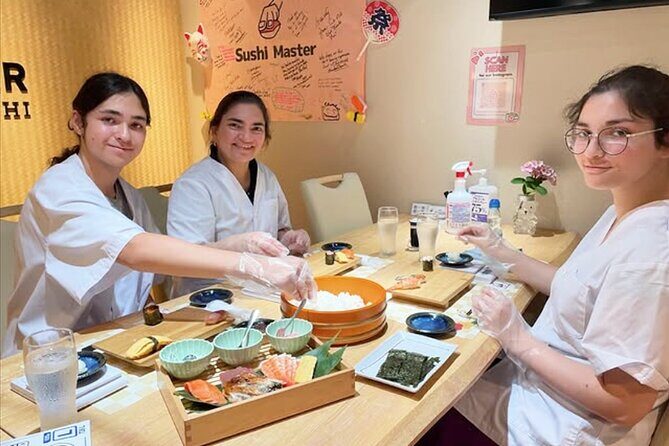
At $53.72 per person, you’re paying for more than instructions. You’re paying for:
- English-speaking guidance
- Sushi ingredients
- The sushi meal you make
- Special gifts
- A structured 90-minute experience (about 10 pieces plus the shaping practice)
Cooking classes in Japan can range widely, but this one has an advantage: you get a full tasting portion included. That turns the price into something more tangible than a “skills only” session.
Is it cheap? No. Is it fair for a hands-on, instruction-led meal in a central Kyoto area? For many people, yes—especially if you’re going with kids, a partner, or anyone who wants an activity that feels like an event.
Who this class suits best (and who might want a different option)
This is a strong fit if you want:
- A beginner-friendly sushi introduction
- A family activity that gets kids involved (shaping, rolling, cutting)
- A couples activity that’s active and social, not just dinner
- A food-focused experience in central Kyoto
It may be less ideal if you want a deep technical workshop. One note suggests the class felt light on some “how exactly do you prepare X” details like fish cutting or rice process depth.
So if your goal is serious mastery, you might want a longer or more specialized class elsewhere. But if your goal is confidence and a great meal right after, this hits the mark.
A few smart tips to get the best results
- Arrive early and follow the map. The room is described as tucked away and easy to miss.
- Come hungry. You’ll eat what you make.
- Use the instructions actively. When the instructor corrects your rice handling, that’s where your sushi quality improves fast.
- If you want sake, plan your budget first. Drinks cost extra and can feel expensive compared to food value.
- If you have allergies or dietary rules, message your needs clearly at booking.
Should you book this sushi-making class in Kyoto?
I’d book it if you want a fun, structured sushi workshop in a central Kyoto area where you actually produce a meal. The best reasons to go are practical: English instruction, hands-on nigiri and roll, and eating your own 10 pieces shortly afterward.
Skip it only if you hate the idea of spending part of your day tracking down a tucked-away second-floor room, or if you’re seeking a very technical, chef-level breakdown of every ingredient prep method. For most people—families, couples, and sushi lovers who want confidence—the experience is worth it.
FAQ
How long is the sushi-making experience?
It runs for about 90 minutes total.
What does the course include for what I’ll make and eat?
You make nigiri and rolls totaling 10 pieces, and you eat the sushi you prepare as part of the experience.
Where do I meet for the class in Kyoto?
You meet at Japan, 604-8035 Kyoto, Nakagyo Ward, Sakuranochō, 4071 カレッジタウン詩の小路ビル. You can also search Sushi Master Kyoto Kawaramachi on Google Maps.
Is there an option for drinks or sake?
Drinks are not included, but you can order soft drinks and alcohol during the class. Sake may be available for purchase.
Do you handle allergies or vegetarian preferences?
Yes. You should inform them in advance in the Special Requirements section about allergies or vegetarian preferences.
How many people are in a class?
The maximum group size is 30 travelers.
Is there free cancellation?
Free cancellation is available up to 24 hours before the experience start time for a full refund.