REVIEW · KYOTO
Nishiki Market Walking Food Tour with Local guide
Book on Viator →Operated by Cooking Sun · Bookable on Viator
Kyoto tastes better with a guide’s map. I love the small-group feel and the 5–8 included tastings, but the pace can feel pretty tight on a timetable. If you want a long, no-rush wander, plan for that—or choose your pace with your guide.
The route kicks off at Starbucks Kyoto Sanjo Karasuma Building, then shifts from city noise to a calm stop at Rokkakudo Temple. After that reset, you hit Daimaru Kyoto’s food basement (depachika) and taste your way through Kyoto favorites.
You finish at Nishiki Tenmangu Shrine, which is a gentle end point after all the sampling. It’s the kind of tour that helps you see what to try later too, not just what to eat right now.
In This Review
- Key points worth knowing
- Starting at Starbucks Kyoto Sanjo Karasuma: easy meeting, smart start
- Rokkakudo Temple: a calm palate reset before the food parade
- Daimaru Kyoto depachika stop: tasting Kyoto by the bite
- Nishiki Market Shopping District: Kyoto’s kitchen in walking form
- Ending at Nishiki Tenmangu Shrine: a serene close after the snacks
- Price and value: what you’re really paying for at $79.07
- Guide quality and pacing: the biggest make-or-break factor
- What’s included (and what to plan for)
- Who this tour is for (and who should skip it)
- Should you book Nishiki Market Walking Food Tour with a Local guide?
- FAQ
- Where does the tour start?
- Where does the tour end?
- What time does the tour start?
- How long is the tour?
- How much does the tour cost?
- How many people are in the group?
- Are meals included?
- What might I taste on this tour?
- Is the tour good for people with food allergies or dietary restrictions?
- Is there an audio guide included?
- What if the weather is bad?
Key points worth knowing
- Iconic start point: Starbucks Kyoto Sanjo Karasuma Building makes meeting easy
- Depachika tastings: Daimaru’s downstairs food floors are built for quick samples
- Nishiki Market route: Kyoto’s kitchen feel, with rolled omelets, skewers, and sake
- Temple to shrine flow: Rokkakudo Temple morning-calm, then a serene shrine finish
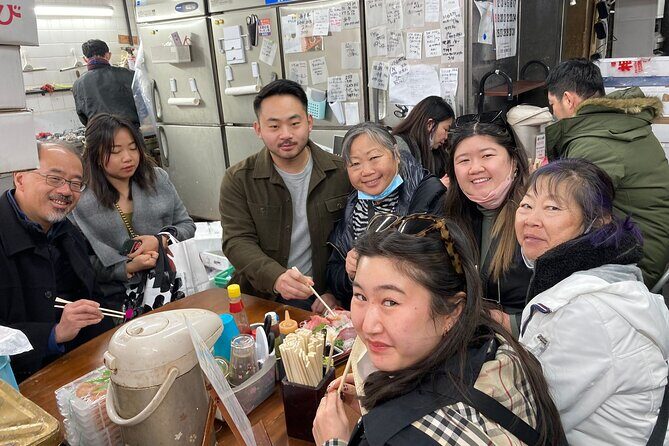
- Up to 6 people: Small group size means better questions and flexibility
- Guides with personality: I’ve seen guides like Andrea, Aoki, and Yoriko keep things lively and practical
Starting at Starbucks Kyoto Sanjo Karasuma: easy meeting, smart start
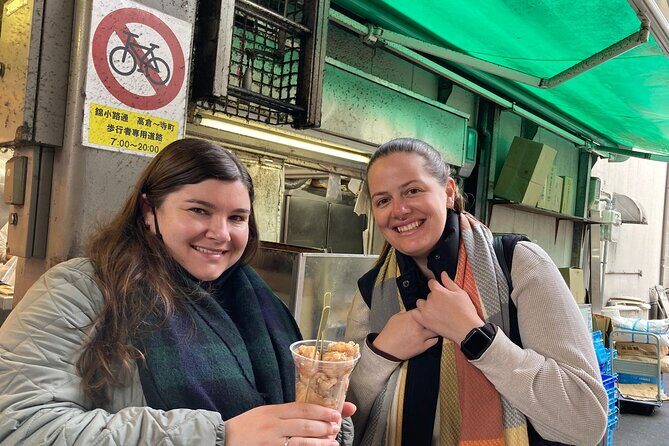
This tour begins at Starbucks Coffee Kyoto Sanjo Karasuma Building. That sounds funny until you’re standing in Kyoto traffic figuring out where to meet—then it’s genius. The big Starbucks location is easy to spot, and it gets you started with a clear plan before you walk anywhere.
You start at 10:00 am, and the full experience runs about 3 hours. That’s long enough to try real food (not just a couple nibbles), but short enough that you’re not stuck with a full-day plan when your Kyoto schedule changes.
One more practical detail: you’ll have a mobile ticket. In a city where you’re bouncing between trains, buses, and foot routes, that little convenience adds up.
You can also read our reviews of more walking tours in Kyoto

Rokkakudo Temple: a calm palate reset before the food parade
Not every food tour remembers you still need a breather. Here, you get that with a stop at Rokkakudo Temple—described as peaceful and historical.
I like this part because it changes the mood fast. You go from eating thoughts to being in a quiet pocket of Kyoto, even briefly. It also helps you pace yourself. If you’re someone who rushes through markets, this temple stop is a nice reminder to slow down before the tastings ramp up.
And because you’re walking, that contrast matters. Temple air isn’t going to magically change your appetite, but it does make the whole experience feel like Kyoto and not just snacks on repeat.
Daimaru Kyoto depachika stop: tasting Kyoto by the bite
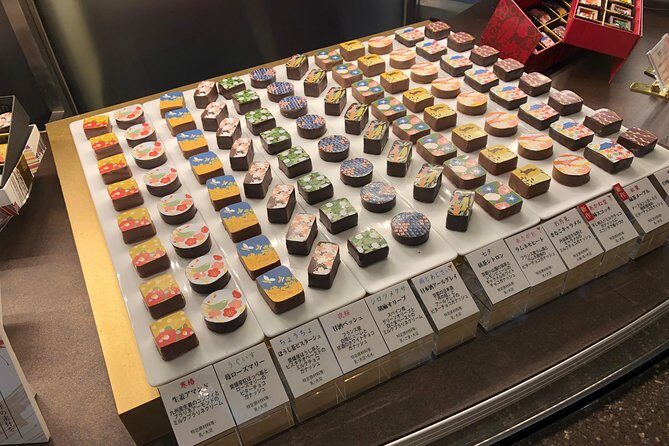
Next comes one of Kyoto’s most practical food experiences: the department store basement, called depachika. This tour’s Daimaru Kyoto stop lasts about 30 minutes, which is a realistic amount of time in a place like that. Too short and you feel cheated; too long and you get choice fatigue.
Here’s what you can expect. You’ll sample multiple Kyoto treats, with tastings that can include items like fresh sweets from wagashi shops and savory bites such as nikuman (meat buns). You might also try bread from shops that are popular with Japanese locals, like Yaoyaichi, depending on what’s available on the day.
What I like about using a depachika as a tasting hub is that it’s controlled and consistent. You’re not hunting for what’s good while hungry. A guide keeps you moving to the right counters and helps you understand what you’re actually tasting.
One small reality check: tastings can vary based on what the shops have that day and the preferences of the group. So don’t assume your exact sample list will match someone else’s—treat it like a curated sampler that responds to the day.
Nishiki Market Shopping District: Kyoto’s kitchen in walking form
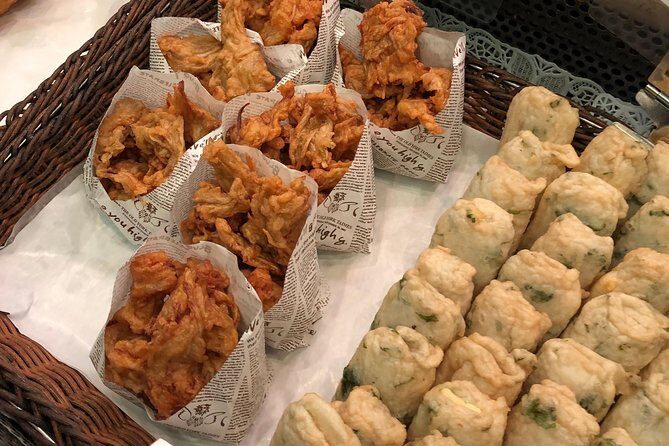
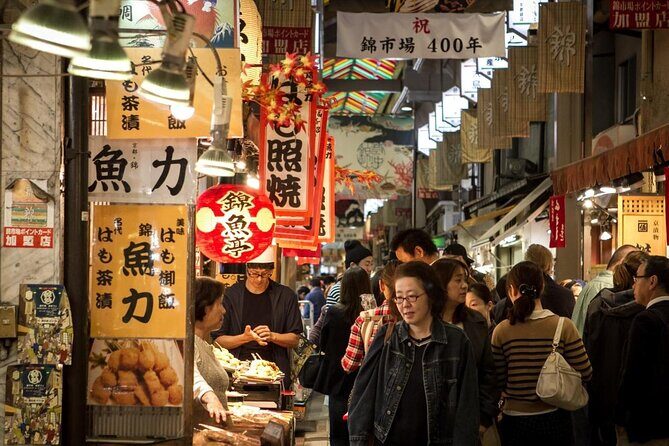
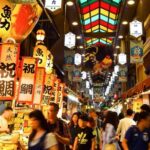
Then you hit Nishiki Market Shopping District, where the whole theme clicks into place: this is Kyoto’s kitchen, and you’re walking through it with a local guide rather than wandering and hoping.
This stop is about 1 hour. That length is important. Nishiki can feel like information overload if you’re on your own—too many stalls, too many smells, and not enough time to decide. With a guide, you get structure: you try key things first, then you know what directions to chase after.
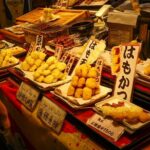
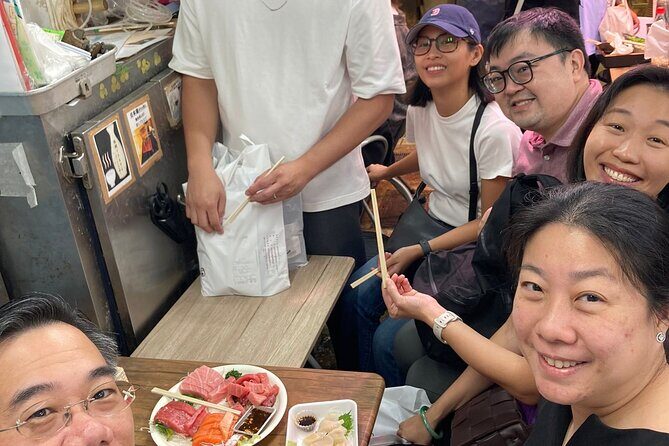
Expect to see and sample classic market-style foods. The tour description points to rolled omelets, skewers, and sake. And in example tastings, you might get things like sashimi and skewered wagyu beef at Nishiki Market.
The best part here is learning what you’re looking at. A guide can point out why certain items are worth your attention, what’s seasonal, and how the market food culture works. If you get a guide like Aoki, you’ll likely get an attentive, friendly walkthrough and a clearer sense of how Nishiki Market is laid out and how to enjoy it without stress.
If you’re a sake fan, keep an ear out for that option. One guide experience includes a sake tasting at a small shop, so your group may get that add-on tasting depending on the day’s route.
Ending at Nishiki Tenmangu Shrine: a serene close after the snacks
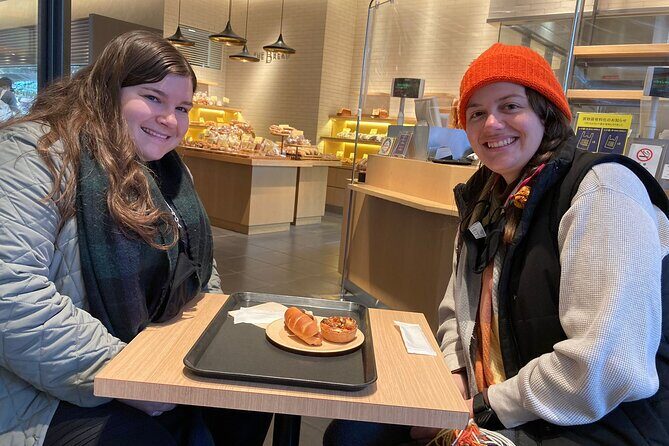
You don’t just stop at the market and scatter into the crowd. You finish at Nishiki Tenmangu Shrine at 537 Nakanochō. The shrine setting gives you a quieter ending, which is a smart way to balance a food-heavy morning.
This part matters more than you might think. When tours end in another commercial area, it’s easy to keep eating just because you’re already in snack mode. Ending at a calm shrine creates a natural pause. It also gives you a moment to think through what you loved most, so you can come back later and order with confidence.
If your stomach is full but you still want to explore, you’ll also leave with better mental labels for the places you just passed. That makes follow-up wandering more fun and less random.
You can also read our reviews of more food & drink experiences in Kyoto

Price and value: what you’re really paying for at $79.07
At $79.07 per person, you’re paying for two things: access and guidance. The included component is a lunch tasting of about 5–8 local foods. That alone can be a good deal in a city where a lot of market snacks add up quickly.
But the value isn’t only the food. It’s the fact that the guide helps you avoid the common Kyoto food-tour problem: spending your best appetite time choosing randomly. Instead, you get a walk that puts you in front of well-selected stalls and counters, plus you get explanation along the way.
Also, the group size is capped at 6 travelers. For a tasting tour, that small number is huge. It means you’re not stuck waiting around while a guide works with a larger group that needs constant translation.
Is it perfect value for everyone? Not always. If you’re expecting lots of free wandering time, the tighter schedule can make the tour feel less like a leisurely experience and more like a well-run tasting route. That’s the trade-off.
Guide quality and pacing: the biggest make-or-break factor
The tour is only as good as the guidance, and the best versions of this experience shine because the guides bring energy and real adaptability.
In the experiences tied to this tour, guides such as Andrea, Aoki, and Yoriko show up as standout examples. Andrea is noted for being funny and knowledgeable about Japanese culture and the area, and for taking the group toward places where locals hang out. Aoki is described as attentive, personable, and sweet, with a focus on making Nishiki Market understandable. Yoriko is remembered for lots of sampling from different businesses and even a sake tasting at a small shop.
That flexibility is one of the most praised parts. One key theme in the best experiences is that the guide can meet the group’s needs instead of dragging everyone through a rigid script.
Still, there’s one consideration to keep in mind: a timetable can make the tour feel rushed. If you’re the type who needs time to savor slowly, or you prefer a looser market pace, you might want to communicate your style early—politely—and ask if the guide can slow down at key stalls.
What’s included (and what to plan for)
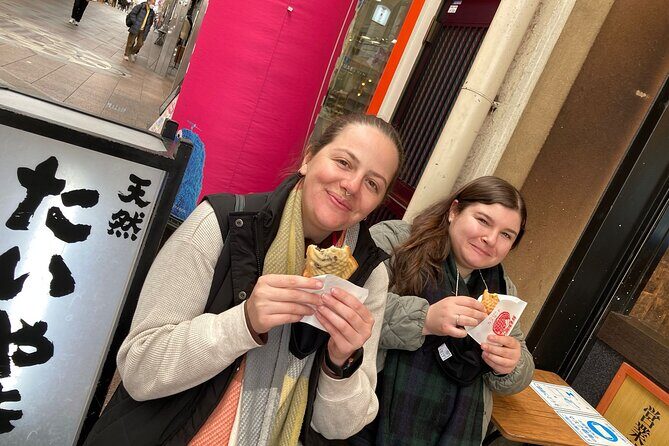
Here’s the simple breakdown. Included is lunch tasting of 5–8 local foods. You should also expect you’ll receive tastings across the main stops, including depachika and Nishiki Market.
Not included: extra snacks beyond the provided meals and tips. Tips for excellent service are welcome. An audio guide is also not included, so you’re relying on the live guide for context.
Dietary note: the tour may include ingredients such as meat, seafood, wheat, and dairy products. If you have allergies or strict restrictions, don’t assume you can make substitutions on the spot. It’s best to contact the provider in advance to see what accommodations are possible.
Who this tour is for (and who should skip it)
This is a strong fit if you’re in Kyoto for the first time and you want a structured way to eat your way around. It’s especially good for food lovers who don’t want to spend hours figuring out where to go next.
It’s also ideal if you like small groups. With a max of 6 travelers, it’s easier to ask questions and get personal guidance, which can turn a standard walking food tour into something you actually remember.
Who should think twice? If your idea of fun is wandering without a route and lingering for long stretches, the tour timing can feel constraining. And if you have multiple dietary constraints, plan ahead carefully, because the tour tastings are designed around what’s available in the shops on the day.
Should you book Nishiki Market Walking Food Tour with a Local guide?
If you want a practical way to taste Kyoto without guessing, I’d book it. The combination of depachika tastings, Nishiki Market food sampling, and the temple-to-shrine pacing gives you variety that’s hard to assemble on your own in a few hours.
I’d especially consider booking if you value small-group guidance and you like learning what you’re eating. Guides like Andrea, Aoki, and Yoriko are exactly the kind of personality that turns market food into a story you can follow.
Skip it if you’re allergic to scheduled plans or you want lots of free time to roam. In that case, you may prefer building your own Nishiki day with a looser plan.
FAQ
Where does the tour start?
The tour starts at Starbucks Coffee – Kyoto Sanjo Karasuma Building, Japan, 〒604-8166 Kyoto, Nakagyo Ward, Mikurachō, 85−1 KDX京都烏丸ビル 1F.
Where does the tour end?
The tour ends at Nishiki Tenmangu Shrine, 537 Nakanochō, Nakagyo Ward, Kyoto, 604-8042, Japan.
What time does the tour start?
The start time is 10:00 am.
How long is the tour?
The duration is about 3 hours.
How much does the tour cost?
It costs $79.07 per person.
How many people are in the group?
The tour has a maximum of 6 travelers.
Are meals included?
Yes. Lunch tasting of 5–8 local foods is included.
What might I taste on this tour?
Tastings can vary, but examples include bread popular among Japanese locals at Yaoyaichi, nikuman and wagashi at Daimaru, and fresh specialties like sashimi and skewered wagyu beef at Nishiki Market. The tour also mentions rolled omelets, skewers, and sake.
Is the tour good for people with food allergies or dietary restrictions?
Meals may include ingredients such as meat, seafood, wheat, and dairy products. If you have allergies or restrictions, contact the tour provider in advance to discuss options.
Is there an audio guide included?
No, an audio guide is not included.
What if the weather is bad?
The tour requires good weather. If it’s canceled due to poor weather, you’ll be offered a different date or a full refund.