REVIEW · TOKYO
Tokyo: Robot Piloting Attraction Ticket
Book on GetYourGuide →Operated by MOVeLOT.,inc · Bookable on GetYourGuide
Mechs meet VR in one short session. Robot Base Lab in Tokyo at MOVeLOT turns a giant-robot dream into a real, hands-on experience with a story, VR shooting, and a genuine robot pilot moment.
I particularly love the human-piloted robot factor, because you’re not just watching a demo. I also like that the session includes both VR gameplay and hands-on programming, so it feels more like you’re learning the tech than buying a ticket to stand still.
One thing to plan for: the robot is still in early prototype phase, so your control is limited (right now it’s mainly arms and blasters, not full locomotion).
Key highlights worth aiming for
- Human-piloted robot action at MOVeLOT, with the prototype ASTRO used for your pilot moment
- VR shooting games (including FPS-style targets) before you step into the robot control flow
- Robot “launch” programming on a laptop, where you set up the actions you’ll trigger
- Story-driven hangar scenario about alien attackers and prepping the base
- Small group setup (up to 4 participants), which helps keep instructions personal
- English support available (English and Japanese), with hosts often running the show
In This Review
- Robot Base Lab at MOVeLOT: where you’ll check in and what kind of place it is
- The hangar story and safety briefing: how they get you ready fast
- VR shooting games: the warm-up that actually helps
- Programming the robot launch: a laptop task that makes the pilot part make sense
- ASTRO and your robot piloting turn: what you can control in the prototype
- Itineraries that move fast: photo stop, VR, programming, then robot time
- Time limits, weight/height rules, and who should plan carefully
- Small group energy: why up to 4 participants matters
- Price and value in Tokyo: does $32 make sense for what you get?
- Robots, dreams, and the future angle: what you’re really paying for
- Should you book Robot Base Lab in Tokyo?
- FAQ
- How long is the Robot Base Lab ticket?
- Where do I meet the staff?
- What’s included in the ticket?
- What languages are available during the experience?
- What can I actually do when I pilot the robot?
- Is there VR, and what kind of VR experience is it?
- How many people are in a group?
- What should I bring with me?
- Do I need overseas insurance?
Robot Base Lab at MOVeLOT: where you’ll check in and what kind of place it is
Tokyo has no shortage of tech attractions, but this one is built around a simple promise: you get to control a robot yourself. The experience takes place at Robot Base / MOVeLOT株式会社, and you’ll check in with staff at MOVeLOT. You’re looking at about a 7-minute walk from Toei Ryogoku Station (A3 exit, Oedo Line), or roughly 13 minutes from JR Ryogoku Station.
The vibe here is more lab-meets-arcade than big theme park. That’s a good thing. You’ll likely move quickly between stations, so wear shoes you don’t mind getting a little scuffed. Bring passport or an ID card (they ask for it), plus drinks.
If you’re picturing a giant waiting lounge, plan the opposite. The space is designed for the session flow, and some past guests noted there’s not much of a waiting area. So treat this like an appointment: show up on time, get checked in, and roll with it.
The hangar story and safety briefing: how they get you ready fast
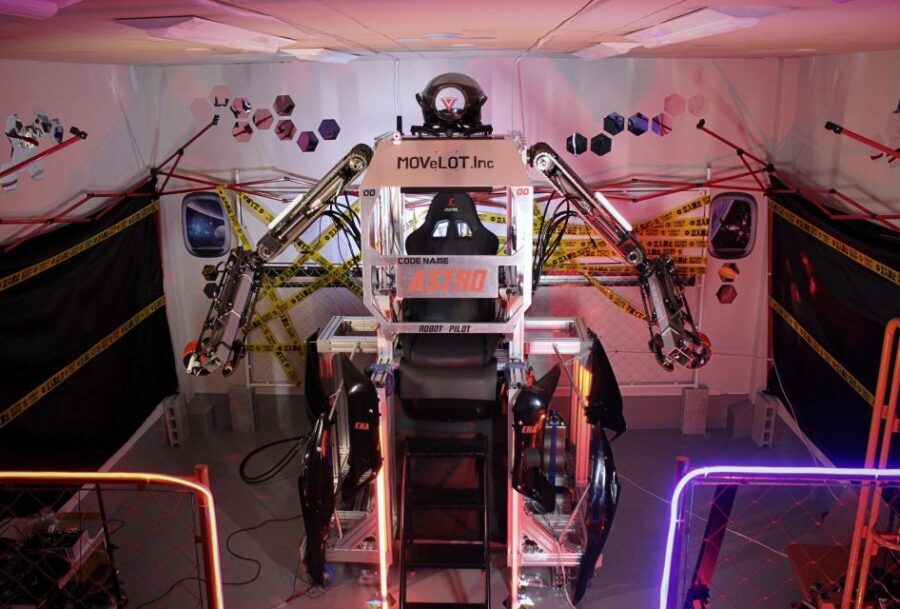
Your experience is wrapped in a science-fiction scenario. You start in a base-hangar setting where the lab is described like it’s on another planet, under attack by a large enemy robot. Your role is part protection team, part pilot trainee.
Then comes the practical part: the safety briefing and getting you oriented before you touch anything. This matters because your robot time has strict limits, and the room layout is designed for the test environment, not a wide open stage.
Here’s what to keep in your head during briefing:
- The robot you pilot is a prototype in an early development phase.
- Your movement and actions are restricted by what the system supports right now.
- You must follow staff guidance when operating the robot.
Also, there’s a safety rule that’s easy to miss: while safety measures are taken, visitors must have overseas insurance in case of injury. That’s not just a formality. If you’re planning this, confirm your travel insurance covers activities like this before you go.
A few more Tokyo tours and experiences worth a look


VR shooting games: the warm-up that actually helps
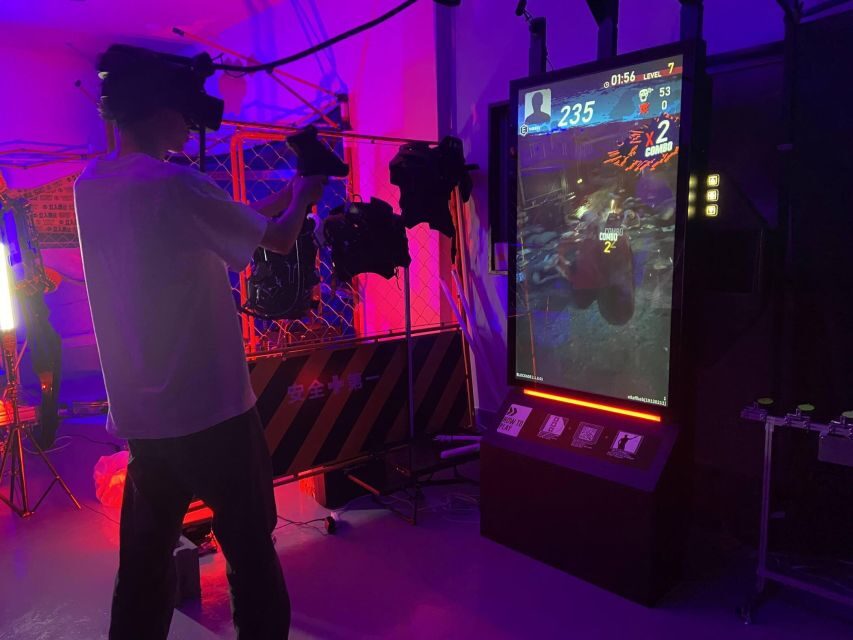
Before you pilot, you’ll do VR shooting games. The idea is simple: get your hands and reactions ready, while you learn the interface used for action timing and aiming.
From the way the experience is described, you’re not just put in front of a screen. It’s presented like a set of VR challenges, including FPS-style target shooting. One reviewer mentioned zombies and another described laser shooting on a flying rollercoaster-style setup. So expect a mix of arcade energy and controller-style precision.
Why this works for most people:
- You learn how instructions are delivered and how quickly you need to react.
- You get comfortable with the VR pace before the robot moment.
- It breaks up the session so you don’t spend all your time waiting to “finally do the thing.”
If you already play VR at home, you’ll likely adapt fast. The main challenge is just staying aware of your surroundings while moving between stations (the space can feel tight when gear is set up).
Programming the robot launch: a laptop task that makes the pilot part make sense
One of the clever bits here is the programming step. Instead of throwing you into the robot with zero context, you get time to program the launch / actions before piloting.
You do this using a laptop interface. The experience is described as letting you set up controls so you understand what you’re triggering with the robot system. That “build and program” feeling shows up in reviews too: some past guests mentioned a Lego Technik–style mini robot build where they assembled components and programmed controls.
Even if you skip the mini-build-style segment on a specific day, the intent is the same: you walk into the robot pilot moment with a basic mental model of cause and effect.
Practical tip: if you’re traveling with kids (who meet the age requirement), this is often the part where attention holds. It’s hands-on and brain-engaging, and it gives you something to do while instructors explain how robotics and control systems fit together.
ASTRO and your robot piloting turn: what you can control in the prototype
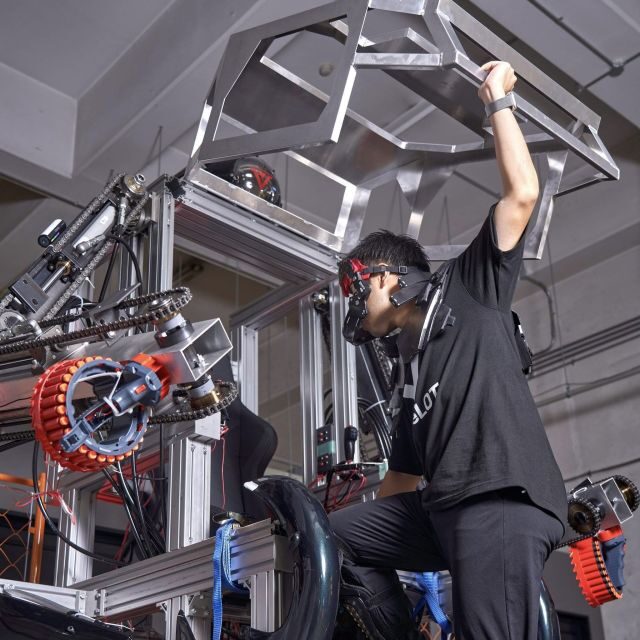
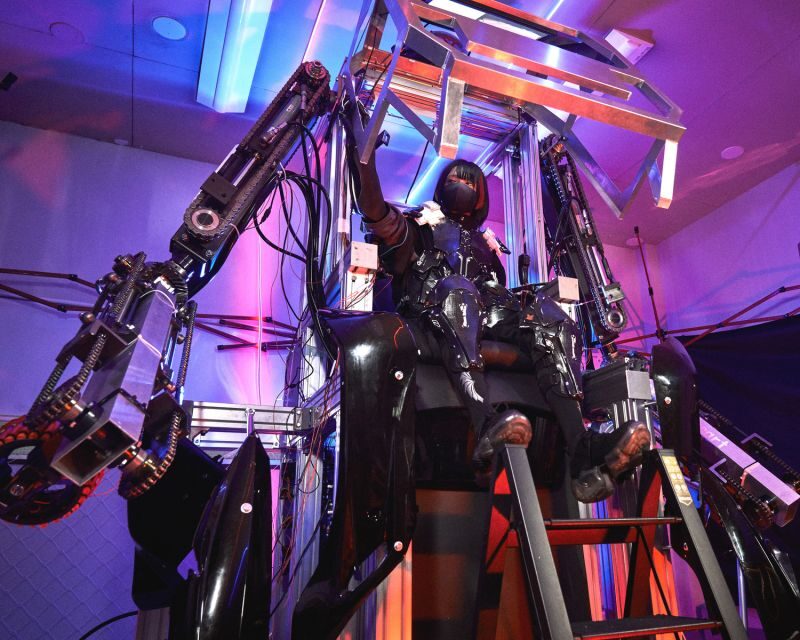
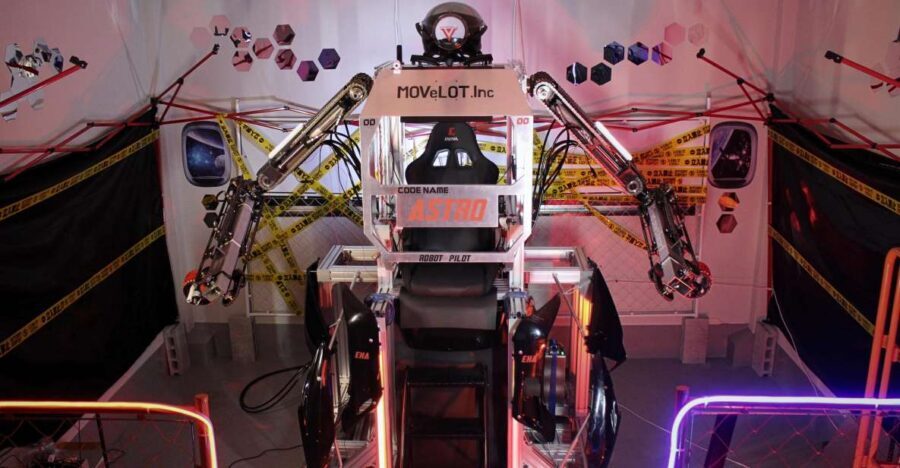
This is the headline. You’ll enter the robot story by taking part in the hangar prep and then jumping into the robot prototype ASTRO for the pilot experience.
Here’s the key limitation up front, because it changes expectations: the robot is still in prototype phase, so your control is limited to:
- Moving the arms
- Shooting the blasters
The legs have been removed to fit the robot setup inside the lab. Translation: don’t plan on stomping across the room or doing full bipedal movement. Think of it like a mech combat controller built for precision arm actions and target shooting.
Also, piloting time is not long. The session notes that the piloting experience lasts about 10 minutes per person. If the group is at capacity (the group is limited to 4), some people may get less time—especially if there are more than 3 in the group.
What you should do to get the most out of those 10 minutes:
- Stay close, listen for the instruction cues, and don’t fight the setup.
- Focus on accuracy and timing over flashy movements.
- Be ready to stop quickly when the staff signals you to pause or reset.
If you’ve seen mechs in anime, you’ll recognize the vibe. If you’re expecting a full combat simulation with total control, you’ll probably feel the “prototype rules” pretty clearly. But as a real-world taste of human-piloted robotics, it’s rare to get anywhere near this level of participation in Tokyo for the kind of money listed.
Itineraries that move fast: photo stop, VR, programming, then robot time
The flow is designed to keep the story and tech steps moving. Even though the session is described as about 50 minutes on the ticket, you should expect a structured start with check-in, a photo stop, and instruction-heavy prep before you shift into VR and the programming segment. Then your robot pilot moment lands near the end so staff can supervise everyone efficiently.
The tight timing is part of the value and part of the constraint:
- It feels focused and purposeful.
- It also means you can’t linger if you’re late.
One big practical warning from the experience guidance: be on time, because the time slot can’t be extended for late arrivals. With a small group, being delayed doesn’t just affect you—it cascades into reduced pilot time for everyone.





Time limits, weight/height rules, and who should plan carefully
This is a hands-on activity, so there are real physical limits.
Not suitable for:
- Children under 11
- People under 3 ft 6 in (110 cm)
- People over 220 lbs (100 kg)
- Pregnant women
- People with mobility impairments
Those boundaries aren’t there to be picky. The robot setup is physically arranged for the prototype configuration, and the piloting experience depends on the body positioning and safety mechanics staff need.
For families, plan for a split-activity feel:
- VR and programming can be a good fit for people who like gaming and building.
- Robot piloting is short, so the kid who gets excited about the mech should know the time is limited and controlled.
And remember: your piloting time depends on group size. If there are 4 participants, the robot moment might feel shorter than the “about 10 minutes” guideline. That doesn’t mean it’s not worth it. It just means you should manage expectations like you would with any staged, instructor-led activity.
Small group energy: why up to 4 participants matters
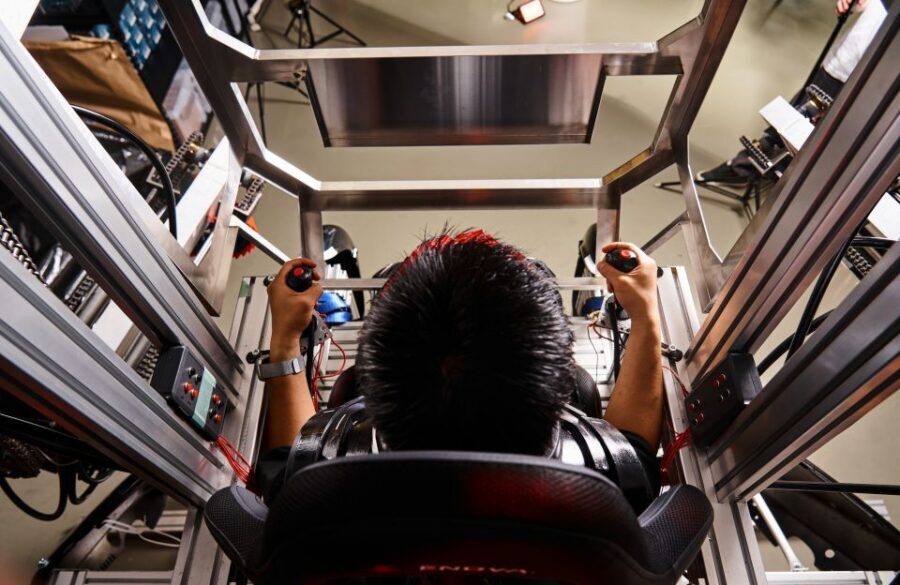
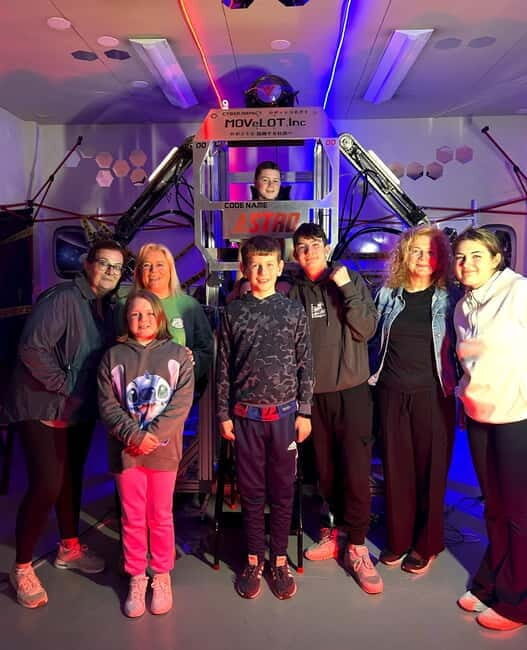
The group size is limited to 4 participants, and the session uses instructors to guide the steps. In practice, that keeps the instruction clear. Staff can watch what your hands are doing, correct your timing, and make sure the robot actions match the programming you set.
This is also why showing up on time matters so much. If the team is shifting between VR stations, laptop programming, and the robot console, the whole system needs that clock to stay stable.
If you’re the type who likes to ask questions, this format gives you a better chance than you’d have in a larger crowd. Reviews frequently highlight that the hosts are friendly and able to explain how the systems work, and names like Tomo and Atsu show up in feedback as helpful guides. Even if you don’t get the exact same hosts, the tone is clearly meant to be welcoming and instructive.
Price and value in Tokyo: does $32 make sense for what you get?
At $32 per person for a listed 50-minute ticket, this isn’t the kind of attraction where you’re paying mainly for a seat. You’re paying for access to:
- VR shooting games
- Programming work on a laptop
- A real robot piloting experience (prototype ASTRO actions)
Value isn’t only about duration. It’s also about rarity. This is positioned as the only facility in Japan where you can actually pilot a human-controlled robot. That kind of access is hard to fake, and you can feel it in the setup: there’s staff supervision, safety briefing, and an actual control interface linked to robot actions.
So for your decision, I’d weigh two questions:
- Do you want hands-on tech play more than sightseeing?
- Are you excited by the idea of learning how robot controls translate into movement and shots?
If yes, $32 starts to look fair. If your idea of fun is long, open-ended wandering, the short structured slot and prototype limitations may feel too tight.
Robots, dreams, and the future angle: what you’re really paying for
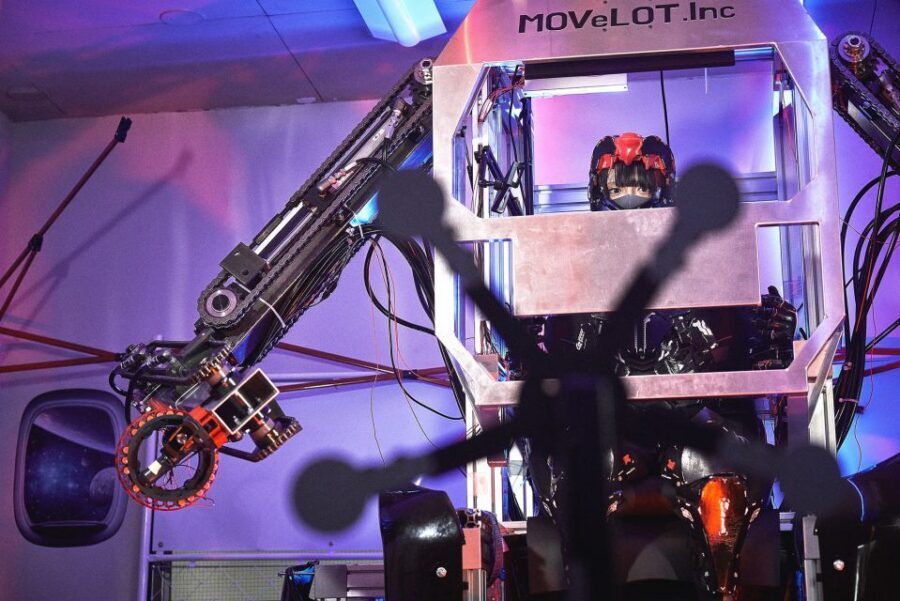
The story framing about protecting a base from alien invaders sounds like pure entertainment. But the underlying theme is robotics development and human control of machines.
Reviews consistently mention that the staff are passionate about robotics, mechatronics, AI, and the maker mindset behind building and iterating. One reviewer even talked about returning to see improvements in the robot systems, which hints at an active development cycle rather than a finished show.
That matters because it changes the vibe from one-and-done attraction to a “this is in progress” experience. The robot is a prototype and your control is limited today, but that’s also part of the point: you’re meeting the future while it’s still being shaped.
Should you book Robot Base Lab in Tokyo?
Book it if:
- You’re a Gundam or robot fan who wants more than photos.
- You like VR and want the next step: how game controls relate to robot actions.
- You’re okay with a short, staged experience and tight timing.
- You want a rare Tokyo moment where you can say you did real human-piloted robot action, even in prototype form.
Skip it or think twice if:
- You were hoping for a full-body, walk-and-fight mech experience. The legs are removed and your control is mainly arms and blasters.
- You’re traveling with someone who doesn’t meet the age/height/weight guidelines.
- You can’t comfortably follow safety instructions in a compact lab environment.
If your travel style includes stopping for hands-on tech rather than just taking in views, this is a solid bet. It’s short, fun, and genuinely different.
FAQ
How long is the Robot Base Lab ticket?
The ticket is listed as a 50-minute experience. The robot piloting portion is about 10 minutes per person.
Where do I meet the staff?
Check in with staff at MOVeLOT株式会社 (Robot Base / MOVeLOT). It’s about a 7-minute walk from Toei Ryogoku Station A3 exit and about a 13-minute walk from JR Ryogoku Station.
What’s included in the ticket?
It includes a 50-minute ticket to the robotics development facility, VR shooting games, programming the launch of the robot, and a robot pilot experience.
What languages are available during the experience?
The instructor and guides are available in English and Japanese.
What can I actually do when I pilot the robot?
The robot is a prototype. At this time, you can move the arms and shoot the blasters. The legs are removed for the lab setup.
Is there VR, and what kind of VR experience is it?
Yes. The experience includes VR shooting games (FPS-style). Some sessions include different VR shooting scenarios.
How many people are in a group?
The group size is small, limited to 4 participants.
What should I bring with me?
Bring a passport or ID card, comfortable shoes, and drinks.
Do I need overseas insurance?
Yes. The guidance says visitors must have overseas insurance in case of injury, even with safety measures taken.
If you want, tell me your travel dates and whether you’re going as a couple, family, or friends group, and I’ll suggest the best way to fit this into a Tokyo day without stressing about timing.