REVIEW · TOKYO
From Tokyo: Nikko World Heritage Sight Full Day Private Tour
Book on GetYourGuide →Operated by Travel on smile · Bookable on GetYourGuide
Nikko feels like a full-on storybook day: shrines, waterfalls, and mountain views in one organized loop. What makes this tour especially appealing is that it’s private, timed for one-day flow, and run with a guide who handles the details.
I really like two things here. First, the “hit the big sites” plan is smart: Toshogu Shrine, Shinkyo Bridge, Lake Chuzenji, and Kegon Falls in a single day. Second, the comfort factor is real—luxury van, Wi-Fi, and a guide who’s ready to point out what to look for and take photos.
One consideration: Nikko days can mean lots of walking, and the ropeway can close in bad weather, which may shift how the day looks. If you’re heat-sensitive or mobility-limited, you’ll want comfortable shoes and a flexible mindset.
In This Review
- Key Highlights You’ll Feel Right Away
- Why This Private Nikko Day Works So Well
- Price and What Makes It Good Value (Up to 6 People)
- Getting From Tokyo: Comfortable, Low-Stress Transport
- Toshogu Shrine and the Toshogu Art Museum: Ornate Details That Pay Off
- Shinkyo Bridge and Futarasan Jinja: Gateway Moments in Plain Sight
- Kanmangafuchi Abyss and Jizo Statues: The Quiet Part of the Day
- Lake Chuzenji, Akechidaira Ropeway, and Kegon Falls: Big Views Without the Chaos
- Edo Wonderland: When History Turns Into a Staged Day Out
- Timing, Walking, and Winter Reality (What to Do Before You Go)
- Guides, Photos, and the Small Things That Make the Day Flow
- Should You Book This Private Nikko Tour from Tokyo?
- FAQ
- What sites are included on this Nikko day trip?
- How long is the tour, and how is pickup handled?
- Is Wi-Fi available during the drive?
- Is food included?
- Are tickets lines skipped?
- What should I bring for the day?
- What happens if the ropeway is closed?
Key Highlights You’ll Feel Right Away
- Skip-the-line entry at key stops helps you spend more time looking and less time waiting
- Toshogu’s ornate details, including the Yomeimon Gate and the sleeping cat sculpture
- Kanmangafuchi Abyss with 70+ Jizo statues, an unusually peaceful walk
- Big scenery in one stretch: Mount Nantai views, Lake Chuzenji, and Kegon Falls (97 meters)
- Akechidaira Ropeway panoramas for wide views of the national park region
- Edo Wonderland for craft/workshop time and performances
Why This Private Nikko Day Works So Well
Nikko isn’t one attraction. It’s a whole cluster of sacred and scenic spots spread across hills and valleys. Doing it by yourself can be a puzzle—timing, transit, and queue management all add friction fast. This tour removes that stress by running it as a tight loop with a driver and live guide.
The other thing I like: it’s built around contrast. You get sacred architecture first, then a quiet statue-lined path, then open highland views, and finally a waterfall that’s a show in every season. If you want Nikko as a one-day “greatest hits” experience, this format is hard to beat.
You can also read our reviews of more private tours in Tokyo


Price and What Makes It Good Value (Up to 6 People)
It’s $362 per group (up to 6) for about 10 hours. That pricing structure matters because Nikko day trips from Tokyo often cost more when you factor in train changes, tickets, and time loss.
Here’s the value math in plain terms:
- Up to 6 people means the cost per person drops fast for families or small groups.
- You’re also paying for private comfort, plus a guide who can reduce wasted time at crowded places.
The tour also includes practical extras that you’d otherwise pay for or manage yourself: hotel pickup/drop-off in Tokyo and Nikko, Wi-Fi in the vehicle, highway tax, guided tours at the cultural stops, and photography help. For a day this packed, those added costs are where group tours usually earn their keep.
Getting From Tokyo: Comfortable, Low-Stress Transport
You’ll start with pickup from Tokyo, then head out in a luxury, air-conditioned van with Wi-Fi. The ride time is about 2 hours each way, so the day is long, but it doesn’t have that tiring “commuter shuffle” feel.
This matters because Nikko’s highlights aren’t close together. Even a few missed connections can turn a fun day into a rushed one. Here, your driver and guide handle the routing, parking, and timing.
Also, you’ll likely get guide support that goes beyond navigation. Many guides mentioned by guests—like Mirza, Imran, Mizra, Musa, Kashif, and Cheema—are described as friendly, attentive, and willing to take photos so you aren’t always fighting for the perfect angle.
Toshogu Shrine and the Toshogu Art Museum: Ornate Details That Pay Off
The day begins with Nikko’s spiritual centerpiece: Nikko Toshogu Shrine, dedicated to Tokugawa Ieyasu, the founder of the Tokugawa shogunate. This is one of those places where the whole building feels like a craft project—color, carvings, and symbolism everywhere you look.
Before (or alongside) the shrine visit, you may also stop at the Nikko Toshogu Art Museum, which is a nice palate-cleanser if you want context before walking into the main complex. It’s a small window, but it can help you see what you’re looking at instead of just snapping photos.
At Toshogu, don’t race through the key moments. If you only give yourself a quick glance, you’ll miss why people keep coming back. Two features are especially worth lingering on:
- Yomeimon Gate: famous for its fine craftsmanship and visual impact
- Sleeping cat sculpture: a recognizable detail that makes the site feel human and memorable
The shrine sits in a forested setting, so the atmosphere changes as you move between open steps and shaded paths. Even in winter, it can feel calmer than the surrounding areas.
Shinkyo Bridge and Futarasan Jinja: Gateway Moments in Plain Sight
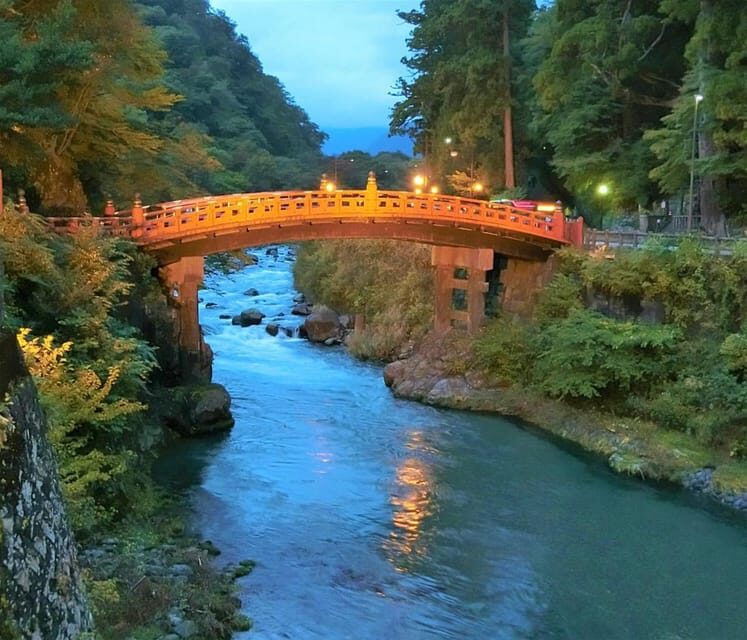
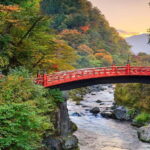
Next comes Shinkyo Bridge, a wooden bridge spanning the Daiya River and one of Nikko’s most photographed landmarks. The big payoff here is how quickly it sets the tone for the day: a “gateway” feeling, with greenery and seasonal color framing the structure.
You’ll have time for photos and a guided walk. The short duration works because the bridge is what it is—your job is to slow down just enough to catch the right angle.
Then you’ll move to Nikko Futarasan jinja, with a photo stop and guided sightseeing. This stop is shorter, but it helps stitch the day together—Toshogu isn’t the only shrine story in Nikko, and the area’s religious identity shows up across multiple sacred sites.
You can also read our reviews of more historical tours in Tokyo
Kanmangafuchi Abyss and Jizo Statues: The Quiet Part of the Day
The Kanmangafuchi Abyss is where Nikko surprises you. It’s scenic, yes, but the emotional tone is softer than you might expect. The pathway is lined with 70+ Jizo statues—Jizo is associated with the spirits of children and travelers.
Expect a peaceful walk. This is one of the spots where a guide can really help, because the meaning behind the statues changes how you look at them. With the sound of the nearby river and the forest around you, it’s not just a photo stop—it’s a small pause.
The route also leads toward Jiunji Hondo Temple, which acts like a quiet retreat from the more high-energy viewpoints. If you’re the type who likes time for reflection, this is the segment to protect.
Lake Chuzenji, Akechidaira Ropeway, and Kegon Falls: Big Views Without the Chaos
After the shrine and statue moments, the tour shifts into “open sky” mode. You’ll head to Lake Chūzenji, a highland lake formed by volcanic activity. It’s known for clear water and scenic surroundings, and it’s also a natural base for outdoor walking and viewpoints.
You’ll get a longer stop here—around 1.5 hours—which is the right amount of time. You can take your time with photos, enjoy the lakeside atmosphere, and still keep momentum for the waterfall.
Then comes the Akechidaira Ropeway, with about 45 minutes of guided time and free time. This is the move for panoramic views of Mount Nantai, Lake Chūzenji, and Kegon Falls. You’ll feel the height immediately—this is the part that makes the day look like a highlight reel.
Important reality check: the ropeway may close due to bad weather. In winter, wind and cold can change plans quickly. When that happens, guides have been known to adjust the day and add extra time at other sights (one guest even noted an Imperial Villa detour during a closure). So if the ropeway is a top priority, bring patience and let the guide handle the workaround.
Finally, you’ll reach Kegon Falls, one of Japan’s most famous waterfalls. It drops about 97 meters into a rocky gorge, and the viewing setup gives you a strong chance at a good perspective. In winter, the falls can freeze, creating ice formations that look almost unreal.
The stop includes tea and time to enjoy the area, and you may even get coffee tasting during this segment. Whether it’s hot chocolate weather or frozen-waterfall weather, this is the emotional climax of the day.
Edo Wonderland: When History Turns Into a Staged Day Out
One of the fun inclusions here is Edo Wonderland, where you can see a more performance-heavy side of Japanese culture. The tour includes time for traditional craft workshops and performances.
This is the segment that works well if:
- you’re traveling with kids or teens who need something active
- you want a change of pace after temples and viewpoints
- you enjoy hands-on culture more than museum culture
Because Edo Wonderland is time-based, you’ll want to manage your expectations: you’re there to see scenes and do workshop-type activities, not to turn it into a full-day theme park marathon. Still, the mix of crafts and performances gives the day extra variety and breaks up the “just scenery” rhythm.
Timing, Walking, and Winter Reality (What to Do Before You Go)
This tour is about one full day—so plan your clothing and energy like you would for a long city day, not a short museum hop.
Wear comfortable shoes. You’ll be walking at multiple stops, including shrine areas, bridges, and the statue pathway by the abyss. If you’re coming in colder months, layer up: it’s not just about temperature; wind around lakes and falls can be intense.
Bring:
- a camera (and extra phone battery if you use maps and photos back-to-back)
- water (and a snack plan if you know you get hungry)
- sunscreen and a hat, especially when skies brighten
- a light rain layer if the forecast looks unstable
Weather affects the route more than you might expect. The ropeway can close, and some areas may not be accessible for people with mobility impairments. If mobility is a concern, you’ll want to confirm what parts of the route feel manageable for your group before you go.
Also, plan around food. Meals and snacks are not included, so you’ll likely need cash or cards for stops along the way. Some areas have food options, but the tour doesn’t promise a specific meal break.
Guides, Photos, and the Small Things That Make the Day Flow
What really lifts this tour from good to great is the human handling of the day. Many guests describe guides as friendly, informative, and flexible, with particular praise for photo support—guides help with pictures so you don’t end up stuck in the background of your own travel day.
There’s also a practical pattern in the feedback: guides stay calm in crowds, and they manage time so you can still enjoy each stop rather than sprint between them. In busy seasons, getting an early start helps you beat the worst of the lines.
One more small note: communication can be smooth. Some guests mention WhatsApp use to confirm pickup details. That helps reduce the classic anxiety of meeting a driver in a foreign city.
Should You Book This Private Nikko Tour from Tokyo?
Book it if you want a simple, one-day Nikko plan that covers the signature sacred sites and the big nature sights without you having to solve transportation or timing puzzles. It’s especially worth it for groups up to 6 because the private van cost structure spreads nicely.
Skip or consider alternatives if:
- you’re extremely sensitive to walking and stairs
- you’re hoping for a guaranteed ropeway experience regardless of weather
- you want a slower, more open-ended exploration with long museum-style time at each site
My take: if your goal is to see Nikko’s main highlights with minimal stress, this private format delivers. You trade a little autonomy for comfort, pacing, and a guide who can explain what you’re looking at while still giving you time to enjoy the views.
FAQ
What sites are included on this Nikko day trip?
You’ll visit major Nikko highlights such as Nikko Toshogu Shrine (with stops around the complex), Shinkyo Bridge, Kanmangafuchi Abyss with Jizo statues, Lake Chūzenji, Akechidaira Ropeway, and Kegon Falls. Edo Wonderland is also included for cultural activities like craft workshops and performances.
How long is the tour, and how is pickup handled?
The duration is approximately 10 hours including pickup and drop-off. Pickup is from your Tokyo hotel, and the driver will expect you in the lobby about 10 minutes before the scheduled time. Drivers won’t wait more than 60 minutes after pickup time.
Is Wi-Fi available during the drive?
Yes. The vehicle includes Wi-Fi.
Is food included?
Meals and drinks are not included, so you’ll need to budget for lunch/snacks during the day.
Are tickets lines skipped?
Yes, you get skip-the-line access through a separate entrance.
What should I bring for the day?
Bring comfortable shoes, a hat, a camera, sunscreen, and water.
What happens if the ropeway is closed?
The ropeway may close due to bad weather. If that happens, the plan can shift, since the day is managed by a live guide and driver.