REVIEW · TOKYO
Yanaka Walking Tour: Historic and Traditional District of Tokyo
Book on Viator →Operated by Trip Designer Inc. · Bookable on Viator
Old Tokyo still walks here.
On this Yanaka tour (about 3.5 hours), I love seeing the Edo-period streets and free temple sites that feel like a break from Tokyo’s skyline, and I also love how the English-speaking guide turns corners into context. My one caution: the cemetery segment can feel like a longer stretch than you expect, so bring steady energy and comfortable shoes.
You’ll meet at Nippori Station, walk through Yanaka’s quieter neighborhoods, and end back where you started. This is built for a relaxed, small-group pace (up to 8 travelers), and it’s a good fit if you want real neighborhood texture, not just landmark photos.
In This Review
- Key points before you go
- Why Yanaka Works as Your Old-Tokyo Reset
- Getting Oriented at Nippori Station and Walking in a Tight Group
- Yanaka District: Edo-Period Streets Without a Big-City Attitude
- Tennoji Temple: A Garden Moment and a 1274 Story
- Yanaka Cemetery: Quiet Scale, and Why Some People Need a Break
- Adding Tea on Tatami at Gallery Okubo (Optional, but Taste-Focused)
- Afternoon Art Detours: SCAI The Bathhouse and Edokoro Alan West
- Shitamachi Customs Museum: How the Down-Town Story Gets Told
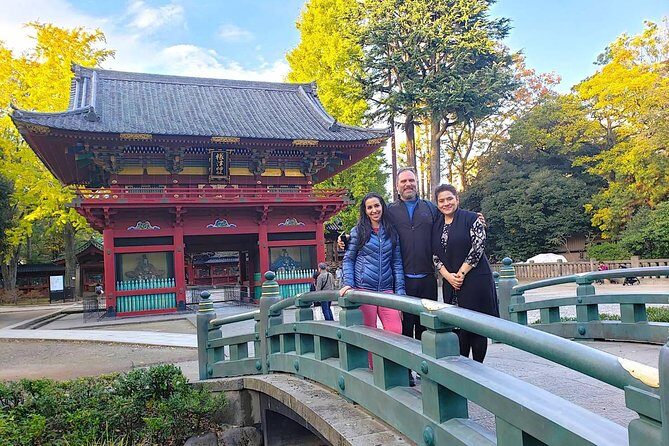
- The Shrine Stop: Old Trees, Azalea Season, and Colorful Wooden Architecture
- Yanaka Ginza Shopping Street: Snack Time, Not Just Souvenirs
- Guides Are the Secret Sauce: Keita, Charlotte, Kiyo, Michiko, and More
- Pacing, Weather, and What to Bring for a 3.5-Hour Walk
- Is $72.96 Good Value for This Tokyo Walking Day?
- Should You Book Yanaka on Your Trip?
- FAQ
- What is the duration of the Yanaka walking tour?
- Where does the tour meet, and does it end nearby?
- What start times are available?
- How many people are in a group?
- What’s included in the price?
- Is food or drink included?
- Are hotel pickup and drop-off included?
- Are any optional activities added during the tour?
- Can I cancel for a full refund?
- Can the tour length be extended?
Key points before you go
- Yanaka Cemetery and temple stops give you a more complete look at Edo-era life patterns than the usual checklist
- Small group size (up to 8) helps you ask questions and get timely pacing adjustments
- English-speaking guides are a standout, with many guests praising friendly explanations and photo help
- Optional tea on tatami lets you add a cultural activity without derailing the walk
- Afternoon add-ons can include a contemporary gallery in a former public bath and an old-town studio stop
- Yanaka Ginza snack street time keeps it practical and fun at the end
Why Yanaka Works as Your Old-Tokyo Reset
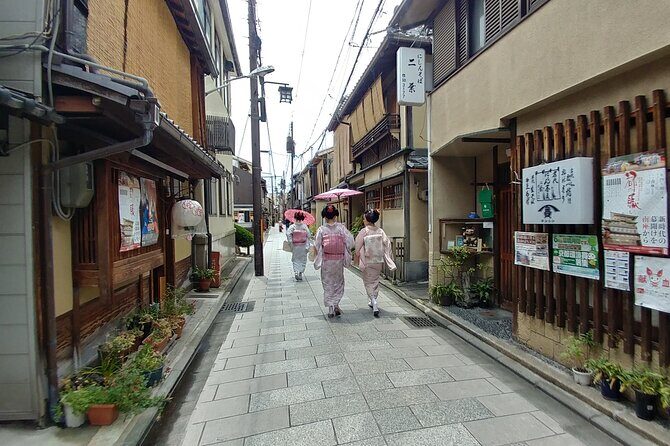
Yanaka is one of those Tokyo areas where you feel the city’s age in your legs and your eyes. Instead of fighting crowds, you move through narrow streets where older housing patterns, shrines, and temple grounds still shape the view. It’s the kind of place that makes you slow down without anyone telling you to.
I also like the way this walk is set up for variety. You get religious sites, a major cemetery, and then you finish in a shopping street where you can snack and browse like a local. Many guides on these walks are praised for keeping the day flowing even when the weather turns, which matters in Tokyo where plans can change fast.
One more thing: the tour is clearly designed for first-time visitors who want a smoother start. Instead of trying to interpret Tokyo alone, you’ll have an English-speaking guide to help you understand what you’re seeing and how to behave around shrines and temples.
You can also read our reviews of more walking tours in Tokyo


Getting Oriented at Nippori Station and Walking in a Tight Group
Meeting at Nippori Station is smart. It’s well served by public transportation, and starting the walk there helps you link the tour to the rest of your trip. The tour begins at 9:00 am or 2:00 pm, so you can pick the time that matches your jet lag and energy level.
The group size is kept small (up to 8 travelers). In practice, that means you’re not stuck waiting behind a long line. It also makes it easier for your guide to notice if someone is struggling with pace, or if you’re lost and need a quick re-check.
Pack for walking. Even if you’re not doing long hikes, you’ll cover distance through residential lanes and temple areas. Comfortable shoes are not optional here; one guest explicitly called out the need for comfy walking shoes, and that lines up with the actual feel of Yanaka walking.
Yanaka District: Edo-Period Streets Without a Big-City Attitude
Yanaka is framed as historic Tokyo from the Edo period, with references to the 16th through 19th centuries. What that means on the ground is that you get a sense of “how the city used to work” in a way that’s harder to get from modern districts.
I like the mix of sights: you’re not just looking at buildings from the outside. You’ll pass through areas connected to religious life, and you’ll move into spaces where the past still shapes daily routines. If you’re someone who enjoys quiet neighborhoods, this is the opposite of a rush-hour sightseeing circuit.
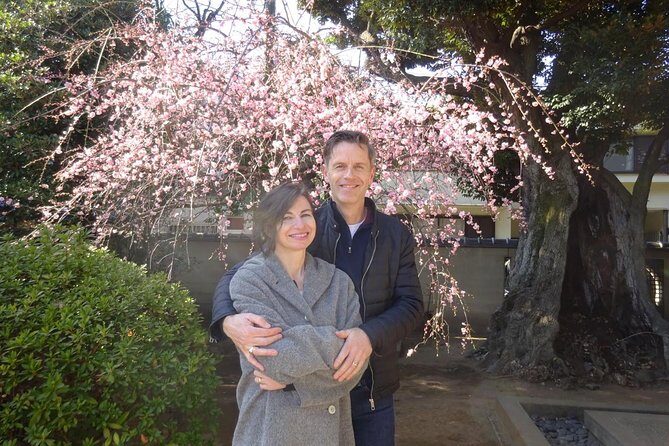
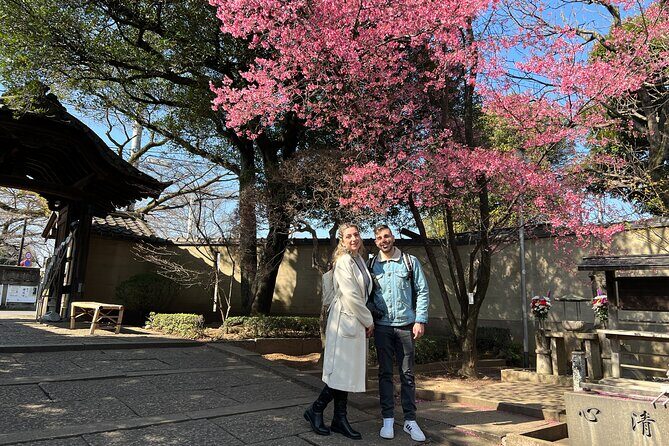
This is also a great time of year-dependent experience. Springtime cherry blossoms are mentioned in the tour overview, and even if you’re not traveling in peak bloom, the neighborhood’s garden-like temple atmosphere usually does the job. I’d still plan as if you’ll spend time outdoors, because a walking day is a walking day.
Tennoji Temple: A Garden Moment and a 1274 Story
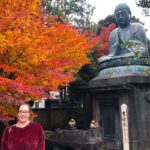
Tennoji Temple is positioned on the edge of the Yanaka Cemetery. That placement matters because it creates a natural transition: from a temple setting into a cemetery landscape without you feeling like you’re jumping around the map.
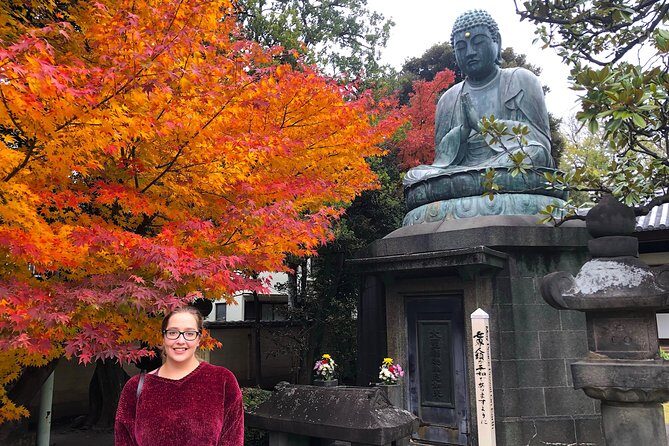
The temple dates back to 1274, which is an impressive anchor for context. You’ll also find it in a garden behind an old wooden gate, which makes it feel more like a place you enter than a site you just pass by. In the grounds, there’s a bronze Buddhist statue dating back to the information provided for the stop.
This is also one of the “free and worth it” moments. The tour lists admission as free here, so you’re not paying extra to have the day slow down and make sense. If you’ve been to lots of temples elsewhere and want the Tokyo-flavored explanations, this is the stop where a good guide can connect dots.
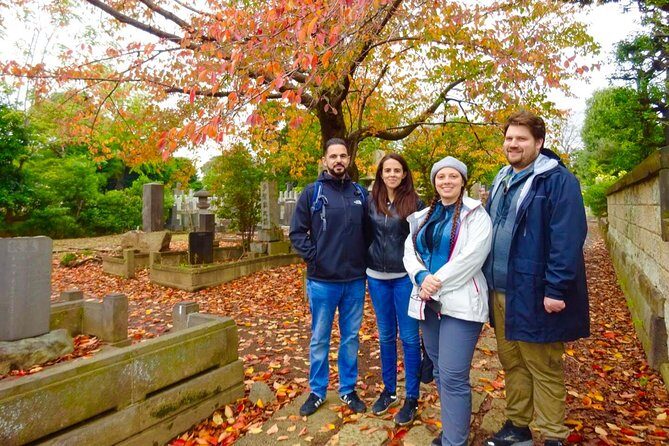
Yanaka Cemetery: Quiet Scale, and Why Some People Need a Break

Yanaka Cemetery is the biggest emotional checkpoint on the route. It covers 100,000 square meters and includes over 7,000 graves. That scale is the whole point: you’re not touring a small, symbolic spot, you’re seeing a major historical landscape.
The tour describes it as impressive even though it’s not a common tourist route. That fits the tone of Yanaka overall: you see sides of Tokyo that many visitors miss simply because they don’t think to look beyond the typical “temple postcard” areas.
Now the drawback. More than one guest noted that the cemetery time can feel long early on. That doesn’t mean you shouldn’t go; it means you should plan for it. If you’re prone to fatigue, take advantage of guide pauses to regroup, and consider bringing water. A calm mind helps here, because cemetery visits are different from sightseeing photos.
You can also read our reviews of more historical tours in Tokyo
Adding Tea on Tatami at Gallery Okubo (Optional, but Taste-Focused)
If you book the afternoon version that includes Gallery Okubo, you’ll have an optional tea ceremony experience on tatami mats. The tea itself costs 1,000 yen and is not included in the tour price, so budget for it if you want to do it.
I like this kind of optional add-on because it doesn’t force everyone into the same activity. Some people prefer to keep moving and shop for snacks later, while others enjoy a hands-on cultural moment. If you’re the second type, the tatami tea stop is a simple, contained way to add cultural texture without needing extra planning.
Duration is listed at about 30 minutes for this optional stop. That means you’re not losing half your afternoon. Still, it can affect your pacing if you’re sensitive to sitting time, so decide based on your own comfort.
Afternoon Art Detours: SCAI The Bathhouse and Edokoro Alan West
For afternoon tours, the route can include stops tied to contemporary art and old-town spaces. One option is SCAI The Bathhouse, described as a contemporary art gallery in Yanaka housed in a venerable public bath. The goal isn’t just to see art; it’s to notice how old infrastructure can house new creativity while keeping the neighborhood feeling intact.
Another afternoon option is Edokoro Alan West, described as a studio in traditional old town Tokyo surrounded by Buddhist temples. The stop is short (about 10 minutes) and is free by the tour’s included admissions for that point.
These are the stops that help the day feel like more than “history walking.” Yanaka isn’t frozen in time, and the art-in-old-space concept can be a good final mental shift before you head back toward the shopping street.
Shitamachi Customs Museum: How the Down-Town Story Gets Told
If your schedule includes it, the Shitamachi Customs Museum and Exhibit Hall adds a helpful structure to what you’ve been seeing in the streets. The museum was established to teach future generations about Shitamachi, the down-town side of Tokyo.
What I like about museum-type stops inside a neighborhood walk is that they help you translate everyday visual details. The tour description notes that many objects displayed were actually used, which makes the exhibits feel more grounded than a purely interpretive display.
The time here is short (about 20 minutes) and admission is free. So it’s not a long commitment if you’re mainly there for the outdoor walking. If you enjoy learning in small chunks, this works well.
The Shrine Stop: Old Trees, Azalea Season, and Colorful Wooden Architecture
The itinerary includes one of Japan’s oldest shrines, described as striking and set among huge trees and flowering azalea shrubs (つつじ), with ponds and pathways. It’s also described as having iconic colored charming wooden structures reflecting Japanese traditional aesthetics.
Even if you don’t travel during peak azalea bloom, the shrine setting usually delivers that same calm, shaded feeling that makes a walking tour more than exercise. Shrines also offer a different vibe than temples. A good guide can explain the practical differences in how to behave, where to stand, and what to look for.
This is also a great moment to take in the details your eye might miss when you’re just focused on movement. Your guide’s explanations can help you notice elements like layout, surrounding gardens, and how architecture and landscape work together.
Yanaka Ginza Shopping Street: Snack Time, Not Just Souvenirs
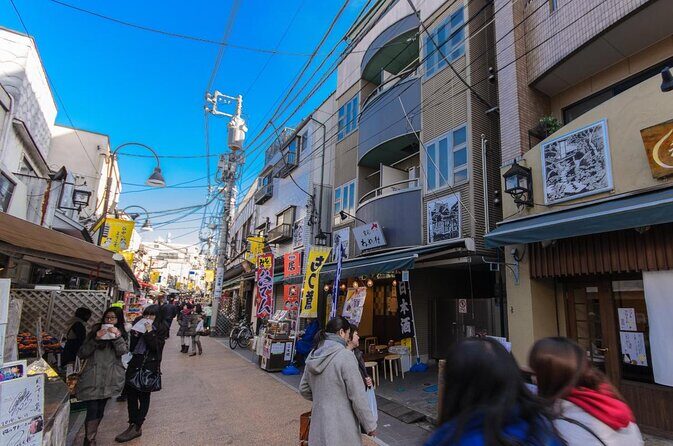
The walk finishes with time at Yanaka Ginza Shopping Street. The tone here is described as well-preserved “Shitamachi” atmosphere, and it’s specifically framed as a place to explore and eat local snacks.
I like that this isn’t shoehorned into the middle of the day. By the time you reach Yanaka Ginza, you’ve already seen the neighborhood’s historical texture, so food and browsing feel earned. You’re also more likely to remember what you learned while you’re looking at what locals actually buy and eat.
Some guests mention specific kinds of places they encountered during the day, including bakeries and rice-cake shops. The tour doesn’t guarantee any one store, but the neighborhood style is consistent: you can usually expect a mix of small food stops, traditional items, and simple browsing opportunities.
Guides Are the Secret Sauce: Keita, Charlotte, Kiyo, Michiko, and More
The biggest praised aspect across the experience is the guiding. Many guests highlight that their guides made history feel human and understandable, and that they answered questions while keeping the pace comfortable.
You’ll hear names like Keita (friendly, good storytelling), Charlotte (informative and good with safety), Kiyo (lots of shrine and temple detail), and Michiko (great with local navigation and keeping people engaged). Other guests call out guides like Mana, Kaori, Muchan, Satsuki, Fumiko, and Masa for their conversational style and patience.
I think that matters because a neighborhood walk can feel like a blur if you’re just following. A strong guide helps you connect what you see to the why behind it: why certain areas look the way they do, what religious spaces represent, and how daily life in older Tokyo differed from today.
Also, a few guests specifically mentioned that guides adjusted pace based on needs and even helped with photo-taking so you don’t end up with only one-person shots.
Pacing, Weather, and What to Bring for a 3.5-Hour Walk
This tour is built for moderate physical fitness. In real terms, you should expect steady walking on uneven sidewalk edges and longer stretches through temple/cemetery grounds. One guest also warned that there’s a lot of walking, and another encouraged people to bring comfy walking shoes.
Weather is the other variable. One guest mentioned doing the tour in the rain and still calling it memorable. Another described a hot/humid day where the guide came prepared with bug spray and cooling spray. That’s a useful reminder: plan for the weather rather than hoping you’ll be comfortable the whole time.
My practical packing list for this kind of Tokyo walking day is simple: comfortable shoes, water if you can bring it, sun protection if it’s warm, and a light layer if you expect mist or morning chill. You’ll likely spend enough time outdoors that you’ll notice the difference.
Is $72.96 Good Value for This Tokyo Walking Day?
At $72.96 per person, you’re paying for a guided experience that lasts about 3 hours 30 minutes and includes an English-speaking guide plus all fees and taxes. Many key stops are listed as free for admission tickets, so the cost isn’t mostly going to entry fees.
That’s where the value comes from. You’re paying for translation and context, not just for access. If you’re traveling solo, or you want your first Tokyo neighborhood experience to make sense fast, a guided walk like this can save time and frustration.
The price excludes food and drinks, so plan to buy snacks or lunch on your own. Also, optional add-ons like the tea on tatami (1,000 yen) are not included. Still, the core route stays focused on free or included-entry moments.
If you’d rather spend the whole day doing paid museum hours, this might feel like less. But if you want a structured “old Tokyo” experience that doesn’t require extra ticket hopping, the pricing is fair.
Should You Book Yanaka on Your Trip?
Book this tour if you want a quieter, older side of Tokyo that you can understand while you walk. It’s especially good for first-time visitors who feel overwhelmed by the city and want an easy way to get cultural context. The small group size, English-speaking guides, and the mix of temples plus Yanaka Cemetery make it a strong combo.
Skip it or prepare differently if you know you struggle with long outdoor cemetery time. It’s not a short stop, and some people felt the front end ran long. If that’s you, bring patience, take breaks when your guide offers them, and consider whether the optional tea or museum add-ons are worth your energy on the day.
If you want a practical mini-retreat from modern Tokyo, Yanaka on foot is a smart choice.
FAQ
What is the duration of the Yanaka walking tour?
The tour lasts about 3 hours 30 minutes.
Where does the tour meet, and does it end nearby?
The tour meets at Nippori Station (2 Chome-19 Nishinippori, Arakawa City, Tokyo 116-0013, Japan) and ends back at the meeting point.
What start times are available?
Start times are 9:00 am or 14:00 pm. You should inform the operator of your starting time when booking.
How many people are in a group?
The tour has a maximum of 8 travelers.
What’s included in the price?
Included items are an English-speaking guide, all fees and taxes, and photos of tour participants.
Is food or drink included?
No. Food and drinks are not included.
Are hotel pickup and drop-off included?
No. Hotel pickup and drop-off are available for an additional fee.
Are any optional activities added during the tour?
Yes. Options can include tea on tatami at Gallery Okubo (tea costs 1,000 yen and is not included) and other optional museum/gallery stops, some of which are afternoon-only.
Can I cancel for a full refund?
Yes. Free cancellation is available if you cancel at least 24 hours in advance for a full refund.
Can the tour length be extended?
Yes. The tour duration can be extended at a rate of 3,000 yen per group, per hour, payable in cash.