REVIEW · OSAKA
Sushi Making Osaka Roll and Authentic Japanese Sushi Class
Book on Viator →Operated by Sushi Making Tokyo Cooking Class in Japan · Bookable on Viator
Sushi class beats another night out. In Osaka, you’ll practice authentic techniques with prepped ingredients and English-speaking instructors, then eat your own nigiri and maki right there. The setup is built for real interaction, not just watching from the sidelines.
What I like most is how smoothly it works for international visitors and how hands-on it stays. Still, one thing to keep in mind is that the pace can feel a bit tight if you want lots of extra photo or eating time.
In This Review
- Key Highlights You Can Plan Around
- Osaka’s Sushi Class: Why This Is More Fun Than One More Restaurant Meal
- Where You’ll Meet by Dotonbori and Shinsaibashi (and How Not to Stress)
- What You’ll Make: Nigiri + Maki Rolls, Step by Step
- The Teaching Style: English Support, Friendly Instructors, Real Interaction
- The Pace, Photos, and That One Thing to Watch
- How the Class Turns Into a Meal (So You Actually Get Value)
- Dietary Options: Vegetarian Chances and What to Confirm
- Group Size and Who This Suits Best
- Price and Logistics: Is $31.01 Fair?
- Practical Tips Before You Go
- Should You Book This Osaka Sushi-Making Class?
- FAQ
- How long is the sushi making class in Osaka?
- Where do I meet the instructor?
- Do they pick you up from your hotel?
- Is the class beginner-friendly?
- What’s included in the price?
- Is there a limit on group size?
- Are there vegetarian or alternative options?
- What time options are available?
- Can I get a full refund if I cancel?
Key Highlights You Can Plan Around
- Near Dotonbori and Shinsaibashi: easy to tack onto a food day in central Osaka
- Maki and nigiri practice: you learn the step-by-step basics, not just one sushi type
- Small group feel: capped at 20 travelers
- Instruction + Q&A: you can ask sushi questions as you work
- You eat what you make: the meal is part of the class, not a separate add-on
- Beginner-friendly: no prior cooking experience needed
Osaka’s Sushi Class: Why This Is More Fun Than One More Restaurant Meal
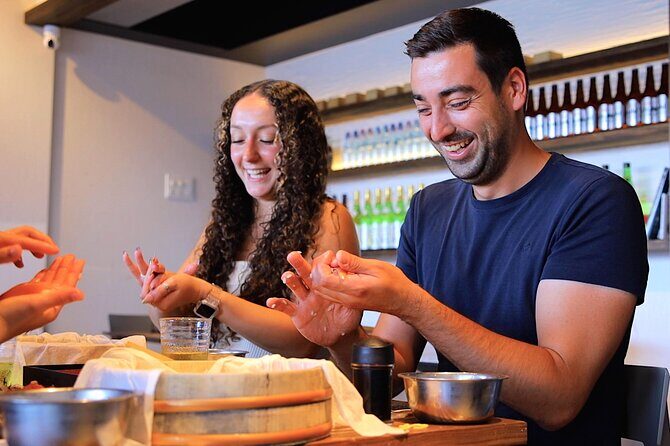
Osaka is a city that rewards you for doing, not just consuming. This class fits that mindset perfectly. Instead of ordering a set menu and moving on, you get to build sushi with your own hands. And because the ingredients are already prepped and ready, you spend your time learning technique and enjoying the results—not waiting around for basics.
Two parts make this especially satisfying. First, the teaching is built for beginners. You’re shown how to form, roll, and plate sushi in a way that’s doable during a short session. Second, it ends with you eating what you made. That turns the class into a full meal experience, not a quick activity that leaves you hungry.
You should still be aware of one potential snag: while many people say the class is the right length, some note it can feel a little rushed, especially if you want extra time for photos or lingering over your sushi. If that’s your style, come with a camera plan (a few good shots, then focus on eating).
A few more Osaka tours and experiences worth a look
Where You’ll Meet by Dotonbori and Shinsaibashi (and How Not to Stress)
You meet at Sushi Making Osaka | Cooking Class in Japan, at 1-chōme-16-20 Higashishinsaibashi, Chuo Ward, Osaka, 542-0083. The location is convenient for sightseeing. You’re near the energy of Dotonbori and the shopping zone around Shinsaibashi, which makes it easy to squeeze in between meals.
One practical tip: the meeting place can be easy to miss if you’re moving fast. People have described it as a small, straightforward room in the area (with one account mentioning a floor on the higher levels). So give yourself extra walking time and don’t rely on arriving exactly at the start minute.
Also note what’s not included: there’s no hotel pickup or drop-off. You’ll get there on your own using public transportation, which is typical for classes like this—but it does mean you should choose a time when you won’t be racing across town.
What You’ll Make: Nigiri + Maki Rolls, Step by Step
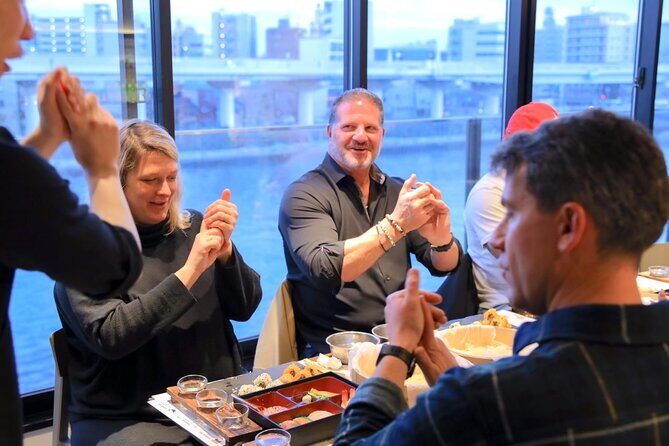
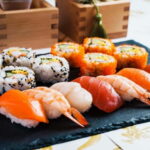
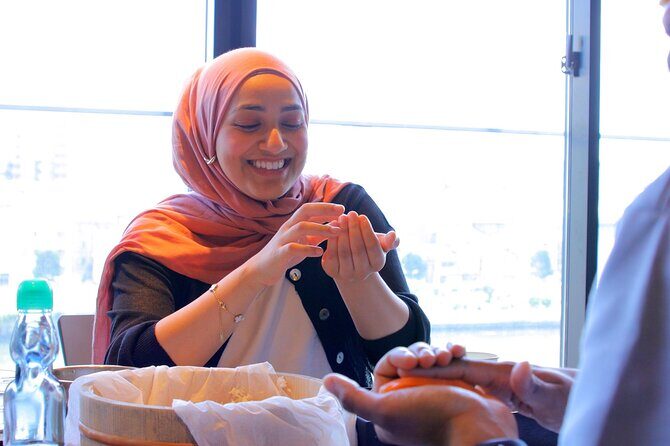
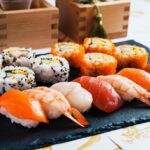
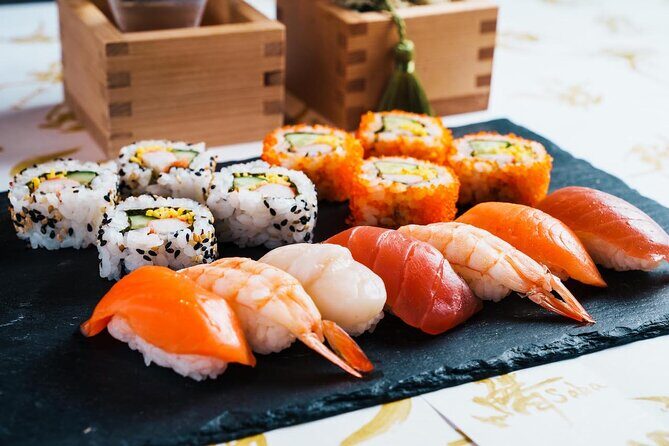
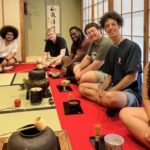
This is a hands-on class focused on two core styles: nigiri and maki rolls. The class is designed so you’re not just learning sushi in theory. You’ll practice the basic steps as you go, then you’ll taste what you made.
A lot of the appeal is that you get both textures and techniques:
- Nigiri gives you practice with shaping and balancing rice and topping.
- Maki rolls teach you how to roll tightly and keep the inside ingredients aligned.
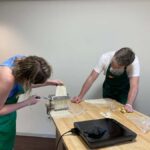
Because ingredients are prepped and ready, you can concentrate on the parts that actually matter for results: forming clean pieces, getting the roll right, and working with the tools and surfaces in front of you.
You’ll also get cultural context. Multiple instructors are known for adding sushi history and explanations while you cook, which helps the techniques make sense. That’s useful even if you just want fun and photos—because understanding why something is done a certain way makes your sushi look (and taste) better.
The Teaching Style: English Support, Friendly Instructors, Real Interaction
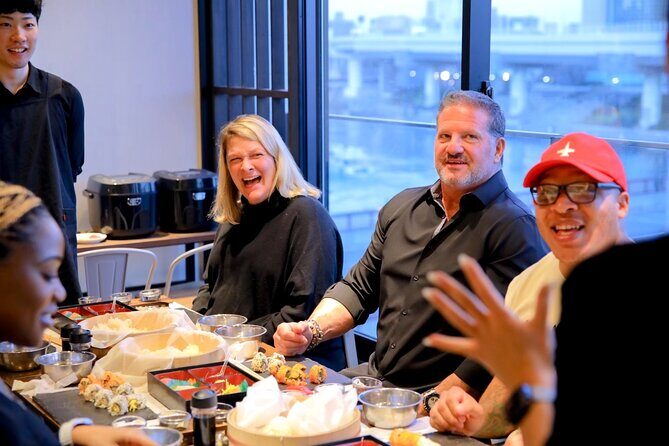
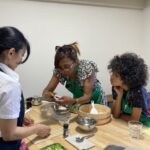
This class runs with an English-speaking instructor, and that matters more than it sounds. Sushi is full of small details—rice handling, topping placement, roll tightness—and explanations land much better when you can follow the “why” and the “how” in a language you’re comfortable with.
Instructors are described as energetic and interactive, with a focus on making things beginner-friendly. You’ll also have a chance to ask sushi-related questions. That’s a big deal if you’ve ever wondered stuff like:
- why sushi rice has a specific feel or flavor
- what makes a roll look professional
- how pros handle consistency
In past sessions, people have mentioned instructor names including Reika, Fuko, Fujiko, Ina, Aina, and Arisa. You can’t count on any one person for your booking, but the pattern is clear: the team varies, and the vibe is friendly and hands-on.
One small caution: one person noted an accent can be strong. If you’re an anxious listener, that’s worth factoring in. The best approach is simple—ask questions as you work and don’t worry if you need clarification. The class format is built around interaction.
The Pace, Photos, and That One Thing to Watch
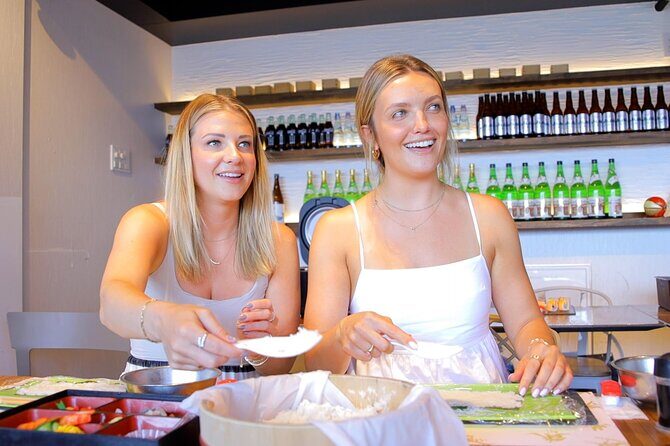
The total duration is about 1 hour 40 minutes (approx.). Many people say it’s the perfect amount of time to learn, eat, and have fun without feeling rushed.
Still, there’s at least one reasonable drawback to consider: a few comments suggest the session can feel time-tight for photo lovers or people who want to slow down and fully enjoy every bite before cleanup begins. If you’re the type who wants a long post-class photo reel, plan for quick shots during the workflow—then settle in and eat.
There’s also a food-safety comfort question you might think about: one feedback mentioned fish sitting out at room temperature before use. The class ingredients are described as top quality, but if you’re sensitive about temperature, it’s fair to ask how they manage timing and storage during the session.




How the Class Turns Into a Meal (So You Actually Get Value)
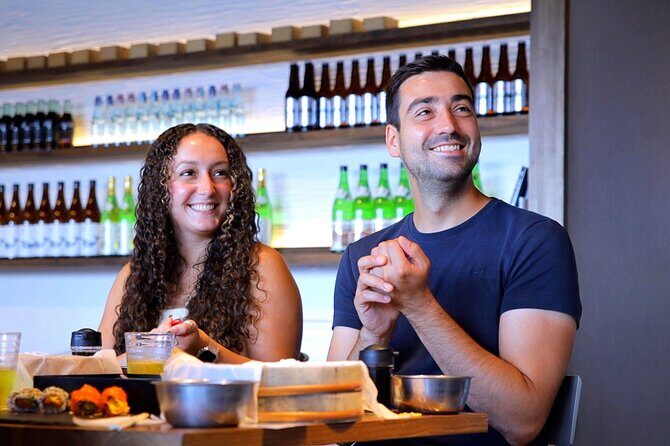
You’re not paying just for the cooking part. The class includes ingredients of the cooking class and meal, and you eat what you make. That changes the value equation.
At $31.01 per person, the best way to judge value is as a combined experience:
- instruction (in English)
- hands-on practice (nigiri + maki)
- and a real meal outcome
If you were doing this as a “just eat sushi” plan, you’d likely spend more than that quickly. And if you were taking a generic cooking lesson elsewhere, you might still leave without having a full meal included. Here, the payoff is built in.
Also, portions seem to land in the “satisfying but not a feast” range. Some accounts describe making one maki roll plus multiple nigiri pieces depending on speed. Either way, the class is structured so you won’t walk away hungry.
Dietary Options: Vegetarian Chances and What to Confirm
This class can work for more than one dietary preference. One account mentioned vegetarian and fish options that were tasty, which is a good sign that they do handle variations.
However, accommodation isn’t fully guaranteed from the info you have here. Another comment said a participant wanted shrimp swapped out for another fish but wasn’t able to change it. The lesson: if you have dietary requirements, flag them before the class. Don’t assume substitutions will always be possible.
If you’re vegetarian, make sure your preference is clearly noted at booking. If you’re avoiding shellfish, gluten, or specific ingredients, double-check what you can request ahead of time.
Group Size and Who This Suits Best
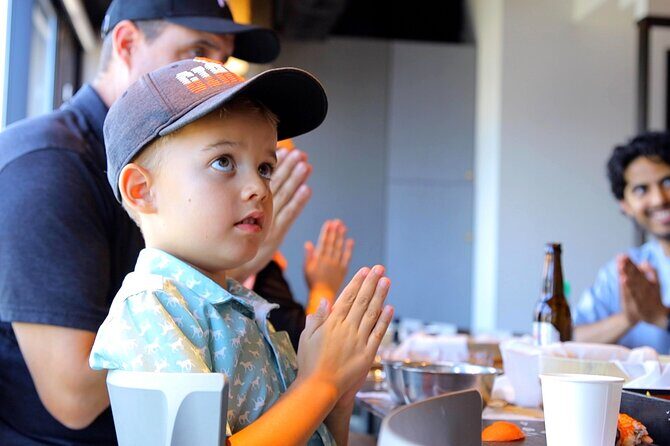
With a maximum of 20 travelers, this doesn’t feel like a huge factory class. It should feel like a working group where the instructor can circulate and help when you get stuck.
This is a strong pick for:
- beginners who want real technique guidance without prior experience
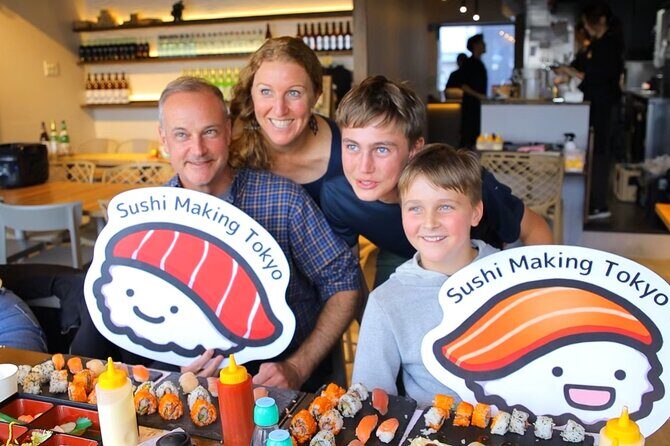
- families, including kids (several people mention instructors being patient with children)
- couples or solo travelers who want an interactive food activity in central Osaka
It’s also a good choice if you want a practical souvenir: skills you can recreate later. Even people who only casually love sushi often leave with enough technique confidence to attempt a roll at home.
If you’re an advanced sushi nerd, you might already know some steps. But you could still enjoy it for the structure, the meal, and the culture explanations you get while cooking.
Price and Logistics: Is $31.01 Fair?
For Osaka, this price point is one of the reasons it’s so popular. You’re paying around $31 for a guided, English-friendly cooking lesson plus a meal outcome—without hotel pickup.
Here’s the value math you can use:
- You get instruction and hands-on practice (more than a typical “watch and eat” activity).
- You eat your own sushi, so you’re not paying and then leaving to find food.
- The class is near central sights, which saves time and transport hassle.
At the same time, if you’re someone who hates structured timing or expects a super relaxed long sit-down after cooking, you might find the session length a bit tight. That’s not a dealbreaker, but it does affect how “worth it” feels.
Practical Tips Before You Go
A few small moves can make the experience smoother:
- Plan your arrival time with extra buffer. The meeting point in Higashishinsaibashi area is close to big landmarks, but small addresses can take a moment to find.
- Come with questions. If you’ve always wondered about nigiri versus maki technique, this is when to ask.
- Take quick photos, then focus on eating. If the room starts turning over for the next group, you’ll want to avoid rushing at the end.
- Note dietary needs early. Don’t wait until the day of class.
If you’re traveling with kids, it’s also smart to explain ahead of time that sushi making is harder than it looks and that neat rolls take practice. The class format supports that kind of learning.
Should You Book This Osaka Sushi-Making Class?
Book it if you want a central Osaka food experience that’s hands-on, beginner-friendly, and actually ends with you eating your own sushi. The combination of English instruction, nigiri + maki practice, and a meal included at $31.01 is a strong value for most travelers.
Skip or reconsider if you’re extremely photo-focused and need lots of slow, free time after cooking, or if you have a very specific dietary need that requires substitutions beyond what’s typically available. In those cases, ask questions before you confirm and plan your expectations around the class timeline.
If you’re on the fence, a good rule is this: if you’d rather learn one skill than just buy another plate of sushi, this class is exactly your kind of Osaka night.
FAQ
How long is the sushi making class in Osaka?
It runs about 1 hour 40 minutes (approx.).
Where do I meet the instructor?
You’ll meet at Sushi Making Osaka | Cooking Class in Japan, 1-chōme-16-20 Higashishinsaibashi, Chuo Ward, Osaka, 542-0083, Japan.
Do they pick you up from your hotel?
No. Hotel pickup and drop-off are not included.
Is the class beginner-friendly?
Yes. No cooking experience is required.
What’s included in the price?
You get an English-speaking instructor, plus the ingredients for the cooking class and the meal.
Is there a limit on group size?
Yes. The class has a maximum of 20 travelers.
Are there vegetarian or alternative options?
There is mention of vegetarian and fish options. If you have dietary preferences, you should note them before the activity.
What time options are available?
Classes are offered in the morning, afternoon, and evening.
Can I get a full refund if I cancel?
Yes. Free cancellation is available up to 24 hours in advance for a full refund.