REVIEW · TAKAYAMA
Takayama Half-Day Private Tour with Government Licensed Guide
Book on Viator →Operated by Japan Guide Agency · Bookable on Viator
Takayama looks small on a map, but it packs a punch. This private half-day with a government-licensed English guide helps you connect the old streets, the festival culture, and the city’s local rhythm. I especially love the flexibility to pick the exact 2–3 stops that match your interests, and I like how guides often turn the sites into stories you can actually use.
One thing to plan for: it’s a walking tour, so you’ll want comfortable shoes and you may end up paying extra for sights that have admission fees.
In This Review
- Key points before you go
- Why a private half-day in Takayama feels like a local shortcut
- Walking tour logistics: what “pickup on foot” means for your day
- Sanmachi Suji: Edo-era street energy in about 15 minutes
- Hida Folk Village (Hida no Sato): the open-air museum choice that makes history physical
- Takayama Jinya: where timber power turned into government control
- Matsuri no Mori and Yatai Kaikan: festival floats explained like a story
- Higashiyama Walking Course: temples, Teramachi, and a slower pace
- Miyagawa Morning Market: the easiest way to taste Takayama’s daily life
- Kokubun-ji Temple and Sakurayama Hachimangu: religion, symbols, and festival ties
- Kusakabe Folk Museum, Yoshijima Heritage House, Showa-kan, and the retro museum swing
- Price and what you’re really paying for at $122.23 per person
- How to choose your 2–3 stops like a pro
- Should you book this Takayama private half-day tour?
- FAQ
- How long is the Takayama half-day private tour?
- What does the tour include?
- Can I customize which sights I visit?
- Are entrance fees included?
- Is this tour only for my group?
- Can I cancel for a full refund?
Key points before you go

- Government-licensed, English-speaking guides who can explain what you’re seeing on the street, not just point it out
- Customize 2–3 stops from a menu of top Takayama sights instead of being locked into a fixed route
- Festival float insight at the right museums and exhibition spots, even outside festival dates
- A smart mix of old town, temples, and markets so you get more than one “type” of Takayama
- Some stops are free to enter, others aren’t, so your final cost depends on what you choose
- Pickup is on foot within a designated area, which keeps the tour efficient but means you’re walking from the start
Why a private half-day in Takayama feels like a local shortcut
Takayama is one of those places where the details matter. A private guide helps you read the town: why certain buildings exist, how the festival culture grew, and what’s important even if you only have a few hours. The format is also practical. You’re not wasting time getting organized with strangers, and you’re not rushing through 10 stops just to “check boxes.”
You also get something rare in guide-led tours: a sense that your timing is yours. The tour is designed around 2–3 customized sites for a roughly 4-hour walk, which is a great match for jet lag, weather changes, or a day when you’d rather spend energy tasting food than climbing stairs.
Still, let’s be honest. Takayama has more to offer than you can fit into one half-day. Your success comes down to choosing the right mix, and being ready to keep moving on foot.
You can also read our reviews of more guided tours in Takayama

Walking tour logistics: what “pickup on foot” means for your day
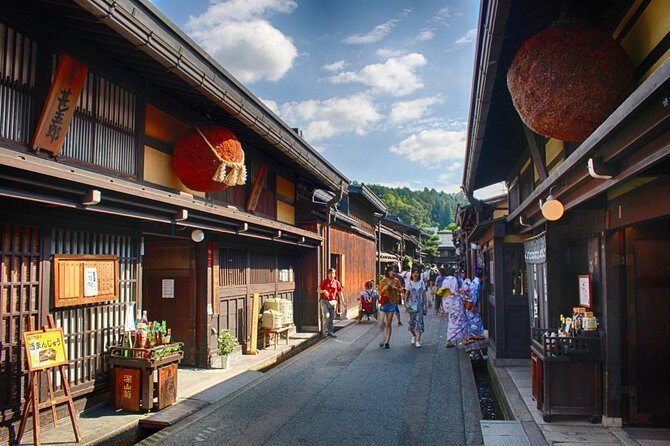
This experience is a walking tour, and the meet-up works on foot within a designated area. That’s good news because it keeps things simple once you’re in the center area. But it also means you should plan like you’re doing a city walk with stops, not a sit-and-go tour.
For me, the biggest practical takeaway is shoe choice. If you’re planning on temples, museum interiors, and old-street wandering, you’ll feel it by the end. Bring comfortable walking shoes, and if you’re sensitive to weather, consider a light layer and a compact umbrella.
Also, because it’s private for your group only, your guide can adjust pacing to what works for you. The reviews show guides doing exactly that—like keeping a steady tempo, switching plans based on interest, or helping you keep a smooth flow through town.
Sanmachi Suji: Edo-era street energy in about 15 minutes
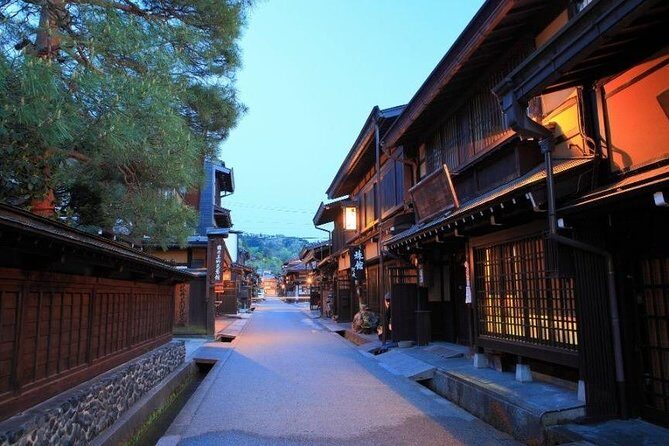
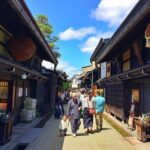
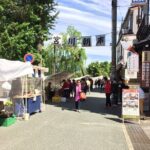
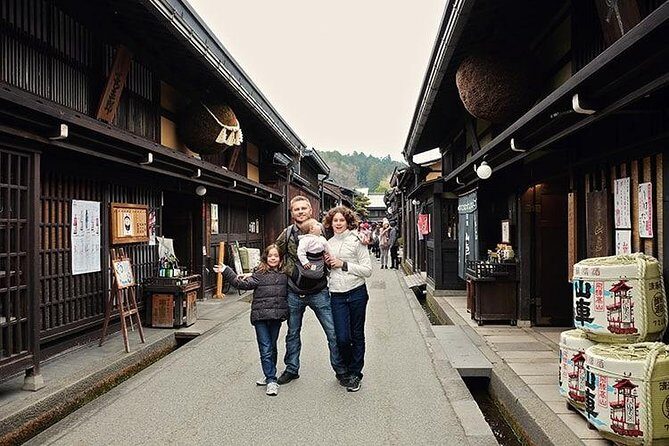
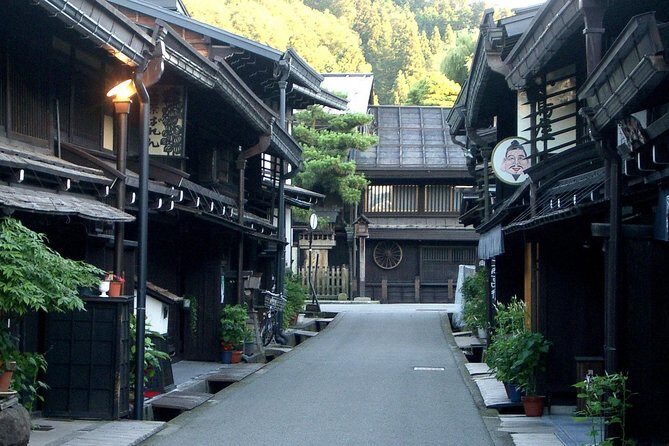
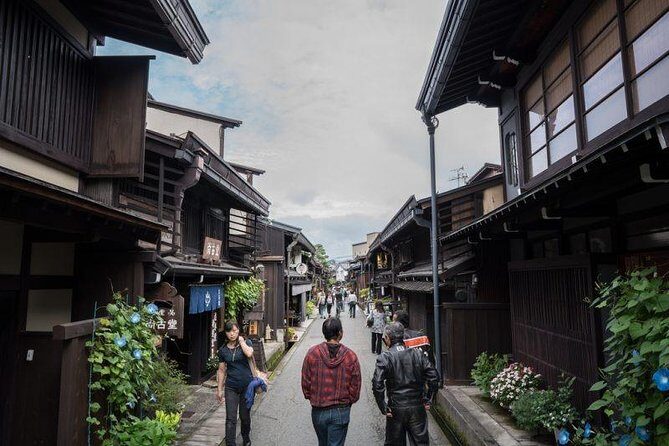
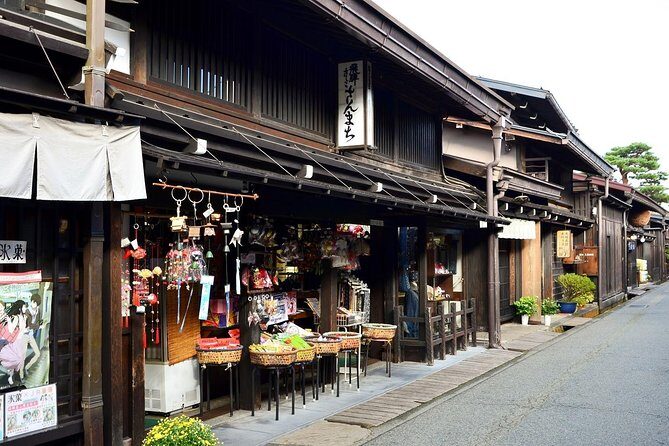
Sanmachi Street (Sanmachi Suji) is one of Takayama’s most famous old-town lanes for a reason. You’re walking through a preserved merchant-style area with houses and shops that trace back to the Edo period (1603–1868). The point isn’t just the photo spots. It’s how the street layout tells you what kind of economy and community existed here.
This stop is typically short—about 15 minutes—and it’s often free. That makes it a great anchor for first-time Takayama visitors because you get context fast. In a private setup, your guide can point out what to watch for: the building style, the street atmosphere, and the small cues that hint at why this area became such a highlight.
If you’re the kind of person who likes browsing craft shops or specialty snacks, Sanmachi works well as one of your chosen sites. If you’re trying to keep things lighter and more outdoors, you can still use Sanmachi as the “old town base” without turning your whole half-day into shopping.
Hida Folk Village (Hida no Sato): the open-air museum choice that makes history physical
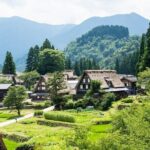
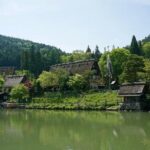
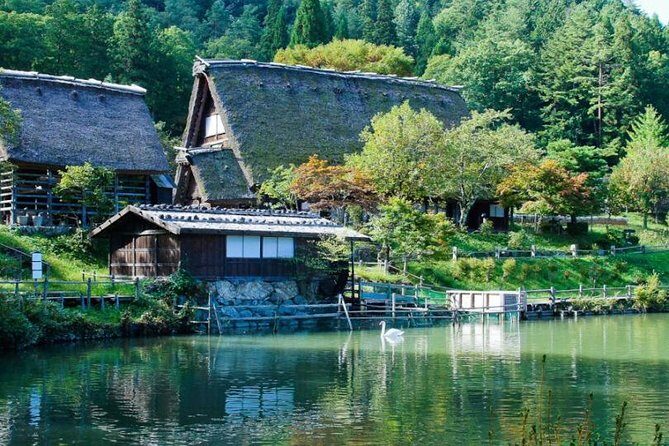
If you want Takayama’s culture to feel less like a slideshow, Hida Folk Village is a strong option. It’s an open-air museum showing over 30 traditional houses from the Hida region around Takayama, including the mountainous areas of Gifu Prefecture.
This is usually another about 15 minutes stop, and it’s commonly free to enter in the provided schedule. The value here is that you’re not just looking at a building—you’re seeing how different structures relate to climate, lifestyle, and local materials. It’s one of the best ways to make regional history “click” without needing to read a lot.
One caution: since it’s an open-air museum, weather matters more than at an indoor exhibit. If it’s raining or blistering hot, you might prioritize indoor sites for your other choices.
Takayama Jinya: where timber power turned into government control
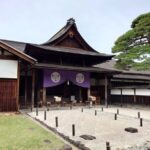
Takayama Jinya is an important stop if you want the serious side of the story. The region was put under direct control of the Tokugawa Shogunate in 1692 because of its valuable timber resources. Takayama Jinya served as the local government office, and the building’s role helps explain why Takayama became so influential.
This stop is typically scheduled at 15 minutes, and it’s marked as admission not included in the stop list. So treat it like a “select this only if it fits your interests” kind of add-on. If you’re into how cities were governed, or how natural resources shaped power, it’s worth it.
If you prefer purely scenic walks and food-focused time, you might swap Jinya for something more lively like Miyagawa Morning Market or an exhibition hall.
You can also read our reviews of more private tours in Takayama


Matsuri no Mori and Yatai Kaikan: festival floats explained like a story
Takayama is famous for its festivals, and the float culture is the heart of it. For your half-day, you can connect the dots by choosing stops that explain the floats and show you the real festival world.
- Matsuri no Mori (Festival Forest Museum) is where you’ll see full-sized replica floats (yatai) and learn about the festival world. This stop is scheduled at about 15 minutes and admission is not included.
- Takayama Festival Floats Exhibition Hall (Yatai Kaikan) is typically about 30 minutes and is also marked as admission not included. This is where the festival floats get serious attention.
Why this works in a private tour: your guide can translate what you’re looking at into meaning. In the reviews, guides like Yuko and others are praised for first-hand explanations of the floats and keeping the pace right so the information sticks.
If you’re visiting outside the official festival dates, these float-focused museums still give you the “why” behind the spectacle. For many people, it’s the moment Takayama stops feeling like a pretty town and starts feeling like a living tradition.
Higashiyama Walking Course: temples, Teramachi, and a slower pace
The Higashiyama Walking Course (Higashiyama Yūhodō) is a nice change of scenery. It’s a walking route through Takayama’s temple town (Teramachi), plus the city’s rural “suburbs” and Shiroyama Park, a wooded hill area.
This is often scheduled for about 30 minutes and is marked as free. That makes it a smart choice if you want greenery and a more relaxed feel. It also balances the denser old-town parts of Takayama, especially if you’re doing a market stop and a museum stop in the same half-day.
The main drawback is simple: you’re walking. But in most weather it’s exactly what you want—shade, a gentler rhythm, and time to just look around.
Miyagawa Morning Market: the easiest way to taste Takayama’s daily life
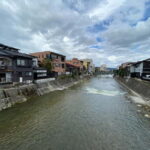
If you like food and local energy, make room for Hida-Takayama Miyagawa Morning Market. It runs daily roughly from 7:00 to noon (with a winter adjustment to 8:00). It’s along the Miyagawa River in the old-town area, which means the setting does some of the work for you.
This stop is scheduled at about 30 minutes and is marked free. That matters because it lets you spend money on what you actually want to taste, instead of paying for another ticketed venue.
A private guide can also help you avoid the common beginner mistake: walking past the best options because you’re not sure what’s special. In one personal-style review story, a guide even took someone to a non-touristy Hida beef restaurant. That’s the kind of practical local usefulness that can happen when your guide knows where the good choices are.
Kokubun-ji Temple and Sakurayama Hachimangu: religion, symbols, and festival ties
Takayama has temple culture and shrine culture, and the best part is that they connect to the festival season.
Hida Kokubun-ji Temple is a well-known Buddhist temple with an iconic three-storied pagoda constructed in 1820. It’s scheduled at about 30 minutes and is free in the stop list.
Then there’s Sakurayama Hachimangu Shrine, which is the autumn venue for the Takayama Festival. Next to it is the Takayama Festival Floats Exhibition Hall, which creates a natural pairing if you want festival context plus the shrine setting.
Sakurayama Hachimangu is scheduled at about 20 minutes and is free. If you’re picking 2–3 stops, one shrine or one major temple is often enough to give you a sense of the city’s spiritual backbone without dragging your day down.
Kusakabe Folk Museum, Yoshijima Heritage House, Showa-kan, and the retro museum swing
Not every stop needs to be “traditional history.” Takayama also has playful cultural layers, and if your group likes variety, these options are useful.
- Kusakabe Folk Museum: a historic private residence opened to the public, built in the Meiji period in Edo architectural style. Scheduled at about 10 minutes, admission not included.
- Yoshijima Heritage House: a Meiji-built building (1908) tied to sake brewing. It features a large sakabayashi sign made of Japanese cedar leaves. Scheduled at about 10 minutes, admission not included.
- Takayama Showa-kan Museum: reconstructed retro streets from the 1950s, plus small hands-on corners like Midget Alley and a vintage-photo vibe. Scheduled at about 10 minutes, admission not included.
- Hida Takayama Retro Museum: set up like you can see, snap, and play with Showa-era items—posters, magazines, toys, games, and more. Scheduled at about 10 minutes, admission not included.
These are typically short stops, which makes them easy to slot in. The value is choice: you can balance the solemn history sites with something lighter if your group prefers modern cultural texture.
Price and what you’re really paying for at $122.23 per person
At $122.23 per person for a roughly 4-hour private experience, you’re not paying for a bus ride. You’re paying for time and attention—an English-speaking, government-licensed guide who can shape the walk around you.
Here’s the value math that matters:
- You’re choosing 2–3 sites, so you don’t “burn” time on places you don’t care about.
- The route is built for a half-day, so it can fit into the way most people actually travel—morning town, afternoon free.
- Some stops are free, while others have admission fees. So your final out-of-pocket cost depends on which culture flavors you pick (festival float museums vs. free old-town streets and markets).
Compared to bigger group tours, private usually feels pricier. But in Takayama, where small distances and details matter, it often feels fair—especially if you want good explanations. The near-perfect average rating (4.9 out of 5 from 69 experiences) backs that up, and the reviews repeatedly praise guides who answer questions well and keep a steady, comfortable pace.
How to choose your 2–3 stops like a pro
If you want a simple strategy, think in pairs:
1) Pick one context stop (old town or festival floats or a major temple/shrine).
2) Pick one experience stop (market for food, open-air houses for physical history, park/temple walk for scenery).
3) Optionally add one special interest stop (Jinya for governance, sake/heritage house, or Showa retro if your group likes that era).
Good combos for most people:
- Sanmachi Suji + Miyagawa Morning Market + one festival stop (Matsuri no Mori or Yatai Kaikan) if you want both atmosphere and tradition.
- Hida Folk Village + Higashiyama Walking Course if your group wants outdoors and regional life.
- Kokubun-ji + Sakurayama Hachimangu if you prefer temple-and-shrine spirituality with festival connections.
And if your priority is food, start early. The market timing is built into the morning hours, and a guide can help you spend your time tasting rather than wandering.
Should you book this Takayama private half-day tour?
Yes, if you want Takayama to feel personal and readable. This is a strong pick for first-timers who care about meaning, not just photos. It’s also a great fit for families and mixed-age groups because the stops are short and you can tailor the route.
I’d also book it if you enjoy good guide interaction. The stories highlight guides like Yuko, Lily, Yuki, Yoshi, Mitsu, Annie, Yuriko, and Tatsuya Ito providing detailed explanations, switching based on interests, and even adding small touches like tea tasting, sake moments, or food guidance. Those are the kinds of extra value you can’t get from a generic audio tour.
Skip or adjust expectations if:
- You’re hoping to see everything in one go. A half-day limits you, so choose your favorites.
- You don’t want any extra admission fees. Several “anchor” sites on the list are marked as admission not included, so your choices affect cost.
If you’re planning a Takayama day and want to make the most of a few hours, this private, government-licensed guide setup is a smart, efficient way to experience the town like you know what you’re looking at.
FAQ
How long is the Takayama half-day private tour?
The tour runs about 4 hours.
What does the tour include?
It includes a licensed local English-speaking guide and a customizable itinerary where you choose 2–3 sites. The guide meets you on foot within a designated area.
Can I customize which sights I visit?
Yes. Your tour is customizable so you can pick your 2–3 sites from the available options.
Are entrance fees included?
Some stops are marked as free, while others are marked as admission not included. Entrance fees, lunch, and other personal expenses are not included.
Is this tour only for my group?
Yes. It’s a private tour/activity, and only your group participates.
Can I cancel for a full refund?
Yes. You can cancel up to 24 hours in advance for a full refund. If you cancel less than 24 hours before the start time, the amount paid isn’t refunded.