REVIEW · TAKAYAMA
Kanazawa: World Heritage Shirakawa-go & Two Local Experience
Book on GetYourGuide →Operated by Japan Panoramic Tours · Bookable on GetYourGuide
Shirakawa-go feels like a storybook. I love the early morning feel in UNESCO Shirakawa-go and I love the hands-on Kanazawa craft stops, from making wagashi (or painting Daruma) to the gold-leaf experience. One thing to know: the day is tightly scheduled, so you’ll want comfortable shoes and a calm mindset for transfers.
The setup is also built for people who don’t want to puzzle out trains and tickets all day. You ride in an air-conditioned coach with free Wi‑Fi, and you get guide commentary plus multilingual audio headsets, so you can actually follow what you’re seeing without constantly reading signs.
In This Review
- Key things that make this tour worth your time
- Why this day trip works: UNESCO village plus Kanazawa “how it’s made”
- Getting started at Kanazawa Station West Plaza (and why it matters)
- The 80-minute coach ride: use the quiet time for context
- Shirakawa-go: the Gassho-zukuri walk you’ll remember
- What I’d do with your time on the ground
- Lunch in Shirakawa-go: plan it loosely, not tightly
- Kenrokuen Garden: learning the design so it actually clicks
- The practical downside: one hour is not long
- Kanazawa Castle area: a short walk that grounds the day
- Wagashi making or Daruma painting: the hands-on part you’ll talk about later
- A teacher-style guide makes it fun
- Don’t overthink whether you’re artistic
- Gold leaf experience in Kanazawa: what to order, what to make, and what to notice
- Higashi Chaya District: geisha district strolling with a craft afterglow
- Food and shopping: what you get and how to use it
- Timing reality check: the “not too fast” fast day
- What to bring
- A special date note
- Price and value: is $116 a good deal?
- Who this tour is for (and who might prefer solo plans)
- Should you book this tour?
- FAQ
- How long is the tour?
- Where do I meet the guide?
- What is included for Shirakawa-go?
- What craft experiences are included in Kanazawa?
- Is lunch included?
- What languages are available for audio guidance?
- Is transportation provided?
Key things that make this tour worth your time
- UNESCO Shirakawa-go with real walking time (not a drive-by photo stop)
- Hands-on Kanazawa crafts: wagashi making or Daruma doll painting
- Gold leaf as a food and souvenir experience, not just a store photo
- Kenrokuen Garden guided for how to look at viewpoints and design
- English-speaking guide with audio support in multiple languages
- Comfort-first transport: air-conditioned coach plus free Wi‑Fi
Why this day trip works: UNESCO village plus Kanazawa “how it’s made”
This tour is a smart pairing. Shirakawa-go gives you that World Heritage, Gassho-zukuri architecture moment where the houses look like they’re built for winter snow and legends. Then Kanazawa turns the day from scenic sightseeing into craftsmanship you can touch.
I like that the afternoon isn’t only wandering around shops. You make something (wagashi or Daruma) and you experience gold leaf in a way that connects to what you eat and buy later. That mix makes the 9 hours feel like more than a checklist.
You can also read our reviews of more historical tours in Takayama


Getting started at Kanazawa Station West Plaza (and why it matters)
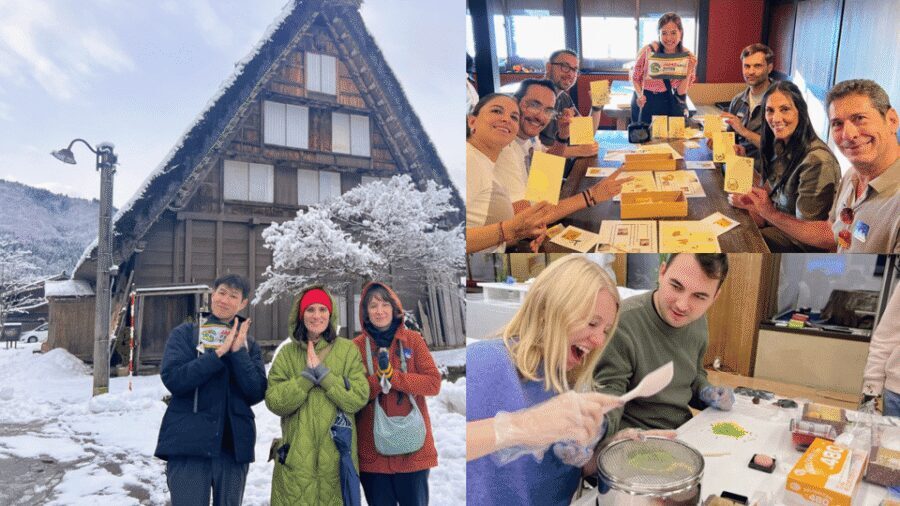
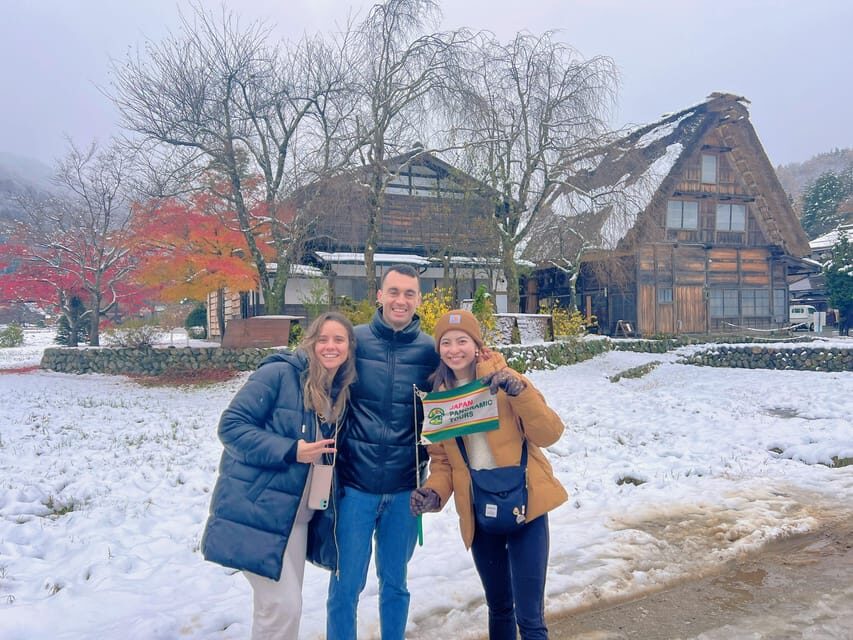
Your day starts at Kanazawa Station West Plaza, the short-term car park area. Check-in is at 7:50 AM, with departure at 8:00 AM, and you’re looking for the green and white Japan Panoramic Tours flag.
This early start is a big deal in practice. It helps you reach Shirakawa-go with better light and fewer crowds, which makes the walking feel more relaxed and photo-friendly. It also means you’re back in Kanazawa in time to enjoy the garden and craft stops without feeling like the day disappears.
The 80-minute coach ride: use the quiet time for context
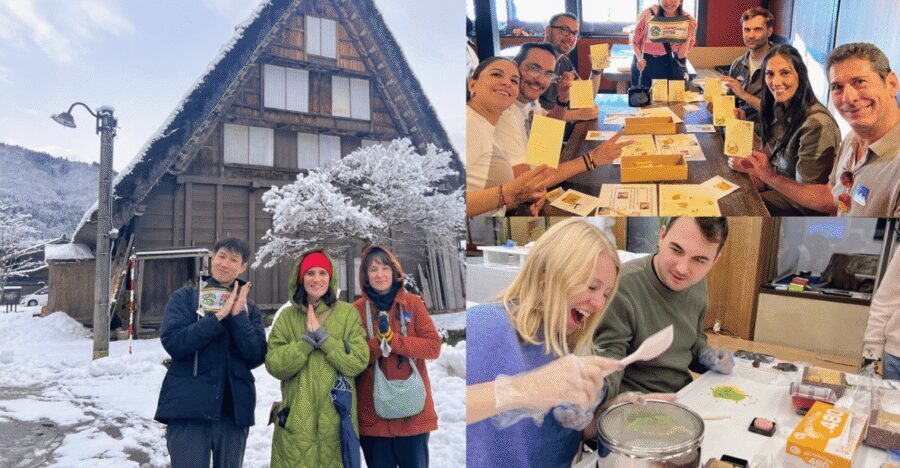
The bus ride to Shirakawa-go takes about 80 minutes via the expressway. You get free Wi‑Fi, and the coach is air-conditioned, regularly ventilated, and has an antibacterial coating.
This is where the guide can set the stage. You’re not just going to a pretty village—you’re learning what makes those houses special and why Kanazawa’s traditions matter. Having multilingual audio headsets available helps too, especially if you want to focus while you’re moving.
Shirakawa-go: the Gassho-zukuri walk you’ll remember
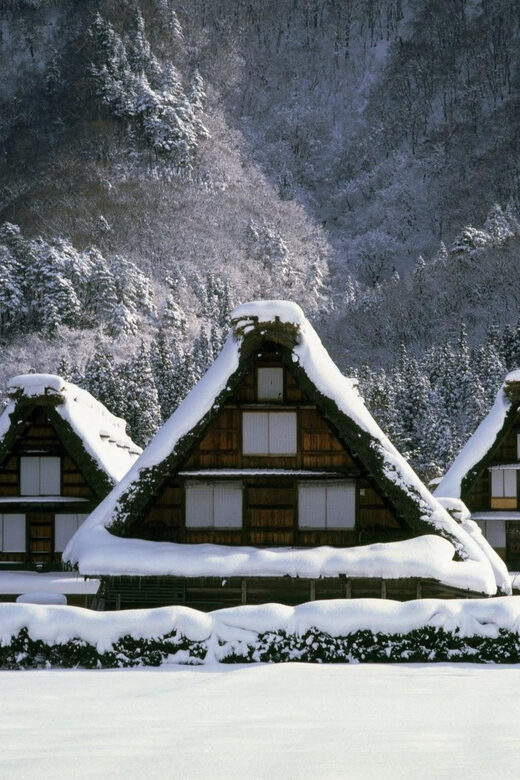
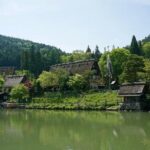
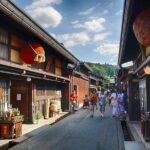
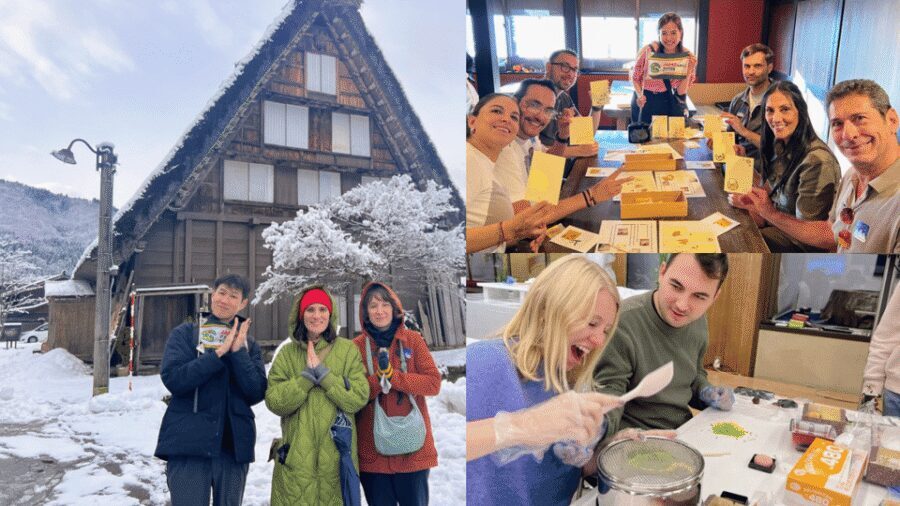
In Shirakawa-go, you get a photo stop and then about 2.33 hours to explore with your guide. This is enough time to slow down, step into side lanes, and actually notice construction details rather than sprinting between viewpoints.
Look for the Gassho-zukuri style: steep thatched roofs designed to handle heavy snowfall. Your guide’s job here is to point out patterns and practical reasons behind the architecture, so it stops being “cool houses” and becomes a window into how people lived.
What I’d do with your time on the ground
You’ll have guide-led walking, but you’ll also want some free wandering for photos. Focus on:
- Roof angles and the way houses cluster along lanes
- Best view points your guide directs you to
- Small craft and food stops so you don’t burn your whole visit on photos
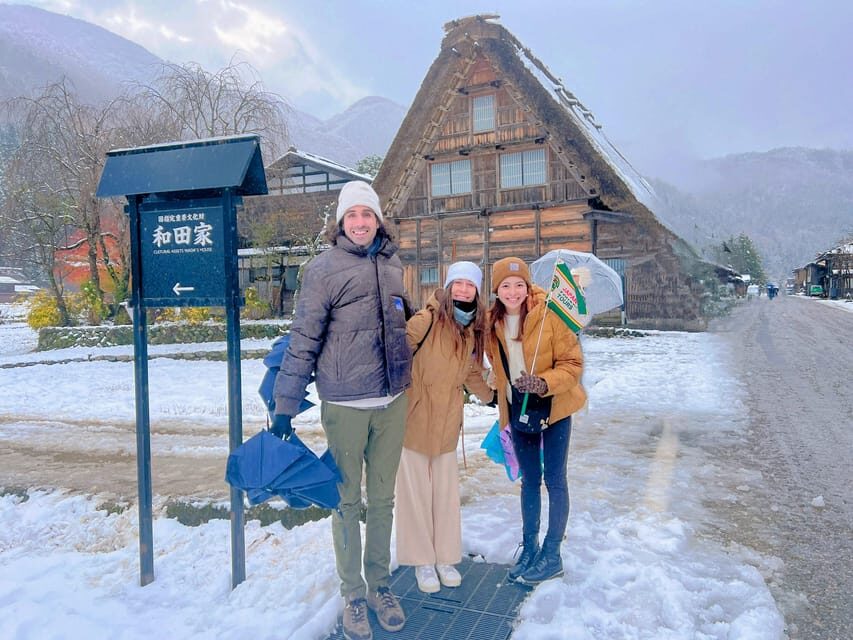
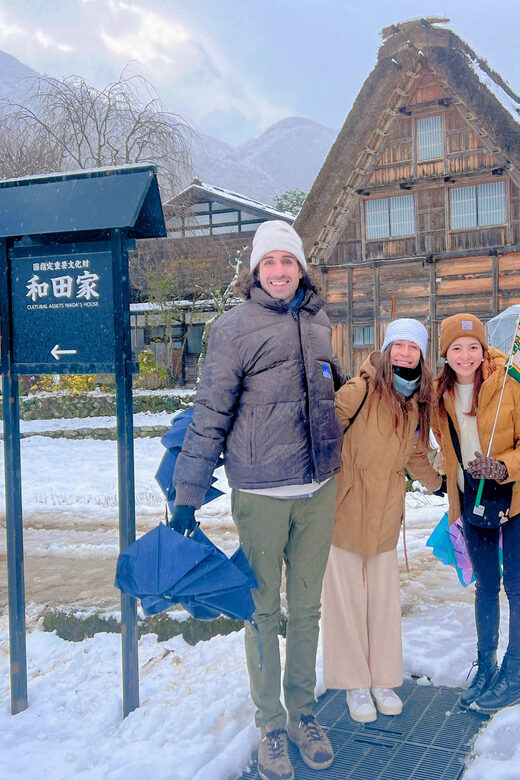
Winter can be magical. Several people reported snow in Shirakawa-go during their visit, and that turns the village into something very close to a winter postcard—without changing the fact that you still get real time to walk.

Lunch in Shirakawa-go: plan it loosely, not tightly
Lunch is not included, so you eat on your own in Shirakawa-go. That’s usually the right call here because it gives you freedom to choose what you want without losing time to a group lunch lineup.
You also have chances to try local specialties. The tour description points out things like Hida beef and Doburoku ice cream, and I’d treat those as your “search for these” items. One review favorite was a local pudding—if you see it offered, it’s worth a try because it’s exactly the kind of regional snack that’s hard to find back home.
Kenrokuen Garden: learning the design so it actually clicks
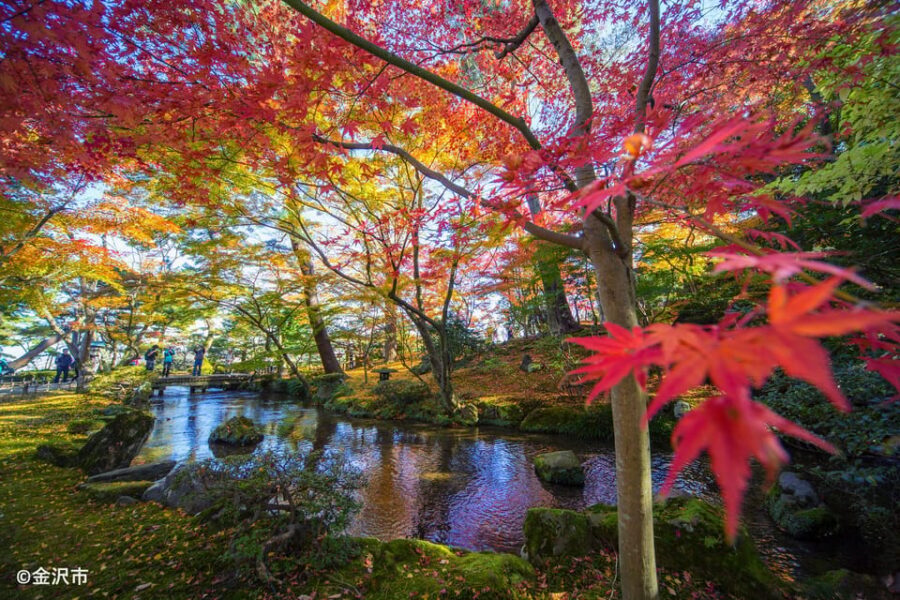
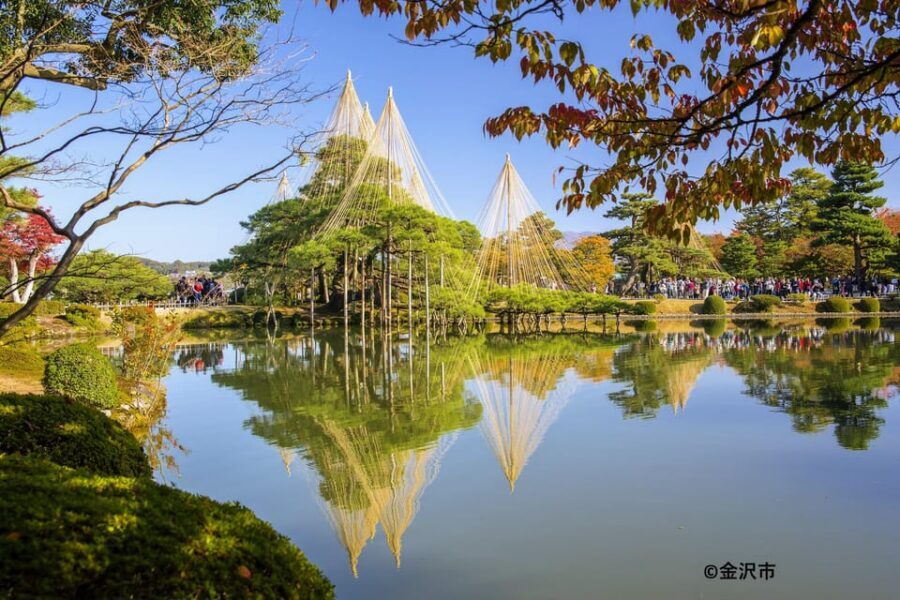
After Shirakawa-go, you head back to Kanazawa for Kenrokuen Garden (one hour). Kenrokuen is one of Japan’s three most beautiful gardens, and the guided part helps you understand why the garden works.
You’ll learn a design idea behind the layout: the grounds are planned around many viewpoint types—water, trees, flowers, stones, bridges, teahouses, and hidden nooks. When someone explains that, the garden stops being random “pretty places” and becomes a series of planned discoveries.
The practical downside: one hour is not long
One hour goes quickly, especially if you want photos and want to sit for a moment. If you’re the type who wanders slowly, you’ll appreciate the guide’s directions, because they help you hit the main points without having to guess where the best views are.
Kanazawa Castle area: a short walk that grounds the day
The itinerary includes a walk around Kanazawa Castle after Kenrokuen. Even if you’re not spending hours reading every sign, it’s a good contrast to the garden: you get a quick sense of the city’s power and history after the calm of the grounds.
Don’t expect the castle walk to replace a dedicated castle visit. Think of it as a brief reset point before your craft and entertainment-area time in the afternoon.
Wagashi making or Daruma painting: the hands-on part you’ll talk about later
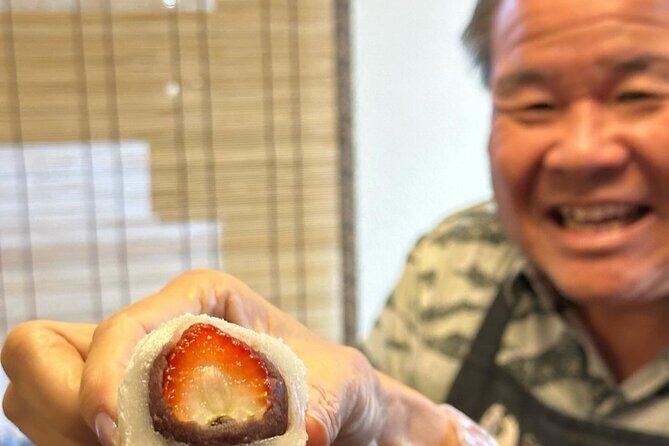
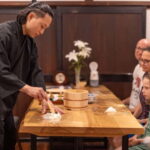
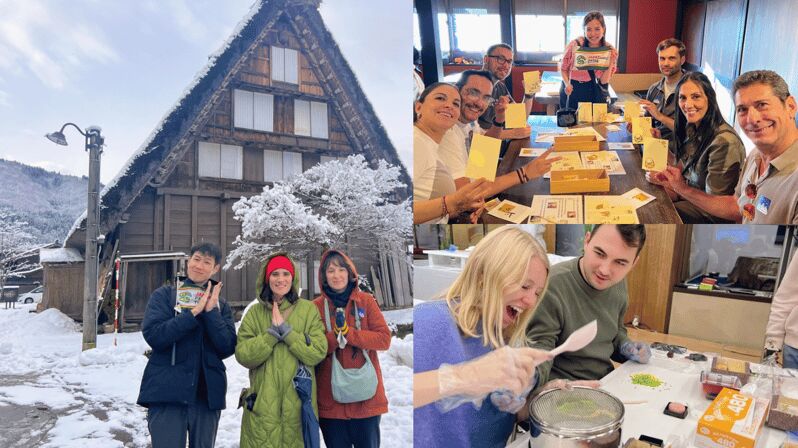
Back in Kanazawa, you get a craft workshop (about 50 minutes at the shopping/workshop stop). The included activity is Japanese sweets making, wagashi, or—depending on the craftsman’s schedule—a Daruma doll painting option.
This is one of the best parts of the day because it forces you to slow down. You don’t just look at tradition; you participate in it, even if your results are imperfect. That’s the whole point: you’re learning a process, not chasing perfection.
A teacher-style guide makes it fun
Some guides bring a lively teaching energy. For example, one guide described in feedback as a former high-school teacher (Yosushi) kept the mood upbeat and the facts clear. I’d expect that kind of energy to be useful during a craft activity, because it turns rules and steps into something you can follow without stress.
Don’t overthink whether you’re artistic
You don’t need art training. Reviews included people who enjoyed Daruma painting even if they usually avoid artsy activities. If you end up with wagashi, you’ll also get the bonus of taking your sweets home as a souvenir.
Gold leaf experience in Kanazawa: what to order, what to make, and what to notice
Kanazawa is known for gold leaf production (the tour notes that Kanazawa produces 99% of the gold leaves in Japan). The gold leaf craft fee is included, and the experience is designed so you understand the material’s role before you try it as a treat.
You may also notice the tour encourages gold leaf food options like gold leaf ice cream. One practical tip: if gold leaf ice cream is offered during your free time, treat it like a tasting. It’s fun, but it also helps you understand why the city’s craft matters.
Another angle in the day is souvenir-making. The tour information mentions you can create a unique postcard by pasting gold leaf. That’s a clever souvenir because it’s made from the local specialty, not just a mass-produced magnet.
Higashi Chaya District: geisha district strolling with a craft afterglow
The final sightseeing stop is Higashi Chaya District. You’ll visit for about 30 minutes and then have a 30-minute workshop time there.
This area is historically tied to geisha entertainment, and it has that preserved-wood-street feel that’s hard to recreate elsewhere. Even without a show, the district vibe gives context for why craft and performance arts belong in the same city.
If you love atmosphere, don’t rush this section. It’s your wind-down moment, and it’s where you can blend what you learned about tradition with what you’re seeing in the street layout and teahouse-style architecture.
Food and shopping: what you get and how to use it
You’ll have some time for shopping in Kanazawa, plus your craft workshop sessions. Lunch is on your own, and additional food and drinks aren’t included in the price.
Here’s how I’d handle the eating plan so you don’t feel rushed:
- Eat a normal lunch when you want, then save room for snacks like Doburoku ice cream if it’s available
- If gold leaf ice cream is offered later, treat it like dessert rather than a full meal
- If you spot a local specialty you can only get in the area, grab a small portion and move on
This tour is more about experiences than about food calories.
Timing reality check: the “not too fast” fast day
The tour runs 9 hours from departure to return. The key blocks are:
- Coach to Shirakawa-go, then about 2.33 hours in the village
- Kenrokuen Garden for 1 hour
- Castle area walk
- Craft and shopping blocks totaling around the afternoon
- Higashi Chaya District visit and workshop time
A few people pointed out that Shirakawa-go feels best when you arrive early, then you get time to explore without feeling like a nonstop parade. That lines up with the structure here: early departure from Kanazawa, long enough walking time in the village, then a guided garden that helps you use your limited time well.
What to bring
Bring comfortable shoes. If you’ve ever done a Japanese walking-heavy itinerary, you already know why: stone paths, uneven ground, and lots of time on your feet.
Pets are not allowed, so plan accordingly if you’re traveling with a non-service animal.
A special date note
On December 24th, the tour pattern changes: Shirakawa-go is visited, but the day ends at Kenrokuen (morning tour). If you’re traveling then, it’s worth double-checking what you’re booked into so you’re not surprised by the altered order.
Price and value: is $116 a good deal?
At $116 per person for a 9-hour guided day, you’re paying for three things you’d otherwise have to piece together: transportation, a real guide, and admission plus craft fees.
What makes the value feel fair:
- Kenrokuen Garden admission is included
- The craft cost is included: wagashi making or Daruma painting
- The gold leaf craft fee is included
- You’re also getting guide time and multilingual audio support, which matters when you’re trying to understand what you’re seeing
If you DIY, you might spend similar money on transit plus garden entry plus a workshop plus a driver or guided alternatives. The savings usually come down to how willing you are to plan and manage timing. If you want the day to be “arrive, walk, make things, go,” this price reflects that convenience.
Who this tour is for (and who might prefer solo plans)
This is for you if:
- You have limited time in the Kanazawa area and want Shirakawa-go without logistics stress
- You like guided interpretation, especially for Kenrokuen Garden design
- You want hands-on cultural activities, not only photos
- You appreciate craftsmanship and local specialties like gold leaf
You might consider a different approach if:
- You hate scheduled days with fixed return times
- You prefer ultra-slow travel where you build your own pace hour by hour
- You’re only interested in scenery and don’t care about craft workshops
For most people visiting Kanazawa, this gives you a lot of grounded cultural context in one push.
Should you book this tour?
My take: book it if you want an organized, culturally focused day that hits the biggest “why” behind the sights. The strongest reason to choose it is the hands-on craft time paired with guided walking, especially the Shirakawa-go UNESCO experience plus Kenrokuen Garden design guidance.
If you’re deciding between this and a DIY day, think about what you’ll likely do on your own. You can absolutely reach Shirakawa-go and walk around. But the guide narration, the garden viewpoint coaching, and the included craft fees remove the most time-wasting parts of independent planning.
If your trip only allows one day outside Kanazawa, this is a solid way to make that day count.
FAQ
How long is the tour?
The full-day tour lasts about 9 hours.
Where do I meet the guide?
You meet at Kanazawa Station West Plaza – Short-term Car Park. Check-in is at 7:50 AM and departure is at 8:00 AM.
What is included for Shirakawa-go?
You’ll have a photo stop plus time to visit Shirakawa-go with your guide (about 2.33 hours).
What craft experiences are included in Kanazawa?
The workshop is Japanese sweets making (wagashi) or painting of Daruma dolls, depending on the craftsman schedule. You also get a gold leaf craft experience.
Is lunch included?
No. Lunch and additional food and drinks are not included.
What languages are available for audio guidance?
Audio headsets are included for Spanish, French, Italian, German, Portuguese, and Ukrainian.
Is transportation provided?
Yes. The tour includes an air-conditioned coach and free Wi‑Fi on board.