REVIEW · TOKYO
Tokyo Sumo Morning Training/ Sumo Practice with Wrestlers
Book on Viator →Operated by Japan Wonder Travel · Bookable on Viator
Sumo practice feels like science class. This Tokyo morning tour is about seeing the training area up close—not just the sport on TV. You meet your guide, get a primer on what you’re about to witness, and then head into the stable to watch the routine, ask questions, and end with a photo moment.
My second favorite part is the guided learning. The explanations (including English support via headset on at least some dates) help you understand what you’re looking at, why the wrestlers do things a certain way, and how the day-to-day rhythm works in a stable.
The main drawback is simple: this is not a comfy sit-and-then-leave experience. It can be chilly, you may sit on the floor, and the training schedule can vary—so the exact lineup you hope for (like a yokozuna) might not be there.
Key things to know before you go
- Up-close stable access where you watch practice in the same space as the wrestlers
- Guide-led learning so you aren’t stuck guessing what’s happening
- Quiet, respectful viewing rules (no flash, no video, no interrupting)
- Photo with a sumo wrestler included, plus time afterward when allowed
- Small group size (maximum 25) for a more controlled experience
- Women can attend, but dohyō access has cultural limits and designated seating is used
In This Review
- What You’re Really Getting at a Tokyo Sumo Stable Morning
- Meeting Point and Timing: How to Avoid the Most Common Mistake
- Stop 1 in Tokyo: Briefing, Etiquette, and Heading to the Stable
- Inside the Stable: Watching Sumo Practice Up Close (Quietly)
- Q&A With the Guide: The Part That Turns Viewing Into Learning
- The Photo Moment and What Usually Happens After Practice
- Price and Value: Is $99.10 Worth It for a One-Hour Stable Visit?
- Clothing, Shoes, Seating, and Chilly Tokyo Reality
- Women’s Access: What You Can Do at the Stable
- Potential Trade-Offs: Sumo Schedules Don’t Run Like a Show
- Who This Tour Suits Best (and Who Should Rethink It)
- Should You Book This Tokyo Sumo Practice Tour?
- FAQ
- How long does the sumo practice tour last?
- Where is the meeting point?
- Can I take videos or use my phone camera?
- Are women allowed to join?
- What should I wear, and do I need to remove shoes?
- Is eating allowed during the tour?
What You’re Really Getting at a Tokyo Sumo Stable Morning
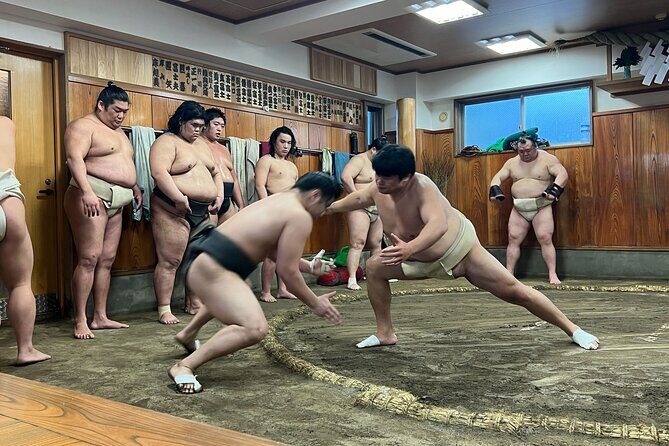
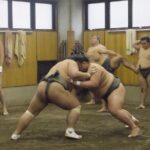
This is one of those Tokyo experiences that’s easy to romanticize—until you see it in real life. Sumo isn’t only dramatic throws and loud crowds. At a stable, it’s repetition, discipline, and routine. That’s what you’ll watch here: a training session in a real practice space, not a staged show.
The value comes from access and context. You’re not just passively staring at wrestlers from far away. You get a guide who keeps you pointed in the right direction, explains what’s going on, and sets expectations so you know how to act when you’re that close to the action.
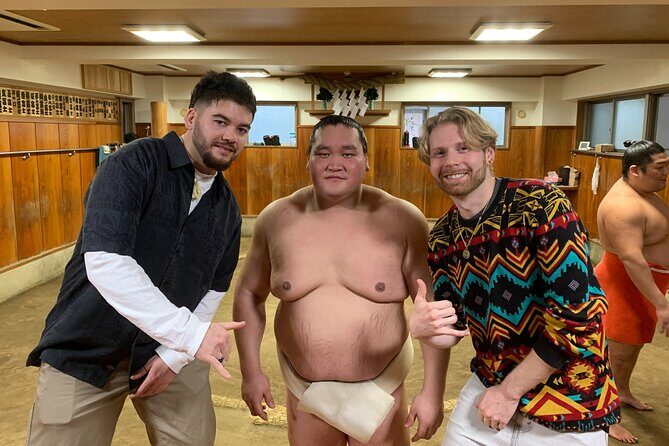
And yes, you’ll get a photo with a sumo wrestler as part of the experience. That small “remember my trip” piece matters more than people think. It turns the memory from fuzzy admiration into something you can actually keep.
Meeting Point and Timing: How to Avoid the Most Common Mistake
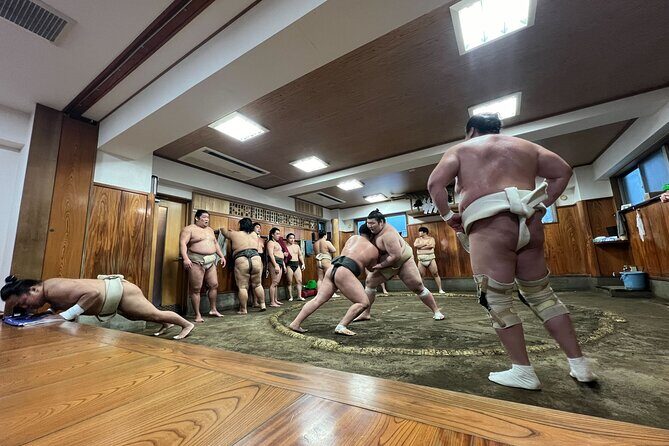
You meet at 1-chōme-2-8 Chitose, Sumida City, Tokyo 130-0025, Japan. The good news: it’s near public transportation, so you’re not stuck planning a complicated taxi route.
Here’s the timing reality: the exact location and time of the morning practice can shift by date. After booking, you’ll receive the specific meeting details. If you don’t get that message, contact Japan Wonder Travel. I treat this as a must-do step, not optional. With tours like this, you don’t want to show up at the right address at the wrong time.
Also, build in a little buffer. If you arrive late or miss the meeting point without checking messages, you can’t re-enter once you’ve left the stable. That “once it starts, it starts” rule is part of the reason this tour runs with tight etiquette.
A few more Tokyo tours and experiences worth a look


Stop 1 in Tokyo: Briefing, Etiquette, and Heading to the Stable
Before the stable doors open, you’ll meet your guide and get an explanation about sumo. This portion is short—think about 5 minutes—but it’s designed to help you watch better.
That matters because sumo practice has its own pace. If you know what the wrestlers are doing and why, you’ll catch more than the headline moments. Without that context, you might mostly see motion. With it, you start noticing the rhythm: how routines begin, how athletes reset, and how focus shows up in small actions.
Then you move to the stable. Entrance ticket to the area is free as part of the experience.
Inside the Stable: Watching Sumo Practice Up Close (Quietly)
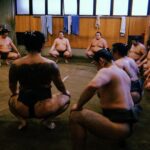
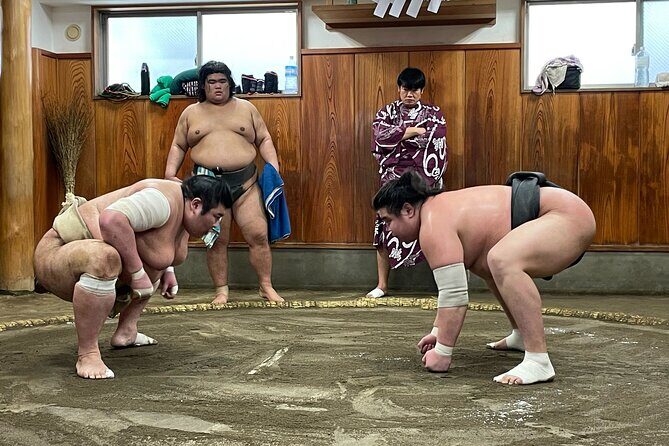
The main event is entering the stable and watching the daily routine. The rules here are strict, and that’s not bureaucratic busywork. It’s respect. You’re in someone’s workplace and training space, not a theme park.
Expect a mostly quiet viewing format:
- You watch the practice respectfully.
- You don’t stretch your legs toward the ring (showing soles is considered impolite).
- You avoid anything that could distract the wrestlers’ concentration.
- Cellphones are silent.
- Photos are allowed, but no flash and no shutter sounds, and no video.
One thing I like in particular: the structure makes it hard to get disruptive. Your group stays put, and the experience is designed around silent observation. Even when the sport is exciting, the atmosphere stays calm—because that’s how the stable works.
In terms of time, the practice portion is listed as about 55 minutes, but it can run a bit shorter or longer depending on that morning’s training content. Some experiences run longer in practice, so don’t be surprised if it feels like you’re there for more than one hour total.
Q&A With the Guide: The Part That Turns Viewing Into Learning
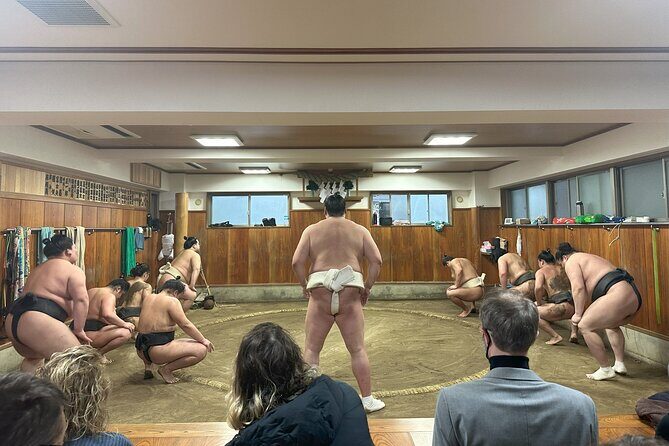
The tour isn’t only watch-and-hope. You can ask questions along the way, and the guide accompanies you throughout the experience.
If you care about understanding sumo beyond the basics, this is where the tour earns its keep. A few reviews point out that English commentary is delivered via headset on at least some dates, which is a big help when you’re inside a busy environment and people can’t hear a guide over distance.
You’ll learn enough to put meaning on what you see: how the wrestlers train, how the stable day flows, and what you should pay attention to while watching.
This is also the best time to ask etiquette questions. What’s okay? What isn’t? The answer is usually simple, but it’s easier when someone local tells you.
The Photo Moment and What Usually Happens After Practice
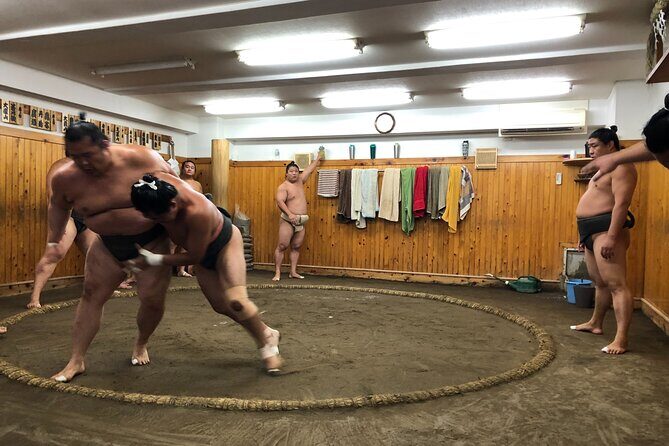
This experience includes a photo with a sumo wrestler. Reviews also describe that wrestlers may pose for photos afterward, and that time at the end is often a favorite part.
That matters because most visitors only see sumo at arm’s length. A photo moment turns the whole morning from observation into a human memory.
One caution: that photo moment is part of the tour flow. Once you leave the stable, you can’t re-enter. So keep your plans inside your brain, not in your pockets. Use the restroom before you arrive at the meeting point, because you won’t be able to wander out and back during practice.






Price and Value: Is $99.10 Worth It for a One-Hour Stable Visit?
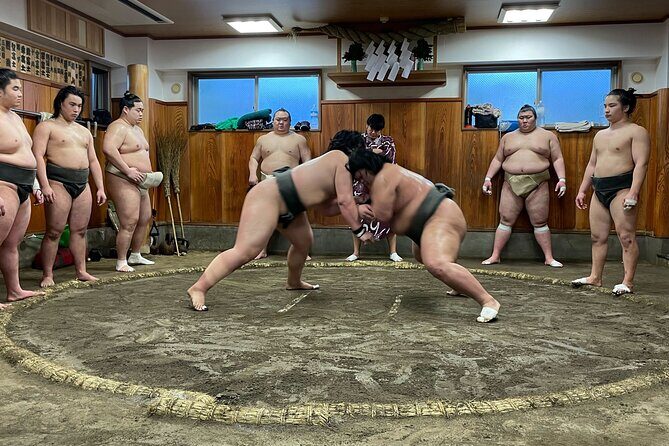
At $99.10 per person, this isn’t a bargain. You’re paying for access: entry into a sumo stable practice area, guided explanations, and a photo with a wrestler.
So the real value question is: do you want an experience centered on training observation and learning, or do you want guaranteed nonstop action?
Here’s the honest take based on patterns from the experience details and feedback:
- If you’re a sumo fan who wants to see how wrestlers train and learn the rules behind what you watch, this price is easier to justify. The guide work and close access are the core value.
- If you expect lots of staged “wrestling for tourists” moments, you might feel disappointed. Some people have said the amount of action can feel limited.
Also remember the schedule variability. Some days may feature different ranks or different performers based on what the stable is doing that morning. One reason the tour is priced like this is that the best-case scenario can be very special—but it’s still a real training session, not a scripted performance.
Clothing, Shoes, Seating, and Chilly Tokyo Reality
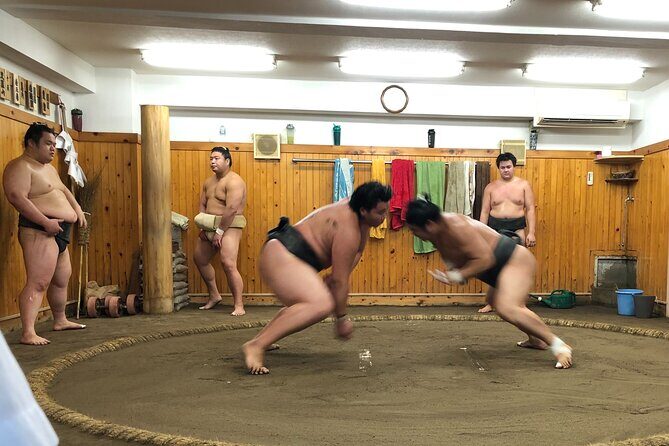
Come in comfortable clothes. This is practical advice, not style advice. You may need to sit on the floor if chairs aren’t available, and the stable can be chilly even after you’re inside.
A cold-weather warning is real. One experience was in December rain, and people had to wait outside in bad weather before entering the stable. That’s not the tour’s fault—morning practices happen in the real world—but it means you should dress like you’re going to be standing around.
A few rules to keep in mind:
- Eating isn’t allowed inside the stable. Water and sports drinks are allowed.
- If you’re a man, you must remove your shoes before stepping onto the dohyo.
- Phones must be on silent.
- Don’t stretch your legs toward the ring.
If you do these things, you’ll blend in. And when you blend in, you get more from the experience because you’re not fighting distractions.
Women’s Access: What You Can Do at the Stable
Women are welcome to join the tour. The cultural limit is about dohyō access: women are not permitted to enter the dohyō (sumo ring) at this facility. Instead, women can fully participate from designated seating areas.
So if you’re bringing a group, plan around that. It’s not about whether you can watch—you can. It’s about how close you can get to the ring itself.
Potential Trade-Offs: Sumo Schedules Don’t Run Like a Show
Two realities can affect your day.
First, the stable’s morning schedule may vary depending on the day, and practices can end earlier than expected, especially when a grand tournament is coming up. That means you might get less time than you first pictured, or you might see a slightly different set of activities.
Second, this stable is said to be the one where a yokozuna trains, but it’s not guaranteed who you’ll actually see. The tour notes that it’s unknown on the morning of the experience whether the yokozuna will be there.
And then there’s the human element: some reviews have criticized the experience as not matching their idea of authenticity or action volume. That usually points to mismatched expectations: this is structured viewing and learning, not a sure thing for high-profile wrestler sightings or constant “wow” moments.
If you go in expecting a real training morning with strict etiquette, you’ll likely enjoy it more.
Who This Tour Suits Best (and Who Should Rethink It)
This fits best if:
- You want up-close access to a real stable training session in Tokyo.
- You enjoy learning sports through explanations, not only by watching.
- You like respectful cultural experiences with clear rules.
- You’re happy to sit, watch, and absorb.
You might rethink booking if:
- You’re only interested in tournament bouts or big, flashy moments.
- You want guaranteed participation inside the ring for everyone. (Women have ring limits here.)
- You’re hoping for a long, nonstop “hands-on” experience. Some days may include more interaction, but the core is watching and learning.
Should You Book This Tokyo Sumo Practice Tour?
I’d book it if your goal is to witness sumo training the way it actually happens—quiet, focused, and rooted in routine—while having a guide explain what you’re seeing. The small group size, the photo with a wrestler, and the access to the stable practice space make the morning feel like a real Tokyo insider experience, not a standard sightseeing stop.
But I’d also go in with the right expectations. This isn’t a guaranteed lineup of headline wrestlers every day, and the schedule can shift. Dress for the cold, follow the etiquette, and keep your phone silent. Do that, and you’ll walk away with a strong story—and a picture to match.
FAQ
How long does the sumo practice tour last?
The experience is listed at about 1 hour total. The stable viewing portion is about 55 minutes, but the practice can run shorter or longer depending on the day’s training content.
Where is the meeting point?
You meet at 1-chōme-2-8 Chitose, Sumida City, Tokyo 130-0025, Japan. The exact meeting time can vary by tour date, and you’ll receive details after booking.
Can I take videos or use my phone camera?
Photos are allowed, but no flash and no shutter sounds. Videos are not allowed.
Are women allowed to join?
Yes. Women can participate from designated seating areas, but women are not permitted to enter the dohyō (sumo ring).
What should I wear, and do I need to remove shoes?
Wear comfortable clothes. Men must remove their shoes before stepping onto the dohyo (sumo ring). Some areas may not have chairs, so be ready to sit on the floor.
Is eating allowed during the tour?
Eating is not allowed inside the stable. Water and sports drinks are allowed.