REVIEW · TOKYO
Tokyo Sumo Morning Practice Tour at Stable
Book on Viator →Operated by Japan Wonder Travel · Bookable on Viator
Sumo gets real early, and this tour starts right on time. You’ll watch wrestlers go through their daily training inside an actual sumo stable, then hear how the rituals connect to Shinto roots and how the sport’s major tournaments work. What I really like: the experience feels non-touristy and you get very close views without the staged feel. The main thing to consider is the setup: depending on where you sit, visibility and the headset audio can vary.
Here’s the practical promise: you’ll meet in Ryogoku, enter a stable, and spend about 90 minutes quietly watching practice while your guide explains what you’re seeing. I also like the small-group size (max 20), because it keeps the atmosphere calm and respectful—exactly how sumo culture likes it. Just be ready for a very early start, a no-flash/no-video environment, and rules that keep you from accidentally stepping on anything sacred.
In This Review
- Key Highlights You’ll Care About
- Sumo Morning Practice at a Tokyo Stable: Why This Feels Authentic
- Ryogoku Station Meeting Point and the 7:45am Start
- Entering the Stable: What the 90 Minutes of Practice Look Like
- The Guide’s Role: Getting Sumo Without Needing Prior Knowledge
- Sumo Traditions You’ll Hear About: Shinto Roots and the Six Grand Tournaments
- Stop 1 at Ryogoku Station Gallery: A Short Brief That Pays Off
- Stop 2: Ryogoku Stable Viewing and the Rules That Keep Things Respectful
- Price and Value: What $83.57 Gets You (and When It Might Feel Tight)
- Best For Who: The Right Audience for This Kind of Sumo Tour
- Should You Book This Tokyo Sumo Morning Practice Tour?
- FAQ
- What time does the tour meet in Ryogoku?
- How long is the sumo morning practice tour?
- Is there a minimum age requirement?
- Can I take photos or videos during the practice?
- Is there food or drink allowed in the stable?
- Do I need to stay silent and follow rules about the ring area?
- What’s the group size limit?
Key Highlights You’ll Care About
- Small group, up-close viewing inside a real stable (max 20 travelers)
- Morning practice first, not a tournament show: you see constant training action
- Guide narration + headset style explanation, with English commentary most of the time
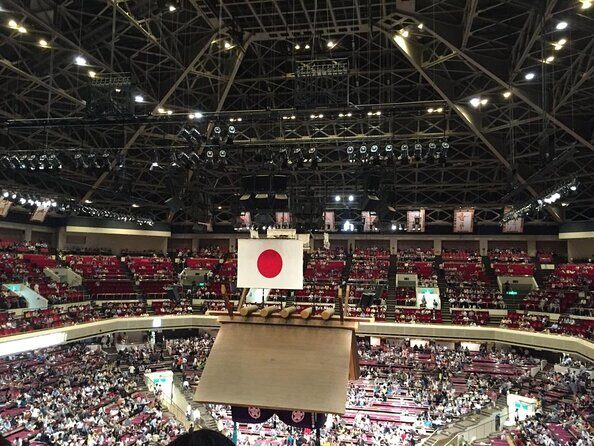
- Clear sumo context: Shinto ties, rankings, and the six 15-day grand tournaments
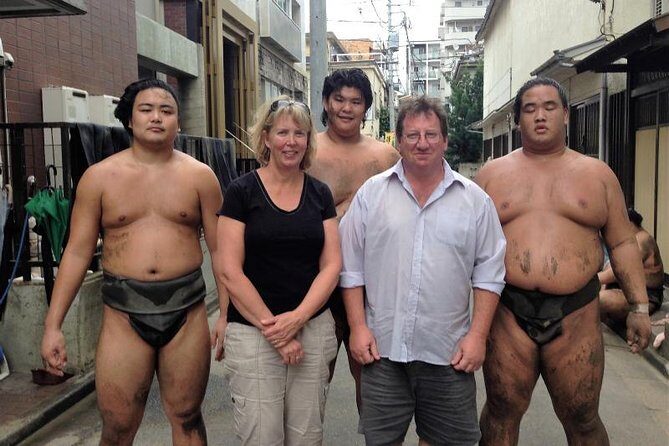
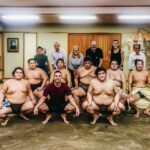
- Photo moment at the end (many groups report a short chance to take pictures with wrestlers)
- Firm stable etiquette: silent viewing, no stepping into the ring, no flash, no videos
Sumo Morning Practice at a Tokyo Stable: Why This Feels Authentic
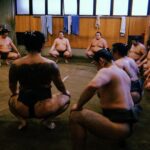
The best part of this tour is simple: you’re not just watching famous moments. You’re watching the grind—wrestlers rehearse techniques, repeat drills, and spar as part of their everyday routine. That’s what makes sumo feel like a working sport here, not a performance.
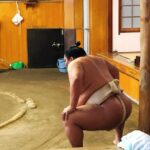
Inside the stable, the vibe is focused and quiet. You’ll be seated on the ground area near the action, then guided through what matters: why certain movements matter, how practice fits into tournament cycles, and what the traditions mean. Multiple guide names show up in feedback—Seiji, Yumi, Cameo, Noriko, and Nobu—so the common thread is clear: the narration is a big part of making sense of what you’re seeing.
The other “real” element is respect. You’ll follow rules like staying seated, watching silently, and not stepping into the ring space. That may sound strict, but it’s part of why this doesn’t feel like a theme-park stunt.
A few more Tokyo tours and experiences worth a look


Ryogoku Station Meeting Point and the 7:45am Start
Your morning begins with a guide meeting point near Ryogoku Station. The specific meeting time is 7:45am at the nearby train station area (Stop 1 is listed as Ryogoku Station Gallery). From there, you’ll head toward the stable—sometimes by train, depending on how that day’s stable location is set up.
This early start is a feature, not a bug. Morning practice is when you’ll see the most “work-focused” version of sumo, before the day gets loud and touristy. It also helps you catch the practice before it’s fully underway.
One practical note: plans can vary slightly by option, and your meeting location may differ from what you expect—so read the confirmation email carefully. Also, use the restroom before you arrive at the meeting point. Once you’re inside, you’ll be expected to stay put and avoid interruptions.
Entering the Stable: What the 90 Minutes of Practice Look Like
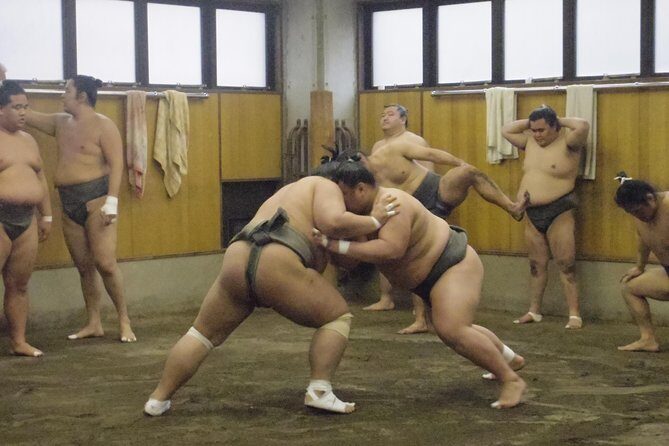
After you arrive, you’ll settle in and watch quietly. The tour is designed around a single long viewing window (about 1 hour 30 minutes), so you’re not bouncing between activities. Instead, you can focus on patterns: grappling exchanges, repeated practice, and the steady rhythm of training.
Views can be excellent, especially if you choose your spot well. One review advice tip was to get there early for better seating, since the front area can be reserved for sponsors and the like. Even so, the tour is built so most people can see the practice from their seats—you may just have a slightly different angle depending on where you land.
During the practice, you’ll notice something important: this is not just one big match. It’s many bursts of action and drill-style wrestling. That’s why people sometimes say it can feel more educational than a tournament. In a tournament, you see bouts shaped by ceremony and bracket timing. In practice, you see how the wrestlers actually build skill, refine control, and test reactions.
There’s also a possibility of an extended session if the stable’s situation changes. One report mentioned a sponsor visit that made the practice run extra long. That’s not guaranteed, but it’s the kind of “day-of” factor that can make the experience feel especially alive.
The Guide’s Role: Getting Sumo Without Needing Prior Knowledge
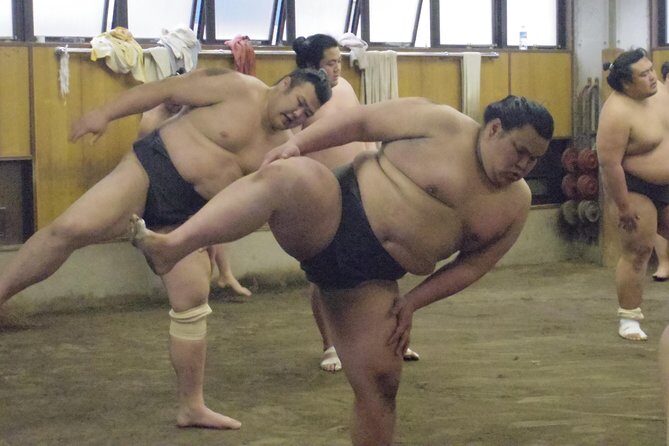
This tour is guided, and the guide’s job is basically translation plus context. You’ll get explanations before you watch, so the first minutes don’t feel like just people grappling in silence.
Your narration is often delivered through headsets. Several reviews praise the guides for being passionate and clear. Others note that the headset audio can be distracting or hard to hear, with comments about static. If you’re sensitive to poor audio, consider this your biggest “watch-out.”
Still, when it works well, the guide helps you connect what you see to the bigger structure of sumo. You’ll get explanations that cover tradition, tournament cycles, and what the various stages of practice are for. You also learn what to respect in the space—like why certain areas are off-limits and why you shouldn’t point your body toward the ring in an impolite way.
If you want the most out of the tour, here’s a simple move: listen for the guide’s “how to watch” tips early, then switch into pattern mode. Watch for repeated setups, how wrestlers position feet, and when practice turns into more intense exchanges.
Sumo Traditions You’ll Hear About: Shinto Roots and the Six Grand Tournaments
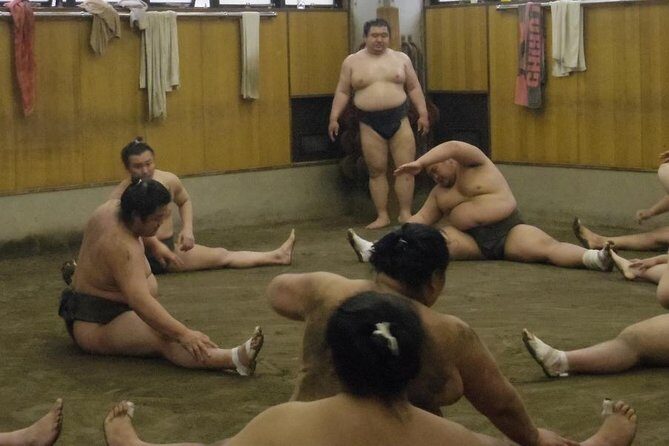
One of the reasons this works so well for first-timers is the foundation. You’ll learn sumo’s cultural origins tied to Shinto traditions. The tour description connects sumo to Shinto rituals and notes the origins stretch back at least 1500 years, with stable practice preserving parts of that tradition.
Then you’ll learn the tournament system in plain terms. Japan holds six annual grand tournaments. Each one runs for 15 days, and they’re typically hosted across major cities: Tokyo, Osaka, Nagoya, and Fukuoka. Tokyo hosts three of them, which is especially relevant because that’s where you are.
Why this matters: it turns random wrestling practice into a roadmap. Practice isn’t just physical; it’s preparation for an ordered competitive world. Once you understand that calendar, your brain starts filing what you see under future goals: sharpening technique for the next big event, building consistency across days, and working through matchups in a controlled environment.






Stop 1 at Ryogoku Station Gallery: A Short Brief That Pays Off
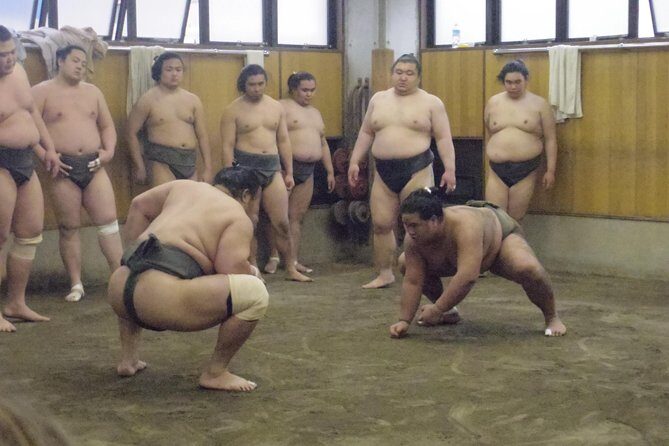
Stop 1 is short—about 15 minutes—and it’s basically the pre-game briefing. You’ll meet your guide at Ryogoku Station Gallery and get early context on what sumo is and why it looks the way it does.
You’ll also review the “big picture” before you enter the stable, including the tournament calendar and the cultural links the guide will keep referencing later during practice. This is useful because once you’re inside, you need focus. The more you understand early, the less you’ll need to guess.
Admission at Stop 1 is listed as free. Think of this as time set aside to help your eyes adjust before you’re faced with intense, fast action.
Stop 2: Ryogoku Stable Viewing and the Rules That Keep Things Respectful
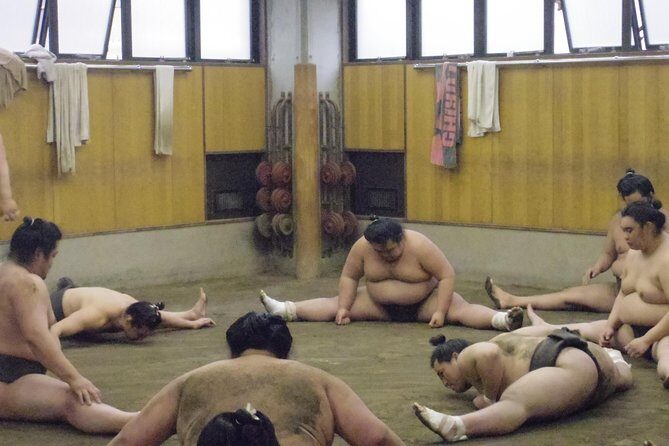
Stop 2 is the heart of the tour: watch quietly as the wrestlers go through their daily routine. You’ll stay until the end of practice. The guide will help you follow what’s happening, and at the end you’ll return to the train station and part ways.
Now, about the rules. This tour is built around etiquette, and the instructions are very specific:
- No flash and no shutter sounds during photos
- Videos are not allowed
- Cellphones must be on silent
- No eating and drinking in the stable, but during summer you may drink water and sports drinks
- Sunglasses and hats aren’t allowed inside the stable
- Don’t step down onto the ring or sandy ground area
- Don’t stretch your legs toward the ring (showing soles is considered impolite)
- Don’t ask wrestlers for a photo while practice is still going on
- Once you leave the stable, you can’t re-enter
- Stay seated and avoid interrupting the wrestlers’ concentration
If you’ve never done something like this in Japan, the biggest win is that it trains you into the right mindset. You’ll watch longer and understand more because you won’t be constantly second-guessing what you’re allowed to do.
Practical tip for Tokyo heat: the tour notes that in summer there’s no air conditioning. It’s smart to bring something cooling (like a cold towel or ice pack) even if you can drink water inside during the practice.
Price and Value: What $83.57 Gets You (and When It Might Feel Tight)
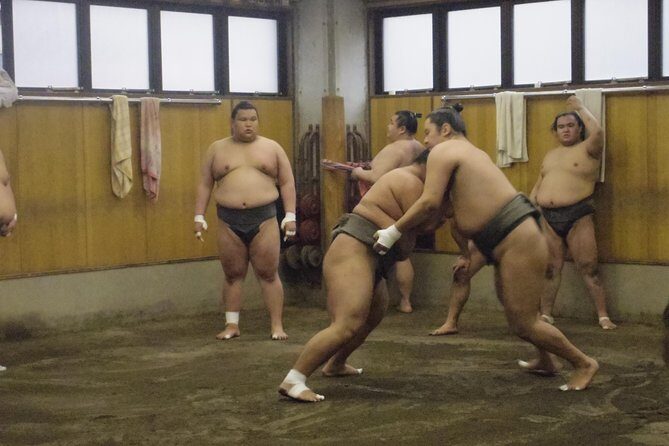
At about $83.57 per person for roughly 2 hours, you’re paying for access plus context. This isn’t a casual attraction. The value is the combination of:
1) entering a stable environment,
2) staying inside the practice window for about 90 minutes, and
3) having a guide explain what you’re seeing.
What makes it good value is the “real stable” feeling. Many reviews stress that it avoids the dinner-show vibe that can feel fake or overly produced. Here you’re watching training with a rules-based, respectful atmosphere. For first-time visitors, that context often matters more than chasing a ticket to a full tournament.
Where you might feel it’s less value is when audio doesn’t land. Some feedback mentions headsets being distracting or hard to hear. Also, photo time is described by some as short, and seating can affect your view. If you’re paying premium price, you’ll want everything to feel smooth—which is why the audio setup issue is the main value risk.
Still, the overall rating is high (4.8) with a strong recommendation rate (96%), which usually points to a consistent experience—just pay attention to your comfort with early mornings and headset commentary.
Best For Who: The Right Audience for This Kind of Sumo Tour
This tour fits you if:
- you’re new to sumo and want a guided way to understand it
- you like learning culture through real daily routines, not just landmarks
- you can handle a quiet, etiquette-heavy experience
- you want close training action without tournament ceremony
It may be less ideal if:
- you need lots of Q&A and interaction (some reviews wished for more)
- you’re very picky about audio clarity
- you want a longer event or more time for photos
- you struggle with early wake-ups
Age-wise, it lists a minimum age of 12 years old. Most travelers can participate, so it’s not limited to wrestling fans—just to people who can follow the stable rules and keep the group calm.
Should You Book This Tokyo Sumo Morning Practice Tour?
Yes, if you want the best kind of “first contact” with sumo: watching training up close in a real stable, with a guide that explains the Shinto roots and the six grand tournaments. The tour’s biggest strength is how it feels authentic and focused, not staged.
Before you book, think about two things: whether you’re okay with strict etiquette (silent viewing, no ring access, no videos) and whether you can tolerate headset-style commentary. If those sound fine, you’re likely to walk away with real respect for the discipline of sumo—and a much clearer idea of how tournaments fit into the wrestlers’ everyday work.
If you’re curious, get up early and go. This is one of those rare Tokyo experiences where the rules aren’t there to restrict you—they’re there to protect the moment.
FAQ
What time does the tour meet in Ryogoku?
You meet your guide at 7:45am at the nearby train station area (Ryogoku Station Gallery).
How long is the sumo morning practice tour?
It runs about 2 hours approximately, with about 15 minutes at Stop 1 and about 1 hour 30 minutes for the stable viewing.
Is there a minimum age requirement?
Yes. The minimum age is 12 years old. Kids 11 and under cannot enter the stable.
Can I take photos or videos during the practice?
Photos are allowed but only without flash or shutter sounds. Videos are not allowed.
Is there food or drink allowed in the stable?
Eating and drinking is not allowed. In summer, you’re allowed to drink water and sports drinks inside the stable.
Do I need to stay silent and follow rules about the ring area?
Yes. You must watch silently and respectfully, and you cannot step down onto the ring or sandy ground area.
What’s the group size limit?
The tour has a maximum of 20 travelers.