REVIEW · TOKYO
Japan Classic 10 Day – One Life Adventures
Book on Viator →Operated by One Life Adventures · Bookable on Viator
Japan can feel like two countries at once. That mix is exactly what makes this One Life Adventures Japan Classic 10 Day tour fun: you jump from Senso-ji in old Tokyo to neon street scenes in Shibuya, then swap in mountain air and quiet temple mornings. I especially like the hands-on rhythm here, from an actual sushi-making class to a kendo session in Kyoto that’s more than watching from a distance.
Two days later you’re already doing “Japan by senses”: markets, shrines, and food stops planned in a way that keeps you moving without feeling like you’re only collecting photos. My one real caution is the pace: this is an active, fast-paced, backpacking-style trip with lots of walking and train time, so your legs (and shoes) matter.
In This Review
- Key highlights you’ll feel right away
- A Tokyo-to-Osaka “greatest hits” trip with a backpacker pace
- Tokyo Days 1–3: from Senso-ji gates to Shibuya crossing
- Hakone Day 4: Romance Car, ropeway views, and Lake Ashi
- Hakone to Takayama: countryside trains, morning markets, and sake tasting
- Kyoto Days 6–8: Fushimi Inari early, Kiyomizu-dera, zen gardens, and kendo
- Arashiyama and Osaka Days 9–10: bamboo, monkeys, boat time, and Dotonbori
- How to prepare for Japan Classic’s walking pace and train rhythm
- Price and value for $6,629 in 10 days
- Final call: should you book this Japan Classic 10 Day tour?
- FAQ
- How long is the tour?
- Where does the tour start and end?
- What is the tour price?
- Is a mobile ticket included?
- What meals are included?
- What activities or classes are included?
- Is the tour fast-paced?
- What’s the group size?
- Are any admissions included or are all sights free?
- Is tipping included?
- Does the tour include help getting to the airport?
Key highlights you’ll feel right away
- Sushi-making class in Tokyo: you don’t just eat sushi, you roll and learn
- Early Kyoto starts: you’re timed for the red-gate climb before peak crowds
- Hakone mountain scenery with Lake Ashi: ropeway + cruise-style sightseeing
- Takayama morning market + sake tasting: classic countryside flavor, not just city sightseeing
- Arashiyama bamboo and boat time: scenery plus an included activity, not stand-and-gawk only
A Tokyo-to-Osaka “greatest hits” trip with a backpacker pace
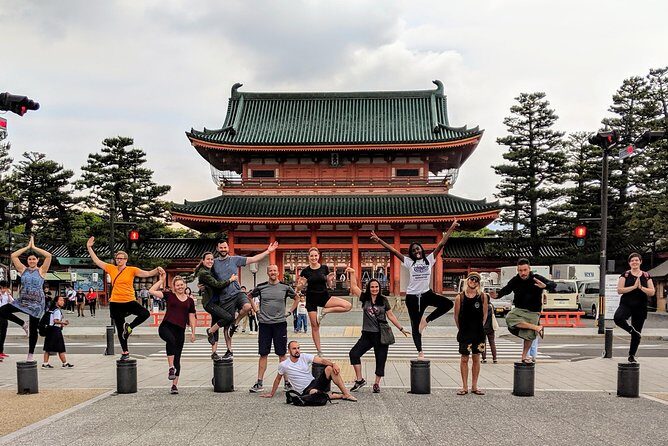
This tour is built like a sampler platter, but with real substance. You start in Tokyo and end in Osaka, and you move city-to-city using trains without long gaps where you wonder what to do. The itinerary leans heavily on iconic sights—Senso-ji, Fushimi Inari, Kiyomizu-dera, Golden Pavilion, Arashiyama—then adds a few calmer detours so it doesn’t feel like a checklist.
The schedule is also clear about who it’s for. You need moderate physical fitness, and you should expect days that combine walking + transit + a packed sightseeing block. If you like planning your own day, this won’t feel like that. If you like being guided and handled—group meals, tickets, and timing handled for you—this works well.
One more note that affects your comfort: meals are included (lunch plus several breakfasts and dinners). That matters in Japan because “What do we eat today?” can turn into real decision fatigue when you’re moving fast. Here, you’re usually not stuck hunting for something good at the exact moment you’re tired.
You can also read our reviews of more tours and experiences in Tokyo.



Tokyo Days 1–3: from Senso-ji gates to Shibuya crossing
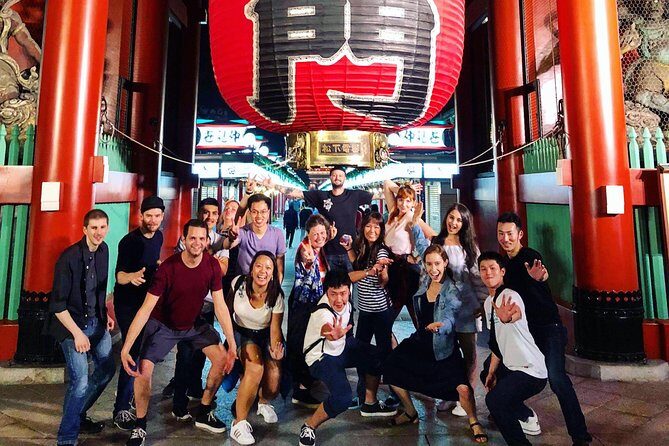
Your first day sets the tone fast: you meet the group over Japanese food, then head to Senso-ji Temple. It’s one of Tokyo’s most important temples, and going right away helps you get oriented. Even before you understand every sign or custom, you start noticing how daily life flows around the big landmarks.
Day two is where you build practical confidence. There’s an orientation class focused on simple Japanese customs and phrases, then you head out to neighborhoods that feel like different eras of Japan. Harajuku is the teen pop-culture playground, and it’s fun because it’s colorful and loud without trying to be “museum quiet.” From there, you switch gears to Meiji Jingu Shrine and the calmer green space around Yoyogi Park, which gives your day a needed reset.
Akihabara lands as your “tech and obsession” stop. If you’ve ever wondered why people travel for electronics and character culture, this is the place. You’ll spend time wandering and taking it in—neon, gadgets, odd niche stores—then later you can still process it because the day keeps moving rather than dumping everything at once.
By day three, Tokyo turns into food first, scenery second. You start at Tsukiji Fish Market, then move straight into a sushi-making class where guides teach you how to roll sushi and even how to fry teriyaki. That’s a smart inclusion for a tour like this: food lessons make the day feel earned, not just “watch-and-walk.”
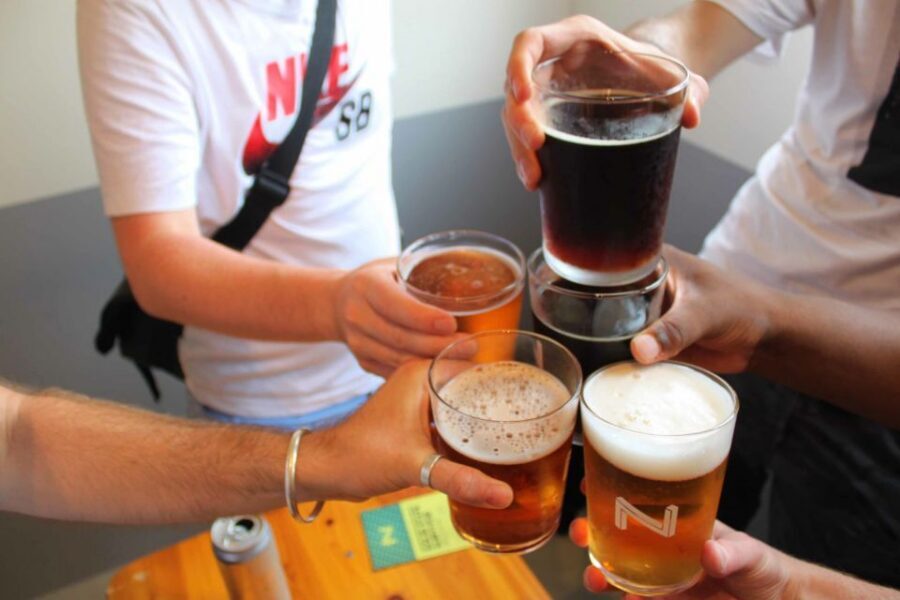
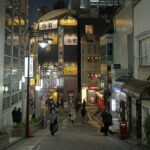
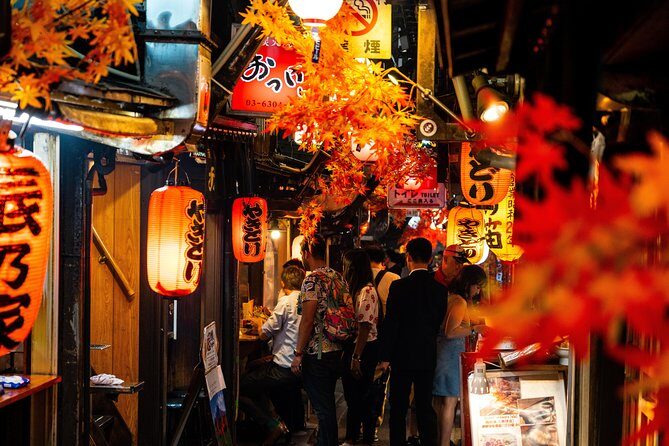
After lunch, you head to the Tokyo Metropolitan Government Building observation decks for a Shinjuku skyline view. It’s a classic because it’s practical: you get wide-city perspective without needing a long, complex plan. Then you go into Omoide Yokocho for yakitori and beer in that narrow alley atmosphere—Tokyo’s kind of chaos in a small space, with a nickname that hints at its rough-and-fun reputation.
You finish with Shibuya Crossing, the world-famous crossing that’s almost hypnotic when you watch how quickly everyone moves. It’s short, but it’s a perfect finale for Tokyo’s first stretch because it puts the “modern city” feeling into your body before you start heading for smaller towns.
Hakone Day 4: Romance Car, ropeway views, and Lake Ashi
Leaving Tokyo for Hakone is a relief for your senses. You take the Romance Car out—this is one of those scenic-feeling train transfers that makes the move feel like part of the trip, not a transfer penalty. Once there, you check into a mountain guesthouse area and spend time exploring nearby.
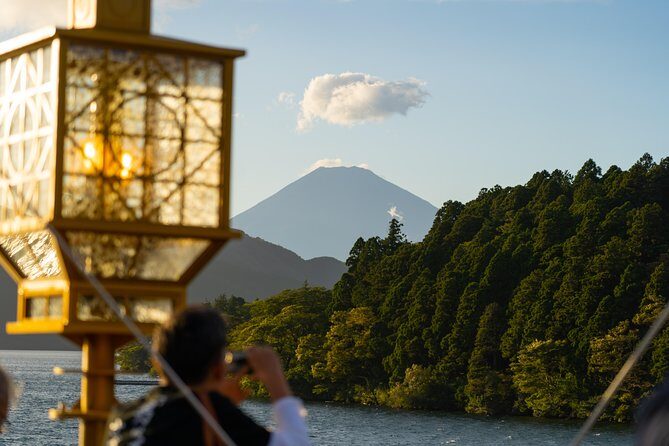
The big sightseeing hit here is the Hakone Ropeway, plus time around Lake Ashi. You disembark and then get on a pirate-ship-style boat to cross Lake Ashi. On a clear day, you can get an amazing view of Mt. Fuji. Even if the weather isn’t perfect, you still get water + mountain scenery, which changes the whole mood from Tokyo.
What I like about this day’s structure is the pacing: you’re not racing through ten locations. You’re focusing on a smaller set of iconic scenery points, and that lets you enjoy the “Japan outside the city” contrast. Dinner is also built in with a traditional nabe meal at the guesthouse, which is exactly the kind of comfort food that makes a cold mountain evening feel easy.
Hakone to Takayama: countryside trains, morning markets, and sake tasting
After Hakone, the tour shifts from mountains-in-your-face to countryside travel. You take a bullet train toward Nagoya, then a scenic train past mountains toward a UNESCO World Heritage area (the route is described as passing through stunning mountainous scenery). The point isn’t just transit—it’s how the view changes as you leave Tokyo behind.
Your next base is Takayama, an old town vibe that feels more human-sized. One standout here is the Harada Sake Brewery visit and tasting. If you like food tourism, this is a strong moment because sake tasting gives you a story you can remember later, not just a souvenir. The stop also mentions the chance to try Hida beef if you want to splurge a bit.
Another day-and-time highlight is the morning market walk along the Miyagawa River at Hida-Takayama Miyagawa Morning Market. Markets in Japan have a different energy in the morning—vendors are ready, food looks fresh, and the streets feel lived-in rather than staged. It’s the kind of activity that rewards walking even when you’re tired, because there’s always something small to notice.
Then you head toward Kyoto by train—back through Nagoya and on to Kyoto—and the itinerary explicitly brings you into Gion in the evening. That’s a smart choice because Gion’s atmosphere shifts between day and night, and an evening arrival often feels more atmospheric than a midday “quick drive-by.”
Kyoto Days 6–8: Fushimi Inari early, Kiyomizu-dera, zen gardens, and kendo
Kyoto is where this tour shows it understands timing. You rise early for Fushimi Inari-taisha Shrine and take the subway to arrive before the biggest crowds. The payoff is walking through corridors of red gates with space to slow down and actually look up. If you’ve ever felt like you’re only taking photos at famous temples, this early start helps you do more than that.
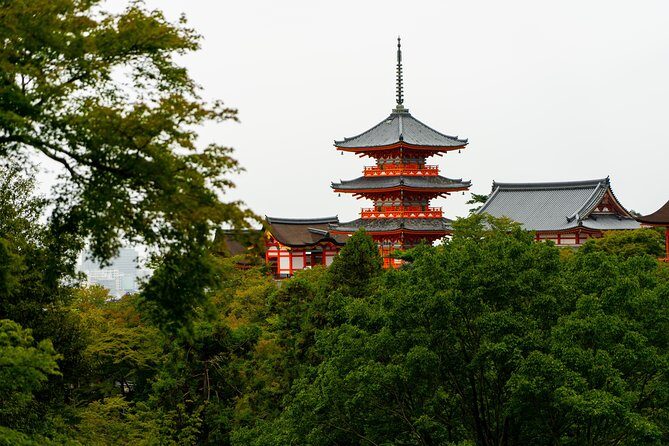
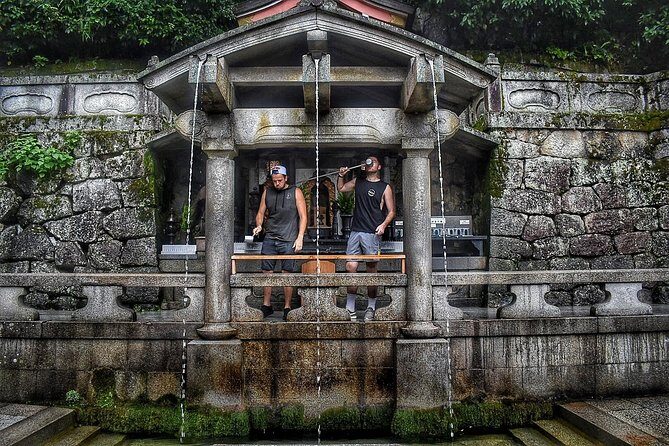
Then you shift to Kiyomizu-dera Temple, one of Japan’s most famous temple complexes with a dramatic hillside presence. Expect an iconic Kyoto layout—paths that lead you upward, wooden and bamboo structures, and that slightly winding feeling as you move between viewpoints. It’s the kind of stop where you can spend time just orienting yourself to the hill.
You also get meals covered, and you return to eat breakfast after certain segments—this is practical because Kyoto days can drain you if you’re trying to manage hunger on your own while walking between temples.
Day eight is a Kyoto “variety pack” that goes beyond the top photo spots. You start at Kinkakuji Temple, the Golden Pavilion, where the reflection on surrounding water can be a real visual bonus. After that, you visit Daitoku-ji, specifically described as a quieter complex where you can see a zen garden. This is a key contrast day: you move from glossy gold imagery into calmer, more contemplative spaces.
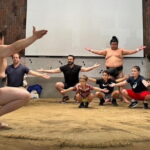
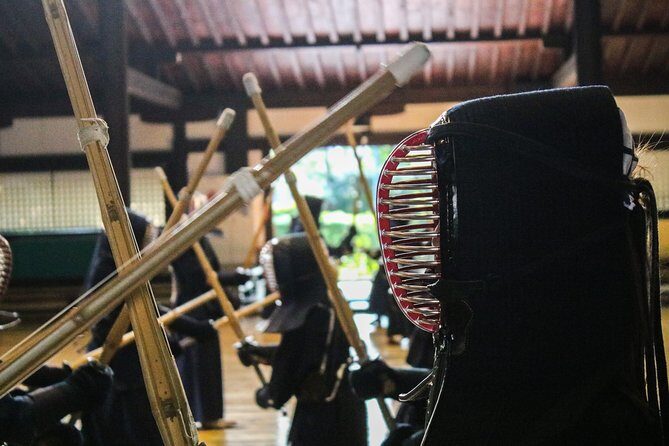
Then comes the activity that makes the Kyoto stretch feel alive rather than just scenic: Kyoto Budo Center for a kendo class. The instructor is described as a Bushido teacher and a descendant of a Japanese samurai warrior. Even if you’ve never tried martial arts, you get instruction in a dojo setting, which makes it physical and memorable in a way temples don’t always do. It’s also a good way to reset your brain—after hours of walking in crowds and quiet courtyards, you end the day doing something hands-on.




Arashiyama and Osaka Days 9–10: bamboo, monkeys, boat time, and Dotonbori
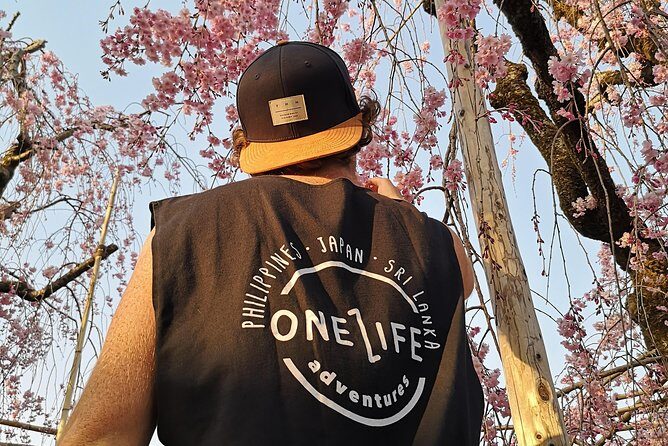
Day nine starts with a crowd-smart approach in Arashiyama. You head early to beat peak numbers, then walk through areas like the bamboo forest street. It’s famous for a reason, but the early start matters because you’re more likely to feel the atmosphere instead of just weaving through groups.
Next is Monkey Park Iwatayama, which means steps and effort. The reward is seeing Japanese macaques in their natural setting, with views from higher up that feel like a payoff for the climb.
Then you get a true activity: a private row boat ride exploring Arashiyama valleys in a more traditional way. This is the kind of included experience that turns sightseeing into something you did, not just something you saw.
From there, you go to Osaka, check in, and head out to Dotonbori Tsuribori for a food tour vibe—lights, colors, and lots of energy. It’s called the kitchen of Japan in the tour description, and even if you don’t care about the marketing label, the area’s focus on food and late-night atmosphere is real.
You finish the Osaka portion with karaoke at night. That’s not for everyone, but it’s a fun way to close a trip where you’ve been moving hard all week. It also helps group members bond because karaoke breaks the “just nod and walk” rhythm.
On day ten, you say goodbye to the group in Osaka. You’ll get support for leaving, with extremely detailed instructions on reaching the airport, plus an option to arrange bullet trains back to Tokyo at extra cost if you want.
How to prepare for Japan Classic’s walking pace and train rhythm
Let’s be honest: this is not a slow, lounge-around Japan tour. It’s active and fast-paced, with lots of walking and multiple transit days. Your best prep is physical: bring comfortable walking shoes you’ve used before, not new ones you hope will break in by day three.
Also plan your energy around the schedule. When you’re doing shrine-to-temple walking blocks, you’ll feel it in your calves. When you’re doing train transfers plus sightseeing, you’ll want an early night when the day ends—especially after nightlife-style segments like Dotonbori and karaoke.
The good news is that the tour includes meals (lunch, plus multiple breakfasts and dinners). That removes one of the biggest sources of exhaustion on self-guided trips. You’re still walking a lot, but you’re not spending half your day scanning menus and searching for something that works with your energy level.
Finally, the tour has a maximum group size of 22. That’s small enough for people to feel like a group, big enough to keep energy up, and it usually makes meeting points and movement smoother than giant tours.
Price and value for $6,629 in 10 days
At $6,629, this isn’t a budget vacation. But it also isn’t priced like a luxury rail-and-driver itinerary either. The value comes from what’s included: meals across the trip (lunch, plus several breakfasts and dinners), plus multiple admission-ticket activities that can add up fast on your own.
You’re also paying for time-saving and stress-reduction. Tokyo and Kyoto are not “walk in and figure it out” cities if you want to see a lot in a short window. Here, you get guided movement, orientation, and planned timing like the early Fushimi Inari start and the “beat the crowds” approach in Arashiyama.
The hands-on classes matter too. Sushi-making and kendo aren’t just sightseeing stops. They turn the day into participation, and that’s often what makes a trip feel worth the money long after you’ve stopped checking maps.
My practical take: if you’d normally spend money on tours or workshops inside Japan, this package can look fair. If you’re the type who wants to roam alone with zero structure, you might feel boxed in by the schedule.
Final call: should you book this Japan Classic 10 Day tour?
Book it if you want a structured, high-energy introduction to Japan with a real balance of city icons and countryside texture. You’ll like the mix of temples + food + activities, and you’ll probably enjoy the group dynamic if you’re comfortable being on the move.
Skip it (or reconsider dates) if you want a slow travel pace, hate walking, or prefer to build your own route day by day. This trip is designed to keep the momentum going. It can feel exhausting in a good way, but it’s not meant for couch-casual travel.
If you fit the moderate fitness level and you can handle long days, I think this is a strong way to see a lot of Japan without wasting time figuring everything out from scratch.
FAQ
How long is the tour?
The Japan Classic 10 Day tour runs for approximately 10 days.
Where does the tour start and end?
It starts in Tokyo, Japan and ends in Osaka, Japan.
What is the tour price?
The price listed is $6,629.
Is a mobile ticket included?
Yes, the tour includes a mobile ticket.
What meals are included?
Lunch is included, along with breakfast on 4 days and dinner on 3 days.
What activities or classes are included?
The tour includes a sushi-making class in Tokyo, a sake tasting stop, and a kendo class at the Kyoto Budo Center. There’s also karaoke in Osaka.
Is the tour fast-paced?
Yes. It’s described as an active, fast-paced, backpacking-style tour with lots of walking.
What’s the group size?
The tour has a maximum of 22 travelers.
Are any admissions included or are all sights free?
Some attractions are marked with admission ticket included, while others are marked as free. The specifics vary by stop.
Is tipping included?
No. Tipping is listed as not included.
Does the tour include help getting to the airport?
Yes. You’ll receive detailed instructions on reaching the airport from Osaka.