REVIEW · OSAKA
Osaka Sushi Making Experience
Book on Viator →Operated by Sushi Making Experience Namba · Bookable on Viator
Making sushi in Osaka beats just ordering it. I love that you walk away with 12 pieces of sushi you made yourself, and I also love the hands-on coaching from instructors like Mika and Kosei that turns shaky first attempts into something you actually want to eat. The one thing to watch: it can feel a bit touristy/commercial in a good way for a smooth class, but if you’re hunting for an ultra-hidden local workshop vibe, you might prefer something smaller.
The setup is central—Dōtonbori is right there—so it’s easy to fit into a day of eating and wandering. You’ll get step-by-step guidance in English (with other language support), and the class caps at 16 people, so you’re not just standing in line watching someone else cook.
In This Review
- Quick highlights you’ll care about
- Where You’ll Start in Dōtonbori (and why it matters)
- The 90 Minutes: what happens from rice to plate
- What you actually eat
- Nigiri and Gunkan-Sushi: the skills you’ll repeat at home
- Nigiri: shape is the lesson
- Gunkan-sushi: the “mound” challenge
- Ingredients, rice, and the “small things” that make sushi taste right
- Dietary options: vegetarian, vegan, and halal without feeling like leftovers
- Quick tip if you have a dietary need
- Drinks and what’s included (and what’s not)
- Who’s teaching you (and why the vibe matters)
- The take-home souvenir: certificate in Kanji
- Price and value: is $29.85 worth it?
- Practical tips to make the class go smoothly
- Should you book this sushi making class?
- FAQ
- Where is the meeting point for the sushi making class?
- How long is the class?
- How many sushi pieces will I make?
- Can I choose vegetarian, vegan, or halal sushi?
- Is the class taught in English?
- What’s included in the price?
- Are alcoholic drinks included?
- How big are the classes?
- Is there free cancellation?
Quick highlights you’ll care about

- Make 12 pieces including nigiri and gunkan-sushi in about 90 minutes
- Dōtonbori location puts you close to Osaka’s food streets and sights
- Vegetarian, vegan, and halal menus available on request
- English guidance (plus English/Chinese/Korean support) with plenty of practice
- Sushi-chef costume + certificate with your name in Kanji and a photo
Where You’ll Start in Dōtonbori (and why it matters)
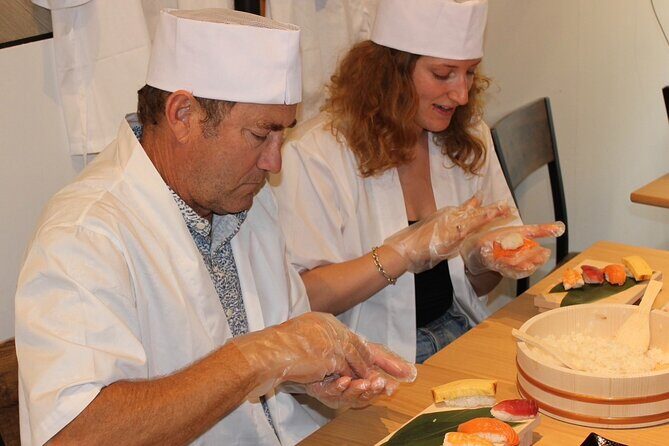
Your class starts at Sushi Making Experience Namba1A in central Osaka, in the Dōtonbori area. That’s not a random choice. Dōtonbori is where you want to be when you’re in Osaka anyway—there’s food everywhere, streets are lively, and it’s simple to pair this with other activities before or after dinner.
Practically, this location helps because the timing is short. At 1 hour 30 minutes, you don’t want a long commute. You want to step out, walk a few minutes, and keep your day moving. This class is built for that: you’re near public transportation, and you’re scheduled to finish back where you started.
One small caveat: a few people say the location can be tricky to spot. My advice is to pin the start address in Google Maps right when you’re heading out, and give yourself a few extra minutes. In Dōtonbori, it’s easy to get turned around by side streets.
You can also read our reviews of more tours and experiences in Osaka.


The 90 Minutes: what happens from rice to plate
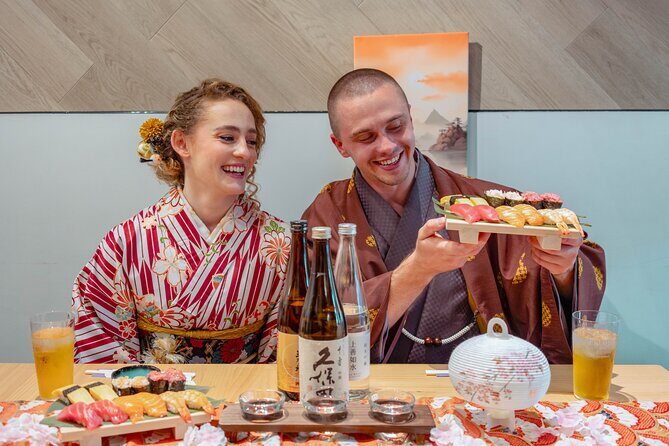
This is a real cooking class, not a demo. The whole point is that you practice the process end to end: ingredients, shaping, rolling (for the roll portion), and then eating what you made.
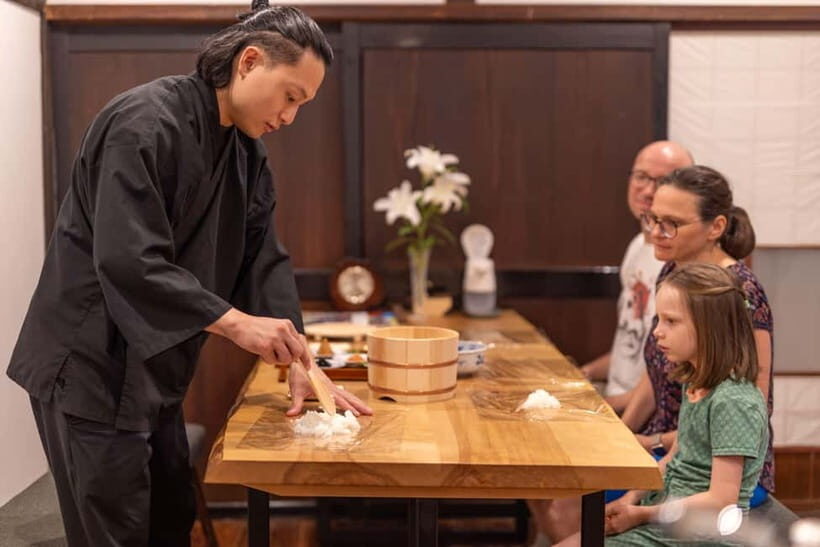
You’ll be making 12 pieces of sushi at home level, meaning you learn techniques you can repeat later. That includes two different styles: nigiri (hand-shaped) and gunkan-sushi (the little “battleship” with a mound of topping). You don’t need knife skills or prior sushi experience. You need patience and a willingness to get your hands a little messy.
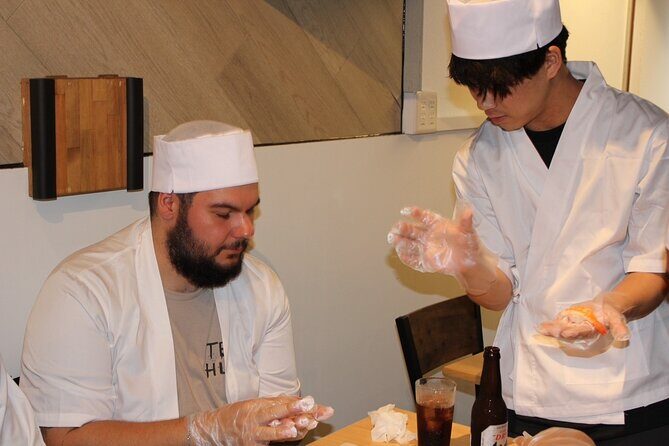
During the session, you’ll also see a fun, slightly theatrical vibe—there’s a sushi-chef costume, and the energy is light. Several instructors are described as upbeat and patient, and that matters. Sushi is all about small motions and feel, so you want an instructor who will slow down when your rice gets too sticky or your shaping looks less than perfect.
What you actually eat
Your meal is part of the class: the snacks include the sushi you make. The “hangriest” scheduling options are afternoon and evening classes, so you can choose the time that best matches your appetite and your dinner plans.
Nigiri and Gunkan-Sushi: the skills you’ll repeat at home

If you’ve only eaten sushi out, the big surprise is how much control comes from simple technique.
Nigiri: shape is the lesson
Nigiri looks easy until you try it. The class teaches you how to handle rice and form the fish-on-top style so it doesn’t fall apart. You’ll get personalized tips, and in several accounts, instructors guide people patiently through shaping so the pieces hold together.




Gunkan-sushi: the “mound” challenge
Gunkan-sushi teaches a different skill: building a base and then adding a topping so it stays stacked and spoonable. It’s a great second skill because it’s not just rolling—your hands learn a different motion, and your plate starts looking like real sushi, not just experiments.
A helpful detail that shows up in feedback: instructors talk about rice measurement and give practical ratios. One specific example mentioned is using 10g of rice for the perfect ratio. Even if you don’t memorize the exact number, the idea is what matters—good sushi depends on consistency, and the class focuses on that.
Ingredients, rice, and the “small things” that make sushi taste right
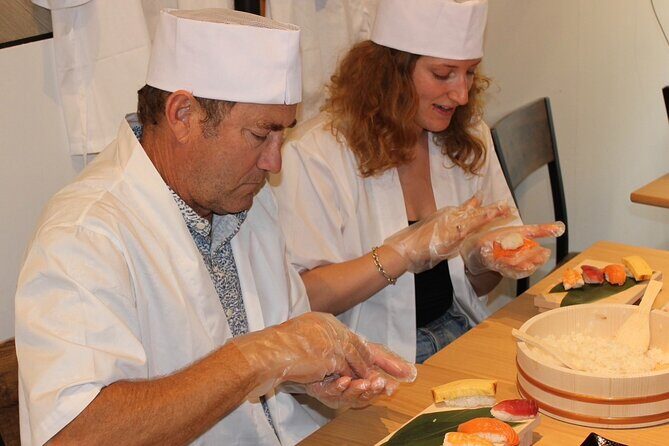
This class doesn’t just hand you a finished set. You’re learning the ingredient plan behind the scenes: what goes in, how it’s handled, and what each part contributes to taste and texture.
The rice is usually the star. Sushi rice needs the right amount of stickiness, and shaping can’t fix bad rice handling. The instructors emphasize technique over magic tricks, so your takeaway is repeatable: press gently, shape confidently, and don’t overwork the rice.
You’ll also get coaching on rolling and shaping, which is the part that changes sushi from “food I ate” into “craft I can make.” That’s the real value here. I’ve found that when a class teaches the logic (rice portioning, consistent shapes, topping placement), you can recreate it at home even with different ingredients.
Dietary options: vegetarian, vegan, and halal without feeling like leftovers
Osaka makes it easy to eat well, but sushi can get tricky for certain diets. This class handles that with vegetarian, vegan, and halal sushi available upon request.
The practical win: you’re not stuck doing a token substitution. You still make a full set and learn the shapes and structure. If you’re vegan, you may still notice differences because some sushi styles naturally lean on seafood-based toppings. But the class is clearly set up to accommodate, rather than making you sit out.
Quick tip if you have a dietary need
Send your request early. Don’t wait until the last minute. That’s how you make sure the class can prepare the right menu for your session.
Drinks and what’s included (and what’s not)
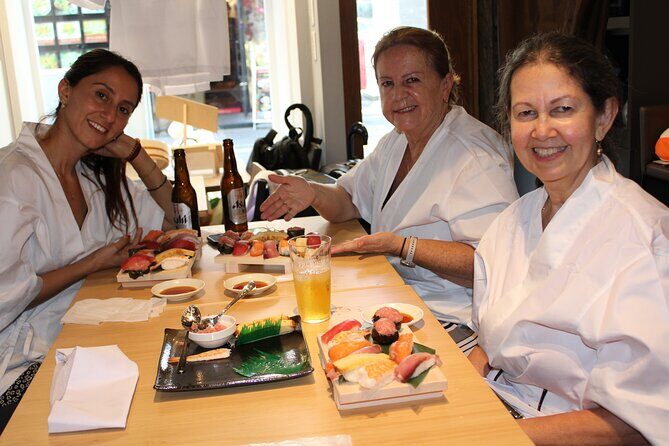
The vibe includes Japanese sake and beer, and that adds to the Osaka feeling. But the important practical part is cost: alcoholic beverages aren’t included in the price.
So plan like this: your sushi snacks (12 pieces) are included, and the rest is up to you. If you want to try sake, treat it as an add-on for the evening mood, not something bundled into the class cost.
Who’s teaching you (and why the vibe matters)

One of the best things about this experience is the teaching style. Many people highlight instructors who are patient, friendly, and clear. Names that come up include Mika and Kosei, along with other instructors like Yui, Mako, Shiori, Toshiki, and Hana.
What I like about this kind of setup is that you get personal corrections. Sushi is hard to “watch” your way through. Your hands learn best when someone adjusts what you’re doing—rice pressure, speed, angle of the topping, and the final shape.
There’s also conversation built in. Some people mention chatting about Osaka, Japanese writing, and general culture. That’s a small bonus, but it’s real: the class becomes more than a task. You leave with a story, not just a full stomach.
The take-home souvenir: certificate in Kanji
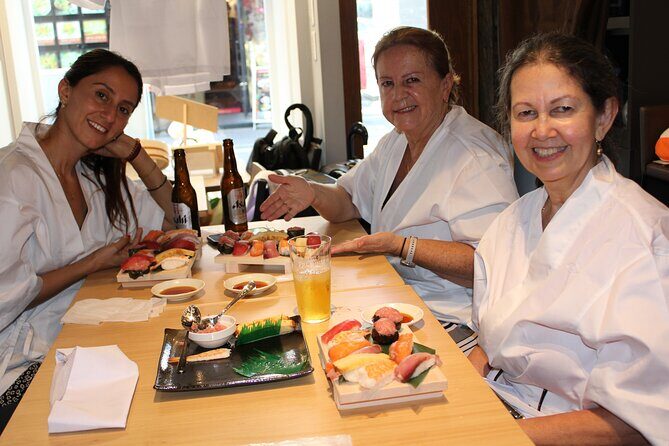
At the end, you get a souvenir moment. People mention receiving a certificate with names in Kanji plus a photo. Some also mention a candy item with their name.
Even if you don’t collect certificates, this is a nice touch because it marks your effort. You’re not just eating; you’re leaving with proof that you made it.
Price and value: is $29.85 worth it?
At $29.85 per person, this class is priced like a thoughtful food activity rather than a big splurge. Here’s why it’s good value:
- You get a full hands-on session (about 90 minutes).
- You make 12 pieces of sushi, so the output isn’t small.
- You get coaching for nigiri and gunkan, which are two real skills.
- The class is in a central area like Dōtonbori, which saves time and transit cost versus far-out locations.
- You can choose a dietary-friendly menu type (vegetarian/vegan/halal) rather than doing nothing.
Is it “cheap”? Not exactly. But for what you receive—technique instruction, sushi you eat, and a take-home certificate—this feels fair. If you love sushi and you want a practical souvenir you can recreate later, the value is strong.
Practical tips to make the class go smoothly
A few things will help you get the most from it:
Arrive a few minutes early. Central Osaka is busy, and finding the start point can take an extra minute.
Pick the right class time for your appetite. Afternoon or evening options exist for a reason. If you go too early, you’ll spend the session hungry; if you go too late, you might be too tired to focus on shaping.
Ask about dietary options up front. Vegetarian, vegan, and halal choices are available on request, so include your needs clearly.
Don’t aim for perfection. Sushi pieces can be imperfect. The goal is learning technique, and most people end up enjoying the food even when the first attempts aren’t picture-perfect.
Should you book this sushi making class?
I think you should book it if you want a hands-on Osaka experience that teaches real sushi skills, not just a meal. It’s especially good for beginners because the class is structured around practice and clear guidance, and the final product is enough food that you don’t feel like you paid for a snack.
You might skip it if you’re chasing an ultra-low-key, hidden-from-everyone workshop. This class is clearly built for short, smooth sessions in a central location, so it can feel organized and a bit commercial. Still, most people seem to leave happy—often because the teaching is friendly and the sushi is genuinely worth eating.
If your goal is to learn nigiri and gunkan basics, leave with a full plate, and walk away with a certificate in Kanji plus a photo, this is a strong choice in Osaka.
FAQ
Where is the meeting point for the sushi making class?
It starts at Sushi Making Experience Namba1A, 2丁目-6-11 西心斎橋 中央区 大阪市 大阪府 542-0086, Japan.
How long is the class?
Plan for about 1 hour 30 minutes.
How many sushi pieces will I make?
You’ll make 12 pieces of sushi, including nigiri and gunkan-sushi.
Can I choose vegetarian, vegan, or halal sushi?
Yes. Vegetarian, vegan, and halal options are available upon request.
Is the class taught in English?
Guidance is provided in English, with additional support in Chinese and Korean.
What’s included in the price?
Included are snacks (the 12 pieces of sushi) and all fees and taxes.
Are alcoholic drinks included?
Alcoholic beverages are not included. The experience mentions Japanese sake and beer, but the alcoholic beverages are listed as not included.
How big are the classes?
The maximum group size is 16 travelers.
Is there free cancellation?
Yes, free cancellation is available up to 24 hours in advance for a full refund. If you cancel less than 24 hours before the start time, the amount paid isn’t refunded.