REVIEW · OSAKA
Osaka: Traditional Mochi Pounding Experience with Tasting
Book on GetYourGuide →Operated by The Osaka&Tokyo · Bookable on GetYourGuide
Your arms will feel it fast. In Osaka, this mochi pounding experience is a hands-on class where you use traditional tools to turn steamed glutinous rice into real mochi, with a short culture primer and guided steps from instructors like Seina and Taka (English supported). You get a proper tasting too, so you’re not just watching from the sidelines.
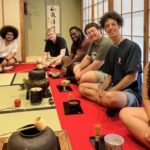
I especially like that it’s intimate: the group is limited to 4, so you actually get time at the mortar and pestle and you’re not waiting your turn. The main thing to consider is that pounding takes real effort—plus mochi is sticky—so wear comfortable clothes you don’t mind getting a little messy, and don’t plan on a delicate outfit photo shoot afterward.
In This Review
- Key highlights
- The first 10 minutes in Osaka: what the mochi lesson actually gives you
- Mochi pounding with traditional tools: the hands-on part you’ll remember
- Shaping your mochi then tasting it: toppings that make the hour feel complete
- The history angle without the boring parts: why mochi origins matter
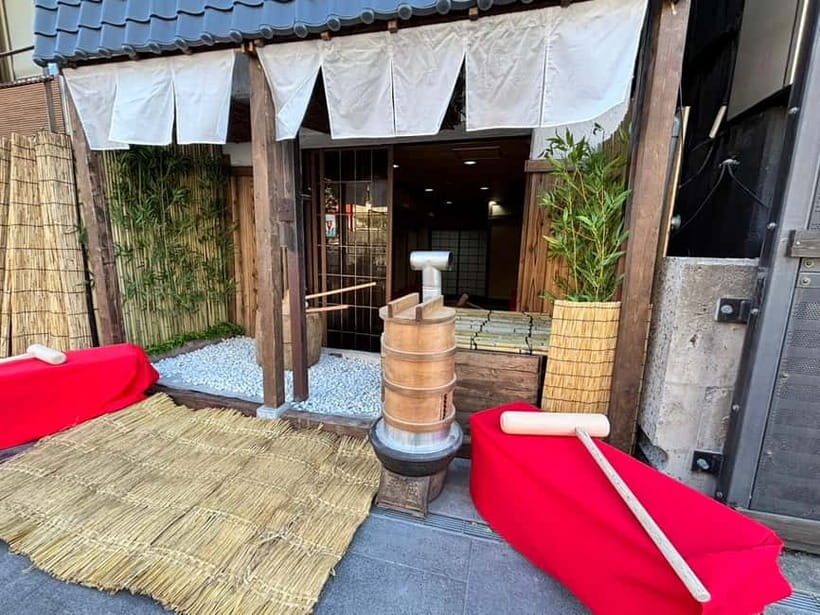
- Finding the entrance near the river in Osaka: central location, but watch the approach
- Price and value for a 1-hour mochi class in Osaka
- Family-friendly mochi pounding: how kids and adults fit together
- Should you book the Osaka mochi pounding experience?
- FAQ
- How long is the Osaka mochi pounding experience?
- How many people are in the group?
- What languages are the instructors?
- What’s included in the price?
- Is transportation included?
- What toppings and seasonings do you get to taste?
- Do adults and kids do the same activity?
- What should I wear for the class?
- Is this experience offered year-round?
- What is the cancellation policy?
- Can I reserve and pay later?
Key highlights
- Traditional mortar-and-pestle mochi making that turns rice into chewy dessert
- A brief cultural intro (about 10 minutes) so you learn without losing your making time
- Hands-on participation from mashing/pounding to shaping your mochi
- Classic toppings you taste with tea: kinako, sweet red bean paste, nori, sweet soy sauce
- Small group limit (4 participants) for a more personal, guided feel
- Adult (13+) and family options designed for different age groups
The first 10 minutes in Osaka: what the mochi lesson actually gives you
The session starts with a quick 10-minute introduction to the cultural significance of mochi pounding. This matters more than it sounds. Mochi is one of those foods you see everywhere in Japan, but it’s easy to treat it like a generic dessert. Here, you get the “why” behind the ritual of pounding rice into mochi—so the making part feels intentional, not just busywork.
Then the class shifts into practical mode. You’re not stuck with a long lecture. Instead, you’re guided right toward the hands-on portion, which is the part that makes this experience worth your time in Osaka.
If you’re visiting with kids, the tone stays friendly and interactive. Adults doing the 13+ option get a bit more cultural focus, but the structure stays similar: learn a little, then make a lot.
You can also read our reviews of more food & drink experiences in Osaka


Mochi pounding with traditional tools: the hands-on part you’ll remember
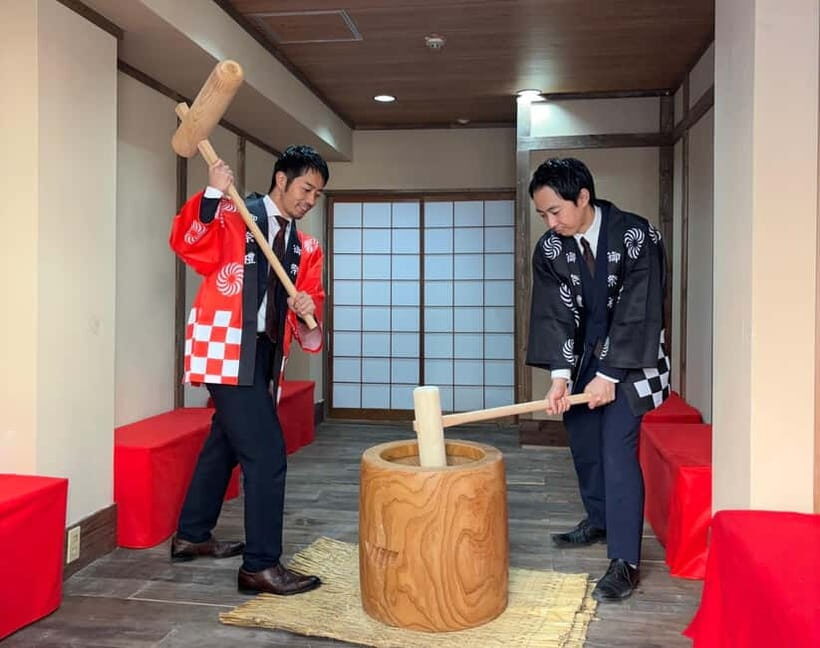
Once you’re ready, you steam glutinous rice and move into the pounding/mashing process. The key tools are the traditional mortar and pestle, the kind you use when you want serious physical texture. This is where the experience earns its reputation.
Here’s what the making flow feels like in practice:
- You work the steamed glutinous rice in the mortar, guided so you get the right consistency.
- You pound and mash until it becomes the pliable mochi dough you need.
- You form and roll your mochi after the dough phase.
- Guides are watching closely and stepping in when needed, including help for first-timers.
One useful truth: pounding takes stamina. Multiple people mention that it’s not effortless, even if the steps look simple. That’s also what makes it fun. You’ll earn the mochi through effort, not magic.
The workshop is also set up to keep it manageable for a small group in a compact space. Guides offer help and keep things clean and sanitary, so you can focus on the process rather than worrying about logistics mid-pounding.
And if you’re going solo, don’t assume you’ll be left out. The instructors are known for taking photos and helping people participate fully without awkward standing around.
Shaping your mochi then tasting it: toppings that make the hour feel complete
After you make it, you get to eat what you made. This is a big deal. Some food classes let you sample, but you’re still mostly a helper. This one is built around tasting your own mochi with classic Japanese seasonings.
You’ll get mochi with a variety of toppings, including:
- Kinako (roasted soybean flour)
- Sweet red bean paste
- Nori (seaweed)
- Sweet soy sauce
Everything comes with a cup of tea, which helps balance the sweetness and keeps the experience from feeling like sugar-only chaos.
This tasting segment is also why the class works as a standalone stop. People describe leaving quite full, and it makes sense: you’re not just eating one small bite. You’re trying multiple flavors on fresh, freshly pounded mochi, meaning the texture is still at its best when you taste it.
A practical tip: plan your meal timing around this. If you tend to “snack and then forget dinner,” you’ll probably be happy you did. But if you’re the type who always needs a full restaurant dinner afterward, you might want to go lighter earlier in the day.
The history angle without the boring parts: why mochi origins matter
The workshop includes cultural context on mochi and mochi pounding, plus history and origins of the dessert. The most helpful part is the pacing: you get just enough background to understand the significance, and then you get right back to making.
That’s important for real-world travel. You don’t want a lesson that eats your energy. Here, the learning supports the hands-on work.
You’ll also hear explanations while you’re working, which helps you connect the technique to the final result. In other words, the class doesn’t treat mochi like a mystery food. It frames the process as something people have done for generations, turning a simple ingredient into a beloved seasonal and celebratory staple.
And because it’s short, the history stays lively rather than turning into a lecture hall. If you’re the kind of traveler who usually skips “food stories,” you might still enjoy this one.
Finding the entrance near the river in Osaka: central location, but watch the approach
This is where small details really matter. The location is described as central and easy to find once you know what to look for. But the entrance is not always where your eyes expect it, especially if you’re navigating around the Dotonbori area.
Several helpful notes from experience:
- The entrance is along the river or canal side.
- It may not be on the main street view you’re mentally using.
- People mention needing to look for a handwritten sign at an entrance area near a hotel on a parallel street.
Meeting point can vary depending on which option you book, so don’t assume you’ll walk straight to one obvious door. Instead, give yourself a little extra time the first time you go, then follow the directions you receive when booking.
Quick sanity plan: arrive a few minutes early, and when you see the river edge, slow down and scan for the workshop entrance signs. That tiny adjustment prevents a lot of stress.



Price and value for a 1-hour mochi class in Osaka
At $31 per person for a 1-hour experience, the value comes from what’s included and what you actually do.
You get:
- Guided mochi pounding experience
- All necessary materials and ingredients
- Tasting session with traditional Japanese seasonings
- Instruction by experienced guides (English and Chinese)
Transportation is not included, so you’ll need to get yourself there. That’s typical for this kind of short workshop, but it’s worth planning into your Osaka day.
The real value driver is the combination of small group size (limited to 4) and hands-on participation. If you’ve done food classes before where you mostly watch, you’ll appreciate this setup. You get time at the tools, you make mochi yourself, and you taste multiple flavors of what you made.
Also, the timing works. One hour is long enough to do real work and still short enough to fit into a busy itinerary. If you want one memorable “Japan-made-by-you” activity without sacrificing half a day, this fits well.
If you like the flexibility aspect, the booking process is designed to be easier to manage on travel days (including reserve now and pay later). Just treat it like any class: pick a time slot that won’t put you rushing from dinner, shopping, or late-night plans.
Family-friendly mochi pounding: how kids and adults fit together
There are two options: an adult experience for ages 13 and up, and a family experience welcome for all ages. The workshop is designed so different ages can participate without feeling like the class is built only for adults.
In practice, guides adjust the pacing and keep everyone engaged. People also mention the instructors being attentive with children, which is exactly what you want for a hands-on food activity.
If you’re traveling with a multigenerational group, this kind of class can actually be a great peace-keeper. You’re all doing the same task, laughing at sticky attempts, and sharing tasting results. It turns into a shared story instead of a “drop the kids off” event.
One consideration: because mochi pounding is physical and hands-on, very young kids may need extra support. The workshop setting helps, but you’ll still want to bring a patient attitude—sticky food is part of the fun.
Should you book the Osaka mochi pounding experience?
I’d book it if you want:
- A hands-on Osaka food experience where you actually make mochi, not just taste it
- A short activity that includes history without turning into a lecture
- A small-group class (up to 4) with friendly English support from instructors such as Seina and Taka
- Classic flavor variety: kinako, sweet red bean paste, nori, and sweet soy sauce with tea
I’d think twice if:
- You hate physical tasks that require arm effort
- You’re very sensitive to sticky textures and messy hands
- You need super-precise directions to find a door; the entrance is near the river and not always on the main street line you might expect
If you’re on the fence, here’s the simple way to decide: if you like cooking activities where the reward is right there on your plate, this is your kind of hour in Osaka.
FAQ
How long is the Osaka mochi pounding experience?
The experience lasts 1 hour.
How many people are in the group?
It’s a small group with a limit of 4 participants.
What languages are the instructors?
Instruction is available in English and Chinese.
What’s included in the price?
The price includes the guided mochi pounding experience, all necessary materials and ingredients, and a tasting session with traditional Japanese seasonings, plus instruction by the guides.
Is transportation included?
No. Transportation to and from the activity location is not included.
What toppings and seasonings do you get to taste?
You can taste mochi with classic toppings such as kinako, sweet red bean paste, nori, and sweet soy sauce, served with tea.
Do adults and kids do the same activity?
There are options. There’s an Adult Experience for ages 13 and up, and a Family Experience for all ages.
What should I wear for the class?
Wear comfortable clothing suited to a hands-on activity.
Is this experience offered year-round?
Yes, it’s available year-round.
What is the cancellation policy?
You can cancel up to 24 hours in advance for a full refund.
Can I reserve and pay later?
Yes. The booking option includes reserve now & pay later, so you can secure your spot and pay nothing today.