REVIEW · HIROSHIMA
Hiroshima & Miyajima: Private Full-Day Tour with a Local Guide
Book on Viator →Operated by Alex · Bookable on Viator
Some places demand walking slowly. This private Hiroshima and Miyajima day turns Peace Memorial Park into a story you can actually follow, guided by Alex, a local with a personal connection to a bombing survivor. I love the hotel pickup that removes the morning scramble, and I love the off-the-beaten-path viewpoint angle that helps you see Hiroshima with breathing room. The main thing to watch: you’ll still pay extra for the Itsukushima Shrine fee and the Peace Memorial Museum admission, and transportation is not included in the price.
You get a true full-day rhythm: park first, then museum, then ferry-and-island time for Miyajima and the famous torii gate. The itinerary can even shift based on tide, so you may start on Miyajima if the timing helps you catch the gate at high tide. For me, that flexibility is part of the value—not just a nice-to-have.
Because it’s private, it’s built for your pace. That’s great if you want questions answered or want a calmer route when crowds feel heavy. One possible drawback is also the nature of the day: it’s a long walk-and-travel loop, so bring good shoes and expect to spend most of your time moving.
In This Review
- Key things that make this tour work
- Hiroshima Peace Memorial Park: where the day gets real
- The Peace Memorial Museum: choose your depth without slowing everyone down
- Crossing to Miyajima: local ferry energy, minus the stress
- Miyajima Island time: lunch, quiet walks, and a slower island pace
- Itsukushima Shrine and the torii gate: tide timing is the real star
- Price and logistics: is $145.31 a good deal for a private day?
- Should you book this Hiroshima and Miyajima private tour?
- FAQ
- How long is the Hiroshima and Miyajima private tour?
- What is the price per person?
- Is pickup included?
- What admission fees should I expect to pay separately?
- Is lunch included?
- How do you get from Hiroshima to Miyajima?
- Can the itinerary change based on tide?
- Is free cancellation available?
- Are service animals allowed?
Key things that make this tour work
- A local guide named Alex with personal ties: you’re not just hearing facts—you’re hearing the meaning behind them.
- Peace Memorial Park walk with context: a guided route that helps you make sense of the sites around the A-Bomb Dome.
- Museum time handled your way: you can visit together or go at your own pace depending on what you want.
- Ferry timing and crowd-smart tips: you’ll cross to Miyajima using local connections without last-minute stress.
- Tide-aware planning for the torii gate: the day may start on Miyajima so you can target high tide views.
- Built-in breaks on Miyajima: time for lunch, quiet walking, and a possible café stop plus temple time.
Hiroshima Peace Memorial Park: where the day gets real
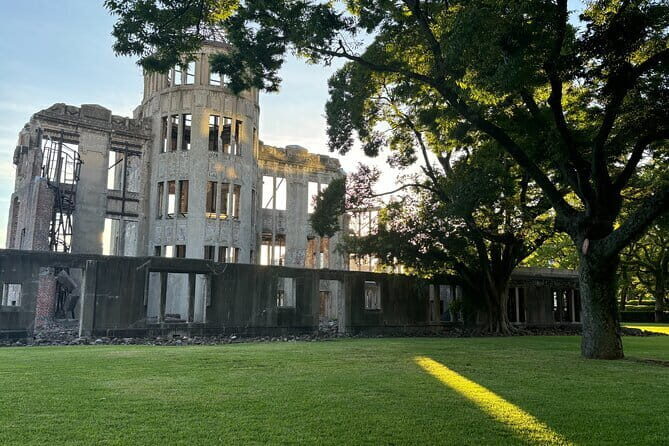
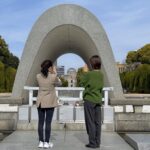
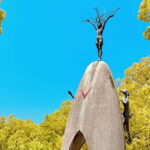
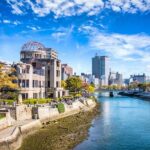
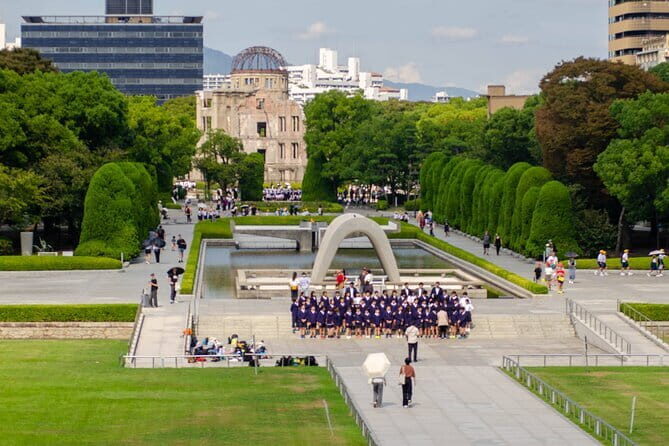
If you only have one day for Hiroshima, Peace Memorial Park is the heart of it. This tour starts with a guided walk through the park, including the A-Bomb Dome area and the memorials around it. The practical win here is simple: with a guide, you won’t just “see stuff.” You’ll understand what you’re looking at as you walk.
Alex’s style, based on real feedback, leans human. People highlighted that the stories about individuals affected by the bombing made the visit more meaningful. That matters because Hiroshima can feel like a museum of tragedy at first glance—but with the right context, it becomes a place that explains how lives were changed and how the city rebuilt.
You’ll want to pace yourself. Even if you’re not the type to read every plaque, the guided route helps you notice what you would otherwise miss—especially around the A-Bomb Dome and the surrounding memorial layout. And yes, the site can be busy. Going with a guide helps you keep moving without feeling lost or rushed.
Practical tip: wear shoes you’re happy to walk in for an extended stretch. This day is not a “sit-and-snap” itinerary. It’s more like a steady walking plan, with you absorbing the place in order.
You can also read our reviews of more guided tours in Hiroshima

The Peace Memorial Museum: choose your depth without slowing everyone down
After the park, you have time with the Peace Memorial Museum. The best part of this setup is flexibility: you can visit together or independently, depending on interests and pace. That’s important because museum style differs from person to person. Some people want the full timeline. Others just want to understand the essentials and move on.
If you’re sensitive to the subject matter, this is one of those days where having control helps. You can slow down where you need to, then rejoin the group when you’re ready. If you’re the type who learns best by seeing documents and photographs in sequence, you’ll likely appreciate the structure a guide brings.
There’s also a strong chance you’ll hear details that broaden your understanding beyond the most famous talking points. One review specifically mentioned learning about 40,000 conscripted Koreans and how reconstruction was handled in the story. That’s the kind of context that can change how you remember the day.
Just remember: admission is not included for the museum (¥200 per person in the tour details). Budget that into your trip math so you don’t get surprised later.
Crossing to Miyajima: local ferry energy, minus the stress
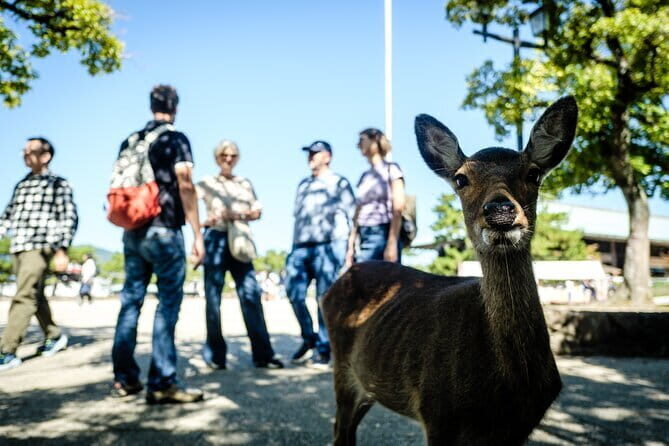
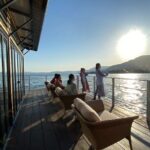
Next comes the travel over to Miyajimaguchi Ferry Terminal area. The tour uses local connections—train and ferry on typical days—with about one hour each way including the ferry ride. That timing is a lifesaver because it keeps the day from turning into a logistics project.
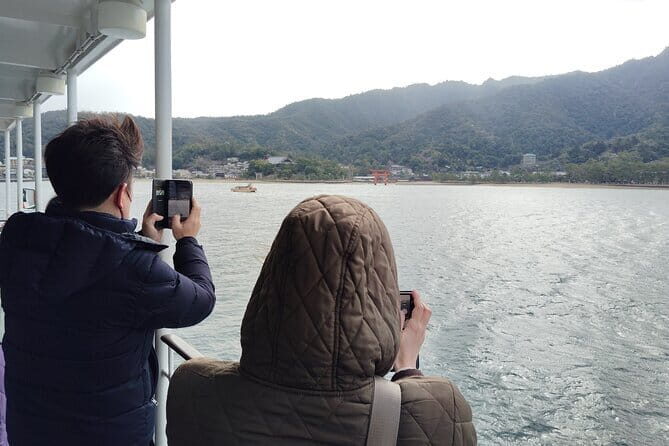
The practical reason this stop matters: ferry crossings can turn into bottlenecks if you show up at the worst moment. With a guide, you’re more likely to arrive with a plan for where to stand, when to move, and where to set up for photos. In feedback, people praised the guide for getting them through crowds on the ferry and pointing out the best picture spots.
Even if you’re not chasing photos, this part of the day helps you transition from Hiroshima’s solemn focus to Miyajima’s lighter pace—at least on the surface. You’ll feel the shift when you see the island setting open up and the air changes.
Practical tip: keep your phone charged. You’ll want it for the view, the shrine shots, and the “wait, this looks like a postcard” moments.
Miyajima Island time: lunch, quiet walks, and a slower island pace
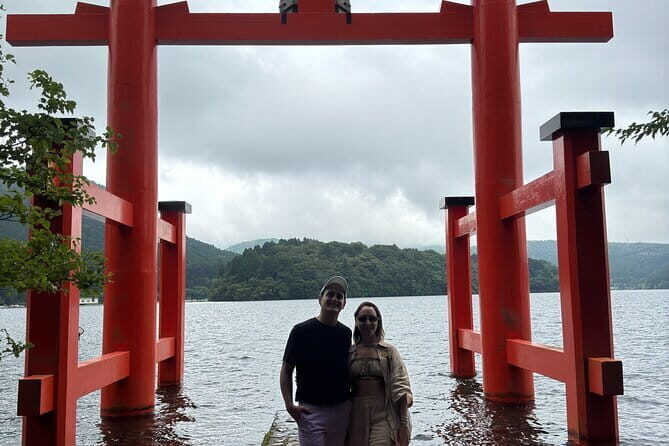
Once you reach Miyajima, the itinerary gives you time to breathe. You’ll have lunch featuring local Hiroshima cuisine such as okonomiyaki, and the tour notes vegetarian and gluten-free options are available. That’s a big deal if you travel with food restrictions, because on Miyajima you can run into places that don’t handle dietary needs well.
After lunch, you get another block on the island with room for how you want to spend it. There’s optional time for quiet walks and even a café stop. The tour also mentions Daishoin Temple as part of the later Miyajima segment, giving you a cultural anchor beyond just roaming for views.
From the feedback, the island walk can include side moments that make it feel like more than an appointment calendar. People mentioned a forest walk feel, spotting deer, and learning extra layers like Yōkai stories. You shouldn’t expect any one side story every time, but the point is this: Alex’s knowledge isn’t only about official monuments. He’s willing to connect the island atmosphere to culture and local folklore when it fits the group.
What I like about this structure is that it respects reality. Miyajima is popular. When crowds rise, being able to switch from a noisy route to a quieter pocket is the difference between enjoying the island and just surviving it.
Small note for your planning: lunch is not included in the price, even though it’s described as a lunch stop in the day. So think of lunch as part of your daily budget, not part of what you already paid.
Itsukushima Shrine and the torii gate: tide timing is the real star
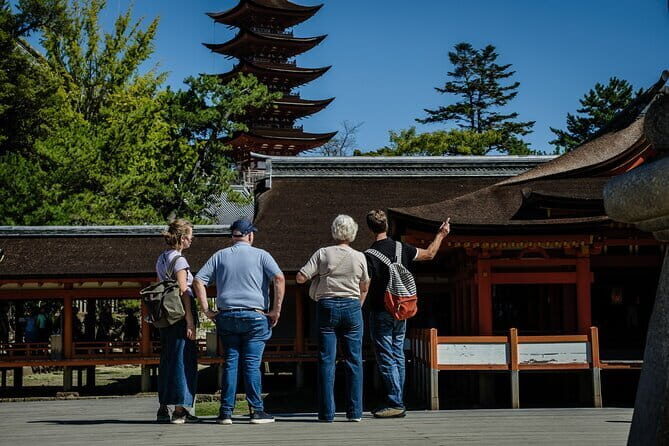
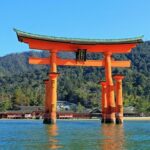
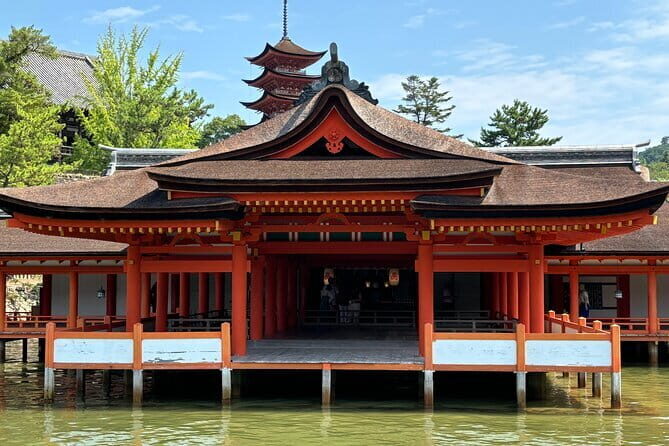
Itsukushima Shrine is what brings most people to Miyajima. And the headline here is the floating torii gate—famous because it changes dramatically with the tide. This tour explicitly accounts for that. It notes that, depending on tide, you may start the day on Miyajima to see the torii gate at high tide.
This is where planning becomes value. If you only go at a random time, you might see the gate when it’s partially surrounded differently, depending on water levels. Getting the timing right can turn your experience from nice to unforgettable.
You’ll explore the shrine area and the iconic gate, then spend time walking nearby island streets. That street time is important because it’s where the day stops feeling like “checklist tourism” and starts feeling like wandering a place that’s lived-in.
There’s also an admission detail to keep in mind: the Itsukushima Shrine fee is listed as ¥300 per person and is not included in the tour price. Factor that into your total spend so you can keep your focus on the view, not on budget math.
Practical tip: give yourself a little patience when you arrive. Shrine areas can be crowded. A private guide helps you avoid wasting time in the least helpful directions and instead get you into good viewing spots while still keeping the day moving.
You can also read our reviews of more private tours in Hiroshima

Price and logistics: is $145.31 a good deal for a private day?
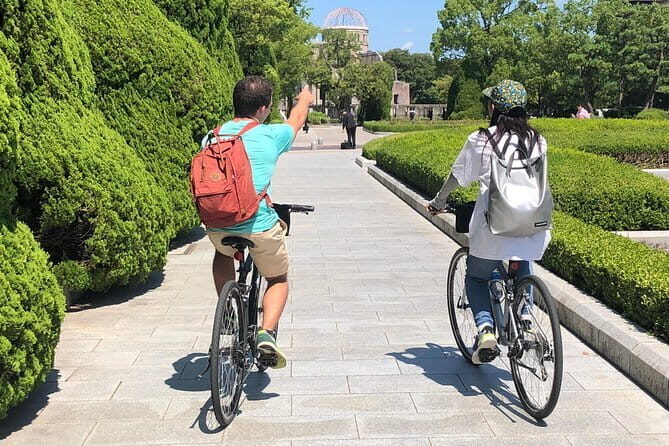
At $145.31 per person for a full-day private experience (about 8 hours), you’re paying for something more than a route. You’re paying for time, pacing, and a human translator of meaning. And because it’s private, the guide can adjust based on your questions, your energy level, and how fast you want to move through solemn sites versus slower island walking.
Here’s where the math gets practical. Pickup is offered from your accommodation or an agreed meeting point, which can be a big time-saver in Hiroshima. The guide is English-speaking and you get flexible customization, which is a real advantage when you’re balancing museum time, shrine time, and ferry schedules.
But don’t ignore the not-included items. Lunch isn’t included. Transportation isn’t included. The museum admission (¥200) and Itsukushima Shrine fee (¥300) are also listed as not included. So if you’re comparing this to a super-cheap group bus tour, you’re not playing the same game. This is more like paying for quality control: fewer uncertainties, better timing, and someone steering the day.
One more “value” note: reviews praised how the guide handled special needs and comfort adjustments. One example mentioned a wheelchair situation and the guide renting a car so the group wouldn’t miss the trip. That doesn’t mean every day is identical, but it shows this tour isn’t rigid. Alex seems willing to solve problems quickly.
Who this is best for:
- Couples and small families who want a less crowded, more personal day
- Travelers who care about context at Peace sites, not just photos
- Anyone who appreciates tide timing and smart ferry routing
Who might want a different style:
- People who want a strict, pre-timed sightseeing schedule with zero decisions
- Travelers who hate spending extra on museum/shrine admissions and transit costs
Should you book this Hiroshima and Miyajima private tour?
If you want a day that’s meaningful and well-paced, this is a strong pick. You get Hiroshima’s core Peace Memorial Park experience with guided context, then Miyajima with time to wander, eat, and target the torii gate with tide-aware planning. The guide factor matters here, and Alex’s reputation for stepping in to make the day comfortable shows up in the way people describe their experiences.
I’d book it if you:
- like private guidance more than busloads
- care about understanding what you’re seeing at the A-Bomb Dome area
- want a smooth Hiroshima-to-Miyajima transition without wrestling ferry crowds
I’d think twice if:
- you’re trying to keep everything tightly bundled into the listed price (since lunch, transportation, and admissions are not included)
- you prefer a faster “hit the highlights” schedule with minimal walking
FAQ
How long is the Hiroshima and Miyajima private tour?
The tour runs about 8 hours (approx.), with a full day covering Hiroshima Peace Memorial Park, the museum area, the trip to Miyajima, and time at Itsukushima Shrine and around the island.
What is the price per person?
The price is $145.31 per person.
Is pickup included?
Yes. Pickup from your accommodation (or an agreed meeting point) is included, and the tour also lists pickup as a feature.
What admission fees should I expect to pay separately?
The Itsukushima Shrine fee is listed as ¥300 per person and the Peace Memorial Museum fee is listed as ¥200 per person. These are both marked as not included. (The tour also notes a Miyajima stop with an admission ticket included, but no amount is specified there.)
Is lunch included?
No. Lunch is not included, even though lunch is part of the Miyajima portion of the day. The tour notes local options like okonomiyaki and says vegetarian and gluten-free options are available.
How do you get from Hiroshima to Miyajima?
You travel using local train and ferry (starting from the Miyajimaguchi ferry terminal area). The travel time is about one hour each way including the ferry ride.
Can the itinerary change based on tide?
Yes. The tour specifically notes that depending on tide, you may start the day on Miyajima to see the torii gate at high tide.
Is free cancellation available?
Yes. You can cancel up to 24 hours in advance for a full refund.
Are service animals allowed?
Yes. Service animals are allowed on this experience.