REVIEW · HIROSHIMA
The Journey of Hiroshima from Tragedy to Peace
Book on GetYourGuide →Operated by Peace Walk Hiroshima · Bookable on GetYourGuide
Hiroshima feels different when you walk it. This group tour in Hiroshima Peace Memorial Park strings the story together in a clear, moving order, with the Atomic Bomb Dome and the key monuments that explain what changed before, during, and after the WWII bombing. I like that the guide is trained in peace work, and you’re not just looking at stone and metal—you’re hearing why each place matters.
One big consideration: this is not suitable for people with mobility impairments, since it’s a walking tour through memorial grounds and multiple stops. If you can walk comfortably and you’re ready for an emotionally heavy theme, it’s an excellent way to understand Hiroshima’s commitment to peace.
In This Review
- Key things to know
- Hiroshima Peace Memorial Park: why a guided walk hits hardest
- Meeting at The Gates of Peace: simple logistics, one clear start
- Mother and Baby in Storm to Dr. Marcel Junod: beginning with compassion
- Peace Cenotaph and the Flame of Peace: where remembrance turns into a promise
- Hiroshima National Peace Memorial Hall: learning through records and stories
- The 170-meter survival story and the Children’s Monuments
- Korean Monument and the Peace Bell: widening the story beyond one group
- Atomic Bomb Dome and the hypocenter: finishing where the story is unavoidable
- Price and value: is $30 fair for this much meaning?
- Who should book (and who should think twice)
- Should you book Peace Walk Hiroshima
- FAQ
- Where is the meeting point for the tour?
- How much does the tour cost?
- Is the tour guided?
- What sites does the tour include?
- Does it include the Atomic Bomb Dome?
- Is museum entrance included?
- What language is the tour in?
- Is the tour suitable for mobility impairments?
- Can I reserve without paying right away?
- What is the cancellation window?
- Is food included?
Key things to know
- Peace-focused guidance from a professional guide with a degree in Peace Studies
- Stop-by-stop storytelling across Hiroshima’s timeline before, during, and after the bombing
- The Atomic Bomb Dome as a UNESCO World Heritage Site, plus the walk to the hypocenter
- Powerful memorial moments like the Peace Cenotaph and the Flame of Peace
- Human stories you remember, including survival near the hypocenter and children’s peace symbols
Hiroshima Peace Memorial Park: why a guided walk hits hardest
Hiroshima Peace Memorial Park isn’t “a place to see.” It’s a place to understand. Doing it on foot with a guide helps you keep your bearings when everything starts to feel solemn and similar at first glance. Instead of bouncing between landmarks, you get a guided path that connects the sites into a single narrative.
I also like the tour’s focus on peace, not just war. You’ll walk past memorials that point to compassion after catastrophe—then you’ll end at the hypocenter, where the message becomes personal and unavoidable. You come away with facts, yes, but also a sense of why Hiroshima insists on peace today.
And the practical bonus: it’s scheduled as a group walk, so you’re not trying to decode what you’re looking at alone.
You can also read our reviews of more tours and experiences in Hiroshima.

Meeting at The Gates of Peace: simple logistics, one clear start
You’ll meet your guide at The Gates of Peace, in front of the Italian restaurant Mario. That’s a straightforward meeting point, and the tour ends back at the same location—so you don’t have to worry about figuring out where you’ll land afterward.
The tour is in English, and the group format makes it easier to ask questions as you go. Some guides you may get—like Ali, Wajid, and Zunera—have been praised for pacing and for answering questions in a way that helps you connect the dots. If your brain likes structure, this is a good match.
Mother and Baby in Storm to Dr. Marcel Junod: beginning with compassion
The tour’s first stops set the emotional tone right away, which is smart. You start at the Gates of Peace, then move to the Mother and Baby in Storm statue. This one isn’t about strategy or politics. It’s about compassion—and what love and protection look like when everything else is shattered.
From there, you’ll visit the Dr. Marcel Junod Memorial. This honors the Swiss physician who became a humanitarian hero after the bombing. I like this stop because it shifts you from the event itself to the human response that followed—people trying to help, document, and heal in the immediate aftermath.
You’ll also reflect at the Norman Cousins Peace Memorial, tied to the American author and peace activist who advocated for nuclear disarmament. It helps you see how Hiroshima’s story didn’t stay trapped in 1945. It moved into advocacy, writing, and global pressure for change.
Peace Cenotaph and the Flame of Peace: where remembrance turns into a promise
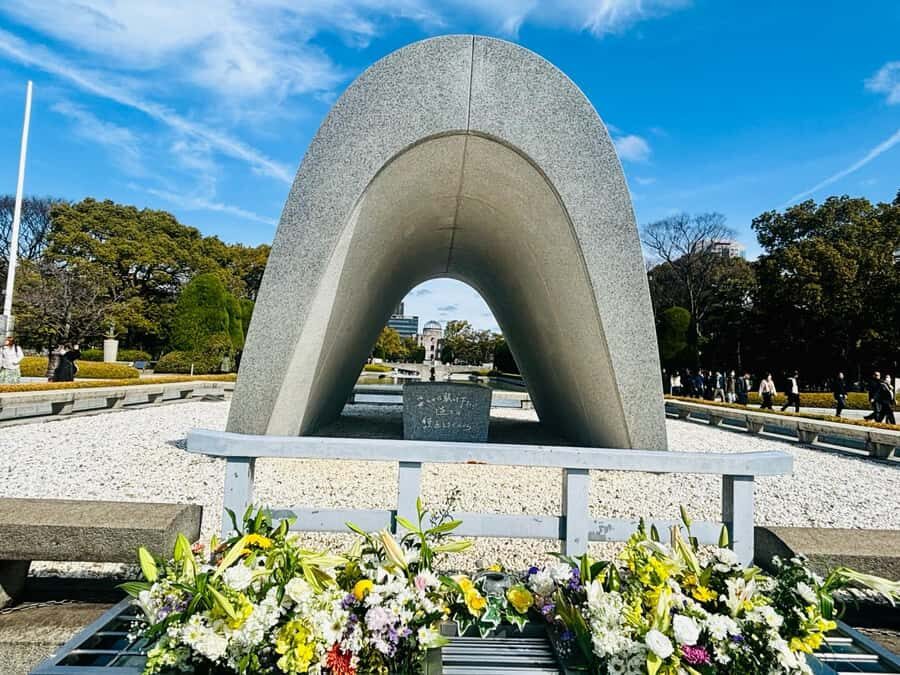
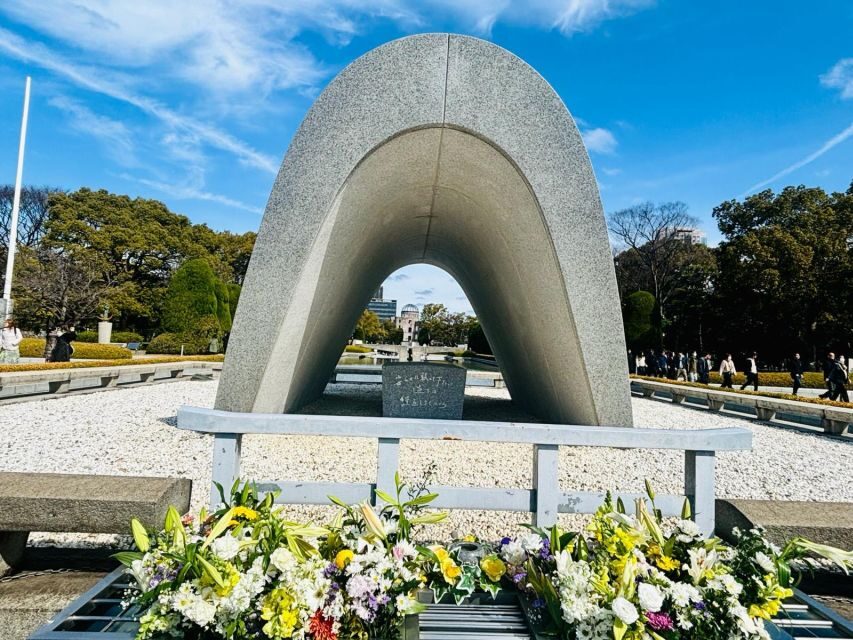
Next comes a central moment: the Peace Cenotaph. The curved stone structure is marked by names of atomic bomb victims inside. That detail matters. You’re not only looking at a concept like “the bombing.” You’re confronting the scale through individual identities.
Right after that, you’ll learn about the Flame of Peace, which stays lit as a commitment to keep going until the last nuclear weapon is eliminated from the earth. It’s one of those ideas that can sound abstract until you’re standing where the promise is physically represented. The flame makes the message feel active, not symbolic.
If you’re sensitive to heavy topics, plan to slow down here. This is where the tour’s reflective side becomes real.
Hiroshima National Peace Memorial Hall: learning through records and stories
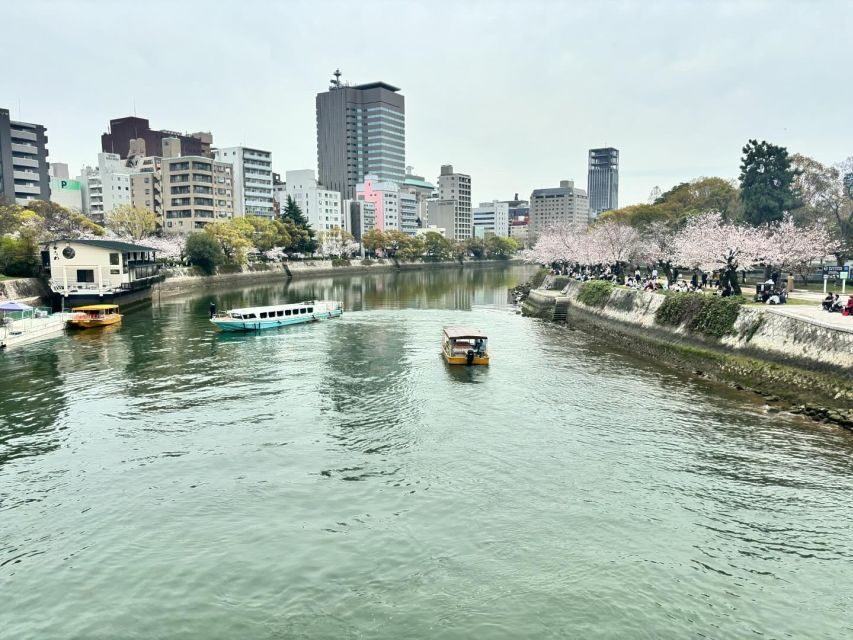
You’ll visit the Hiroshima National Peace Memorial Hall for the Atomic Bomb Victims. The important practical point is that it has an extensive archive and is built to memorialize those who lost their lives.
One catch: entrance to the museum is not included. So you may need to handle any paid entry separately if you want to go inside the museum areas. The guide visit still gives you a strong grounding before you decide how deep to go on your own.
I like that the tour doesn’t treat the memorial hall as optional trivia. It frames it as a place where you can learn carefully—through records and human experiences—rather than picking up a few dramatic images and calling it understanding.

The 170-meter survival story and the Children’s Monuments
As you continue, the tour highlights survival and resilience through a specific account of someone who was about 170 meters from the hypocenter during the explosion. Even if you know the history already, hearing it tied to one survival distance makes the event feel horrifyingly close. It turns a statistic into a human scale.
Then you’ll shift to the Children’s Monument, dedicated to Sadako Sasaki and other children affected by the atomic bomb. You’ll see the colorful paper cranes, which represent peace and the hope for a world free of nuclear weapons.
This stop can land differently depending on your own background, but it usually hits for the same reason: it keeps the message from becoming only about adults and politics. Children’s symbols make the call for peace feel urgent and personal.
Korean Monument and the Peace Bell: widening the story beyond one group
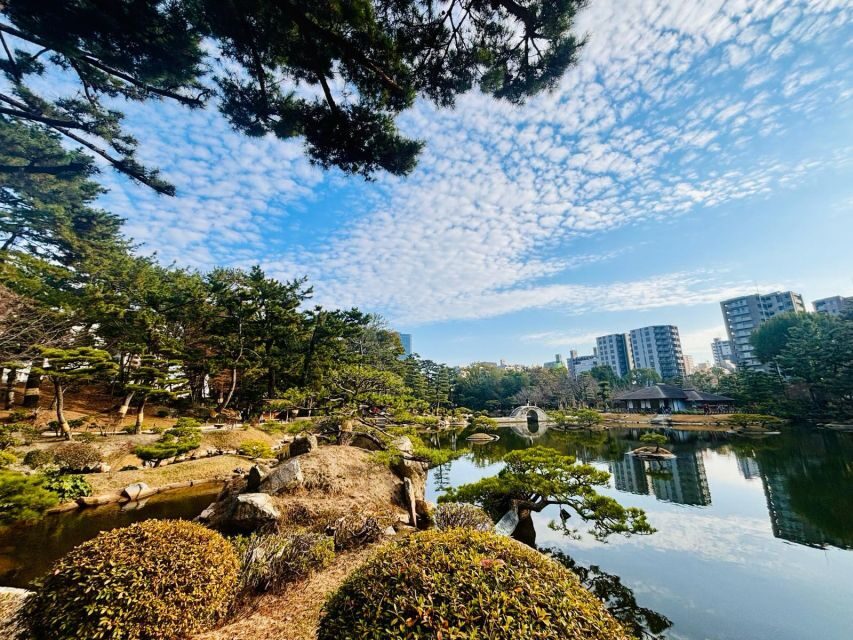
The tour also includes the Korean Monument, honoring Korean victims of the bombing. This is valuable because it recognizes that Hiroshima’s tragedy affected more than one community. It supports a more complete shared narrative, and it keeps the peace message focused on reconciliation rather than simple remembrance.
After that, you’ll find the Peace Bell, where visitors can ring it in remembrance. The idea is collective: your toll becomes part of a shared call for peace. I find these participatory moments useful because they give you a way to respond when the information starts to overwhelm you.
If you prefer silent reflection, you can still do that here. But the option to ring the bell is part of what makes the experience feel like more than a lecture.
Atomic Bomb Dome and the hypocenter: finishing where the story is unavoidable
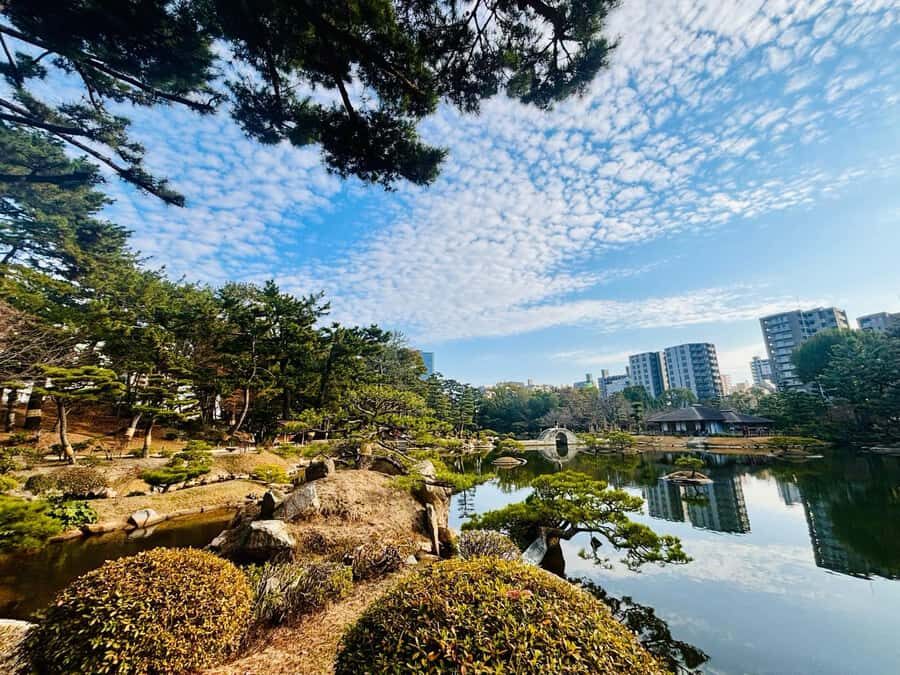
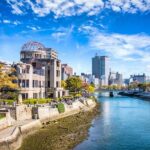
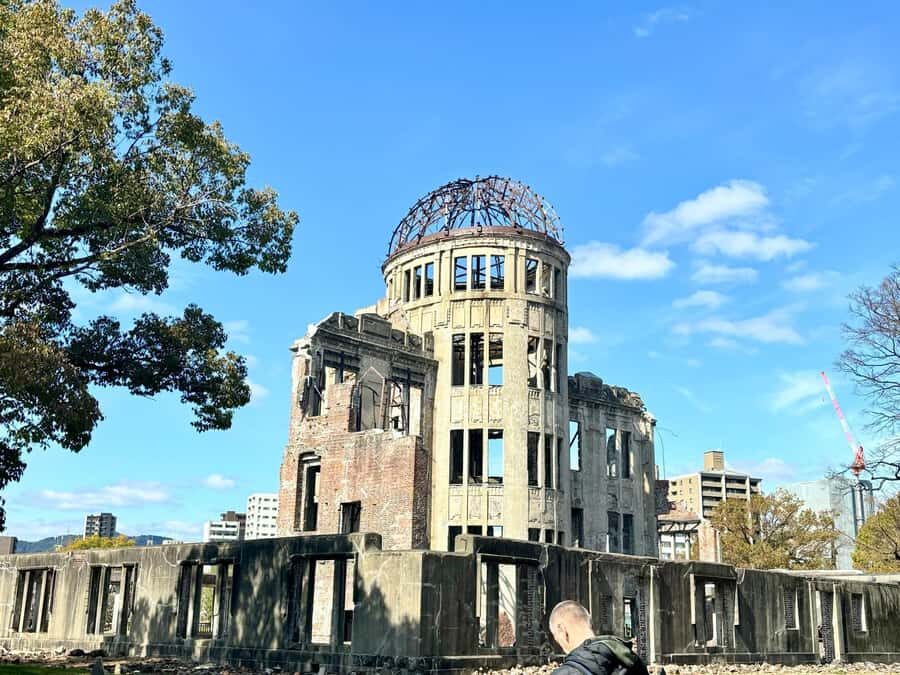
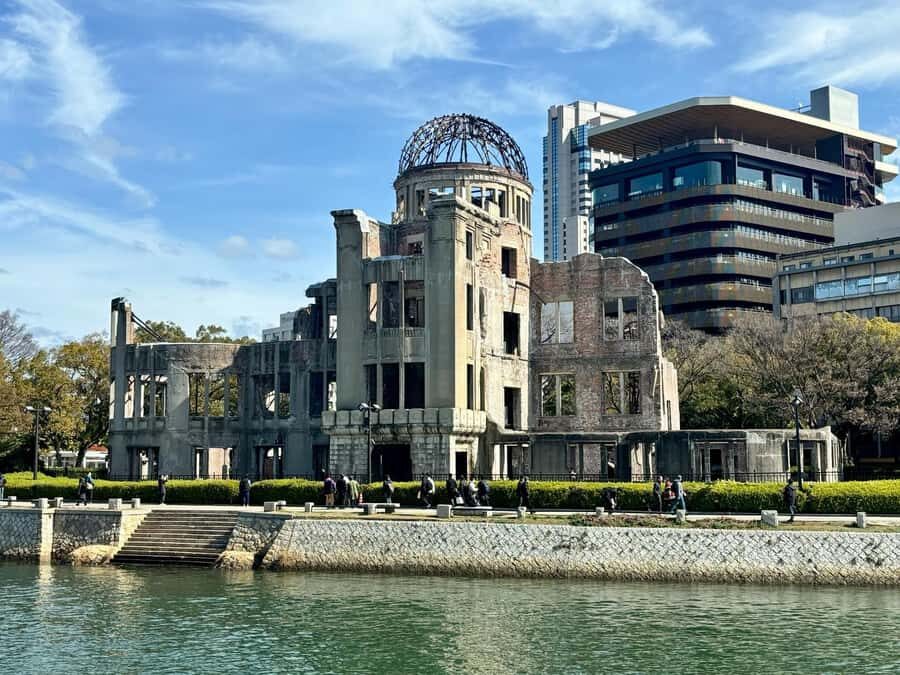
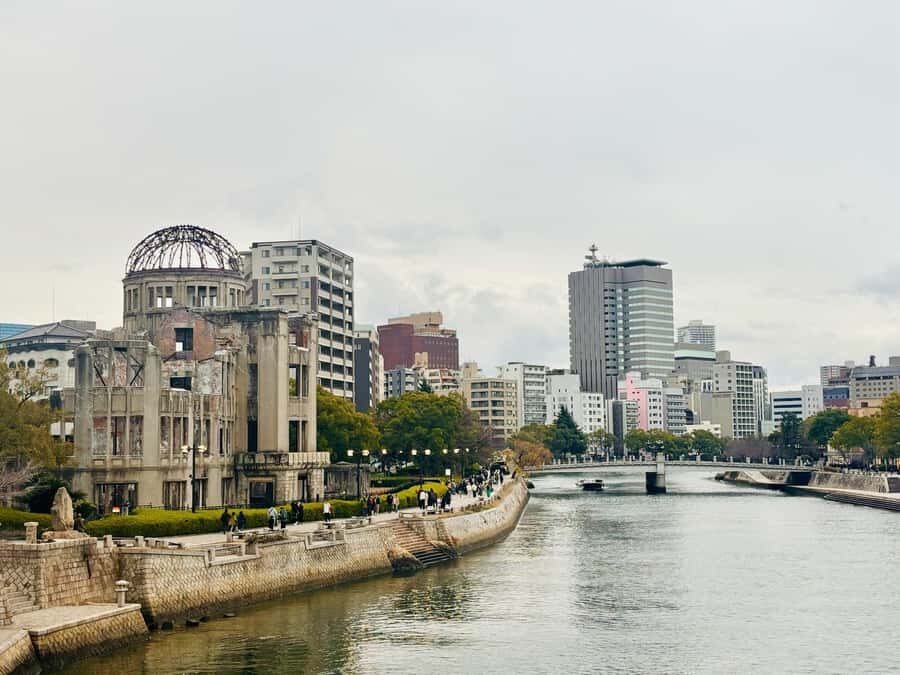
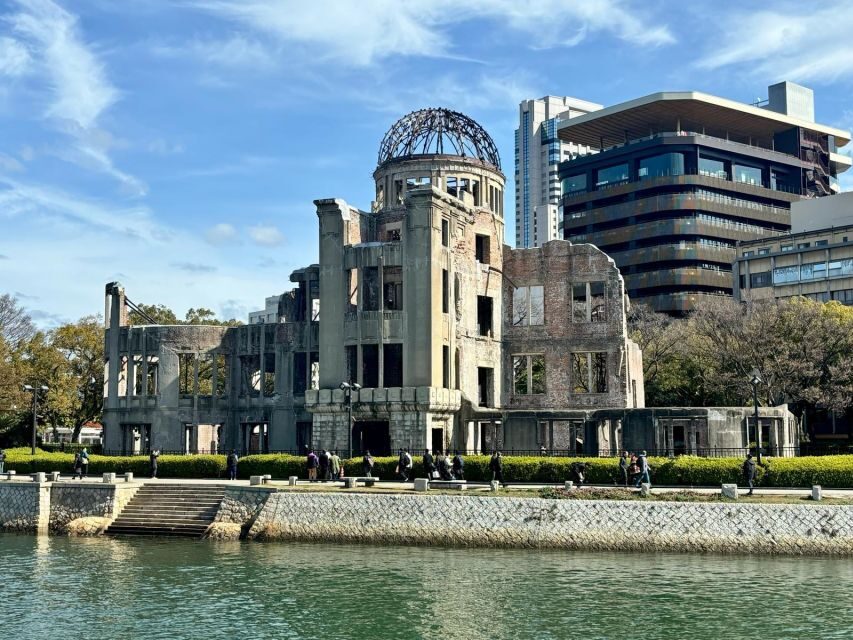
The final stretch brings you to the iconic Atomic Bomb Dome, a UNESCO World Heritage Site. You’ll learn how it survived against incredible odds and why it remains such a haunting reminder of devastation wrought by war. Standing near it, the building stops being an object and becomes evidence.
The last moment of the tour is at the hypocenter, the point directly under the explosion. The guide will invite time for deep reflection. This is where the tour’s entire structure pays off: you’ve walked through compassion, archives, names, survival, children’s hope, and reconciliation—then you end at the center of it all.
It’s not a quick stop. It’s meant to be felt.
Price and value: is $30 fair for this much meaning?
At $30 per person, this tour is a solid value for what you get. You’re paying for a structured walking route through major memorial sites, a guide with formal peace-study training, and thoughtful interpretation at multiple stops—not just a general “here’s what this building is” style explanation.
You also cover a lot of ground for a single price: Hiroshima Peace Memorial Park, the Atomic Bomb Dome, the Hiroshima Peace Memorial Hall area, Children’s Monuments, the Peace Cenotaph, and the Flame of Peace. The tour also includes the hypocenter finale, which is often the point that people most want to understand properly.
What’s not included is also worth noting: food and entrance to the museum. If you know you want museum entry time, budget for that. But even without it, the guided stop at the hall and the surrounding memorials still gives you a strong learning arc.
Who should book (and who should think twice)
This tour is a great fit if you want more than sightseeing. It suits you if you like guided context, you want to ask questions, and you prefer a clear route with meaningful stops.
It’s also a good choice for small groups who want discussion time. The pace is described as comfortable and well-timed, with enough room for photos and conversation. One group specifically mentioned that a 4:30 pm start helped them escape the heat, which is a practical reminder to choose timing that works for you.
Think twice if any of these apply:
- You need a low-walking route, since it’s not suitable for mobility impairments
- You don’t handle heavy, emotional topics well, since it’s built around the bombing’s tragedy and victims
Should you book Peace Walk Hiroshima
If you’re going to Hiroshima Peace Memorial Park, I’d strongly consider booking. The main reason is simple: the memorials can be powerful even without a guide, but a guide helps you connect them into a coherent story that moves from tragedy to peace.
The tour has a high rating of 4.8 from 44 reviews, and the strongest praise points line up with what you’d hope for: guides who explain clearly, keep a good pace, and bring extra insight that goes beyond surface facts. Names like Ali, Wajid, Wajid, and Zunera keep showing up as standouts, and that consistency usually matters.
Book it if you want your visit to mean something and you’re ready to walk, listen, and reflect.
FAQ
Where is the meeting point for the tour?
You meet at The Gates of Peace in front of the Italian restaurant Mario. The tour also ends back at this same meeting point.
How much does the tour cost?
The price is $30 per person.
Is the tour guided?
Yes. It is a historic walking tour in Hiroshima Peace Memorial Park guided by a professional with a degree in Peace Studies.
What sites does the tour include?
It includes Hiroshima Peace Memorial Park, the Atomic Bomb Dome, the Hiroshima Peace Memorial Hall for Atomic Bomb Victims, Children’s Monuments, and the Flame of Peace.
Does it include the Atomic Bomb Dome?
Yes. The tour visits the Atomic Bomb Dome, a UNESCO World Heritage Site.
Is museum entrance included?
No. Entrance to the museum is not included.
What language is the tour in?
The tour is offered in English.
Is the tour suitable for mobility impairments?
No. It is not suitable for people with mobility impairments.
Can I reserve without paying right away?
Yes. You can reserve & pay later, meaning you pay nothing today.
What is the cancellation window?
You can cancel up to 24 hours in advance for a full refund.
Is food included?
No. Food is not included.