REVIEW · HIROSHIMA
3 Departures: Hiroshima & Miyajima Trip with Indian Lunch
Book on GetYourGuide →Operated by H.I.S. Co Ltd(TIC) · Bookable on GetYourGuide
Hiroshima hits you fast. I like how this day trip pairs Hiroshima Peace Memorial Park reflection with the red-torii wonder of Itsukushima Shrine, so the contrast feels intentional instead of random. I also like that you get an English live guide, and the experience is praised for clear explanations, including guides such as Joe, Miyuki, and a punctual driver named Masa.
The one catch is the schedule is efficient, so you only get about an hour of free time on Miyajima Island. If you want a slow wander, you’ll feel the time limit.
In This Review
- Key things that make this tour worth your time
- Why this Hiroshima to Miyajima day trip feels like more than sightseeing
- Getting there: Shin-Osaka, Kyoto, or Hiroshima, plus the day’s rhythm
- Hiroshima Peace Memorial Park and the A-Bomb Dome: the emotional core
- Museum time in Hiroshima, with a smart backup plan
- Lunch in Hiroshima: Indian curry with vegetarian options
- Crossing to Miyajima by ferry: the scenic reset you’ll feel
- Itsukushima Shrine and the red floating torii gate
- Miyajima free time: how to use your hour well
- Price and what $116 buys you in real travel terms
- Who this tour fits best
- Final thoughts: should you book this tour?
- FAQ
- Where does the tour start and where do you get dropped off?
- How long is the Hiroshima and Miyajima trip?
- Is the Indian lunch included, and are vegetarian options available?
- How do you visit Miyajima from Hiroshima?
- What happens if the Hiroshima Peace Memorial Museum is closed?
- Are there any tips for using the Shinkansen after the tour?
Key things that make this tour worth your time
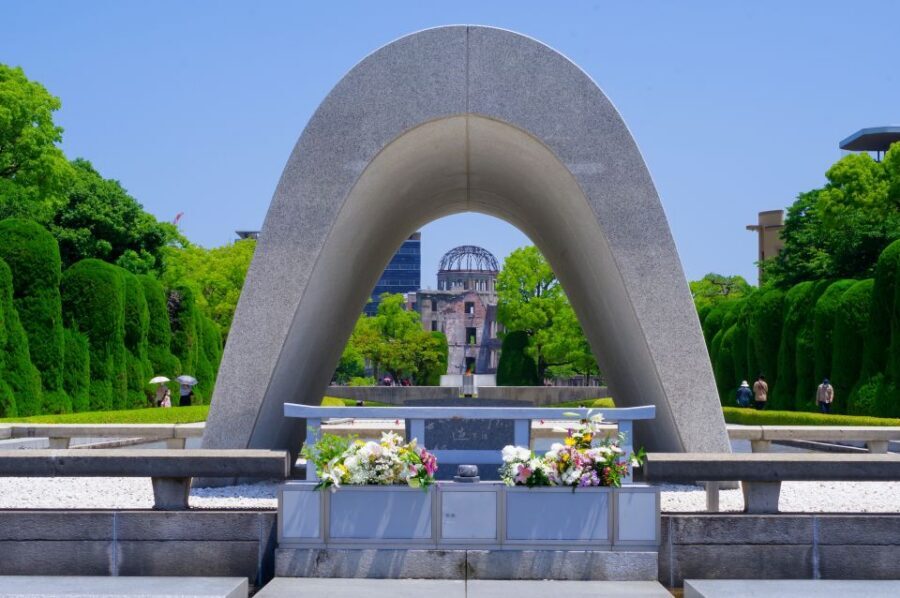
- Peace Memorial Park + A-Bomb Dome: a guided, reflective start that helps you understand what you’re seeing.
- Hiroshima Peace Memorial Museum (and a backup option): museum time plus a substitution plan if it’s closed.
- Ferry ride across Hiroshima Bay: a simple change of pace that also sets you up for Miyajima’s scenery.
- Itsukushima Shrine + the floating Grand Torii Gate: a UNESCO-registered sight that looks dramatic in person.
- Indian curry lunch in Hiroshima: vegetarian options available, and lunch is planned so you’re not hunting mid-day.
Why this Hiroshima to Miyajima day trip feels like more than sightseeing
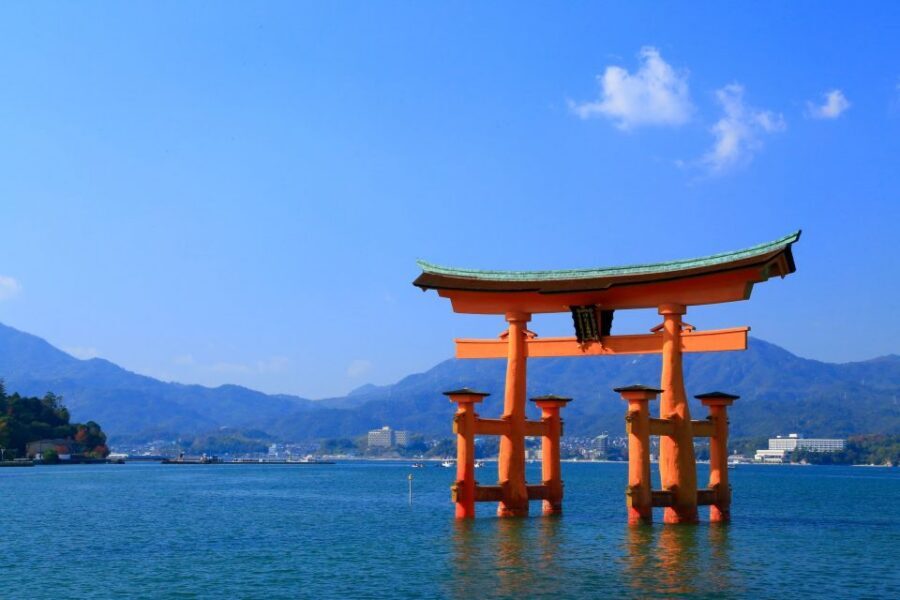
A lot of Japan day trips are built like checklists. This one feels more like a story with a beginning, middle, and visual payoff. You start in Hiroshima with the A-bomb sites, then you shift across the bay to Miyajima, where the scenery and shrine architecture give you a different kind of perspective.
What makes it work is the pacing. You’re not trying to do everything at full speed with no context. The tour includes entry fees, planned visit times, and an English guide to connect the dots between places that are famous for very different reasons.
It’s also a good fit for international travelers who want organization. The day runs on a set plan with air-conditioned bus transportation in Hiroshima and a live English guide, so you spend less time figuring out timing and more time paying attention.
A few more Hiroshima tours and experiences worth a look


Getting there: Shin-Osaka, Kyoto, or Hiroshima, plus the day’s rhythm

You can choose one of three starting points: Shin-Osaka Station, Kyoto Station, or Hiroshima Station. That matters because it changes how the morning feels. If you’re coming from Osaka or Kyoto, the tour includes roundtrip bullet train tickets, which simplifies logistics and keeps you from stitching together multiple tickets on your own.
Once you arrive in Hiroshima area, the tour uses an air-conditioned bus to move between the key stops. The trip is described as lasting about 8 to 12 hours, and the itinerary is built around short, focused visits—roughly an hour at the A-bomb Dome area, an hour in the museum, and an hour at Itsukushima Shrine.
Here’s the practical takeaway: you should plan for a full day and comfortable shoes. You’ll get to sit in transit, but the schedule is still tight enough that you won’t want to add extra stops on your own during those windows.
Also note a basic rule: the tour is for international travelers, and Japanese nationals can’t join. If you’re not in that category, this specific tour won’t be your option.
Hiroshima Peace Memorial Park and the A-Bomb Dome: the emotional core
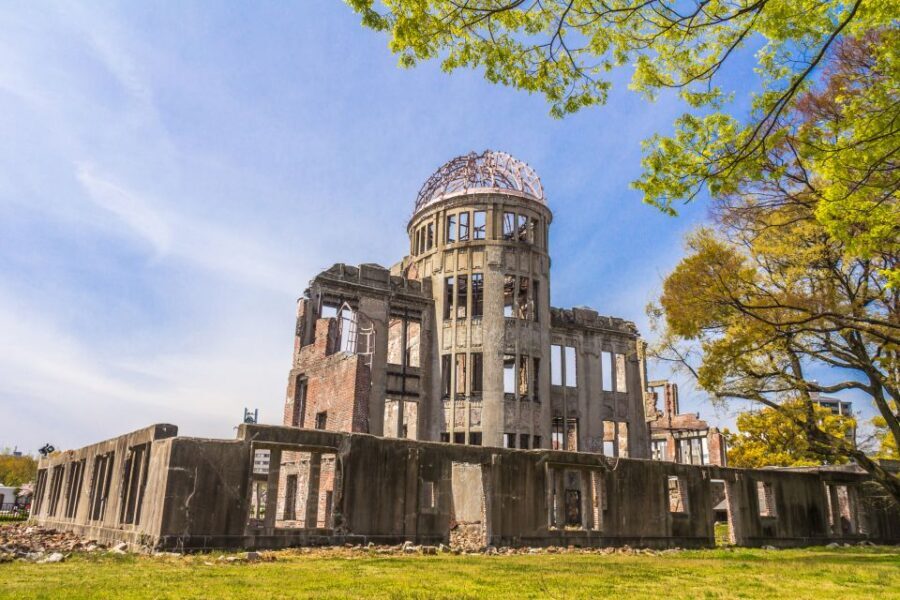
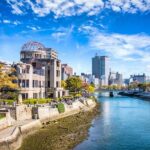
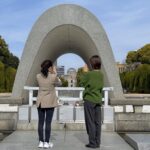
The tour’s first major stop is Atomic Bomb Dome at the Hiroshima Peace Memorial Park area. Expect about an hour here, including time to see the A-Bomb Dome itself and take in the memorial setting around it.
The dome is preserved in a ruined state, and that matters. It’s not a reconstruction or a symbol painted over with distance. Standing in that area gives you a direct visual reminder of what a nuclear blast did to buildings and to a city. The guided context is what makes the difference between taking a photo and really understanding the place.
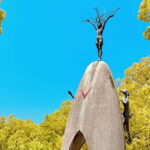
You’ll also have a chance to reflect on why this site is protected and what it means today. The tour specifically frames the visit around the tragic effects of nuclear warfare and the importance of peace, and that message is woven into what you’re told while you’re there.
A small but helpful timing tip: if you’re sensitive to heavy topics, decide ahead of time how much time you want for quiet viewing. The guided rhythm will keep moving, but it’s still possible to step back for a minute or two once you find a spot that feels right.
Museum time in Hiroshima, with a smart backup plan
After the A-Bomb Dome stop, you’ll go to the Hiroshima Peace Memorial Museum for about an hour. This is where a lot of people get the missing context that turns the visuals into understanding.
The tour also includes an important contingency: if the Hiroshima Peace Memorial Museum is closed, you’ll visit the Hiroshima National Peace Memorial Hall for the Atomic Bomb Victims instead. That’s genuinely valuable because it reduces the risk of wasting your only full day in Hiroshima on a closed-door surprise.
Either way, you should plan to take notes, even if you only jot down a few points. The museum-style material is the kind you can forget quickly if you don’t anchor it with a couple of reminders. If you like learning in a structured way, this stop will likely be one of your best memories from the day.
One more practical point: you’ll want to pace yourself here. Museums can be intense, and this itinerary then moves toward ferry water views and shrine photos. A quick mental reset after the museum can help you enjoy what comes next without feeling like you’re rushing past the serious parts.
Lunch in Hiroshima: Indian curry with vegetarian options
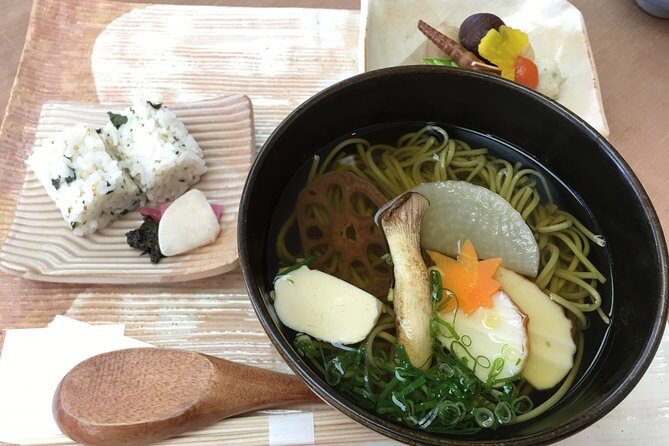
Lunch is scheduled in Hiroshima for about 45 minutes. You’ll have Indian curry for the meal, and the tour notes that vegetarian options are available.
This is one of the most praised parts of the day. Multiple guests highlight that the Indian food is genuinely good, not just a filler meal. For you, that matters because a dependable lunch makes a big difference on a long, structured day trip. It keeps the energy up and keeps the schedule on track.
A few rules to keep your day smooth: the provider can’t accommodate menu changes on the day of the tour, and you should not bring your own food and drinks into the restaurant. Drinks are also not included, so plan to purchase something on-site if you want it.
The time window is short enough that you should avoid long searches for extra add-ons. Take your seat, eat, and then get ready for the ferry portion of the day.


Crossing to Miyajima by ferry: the scenic reset you’ll feel

After lunch, the tour transitions toward the bay and then includes a ferry ride across Hiroshima Bay to Miyajima Island. Even if you’ve done ferry crossings before, this one changes the mood.
A ferry does two useful things in a day like this. First, it gives your brain a break after the heavy content in Hiroshima. Second, it sets the visual stage for Miyajima’s famous shrine setting, where the water and the shoreline are part of the story.
You’ll then arrive at Miyajima and continue to the shrine area. The ride itself may feel short, but it’s a real pacing tool in the itinerary.
Itsukushima Shrine and the red floating torii gate
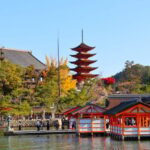
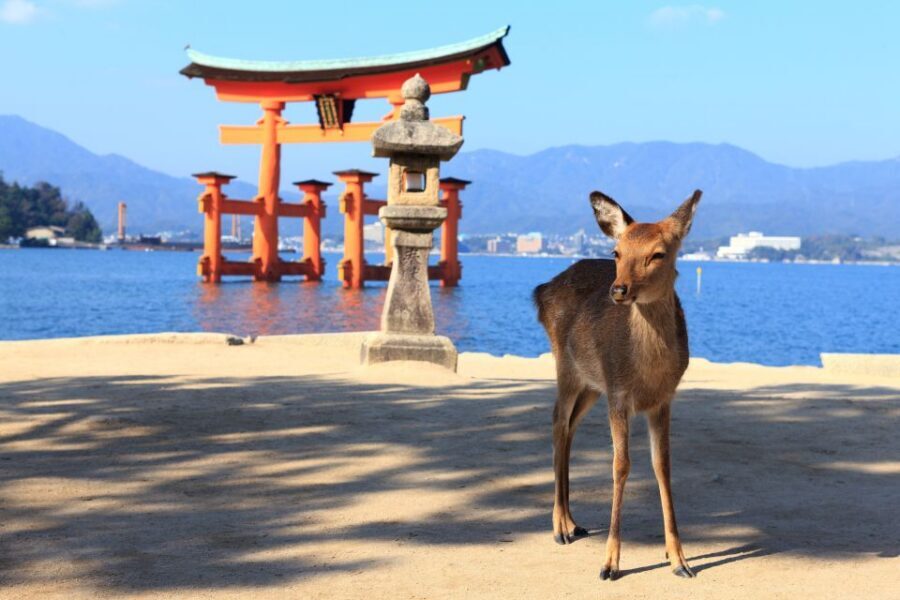
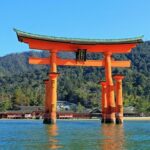
This is the headline stop: Itsukushima Shrine, including the entry fee, plus a chance to see the awe-inspiring red Grand Torii Gate that appears to float.
The shrine is described as a UNESCO-registered national treasure site. It’s easy to see why it’s famous. Even in a short visit, the combination of shrine design and the surrounding water creates a specific kind of atmosphere that’s hard to recreate from pictures alone.
You’ll have about an hour here. That’s usually enough time to appreciate the main visuals without feeling like you’re being herded through a slideshow. The tour guide’s job is to help you understand what you’re looking at and why the setting is so iconic.
Keep expectations realistic: you won’t have hours and hours to wander every footpath on Miyajima. This is a guided “see the key sights” visit. If you’re someone who values the main view and the story behind it, this timing is a sweet spot.
Also remember you’ll be moving again soon, so it helps to decide early whether your priority is the torii view from the shore areas or getting closer to shrine surroundings as much as the route allows.
Miyajima free time: how to use your hour well
After the shrine visit, you get about an hour of free time on Miyajima Island. This is your chance to step away from the group pace and wander at your own tempo.
Because the tour doesn’t list specific add-on activities during this free period, the smartest approach is to treat this hour as a chance to slow down and enjoy the island feel: water views, shrine-area atmosphere, and the immediate area around where you’ve already been guided.
If you’re the type who likes photos, this is also where you can take another look after the guided information lands in your head. You’ll often notice small details the second time—shapes, textures, and the way the red torii contrasts with the water.
But again, this is the one drawback to plan for. An hour is not long. If Miyajima is your main priority, you might later wish you had booked an overnight or a longer stay. For many people, though, the trade-off works because you also get Hiroshima’s core experience in the same day.
Price and what $116 buys you in real travel terms
The price is listed at $116 per person, and the biggest value point is what’s bundled.
You’re not just buying a bus ticket. Your inclusions are substantial:
- air-conditioned bus transportation in Hiroshima
- ferry return ticket to Miyajima
- entry fees for Itsukushima Shrine and the Hiroshima Peace Memorial Museum
- Indian curry lunch (with vegetarian options)
- live English tour guide
- if you choose Osaka or Kyoto departure, roundtrip bullet train tickets are included
That mix is why this tour can feel like good value. Hiroshima and Miyajima aren’t just “places,” they also involve entry tickets and transit time that add up quickly when you plan alone. Here, the cost is packaged around the key sights and avoids the dead time of figuring things out.
At the same time, you should be honest with yourself: this is a scheduled full-day plan. If you hate fixed timetables, a custom approach might suit you better. But if you like structure, this price supports a lot of logistics in one go.
Who this tour fits best
I think this tour is especially strong for you if:
- you want Hiroshima’s A-bomb sites plus Miyajima’s signature shrine in one day
- you prefer an English guide to provide context instead of reading everything on your own
- you’d rather pay for convenience (transportation, entry fees, ferry) than stitch it together
- you’re comfortable with a full day schedule and short visit windows
It’s also a good option for first-timers to both cities. Hiroshima can feel overwhelming if you don’t know where to focus, and Miyajima can be visually confusing if you only rely on photos. The itinerary is built to guide your attention.
And the lunch piece is a real bonus. If you’re tired of weak tour meals, this one is repeatedly praised for its Indian food quality, including vegetarian options.
Final thoughts: should you book this tour?
If your goal is a meaningful Hiroshima start and a memorable Miyajima finish without wrestling tickets, I’d lean yes. The experience is built around entry fees, ferry time, and guided context, which reduces the chance of your day turning into a stressful timetable.
I’d only hesitate if you’re the type who wants long, free wandering on Miyajima. The one-hour island window is the main limitation, and once you know that, you can decide whether a longer stay would suit you better.
If you want a smooth, high-structure day that hits the big points—A-bomb memorial reflection followed by the UNESCO shrine and the famous red torii—this is a solid pick.
FAQ
Where does the tour start and where do you get dropped off?
You can choose one of three starting points: Shin-Osaka Station, Kyoto Station, or Hiroshima Station. Drop-off locations match those options, with stops at Kyoto Station, Shin-Osaka Station, or Hiroshima Station depending on which option you booked.
How long is the Hiroshima and Miyajima trip?
The full-day experience is listed as lasting between 8 and 12 hours, depending on the starting time and option.
Is the Indian lunch included, and are vegetarian options available?
Yes. Indian curry lunch is included, and vegetarian options are available. The provider also notes that menu changes on the day of the tour aren’t accommodated.
How do you visit Miyajima from Hiroshima?
The tour includes a return ferry ticket to Miyajima Island, and you’ll have ferry time as part of the day’s route.
What happens if the Hiroshima Peace Memorial Museum is closed?
If the Hiroshima Peace Memorial Museum is closed, the tour swaps it for the Hiroshima National Peace Memorial Hall for the Atomic Bomb Victims instead.
Are there any tips for using the Shinkansen after the tour?
If you plan to use the Shinkansen for your return or next trip, it’s recommended to book a schedule after 6:30 PM.